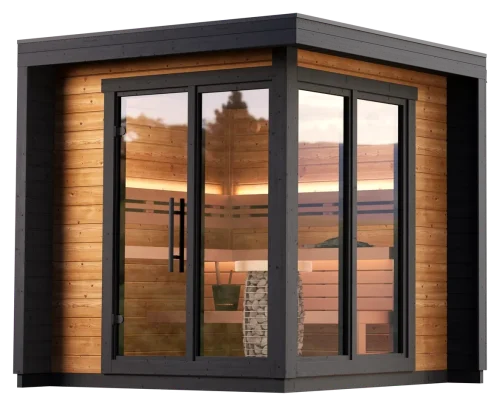
Bringing a sauna into your home is one of the simplest ways to weave daily wellness into everyday life. As more Australians embrace heat therapy for recovery, relaxation and long-term health, the market has expanded with new materials, updated technology and a wide range of cabin styles to suit different homes.
This guide breaks down the essentials—what types of saunas exist, who the leading Australian providers are and how to choose the right model for your climate and space—so you can make an informed, long-lasting investment in your home sanctuary.
Key Takeaways
- Home sauna benefits – Owning a sauna means convenience and privacy, allowing daily heat therapy without spa appointments. Frequent sauna use is linked to lower cardiovascular risk and improved mood.
- Types of home saunas – Traditional dry saunas heat the air with electric or wood heaters, while infrared saunas warm your body directly. Each offers different temperature ranges, costs and experiences.
- Top Australian manufacturers – Shym Saunas, The Sauna Company, Clearlight, Revel Saunas and Kylin Australia dominate the market. Choose based on design preferences, materials and after‑sale support.
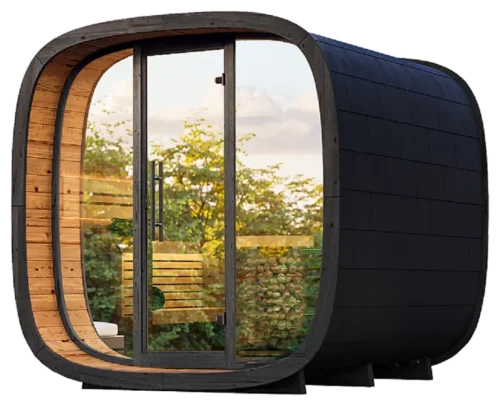
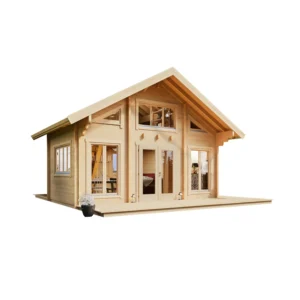
- Sizing and placement – Carefully measure your indoor or outdoor space. Compact models like Shym’s Patio 3XS (162 × 187 × 241 cm) suit apartments, whereas larger cabins like Round Cube Double provide room to stretch out.
Benefits of a Sauna: Why Own a Home Sauna?
1. Health and wellness benefits
The benefits of regular sauna sessions include reducing muscle soreness, improving circulation and promoting detoxification. A Finnish study found that men who used saunas two to three times a week had a 27% lower risk of cardiovascular disease than those who used saunas once a week.
2. Convenience and comfort
Having a sauna at home means you can fit heat therapy into your schedule. Many models come as plug‑and‑play kits that fit in a spare room, garage or backyard.
Types of Home Saunas
| Type | Description | Pros | Cons |
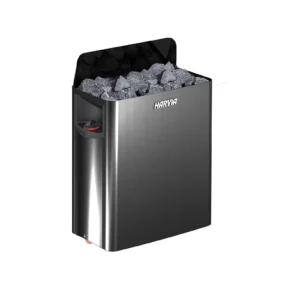
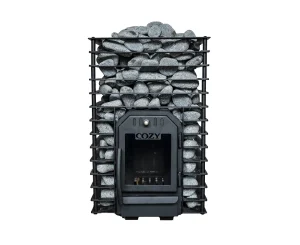
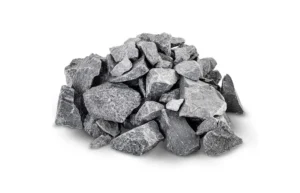
| Traditional (dry/steam) | Uses electric or wood heaters to heat rocks and the air. Pouring water on the rocks creates steam. | Classic sauna ritual, high temperatures (70–100 °C), option for steam. | Takes longer to heat, higher energy use, may require ventilation. |
| Infrared | Utilises far‑infrared panels or carbon‑fibre heaters to warm the body directly. | Lower air temperatures (40–60 °C), energy‑efficient, deeper tissue penetration. | Less steam/ritual feel; quality varies by brand and EMF levels. |
| Hybrid | Combines traditional heaters with infrared panels, allowing users to switch modes. | Versatile; can choose intense heat or gentle infrared sessions. | Higher upfront cost; not all brands offer hybrids. |
Top Home Sauna Manufacturers and Providers
1. Shym Saunas
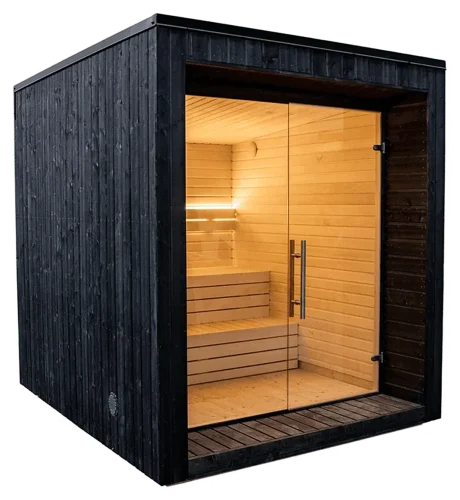
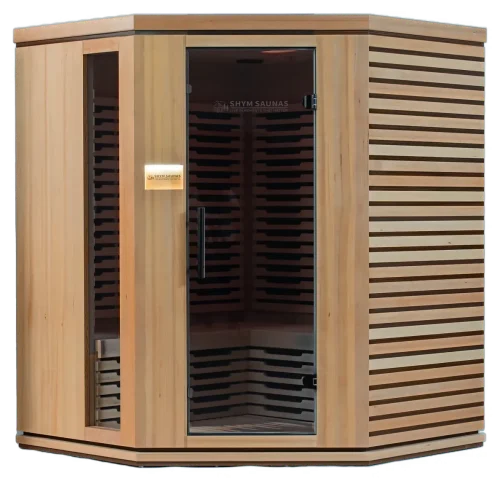
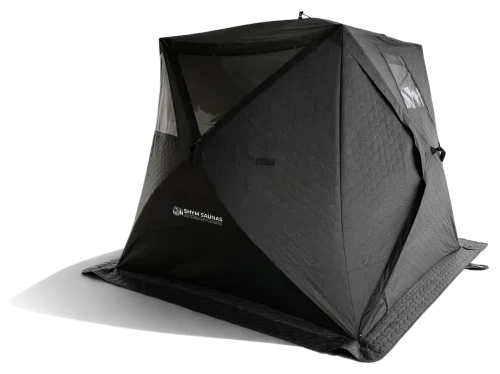
Shym Saunas offers a broad portfolio of home saunas. Their compact Union 125 (206 × 125 × 210 cm) suits two to four people and emphasises energy control. The Union 220 (231 × 220 × 236 cm) provides an expansive interior for longer relaxation sessions. The Eclipse M Euro features plug‑and‑play design with triple‑layer insulation, ideal for those wanting a European‑made cabin without a complex setup.
2. The Sauna Company
Based in Victoria, this company supplies custom saunas and prefabricated kits. Options range from two‑person traditional saunas to five‑person steam rooms. They also offer installation and support.
3. Clearlight Saunas
Renowned for ultra‑low‑EMF infrared technology and lifetime warranties. Their Sanctuary and Premier lines offer multiple sizes with glass fronts and chromotherapy lighting.
4. Revel Saunas
Affordable infrared models starting around $3,500. Features include carbon‑fibre heaters and space‑saving designs, although warranty periods are shorter than premium brands.
5. Kylin Australia
Carries compact and mid‑size infrared cabins with tempered glass doors and easy assembly. Great for small homes and apartments.
Helpful Tips When Choosing the Best Home Sauna in Australia
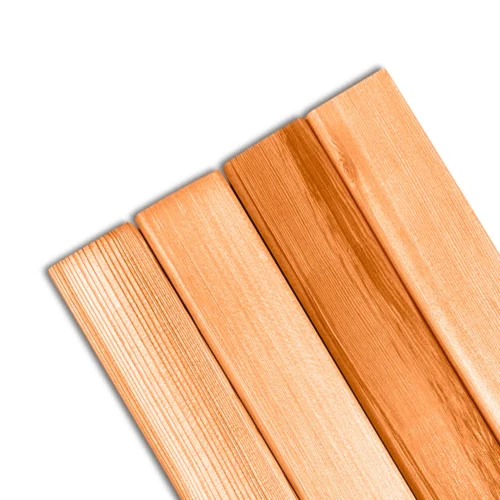
- Thermowood vs cedar vs spruce – The choice of sauna timber affects longevity, aroma and heat retention. Thermowood (thermally modified spruce) resists warping and insects, cedar offers a pleasant scent and natural oils, while spruce gives a light, Scandinavian look.
- Ventilation and EMF levels – A quality sauna should include an adjustable vent to introduce fresh air and maintain oxygen levels. When choosing infrared models, check EMF ratings; many Australian brands prioritise low‑EMF heaters.
- After‑sale service – Beyond warranties, ask about spare parts availability and technical support. A company with local technicians reduces downtime if issues arise.
Spotlight: Shym Saunas Product Recommendations
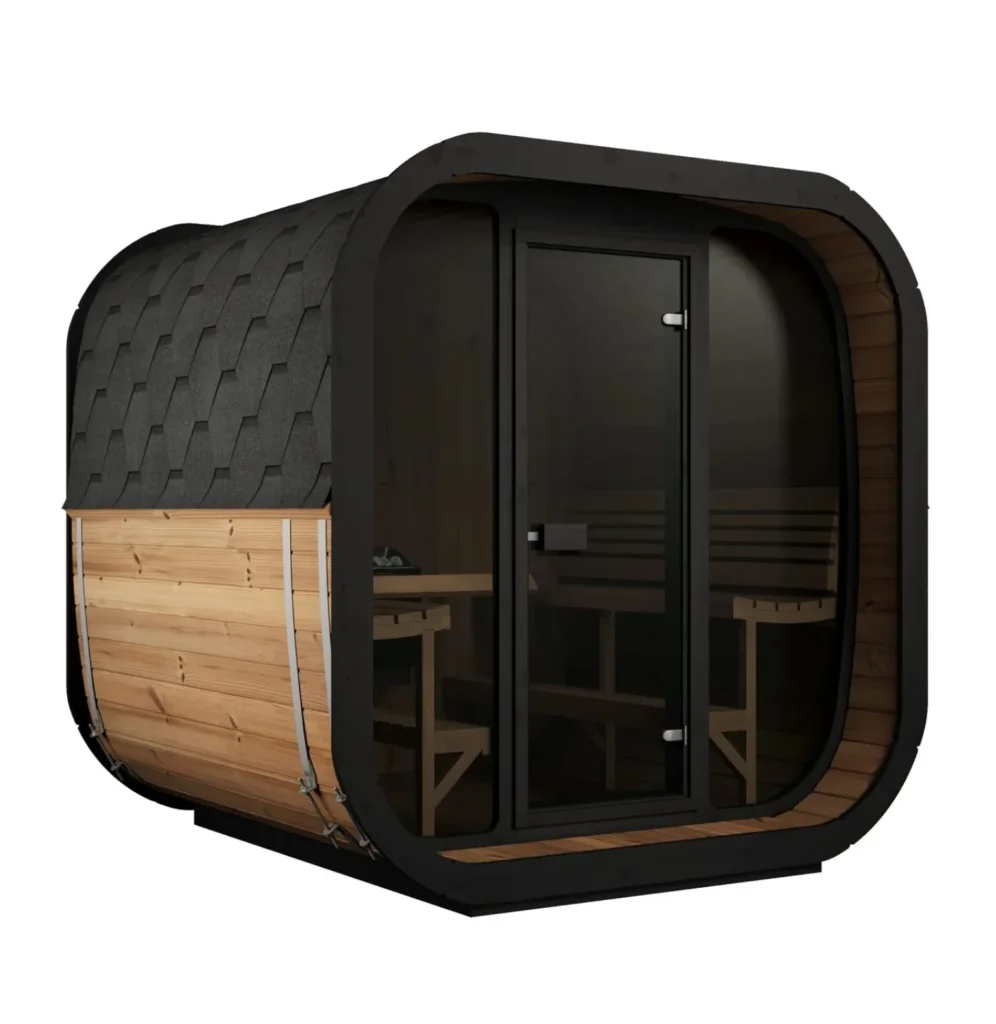
- Union 160 – Split‑level benches and mid‑tier size make this a versatile indoor/outdoor cabin for small families.
- Eclipse M Euro – Simplified plug‑and‑play design with triple‑layer insulation; perfect for those seeking Nordic style without complex construction.
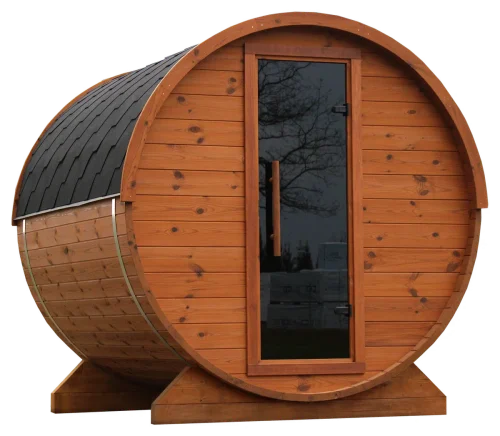
- Summit Thermo Barrel – A thermowood barrel sauna (230 Ø × 280 cm) designed for 4–6 people. Its sealed joints and thermowood body ensure long‑term durability.
Frequently Asked Questions
The best home sauna depends on your space and the type of heat experience you prefer. Traditional saunas (electric or wood-heated) offer the classic high-heat, steam-optional environment and have the most long-term research supporting cardiovascular and relaxation benefits.
Infrared saunas are easier to install indoors, run at lower air temperatures and are popular in Australian apartments because many models plug into a standard 10–15 amp outlet. If you want both styles, hybrid units combine traditional heaters with infrared panels. In practice, the best option is the one that fits your home and allows you to use it consistently.
For most people, yes. Regular sauna use has been linked to improved circulation, reduced muscle soreness, stress reduction and lower cardiovascular risk when used several times per week. Having a sauna at home makes it far easier to build those sessions into your routine, especially if you already visit bathhouses or wellness centres.
Infrared cabins tend to be energy-efficient and low maintenance, while traditional outdoor cabins can enhance outdoor living spaces. If you plan to use your sauna multiple times a week, the convenience and wellbeing benefits usually justify the investment.
Both options have strengths, so the better choice depends on what you want out of the experience. Traditional saunas and steam-capable units heat the air to higher temperatures and create the familiar hot-room environment—with the option to add steam by pouring water over the rocks. This style has the strongest scientific evidence for cardiovascular and longevity benefits.
Infrared saunas work at lower temperatures and warm the body directly, making them easier to tolerate for longer sessions and more practical for small indoor spaces. Australians in apartments often choose infrared, while those with a garage, shed or backyard typically prefer traditional.