



.
Cold plunge pools have gained popularity for their purported health benefits, including improved circulation and reduced muscle inflammation. However, this healthy practice is not without its risks when not done properly. But don’t fear. In this post, let's find out how to safely enjoy the benefits of cold water immersion, backed by expert insights and scientific findings.
Key Takeaways:
- You can practice safe cold plunging with: gradual acclimation, monitoring water temperature, and never plunging alone.
- Cold plunge pools can trigger a cold shock response, potentially leading to increased heart rate and blood pressure.
- Risks include hypothermia, ice burns, nerve damage, and more severe conditions for individuals with certain health issues.
- Have a conversation with your doctor to determine if cold plunging is safe for you, especially if you have heart conditions, take medications, or are an older adult.
The Risks of Cold Plunge
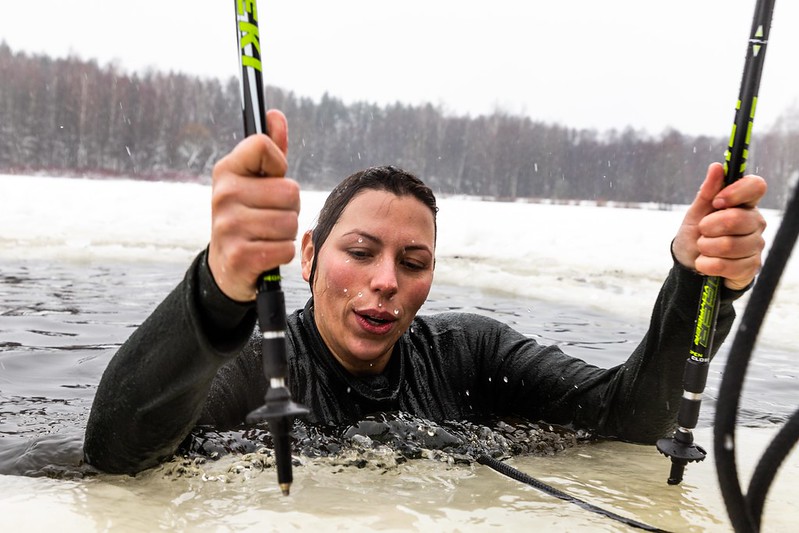
Diving into the cold plunge pool trend can offer thrilling benefits, but it's not without its dangers. This exploration into the cold plunge pool's darker side highlights why knowledge and preparedness are very important for anyone eager to test the icy waters, especially those with existing health concerns.
1. Cold Shock Response and Its Effects
The cold shock response, triggered by sudden immersion in cold water, results in an involuntary gasp for air and hyperventilation, drastically elevating heart rate and blood pressure. This acute physiological reaction can be life-threatening, especially if the individual is unable to control their breathing or if their head remains submerged, posing a significant risk of drowning.
The heart, under such stress, works harder, potentially endangering those with pre-existing heart conditions. Dr. Jorge Plutzky, director of preventive cardiology at Brigham and Women's Hospital, emphasizes the importance of caution and preparation before engaging in cold water immersion, particularly for those with cardiovascular issues.
Cold Plunge and Cardiac Arrest
A conflict between the gasp reflex (from immersion in cold water) and the dive reflex (from holding breath) can confuse the signals that control heart rate, potentially leading to an irregular heartbeat or fatal cardiac arrest.
Raynaud's Syndrome
With this condition, cold and stress narrow the blood vessels enough to cause little to no blood flow. This lack of blood flow can cause certain body parts, like the fingers and toes, to turn white or blue. In more severe cases, cold water could cause sores or tissue death.
Shallow Water Blackout
Hyperventilation prior to cold water immersion can cause swimmers to lose consciousness from lack of oxygen, leading to drowning.
2. The Threat of Hypothermia
Prolonged exposure to cold water significantly cools the body, leading to hypothermia, where the body loses heat faster than it can produce, causing core body temperature to drop dangerously low. Symptoms range from intense shivering and numbness to a decrease in heart rate and confusion, which, in severe cases, can lead to organ failure. A study in the International Journal of Circumpolar Health outlines the physiological responses to cold exposure, highlighting the critical nature of understanding these reactions to prevent hypothermia.
3. Potential for Skin and Nerve Damage
Direct contact with cold water can cause skin and nerve damage, including conditions like cold panniculitis, which presents as painful, itchy rashes, and ice burns. Extended exposure can lead to nerve damage, manifesting as pain, numbness, and decreased muscle strength due to reduced blood flow and tissue oxygenation. Research published in Wilderness & Environmental Medicine discusses the risk of frostbite and non-freezing cold injuries, underlining the importance of proper protective measures during cold exposure.
4. Precautions for High-Risk Individuals
Individuals with conditions such as heart disease, high blood pressure, pulmonary issues, Raynaud's syndrome, and cold urticaria face higher risks with cold plunge activities. The constricted blood vessels and increased heart rate from cold exposure can worsen these conditions, leading to serious health complications. A study from The University of Utah Health advises that such individuals consult healthcare providers before attempting cold water immersion, emphasizing the increased risk and the need for informed decision-making.
5. Drowning
Drowning can occur if water is inhaled into the lungs, suffocating the victim. The gasp reflex, an involuntary urge to suck in breath when entering cold water, can increase the risk of drowning if you're unable to control it.
Safe Practices for Cold Water Immersion

With all these risks, be warned, but don’t fear. There are ways to safely enjoy a cold plunge. To mitigate these risks, it is essential to approach cold water immersion with caution and preparation:
- Consult Your Doctor: Ask your doctor to know if cold plunging is safe for you, especially if you have heart conditions, take medications, or are an older adult. Moreover, ensure medical personnel are on hand and supplies are available for immediate rewarming during organized cold water swims.
- Gradual Acclimation: Begin with shorter exposures to cold water and gradually increase the duration as the body adjusts. This can help minimize the shock to the system and reduce the risk of adverse reactions. Also, you can gradually adjust the water temperature after taking a shower to avoid the shock. Allow your body to get used to the change for 30 to 60 seconds before immersing in colder water.
- Temperature Monitoring: Keep the water temperature within a safe range (ideally between 10-15 degrees Celsius) to avoid the risks associated with too cold temperatures, such as hypothermia and ice burns .
- Supervised Sessions: Never engage in cold plunge activities alone. Having a partner or professional supervision can ensure that help is available in case of emergency, such as signs of hypothermia or difficulty in breathing. Of course, for children, ensure that they are always attended by a capable adult when bathing in cold water.
- Submerge Slowly: If it's your first time, slowly submerge your body and keep your head above water.
- Listen to Your Body: Pay attention to your body's response to the cold water, especially your breathing. If you experience chest pain, irregular breathing, lightheadedness, or changes in the color of your fingers or toes, get out of the water.
- Warm Up Afterward: After a cold plunge, get inside, put on warm clothes, stand by a heat source, or drink a warm beverage to warm up your body. Allow sufficient time for full rewarming before attempting to operate a motor vehicle, hand tools, or engage in any other potentially dangerous activities.
- Acclimate to Cold Water: Start with cold showers slightly above 10-15 degrees Celsius and gradually decrease the temperature. Then move on to sitting in a bath filled with the coldest tap water setting and slowly add ice to reach the desired temperature.
- Breathe Continuously: Maintain a steady, structured breathing rhythm. Never combine hyperventilation with immersion in the water and do not attempt breath holds in the ice bath.
While the allure of cold plunge pools and their potential long-term health benefits continues to grow, it is important to recognize and respect the associated risks. By understanding these dangers, individuals can take informed steps to enjoy cold water immersion safely.
Consulting with healthcare professionals, particularly for those with pre-existing conditions, and adhering to recommended safety protocols can help minimize risks and enhance the benefits of this invigorating practice.
FAQs
Cold plunge pools are not appropriate for everyone, especially individuals whose bodies may react unpredictably to the cold shock response. People with heart disease, high blood pressure, arrhythmias, pulmonary issues, Raynaud’s syndrome, cold urticaria, diabetes with neuropathy, or circulation disorders should avoid cold plunging unless cleared by a healthcare provider.
Pregnant individuals, older adults, and those taking medications that affect circulation or heart rate should also exercise extreme caution. Because cold shock can elevate blood pressure, trigger irregular heart rhythms, or severely restrict blood flow, anyone with underlying cardiovascular or vascular concerns must consult a doctor before attempting cold water immersion.
It's crucial to consult with a healthcare provider before trying cold plunge pools, especially for individuals with pre-existing health conditions.
Most experts recommend no more than 1–3 minutes for beginners and up to 5–10 minutes for those who are fully acclimated. While some experienced practitioners extend sessions to 10–15 minutes, this should only be done once the body has gradually adapted to the stress of cold exposure.
Staying submerged for too long increases the risk of hypothermia, nerve injury, and impaired muscle function, especially when water temperatures drop below 10°C (50°F). The safest approach is simple: begin with short exposures, listen to your body, and exit immediately if you feel numbness, dizziness, confusion, chest tightness, or trouble controlling your breath.
Cold plunging doesn’t directly cause stroke, but it can increase stroke risk in vulnerable individuals. The sudden drop in temperature triggers a spike in heart rate, blood pressure, and vasoconstriction.
For people with hypertension, atherosclerosis, arrhythmias, or a history of stroke or TIA, this rapid cardiovascular stress may heighten the likelihood of a cardiac or neurological event. Research on cold shock response shows that the abrupt combination of gasp reflex, hyperventilation, and increased cardiac workload can provoke dangerous rhythm disturbances in at-risk individuals.
For healthy adults, the risk remains low when cold plunging is done gradually and safely—but those with cardiovascular conditions should avoid it unless approved by a medical professional.
Cold plunges offer benefits, but the risks become significant when they’re done improperly or by individuals with underlying health concerns. Potential dangers include:
- Cold shock response: sudden hyperventilation, gasping, and rapid spikes in blood pressure.
- Irregular heart rhythms or cardiac arrest in susceptible individuals.
- Hypothermia from prolonged exposure.
- Skin and nerve damage, including ice burns, cold panniculitis and non-freezing cold injuries.
- Reduced muscle strength and coordination, making safe exit difficult.
- Risk of drowning if the gasp reflex causes inhalation underwater.
These risks underscore why beginners should start slowly, monitor water temperature, avoid plunging alone, and always listen to their body’s warning signs. Cold plunging can be invigorating and beneficial, but only when approached with respect for the body’s limits and a clear understanding of the science behind cold exposure.
Staying in for 5-15 minutes is generally recommended, but this can vary based on individual tolerance and health status.
Research shows mixed results on the impact of cold water immersion on cardiovascular health. Some studies suggest that it may help reduce inflammation and improve circulation, which can be beneficial for heart health. However, individuals with existing heart conditions should exercise caution, as the sudden drop in temperature can increase blood pressure and stress on the heart.
Cold water immersion can have various psychological effects, including an initial shock or stress response, followed by a euphoric feeling due to the release of endorphins. It’s also been reported to improve mood and resilience to stress over time. However, individuals with anxiety or panic disorders should approach cold plunging carefully, as the initial shock could potentially trigger anxiety or panic attacks.
Some evidence suggests that regular cold water immersion might boost the immune system by increasing the production of white blood cells and other immune system functions. However, more research is needed to fully understand its impact on immunity and whether it leads to long-term health benefits.
For those new to cold plunging, it’s advised to start gradually. Begin with shorter exposures to slightly cool water and gradually decrease the water temperature over time as your body adapts. Always listen to your body and exit the water if you feel uncomfortable or show signs of hypothermia. Consulting with a healthcare provider before starting is also recommended, especially for individuals with pre-existing health conditions.
Yes, individuals with certain health conditions, such as heart disease, high blood pressure, pulmonary issues, Raynaud’s syndrome, and cold urticaria, are at a higher risk of experiencing negative side effects from cold water immersion. These conditions can be exacerbated by the cold shock response and the physiological changes that occur during immersion, potentially leading to serious health events.
Are cold plunge pools dangerous to use at home?
Cold plunge pools are generally safe for healthy adults when used sensibly, but they do carry some risks if misused.
What are the main risks of cold plunge pools?
Cold shock response, elevated heart rate, and hypothermia risk from staying in too long are the main concerns.
Can cold plunging cause a heart risk for some people?
Yes, sudden cold exposure can raise heart rate and blood pressure, which is risky for those with heart conditions.
Who should avoid using a cold plunge pool?
People with heart conditions, uncontrolled high blood pressure, or certain circulatory issues should consult a doctor first.
Is cold shock a real danger with plunge pools?
Yes, the initial cold shock response can cause gasping and rapid breathing, which is why gradual entry is recommended.
Wrapping Up
While cold plunge pools offer various health benefits, they come with inherent risks that cannot be overlooked. Understanding these risks and adhering to safe practices can help mitigate potential dangers, making cold water immersion a beneficial part of your wellness routine. Always prioritize safety and consult with healthcare professionals to ensure cold plunging is suitable for you.
-
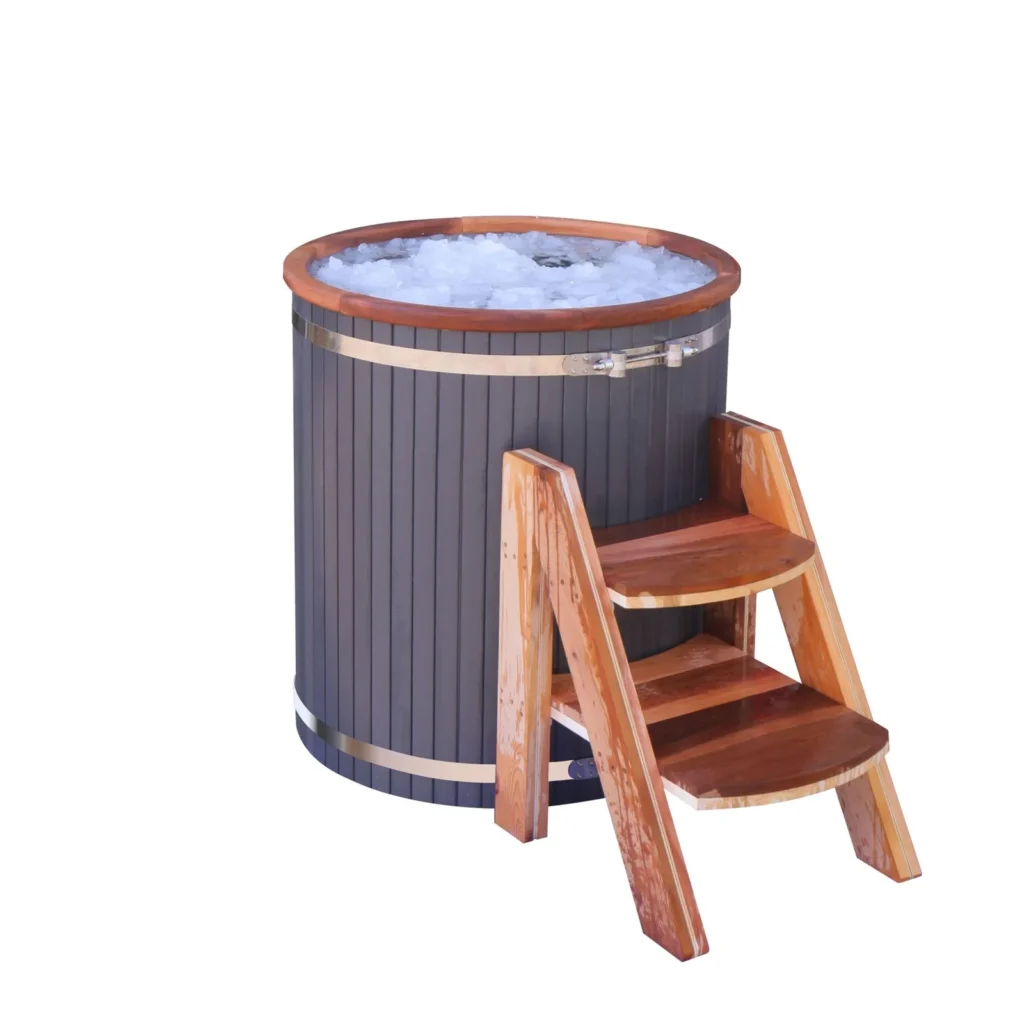
Barrel Cold Plunge Tub 400 L with Cover
Original price was: $2,500.00.$2,375.00Current price is: $2,375.00. -
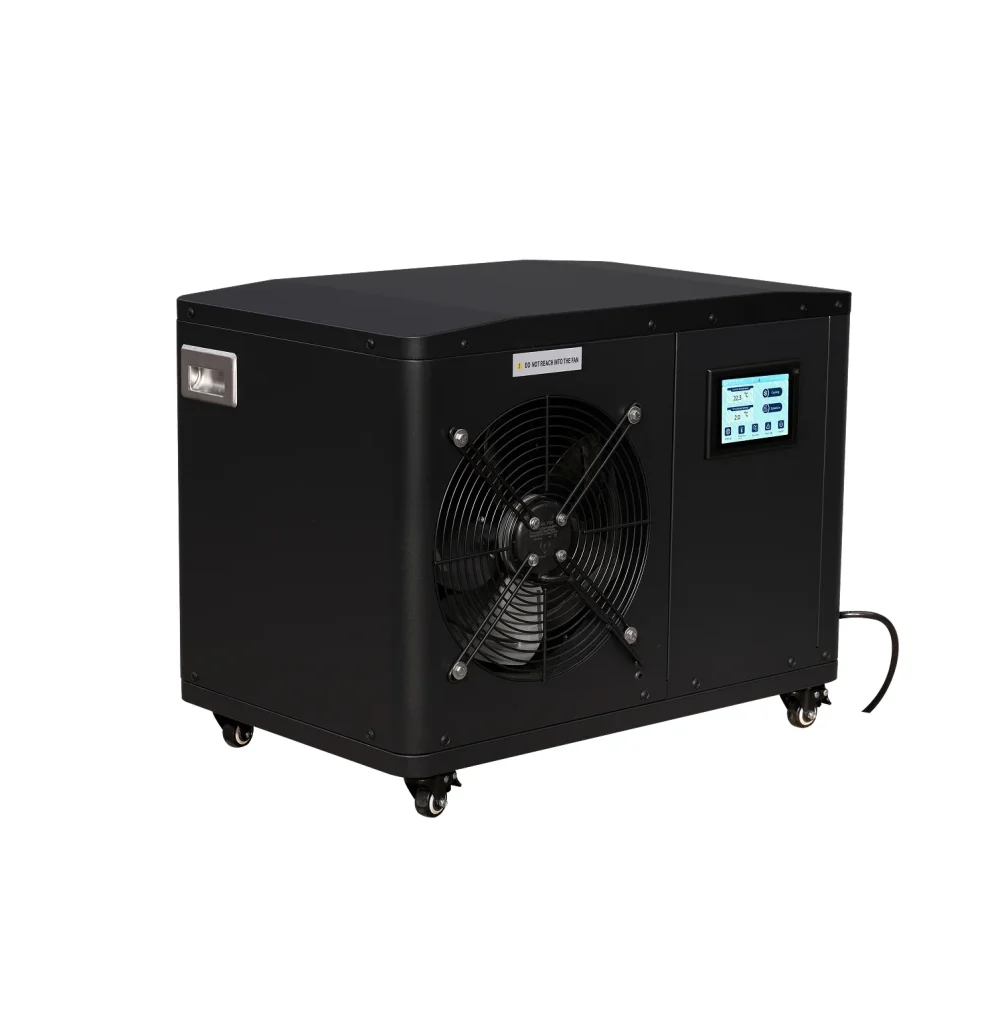
Beta Commercial Ice Bath Chiller — 2.7kW Cooling / 3.0kW Heating (WiFi Control)
Original price was: $3,290.00.$2,900.00Current price is: $2,900.00. -
Extra Paper Filter Element (2 elements included with every chiller already)
$50.00 -
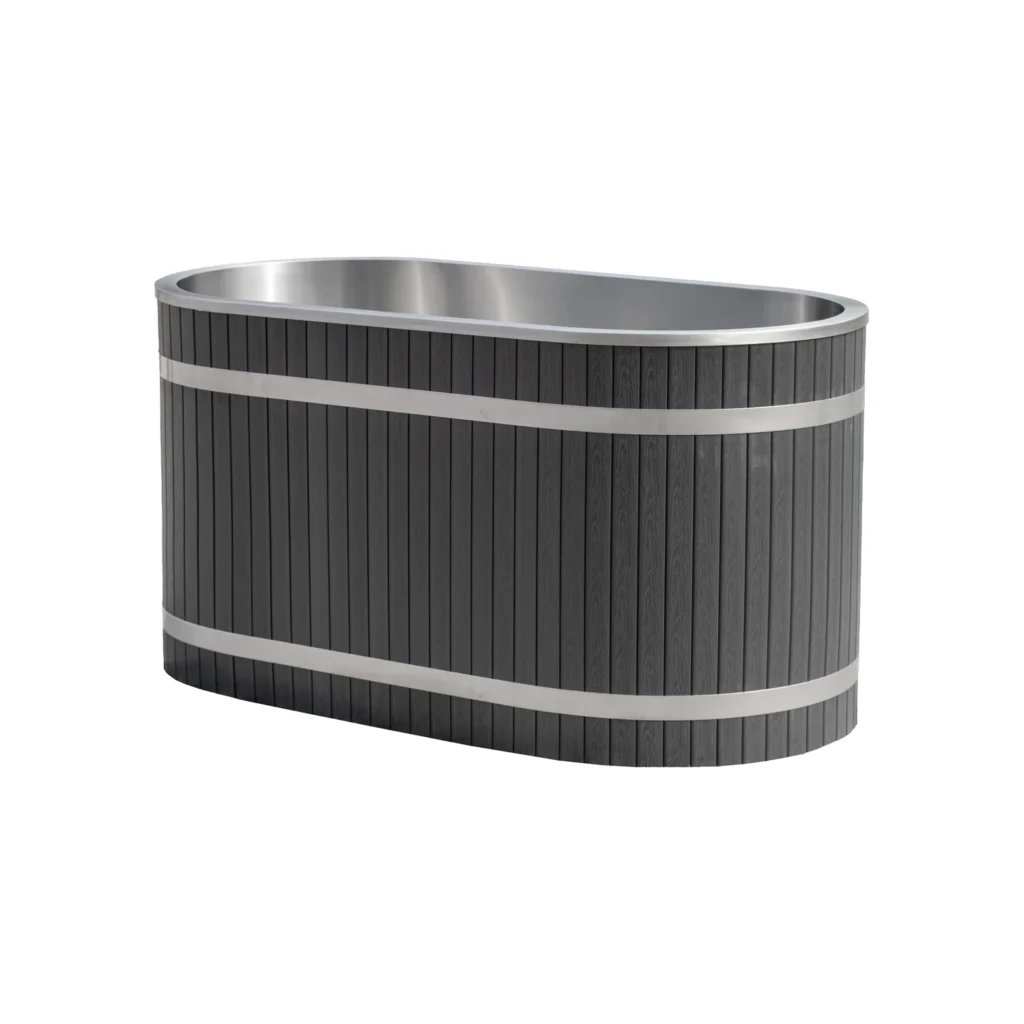
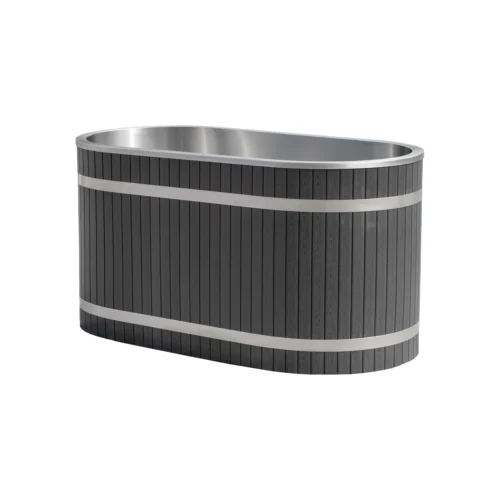
Oval Cold Plunge Tub 304 Stainless Steel with Cover
Original price was: $3,500.00.$3,000.00Current price is: $3,000.00. -
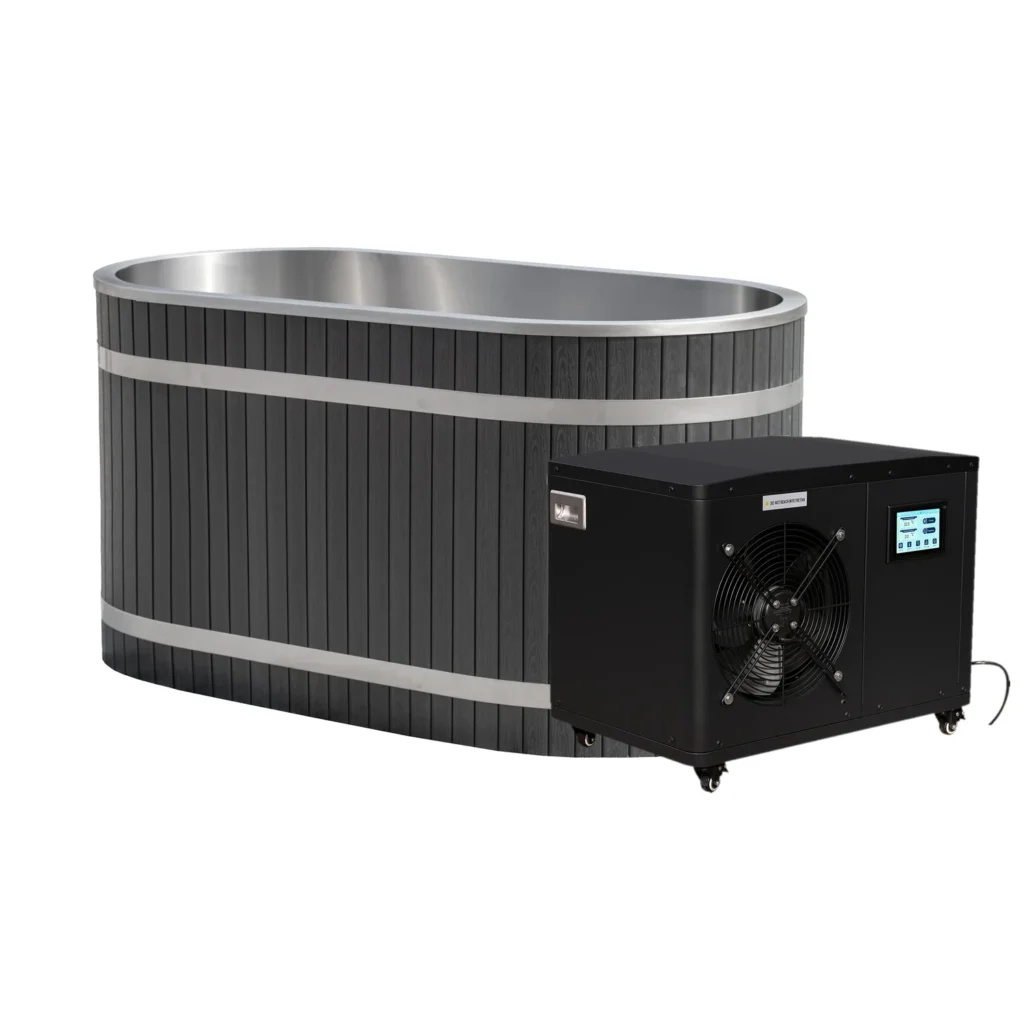
Oval Cold Plunge Tub and Chiller Package
Original price was: $6,500.00.$5,700.00Current price is: $5,700.00. -
Portable Inflatable Shym Ice Bath Tub
$690.00