
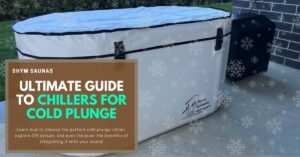


The best chiller for a cold plunge is one sized for your water volume and your climate, with a filter, a good pump and a controller that holds the temperature you set. For a typical home plunge of 300 to 500 litres in Australia, look for a purpose-built ice bath chiller rather than an aquarium unit, and pair it with an insulated tub and a cover so it does not have to work all day.
This guide covers how to size a chiller, portable vs fixed set-ups, budgets, running costs, pairing a plunge with a sauna, DIY options and maintenance.
Key takeaways
- Size it right: match the chiller's cooling power to your water volume, how cold you want it, and how hot your summers get.
- Insulate and cover: an insulated tub with a cover cuts the chiller's running time more than any feature.
- Stay safe: water and power do not mix, so use proper outdoor-rated equipment on an RCD-protected circuit.
How to Choose the Right Chiller for Your Cold Plunge

Start with three questions: how much water is in your tub, how cold do you want it, and how often will people use it? More water, colder targets and more users (each person warms the water) all need more cooling power.
Cold Plunge Chiller Power Requirements
In Australia, chillers are usually rated by cooling capacity in kilowatts (kW). Some overseas brands still quote horsepower (HP); 1 HP is about 0.75 kW. A small chiller of under 1 kW can hold a small tub cool in mild weather, but it will struggle in an Australian summer or with a big tub. A larger unit cools faster and holds very low temperatures even on hot days.
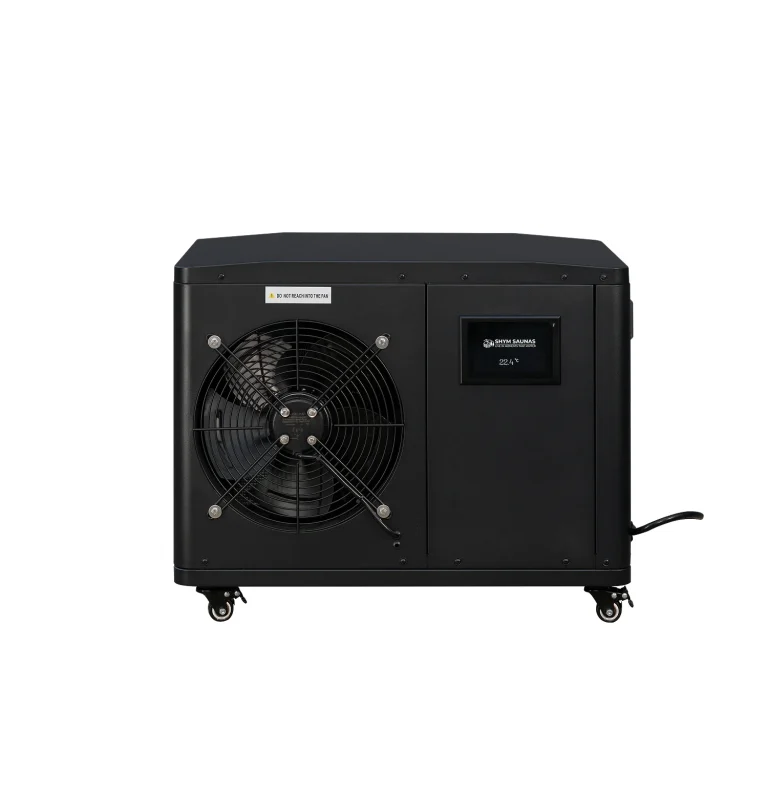
As a guide, our Beta commercial ice bath chiller has 2.7 kW of cooling and suits ice baths of 300 to 500 litres, cooling the water as low as 3°C.
Portability vs. Fixed Installation
Portable Chillers: Flexibility and Ease of Use
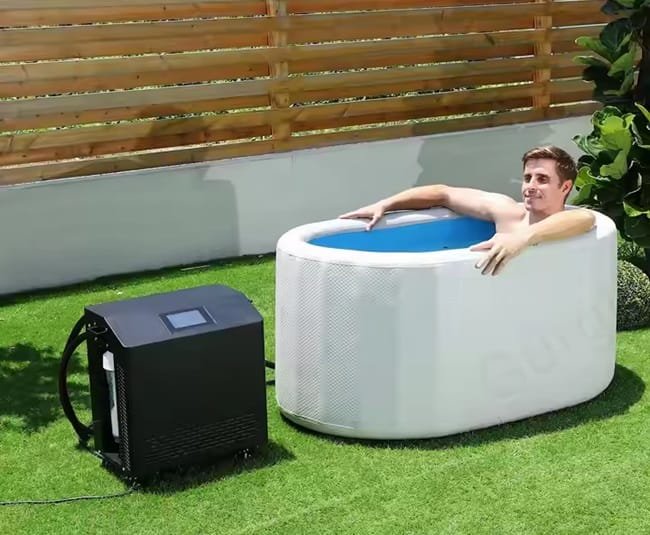
Portable chillers are compact plug-in units that connect to the tub with hoses. They suit renters, small spaces and people who might move their set-up. They tend to have less cooling power, so they work best with smaller tubs and occasional use.
Fixed Installation Chillers: Power and Permanence
A fixed set-up suits a dedicated plunge area or home spa. These units are larger and more powerful, and often include filtration and circulation, so the water stays cold and clean with less effort. Choose one if you plunge most days or share the tub.
Budget Considerations

Price tracks cooling power, build quality and features. Balance the upfront cost against how often you will use it and how much it will cost to run.
Low to Mid-Range Budget
Entry-level chillers, often around $1,000 to $2,000, can suit a small tub and occasional use, especially in a cool, shaded spot. They usually have basic controls and less cooling power. Aquarium chillers sit at the bottom of the range and are only suited to small DIY set-ups.
Mid to High-End Budget
Higher-end ice bath chillers, often around $2,500 to $5,000, add more cooling power and useful features:
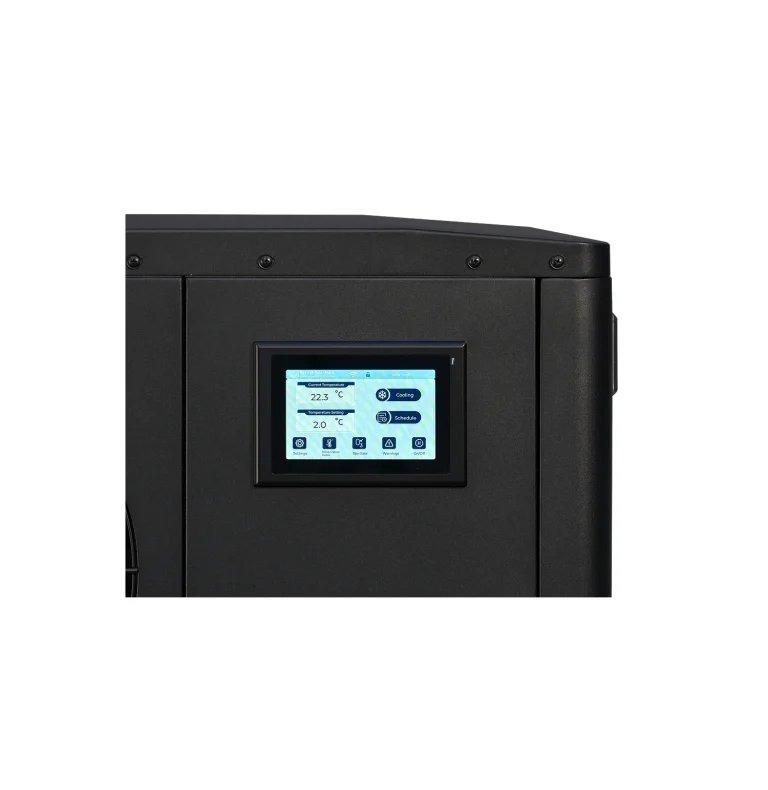
- App and Wi-Fi control: set the temperature and schedule from your phone.
- Heating as well as cooling: one unit for cold plunges and warm soaks.
- Stronger pumps and filtration: cleaner water and even temperature.
Featuring Shym Saunas’ Beta Commercial Ice Bath Chiller (WiFi and App Control)

- Cools and heats: 2.7 kW cooling down to 3°C, and 3.0 kW heating up to about 38°C.
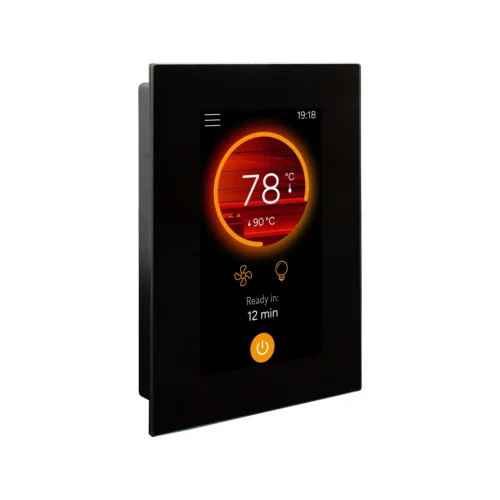
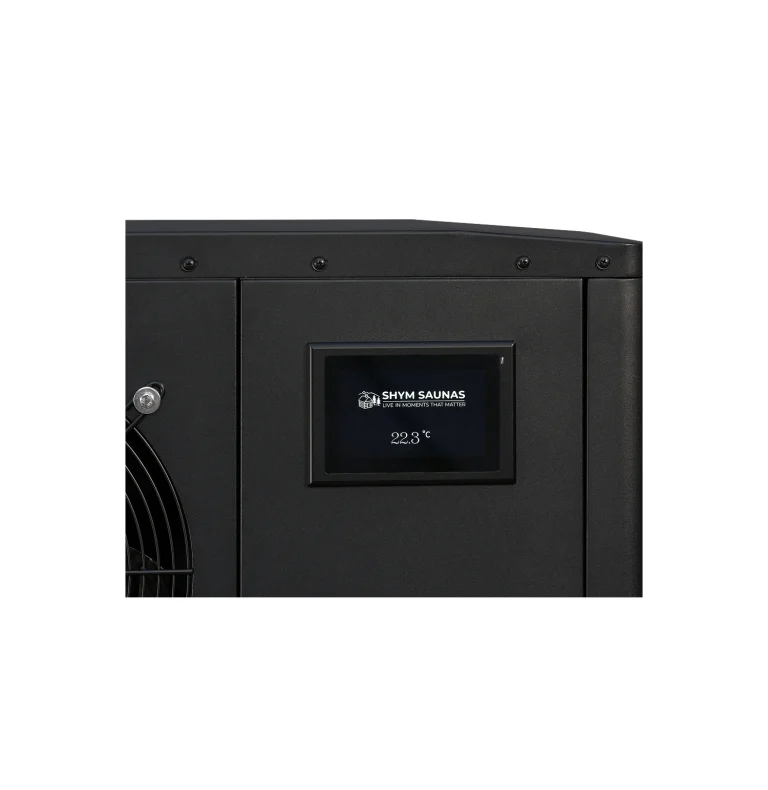
- Built for daily use: a 30 litre a minute pump, a filter, a touchscreen and Wi-Fi app control, for homes, gyms and studios.
- Indoors or out: IPX4 water resistance, running on a standard 220 to 240 V supply.
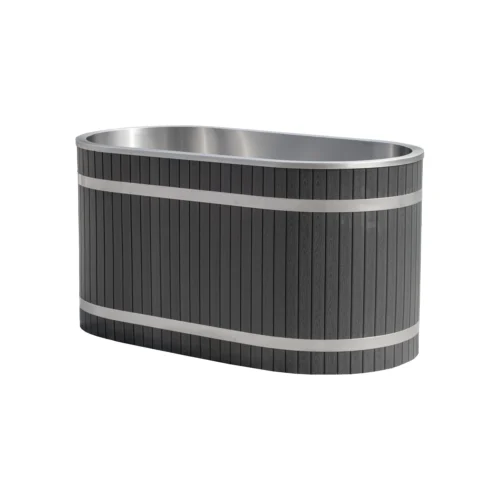
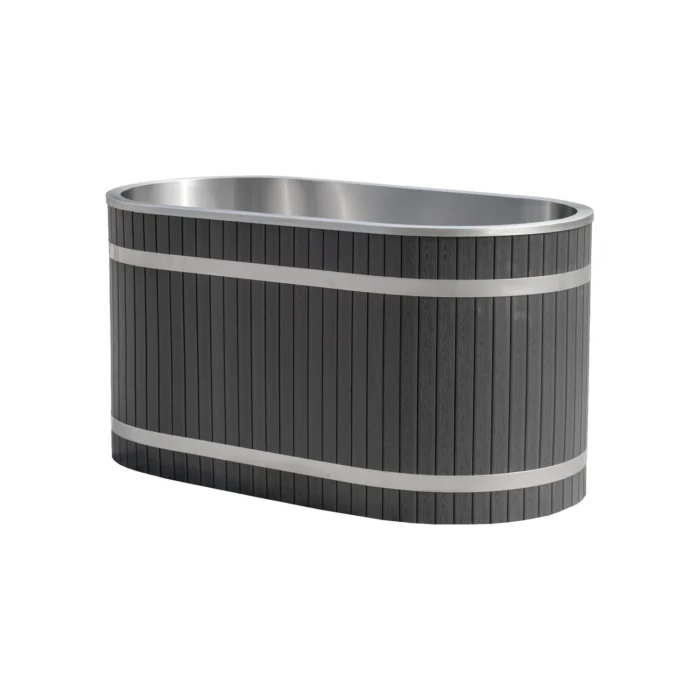
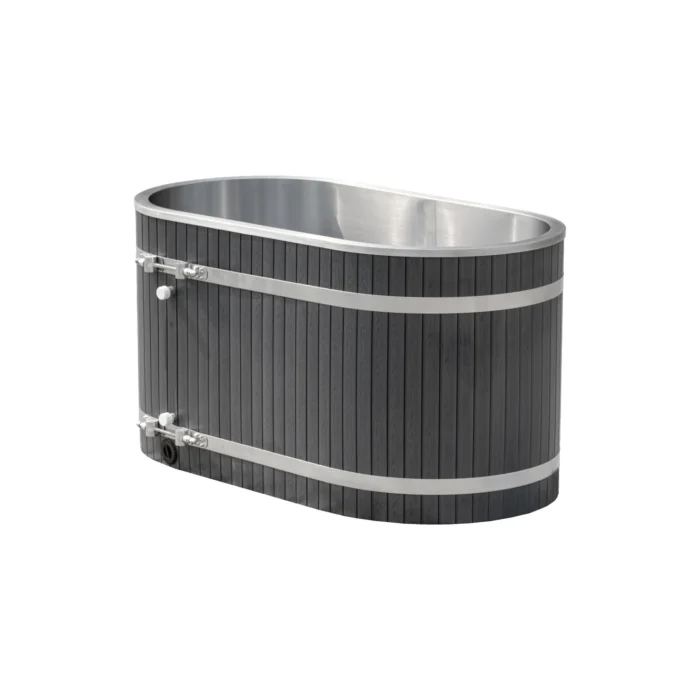
Its regular price is $3,290 at the time of writing (October 2026). It also comes as a package with our oval stainless steel cold plunge tub.
 11% OffBeta Commercial Ice Bath ChillerIn stock$2,900
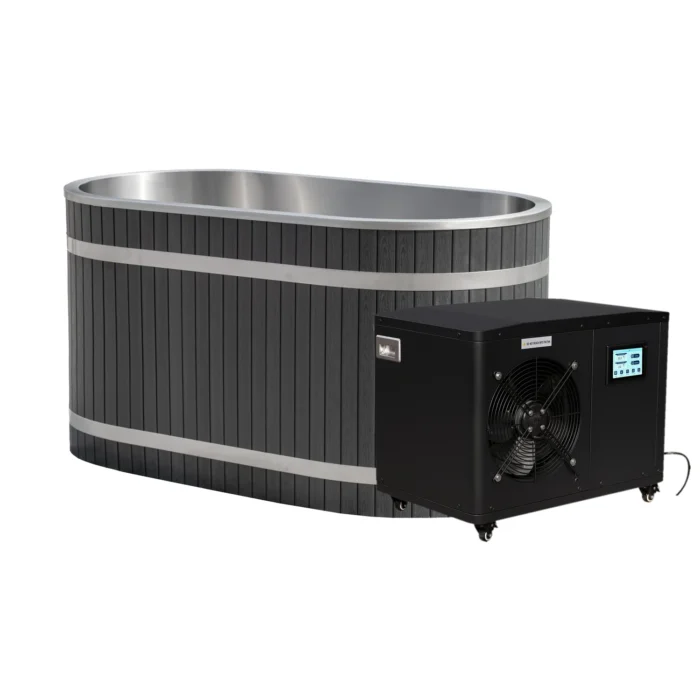 12% OffOval Cold Plunge Tub with ChillerIn stock$5,700
Cost vs. Long-Term Savings
A well-sized chiller reaches temperature and then rests. An undersized one runs flat out on hot days and never quite gets there, which costs more in power and wears it out sooner. Spending a little more on the right size often saves money over the years.
Energy Efficiency
A chiller runs for many hours a week, so efficiency matters. The biggest saving is not in the chiller at all: an insulated tub, a fitted cover and a shaded spot cut the heat the chiller has to remove.
Energy-Saving Features to Look For
1. Smart Temperature Control
A good controller switches the compressor off once the water reaches your set temperature and back on only when it warms up. Schedules let you cool the water before you need it rather than all day.
2. The Right Size
A chiller matched to your tub runs in short, efficient bursts. One that is too small runs constantly; one that is far too big is money spent on capacity you do not use.
3. Insulation and a Cover
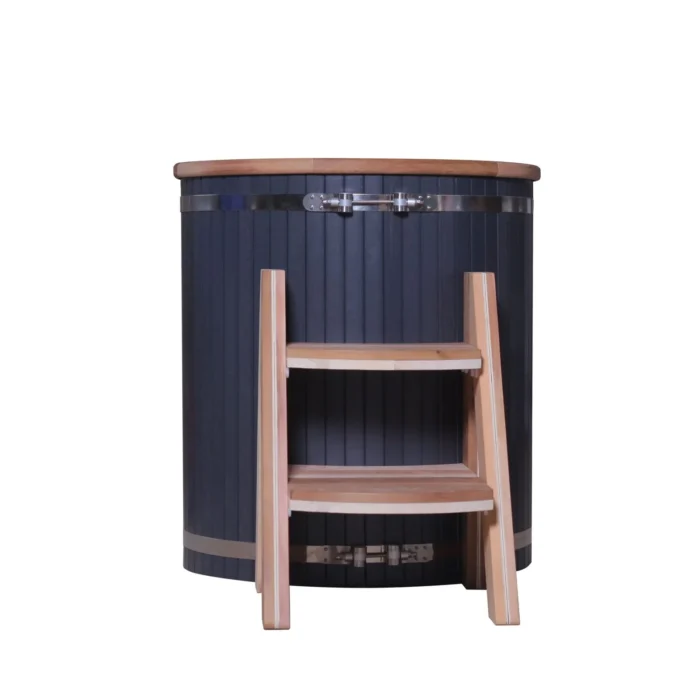
Every hour the cover is on is an hour the chiller does not have to fight the sun and air. An insulated tub, such as our oval tub with 20 mm of nitrile rubber insulation, makes a big difference.
Integrating Cold Plunge with Your Sauna Setup

Photo Credit: Freepik
Benefits of Pairing Sauna and Cold Plunge
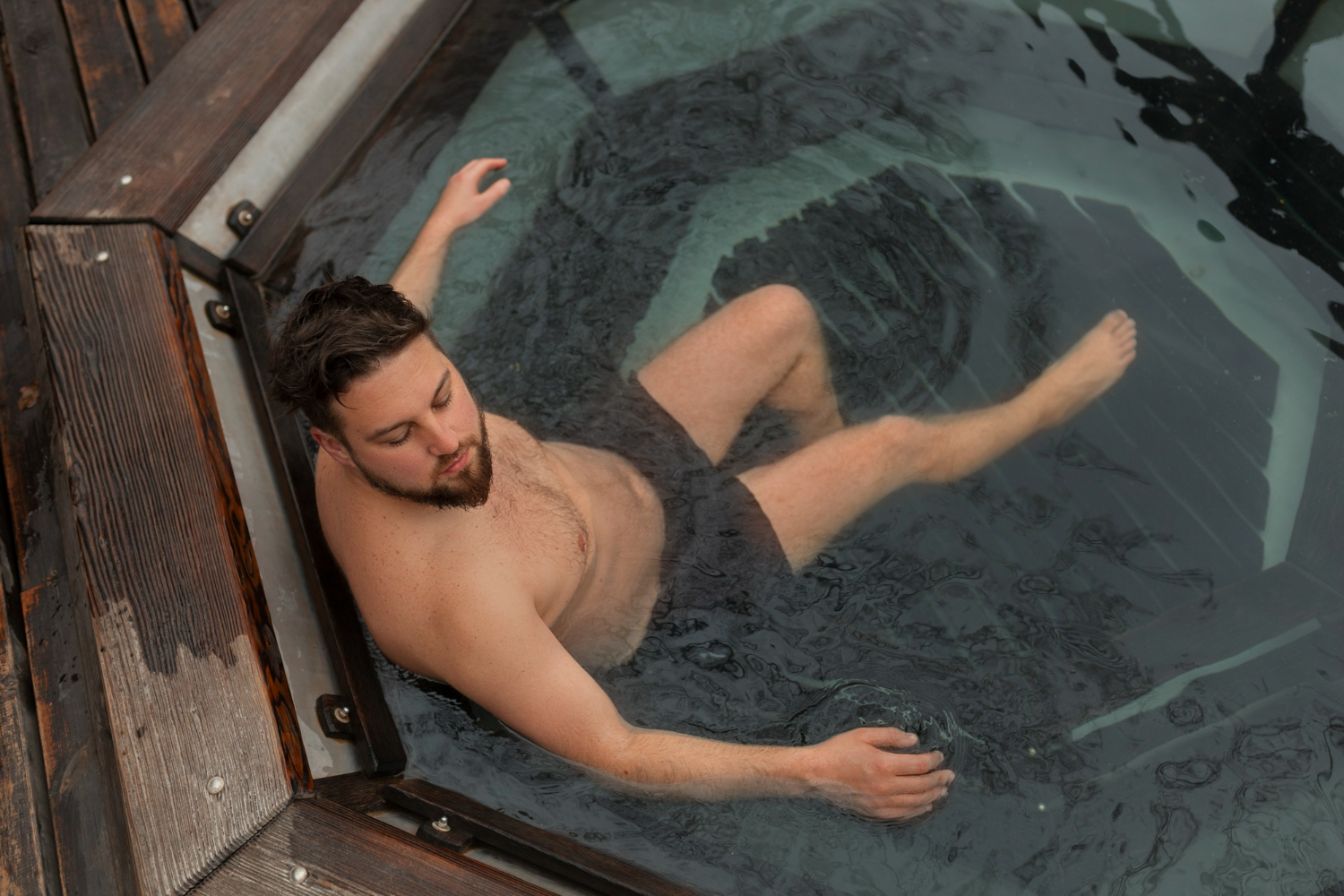
Going from a hot sauna into a cold plunge, often called contrast therapy, leaves many people feeling refreshed and relaxed, and athletes use it for recovery. Research is still growing, so think of it as a great habit rather than a cure. See our sauna and cold plunge routine for how to do it.
Space and Installation Tips
- Close together: put the plunge a few steps from the sauna door, with a shower nearby for a quick rinse.
- Airflow and shade: chillers need space around them to breathe, and work less hard out of direct sun.
- Power: use a weatherproof outlet on an RCD-protected circuit, and have a licensed electrician do any new wiring.
How to Set Up DIY Cold Plunge Chiller Solutions

Photo Credit: Break It Yourself, YouTube
Overview of DIY Options
People build DIY cold plunges with aquarium chillers, converted chest freezers or glycol systems. They can work and cost less up front, but they usually have less cooling power, no proper filtration, and more risk.
- Aquarium chillers: fine for a small tub in mild weather, slow in summer.
- Chest freezer conversions: cheap, but they mix water and power in a box never meant for it. Only consider one with professional electrical advice.
- Glycol systems: powerful, but complex to build, with extra pumps and heat exchangers.
Safety Considerations
- Electrical safety first: plug into an RCD-protected outlet, keep connections dry and weatherproof, and use a licensed electrician for any wiring.
- Watch the temperature: keep a thermometer in the water so it never gets colder than you intend.
- Keep it clean: without a filter, change or treat the water often.
Maintenance Tips for Your Cold Plunge Chiller
1. Regular Cleaning and Filter Replacement
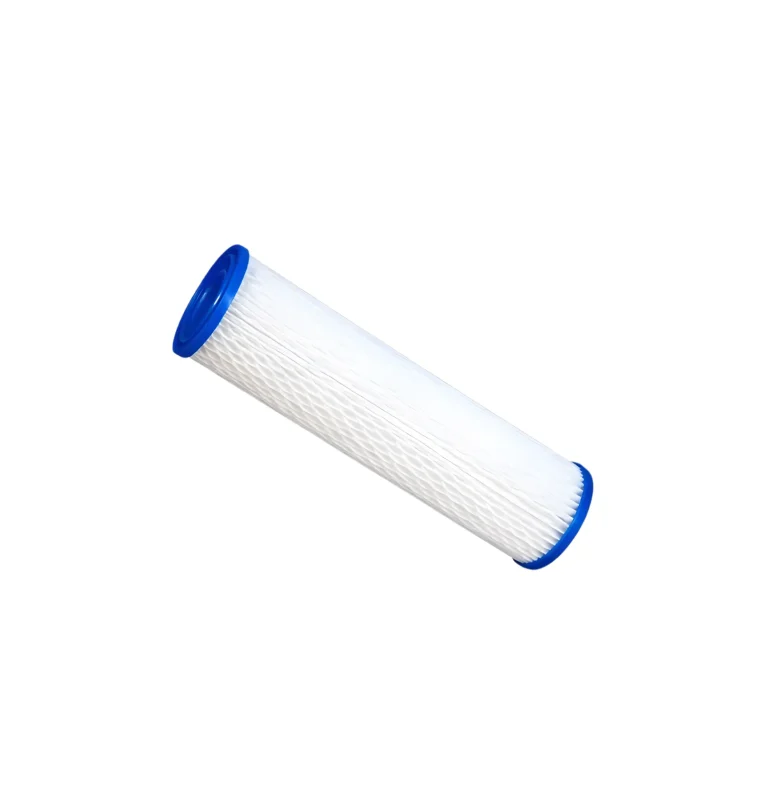
Always run the chiller with its filter in place, clean the filter regularly and replace it when it wears out (we stock replacement filter elements). Keep the air vents clear of dust and leaves.
2. Troubleshooting Common Issues
If the water is not getting cold enough, check for a clogged filter, kinked hoses, blocked vents or the chiller sitting in hot sun. On very hot days, keep the cover on between plunges.
3. When to Seek Professional Help
If the chiller stops cooling, shows an error code you cannot clear, or trips the power, switch it off and contact the seller or a refrigeration technician.
Frequently Asked Questions (FAQs)
What is the best chiller for a cold plunge?
A purpose-built ice bath chiller sized for your water volume and climate, with a filter and a controller that holds a set temperature.
Are chillers better than ice for a cold plunge?
Yes, for regular use. A chiller holds a steady temperature every day with no ice runs, and keeps the water filtered.
How much water does a cold plunge hold?
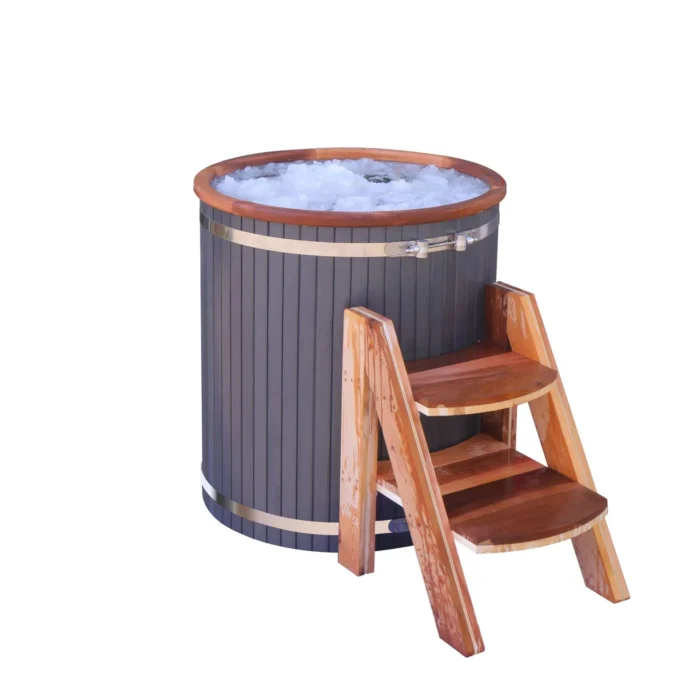
Most home cold plunge tubs hold about 300 to 500 litres. Our barrel cold plunge tub holds 400 litres.
Can I use an aquarium chiller for a cold plunge?
For a small DIY tub in mild weather, it can work, but it may struggle to keep the water cold in an Australian summer.
How cold should a cold plunge be?
About 10 to 15°C suits most people. See our ice bath temperature guide.
Conclusion
A good chiller turns a cold plunge into something you use, not something you prepare. Size it for your water and your summers, give it an insulated tub and a cover, and keep the filter clean. Browse our cold plunge tubs and chillers to get started.