
Walk into any serious wellness facility across Australia right now and you’ll find the same combination front and centre: a sauna and an ice bath, side by side. It’s not a trend — it’s a practice with deep physiological roots that’s been embraced by elite athletes, biohackers, and everyday Australians looking for a powerful way to transform how they feel and recover.
Whether you’re searching for a sauna and ice bath combo in Melbourne, Perth, or anywhere in between — or you’re thinking about bringing this setup into your own backyard — this guide covers everything you need to know. At Shym Saunas, we supply premium saunas and cold plunge tubs to homes across Australia and New Zealand, and we’ve seen first-hand how this pairing changes lives.
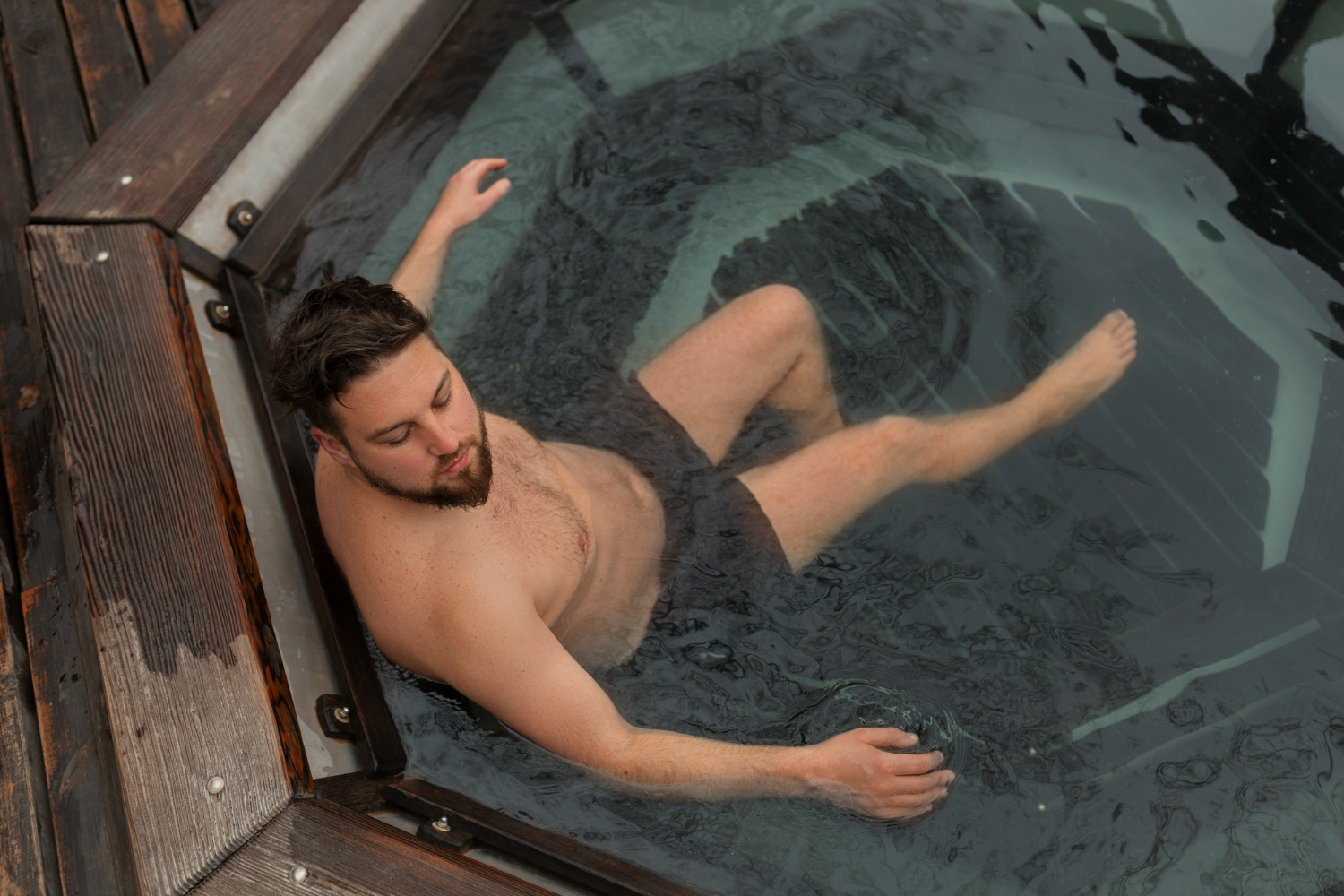
The sauna ice bath combo — also called contrast therapy or hot-cold therapy — involves alternating between intense heat exposure in a sauna and cold immersion in an ice bath or cold plunge tub. The practice deliberately cycles your body between two extreme thermal states, triggering a cascade of physiological responses that neither heat nor cold alone can produce.
This hot-cold contrast has been used for centuries in Scandinavian and Eastern European wellness traditions — but modern sports science and biohacking culture have brought it roaring into the mainstream. Across Australia, dedicated contrast therapy facilities are popping up in major cities, while more Australians than ever are installing their own sauna and cold plunge setup at home.
The most commonly asked question about contrast therapy is straightforward: should you do the sauna or ice bath first?
The answer is: sauna first, ice bath second — and this is the sequence recommended by most practitioners, athletes, and wellness experts.
Here’s why the sauna-to-ice-bath order works best:
Starting with heat opens blood vessels, raises core body temperature, loosens muscles, and brings the body into a deeply relaxed, vasodilated state. Moving from the sauna to the ice bath then creates a dramatic thermal contrast — blood vessels rapidly constrict, circulation is redirected to protect core organs, and the body floods with adrenaline and endorphins. This sharp physiological swing is what generates the most powerful recovery, hormonal, and mental health responses.
Going ice bath first, sauna second is not harmful and has its own applications — particularly as a way to end a session in a warm, relaxed state rather than the alert, energised feeling that follows a cold plunge. Some practitioners prefer this sequence before sleep. But for performance recovery and maximal physiological benefit, sauna-to-ice-bath is the gold standard.
The benefits of the sauna and ice bath combination go well beyond what either modality offers independently. Here’s what the research and real-world experience tells us.
The sauna accelerates blood flow to muscles and connective tissue, flushing metabolic waste and delivering nutrients for repair. The subsequent ice bath reduces inflammation and limits secondary tissue damage — essentially putting the brakes on the inflammatory cascade before it overshoots. Together, these two phases produce faster, more complete muscle recovery than either achieves alone. This is why professional athletes from AFL footballers to Olympic swimmers routinely use contrast therapy as a core recovery tool.
Alternating between the extreme vasodilation of sauna heat and the sharp vasoconstriction of cold water immersion gives the blood vessels an intense workout. Over time, this thermal cycling improves vascular elasticity, lowers resting heart rate, and supports healthier blood pressure. Think of it as a passive cardiovascular training session — your heart and blood vessels are working hard even when you’re sitting still.
Cold water immersion triggers a dramatic spike in dopamine — up to 250% above baseline according to some research — with effects that last for several hours. Combined with the endorphin release and cortisol reduction of sauna use, the sauna and ice bath combo produces a profoundly elevated mood state. Many Australians who practise contrast therapy regularly describe it as the most effective natural mood reset they’ve found — better focus, more energy, and a lasting sense of calm and wellbeing.
Sauna heat causes a controlled, beneficial inflammatory response that supports tissue repair. The ice bath that follows then powerfully reduces systemic inflammation, preventing the recovery process from becoming counterproductive. For Australians managing chronic inflammatory conditions — arthritis, tendinopathy, or post-surgical recovery — this balanced thermal approach offers meaningful relief.
The repeated expansion and contraction of blood vessels during a contrast therapy session acts like a pump for the circulatory system. Blood is driven more effectively to peripheral tissues, lymphatic drainage is improved, and overall vascular tone is enhanced. Regular contrast therapy practitioners frequently report improvements in cold extremities, energy levels, and skin health — all downstream effects of superior circulation.
Cold exposure activates brown adipose tissue (brown fat) — a metabolically active type of fat that burns energy to generate heat. Combined with the elevated metabolic rate triggered by sauna heat, the ice bath and sauna combo creates a significant metabolic stimulus. Regular contrast therapy has been associated with improved insulin sensitivity, better glucose metabolism, and support for healthy body composition over time.
A well-structured contrast therapy session doesn’t need to be complicated. Here’s a practical framework for beginners and experienced users alike:
Beginner protocol (2–3 rounds):
Intermediate to advanced protocol (3–5 rounds):
Always end the final round with the ice bath for maximum energising effect, or with the sauna if you want a more relaxed, sleep-friendly finish. Hydrate well throughout — at least 500ml of water per round — and never practise contrast therapy alone if you are new to cold immersion.
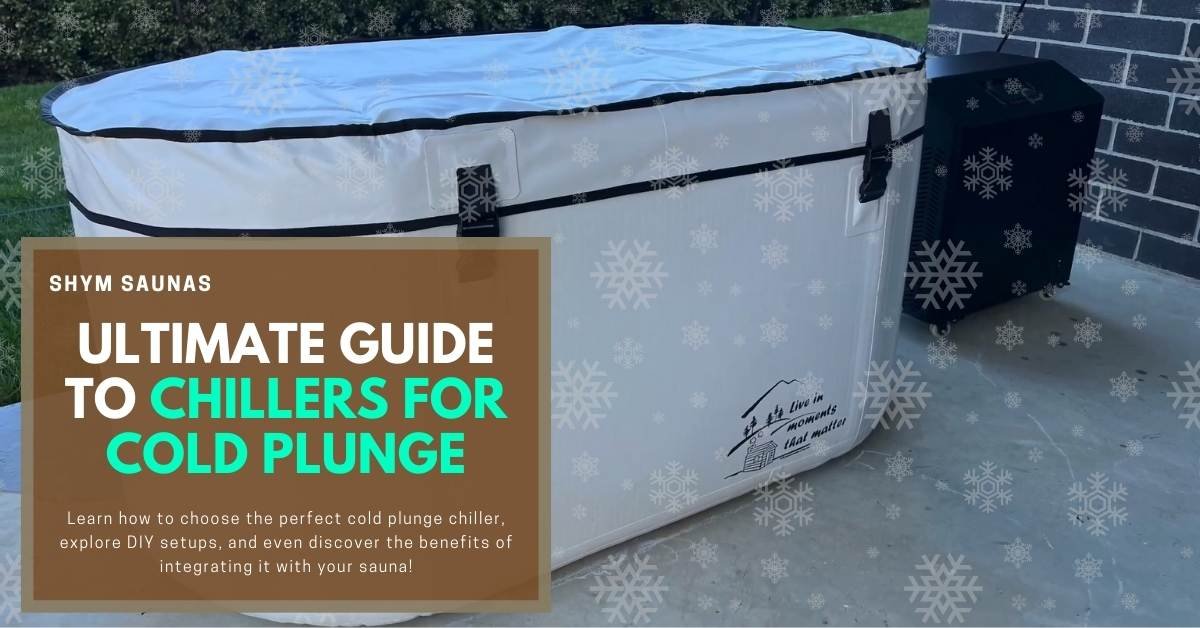
Setting up a sauna ice bath combo at home is more accessible than most Australians realise. At Shym Saunas, we supply both premium outdoor saunas and cold plunge tubs — giving you everything you need for a complete contrast therapy setup in your own backyard.
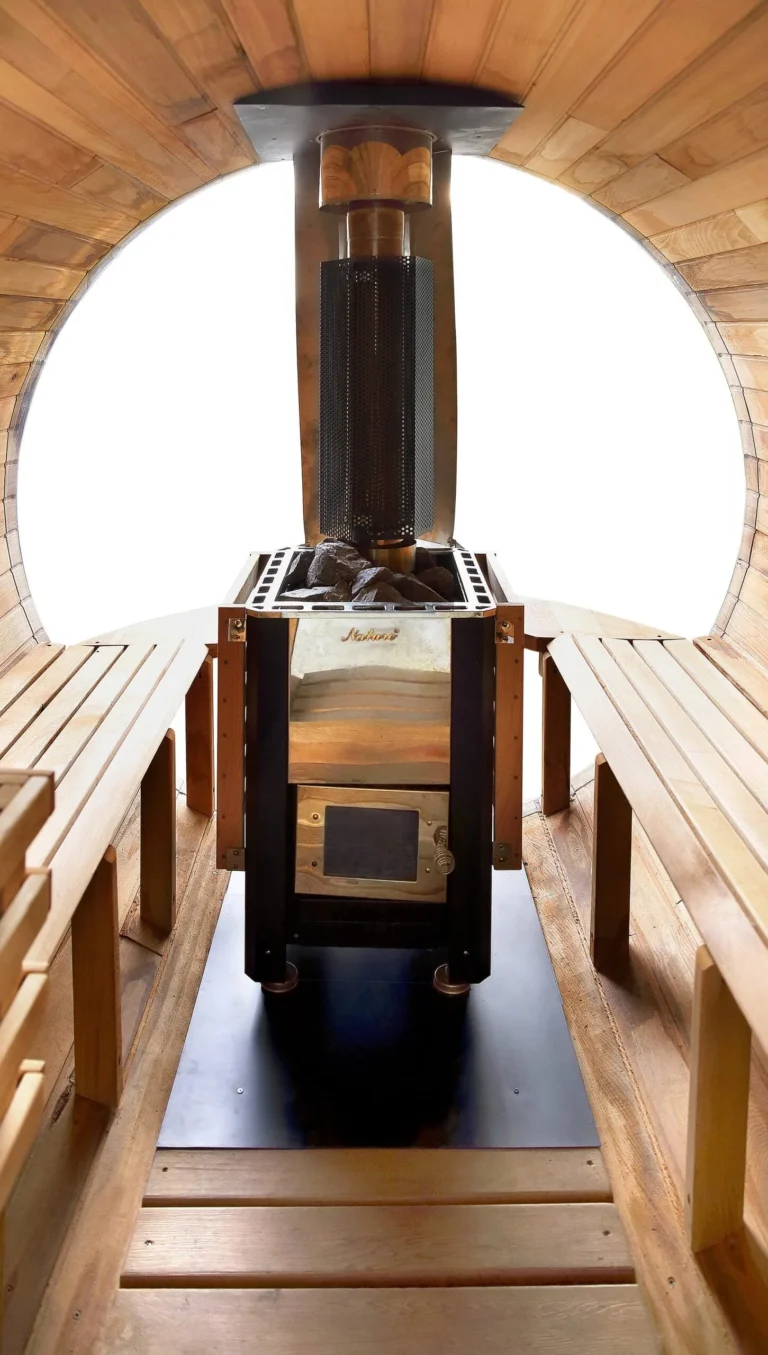
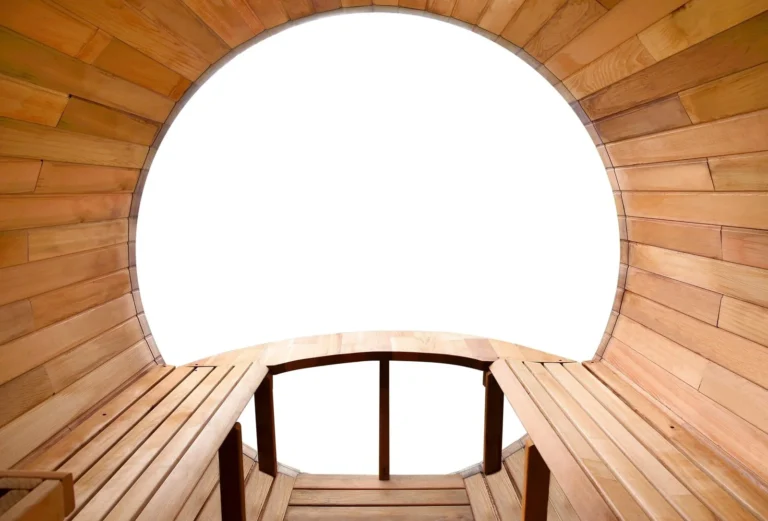
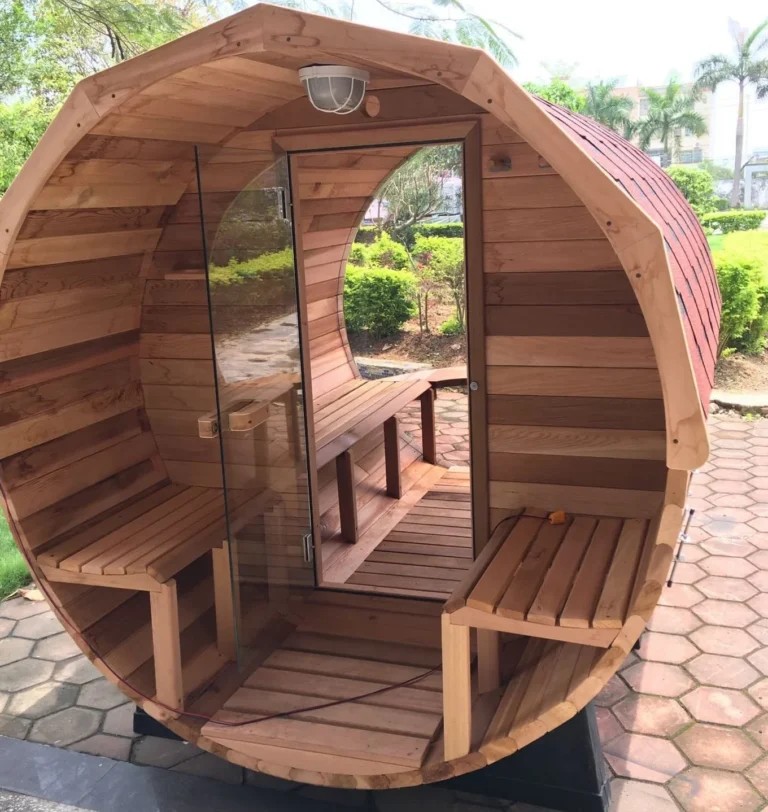
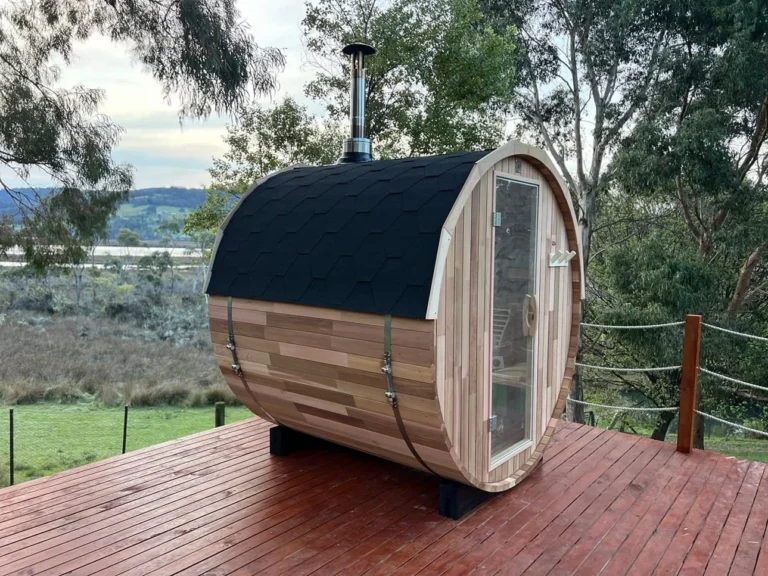
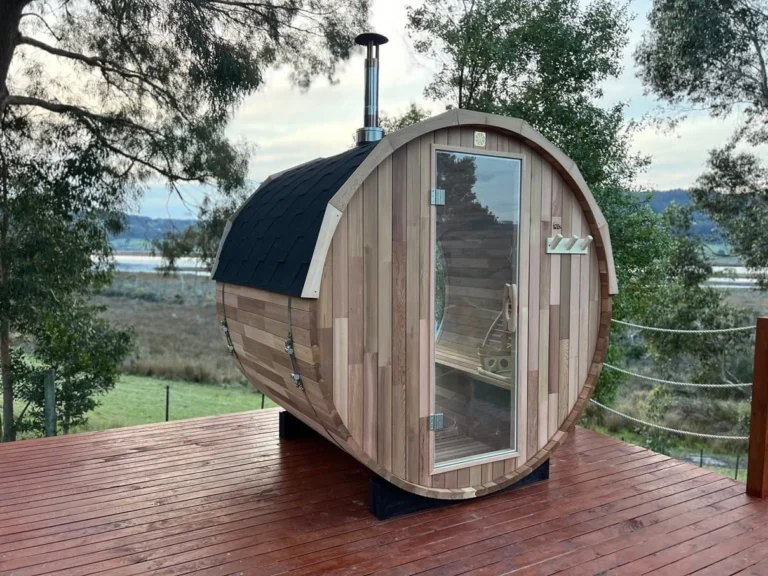
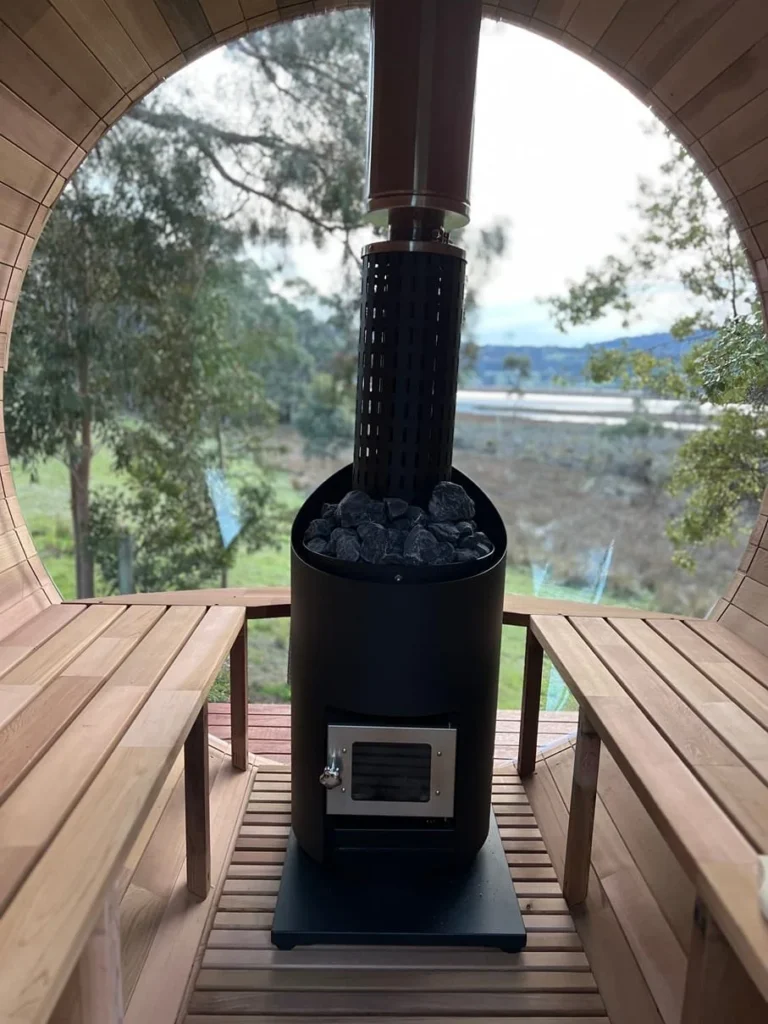
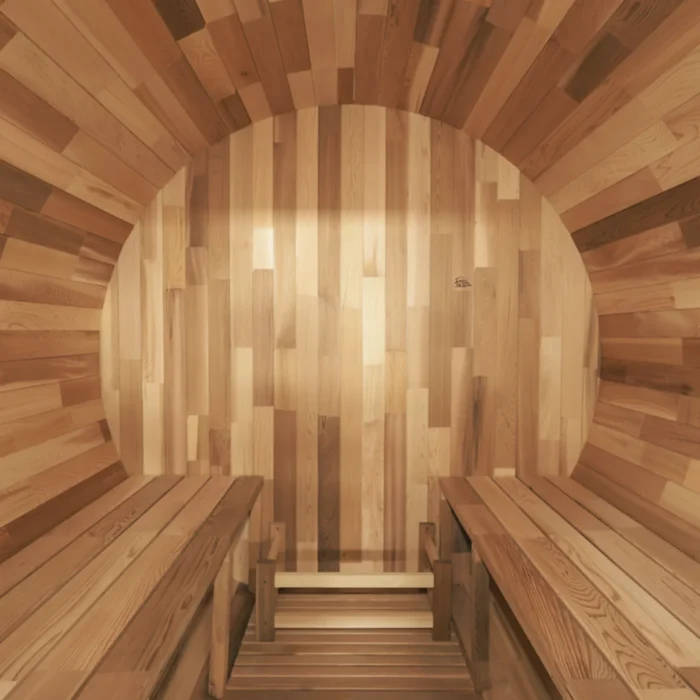
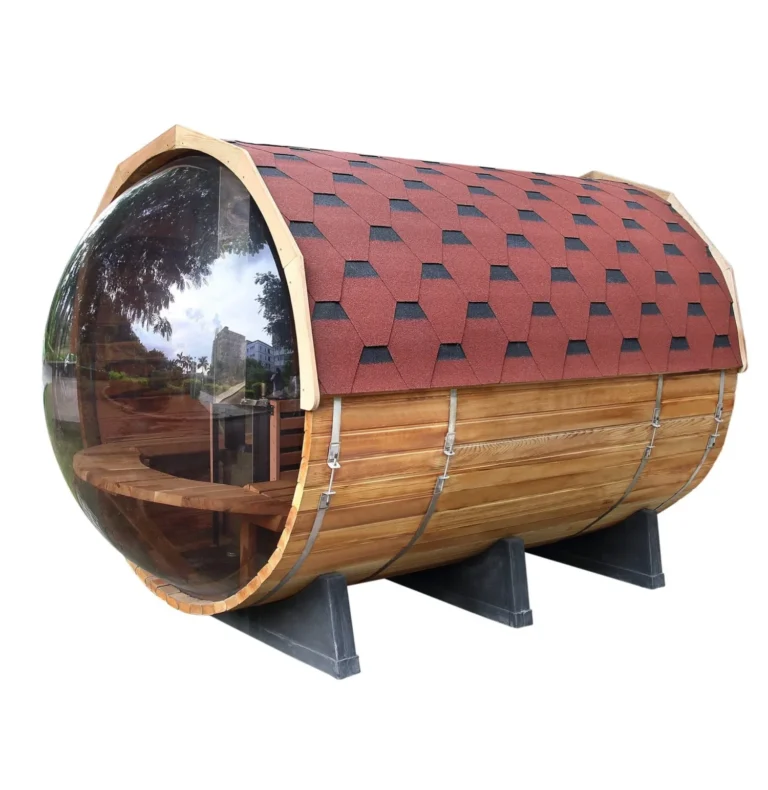
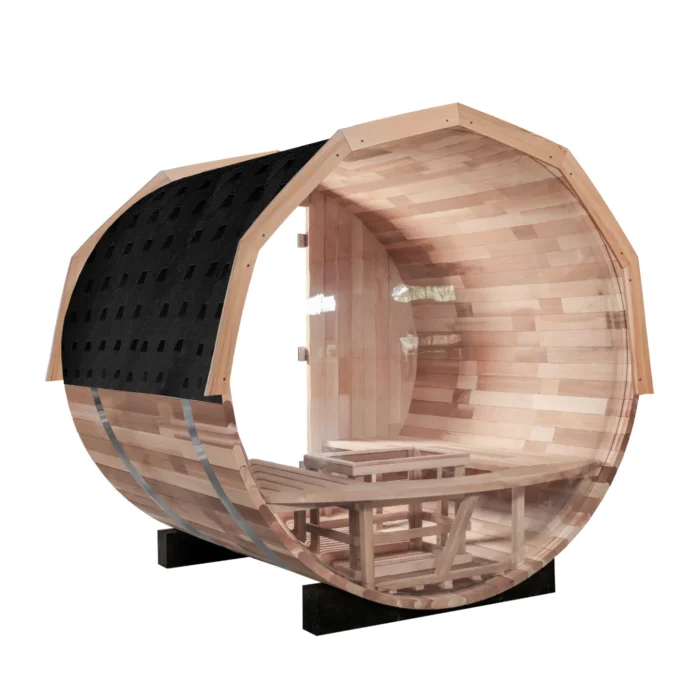
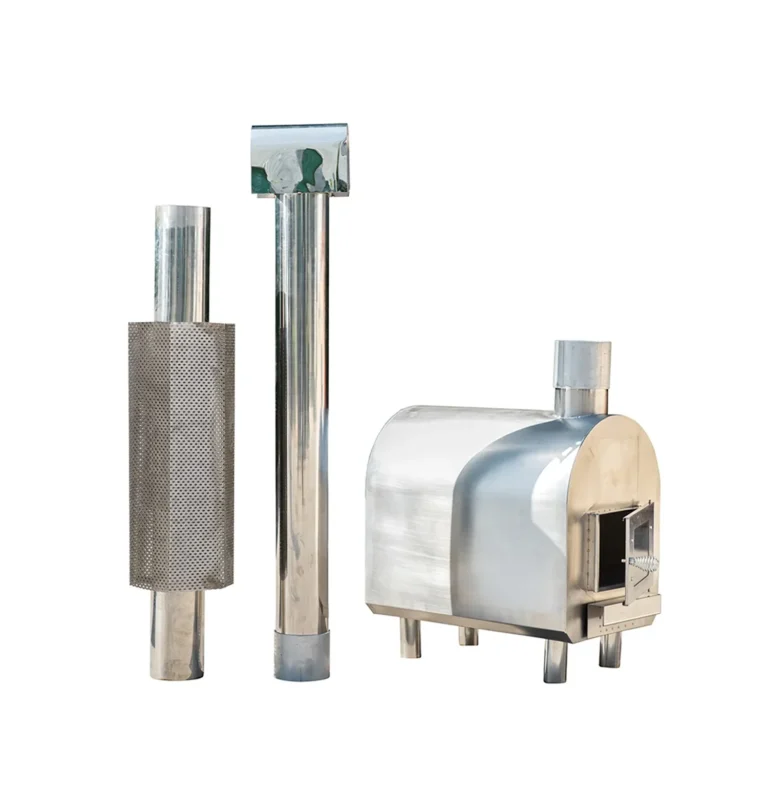
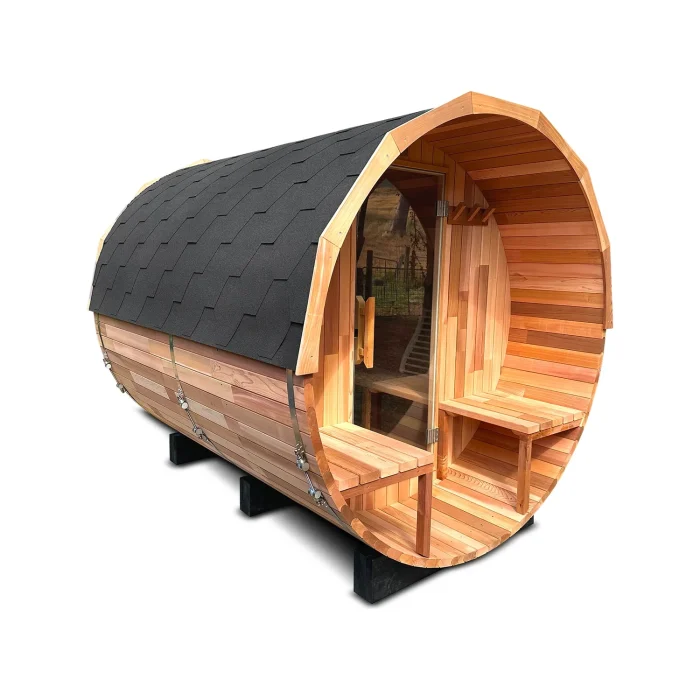
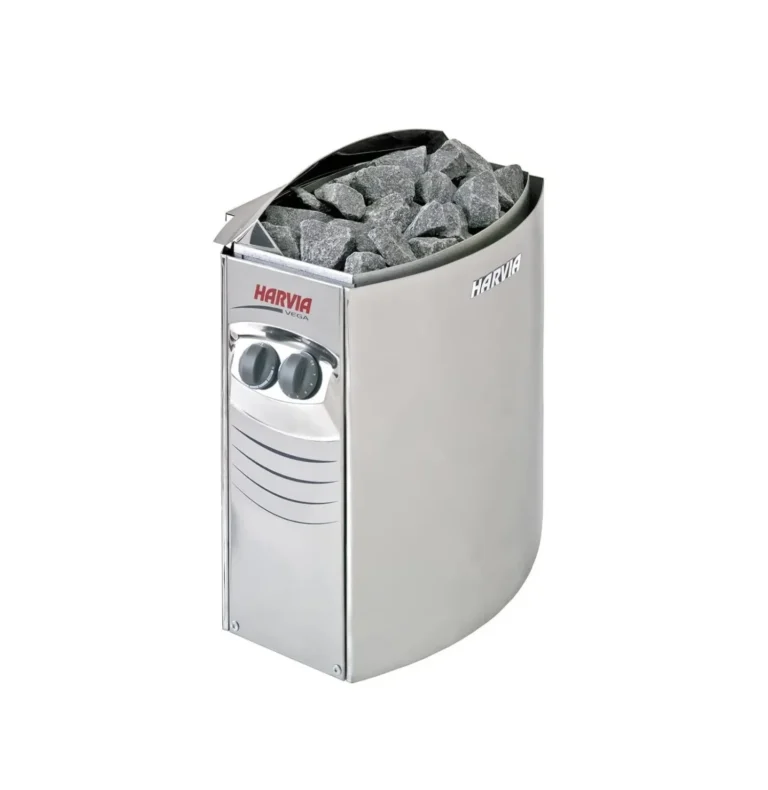
A typical home setup pairs an outdoor barrel sauna (wood-fired or electric) with a standalone cold plunge tub positioned just outside the sauna door. The proximity is key — a short 30 to 60 second walk between the two maintains the thermal contrast without losing the physiological momentum of the transition.
Our saunas are built to handle Australia’s full range of climates — from frosty Tasmanian winters to Queensland’s humid summers — and our cold plunge tubs are designed to maintain consistently low temperatures for effective cold immersion year-round.
If you’re not yet ready to invest in a home setup, commercial contrast therapy options are growing rapidly across Australian cities:
Melbourne: The sauna and ice bath scene in Melbourne has expanded significantly, with dedicated bathhouses and wellness studios offering guided contrast therapy sessions across the inner suburbs and CBD fringe.
Perth: Ice bath and sauna facilities in Perth include dedicated recovery centres and wellness venues, including the well-known Sweat and Chill — Sauna and Ice Bath North Beach, which has developed a strong following among Perth’s active community for its Arctic ice bath and sauna combination.
Sydney, Brisbane, Adelaide, and beyond: Major cities across Australia now have multiple options for sauna and ice bath experiences, from boutique wellness studios to gym-integrated recovery suites.
Searching “ice bath and sauna near me” in your city will surface local options — but for the most convenient, cost-effective, and consistent access to contrast therapy, a home setup from Shym Saunas pays for itself quickly compared to ongoing commercial session fees.
Contrast therapy is safe for most healthy adults, but there are important precautions to observe:
Cardiovascular conditions: The rapid cardiovascular changes of contrast therapy are significant. Anyone with heart disease, hypertension, or arrhythmia should consult their GP before beginning.
Pregnancy: Both saunas and ice baths carry risks during pregnancy. Avoid contrast therapy and seek medical guidance.
Never practise alone initially: Cold immersion can cause a gasp reflex and brief disorientation. Have someone nearby for your first several sessions.
Build cold tolerance gradually: Start with warmer cold plunge temperatures (12°C to 15°C) and shorter durations, then work toward colder and longer as your body adapts.
Hydrate throughout: Both heat and cold exposure are physiologically demanding. Keep water on hand at all times.
The sauna and ice bath combo is one of the most powerful wellness practices available to Australians right now — delivering benefits for muscle recovery, cardiovascular health, mental wellbeing, inflammation, circulation, and metabolism that neither modality can match alone. The order is clear: sauna first, ice bath second, for maximum physiological impact.
Whether you’re chasing performance gains, faster recovery, better mood, or simply a more energised and resilient body, contrast therapy delivers. And with Shym Saunas’ range of premium home saunas and cold plunge tubs, bringing this transformative combination into your own backyard has never been more achievable.
Explore our saunas and cold plunge tubs →
Sauna first, ice bath second is the recommended sequence for most people. Starting with heat opens blood vessels, loosens muscles, and prepares the body for the thermal contrast. Moving to the ice bath then triggers a powerful vasoconstriction response, flooding the body with dopamine and endorphins for maximum recovery and mood benefit.
The combined benefits include accelerated muscle recovery, reduced inflammation, improved cardiovascular conditioning, a dramatic dopamine and mood boost, enhanced circulation, and metabolic support. Used consistently, contrast therapy produces compounding health improvements that far exceed what sauna or cold immersion delivers independently.
Beginners should aim for 1 to 3 minutes in the ice bath or cold plunge. Experienced practitioners may extend this to 5 minutes or slightly beyond. The cold immersion doesn’t need to be prolonged to be effective — the thermal contrast itself is the key stimulus, not the duration of the cold exposure.
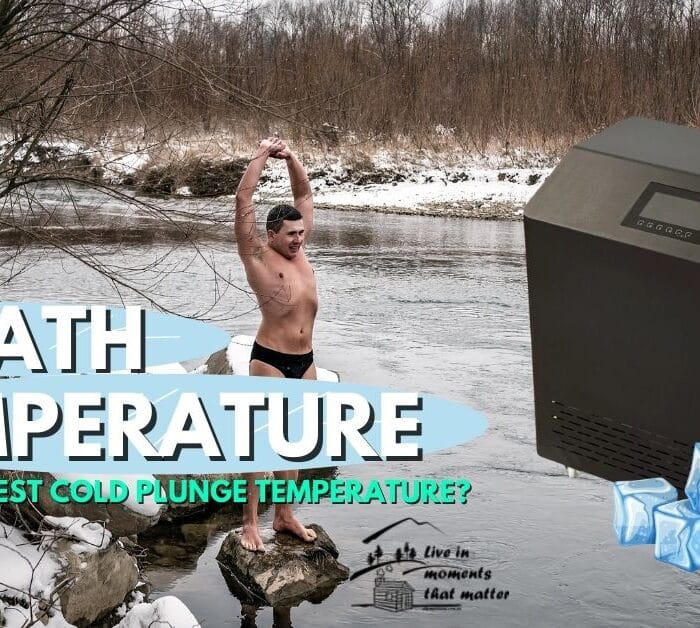
For effective contrast therapy, a cold plunge temperature of 10°C to 15°C is ideal for most people. More experienced users may prefer 5°C to 10°C. Starting warmer and gradually reducing the temperature over weeks allows the body to adapt safely and sustainably.
Beginners should start with 2 to 3 rounds. Intermediate and advanced practitioners commonly complete 3 to 5 rounds per session. Each round consists of a sauna phase, a transition, and a cold immersion phase, followed by a rest period before repeating.
Daily contrast therapy is practised by many dedicated enthusiasts and is generally safe for healthy adults. Most people find 3 to 5 sessions per week is a sustainable and highly effective frequency. If you’re new to the practice, starting with 2 to 3 sessions per week allows your body to adapt appropriately.
Yes — significantly so. Cold water immersion produces a dopamine spike of up to 250% above baseline, with effects lasting several hours. Combined with the cortisol-lowering and endorphin-releasing effects of sauna use, contrast therapy is one of the most effective natural interventions for mood, focus, stress resilience, and general mental wellbeing.
Absolutely. Shym Saunas supplies both premium outdoor saunas and cold plunge tubs to Australian homes — giving you a complete contrast therapy setup in your own backyard. An outdoor barrel sauna paired with a cold plunge tub positioned nearby is the most common and effective home configuration.
The cardiovascular demands of contrast therapy are significant, and people with heart disease, hypertension, or arrhythmia should consult their GP before beginning. The rapid shifts between vasodilation and vasoconstriction place real demands on the heart and circulatory system — making medical clearance essential for anyone with a known cardiovascular condition.
A cold plunge tub is a purpose-built vessel designed to maintain a consistently low water temperature using a chiller or cooling system — no ice required. A traditional ice bath involves filling a tub with cold water and ice. Cold plunge tubs are more practical for regular home use, as they maintain a precise temperature without the ongoing cost and effort of purchasing ice.


Join the Shym list for 3% off selected saunas and hot tubs, plus our sale news.
Not valid on sale items. Unsubscribe any time.
Your 3% code is on its way to your inbox. Can't see it soon? Check your promotions folder.
Keep browsing