

Key takeaways
- Contrast therapy alternates hot and cold exposure. Switching between heat (around 38–40 °C) and cold (10–15 °C) causes blood vessels to dilate and constrict, creating a pumping action that may reduce inflammation, pain and muscle soreness.
- Benefits include faster recovery and improved circulation. Studies show that contrast therapy can reduce muscle fatigue, joint stiffness and swelling and may aid post‑exercise recovery by flushing out lactic acid and delivering oxygen‑rich blood.
- Evidence is promising but mixed. A 2025 scoping review found that all included trials reported improved symptoms, but heterogeneity and modest trial quality prevent definitive conclusions.
- Safety and proper technique matter. Contrast therapy carries risks of burns or nerve pain if water temperatures are extreme. Always use safe temperatures and consult a healthcare professional before starting, especially if you have vascular or nerve conditions.
What is contrast therapy?
Contrast therapy involves repeatedly exposing your body—or a specific body part—to heat and cold in succession. Traditionally, it uses two water baths: a warm bath at about 38–40 °C (100–104 °F) and a cold bath at 10–15 °C (50–60 °F). You immerse the injured limb or your entire body in the warm bath for three to four minutes, then switch to the cold bath for one minute, and repeat for 20–30 minutes. The therapy relies on the body’s vascular response: heat causes blood vessels to dilate (vasodilation), increasing blood flow, while cold causes them to constrict (vasoconstriction). Alternating between the two creates a pumping effect that may help flush out metabolic waste, reduce swelling and deliver oxygen‑rich blood to tissues. The interplay of heat and cold also engages neural pathways: cold slows nerve conduction, providing short‑term pain relief, while heat stimulates endorphin release and raises pain thresholds.How contrast therapy works: the science
Physiological mechanisms
Heat and cold exposure affect multiple body systems:- Vascular effects: Heat dilates blood vessels, boosting circulation and promoting healing; cold constricts vessels, reducing inflammation and swelling. Alternating these stimuli creates a pumping action that accelerates the removal of metabolic waste and the delivery of nutrients.
- Nervous system effects: Cold slows nerve conduction and activates the gate‑control mechanism for pain relief, while heat increases pain thresholds and triggers endorphin release, producing a feeling of relaxation.
- Muscular effects: Heat relaxes muscle fibres and increases tissue elasticity; cold reduces muscle tone and spasms.
- Immune and hormonal responses: Controlled cold exposure may stimulate white blood cell production and brown fat activation, supporting immune function and metabolism.
Evidence from research
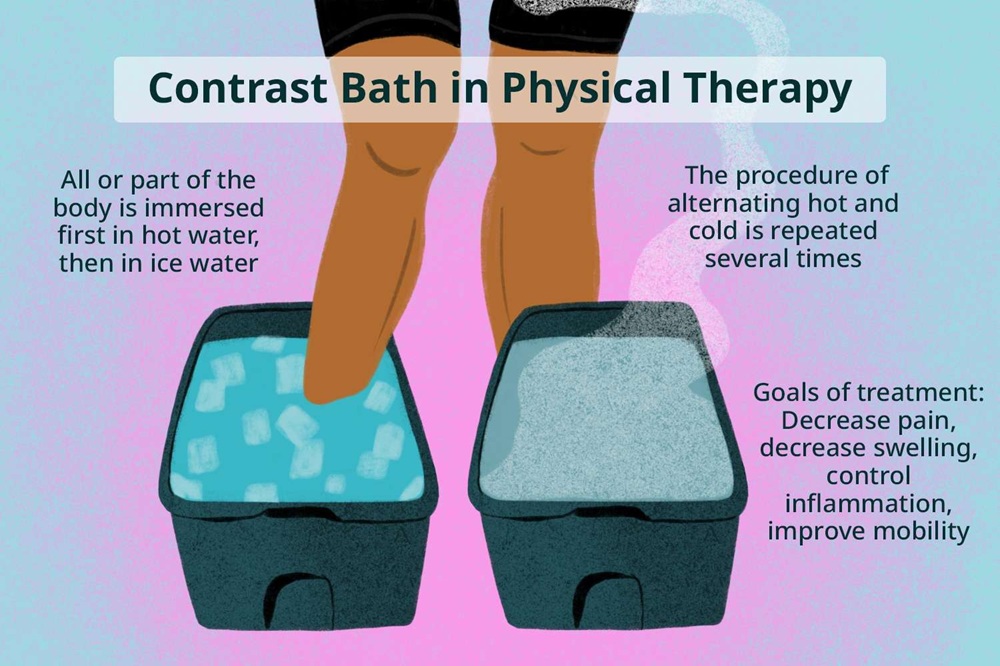
Photo Source: Verywell Heallth
Clinical research is still developing. A 2025 scoping review analysed seven randomized trials on contrast therapy for musculoskeletal conditions and found that all studies reported some improvement in pain, swelling or joint mobility. However, the review noted wide variation in protocols and limited sample sizes, making it difficult to draw firm conclusions. The Verywell Health shows that contrast baths reduce muscle fatigue, spasms, pain and swelling following intense exercise. Other studies cited that contrast therapy may be as effective as steroid injections for plantar fasciitis and more effective than hot water alone for arthritis pain. While research continues, anecdotal reports and centuries of practice support its benefits for recovery and resilience.Benefits of contrast therapy
1. Faster muscle recovery
During intense exercise, muscles accumulate lactic acid and experience micro‑tears that cause soreness. Alternating heat and cold helps flush out lactic acid and bring oxygen‑rich blood to tired muscles. This reduces delayed onset muscle soreness (DOMS) and can shorten the downtime between workouts.2. Improved circulation and reduced inflammation
The dilation and constriction of blood vessels act like a pump, improving circulation throughout the body. Cold exposure reduces inflammation by narrowing blood vessels and calming overworked tissues, while heat increases joint fluid production and flexibility.3. Natural pain relief
Contrast therapy soothes nerve endings and stimulates the release of endorphins—your body’s natural painkillers. This can provide relief from muscle tension, joint discomfort and chronic pain conditions like arthritis.4. Enhanced flexibility and joint mobility
Heat relaxes muscles and increases the elasticity of connective tissue, while cold reduces stiffness. Together, they improve range of motion and make joints feel looser. Over time, regular sessions may support better posture and functional movement.5. Improved athletic performance and immune function
By accelerating recovery, contrast therapy allows athletes to train more frequently with less risk of injury. Exposure to cold then heat can also stimulate white blood cell production and boost immunity.6. Mental clarity, better sleep and metabolic support
Cold exposure increases alertness, while heat promotes relaxation, leaving you feeling refreshed and centred. Doing contrast therapy before bed helps your body cool down, signalling the brain to sleep; relaxed muscles reduce nighttime disturbances. Cold exposure also activates brown fat, supporting metabolism and modest fat loss when paired with a healthy lifestyle.7. Longevity and resilience
Regular, controlled exposure to temperature extremes trains your body to handle stress and may improve hormonal balance and cellular repair. This hormetic stress potentially contributes to improved ageing and long‑term health.Risks and who should avoid contrast therapy
While generally safe when performed correctly, contrast therapy carries risks:- Burns and scalds: Water that is too hot can cause burns; keep warm baths below 40 °C (104 °F).
- Cold injury: Extremely cold water can cause frostbite or nerve damage; maintain cold baths above 10 °C (50 °F) and limit exposure.
- Nerve pain and vascular conditions: People with peripheral neuropathy, Raynaud’s disease or peripheral vascular disease may experience increased pain or complications from extreme temperatures.
- Open wounds or infections: Contrast baths can increase bleeding and should be avoided on open wounds or after recent surgery.
- Pregnancy and cardiovascular issues: Pregnant individuals and those with heart conditions should consult a healthcare professional before trying contrast therapy.
How to perform contrast therapy at home
You don’t need a professional spa to experience contrast therapy. Follow these steps for a safe at‑home session:- Gather two containers large enough to submerge the affected limb (or use a hot tub and cold plunge for full‑body immersion).
- Fill one container with hot water at 38–40 °C (100–104 °F). Use a thermometer to ensure it’s not scalding.
- Fill the other container with cold water at 10–15 °C (50–60 °F). Add ice if necessary to maintain temperature.
- Immerse the limb in the hot water for three to four minutes, gently moving it through its range of motion.
- Switch to the cold water for one minute, keeping the limb still to reduce shock.
- Repeat the cycle three to four times for a total of 20–30 minutes.
- Finish with cold or warm water depending on your goal: ending with cold may reduce inflammation, while ending with warm can promote relaxation.
- Dry off and rest, allowing your body to return to normal temperature.
Tools and modalities for contrast therapy
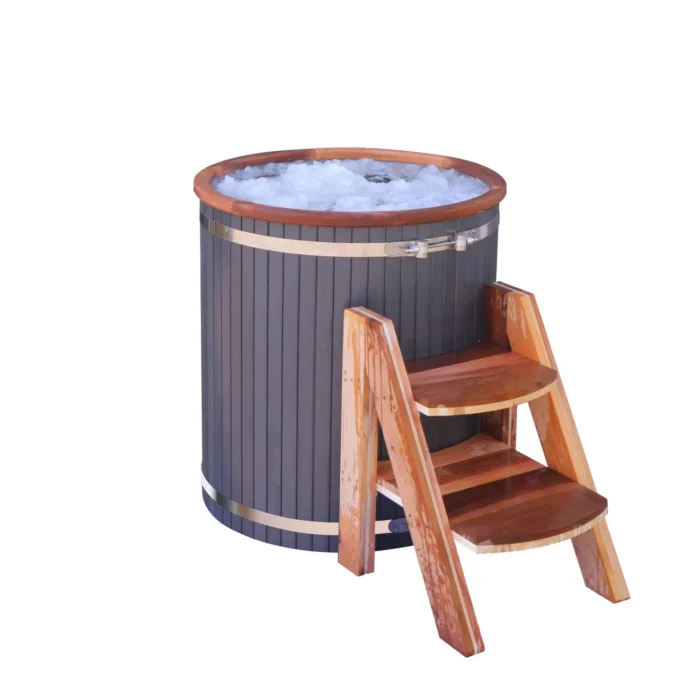
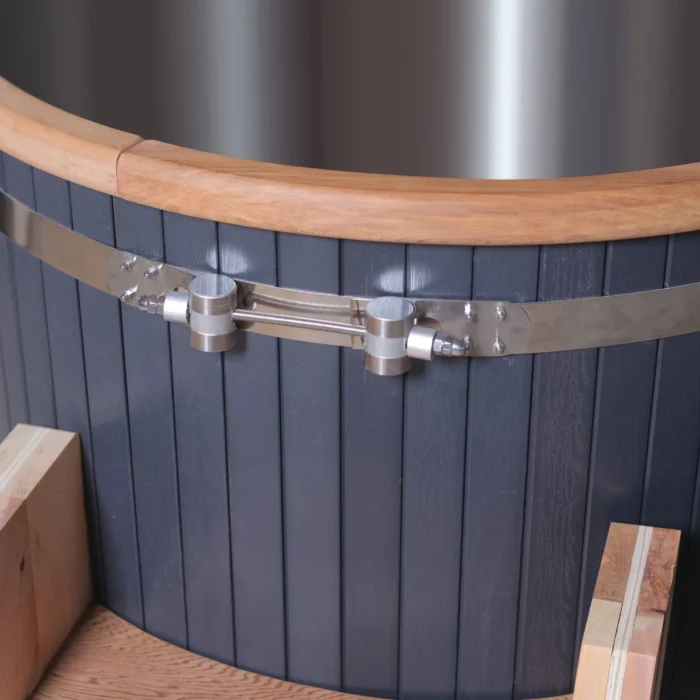
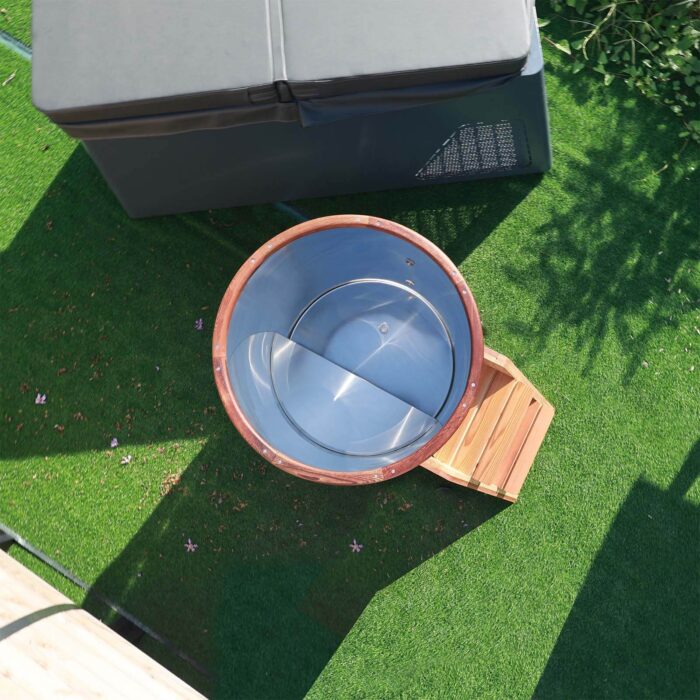
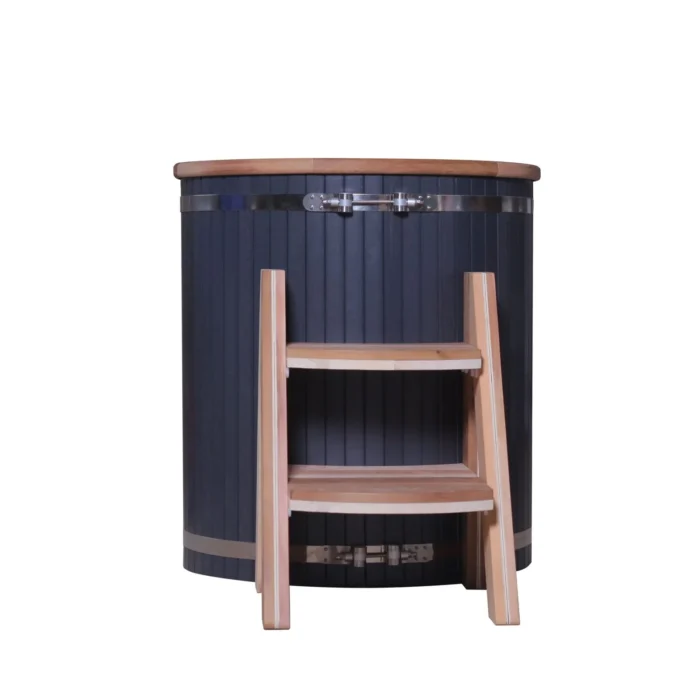
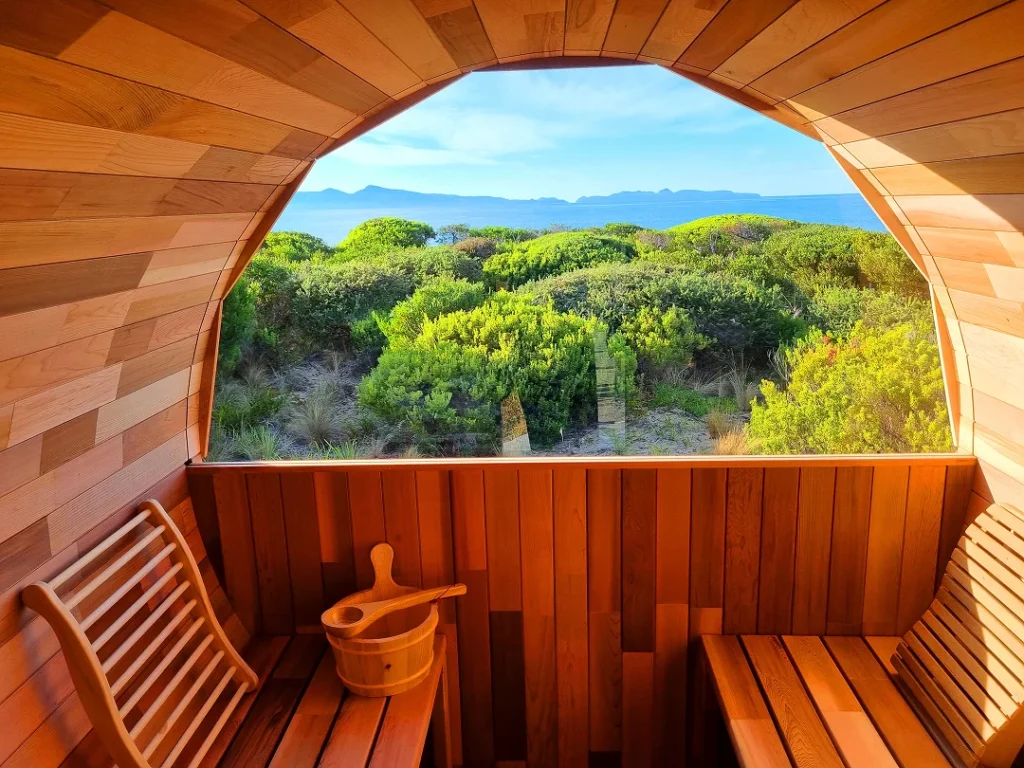
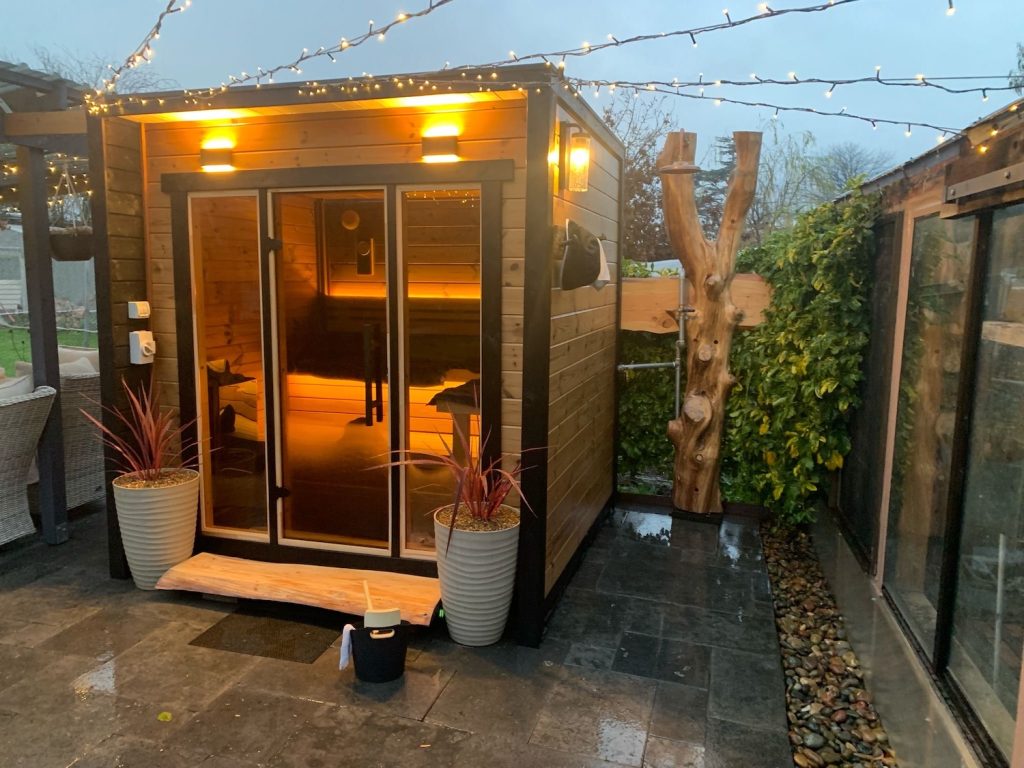
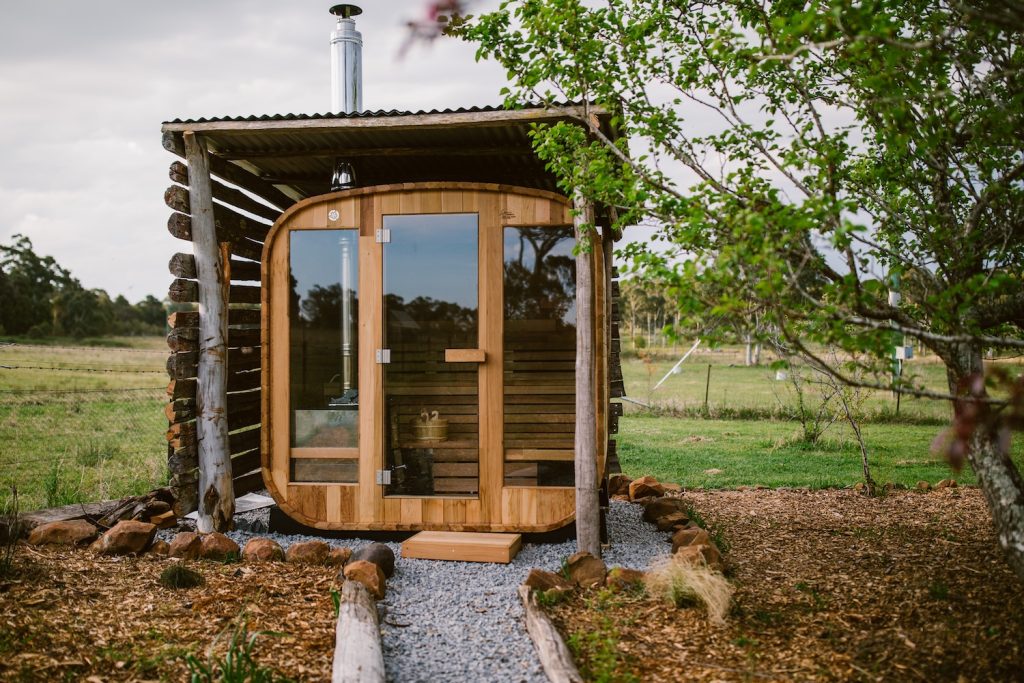
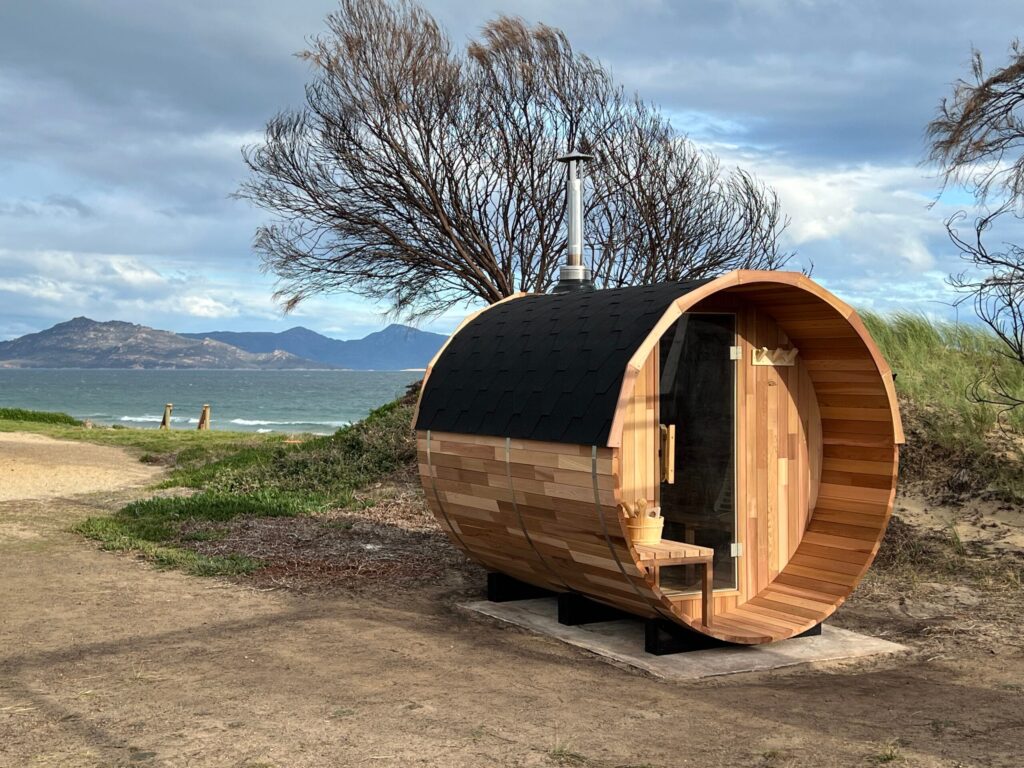
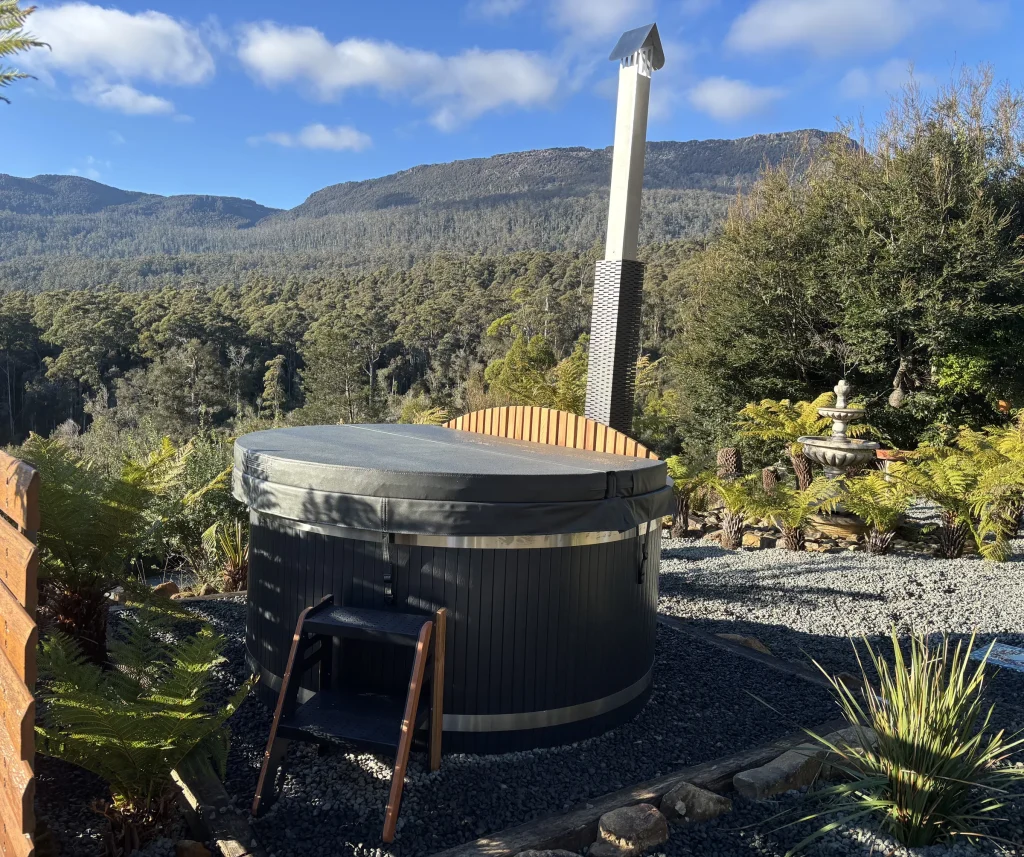
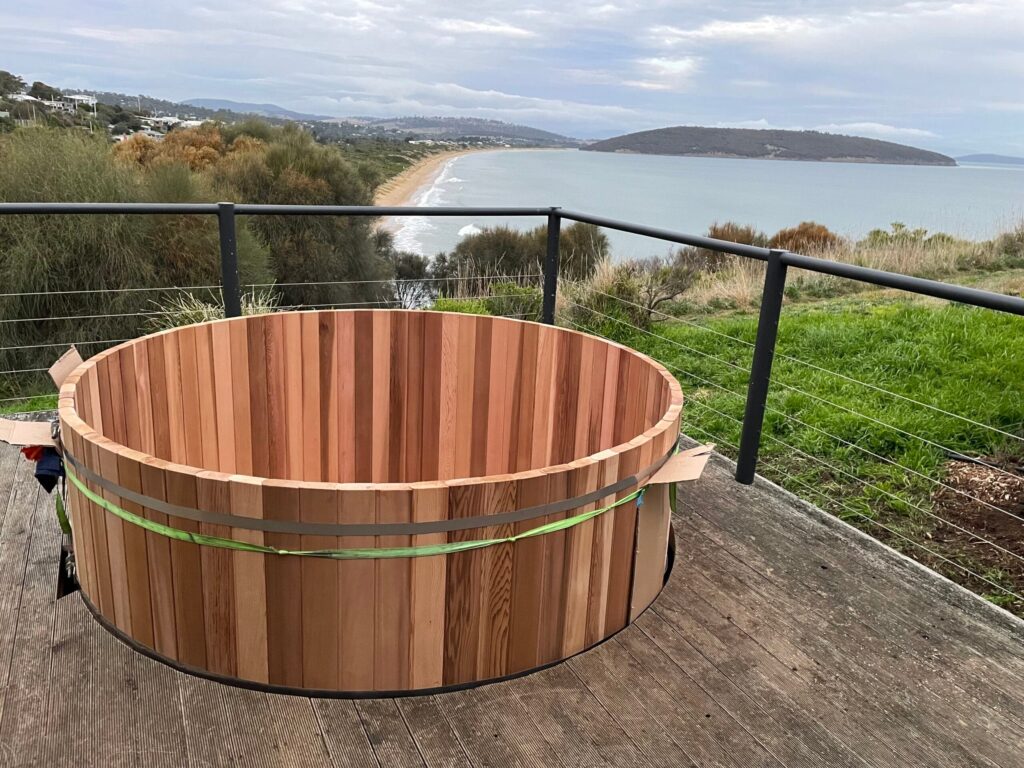
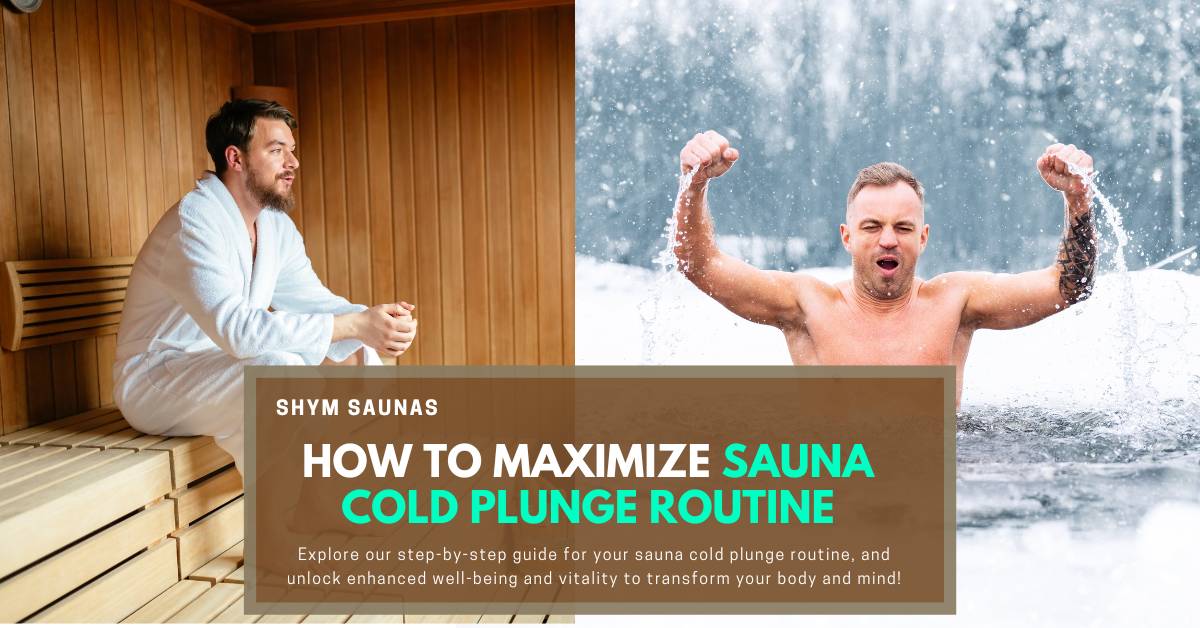
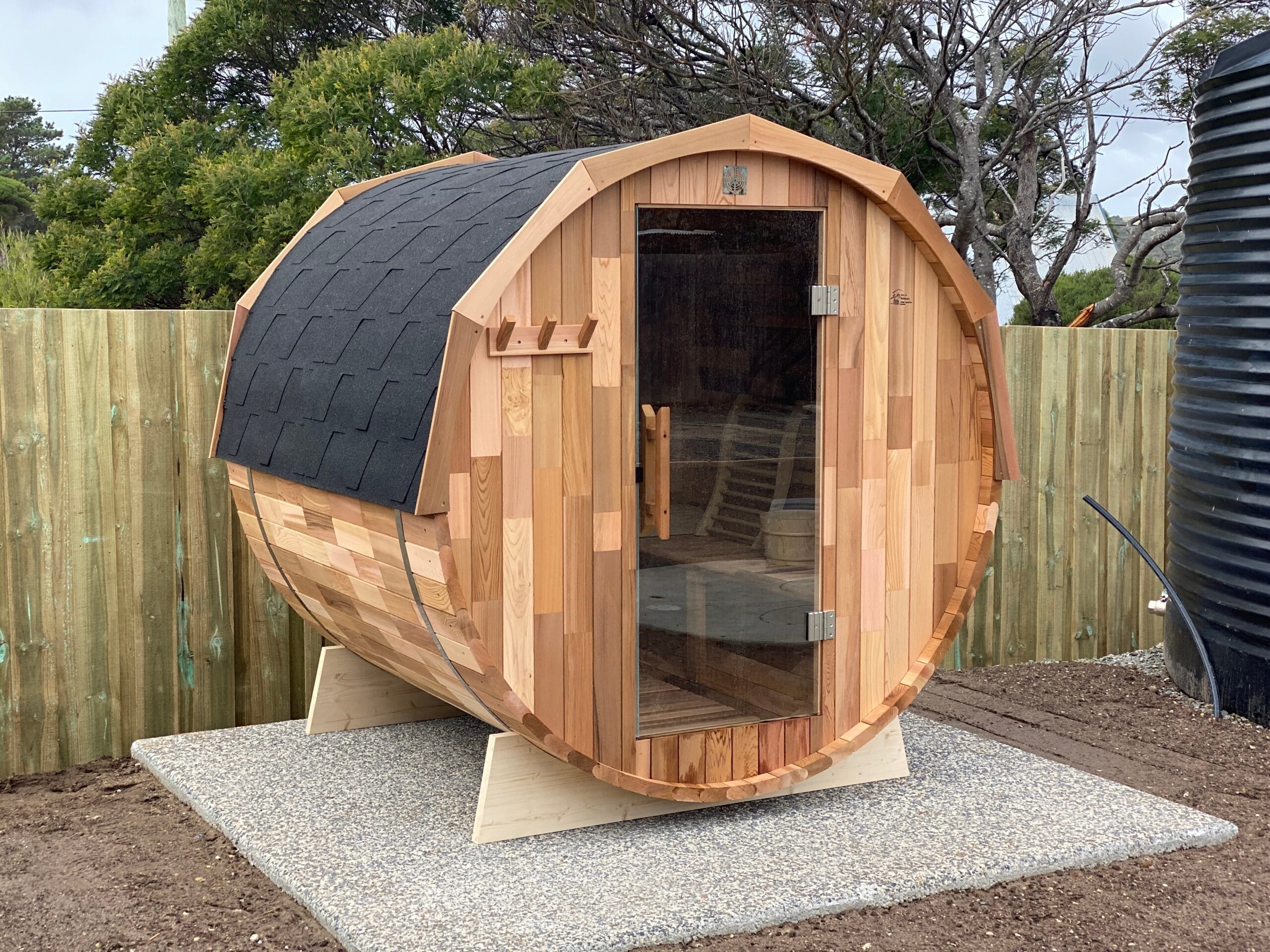
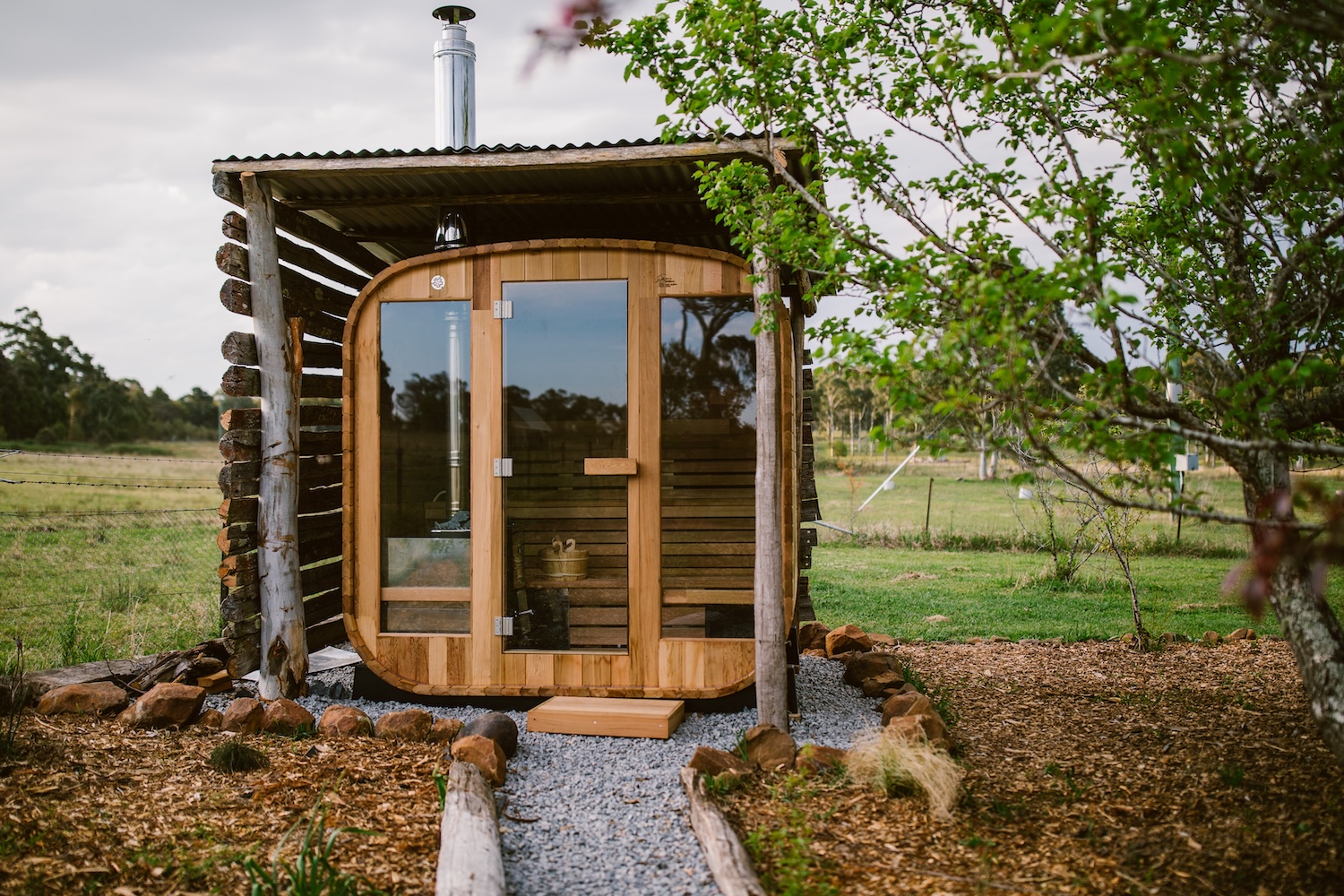
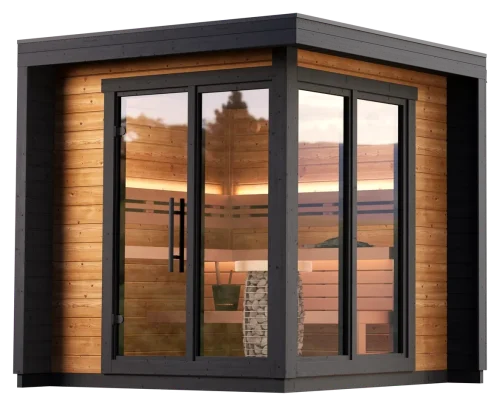
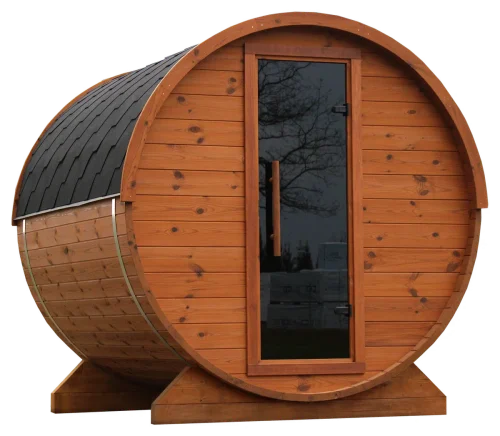
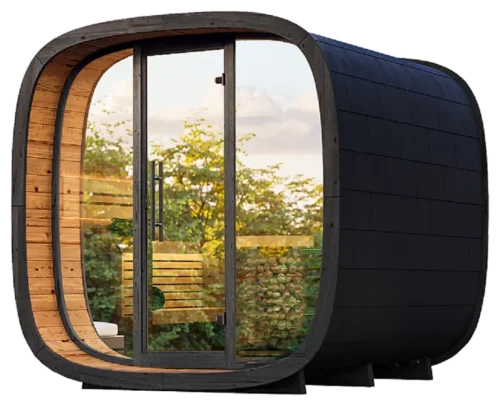
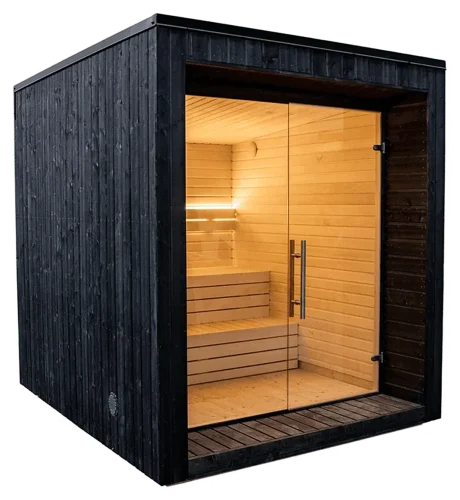
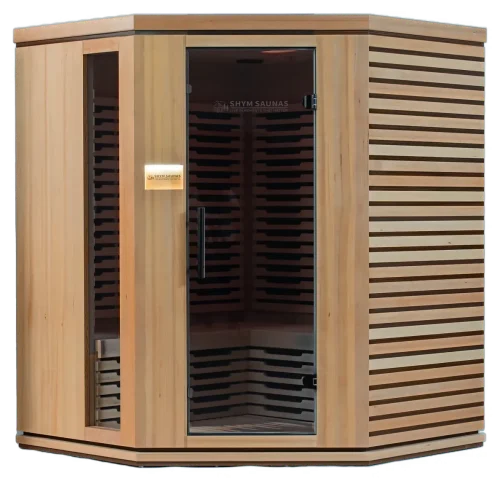
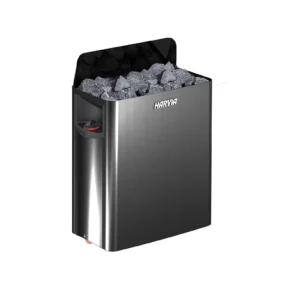
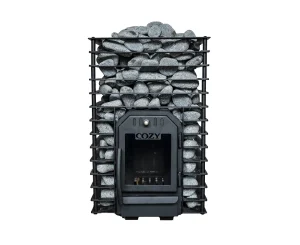
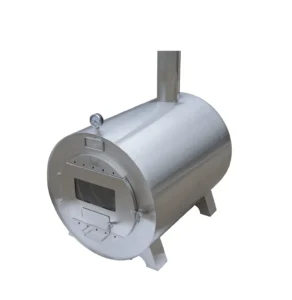
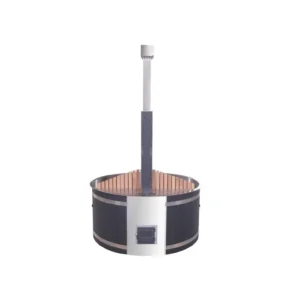
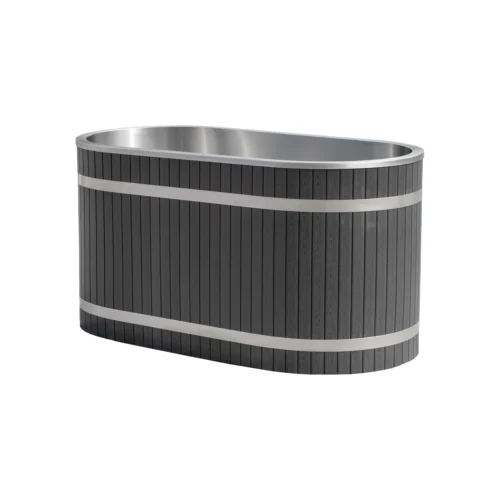
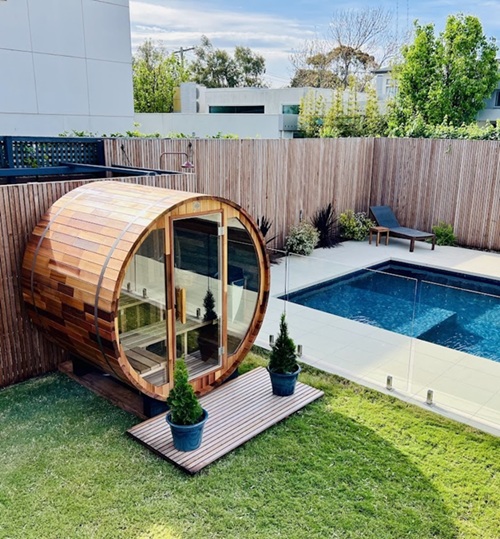
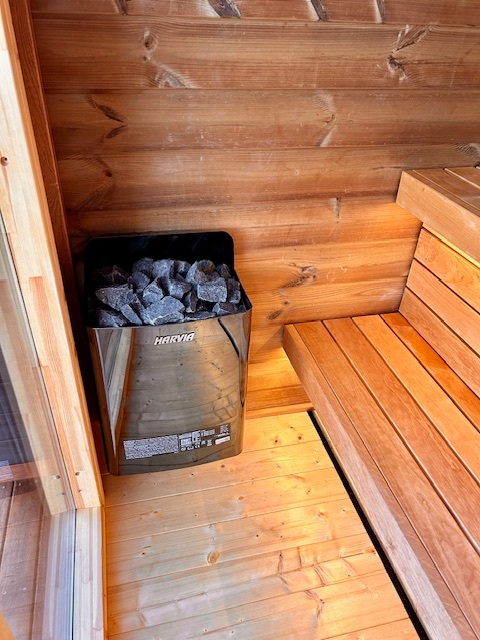
Contrast therapy can take many forms beyond traditional buckets:- Sauna and cold plunge: A warm sauna session followed by an icy plunge is a popular approach among athletes and Nordic cultures. Our Shym cold plunge tubs are designed for easy setup and quick cooling, while our thermowood saunas provide consistent, efficient heat.
- Hot and cold showers: Alternating hot and cold showers is a simple way to stimulate circulation. Stand under hot water for 2–3 minutes, switch to cold for 30 seconds and repeat.
- Portable devices: New technology offers compact devices that deliver alternating heat and cold for targeted therapy. These units use Peltier elements to maintain precise temperatures and are useful for hands, feet or joints.
- Natural environments: If you’re near a hot spring and a cold stream or lake, you can enjoy an outdoor contrast experience. Always assess safety and ensure you have warm clothing to recover.
Incorporating contrast therapy into your wellness routine
 Contrast therapy is a powerful tool, but it should complement—not replace—other wellness practices. Here are some guidelines:
- Start slowly: Begin with milder temperatures and shorter sessions. As your body adapts, you can increase the contrast and duration.
- Prioritise hydration: Drink water before and after to support cardiovascular and metabolic function.
- Pair with rest and nutrition: Recovery isn’t just about therapy—it also relies on sleep, balanced meals and stress management.
- Listen to your body: If you feel drained or overly stimulated after sessions, reduce frequency. Use contrast therapy two to three times per week for maintenance or more often during intense training under professional guidance.
How Shym Saunas can enhance your contrast therapy
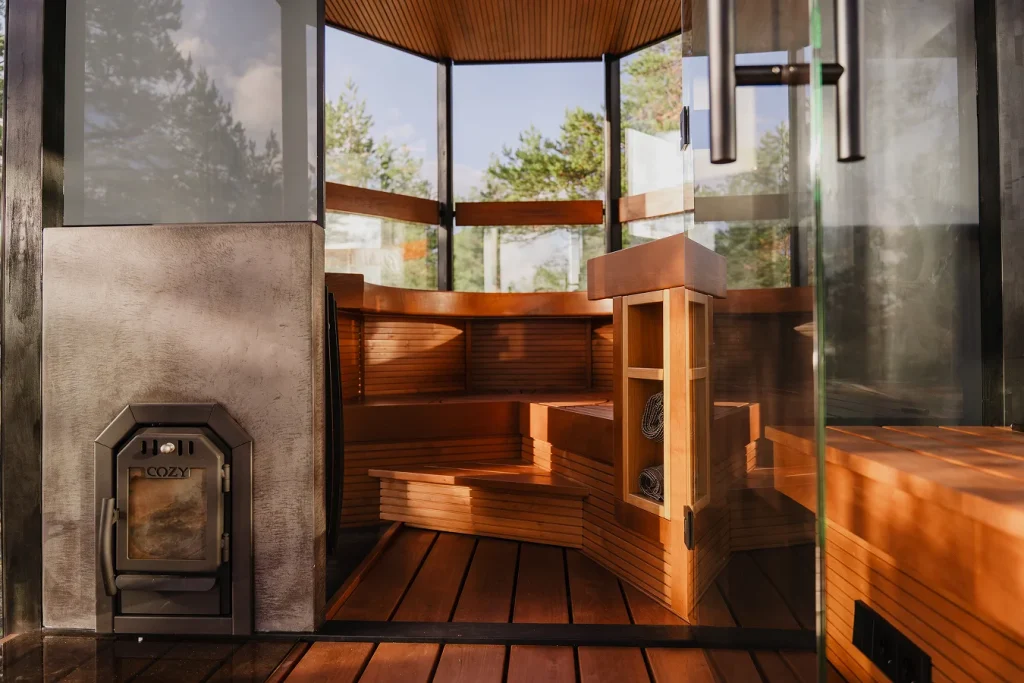
We offer handcrafted saunas, cold plunge tubs and accessories that make contrast therapy accessible at home: 1. Cold Plunge Tubs: Our insulated cold plunge tubs keep water at cold temperatures for longer, allowing you to transition smoothly from sauna to plunge. They’re designed for quick setup and easy maintenance.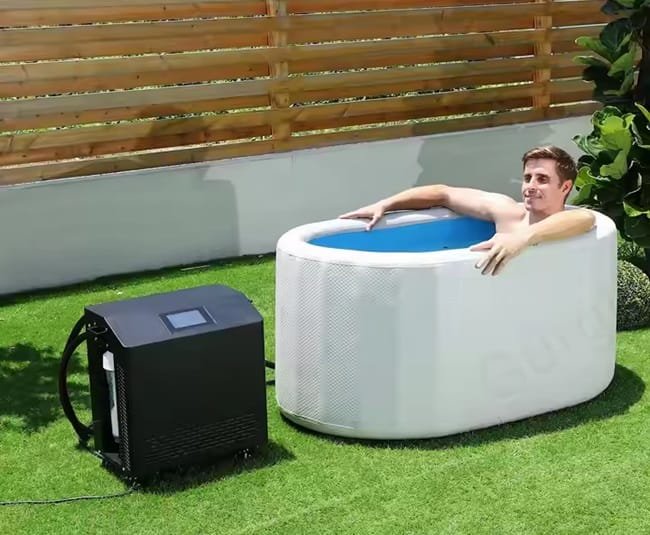 2. Thermo‑Treated Spruce Saunas: A Shym sauna provides the heat portion of contrast therapy. Thermotreated Nordic spruce retains warmth efficiently and creates a cosy environment for family‑centred rituals.
Overall, here are the benefits of contrast therapy (in short)
| Benefit | How It Works | Further reading / study |
| Faster muscle recovery | Hot–cold “pump” boosts blood flow; lowers perceived soreness | Meta-analysis on CWT & soreness, Bieuzen 2013; JSCR team-sport trial 2017. (PMC) |
| Improved circulation | Alternating vasodilation/vasoconstriction (“vascular pump”) | Intramuscular hemodynamics with contrast baths; 2025 mechanisms review. (PMC) |
| Reduced inflammation & swelling | Cold tempers inflammation; heat supports perfusion | 2025 mechanisms review; Frontiers 2025 muscle biomechanics & pain threshold. (PMC ) |
| Natural pain relief | Dampens pain signalling; eases DOMS | Meta-analysis on CWT & soreness; Cochrane overview of CWI. (PMC/ ) |
| Better flexibility & joint mobility | Heat loosens soft tissue; cold reduces stiffness | Frontiers 2025 (tone, perfusion, strength); 2024 compression-contrast study. (Frontiers) |
| Enhanced athletic recovery | Quicker bounce-back → more consistent training | JSCR 2017 (team-sport recovery); CwC 2022 (function & swelling). (journals.lww.com) |
| Possible immune support* | Acute thermo-stress may modulate immune response | AANMC overview (contrast hydrotherapy & wellness). (AANMC) |
| Mental clarity & focus | Cold elevates alertness; heat relaxes | AANMC (cold focus; hot relaxation). (AANMC) |
| Improved sleep (indirect) | Relaxation + parasympathetic rebound after heat | AANMC (stress reduction & calming). (AANMC) |
| Supports fat metabolism* | Cold activates brown fat; increases energy use | Systematic reviews on cold-induced BAT activation (2024–2025). (PMC) |
Contrast Therapy – FAQ
What is contrast therapy? Contrast therapy (also called contrast hydrotherapy) involves alternating between hot and cold stimuli—such as immersing body parts in warm water followed by cold water or pairing a sauna session with a cold plunge. The temperature shifts create vasodilation and vasoconstriction, acting like a natural “pump” to boost circulation and lymphatic drainage. This can reduce inflammation and ease muscle soreness, making it popular in sports recovery and naturopathic practice. How to do hot and cold therapy at home?- The AANMC recommends showering in hot water for 3–5 minutes to relax muscles and open blood vessels, then switching to cold water for about 1 minute, focusing on the extremities and lower back.
- Repeat this cycle three times, finishing with a cold rinse. Alternatively, contrast towels can be applied by alternating hot and cold cloths every 30 seconds for three rounds.
- Brief cold exposure does increase metabolism because the body burns calories to maintain core temperature. It may also encourage the conversion of white fat to metabolically active brown fat.
- There are no universal guidelines, but many practitioners recommend performing contrast therapy two to three times per week, especially after intense exercise. The AANMC notes that beginners should start slowly—perhaps one to two minutes in cold water—and gradually increase exposure.