







How Hot Does a Sauna Get and What Can Heat Kill?
Before answering specific questions about what a sauna can and can't kill, it helps to understand the temperature ranges involved. A traditional Finnish sauna typically reaches 80–100°C in the air, with surface temperatures on benches and walls also running very high. Infrared saunas operate at lower ambient temperatures, typically between 45–60°C, but penetrate deeper into body tissue.
Heat is a well-established method of killing or deactivating a wide range of biological threats. Many pathogens — bacteria, viruses, fungi, and parasites — have specific thermal death points, above which their cellular structures denature and they can no longer survive or reproduce.
The critical distinction — and this applies to almost every question in this article — is the difference between what the heat inside a sauna room can do to organisms on surfaces or in the air, versus what it can do to organisms living inside the human body. Your internal body temperature in a sauna rises only modestly (1–2°C), which is far below the temperatures required to directly kill most pathogens in your tissues.
That nuance shapes every answer below. For a broader understanding of how sauna heat affects the human body, explore our sauna guides and read about infrared vs traditional saunas to understand how different heat modalities work.
Does a Sauna Kill Bacteria and Germs?
In terms of the sauna environment itself — yes, the high temperatures in a traditional sauna are hostile to most common bacteria and surface pathogens. Many bacteria begin to die at temperatures above 60°C, and with sauna air regularly reaching 80–100°C, the ambient environment is largely inhospitable to bacterial survival on surfaces and in the air.
On Sauna Surfaces
The high heat of a traditional sauna does reduce bacterial load on surfaces over time. Studies have shown that sauna benches and walls harbour significantly fewer bacteria than equivalent surfaces in other wellness environments like gym changing rooms or swimming pool areas, partly due to the sustained high temperatures.
Inside Your Body
A sauna cannot meaningfully kill bacteria living inside your body through heat alone. Your immune system and white blood cells are far more effective at combating bacterial infections than any temperature your body reaches in a sauna. What regular sauna use can do is stimulate immune function — increasing white blood cell production and activity, which helps your body fight bacterial infections more effectively over time.
Infrared Sauna and Bacteria
Infrared saunas operate at lower ambient temperatures, so their direct bactericidal effect on surfaces is less pronounced than traditional saunas. However, the immune stimulation benefits of infrared sessions are still present, supporting the body's own bacterial defence mechanisms.
If you're concerned about hygiene in your home sauna, read our guide on how to clean a sauna and browse our sauna care products to keep your sauna environment as clean and sanitary as possible.
Does a Sauna Kill Lice and Head Lice?
This is a question that comes up frequently, particularly from parents looking for natural solutions to head lice infestations. The answer is nuanced.
Can Sauna Heat Kill Lice?
Head lice (Pediculus humanus capitis) are sensitive to heat. Research in the area of thermal lice treatment has demonstrated that lice die when exposed to temperatures above 40–42°C for a sustained period. Given that sauna air temperatures reach 80–100°C, the ambient sauna environment is certainly hot enough to kill lice on surfaces, on clothing left in the sauna, or on items brought into the space.
Will a Sauna Kill Lice on Your Head?
This is where the practical reality diverges from the theory. While the air in a sauna is hot enough to kill lice, your scalp temperature in a sauna does not reach the sustained 40–42°C+ threshold needed to reliably kill lice and their eggs (nits) throughout the entire scalp. Your body's cooling mechanisms — including sweating — keep scalp skin temperature significantly below the ambient air temperature.
Additionally, lice eggs (nits) are more heat-resistant than adult lice, and killing them requires even more precise sustained heat. Medical-grade thermal lice treatment devices (like the AirAllé) use controlled hot air directed precisely at the scalp and have been clinically validated — a sauna has not been validated as an effective lice treatment.
A sauna alone is not a reliable treatment for head lice. Use proven medical or pharmaceutical treatments and consult a healthcare provider. Once treated, explore our sauna range for home options that you can keep rigorously clean and personal.
Does a Sauna Kill Scabies?
Scabies is caused by Sarcoptes scabiei — a microscopic mite that burrows into the outer layers of human skin, causing intense itching and a characteristic rash. It's a highly contagious condition transmitted through prolonged skin-to-skin contact.
Can Sauna Heat Kill Scabies Mites?
Scabies mites are killed by sustained heat above 50°C. In terms of the sauna environment — surfaces, clothing, towels, and other objects brought into the sauna — the high temperatures of a traditional sauna are sufficient to kill scabies mites over time. This is why heat treatment (washing clothing and bedding at high temperatures) is a standard recommendation in scabies management protocols.
Will a Sauna Kill Scabies on Your Skin?
No — not reliably. While the sauna air is hot enough to kill the mites theoretically, the mites live burrowed beneath the surface of your skin, not on its surface. Your skin surface temperature in a sauna does not reach the sustained temperatures needed to kill mites in their burrows throughout your entire body.
More practically: if you have active scabies and use a shared sauna, you risk leaving live mites on surfaces that can infect others. Scabies mites can survive for 48–72 hours off the human body, and a sauna bench provides a warm environment that is not immediately hostile to brief mite survival.
Scabies requires medical treatment — typically topical permethrin cream or oral ivermectin prescribed by a doctor. Do not use a shared sauna while you have active scabies. For a private home sauna, read our guide on how to clean a sauna thoroughly after any illness.
Using Heat to Kill Scabies on Objects
Where sauna heat genuinely helps with scabies is in treating clothing, bedding, and soft furnishings. Items that can't be washed at high temperature can be placed in a hot environment — including a sauna — to kill any mites present. This is a legitimate and useful complementary measure alongside medical treatment.
Does a Sauna Kill Parasites?
The relationship between saunas and parasites follows the same pattern as scabies and lice. The ambient heat of a sauna can kill many parasites on surfaces and objects, but cannot reliably kill parasites living inside your body.
External Parasites
Parasites that live on or very near the surface of the skin — like scabies mites, certain mites, and some forms of body lice — are potentially vulnerable to sauna surface temperatures, but as discussed, the skin's own temperature regulation limits how much heat reaches the parasites themselves.
Internal Parasites
Intestinal or systemic parasites — like roundworms, tapeworms, giardia, or toxoplasma — live deep within the body in environments protected from thermal fluctuations. The modest rise in core body temperature from a sauna session (1–2°C) is entirely insufficient to kill these organisms.
Immune Support Against Parasites
Where sauna use does offer indirect benefit is through immune stimulation. Regular sauna sessions support a more robust immune response, which plays a role in the body's ability to resist and manage certain parasitic infections alongside appropriate medical treatment. But a sauna is not a treatment for parasitic infections — medical diagnosis and appropriate antiparasitic medication are essential.
Learn more about the broader immune and health benefits of regular sauna use in our guide on benefits of sauna for skin and explore how to use a sauna to maximise its legitimate health benefits.
Does a Sauna Kill Ringworm and Fungus?
Ringworm is a misleading name — it's not caused by a worm at all. It's a fungal infection (tinea) caused by dermatophyte fungi that infect the outer layers of skin, hair, and nails. It's the same family of fungi responsible for athlete's foot and jock itch.
Can Sauna Heat Kill Ringworm?
Dermatophyte fungi are sensitive to heat. In laboratory conditions, most dermatophytes are killed by sustained exposure to temperatures above 50–60°C. The surface temperatures in a traditional sauna exceed this threshold — meaning that ringworm fungus on sauna surfaces, on clothing, or on objects in the sauna will be killed by prolonged exposure.
Will a Sauna Kill Ringworm on Your Skin?
Not reliably as a standalone treatment. While the high ambient temperature may create an inhospitable environment for fungal survival on the skin surface, the infection is embedded in the keratin layers of the skin — not just sitting on top. A brief sauna session does not deliver the sustained targeted heat needed to kill the fungal infection in its established location.
Additionally — and importantly — the warm, humid, sweaty environment of a sauna is actually favourable for fungal growth in general. If you have an active ringworm infection, a sauna session could potentially spread the fungus to other parts of your body or to other users of a shared facility.
What About Antifungal Properties of Sauna?
There is some evidence that regular sauna use — through improved immune function and skin health — may support the body's natural resistance to fungal infections over time. But active ringworm requires antifungal medication (topical or oral, depending on severity) prescribed or recommended by a healthcare provider.
Keep your home sauna hygienic with our sauna care range and read our sauna wood types guide to understand which materials are most naturally resistant to moisture and fungal growth.
Is Sauna Good for Killing Candida?
Candida is a yeast — a type of fungus — that naturally exists in and on the human body. When it overgrows, it causes candidiasis, which can manifest as oral thrush, vaginal yeast infections, skin infections, or in severe cases, systemic infection.
Does Sauna Heat Kill Candida?
Candida albicans and related species are heat-sensitive in laboratory conditions, with growth inhibited at sustained temperatures above 42°C and cell death occurring at higher temperatures. However, as with other internal pathogens, the modest rise in core body temperature from a sauna session is insufficient to kill a Candida overgrowth living in your mucosal tissues, gut, or skin.
Can Sauna Make Candida Worse?
Potentially, yes — in certain conditions. The warm, moist environment of a sauna can promote Candida growth on skin surfaces, particularly in skin folds and areas prone to yeast infections. If you are managing an active Candida skin infection, the sauna environment is not ideal.
Indirect Benefits
Regular sauna use supports overall immune health and has been associated with reduced systemic inflammation — both of which play a role in keeping Candida overgrowth in check. But as a direct treatment for candidiasis, a sauna is not effective. Antifungal medications remain the standard treatment for active Candida infections.
For more on maintaining a clean and health-supporting sauna environment, explore our sauna accessories and sauna cleaning guide.
Does Sauna Kill Cancer Cells?
This is one of the most sensitive and important questions on this list, and it deserves a clear, honest, evidence-based answer.
The Scientific Background: Hyperthermia Therapy
There is a legitimate area of cancer research called hyperthermia therapy, in which targeted heat is applied to tumours to damage or kill cancer cells. Cancer cells are, in some contexts, more sensitive to heat than healthy cells — they have impaired ability to dissipate heat due to disrupted blood vessel networks, making them more vulnerable to thermal damage.
Clinical hyperthermia treatment uses precisely controlled equipment to heat specific tumour tissue to therapeutic temperatures (typically 40–45°C at the tumour site) for extended periods, often in combination with chemotherapy or radiation. It is an adjunct treatment in certain cancer types and is administered under strict medical supervision.
Can a Sauna Kill Cancer Cells?
No — a sauna cannot kill cancer cells in the way clinical hyperthermia therapy can. The conditions required for therapeutic hyperthermia — precise targeting, controlled sustained temperatures at the tumour site, and monitored treatment duration — cannot be replicated in a sauna environment. A sauna raises your overall body temperature slightly and uniformly; it cannot concentrate therapeutic heat at specific tumour locations.
What Sauna Can Offer Cancer Patients
Some research suggests that regular sauna use may offer supportive benefits for people undergoing cancer treatment — including improved quality of life, reduced fatigue, enhanced mood, and some immune support. However, these are supportive benefits, not curative ones, and any sauna use during cancer treatment should be discussed with your oncologist first, as some treatments make heat exposure inadvisable.
Always consult your medical team before using a sauna during cancer treatment. For general wellness use, explore our best home sauna Australia guide and our sauna packages with warranty and customer support for a safe home wellness investment.
Does Sauna Kill Sperm and Affect Testosterone?
This is a very legitimate and well-studied concern — particularly for men who are actively trying to conceive or are monitoring their reproductive health.
Does Sauna Affect Sperm Count and Quality?
Yes — and this is one of the most evidence-supported effects of sauna use on male health. Sperm production (spermatogenesis) is highly temperature-sensitive. The testes are located outside the body precisely because sperm production requires a temperature approximately 2–4°C lower than core body temperature.
Research has consistently shown that regular sauna use — particularly frequent, high-temperature sessions — can temporarily reduce sperm count, motility, and morphology. A notable Finnish study found that repeated sauna bathing significantly reduced sperm concentration and motility, with effects persisting for weeks after stopping sauna use before gradually recovering.
The effect is generally reversible — sperm parameters typically return to baseline within 3–6 months of stopping or reducing sauna use. But for men actively trying to conceive, this is a meaningful consideration.
Does Sauna Kill Testosterone?
The relationship between sauna use and testosterone is more nuanced. In the short term, a sauna session can actually produce a temporary spike in testosterone and growth hormone — part of the hormetic stress response. Over the long term, regular moderate sauna use does not appear to suppress testosterone in healthy men. However, very frequent, prolonged high-heat exposure combined with other stressors may contribute to hormonal disruption over time.
If fertility is a concern, discuss sauna frequency with your doctor. For general wellness benefits of regular sauna use, explore our full sauna range and read our guide on how long to heat your sauna to optimise your sessions.
Does Sauna Kill Gains After a Workout?
Among gym-goers and athletes, the question of whether sauna use after a workout kills gains — muscle growth and strength adaptations — is a hotly debated topic. The research here is actually more nuanced and more reassuring than the concern suggests.
The Concern: Heat and Muscle Protein Synthesis
The worry is that the heat stress of a post-workout sauna competes with or disrupts the anabolic signalling pathways activated by resistance training — specifically the mTOR pathway that drives muscle protein synthesis and hypertrophy.
What the Research Actually Shows
Several well-designed studies have examined the combination of resistance training and post-exercise sauna bathing. The consensus from current research is that moderate post-workout sauna use does not meaningfully impair muscle protein synthesis or strength gains. In fact, some research points to potential benefits:
- Growth hormone release: Sauna sessions — particularly longer ones — stimulate significant growth hormone release, which supports muscle repair and growth.
- Improved muscle recovery: Improved circulation and reduced inflammation from sauna use can accelerate the removal of metabolic waste products from muscles, supporting faster recovery between sessions.
- Heat shock proteins: Sauna-induced heat stress activates heat shock proteins that protect muscle cells and support adaptation to exercise stress.
When Sauna Might Impair Gains
The scenario most likely to impair muscle growth is using a sauna for so long or at such high temperatures that it causes significant dehydration and fails to allow adequate post-workout nutrition. Protein synthesis requires adequate hydration and nutrients — if a long sauna session delays or prevents you from eating your post-workout meal, that's where gains could be affected.
Read our guide on sauna before or after exercise for a detailed breakdown of how to time your sessions for maximum performance and recovery benefit, and explore sauna for muscle recovery for more on how heat therapy supports athletic performance.
Can a Sauna Kill You? Understanding the Real Risks
It's a dramatic question, but it deserves a direct answer: yes, in extreme circumstances, a sauna can be fatal. However, sauna-related deaths are rare and almost always linked to specific risk factors and misuse.
Heat Stroke
If core body temperature rises above 40°C — a condition called heat stroke — the results can be life-threatening. Heat stroke impairs the brain's ability to regulate temperature, can cause organ failure, and without rapid treatment, can be fatal. In a sauna, heat stroke risk is highest for individuals who stay in for excessively long periods, are severely dehydrated, have cardiovascular conditions, or are under the influence of alcohol or certain medications.
Cardiovascular Events
The most common cause of sauna-related death is sudden cardiac events. The combination of heat-induced cardiovascular stress, elevated heart rate, and vasodilation can trigger heart attacks or dangerous arrhythmias in people with underlying heart disease — particularly if they are also dehydrated or have consumed alcohol. The Finnish sauna tradition has the highest per-capita data on this, and research shows the risk is most pronounced when alcohol is combined with sauna use.
The Role of Alcohol
Alcohol is a major risk amplifier in the sauna. It causes vasodilation, impairs heat regulation, causes dehydration, and reduces the ability to recognise dangerous overheating. A significant proportion of sauna-related deaths involve alcohol consumption. Never use a sauna while intoxicated.
For Healthy Adults, Risk Is Low
For healthy adults following sensible sauna practices — staying hydrated, limiting sessions to 15–20 minutes, exiting if feeling unwell, and avoiding alcohol — the risk of serious harm is very low. Finland has one of the highest per-capita sauna usage rates in the world and also has excellent population health metrics, which speaks to the safety profile of regular, responsible sauna use.
Read our guide on sauna electrical requirements for safe home setup, and ensure proper sauna ventilation to maintain a safe environment during every session.
Does Infrared Sauna Kill Bacteria, Parasites and Cancer Cells?
Infrared saunas are often marketed with bold health claims, and it's worth separating what's evidence-based from what's marketing language.
Infrared Sauna and Bacteria
Because infrared saunas operate at lower ambient temperatures (45–60°C), their direct bactericidal effect on surfaces is less than that of traditional high-heat saunas. However, the deep tissue penetration of infrared heat stimulates immune function effectively — supporting the body's own antibacterial defences rather than directly killing bacteria.
Infrared Sauna and Parasites
The same principle applies. Infrared heat does not reach the temperatures needed to kill internal parasites, and the lower ambient temperature means less surface killing effect than traditional saunas. The immune-stimulating benefits remain relevant as supportive care alongside medical treatment.
Infrared Sauna and Cancer
Some research has explored near-infrared light therapy — specifically at precise therapeutic wavelengths — for its potential anti-tumour effects at the cellular level. This is distinct from general infrared sauna use and involves targeted, controlled light application under medical supervision. General infrared sauna sessions cannot be considered a cancer treatment, though they may offer supportive wellness benefits for those in treatment, subject to medical approval.
Explore our Leil Como indoor sauna series and the Como Indoor Sauna Collection for premium home sauna options, and read our guide on what type of saunas are better to find the right fit for your health priorities.
Sauna Hygiene: Keeping Your Sauna Safe and Clean
Given all the above — the capacity of sauna heat to reduce certain pathogens on surfaces while being unable to treat infections in the body — maintaining excellent sauna hygiene is critical, especially in shared or home settings.
- Always sit on a clean towel: Never sit directly on a sauna bench. A personal towel creates a barrier that prevents sweat, bacteria, and skin cells from transferring to the bench surface.
- Shower before entering: Entering a sauna with clean skin reduces the bacterial load you bring into the space and minimises contamination of shared surfaces.
- Clean your sauna regularly: Wipe down benches and walls with appropriate cleaning solutions. For wooden surfaces, use products designed specifically for sauna timber to avoid damage.
- Avoid using a shared sauna while sick: If you have any contagious condition — flu, cold, skin infection, scabies, ringworm — use only a private sauna and maintain extra hygiene protocols.
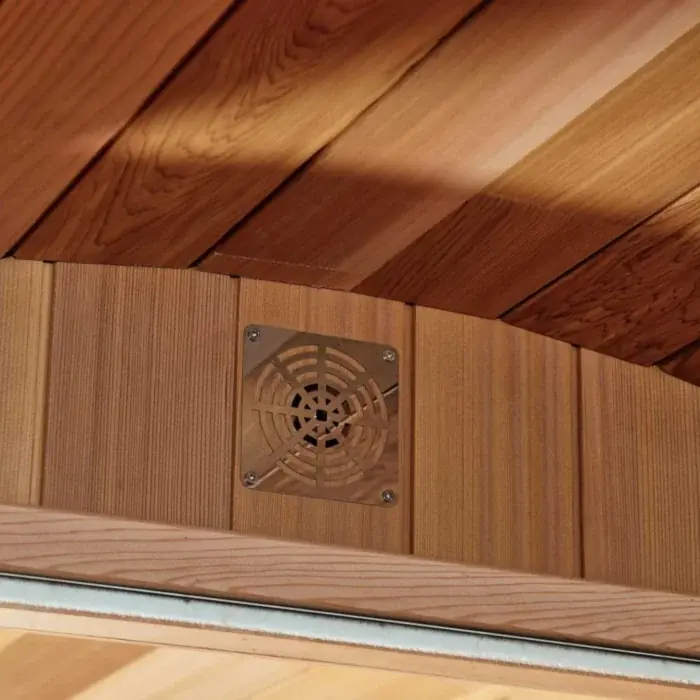
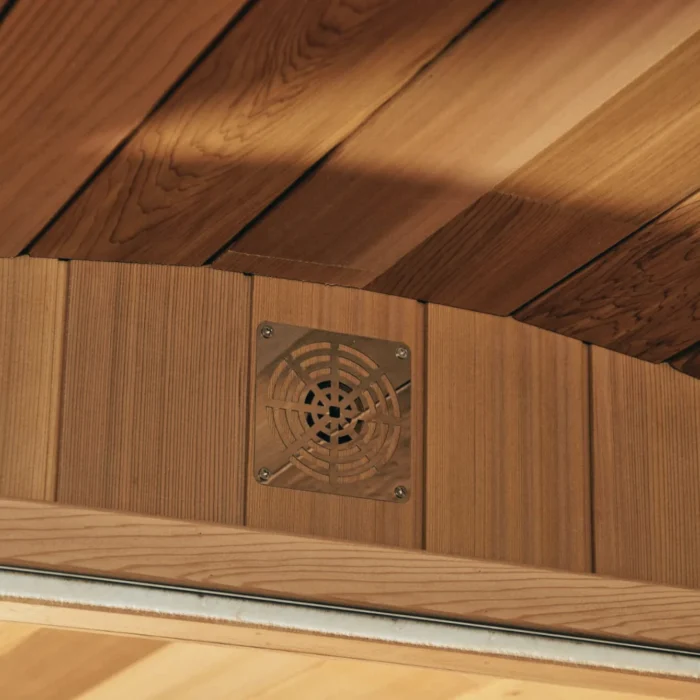
- Ventilate properly: Good airflow prevents moisture build-up that supports mould and bacterial growth. Ensure your sauna has adequate ventilation after every session.
Browse our full sauna care range for cleaning and maintenance products, explore our sauna accessories for hygiene essentials, and read our sauna ventilation system guide to ensure your setup is optimally maintained.
Frequently Asked Questions
Does a sauna kill bacteria?
The high ambient temperatures in a traditional sauna (80–100°C) are sufficient to kill or deactivate many common bacteria on surfaces and in the air over time. However, a sauna cannot kill bacteria living inside the human body — your core body temperature rises only modestly during a session, far below levels needed to directly kill internal bacterial infections. Regular sauna use does support immune function, helping your body fight bacterial infections more effectively.
Does a sauna kill scabies?
Sauna heat can kill scabies mites on surfaces, clothing, and objects exposed to sustained high temperatures — making it a useful complementary measure for decontaminating items during treatment. However, a sauna cannot reliably kill scabies mites burrowed beneath your skin, as your skin temperature does not reach the required threshold. Active scabies requires medical treatment with topical or oral antiparasitic medication.
Does sauna kill lice?
Sauna surface temperatures are hot enough to kill lice on objects and surfaces. However, a sauna is not a reliable treatment for head lice because scalp temperature during a sauna session does not reach the sustained levels needed to kill lice and nits throughout the entire scalp. Clinical thermal lice treatments use precisely directed hot air — a sauna cannot replicate this targeting. Use proven lice treatments and consult a healthcare provider.
Does sauna kill sperm?
Regular frequent sauna use has been shown in research to temporarily reduce sperm count, motility, and quality. Sperm production is highly sensitive to elevated temperatures, and the testes exist outside the body for this reason. The effect is generally reversible within 3–6 months of reducing sauna frequency. Men actively trying to conceive should consider limiting sauna use and discussing the topic with their doctor.
Does sauna kill gains?
Current research does not support the idea that moderate post-workout sauna use kills muscle gains. In fact, sauna sessions stimulate growth hormone release and heat shock proteins that may support muscle adaptation. The scenario most likely to impair gains is using the sauna for so long that it delays adequate post-workout nutrition and causes significant dehydration. Used correctly, post-workout sauna can support rather than hinder athletic performance.
Can a sauna kill you?
In extreme circumstances — severe dehydration, underlying heart conditions, alcohol consumption, or dangerously prolonged sessions — a sauna can cause fatal heat stroke or trigger cardiac events. For healthy adults following sensible guidelines (staying hydrated, limiting sessions to 15–20 minutes, avoiding alcohol, and exiting if unwell), the risk is very low. Sauna use has an excellent long-term safety profile in the populations that use it most regularly.
Does sauna kill ringworm and fungus?
Sauna heat can kill dermatophyte fungi on surfaces and objects. However, active ringworm is embedded in the keratin layers of the skin — a sauna session cannot deliver the sustained targeted heat needed to kill the infection in its established location. Active ringworm requires antifungal treatment. The warm, moist post-sauna environment can also promote fungal spread, so hygiene is important.
Does sauna kill cancer cells?
A sauna cannot kill cancer cells in the clinical sense. While a related medical discipline called hyperthermia therapy does use targeted heat to damage tumour tissue, it requires precise clinical equipment and cannot be replicated by a sauna. Sauna use may offer supportive wellness benefits for some cancer patients, but only under medical supervision. Always consult your oncologist before using a sauna during cancer treatment.
Does infrared sauna kill parasites or bacteria?
Infrared saunas operate at lower ambient temperatures than traditional saunas and have less direct bactericidal or antiparasitic effect on surfaces. They cannot kill internal parasites or bacteria inside the body. Their primary benefit in this context is indirect — through immune stimulation and improved overall health that supports the body's natural defences against pathogens.