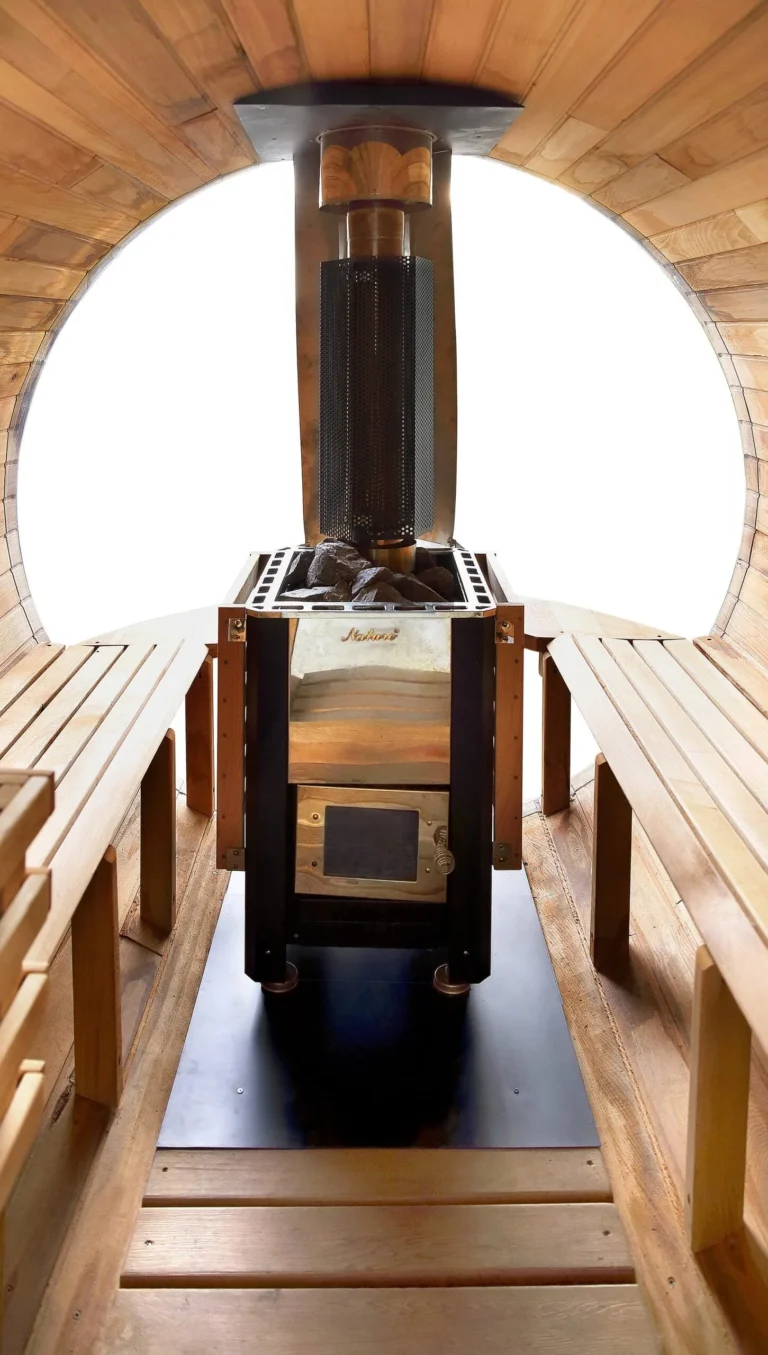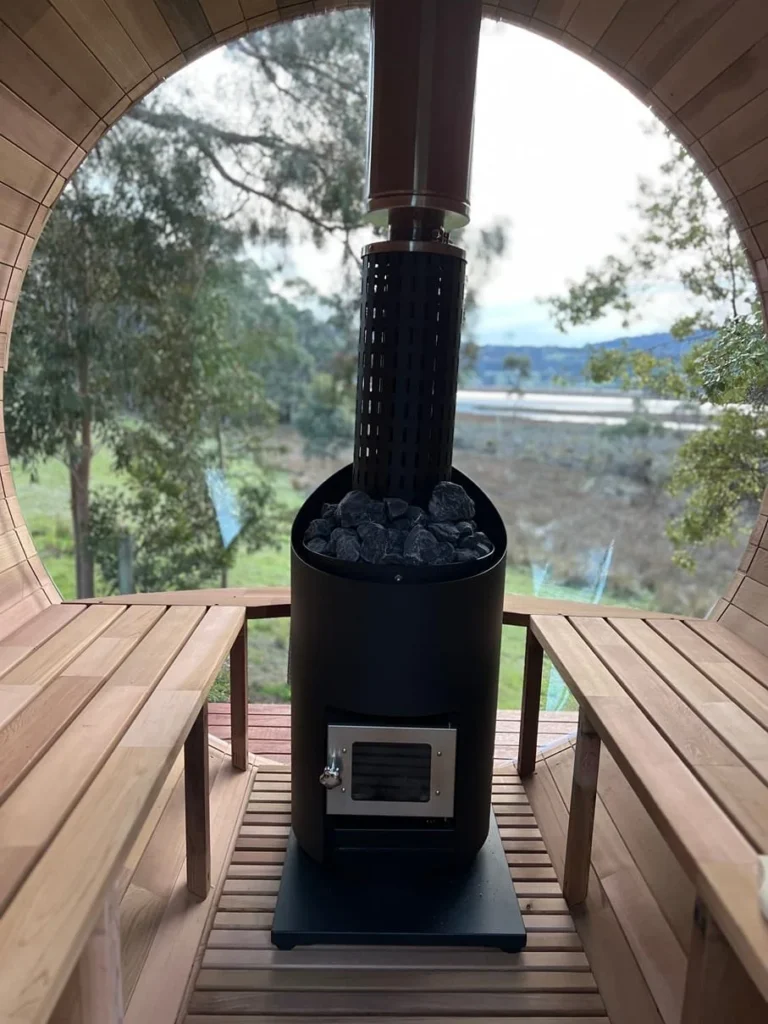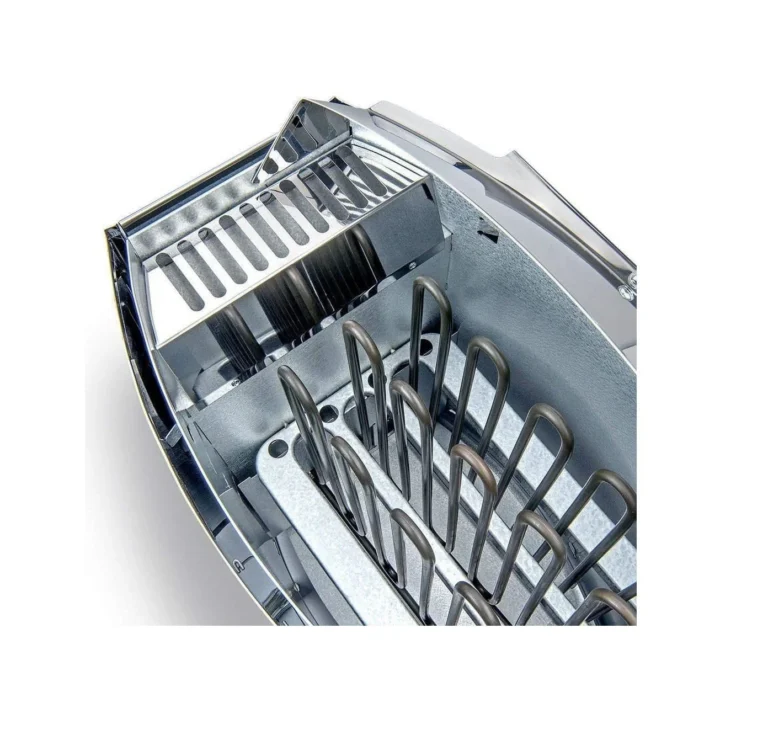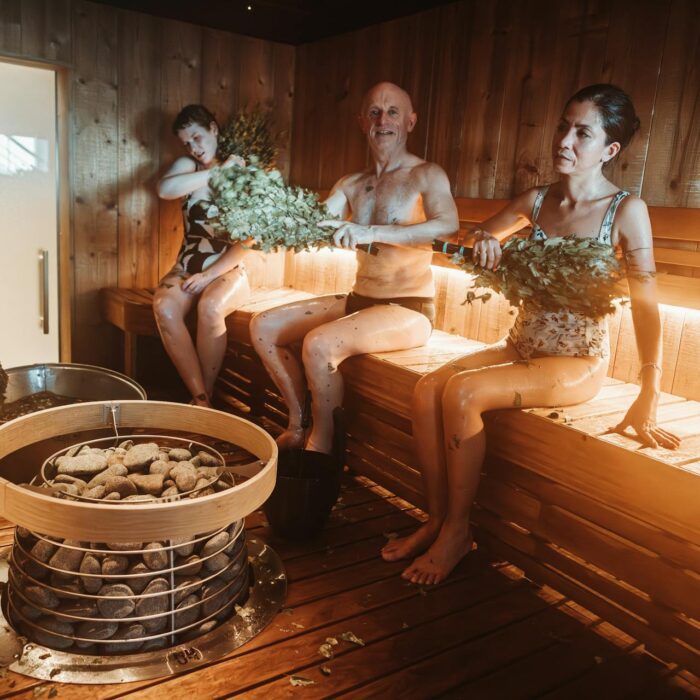

There’s nothing like the warmth of an authentic sauna heater to make you forget about a stuffy nose. In Finland and across Scandinavia, people have long believed that a good sweat can chase away a cold. But does science agree?
We want you to make informed choices – especially when you’re under the weather. So, in this article, we explore whether saunas help or hinder your recovery from the common cold, drawing on medical research and expert opinion. We’ll also share tips for safe sauna use during cold season and suggest when it might be better to stay home under a blanket.

The common cold is caused by a variety of viruses, most often rhinoviruses. When a virus invades the lining of your nose and throat, your immune system mounts a response: blood vessels dilate, mucus production increases and white blood cells flood the area to fight off the invader.
Symptoms—congestion, sore throat, cough and mild fever—are your body’s way of expelling the virus. Rest and hydration support your immune system’s work. Attempts to “sweat out” a cold by elevating your body temperature may feel satisfying but are not proven to eliminate viruses.
One of the few controlled studies on saunas and colds comes from a 1990 trial of 25 volunteers who regularly used a sauna and 25 controls who did not. Over six months, researchers found that the sauna group experienced about half as many colds as the control group, particularly in the last three months. The duration and severity of colds did not differ significantly between groups, and the study concluded that regular sauna bathing may reduce the incidence of colds but further research is needed.
Medical experts interviewed by Verywell Health emphasise that there is no strong evidence that visiting a sauna can treat cold symptoms.
John Mafi, MD, notes that research has not established how dry, steam or infrared saunas affect the common cold. The article cautions against trying to “sweat out” a cold, as doing so can lead to dehydration and potentially worsen symptoms.
Despite the lack of curative evidence, saunas may offer indirect benefits. A Cleveland Clinic article suggests that saunas might help prevent viral infections by strengthening the immune system, though more research is needed.
Wet saunas hydrate the respiratory tract, helping mucus move more easily.
Steam rooms may temporarily open nasal passages, ease congestion and reduce muscle aches. However, these effects are short‑lived and do not eliminate the virus.
Related Article: Sauna Cold Plunge Routine: Howt to Maximise It
Steam can moisten irritated nasal passages and thin mucus. At home you can simulate a mini‑sauna by breathing steam from a bowl of hot water with a towel over your head. Steam rooms and humid saunas provide similar relief by softening nasal membranes, making it easier to breathe. These sessions should be brief—around 10–15 minutes—to avoid overheating.
Sauna sessions dilate blood vessels and increase circulation, which can help deliver nutrients to tissues and remove waste products. Heat also relaxes muscles, providing relief from body aches and promoting restful sleep. Even when you’re not sick, regular sauna use is associated with cardiovascular benefits and reduced stress.
Feeling under the weather often comes with fatigue and irritability. The quiet warmth of a sauna encourages you to slow down, breathe deeply and unwind. For many people, this ritual offers a sense of comfort and control when their body feels out of balance.
If you have a cold, going to a public sauna can spread the virus to others. Verywell Health warns that you should avoid saunas—or any public place—when you’re contagious. Instead, stay home until symptoms improve. If your symptoms include fever, chills or severe cough, avoid heat entirely—high temperatures can exacerbate these conditions.
Before using a sauna, consult your doctor if you have heart disease, low blood pressure, asthma, kidney problems or are pregnant. People sensitive to temperature changes may experience dizziness or fainting. Dehydration is another concern; saunas cause sweating, which can worsen dehydration and electrolyte imbalance.
Heat therapy stresses your cardiovascular system. Most experts recommend sessions of 10–20 minutes with cooling breaks. Drinking water before and after helps replenish fluids. Avoid alcohol or caffeine, which increase dehydration. If you feel lightheaded, nauseous or have a headache, exit the sauna immediately and cool down gradually.
Even though saunas aren’t a cure, you might still enjoy short sessions to relax and clear your head. Follow these guidelines to minimise risks:
Experts agree that the best treatments for a cold are simple: rest, hydration and time. You can support your recovery by:
If your cold progresses to flu‑like symptoms—high fever, chills, body aches and severe fatigue—avoid saunas entirely. High heat can place additional strain on your body and may lead to heat exhaustion or fainting. Focus on rest and consult a healthcare provider.
If you’re losing fluids through vomiting or diarrhoea, a sauna session will exacerbate dehydration. Wait until you can keep fluids down and feel stronger before considering heat therapy.
Young children and older adults are more sensitive to heat and dehydration. They should avoid saunas when sick and should only use them under medical guidance even when healthy.
Our mission is to create spaces for real connections and moments that matter. While saunas aren’t a cure for colds, regular heat bathing may support overall well‑being and help you unwind between illnesses. Here are a few ways our products can enhance your routine:
PATIO M – a beautiful 4–8‑person cabin crafted from thermowood. Enjoy this sauna year‑round to strengthen bonds and support your immune system. Remember to rest and hydrate during cold season, and avoid sessions when contagious.
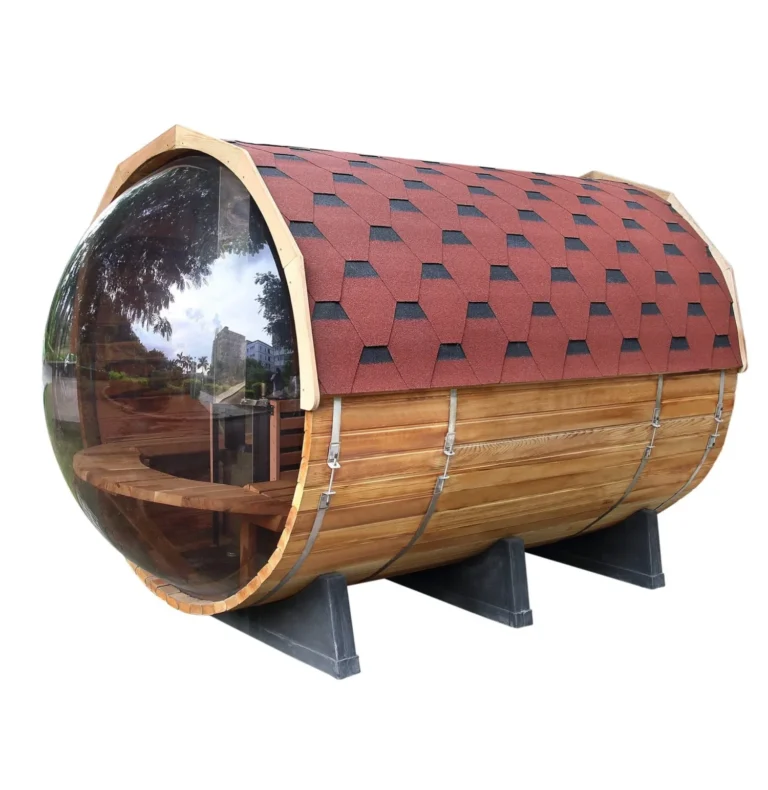
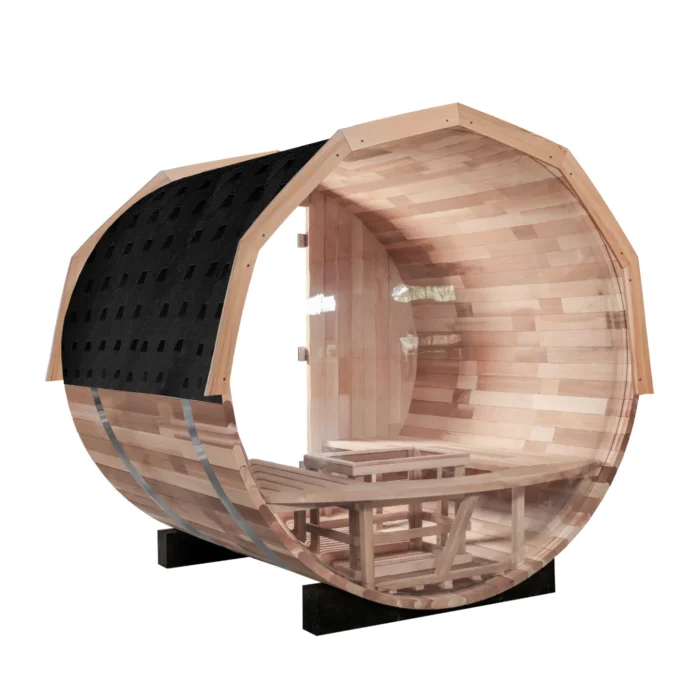
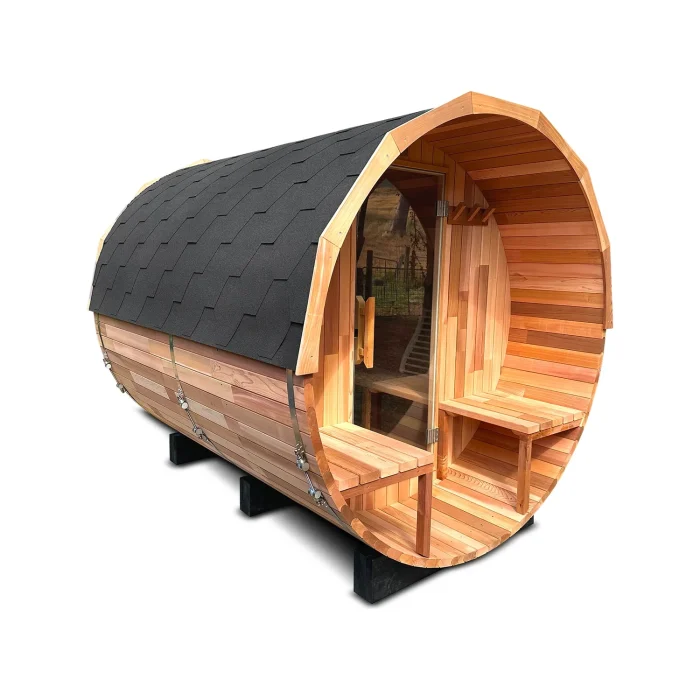
Western Red Cedar Barrel Sauna – our compact barrel sauna heats quickly, providing a cosy retreat where you can relax and breathe deeply. Paired with our wooden ladle and bucket, it’s perfect for gentle steam sessions when you’re feeling a little under the weather.
Sauna Care Essentials – keep your sauna clean and hygienic with our care products so that everyone can enjoy a safe environment. A clean sauna reduces the risk of spreading germs and ensures your space remains inviting.

Saunas may offer temporary relief of nasal congestion because warm, moist air hydrates the respiratory tract and helps loosen mucus. However, there is no convincing evidence that saunas cure colds or speed recovery. A small study found that regular sauna users reported fewer colds, but the severity and duration were unchanged.
Health experts caution that people who are febrile, dehydrated, or have heart conditions should avoid saunas. If you are contagious, staying home prevents spreading illness.
A sauna can make you feel more comfortable by opening airways and easing muscle soreness, but it does not treat the underlying viral infection. Steam rooms or wet saunas may be particularly soothing because moist heat hydrates nasal passages. If you have any medical concerns or feel worse in the heat, stop immediately and consult a healthcare professional.
No. Sweating does not eliminate viruses from your body. Cold viruses replicate inside your cells; you cannot expel them by sweating. Overheating yourself when ill can lead to dehydration and dizziness. Rest, fluids, and proper nutrition remain the most effective ways to support recovery.
Using a sauna when you have a cold requires care and common sense. Evidence suggests that regular sauna bathing may reduce the incidence of colds and that steam can temporarily ease congestion, but there is no proof that saunas cure illnesses and they can be unsafe if you’re running a fever or are dehydrated. When in doubt, choose rest, fluids and time‑tested remedies. Saunas are wonderful places to unwind, connect and support your overall wellness—just make sure to use them responsibly during cold season.



Join the Shym list for 3% off selected saunas and hot tubs, plus our sale news.
Not valid on sale items. Unsubscribe any time.
Your 3% code is on its way to your inbox. Can't see it soon? Check your promotions folder.
Keep browsing