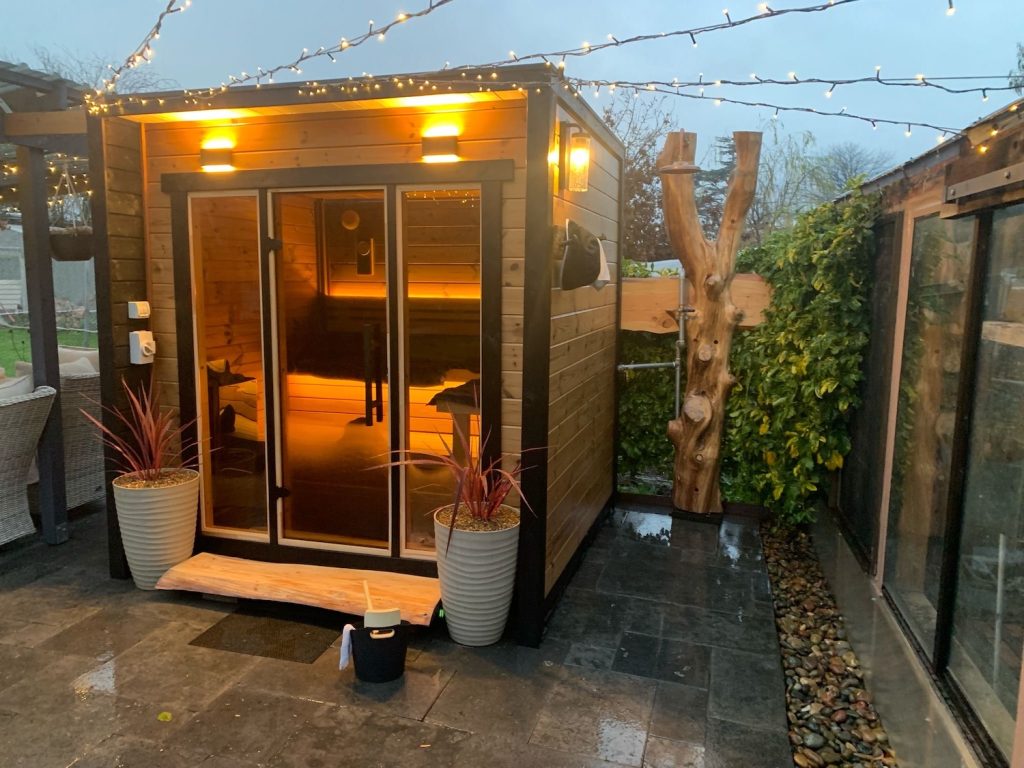






A simple sauna and cold plunge routine: 10 to 15 minutes in the sauna, 1 to 3 minutes in the cold plunge at about 10 to 15°C, then 5 to 10 minutes of rest. Repeat 2 or 3 rounds, two or three times a week. Beginners should start with shorter rounds and a warmer plunge.
Below is a step-by-step routine, how to get the most from it, the safety basics and the benefits people report. Going from hot to cold like this is often called contrast therapy.
Key Takeaways:
- The routine: heat, cold, rest, repeat, for 2 or 3 rounds.
- Why people do it: they feel refreshed and relaxed, and many use it for recovery after exercise.
- Make it yours: adjust the times and temperatures to what feels right, and check with your doctor first if you have a heart condition.
The Sauna Cold Plunge Combo
Moving from a hot sauna into cold water is an old Nordic tradition: think of Finns jumping into a lake or rolling in the snow between rounds. Today it is popular with athletes and anyone who loves the "reset" feeling it gives. You can do it with a cold plunge tub, an ice bath or simply a cold shower.
How does it Work?
In the sauna, the blood vessels in your skin open up to release heat, your heart rate rises and you sweat. In the cold water, those vessels tighten quickly to hold heat in your core, and your breathing and heart rate jump for a moment before settling. Swinging between the two gives a strong, short burst of stress that most people feel as alertness and calm afterwards. Researchers are still studying the long-term effects.
Step-by-Step Guide to the Sauna and Ice Bath Routine

- Prepare: drink a glass or two of water. Skip alcohol and heavy meals beforehand. Have a quick shower.
- Sauna: 10 to 15 minutes, or until you feel properly warm and sweaty. Beginners can start with 5 to 10 minutes on a lower bench.
- Transition: step out, rinse off the sweat under a shower (this keeps the plunge water clean), and breathe for a moment.
- Cold plunge: get in slowly and breathe out long and slow. Stay 1 to 3 minutes at about 10 to 15°C. First-timers can start with 30 seconds, or a warmer plunge.
- Rest: get out, dry off and sit for 5 to 10 minutes. Drink some water.
- Repeat: do 2 or 3 rounds in total, if you feel good.
- Finish: many people like to end on cold and let their body rewarm on its own. Dress warmly, move around, and shower warm once you have stopped shivering. More in how long after a cold plunge to shower.
How to Maximise Sauna and Cold Plunge Benefits
Consistency: two or three sessions a week, done regularly, beats an occasional extreme one.
Breathing: slow breathing helps you stay calm in the cold and relax in the heat.
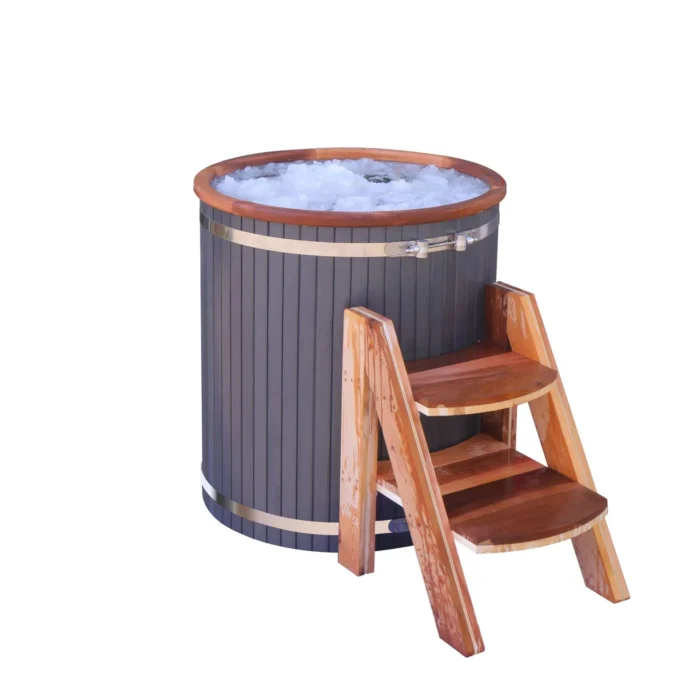
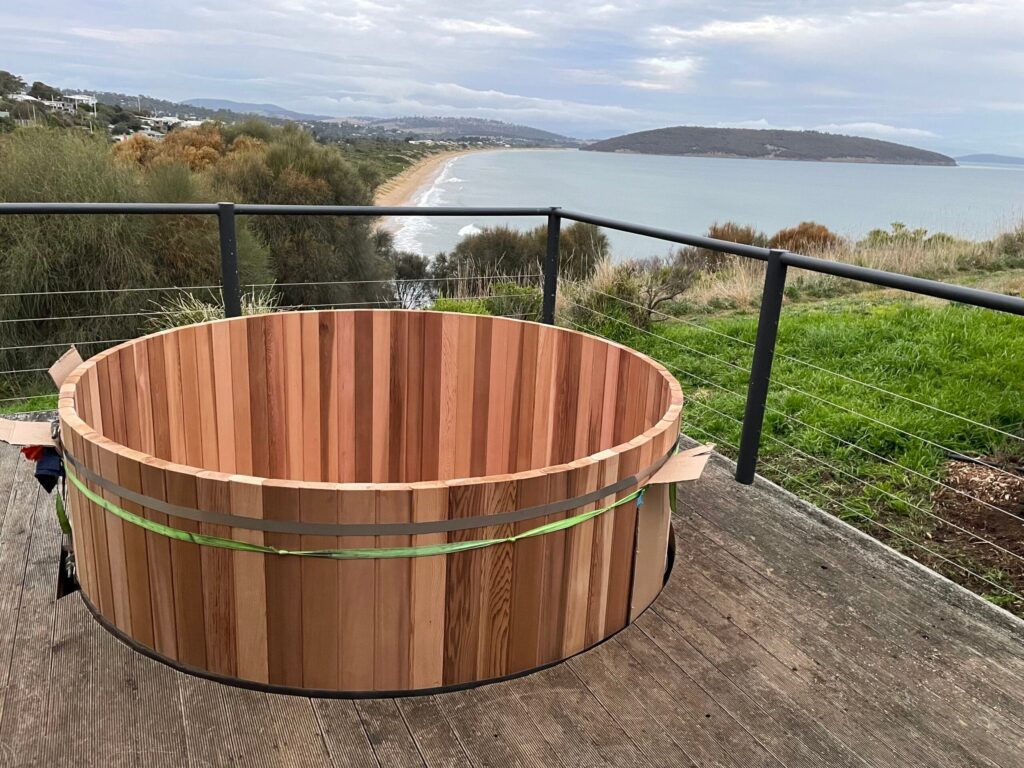
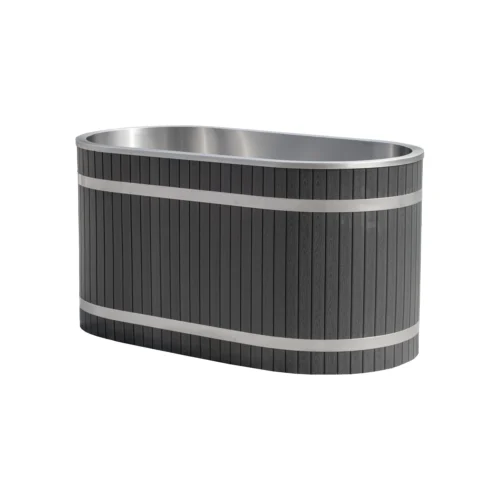
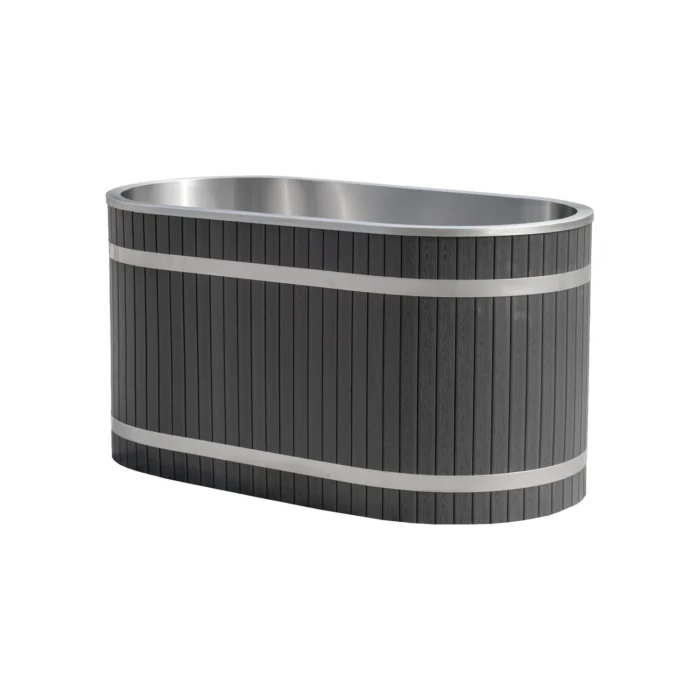
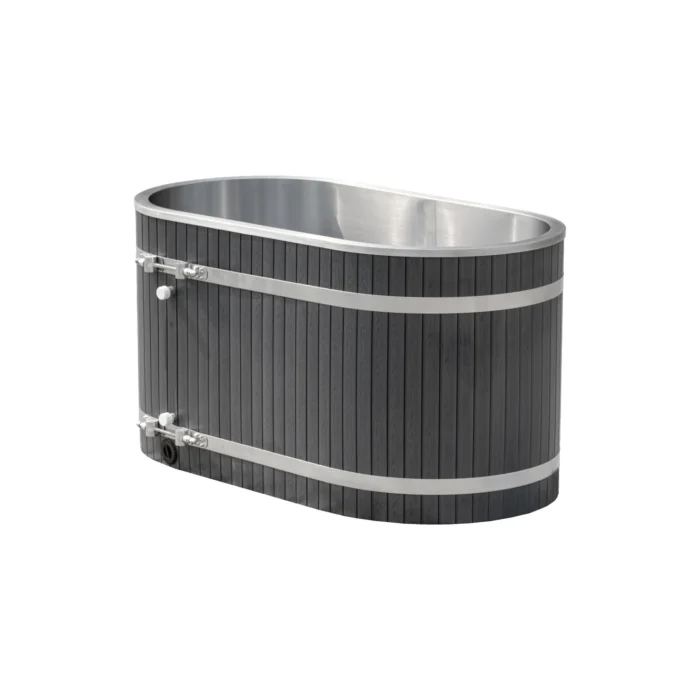
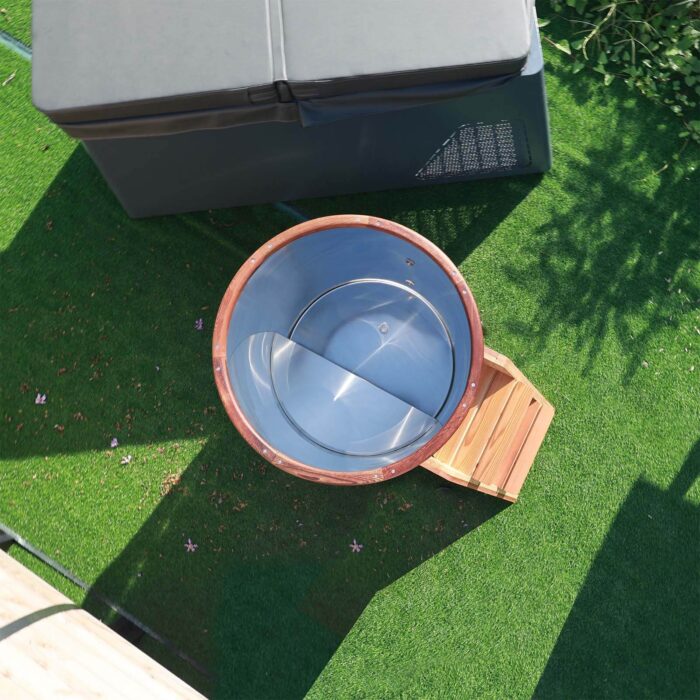
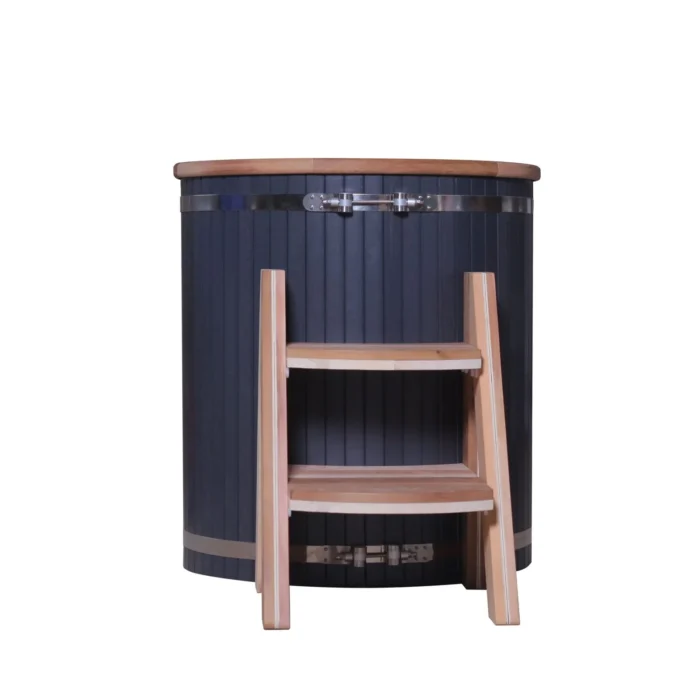
A steady temperature: a tub with a chiller holds the same temperature every day, so you can track your progress. Our oval tub and chiller package holds water as low as 3°C. See our guide to cold plunge chillers.
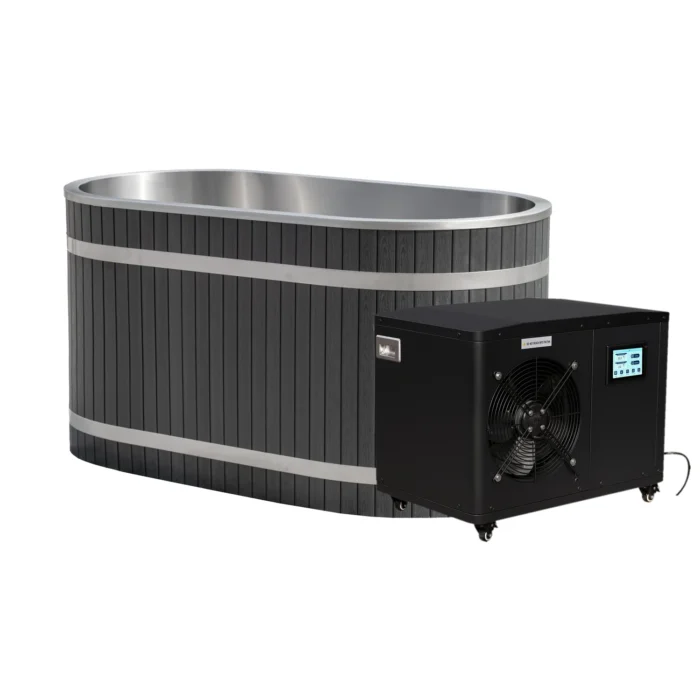 12% OffOval Cold Plunge Tub with ChillerIn stock$5,700

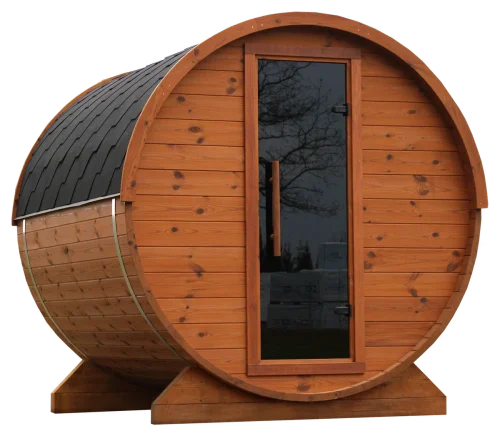
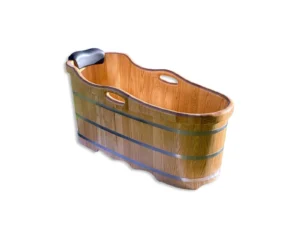
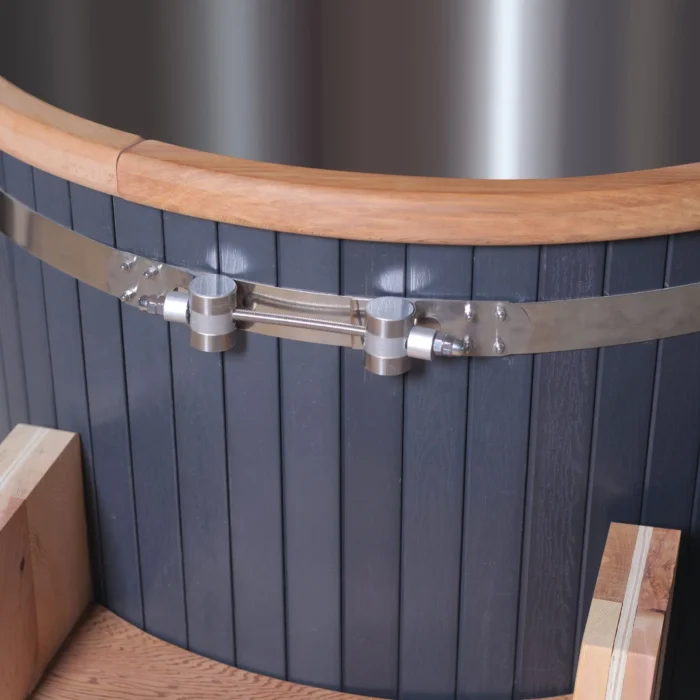
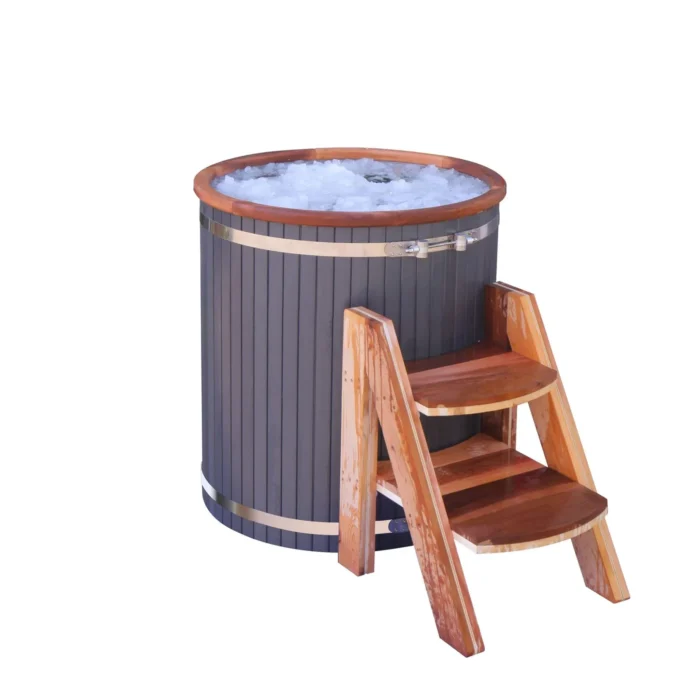 5% OffBarrel Cold Plunge Tub 400 LIn stock$2,375
Safety Precautions
- Talk to your doctor first if you have a heart condition, high or low blood pressure, or another health condition, or if you are pregnant. Read are cold plunge pools dangerous.
- Never after alcohol, and never plunge alone in very cold water.
- Get out straight away if you feel dizzy, numb, confused or unwell, in the heat or the cold.
Key Benefits of a Sauna Cold Plunge Routine

Research on contrast therapy is still growing, and results vary from person to person. These are the benefits most often reported:
- Feeling fresh and alert: the cold gives a sharp burst of energy, and many people say their mood lifts afterwards.
- Recovery after exercise: cold water immersion may ease muscle soreness after hard training. If you are training to build muscle, some research suggests leaving a few hours between a heavy weights session and a plunge.
- Relaxation and sleep: many people find the routine calming and sleep well afterwards.
Read more: The Benefits of Cold Plunge Therapy Explained and contrast therapy.
Reminders for Your Post Sauna Routine
- Drink water before, between and after rounds.
- Ease into the cold: start with a cold shower or a warmer plunge and lower the temperature over a few weeks. Our ice bath temperature guide can help.
- Listen to your body and change the times to suit you on the day.
Conclusion
A sauna and cold plunge routine is simple: heat, cold, rest and repeat. Keep the rounds short, the water around 10 to 15°C, and your body in charge. Done two or three times a week, it is one of the most refreshing habits you can build. See our saunas and cold plunge tubs to set it up at home.
FAQ
Should you do the sauna or cold plunge first?
Most routines start with the sauna to warm the body, then move to the cold plunge.
How long should I sauna before a cold plunge?
About 10 to 15 minutes, or until you feel properly warm. Beginners can start with 5 to 10 minutes.
How long should you stay in the cold plunge?
1 to 3 minutes at about 10 to 15°C. First-timers can start with 30 seconds.
How many rounds of sauna and cold plunge should you do?
Two or three rounds is common.
How often should you sauna and cold plunge?
Two or three times a week suits most healthy adults. Some people do it more often. Consistency matters more than intensity.
Should you end on hot or cold?
Many people end on cold and let their body rewarm itself. If you feel very cold or shaky, it is fine to finish with a short, gentle warm-up.
What not to do after a cold plunge?
Do not jump straight into a very hot shower, hard exercise or alcohol. Dry off, dress warmly, drink water and let your body settle.
Can a sauna and cold plunge routine help with weight loss?
Not much on its own. Cold exposure makes your body burn some extra energy to stay warm, but diet and exercise matter far more.
Is the sauna and cold plunge routine safe for everyone?
No. People with heart conditions, blood pressure problems or who are pregnant should talk to a doctor first.