

A warm sauna session before bed can be one of the simplest ways to quiet your mind, relax your body and prepare for deep, restorative sleep. As your core temperature rises in the heat and naturally cools afterward, your body triggers melatonin release, calms the nervous system and slips more easily into slow-wave sleep.
More than a moment of evening relaxation, this warming-then-cooling cycle supports circadian rhythm, reduces stress and helps you wake feeling refreshed. Below, we break down the science behind why a sauna before bed works—and how to make this calming ritual part of your nightly routine.
Key Takeaways
- Evening heat prompts melatonin production. A short sauna session before bed gently raises your core temperature; as you cool down afterwards your body mimics the natural drop that precedes sleep, signalling the pineal gland to produce melatonin and making it easier to fall asleep.
- Relaxation and stress relief improve sleep quality. Saunas release endorphins and lower stress hormones like cortisol, relaxing tense muscles and calming the mind. This relaxation response encourages deeper sleep and reduces night‑time awakenings.
- Consistency and timing matter. Most experts recommend using a sauna 1–3 hours before bedtime for 10–20 minutes, giving your body time to cool naturally. Hydrating before and after your session and allowing a quiet wind‑down period helps you reap the full sleep‑enhancing benefits.
- Sauna routines support overall wellness. Beyond better sleep, regular sauna use is associated with improved circulation, pain relief, lower stress levels and cardiovascular benefits. Investing in a sauna is therefore an investment in daily wellness and quality time with loved ones.
3 Key Reasons Why Sauna Before Bed Improves Sleep
1. Body‑temperature regulation and melatonin
Our bodies follow circadian rhythms. Core temperature falls as bedtime approaches, and that drop triggers the release of melatonin – the hormone that prepares us for sleep. Spending 10–20 minutes in a sauna elevates core temperature; when you step out and cool down, the rapid decrease mimics your body’s natural evening decline and tells the brain it’s time to rest. Research reviewed by several wellness experts and sleep specialists suggests this warming‑then‑cooling pattern can produce up to 70% more deep sleep in the first two hours of rest.
Beyond temperature changes, heat exposure activates the parasympathetic nervous system and increases melatonin production. The resulting hormonal shift makes it easier to fall asleep and enhances the quality of slow‑wave sleep – the deeply restorative stage that leaves you feeling refreshed in the morning.
2. Relaxation and stress relief
A sauna session isn’t just about heat; it’s a ritual of calm. The warm environment encourages muscles to relax and stimulates the release of endorphins – natural “feel‑good” chemicals that counteract stress hormones.
Studies show that regular sauna use can reduce cortisol, the body’s primary stress hormone, and lower anxiety levels. When your muscles are loose and your mind is calm, falling asleep becomes easier and nocturnal awakenings are less frequent.
3. Pain relief and circulation
Pain is a common disruptor of sleep. The heat from a sauna increases circulation and helps muscles and joints recover. Research has demonstrated that spending time in a sauna twice a day for several days measurably reduces low‑back pain.
Improved blood flow delivers oxygen and nutrients to tissues, easing soreness and preparing your body for restful sleep. For those living with chronic pain or recovering from intense exercise, an evening sauna can be a natural way to reduce discomfort before bed.
Also Read: Ice Bath Benefits: What Do Experts Say? Long-Term Benefits?
Broader Benefits of Sauna Use
The benefits of sauna bathing extend well beyond sleep. Deliberate heat exposure improves immune function by stimulating white‑blood‑cell production, increases metabolism and supports cardiovascular health.
One longitudinal study found that sauna use reduced the risk of cardiovascular death, with risk decreasing as weekly sessions increased. Regular sessions also promote mental clarity and help manage stress, creating a holistic sense of well-being.
4 Tips on How to Incorporate Sauna Into Your Nightly Routine
1. Timing and duration
For sleep enhancement, timing is crucial. Experts recommend scheduling your session one to three hours before bedtime, allowing your body to cool down naturally before you lie down. Start with 10–15 minutes and gradually increase to 20 minutes as you become comfortable.
Longer sessions can overstimulate your body and make it harder to cool down. If possible, keep your sauna temperature moderate in the evening; comfortable heat is more conducive to relaxation than extreme temperatures.
2. Hydration and cooling
Drink water before and after your sauna session to replace fluids lost through sweat. Avoid excessive drinking during the session to minimise middle‑of‑the‑night bathroom visits. After the sauna, let your body cool naturally or take a lukewarm shower to speed the process. Cold plunges may invigorate you, but they can raise core temperature again and interfere with the cooling effect needed for sleep.
3. Mindfulness and environment
Use your sauna time to disconnect from digital devices and daily stressors. The quiet, screen‑free environment can be a sanctuary for meditation or deep‑breathing exercises. Dim the lights, play soft music and focus on breathing slowly; this combination of sensory cues signals to your nervous system that it’s time to unwind.
4. Safety considerations
Sauna bathing is safe for most healthy adults, but it’s not for everyone. People with cardiovascular or blood‑pressure issues, pregnant individuals and those with seizure disorders should consult a healthcare professional before using a sauna.
If you’re new to saunas, start with shorter sessions and lower temperatures. Pay attention to how you feel during and after each session; dizziness, headache or nausea are signs to end your session and cool down. Avoid alcohol or heavy meals before your session; both can interfere with sleep and increase dehydration risk.
Also Read: How to Use a Sauna Like a Pro: The Ultimate Guide
Choosing a Sauna for Your Home
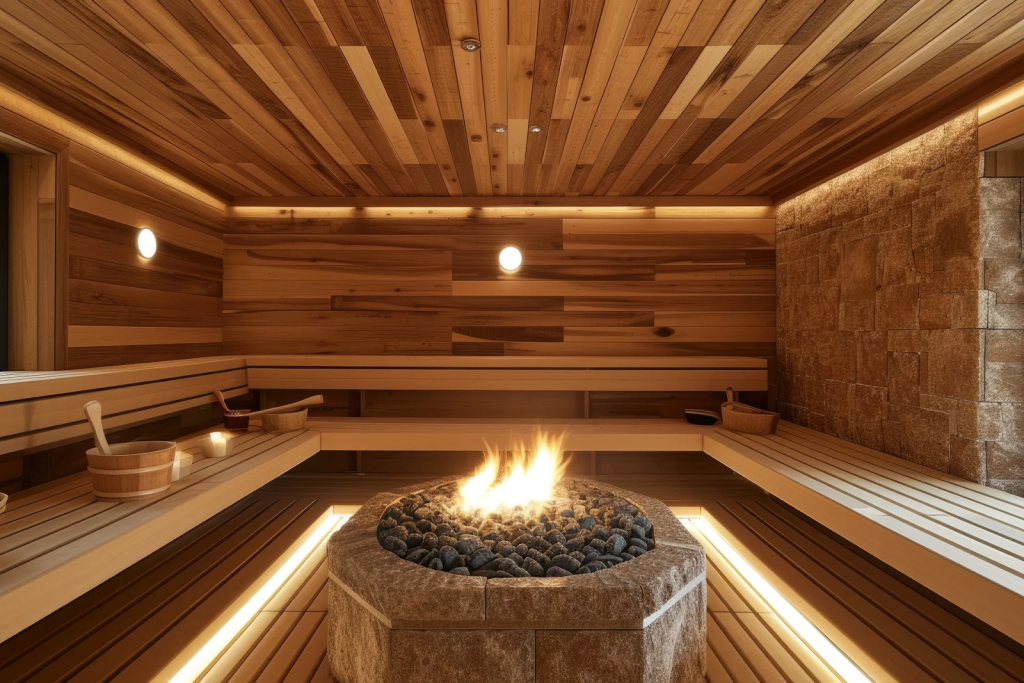
Investing in a home sauna brings the benefits of evening heat therapy into your everyday routine. Shym Saunas offers handcrafted models built from premium thermowood, Nordic spruce and cedar, with designs that foster connection and calm.
Here are a few options that align with different lifestyles and spaces:
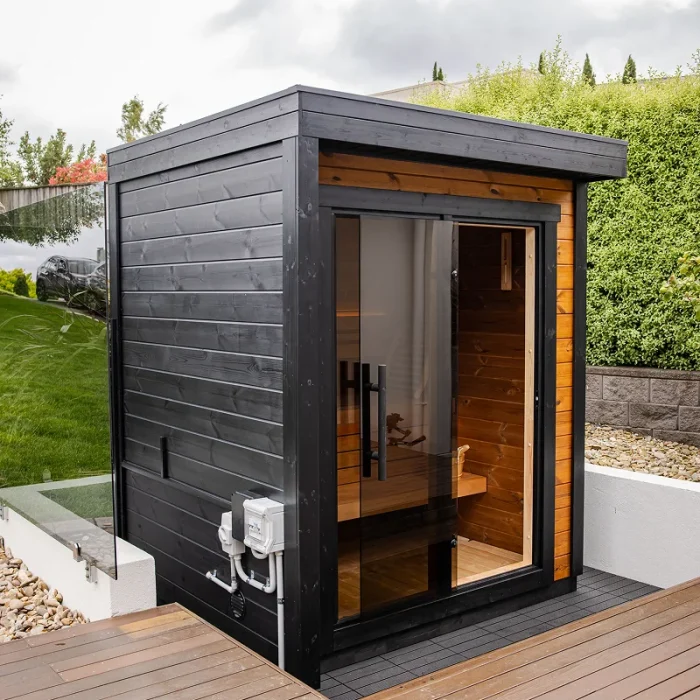
- Patio XS or Patio XXS – Compact yet inviting, these outdoor units seat four to seven people and feature L‑shaped benches for efficient use of space. Their clean lines and full‑glass walls let natural light in while you unwind. A quick 10–15‑minute session in the Patio XS after dinner can become a family ritual to “live in the moments that matter.”
- Serenity Round Cube Mini – With an L‑shaped bench and room for up to seven people, this sauna offers a tranquil cocoon for evening relaxation. The U‑shaped seating fosters conversation and connection while you benefit from steady, efficient heat.
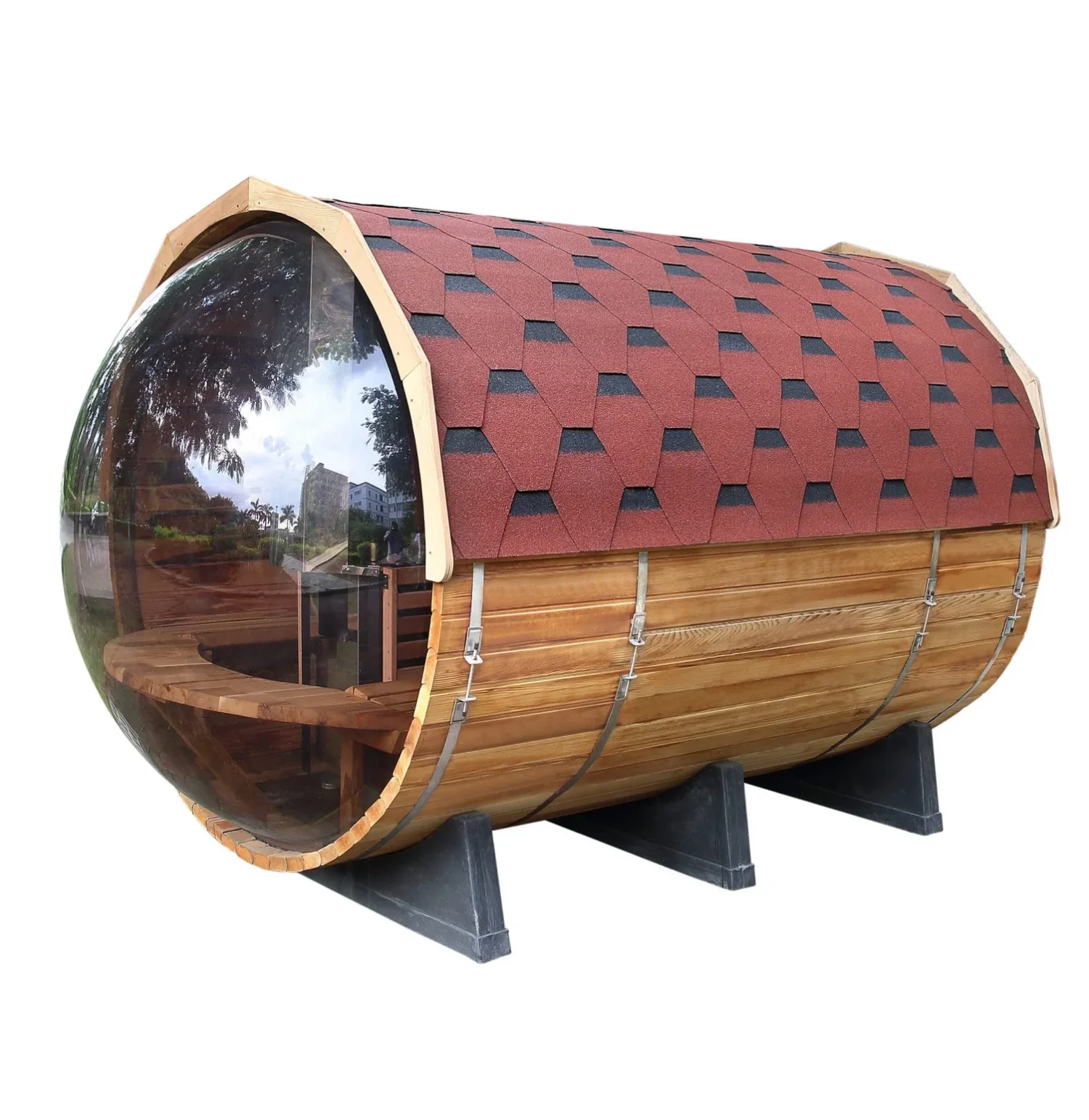
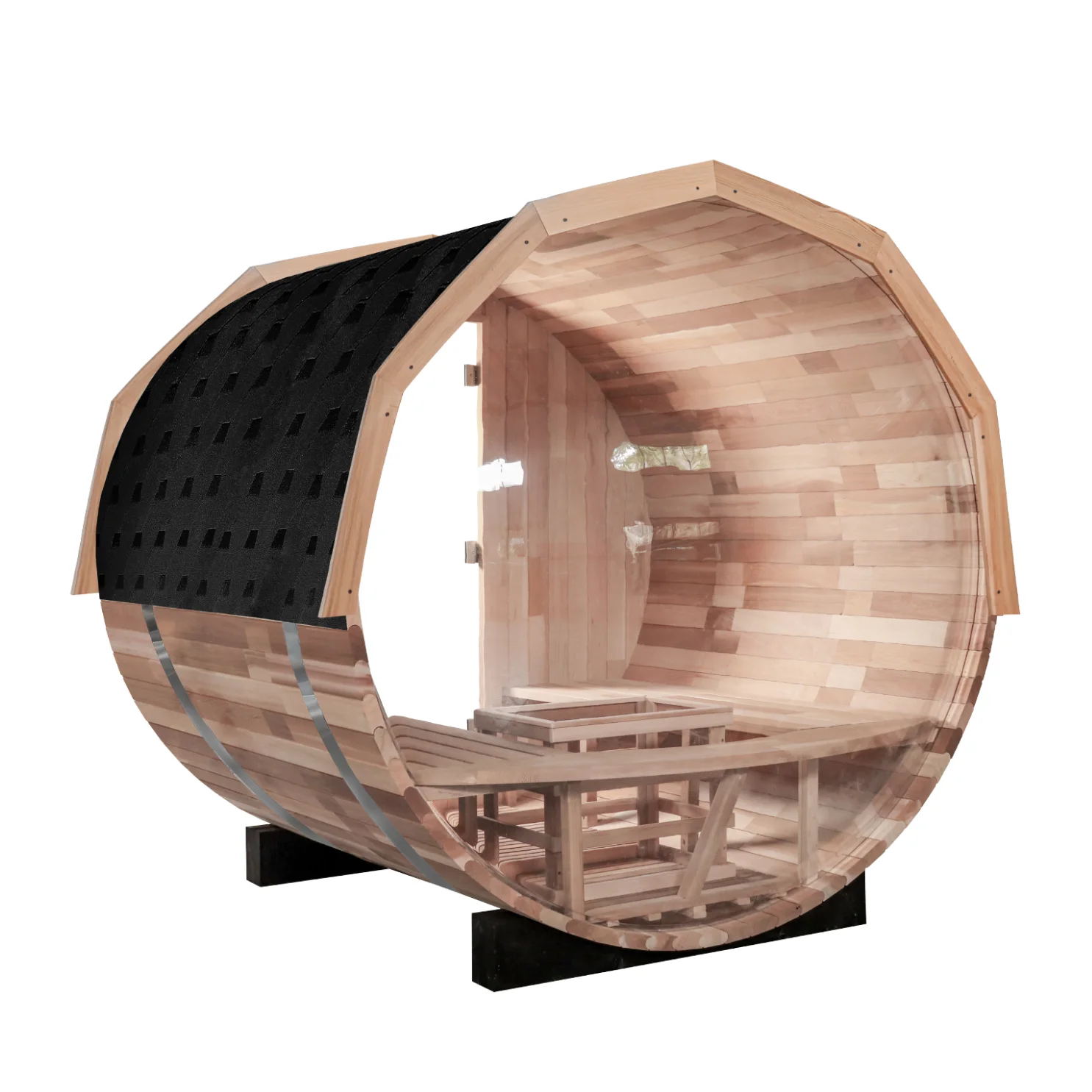
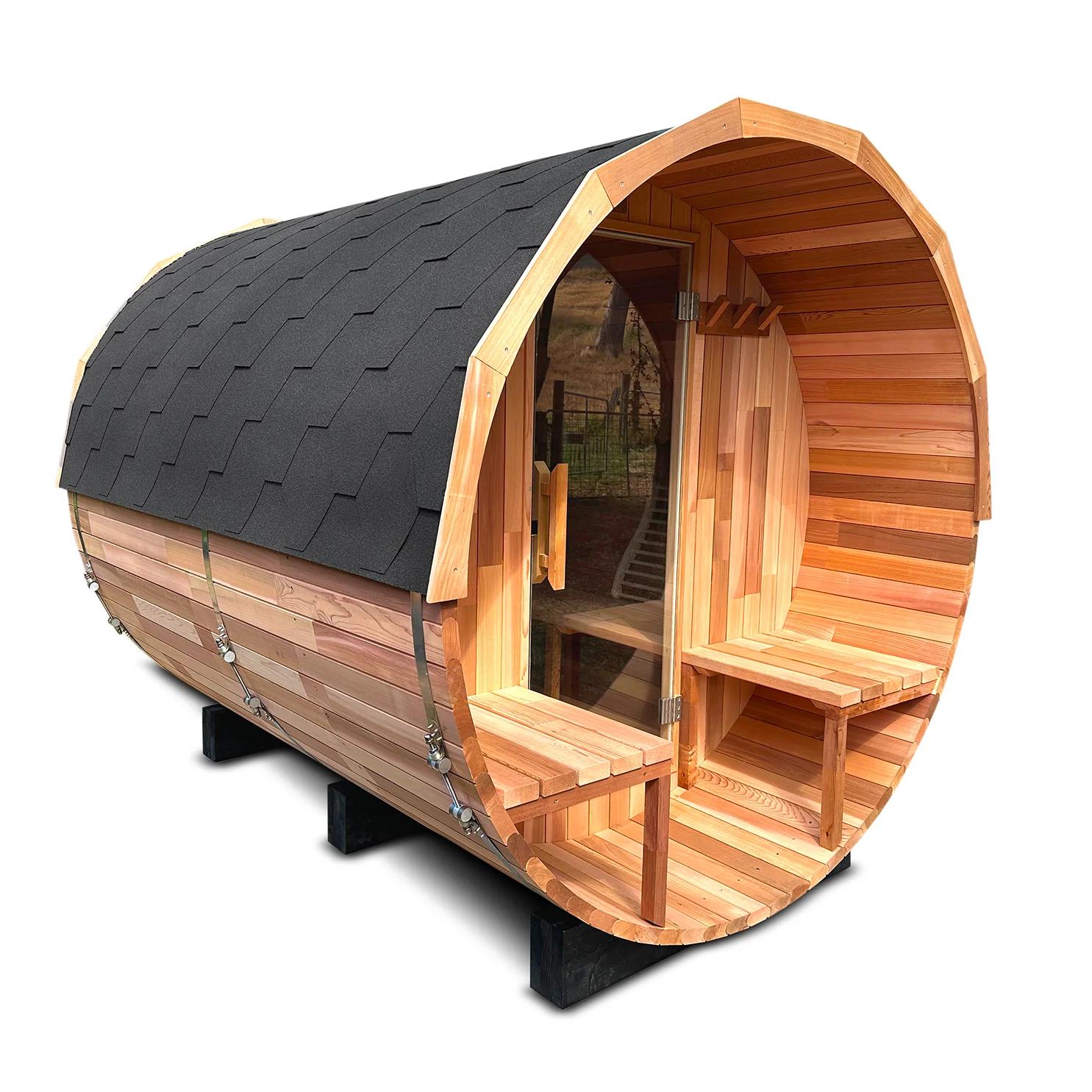
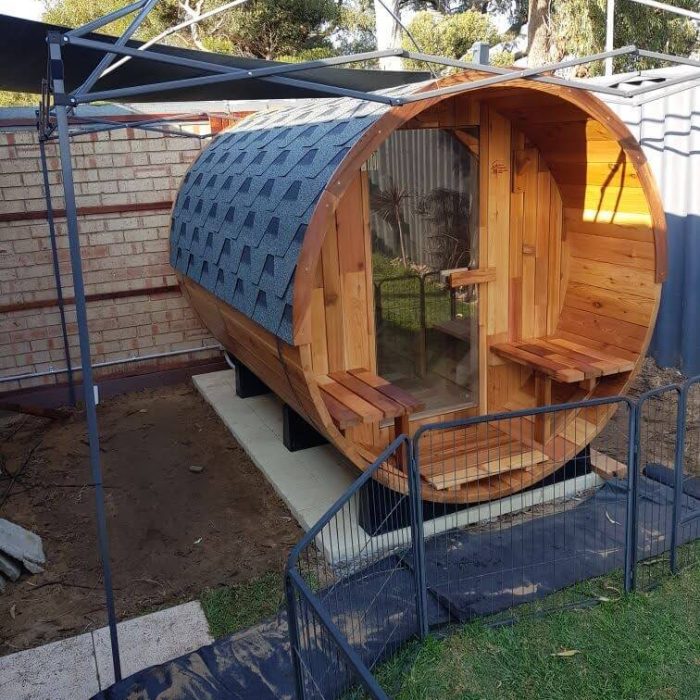
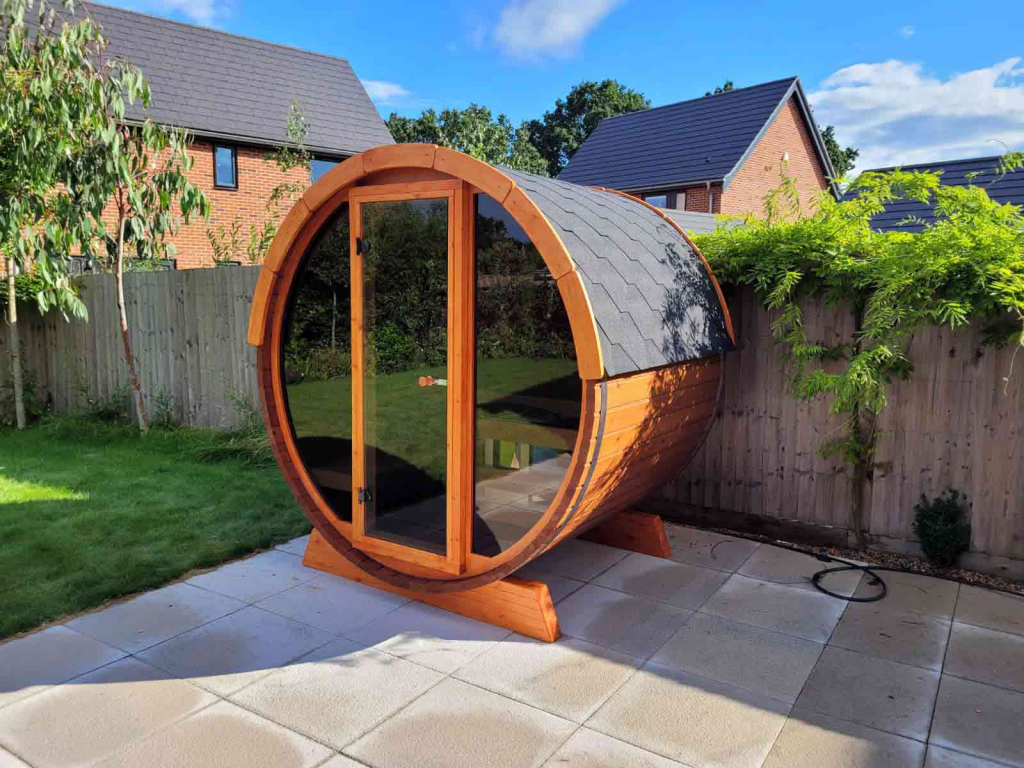
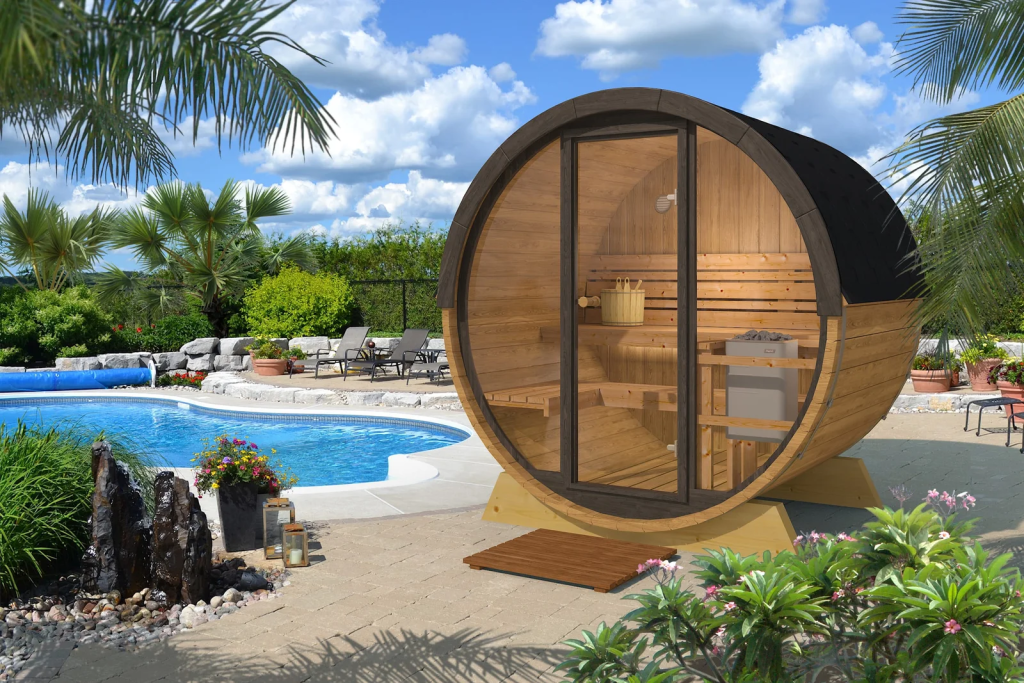
- Thermo Spruce Barrel Sauna UNITY – This classic barrel design made from dark thermowood delivers efficient heat circulation and a natural timber aroma. Its bold look sets a mood of quiet luxury, and the curved interior promotes heat distribution for relaxing pre‑sleep sessions.
Each of these saunas is built with Shym’s signature craftsmanship and wellness‑first approach—benefit‑led before specs. Whether you choose an intimate 4‑person unit or a spacious barrel for family gatherings, you’re investing in quality time and restorative rituals.
Can a Sauna Help You Sleep Better? Evidence and Research
The idea that saunas improve sleep isn’t anecdotal—it’s supported by science. In a large survey of regular sauna users, more than 83% reported that their sleep improved after adopting routine sessions.
Another study published in the Journal of Physiological Anthropology found that regular sauna use increased deep‑sleep phases by 10–32%. These findings align with the traditional wisdom that deliberate heat exposure followed by cooling promotes restful sleep.
Data from wearable devices such as Oura Rings also show that members who tag “sauna” in their sleep logs experience a sleep‑inducing response: melatonin production rises, and both physical and mental relaxation improve. Sauna sessions also stimulate white‑blood‑cell counts and support immune function, meaning you’ll feel healthier as well as better rested.
Additional Tips for Enhancing Your Sauna‑Sleep Ritual
- Consistency: Aim for two to three sessions per week. Regularity helps your body anticipate the evening heat and cooling cycle, strengthening circadian rhythms.
- Mind your schedule: If you exercise in the evening, schedule your sauna after your workout. The heat aids muscle recovery and reduces delayed‑onset soreness.
- Create a pre‑sleep routine: Pair your sauna session with other calming activities—reading, stretching or a warm herbal tea (caffeine‑free, of course). Avoid screens and bright lights to encourage natural melatonin release.
- Listen to your body: Heat tolerance varies. Adjust the temperature and session length to match your comfort.
Frequently Asked Questions
If you find yourself restless after a sauna, it’s usually a sign of timing, temperature or overstimulation—not that your body dislikes heat. A sauna session raises your core temperature, and if you go to bed before your body has cooled down, you interrupt the natural evening temperature drop that tells your brain it’s time to release melatonin. Without that cooling window, falling asleep can feel harder.
Other reasons include:
– Too much heat or too long a session: Extended or very hot sessions can activate your sympathetic nervous system, leaving you more alert instead of calm.
– Dehydration: Losing fluids without adequately replenishing them can lead to headaches or restlessness.
– Late-night cold plunges: Cold exposure after a sauna can be invigorating, which is counterproductive before sleep.
Most people sleep deeply when they give themselves 1–3 hours between the sauna and bedtime and opt for moderate heat in the evening.
Both morning and evening sessions offer meaningful benefits—what changes is how they support your body.
A morning sauna gently elevates heart rate, increases circulation and clears mental fog. Many people use it to energize the start of their day, similar to light exercise.
A nighttime sauna, by contrast, is designed for rest. The warming-then-cooling rhythm supports melatonin release, calms the nervous system and helps your body transition into slow-wave sleep. It’s the ideal choice if you’re seeking deeper rest, reduced stress or calmer evenings.
Ultimately, the “better” time depends on your intention: choose mornings for clarity and invigoration, nights for relaxation and restorative sleep.
For most people, the sweet spot is 1–3 hours after finishing a sauna session. This allows your body to move through the natural cooling phase that signals melatonin production and prepares you for sleep.
Here’s why this window matters:
– Your core temperature needs time to drop naturally, mimicking the body’s evening circadian rhythm.
– Cooling slowly helps activate the parasympathetic nervous system—the “rest and digest” state essential for deep sleep.
– It prevents overstimulation from heat, hydration changes or elevated heart rate.
If you prefer shorter transitions, aim for at least 60 minutes between the sauna and lying down. Pairing that hour with gentle stretching, dim lighting or a warm herbal tea can further ease your body into a restorative night.
Conclusion
Using a sauna before bed is a simple yet powerful practice for better sleep and overall wellness. By harnessing the natural interplay between heat and cooling, saunas promote melatonin production, relax tense muscles and calm a busy mind. Regular evening sessions help synchronise your circadian rhythm, deepen sleep and provide lasting benefits for circulation, immunity and mental clarity.
At Shym Saunas we believe that creating a space for real connections begins with rituals that nurture body and soul. A home sauna brings families together, fosters quiet conversation and helps everyone unwind after a busy day. When you’re ready to invest in the moments that matter, explore our handcrafted saunas and discover how warmth, ritual and shared experiences can transform your nights into restorative journeys.