
Australian winters can be surprisingly harsh on the skin, even in warmer states. The combination of cool outdoor air and heated indoor environments strips moisture from the skin barrier, leaving it feeling tight, flaky, and dull. Most people reach for richer moisturisers, and that helps, but it treats the surface rather than the cause.
Infrared sauna therapy works from the inside out, addressing the underlying circulation, cellular renewal, and skin barrier functions that determine how your skin actually looks and feels. Here is what happens at a physiological level and how to make it work for you.
When temperatures drop, blood vessels near the skin’s surface constrict to preserve core body heat. This reduces the delivery of oxygen and nutrients to skin cells, slowing cell turnover and reducing the skin’s natural moisture-producing capacity. The result is the familiar combination of dullness, dry patches, and increased sensitivity that many people experience in the cooler months.
Cold weather changes how the skin behaves at a structural level. Oil glands slow down, humidity drops, and the skin barrier becomes less effective at holding moisture in. This combination is what leads to that tight, dry feeling that many people notice during winter.
At the same time, blood flow to the skin surface decreases as the body prioritises keeping internal organs warm. With less circulation, skin cells receive fewer nutrients and oxygen, which slows down the natural renewal process. This is why skin can start to look dull even when you are using good skincare products.
Understanding this shift helps explain why surface treatments alone often feel like they are not enough during colder months.
Infrared heat causes significant vasodilation, meaning blood vessels expand and blood flow to the skin increases dramatically. This delivers a fresh supply of oxygen, vitamins, and minerals to skin cells and supports the removal of metabolic waste. Better circulation translates to more even skin tone, a healthy glow, and faster cellular repair.
Sweating in a sauna is genuinely different from sweating during exercise. Sauna sweat tends to be more prolonged and reaches deeper into the pores. This process helps clear accumulated sebum, dead skin cells, and environmental pollutants that contribute to congestion and uneven texture.
Collagen production naturally declines with age and is also affected by cold temperatures and UV exposure. Some research suggests that infrared light at specific wavelengths can stimulate fibroblast activity, which is the process responsible for producing new collagen. This can contribute to improved skin elasticity and reduction in the appearance of fine lines over time.
Infrared sauna therapy works beneath the surface, influencing how skin repairs and regenerates over time. When the body is warmed from within, circulation improves significantly, which helps deliver oxygen and nutrients to skin cells more efficiently. This supports natural healing processes and encourages healthier-looking skin.
Heat also helps the body clear out waste products through increased sweating and improved lymphatic activity. While this is not a “detox” in the exaggerated sense often claimed online, it does support the body’s natural cleansing systems in a meaningful way.
Whether sauna use helps or hinders skin conditions like eczema and psoriasis depends on individual factors. Many people with these conditions find that improved circulation and reduced stress positively affect their skin. For a comprehensive look, read our article on benefits of sauna for skin.
For those wondering about sauna and acne specifically, our piece on is sauna good for acne offers a practical guide to getting the benefits without triggering breakouts.
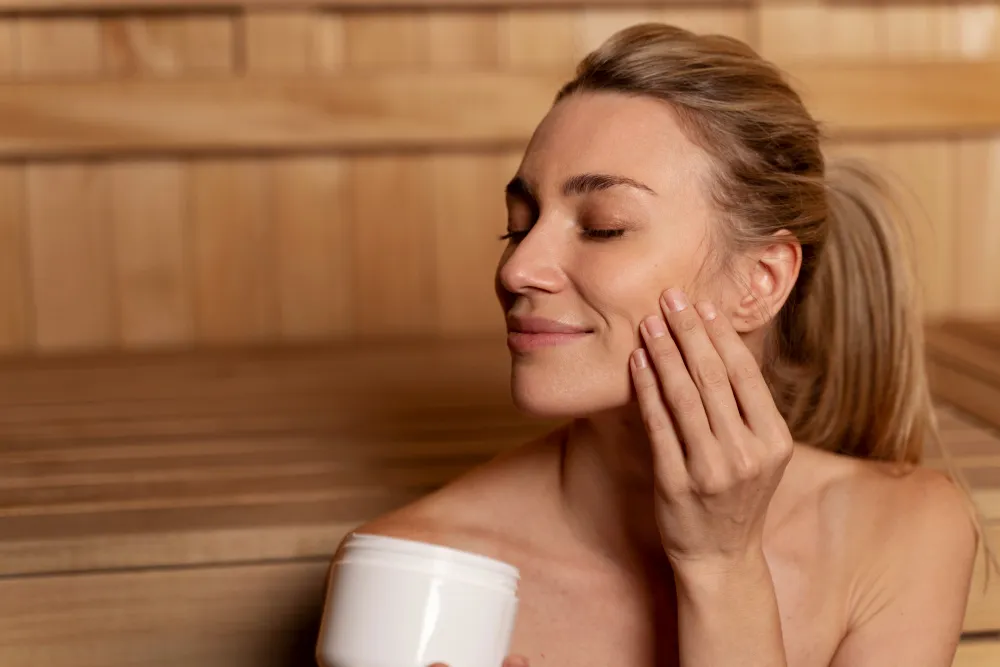
The window immediately after a sauna session is one of the most receptive moments for skincare. Your pores are open, circulation is high, and your skin is primed to absorb what you apply. Use this opportunity to apply a good quality moisturiser with hyaluronic acid or ceramides while the skin is still slightly damp.
Infrared sauna use is not a one-time fix for skin concerns. The real benefits build gradually as circulation, hydration balance, and cellular turnover improve over time. This is why regular sessions tend to show more noticeable changes than occasional use.
Consistency also helps regulate stress levels, which directly affects skin health. Lower stress can mean fewer breakouts, less inflammation, and a more stable skin barrier over time.
Sweating in the sauna loses water, and dehydrated skin is tight, dull skin. Drink at least 500ml of water in the hour before your session and another 500ml to 1 litre in the hour following.
For best results with winter skin, aim for three to four sauna sessions per week. Pair each session with thorough post-sauna moisturising, consistent internal hydration, and a diet rich in omega-3 fatty acids. Within two to four weeks, most users report a visible improvement in skin tone, texture, and overall radiance.
Most people notice an initial improvement in skin tone and texture after three to five sessions. More significant changes to texture, pore size, and radiance typically develop over four to eight weeks of regular use.
Before the session, remove makeup and sunscreen so pores can breathe and sweat freely. After the session, rinse with cool water and apply your moisturiser immediately.
If you do not hydrate adequately and skip post-sauna moisturising, it is possible to come out with temporarily drier surface skin. Proper hydration protocols make this a non-issue.
Generally yes. The lower temperatures of infrared saunas are well tolerated by most skin types, including sensitive skin. Start with shorter sessions and cooler settings, and observe how your skin responds.
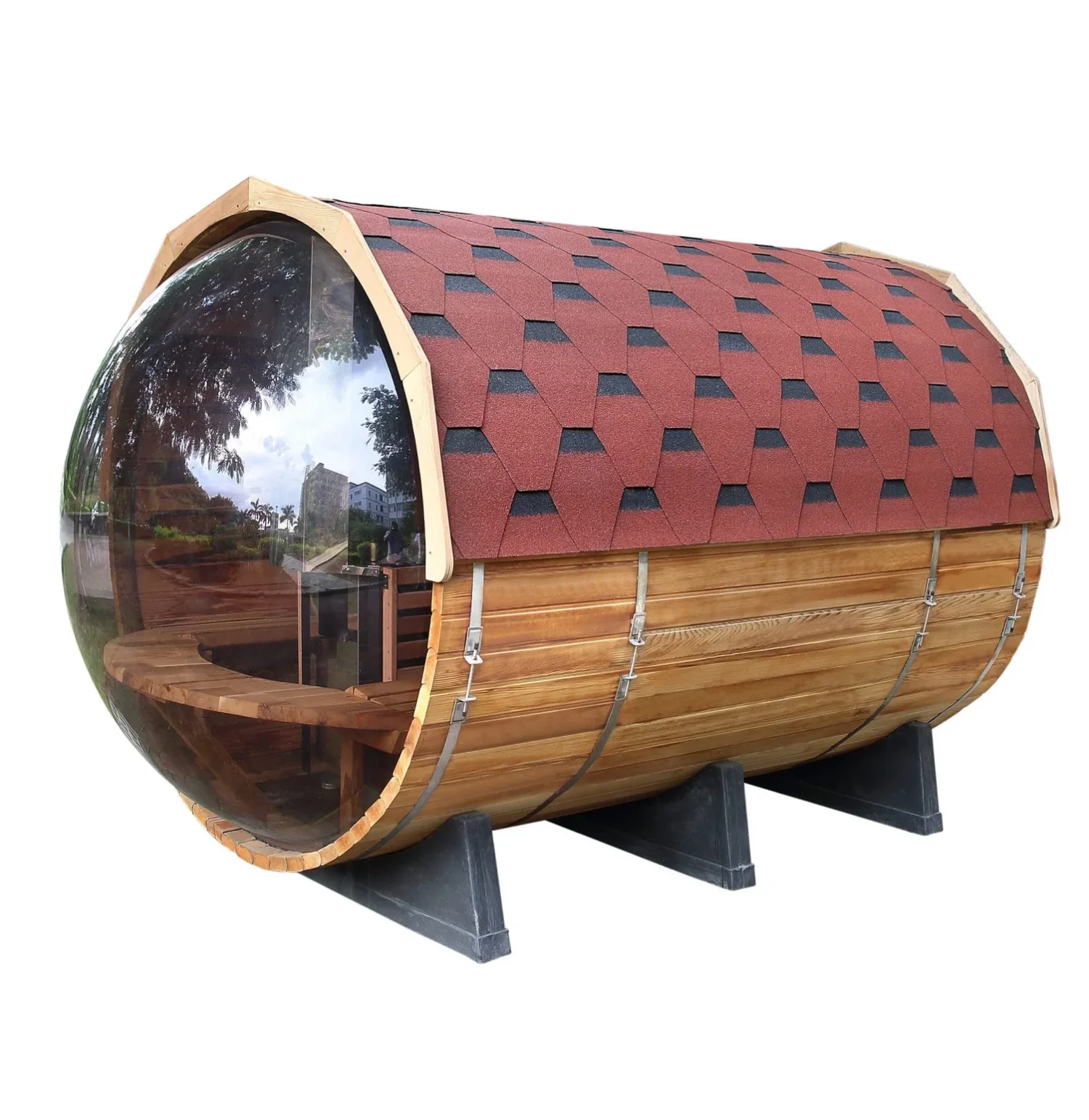
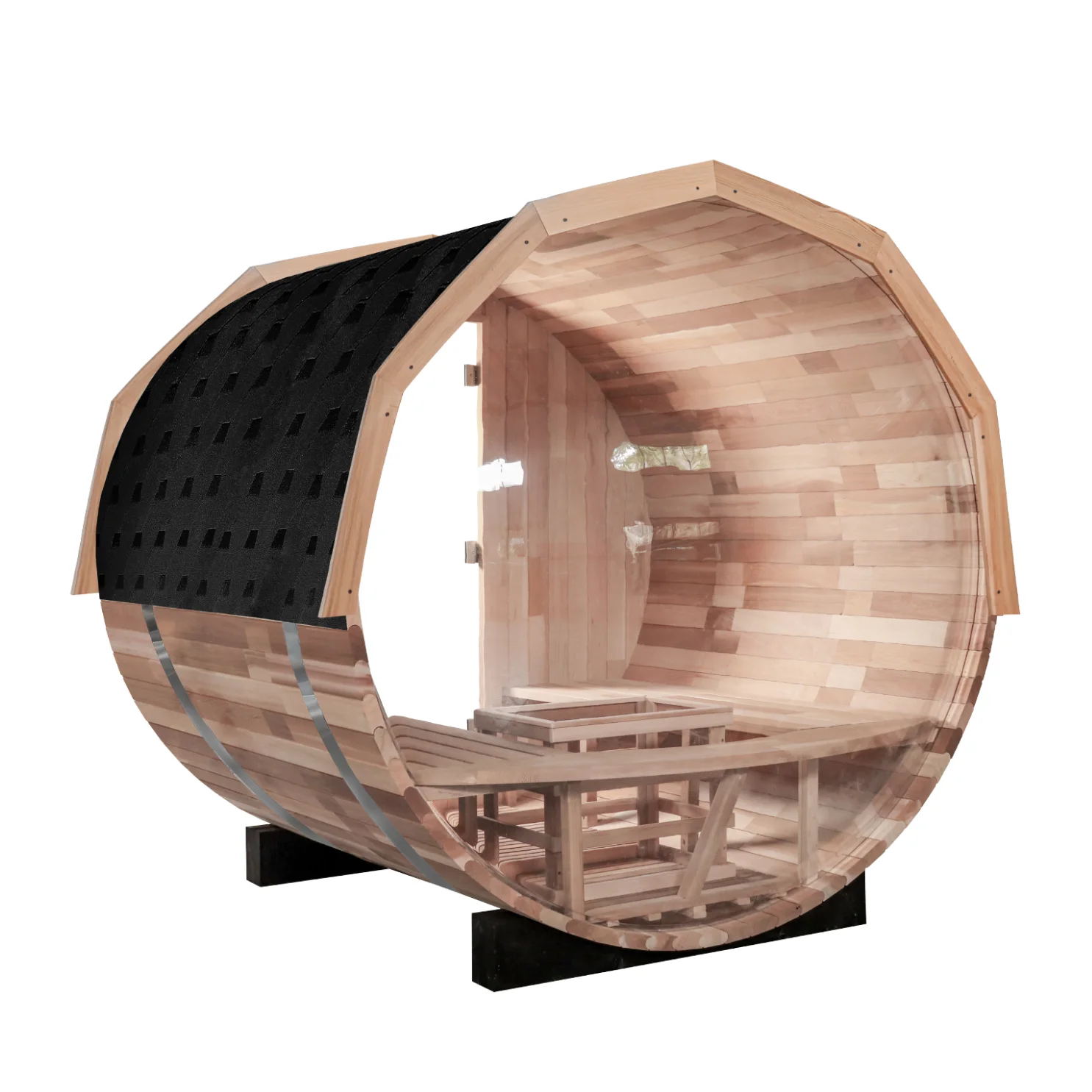
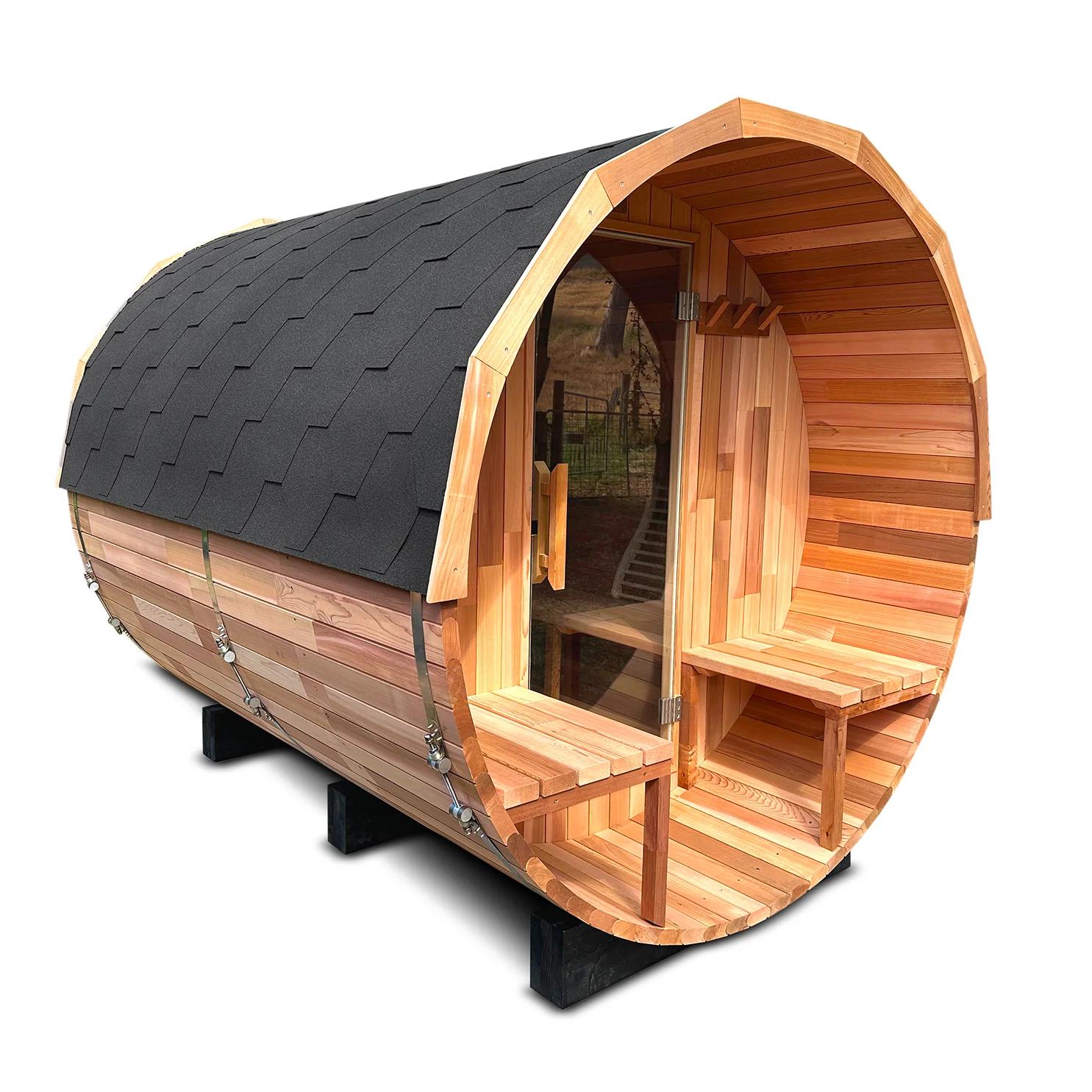
Dry winter skin is not just a cosmetic issue, it reflects what is happening at a circulatory and cellular level. Infrared sauna therapy addresses those root causes while delivering visible results. Combined with good post-sauna skincare and hydration habits, it can be a genuine game-changer for your skin this winter. Explore the Shym Saunas range to find your match.