










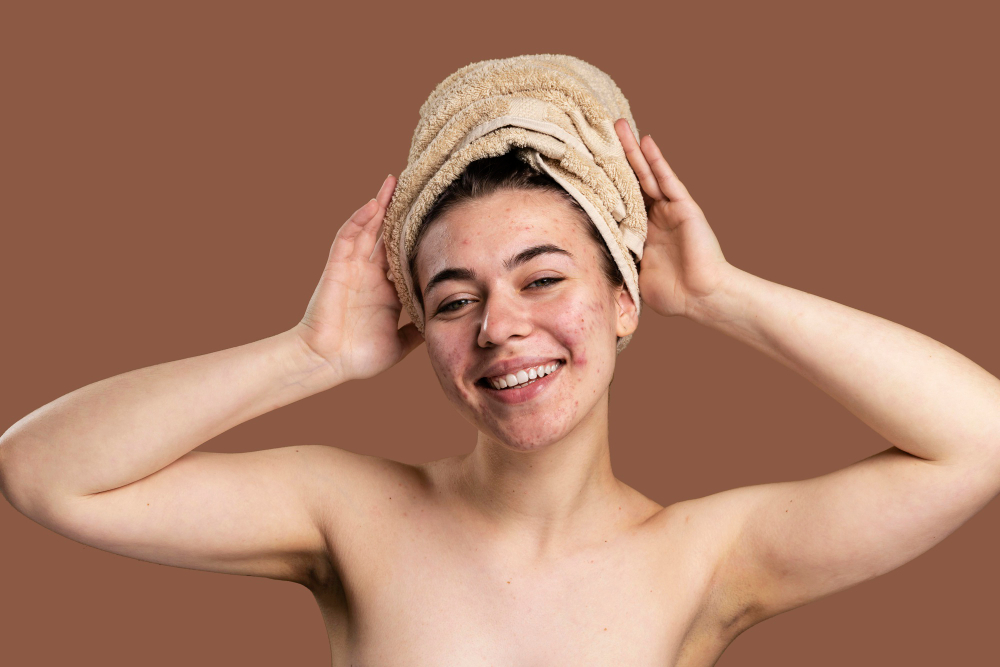
What Causes Acne and Why Skin Health Matters
Acne is one of the most common skin conditions in the world, affecting people of all ages — not just teenagers. It develops when hair follicles become clogged with oil (sebum), dead skin cells, and bacteria. This leads to whiteheads, blackheads, pimples, cysts, or nodules depending on the severity.
Several factors contribute to acne development: excess sebum production, the presence of acne-causing bacteria (particularly Cutibacterium acnes), hormonal fluctuations, inflammation, and poor skin cell turnover. Diet, stress, hygiene, and environmental exposure can all make existing acne worse.
Treating acne effectively often requires a multi-faceted approach — and increasingly, people are looking at lifestyle tools like saunas as a potential part of that strategy. But does the science back up the claim that saunas help with acne? The answer is more nuanced than a simple yes or no.
For a broader look at what heat therapy does for your skin, explore our detailed guide on the benefits of sauna for skin — a great starting point for understanding the relationship between heat and complexion.
How a Sauna Affects Your Skin
When you sit in a sauna, your body temperature rises, your heart rate increases, and your sweat glands activate. This physiological response has several direct effects on your skin.
Deep Sweating and Pore Opening
Heat causes your pores to dilate and your sweat glands to produce large volumes of sweat. This deep, thermally-induced sweating is different from the light perspiration of everyday activity — it's more thorough, reaches deeper into the skin layers, and flushes out a greater volume of debris from within the pores.
Increased Blood Circulation to the Skin
Sauna heat causes vasodilation — your blood vessels widen and blood rushes closer to the skin surface. This increased circulation delivers oxygen and nutrients to skin cells more efficiently, supports cellular repair, and gives the skin a healthy, flushed appearance after a session.
Sebum Regulation
Heat stimulates sebaceous gland activity during the session itself, which can temporarily increase oil production. However, regular sauna use over time may help regulate sebum balance — one of the factors directly tied to acne formation.
Understanding how your sauna is designed also matters for skin benefits. Read our comparison of infrared vs traditional saunas to understand how different heat mechanisms affect your body and skin differently.
Is Sauna Good for Acne?
The short answer is: yes, a sauna can be good for acne — but only when used correctly and as part of a consistent skincare routine. It is not a standalone cure, and improper use can actually trigger breakouts or worsen existing acne.
When used properly — with clean skin, thorough post-session cleansing, and good hydration — a sauna provides genuine benefits for acne-prone skin. The deep sweating helps flush impurities from pores, the improved circulation supports skin cell renewal, and the anti-inflammatory effects of regular heat exposure can reduce the redness and swelling associated with active breakouts.
The crucial distinction is this: a sauna helps acne when your skin is properly prepared before and after the session. Skip the pre-sauna cleanse or the post-sauna wash and you risk trapping bacteria, sweat, and oils back into freshly opened pores — making acne worse, not better.
If you're building a home sauna for regular skincare and wellness use, browse our full range of saunas for sale or read our guide to best home sauna Australia to find the right fit for your lifestyle.
Benefits of Sauna for Acne-Prone Skin
When used consistently and correctly, sauna sessions offer several specific benefits for people dealing with acne.
Deep Pore Cleansing Through Sweat
One of the most direct benefits is the mechanical flushing effect of sweat. As your pores dilate in the heat and sweat pushes outward, it carries with it sebum, dead skin cells, dirt, and surface bacteria. This is a form of natural deep cleansing that topical products alone can't fully replicate.
Think of it as the heat doing the heavy lifting to open up and flush the pore — with your post-sauna cleanser finishing the job by washing away everything that's been brought to the surface.
Reduced Skin Inflammation
Acne is fundamentally an inflammatory condition. The redness, swelling, and pain of active pimples are all driven by the immune system's inflammatory response to bacteria and blocked follicles. Regular sauna use has been shown to reduce systemic inflammation markers over time — which can translate to less severe, less frequent breakouts.
Stress Reduction and Hormonal Balance
Stress is one of the most significant acne triggers, primarily because elevated cortisol stimulates sebum production and promotes inflammatory pathways. Sauna sessions are highly effective at reducing cortisol levels and promoting relaxation through endorphin release. Regular sessions can help break the stress-acne cycle that many people struggle with.
Improved Skin Cell Turnover
The increased blood flow and heat stress from regular sauna use stimulates skin cell regeneration. Faster cell turnover means old, dead skin cells are shed more efficiently — reducing the likelihood of pores becoming clogged in the first place.
Enhanced Absorption of Skincare Products
Using the right skincare products after a sauna session — when pores are clean and dilated — allows active ingredients to penetrate more deeply and effectively. This means your acne treatments, serums, and moisturisers work harder after a sauna session than they would on unprepared skin.
For more on how saunas support overall skin health beyond acne, read our comprehensive guide on benefits of sauna for skin and explore how how to use a sauna correctly to maximise these skincare benefits.
Can a Sauna Cause Acne?
Yes — a sauna can cause or worsen acne if used incorrectly. This is an important reality that often gets overlooked in the enthusiasm for sauna health benefits.
Sweat + Bacteria + Closed Pores = Breakouts
Here's the mechanism: during a sauna session, your pores open wide and sweat flushes outward. But if you don't cleanse your skin immediately after the session, that sweat — now mixed with sebum, bacteria, and debris from the surface of your skin — sits on your face as your body cools and your pores begin to contract again.
As pores close, they can trap this cocktail of sweat and bacteria inside, creating the perfect conditions for new breakouts. This is why post-sauna skincare is not optional — it's essential for acne-prone skin.
Dirty Sauna Surfaces
Public saunas and gym saunas can harbour bacteria on benches, walls, and other surfaces. If your skin — particularly open or active acne — comes into contact with contaminated surfaces, bacteria can be introduced that worsen existing breakouts or trigger new ones.
Touching Your Face During a Session
Many people unconsciously touch their face during a sauna session to wipe sweat. If your hands have been resting on shared surfaces, this transfers bacteria directly to your pores at a time when they're maximally open and vulnerable.
Over-Sauna-ing
Using a sauna too frequently — particularly multiple times per day — can strip the skin of its natural moisture barrier. A damaged moisture barrier leads to dehydration, increased sebum production as the skin tries to compensate, and heightened inflammation — all of which make acne worse.
Read our article on how to clean a sauna to ensure your home sauna stays hygienic for skin-safe sessions, and check out our sauna care guide for ongoing maintenance tips.
Is Infrared Sauna Good for Acne?
Infrared saunas have become a popular choice for skin-focused wellness routines — and with good reason. Many dermatologists and skincare specialists consider infrared saunas particularly well-suited for acne-prone skin.
How Infrared Heat Differs
Unlike traditional saunas that heat the ambient air to extreme temperatures, infrared saunas use light energy to penetrate directly into body tissue — typically 4–5 cm below the skin surface. This produces a deeply therapeutic heat effect at lower ambient temperatures (45–60°C) compared to traditional saunas (80–100°C).
Why Infrared May Be Better for Acne-Prone Skin
- Gentler on the skin barrier: The lower ambient temperature is less likely to cause dehydration or moisture barrier damage compared to traditional high-heat saunas.
- Deeper cellular stimulation: Near-infrared wavelengths in particular have been studied for their ability to stimulate collagen production and support skin cell repair at a cellular level.
- Anti-inflammatory light therapy: Certain infrared wavelengths overlap with red light therapy ranges, which have documented anti-inflammatory and skin-healing properties relevant to acne treatment.
- More comfortable sessions: Easier to tolerate for longer, allowing more consistent use — and consistency is key for skin improvement.
Explore our Leil Como indoor sauna series and Como Indoor Sauna Collection for premium home sauna options suited to regular skincare routines.
Is a Steam Room or Sauna Better for Acne?
This is one of the most frequently asked questions on the topic, and the answer depends on your skin type, acne severity, and what you're trying to achieve.
Steam Room for Acne
A steam room operates at 100% humidity with lower temperatures (around 40–45°C). The moist heat is particularly effective at softening keratin plugs — the hardened sebum and dead skin cells that block pores. This makes steam rooms excellent for blackhead-prone skin and congested, oily complexions. The moisture also helps prevent the dehydration that can trigger compensatory sebum overproduction.
Sauna for Acne
A traditional dry sauna delivers more intense heat with low humidity, producing heavier sweating and a stronger thermally-induced flushing effect. It's better for deep pore cleansing, systemic inflammation reduction, and stress-related acne. The drier environment may suit those whose skin reacts badly to humidity.
Which Wins for Acne?
Many skin specialists suggest that both have a role to play. If your primary concern is congested, blackhead-prone oily skin — lean toward steam. If your acne is inflammatory, hormonal, or stress-driven — a traditional or infrared sauna may deliver better results. Ideally, combining both in a consistent routine offers the broadest range of skin benefits.
Read our detailed breakdown in steam room vs sauna room for a full comparison, and explore wet vs dry sauna to understand which environment best suits your skin type and wellness goals.
Risks of Sauna for Acne-Prone Skin
Beyond the risk of causing breakouts through improper use, there are a few other sauna-related risks that acne-prone individuals should be aware of.
Dehydration and Moisture Barrier Damage
Frequent or prolonged sauna sessions without adequate hydration can dry out the skin. When your skin's moisture barrier is compromised, it produces more sebum to compensate — ironically making oily, acne-prone skin even oilier.
Heat Rash vs Acne Confusion
Miliaria — commonly known as heat rash — can be triggered by excessive heat exposure and may be mistaken for acne. Heat rash appears as small, red bumps caused by blocked sweat ducts rather than sebaceous follicles. If you notice new breakouts specifically after sauna sessions, consider whether heat rash rather than acne could be the culprit.
Active Cystic Acne
If you have active cystic or nodular acne — the deep, painful type — intense heat can increase inflammation in those lesions. In some cases, the heat causes them to become more swollen and painful in the short term. If this is your skin type, start with lower-temperature sessions and monitor your skin's response carefully.
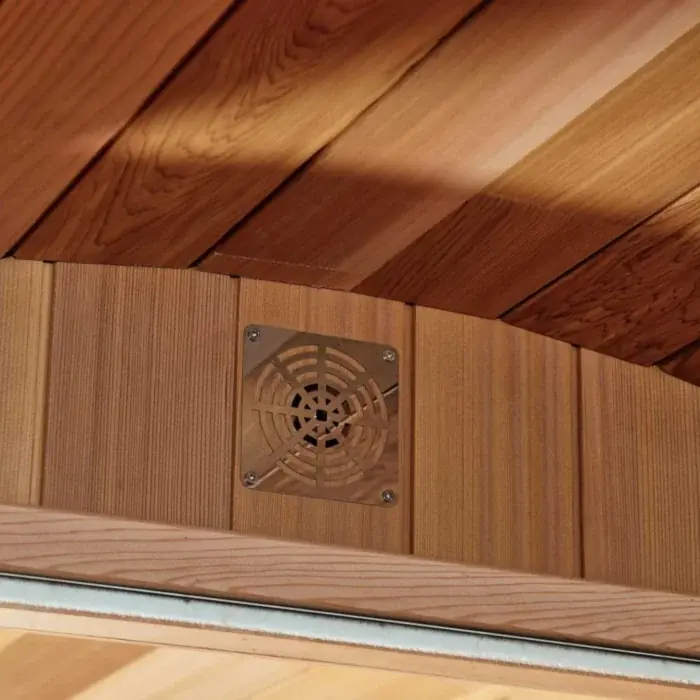
For skin-safe sauna use, also ensure your sauna is properly ventilated. Read our guide on sauna ventilation and sauna ventilation systems to keep air quality optimal during your sessions.
Sauna Skincare Routine for Acne-Prone Skin
The difference between a sauna helping your acne and making it worse often comes down to your skincare routine before and after your session. Follow these steps every time.
Before the Sauna
- Remove all makeup: Never enter a sauna with makeup on. As pores open and sweat flows, cosmetic products will be pushed deeper into pores, triggering breakouts.
- Cleanse your face: Use a gentle, non-stripping cleanser to remove surface oils, SPF, and environmental pollutants before your session.
- Tie back your hair: Hair products — dry shampoo, styling creams, serums — can transfer to your forehead and temples during a session, clogging pores along the hairline.
- Drink water: Hydrate before you go in. Well-hydrated skin is more resilient during heat exposure.
During the Sauna
- Avoid touching your face: Keep your hands away from your face throughout the session.
- Use a clean towel: Sit on a fresh towel and use a separate clean towel to gently dab (not wipe) sweat from your face if needed.
- Keep it moderate: 15–20 minutes is sufficient for skin benefits. More is not better for acne-prone skin.
After the Sauna
- Rinse immediately: Wash your face with cool or lukewarm water and a gentle cleanser as soon as you exit the sauna. Don't let sweat dry on your skin.
- Cool water rinse: A cool rinse helps close pores after they've been opened by the heat, locking in the cleansing benefit.
- Apply a lightweight moisturiser: Rehydrate your skin with a non-comedogenic (won't clog pores) moisturiser while skin is still slightly damp.
- Apply acne treatments: Post-sauna is an excellent time to apply targeted treatments — your pores are clean and slightly open, allowing better absorption of active ingredients.
For additional skincare guidance, explore our articles on how to use a sauna and sauna paraffin oil for wood care, ensuring your sauna environment remains skin-friendly.
Practical Tips for Using a Sauna With Acne
Beyond the pre- and post-session routine, there are a few broader habits that will help you get the most out of sauna use for acne management.
- Be consistent: One or two sauna sessions won't transform your skin. The benefits — particularly the anti-inflammatory and stress-reduction effects — build over weeks and months of regular use. Aim for 3–4 sessions per week.
- Use your own sauna when possible: A private home sauna eliminates the hygiene risks of shared facilities. It also allows you to control temperature, humidity, and timing to suit your skin's needs.
- Stay hydrated throughout the day: Hydration isn't just for the sauna session itself. Well-hydrated skin produces less compensatory sebum, has a stronger moisture barrier, and recovers from heat exposure more effectively.
- Combine with other acne management strategies: Sauna is a supportive tool, not a standalone treatment. Pair it with a consistent skincare routine, a balanced diet, adequate sleep, and stress management for best results.
- Monitor your skin's response: Everyone's skin is different. Keep track of whether your acne improves, stays the same, or worsens with regular sauna use. Adjust frequency and temperature accordingly.
Consider pairing your sauna routine with cold therapy for even greater skin and inflammation benefits. Read our guide on contrast therapy and explore ice bath benefits for skin to understand how cold exposure complements heat therapy for clearer, healthier skin.
Best Sauna Types for Skin Health
Choosing the right sauna for a skin-focused routine makes a real difference. Here are the best options for those prioritising acne management and overall skin health.
Indoor Home Saunas
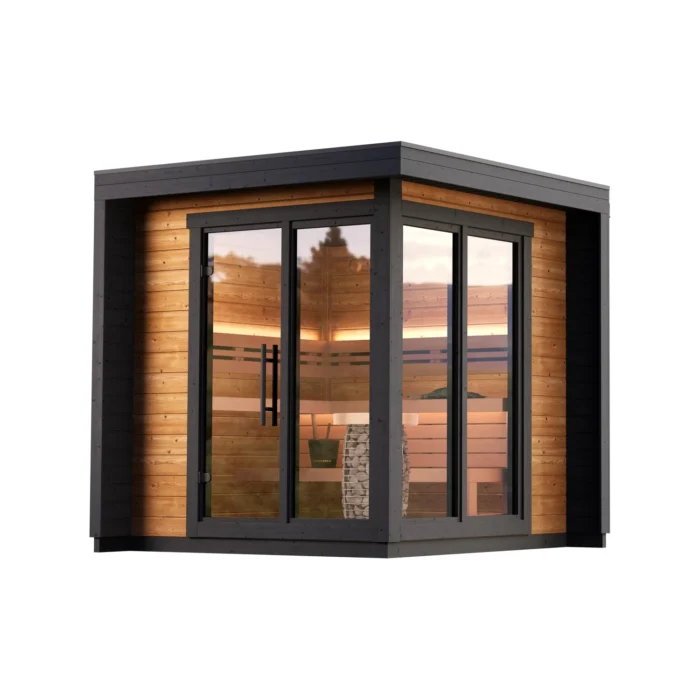
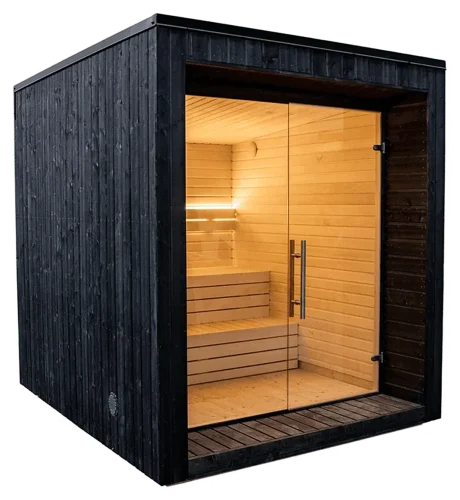
For maximum skincare benefit, a private indoor sauna is hard to beat. You control the cleanliness, temperature, and schedule — all critical factors for consistent, skin-safe use. Explore the Leil Como indoor sauna series for beautifully designed indoor options suited to daily skincare routines.
Outdoor Barrel Saunas
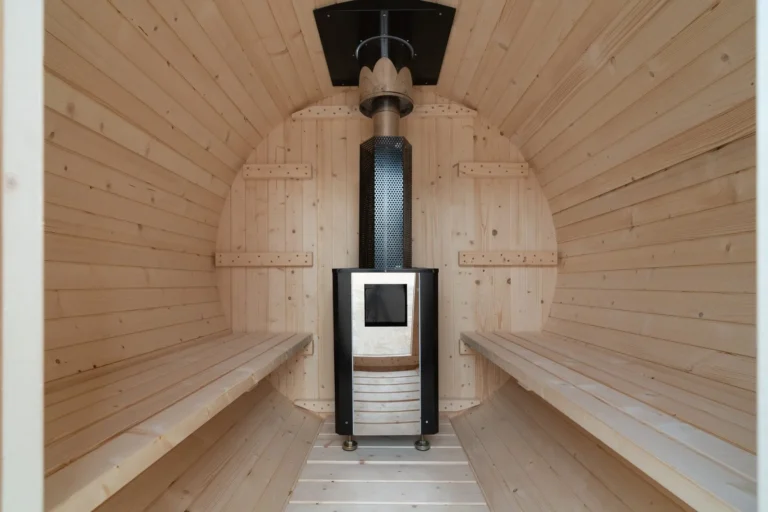
Outdoor barrel saunas are a popular choice for home wellness setups, offering quick heat-up times and efficient, even heat distribution. They're a great choice for those who prefer a traditional Finnish sauna experience. Browse our round barrel saunas and square barrel saunas for quality outdoor options.
Panoramic Glass Saunas
For those who want a luxurious sauna experience with a design statement, our panoramic glass round barrel saunas offer a stunning aesthetic combined with all the therapeutic benefits of a traditional sauna.
Outdoor Viva Series
The Viva outdoor sauna collection delivers premium outdoor wellness with elegant design and year-round durability — perfect for those committed to a consistent daily skin and wellness routine.
Frequently Asked Questions
Is sauna good for acne?
Yes, when used correctly, a sauna can be good for acne. The deep sweating flushes debris from pores, improved circulation supports skin cell renewal, and stress reduction helps address hormonal acne triggers. However, proper skincare before and after each session is essential — without it, the sauna can worsen breakouts by trapping sweat and bacteria in open pores.
Can a sauna cause acne?
Yes, it can — specifically if you don't cleanse your skin before and after each session. Sweat mixed with surface bacteria and sebum can be reabsorbed into pores as they close after the session, triggering breakouts. Using a dirty shared sauna, touching your face during a session, or skipping post-sauna cleansing are the most common ways saunas cause or worsen acne.
Does infrared sauna help with acne?
Yes, infrared saunas are considered particularly beneficial for acne-prone skin. They operate at lower ambient temperatures, reducing the risk of moisture barrier damage, while delivering deeper tissue-level heat that stimulates circulation and skin cell repair. Some infrared wavelengths also overlap with red light therapy ranges known for their anti-inflammatory and skin-healing properties.
Does sauna reduce acne?
Over time and with consistent use, yes. Regular sauna sessions help reduce acne by decreasing systemic inflammation, lowering stress hormones like cortisol that drive sebum overproduction, improving skin cell turnover, and providing regular deep pore cleansing. Results typically become noticeable after several weeks of consistent, correct sauna use.
Is a steam room or sauna better for acne?
Both offer skin benefits but in different ways. Steam rooms are better for softening and loosening congested pores, making them particularly effective for blackhead-prone, oily skin. Traditional saunas are better for inflammatory, stress-related, or hormonal acne due to their deeper heat effect, stronger sweat response, and superior stress-reduction benefits. For comprehensive skin benefits, combining both is ideal.
How often should I use a sauna for acne?
For acne management, 3–4 sessions per week is a good target. Consistency is more important than session length — aim for 15–20 minute sessions with proper pre- and post-sauna skincare every time. Avoid daily use in the early stages to allow your skin to adapt, and adjust frequency based on how your skin responds.
Should I wash my face before going in a sauna?
Absolutely yes. Entering a sauna with makeup, SPF, or surface oils on your face is one of the most common mistakes acne-prone people make. As pores open and sweat flows, these products get pushed deeper into the follicle rather than flushed out. Always cleanse thoroughly before every session and again immediately after.
Is sauna good for skin acne on the body as well as the face?
Yes. Body acne — particularly on the back, chest, and shoulders — can respond very well to regular sauna use. The same principles apply: the deep sweating flushes debris from pores, improved circulation supports skin health, and stress reduction addresses systemic acne triggers. Always shower with a gentle body wash immediately after your sauna session to wash away sweat and bacteria from the skin's surface.