

Influenza — commonly known as the flu — is a viral respiratory illness caused by influenza A or B viruses. Unlike a common cold, the flu tends to hit fast and hard, causing fever, body aches, fatigue, sore throat, headaches, chills, and respiratory congestion.
Your immune system responds by triggering inflammation, raising your body temperature (fever), and flooding the affected tissues with white blood cells. This immune response is what causes most of the discomfort associated with the flu.
Recovery typically takes 5 to 7 days for healthy adults, though fatigue and weakness can linger for weeks. Supporting your body’s natural immune response — without overloading it — is the goal of any good flu recovery strategy.
If you’re interested in how heat therapy fits into your broader wellness routine, our sauna guides cover everything from immune support to everyday recovery practices.
The idea of “sweating out” illness is centuries old. In many cultures — particularly in Finland, Russia, and Scandinavia — the sauna has long been considered a place of healing, and using a sauna during sickness is a deeply ingrained tradition.
But what does modern science actually say? The picture is nuanced. Research suggests that regular sauna use may reduce the frequency of colds and flu infections — but once you’re already sick, the benefits become more conditional and the risks more significant.
The key is timing, hydration, and how severe your symptoms are. A sauna is not a cure for the flu, but under the right conditions, it can offer meaningful symptom relief and support recovery. Understanding where those lines are is what this article is all about.
To explore how different sauna types compare, read our guide on infrared vs traditional saunas and discover what type of saunas are better for your health needs.
This is one of the most searched questions on the topic — and the answer requires some nuance. Influenza viruses are sensitive to heat. Laboratory studies have shown that flu viruses begin to deactivate at temperatures above 56°C, and are effectively killed at sustained temperatures around 70°C and above.
A traditional Finnish sauna regularly reaches temperatures of 80–100°C. So in theory, the ambient air in a sauna is hot enough to kill the flu virus on surfaces and in the air.
This is where the science diverges from the popular belief. While the sauna air is extremely hot, your core body temperature does not rise to those levels during a session. Your body is highly efficient at regulating internal temperature — even during intense heat exposure, your core temperature rises only modestly, typically by 1–2°C.
That said, a modest rise in core body temperature does mimic a natural fever response, which has immunological benefits. Your body produces more white blood cells and heat shock proteins at elevated temperatures, which can help fight infection. So while a sauna doesn’t directly “kill” the virus inside you, it may support the immune mechanisms your body uses to do so.
You can learn more about how heat exposure affects the body in our article on how wood-fired saunas work and explore sauna insulation if you’re building a home setup for regular wellness use.
When used carefully and at the right stage of illness, a sauna can provide real relief from several flu symptoms. Here’s how:
Heat and steam open up the nasal passages and sinuses, providing temporary but significant relief from congestion. Breathing in warm, moist air loosens mucus and makes it easier to clear — something that can feel transformative when you’re stuffed up and struggling to breathe.
For more on this, read our article on sauna for sinus infection, which explores how heat therapy can help with upper respiratory symptoms.
One of the most debilitating aspects of the flu is the intense body aches caused by the immune system’s inflammatory response. The deep penetrating heat of a sauna relaxes muscle tissue, increases blood flow to sore areas, and significantly reduces that all-over aching feeling.
Heat stress from sauna exposure triggers the production of heat shock proteins and stimulates white blood cell activity. Research published in sports medicine and immunology journals suggests that regular sauna users experience fewer upper respiratory illnesses — pointing to a genuine immune-boosting effect over time.
The flu disrupts sleep through sweating, chills, and discomfort. A sauna session can promote deep relaxation, lower cortisol levels, and help regulate the body’s sleep-wake cycle. Better sleep is one of the most powerful recovery tools available when you’re sick.
As noted earlier, the mild rise in core body temperature from a sauna session mirrors a natural fever response. This temporary hyperthermia can inhibit viral replication and stimulate the production of interferon — a key protein in the body’s antiviral defence system.
Explore our range of saunas for sale if you’re considering adding a home sauna to support your year-round immune health, or browse our sauna sale Australia page for current deals.
Infrared saunas have gained significant popularity in the wellness world, and many people specifically ask whether infrared sauna is good for flu recovery. The answer is a qualified yes — and in some ways, infrared may actually be more suitable than traditional saunas when you’re sick.
Unlike traditional saunas that heat the air around you to extreme temperatures, infrared saunas use light waves to penetrate directly into body tissue. They operate at lower ambient temperatures (typically 45–60°C) while producing a deeper, more targeted heat effect at the cellular level.
Whether you choose infrared or traditional, the fundamentals of safe use while sick remain the same — hydrate, keep sessions short, and stop if you feel worse.
Check out our Leil Como indoor sauna series and the Como Indoor Sauna Collection for home sauna options that suit year-round wellness use.
Both saunas and steam rooms are frequently recommended for cold and flu relief, and both have merit. The choice between them largely comes down to your primary symptoms.
A traditional dry sauna delivers intense heat with low humidity. It’s excellent for muscle ache relief, fever-like immune stimulation, and deep relaxation. The high temperature is particularly beneficial for clearing mental fog and promoting restorative sleep.
A steam room operates at lower temperatures (around 40–45°C) but at 100% humidity. The moist heat is particularly effective for respiratory symptoms — loosening mucus, relieving chest tightness, and soothing irritated airways. If congestion and sore throat are your dominant symptoms, a steam room may provide more targeted relief.
Many people find that using both in combination — or alternating between them — provides the broadest range of flu symptom relief. The dry heat of a sauna handles the systemic immune response and muscle aches, while steam addresses the respiratory symptoms directly.
Read our dedicated guide on steam room vs sauna room to understand the full comparison, and explore wet vs dry sauna options to help you decide what’s right for your home wellness setup.
It’s critical to understand that using a sauna while sick isn’t risk-free. The same factors that make saunas potentially helpful can also make them dangerous if you’re not careful.
The flu already causes significant fluid loss through fever, sweating, and reduced fluid intake. Adding a sauna session on top of this dehydration can push your body into dangerous territory — increasing the risk of dizziness, fainting, rapid heart rate, and in extreme cases, heat stroke.
A fever elevates your heart rate. Sauna heat also elevates your heart rate. Combining the two places significant strain on your cardiovascular system — particularly risky for older adults, those with heart conditions, and anyone with a high fever.
If your immune system is already working at full capacity fighting the virus, the additional stress of intense heat can actually suppress immune function temporarily. Some people find that a sauna session makes them feel significantly worse for hours afterwards.
If you’re using a public sauna or gym sauna, going while infected with influenza puts other people at risk. The flu virus spreads through respiratory droplets — a hot, enclosed sauna space is a particularly efficient environment for transmission.
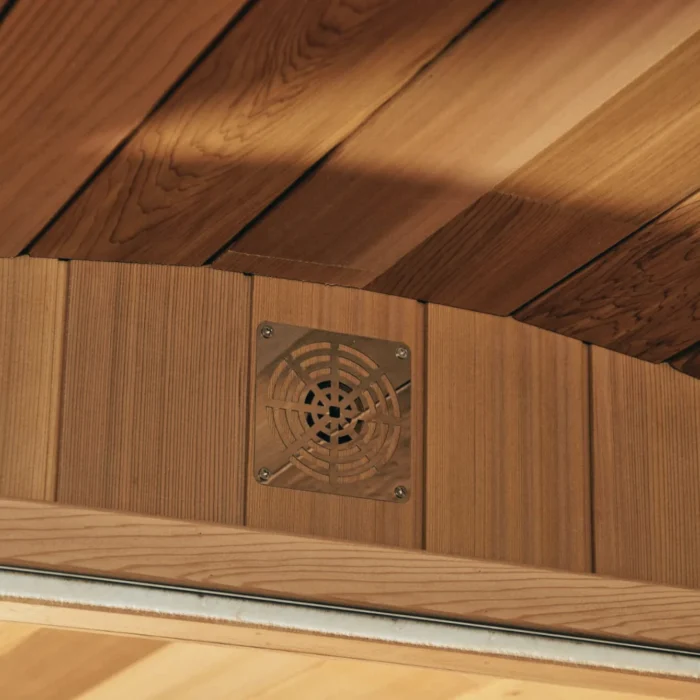
Understanding proper sauna use is important for safe recovery. Read our guides on sauna ventilation and how to use a sauna correctly to ensure every session is as safe as possible.
There are specific circumstances where a sauna is not appropriate when you have the flu. Know these and take them seriously.
If you’re in the recovery phase and beginning to feel better, our article on sauna before bed explains how to use evening sessions to support deep sleep and recovery.
While the sauna may not be ideal during the peak of the flu, it can be a genuinely valuable tool during the recovery phase — typically from day 3 or 4 onwards, when fever has broken and you’re transitioning from acute illness to the lingering fatigue and congestion phase.
At this stage, the immune system has largely done its primary work and the viral load is diminishing. A gentle sauna session can help flush residual toxins through sweat, ease remaining muscle aches, lift mood through endorphin release, and restore a sense of normality and energy.
Recovery-phase sauna use should still be moderate — keep sessions to 15 minutes, hydrate heavily, and avoid the sauna on any day when your temperature is still elevated.
For general recovery guidance, explore our article on sauna for muscle recovery and learn about how contrast therapy can further accelerate the recovery process once you’re on the mend.
If you’ve assessed your symptoms and decided a sauna session is appropriate, follow these guidelines to maximise benefit and minimise risk.
Our articles on how to clean a sauna and sauna care are also worth reading to keep your sauna hygienic — especially important if you’ve been using it while unwell.
If you’re looking to use a sauna as a regular part of your health and immunity routine, choosing the right type matters. Here are some of the best options.
Having a sauna at home means you can use it privately and safely whenever you’re unwell without exposing others to illness. Indoor saunas are convenient, private, and available on demand. Browse the Leil Como indoor sauna series for premium home options.
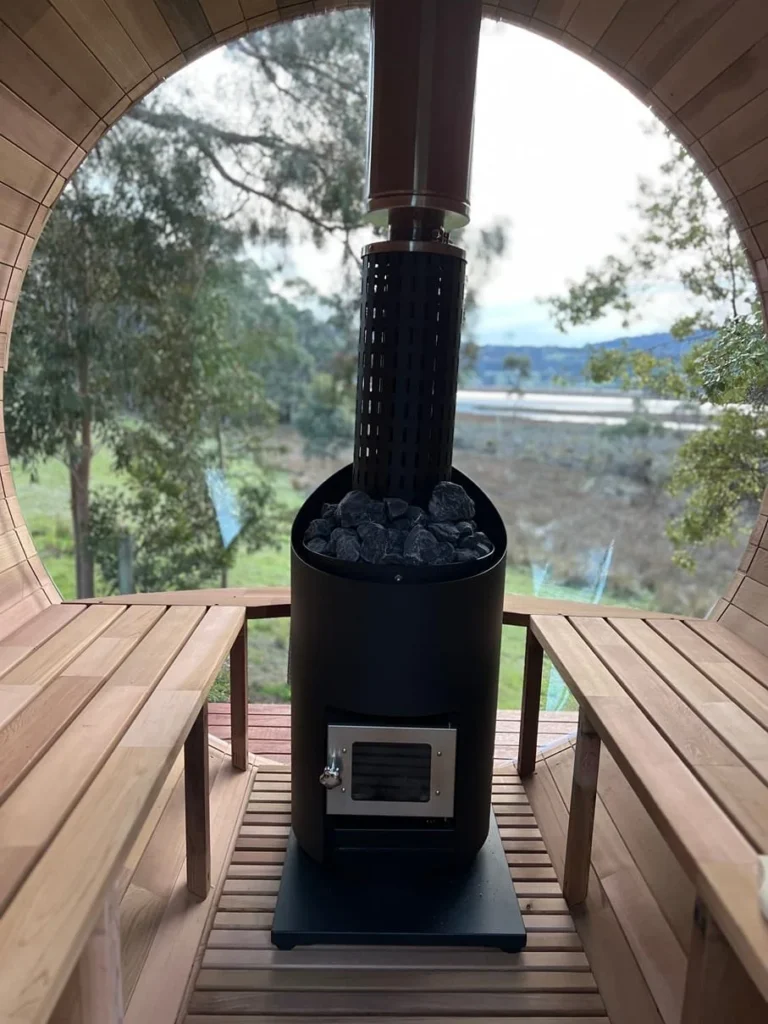
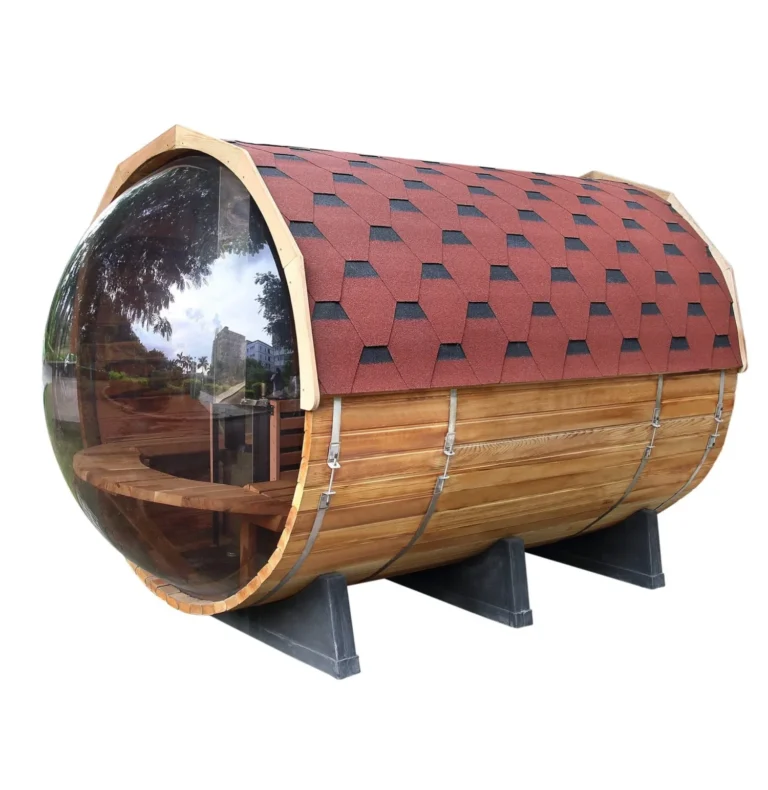
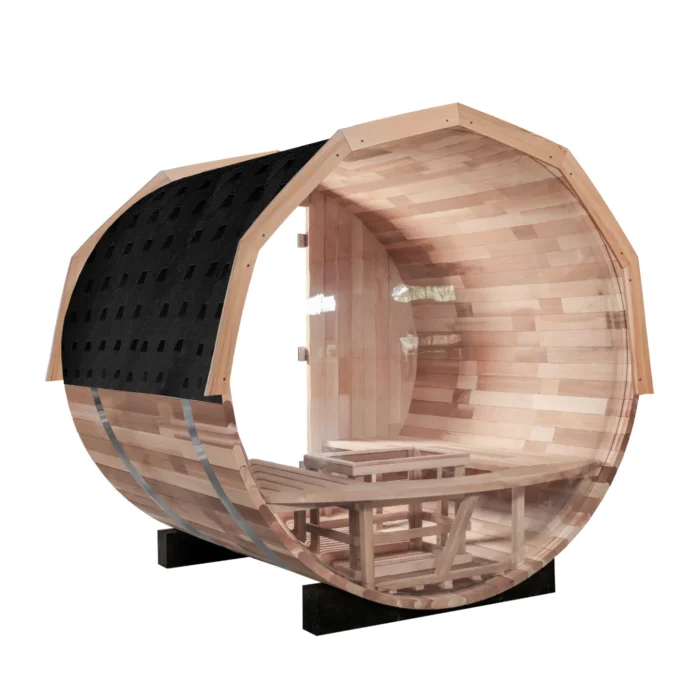
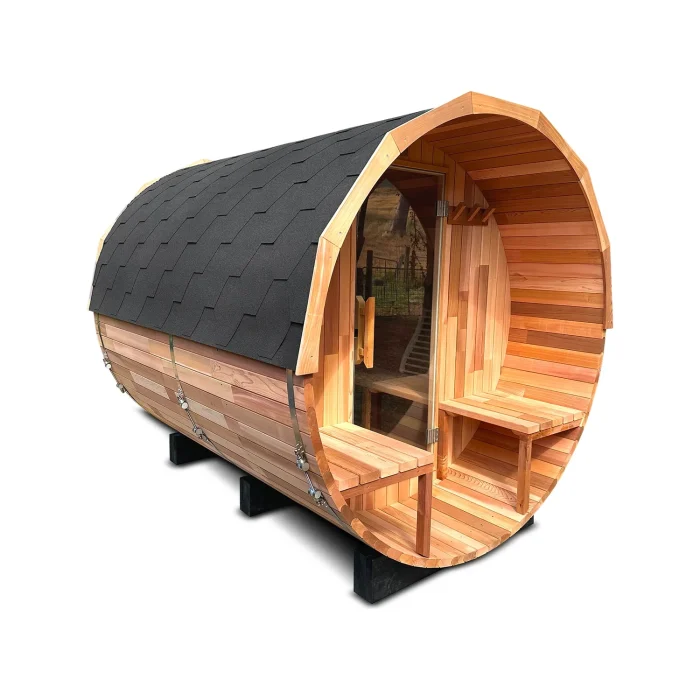
Outdoor barrel saunas heat up quickly and efficiently. The round design promotes excellent heat circulation, making them ideal for consistent therapeutic sessions. Explore our round barrel saunas and panoramic glass round barrel saunas for backyard wellness setups.
Patio saunas offer a compact, stylish solution for smaller outdoor spaces. They’re increasingly popular for homeowners who want the benefits of a private sauna without a full backyard installation. Check out our patio series saunas for modern, space-efficient designs.
For a premium outdoor wellness experience, the Viva outdoor sauna collection offers beautifully designed units built for year-round use in the Australian climate. Perfect for those who want their sauna to be both a health tool and a lifestyle statement.
Yes, a sauna can help relieve several flu symptoms including congestion, muscle aches, fatigue, and low mood — when used at the right time. It won’t cure the flu or eliminate the virus directly, but it supports the body’s immune response, promotes relaxation, and can ease respiratory symptoms. The key is to wait until your fever has broken and to hydrate thoroughly before and during your session.
The air inside a traditional sauna is hot enough to deactivate the influenza virus on surfaces and in the environment. However, a sauna cannot raise your internal body temperature high enough to kill the virus living in your cells. It can stimulate immune mechanisms like heat shock protein production and increased white blood cell activity, which help your body fight the virus more effectively — but it cannot directly kill it at the cellular level.
It depends on where you are in your illness. During the acute phase — especially if you have a high fever, severe dehydration, or chest symptoms — the sauna should be avoided. However, during the recovery phase (typically day 3 onwards, once fever has broken), a short, moderate sauna session can support recovery by easing symptoms, boosting circulation, and improving sleep quality.
Yes, infrared saunas may actually be particularly well-suited for flu recovery. They operate at lower ambient temperatures (45–60°C) making them easier to tolerate when sick, while still delivering deep tissue heat that stimulates immune function and relieves muscle aches. The gentler heat experience places less cardiovascular stress on an already-taxed system.
Not in the way the phrase implies. You cannot sweat out a viral infection — the influenza virus lives inside your cells and is eliminated by your immune system, not through sweat. However, sweating in a sauna can help flush some metabolic waste products, relieve congestion, and support the immune-boosting heat response. The act of sweating itself isn’t the benefit — the broader physiological effects of heat exposure are.
Both can provide relief for different flu symptoms. A dry sauna is better for muscle aches, immune stimulation, and general recovery, while a steam room is particularly effective for respiratory symptoms like congestion, chest tightness, and sore throat. Using both in combination — or choosing based on your dominant symptoms — can offer broad flu symptom relief.
Only if you have a private sauna at home, your fever has broken, you’re adequately hydrated, and your symptoms are mild to moderate. Never use a public or shared sauna when you have the flu — you risk spreading the virus to others in an enclosed, high-traffic environment. Always listen to your body and consult a doctor if you’re unsure whether sauna use is appropriate for your condition.
Yes — this is where the evidence is strongest. Regular sauna use has been shown in multiple studies to reduce the incidence of upper respiratory infections, including colds and flu. The consistent immune stimulation, improved circulation, and stress-reduction benefits of regular sauna sessions all contribute to a stronger, more resilient immune system over time.



Join the Shym list for 3% off selected saunas and hot tubs, plus our sale news.
Not valid on sale items. Unsubscribe any time.
Your 3% code is on its way to your inbox. Can't see it soon? Check your promotions folder.
Keep browsing