






Is a sauna good for a sinus infection? It can help you feel better for a while, but it will not cure the infection. Warm, moist air can loosen mucus and ease a blocked nose and sinus pressure, and many people find a short, gentle session soothing. Skip the sauna if you have a fever, and see a doctor if your symptoms are severe or last more than 10 days.
Below we cover what a sinus infection is, how a sauna may help, what the research says, and how to use a sauna safely when your sinuses are playing up. This is general information, not medical advice.
First of All, Here’s What You Need to Know About Sinus Infection
What Is a Sinus Infection?

A sinus infection, or sinusitis, is when the lining of your sinuses becomes swollen and inflamed. Your sinuses are air-filled spaces in the bones around your nose, eyes and forehead. When the lining swells, mucus cannot drain properly, so it builds up and causes pressure. Most sinus infections start with a cold virus. Some are caused by bacteria, and allergies can play a part too.
Sinusitis vs. Common Cold: What’s the Difference?
A cold and sinusitis share many symptoms, and one often leads to the other. A cold usually clears in about a week. Sinusitis tends to bring more facial pain and pressure, and it can hang around longer. There are two main types:
- Acute sinusitis lasts less than 4 weeks. It usually follows a cold, and most people get better on their own within 1 to 2 weeks.
- Chronic sinusitis lasts 12 weeks or more. It can be linked to nasal polyps, a deviated septum or allergies, and needs a doctor's care.
Sinus Infection Symptoms: How Does Sinusitis Affect You?
- A blocked or runny nose, often with thick yellow or green mucus
- Pain or pressure around the eyes, cheeks or forehead, worse when you bend over
- Headache, toothache in the upper teeth, a reduced sense of smell, a cough or bad breath
How a Sauna May Help With Sinus Infection Symptoms

A sauna does not kill the virus or bacteria behind a sinus infection. What it can do is ease some of the symptoms for a while. Here is how:
#1. Sauna Bathing Can Help Relieve Sinus Congestion
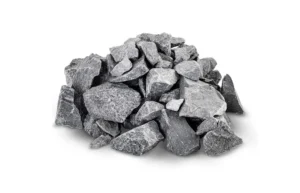
Warm, moist air can thin mucus and make it easier to clear, much like a warm, wet cloth on a stuffy face. In a traditional sauna, pouring water on the stones raises the humidity, which many people find helps them breathe through their nose. The relief is usually short-lived, but it can feel very welcome.
#2. Saunas May Ease Sinus Pressure and Headaches
Gentle heat on the face is a common home remedy for sinus pressure. Some people find that sitting in the warmth eases the ache around their eyes and forehead. If the heat makes your headache worse, get out.
#3. Sauna Exposure Can Help You Relax and Sleep
Sinusitis often ruins sleep. Your body temperature naturally drops before sleep, and the cool-down after a sauna follows the same pattern, so an evening session can help you feel sleepy. Feeling relaxed also makes it easier to rest, which is what your body needs to recover.
#4. Regular Sauna Use Is Linked With Fewer Respiratory Illnesses
A long-running study of middle-aged Finnish men found that those who used a sauna more often had a lower risk of pneumonia and other respiratory illnesses. This shows a link, not proof that the sauna caused it. It is a reason to enjoy a sauna habit when you are well, not a treatment when you are sick.
What Does the Research Say About Steam?
Steam is the part of a sauna most people expect to help their sinuses, and the evidence is mixed. A large UK trial published in 2016 found that steam inhalation did little for most symptoms in people with repeated or long-term sinus problems. Saline nasal rinses did better in that research. So treat a sauna as a comfort, not a cure.
IMPORTANT: What to Know About Sauna Exposure as a Treatment to Sinus Infection

#1. A sauna is not an alternative to sinus treatment.
A sauna can make you feel better, but it does not replace proper care. For most sinus infections, the usual advice is rest, fluids, saline nose sprays or rinses, and pain relief. Ask your pharmacist or doctor what suits you.
#2. Do not use a sauna with a fever.
If you have a fever, feel very unwell or feel dizzy, stay out of the sauna. Extra heat puts more strain on a body that is already working hard. Rest and drink fluids instead.
#3. Know when to see a doctor.
See a doctor if your symptoms last more than 10 days, get better and then worse again, or come with a high fever. Get help straight away if you have swelling or redness around your eyes, changes in your vision, a severe headache, a stiff neck or confusion.
Tips for Using a Sauna Safely With a Sinus Infection

#1. Choose the Right Type of Sauna
- Traditional sauna: hot (often 70 to 90°C), and you can add steam by pouring water on the stones. The steam is what most people with a blocked nose enjoy.
- Steam room: cooler (around 40 to 50°C) but close to 100% humidity, so the air feels very moist.
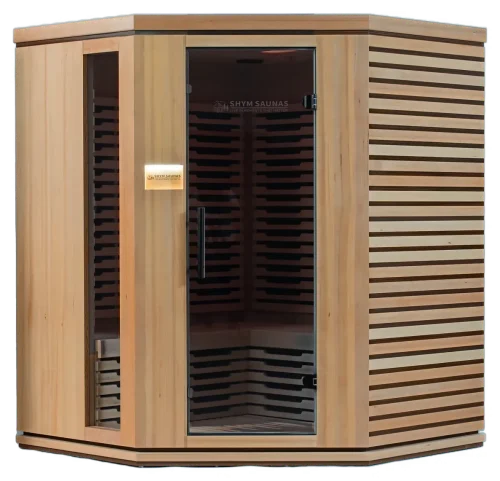
- Infrared sauna: gentler air temperature (around 45 to 60°C) and dry. Some people prefer it when they feel run-down, though it adds no steam.
Not sure which suits you? Compare them in traditional vs infrared saunas and steam room vs sauna.
#2. Limit Your Session Duration
When you are under the weather, keep it short and gentle: about 10 minutes, on a lower bench, at a lower temperature than usual. Get out straight away if you feel dizzy, sick or worse.
#3. Drink Water Before and After
You lose fluid when you sweat, and staying hydrated also keeps mucus thinner. Have a glass of water before you go in and another after. Skip alcohol.
#4. Rinse Your Sinuses With Saline
A saline rinse before or after your session can help clear mucus. Use a ready-made saline kit from the pharmacy, or sterile or boiled-and-cooled water. Never use plain tap water straight from the tap in a sinus rinse.
#5. Aromatherapy With Essential Oils
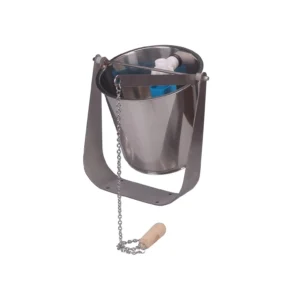
Many people like the smell of eucalyptus in the steam. Use a sauna aroma made for the purpose, and add a few drops to the water in your bucket, never pure oil straight onto the hot stones. Undiluted oil can burn on the stones and damage the heater. If a scent makes your nose or throat feel worse, skip it.
#6. Cool Down and Rest After Your Session
When you are unwell, skip the cold plunge. Cool down slowly, have a warm (not hot) shower, drink some water and rest. Your body needs the energy to recover.
Important Precautions for Using a Sauna With a Sinus Infection
- Check with your doctor first if you have a heart condition, low or high blood pressure, diabetes or kidney problems, or if you are pregnant.
- Stay out with a fever, and leave straight away if you feel dizzy, faint or sick.
- Never sauna after alcohol, and do not take cold and flu tablets that make you drowsy before a session.
Things to Avoid to Not Make Your Sinus Infection Worse
- Overusing decongestant nasal sprays: using them longer than the pack says can make your nose more blocked.
- Irritants: smoke, strong perfumes and dust can inflame your sinuses further.
- Dry air and too little sleep: drink plenty of fluids, keep the air from getting too dry, and get extra rest. Propping your head up on pillows can help mucus drain at night.
For colds and flu, see also sauna when sick and is a sauna good for a cold.
FAQs
Is a sauna good for a sinus infection?
It can ease a blocked nose and sinus pressure for a while, but it does not cure the infection. Keep sessions short, and skip the sauna if you have a fever.
Is a sauna or a steam room better for a sinus infection?
Both offer warm, moist air. A steam room is more humid and less hot. A traditional sauna lets you add steam yourself. Choose the one that feels more comfortable, and keep it short.
Is an infrared sauna good for a sinus infection?
An infrared sauna is gentler and drier. It may help you relax, but it adds no steam, so it may do less for a blocked nose than a traditional sauna with steam.
Is heat good for a sinus infection?
Gentle warmth, such as a warm compress or a warm shower, is a common way to ease sinus pressure. It eases symptoms; it does not treat the cause.
Does steam help sinuses drain?
Warm, moist air can thin mucus and help it move. Research on steam for sinus problems is mixed, and saline rinses have better evidence.
Is it safe to use a sauna with a sinus infection?
For mild symptoms without a fever, a short, gentle session is usually fine for healthy adults. If you are unsure, or you have a health condition, ask your doctor first.
How long should a sauna session be when you are unwell?
About 10 minutes, at a lower temperature than usual. Get out sooner if you feel worse.
Can a sauna make sinus symptoms worse?
Sometimes. Very hot, dry air can irritate some people's noses, and strong scents can too. If you feel worse, stop.
When should you see a doctor about a sinus infection?
If it lasts more than 10 days, gets worse after getting better, or comes with a high fever. Get help straight away for swelling around the eyes, vision changes, a severe headache or a stiff neck.
Thus, a Sauna Can Help You Feel Better, Not Cure a Sinus Infection
A short, gentle sauna session can ease a stuffy nose, help you relax and help you sleep while your body fights off a sinus infection. Keep it brief, skip it with a fever, and lean on proper care such as rest, fluids and saline rinses. When you are well again, a regular sauna habit is a great one to keep.
Thinking about a sauna at home? Browse our traditional saunas and infrared saunas, or talk to our team.