
Whether you’re setting up a new home sauna or refining an existing routine, the relationship between a sauna and shower is something every serious sauna user thinks about. Do you shower before, after, or both? Does a cold shower after a sauna improve the experience? Is there such a thing as a shower sauna — and does it actually work?
These questions come up constantly, and the answers matter more than most people realise. The way you use a shower in combination with your sauna has a real impact on hygiene, health outcomes, and the overall quality of your sauna experience. At Shym Saunas, we want every session to deliver maximum benefit — so here’s the definitive guide to sauna and shower use for Australian sauna enthusiasts.
The short answer is: both — and each serves a very different purpose.
Showering before a sauna is about hygiene and preparation. Showering after a sauna is about completing the physiological cycle and locking in the benefits. In Scandinavian and German sauna cultures — the two most developed sauna traditions in the world — both showers are considered integral to a proper sauna session, not optional extras.
Most Australians skip the pre-sauna shower and treat the post-sauna shower as an afterthought. Understanding why both matter will change how you approach every session.
A warm shower before entering the sauna is standard protocol in virtually every serious sauna culture — and it delivers three important benefits:
Hygiene for shared saunas. If you’re using a commercial sauna, gym sauna, or a sauna shared with guests, showering beforehand removes surface bacteria, body oils, deodorant, sunscreen, and environmental residue. This is common courtesy and keeps the sauna environment clean for everyone.
Opens the pores. A warm shower gently opens the skin’s pores before you enter the heat, allowing the body to begin sweating more quickly and more effectively once inside. This means your sauna session is more productive from the first minute.
Removes surface barriers. Lotions, moisturisers, and sunscreen on the skin can form a barrier that inhibits effective sweating. For Australians who apply SPF daily — and you should — a pre-sauna rinse ensures your skin is free to breathe and sweat without restriction.
Warms the body gently. A warm (not hot) pre-sauna shower begins the process of raising your body temperature gradually, making the initial heat shock of entering the sauna more comfortable — particularly for beginners.
Keep the pre-sauna shower warm rather than hot — you want to prepare the body for heat, not exhaust it. Dry off before entering the sauna to avoid adding unnecessary humidity to a dry traditional sauna environment.
The cold shower after a sauna is where the real physiological magic happens — and it is arguably the most underutilised element of the sauna routine for most Australians.
When you step from a hot sauna into a cold shower, your body undergoes a dramatic thermal shift. Blood vessels that dilated during the heat now rapidly constrict. The body floods with adrenaline. Heart rate spikes briefly then settles. A cascade of endorphins and dopamine is released. The skin tingles. The mind becomes extraordinarily alert and calm simultaneously.
This is the essence of contrast therapy — and a cold shower is one of the most accessible ways to experience it at home without a dedicated cold plunge tub.
The specific benefits of a cold shower after a sauna include:
Closes the pores. After sweating heavily, the skin’s pores are open and potentially vulnerable to environmental bacteria. A cold rinse closes them promptly, leaving the skin clean and protected.
Washes away toxin-laden sweat. During a sauna for detoxification, toxins are carried to the skin’s surface in sweat. Rinsing immediately with a cool or cold shower removes this sweat before any compounds can be reabsorbed through the open pores.
Reduces inflammation. Cold water exposure triggers vasoconstriction and reduces inflammatory markers — a particularly useful follow-up to a post-exercise sauna session.
Boosts mood and energy. The dopamine and adrenaline surge from cold water exposure produces a mood lift that many users describe as one of the most reliable and immediate wellbeing tools they know. The effect is particularly pronounced when transitioning from intense sauna heat — the greater the thermal contrast, the stronger the response.
Improves circulation long-term. Repeatedly cycling blood vessels between dilation (heat) and constriction (cold) trains the vasculature in the same way that exercise trains the heart — improving elasticity and function over time.
This depends on what you want from your session.
Cold shower after sauna: Produces the strongest physiological response — dopamine spike, vasoconstriction, mood lift, circulation boost, and the full contrast therapy effect. Best for morning sessions, post-workout recovery, or when you want to feel energised and alert afterwards.
Warm or lukewarm shower after sauna: A gentler transition that washes away sweat without the shock of cold. Better for evening sessions when you want to wind down into sleep rather than feel stimulated. Also more appropriate for beginners, elderly users, or those with cardiovascular sensitivities.
Gradual transition (warm to cool): A middle-ground approach — begin with warm water and gradually reduce the temperature over 60 to 90 seconds. This allows the body to adapt progressively and is often more sustainable as a daily practice for those new to cold exposure.
For most Australians using a home sauna, building toward cold showers over time — rather than starting cold from day one — is the most practical and enjoyable approach.
The term “shower sauna” is used loosely in the market to describe a few different products:
Steam shower: A fully enclosed shower cubicle fitted with a steam generator that fills the space with hot, humid vapour. Temperatures are lower than a traditional sauna (typically 40°C to 50°C) but humidity approaches 100%. A steam shower can be installed in an existing bathroom footprint — making it appealing for Australians with limited outdoor space. It delivers respiratory and skin benefits but lacks the deep thermal penetration of a true sauna.
Sauna-shower combination unit: A prefabricated cabin that incorporates both a dry sauna heating element and a steam or shower function within a single unit. These are available as home installations and offer versatility — though they rarely achieve the full therapeutic performance of a dedicated sauna or a dedicated steam room operating optimally.
Portable sauna for shower rooms: Small folding or tent-style saunas occasionally marketed for use in a shower or bathroom space. These are entry-level products with significant performance limitations compared to a purpose-built cabin sauna.
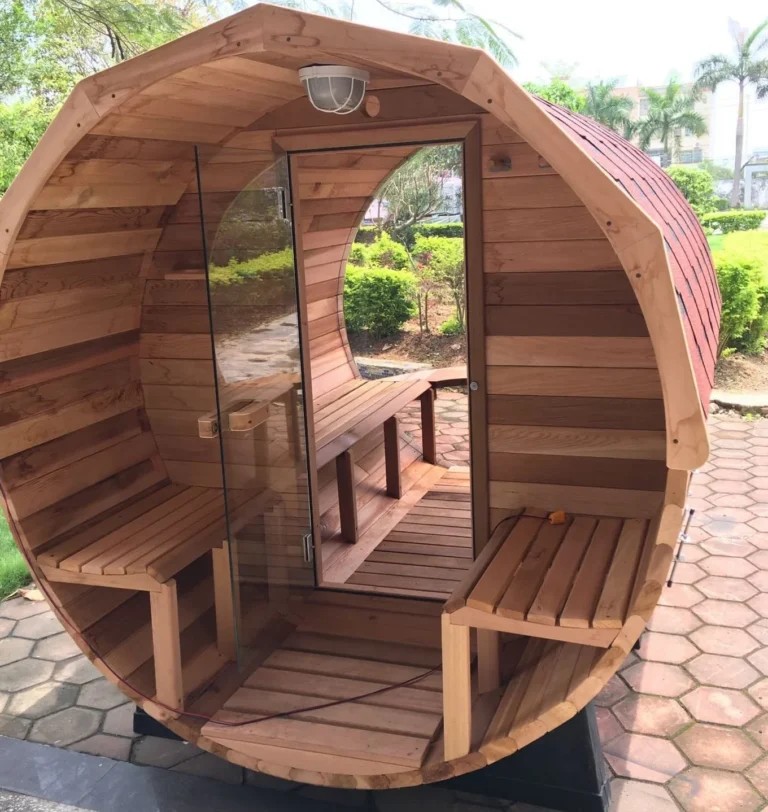
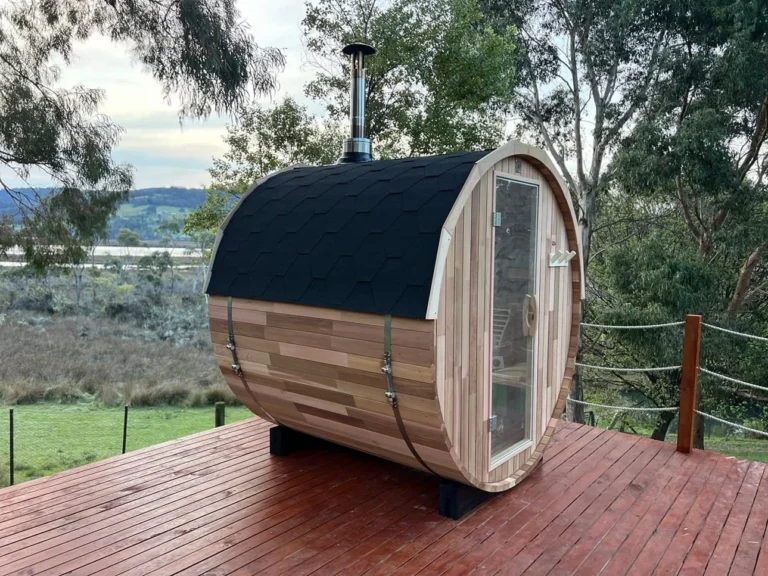
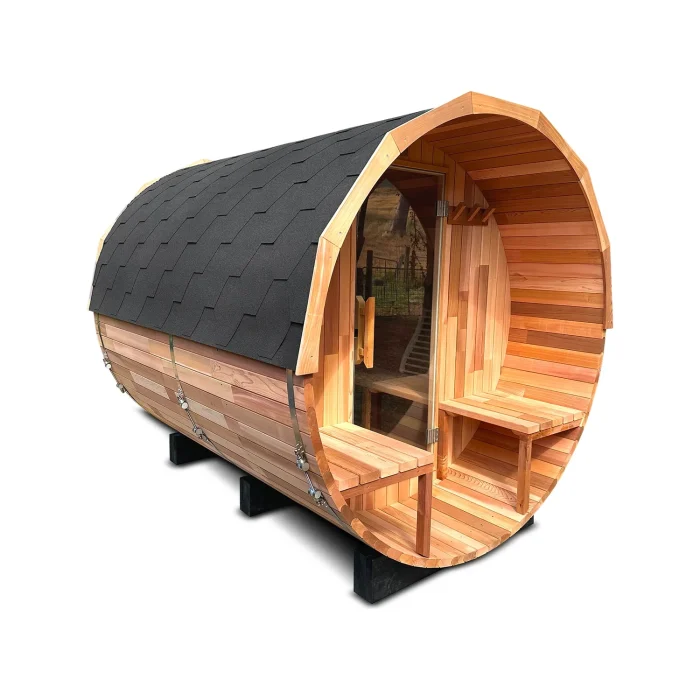
For Australians serious about the therapeutic benefits of sauna use, a dedicated outdoor barrel sauna or cabin sauna — used in conjunction with a separate cold shower — consistently outperforms any combined shower sauna unit for genuine health outcomes.
A sauna in shower setup typically refers to converting an existing large shower enclosure to include sauna-like heating elements — usually infrared panels — within the shower space. This approach can work in principle but comes with important limitations:
A more effective approach for space-constrained Australian homes is a compact indoor infrared sauna cabin installed in a spare room, garage, or under a covered outdoor area — which delivers full sauna performance in a surprisingly small footprint.
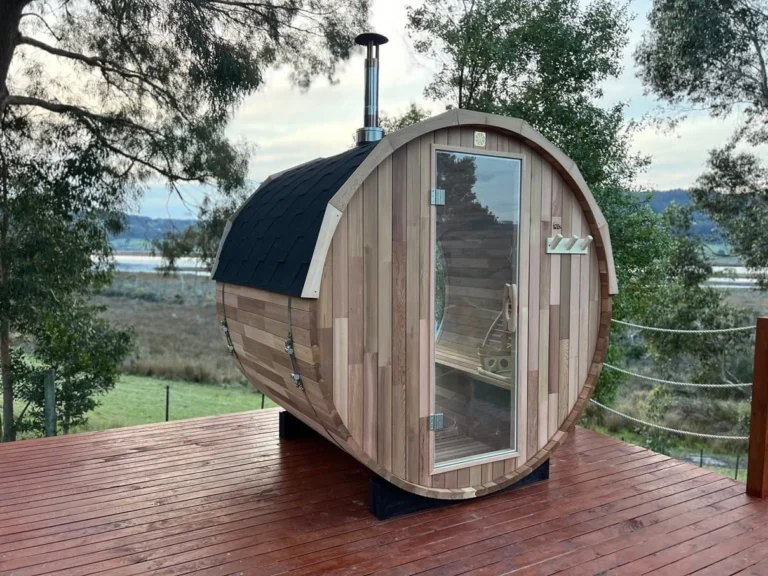
For Australians with outdoor saunas — the most popular configuration by far — pairing your sauna with a dedicated outdoor shower is one of the most impactful upgrades you can make to your setup.
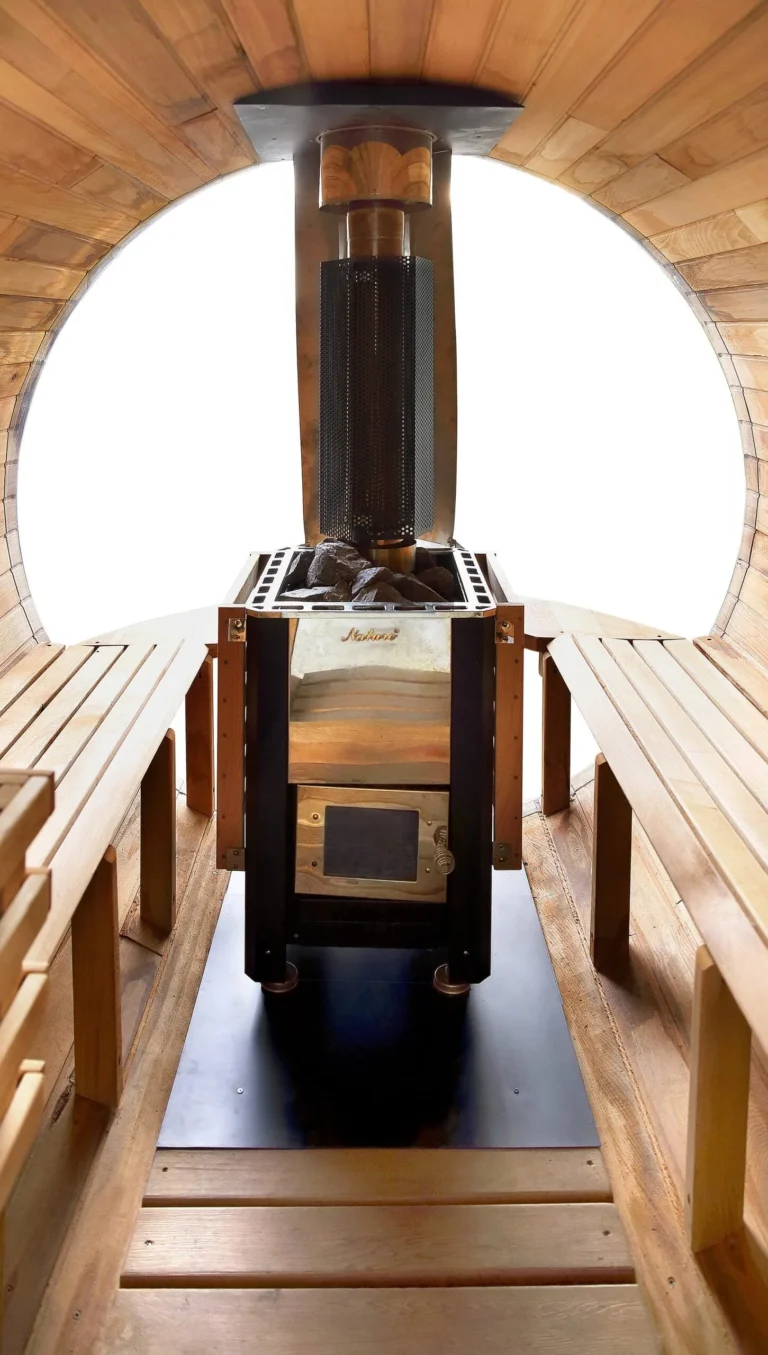
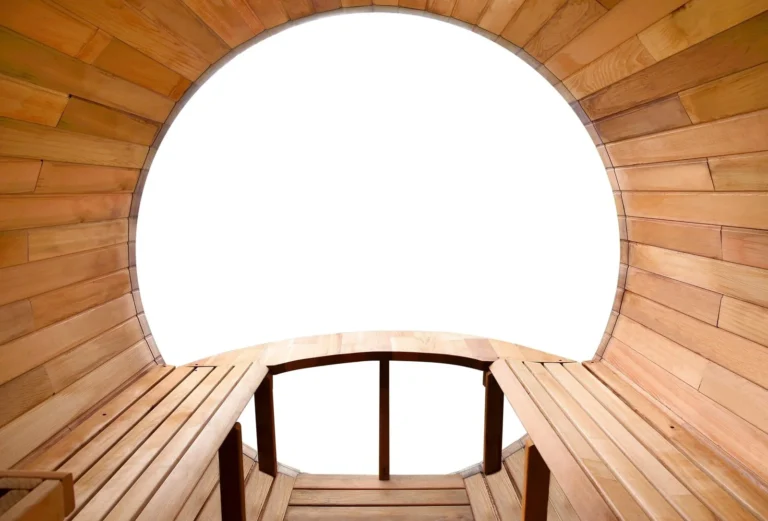
An outdoor shower positioned just outside the sauna door enables the full contrast therapy cycle: sauna heat → cold outdoor shower → rest → back into the sauna. This is how Finnish, Scandinavian, and German sauna cultures have practised the ritual for centuries — and it transforms a simple sauna session into a complete, multi-phase wellness experience.
At Shym Saunas, we stock a range of outdoor showers and waterfall buckets specifically designed to complement your home sauna setup. A quality outdoor shower near your barrel sauna is a relatively modest investment that dramatically elevates every session.
Practically, an outdoor sauna shower setup in an Australian backyard:
Here is a complete sauna shower protocol that integrates everything covered in this guide:
Step 1 — Pre-sauna warm shower (2–3 minutes)
Rinse the body with warm water, washing off sunscreen, oils, and surface residue. Dry off before entering the sauna.
Step 2 — Sauna session (15–45 minutes depending on type and experience)
Enter the sauna for your standard session. Traditional sauna: 15–20 minutes per round. Infrared sauna: 20–45 minutes.
Step 3 — Transition (1–2 minutes)
Step out of the sauna and allow your heart rate to settle briefly before the shower.
Step 4 — Cold or cool shower (1–3 minutes)
Rinse the body with cool-to-cold water. Begin warm if needed and reduce temperature gradually. Allow the water to run over the head, neck, and torso.
Step 5 — Rest (5–10 minutes)
Sit or lie quietly in a cool area. Allow the body to normalise. Drink water.
Step 6 — Repeat (optional, for multi-round sessions)
Return to the sauna for a second or third round, repeating the shower and rest cycle.
Step 7 — Final rinse and dry
End with a final cool shower to close the pores, wash away the session’s sweat, and leave the skin clean.
The relationship between a sauna and shower is more significant than most Australians realise. A warm shower before your sauna opens the pores and removes surface barriers. A cold shower after the sauna completes the contrast therapy cycle, washes away toxin-laden sweat, boosts mood and circulation, and closes the pores. Together, they transform a sauna session from a simple heat soak into a complete, physiologically powerful wellness protocol.
Whether you’re integrating a cold outdoor shower with your backyard barrel sauna, exploring steam shower options for an indoor setup, or simply refining your daily routine, the sauna shower combination is one of the simplest and most impactful upgrades you can make to how you use heat therapy.
At Shym Saunas, we supply premium saunas, outdoor showers, cold plunge tubs, and accessories to Australian homes nationwide — everything you need to build a complete, world-class home wellness setup.
Explore our saunas and outdoor showers →
Both. A warm shower before a sauna removes surface oils, sunscreen, and bacteria that can inhibit sweating and hygiene. A cool or cold shower after a sauna closes the pores, washes away toxin-laden sweat, triggers the contrast therapy response, and completes the physiological cycle. In Scandinavian and German sauna cultures, both showers are considered essential parts of the ritual.
Yes — a cold shower after a sauna is one of the most beneficial things you can do to extend and amplify your session’s effects. It triggers a dramatic dopamine and adrenaline release, closes open pores, reduces inflammation, washes away sweat and toxins from the skin’s surface, and delivers the cardiovascular conditioning benefits of contrast therapy. The greater the temperature contrast, the stronger the physiological response.
A shower sauna typically refers to either a steam shower (an enclosed shower unit with a steam generator) or a prefabricated cabin that combines sauna and shower functions. While convenient for space-constrained homes, these products rarely match the therapeutic performance of a dedicated outdoor sauna paired with a separate cold shower.
As cold as is comfortable — and progressively colder over time as you build tolerance. Cold exposure research suggests temperatures below 15°C produce the strongest physiological responses, but even a cool shower (20°C to 25°C) delivers meaningful contrast therapy benefits when transitioning from a hot sauna. Start with lukewarm and reduce temperature gradually if you’re new to post-sauna cold exposure.
In principle, yes — purpose-built waterproof infrared panels can be installed in a large shower enclosure. However, this approach is limited by moisture compatibility requirements, poor heat retention in standard shower spaces, and the size constraints of most bathroom showers. A compact infrared sauna cabin installed in a spare room or covered outdoor area is almost always a more effective and cost-efficient solution.
There is no strict waiting period, but allowing 2 to 5 minutes after stepping out of the sauna before showering lets your heart rate settle slightly. Some sauna practitioners prefer to wait 10 minutes after a high-intensity session, using that time to cool in fresh air before the cold shower. Either approach is fine — the key is not to skip the post-sauna shower altogether.
No — a pre-sauna shower supports rather than reduces the health benefits. By opening the pores and removing surface barriers, it enables more effective sweating and deeper detoxification during the session. It is also hygienic practice, particularly for saunas shared with others.
A wall-mounted or post-mounted outdoor shower positioned 1 to 3 metres from the sauna door is the most practical configuration. Cold water connection is the minimum requirement — hot water is a nice addition for pre-sauna warming in winter. Shym Saunas stocks a range of outdoor showers and waterfall buckets specifically designed for pairing with home barrel and cabin saunas.
No. A steam shower uses high humidity (near 100%) at lower temperatures (40°C to 50°C) to generate heat, making it closer to a steam room experience. A sauna uses dry heat at much higher temperatures (70°C to 100°C for traditional; 45°C to 65°C for infrared) with low humidity. Both offer wellness benefits, but through different mechanisms — and neither fully replicates the other.
Yes — a cold outdoor shower is an excellent and accessible alternative to a cold plunge tub for contrast therapy at home. While a full cold plunge produces a more intense immersive response (due to full body submersion), a cold shower delivers the same fundamental thermal contrast mechanism and produces meaningful dopamine, endorphin, and cardiovascular responses. For many Australians, a cold outdoor shower after their barrel sauna is the most practical and enjoyable cold exposure option available.



Join the Shym list for 3% off selected saunas and hot tubs, plus our sale news.
Not valid on sale items. Unsubscribe any time.
Your 3% code is on its way to your inbox. Can't see it soon? Check your promotions folder.
Keep browsing