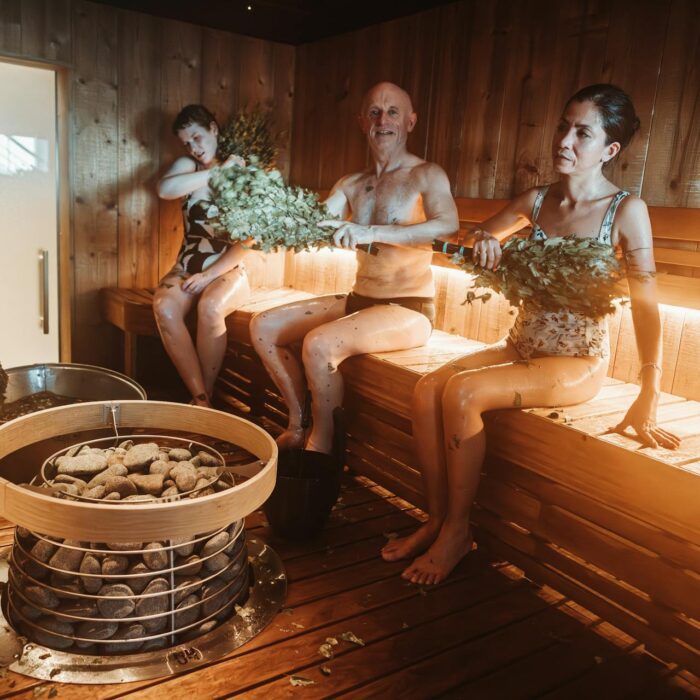


It’s a question that crosses every sauna lover’s mind the moment a sniffle sets in: should I use the sauna when sick? The instinct to sweat it out is deeply human — and not entirely wrong. But the answer is more nuanced than a simple yes or no, and getting it right matters for both your recovery and the people around you.
At Shym Saunas, we want to help Australians make informed decisions about how and when to use their saunas. Here is a clear-eyed, practical guide to sauna use during illness — covering what the evidence supports, what the risks are, and how to use your sauna intelligently when you’re feeling under the weather.
It depends — primarily on the type of illness, its severity, and your symptoms.
For mild colds in the early stages — when symptoms are above the neck (runny nose, mild sore throat, light congestion) and you have no fever — a moderate sauna session may genuinely support your recovery and immune response. This aligns with both traditional wisdom and a degree of scientific support.
For anything more serious — fever, flu, chest infection, gastrointestinal illness, or symptoms of COVID-19 or other contagious respiratory viruses — using a sauna while sick is not recommended. The thermal stress of a sauna places additional demands on a body already working hard to fight infection, and the risk of dehydration, overheating, and spreading illness to others makes sauna use inadvisable until you are clearly on the mend.
If in doubt, rest first and ask your GP.
To understand whether sauna is good when sick, it helps to understand what sauna heat does to the immune system — because the relationship is genuinely complex and bidirectional.
Heat shock proteins: When the body is exposed to elevated temperatures in a sauna, cells produce heat shock proteins (HSPs) — molecular chaperones that help repair damaged proteins, protect cells from stress, and support immune signalling. HSP production is one of the mechanisms by which regular sauna use is associated with stronger immune function over time.
Elevated core temperature: A sauna raises core body temperature to 38°C to 39°C — mimicking the early stages of a fever. This is not coincidental. Fever is one of the body’s primary defences against pathogens: many bacteria and viruses struggle to replicate at elevated temperatures. The sauna’s artificially induced hyperthermia may provide a similar inhibitory environment, particularly for upper respiratory viruses.
White blood cell activation: Research has shown that regular sauna use is associated with increased production and activity of white blood cells — including lymphocytes and neutrophils — key components of the body’s immune response.
Cortisol reduction: Sauna sessions lower cortisol, the stress hormone that suppresses immune function when chronically elevated. By reducing cortisol, regular sauna use supports the immune system’s baseline effectiveness.
These mechanisms collectively explain why regular sauna users in Finland and Germany — cultures where multiple sauna sessions per week are the norm — consistently report fewer upper respiratory infections and shorter illness durations than non-users.
The specific question of sauna when sick with a common cold has actually been studied. A notable Austrian clinical trial found that regular sauna users experienced significantly fewer common cold episodes than non-users — and among those who did get colds, the duration and severity were meaningfully reduced.
The proposed mechanism is the combination of elevated temperature (creating an environment less hospitable to cold viruses), improved mucosal immunity in the respiratory tract from repeated heat exposure, and the immune-activating effects described above.
For Australians already in the early stages of a mild cold — characterised by sneezing, a runny or stuffy nose, and mild fatigue, without fever — a moderate sauna session may genuinely be beneficial rather than harmful. The heat can help relieve congestion, support the immune response, and promote the deep, restorative rest that follows a good sweat.
The key caveats: the session should be moderate in temperature and duration, hydration must be excellent, and you should feel well enough to sit comfortably in the sauna without significant fatigue or dizziness.
Sauna while sick can be genuinely helpful in the following circumstances:
Mild cold in early stages: When symptoms are mild, limited to the upper respiratory tract (above the neck), and there is no fever, a moderate sauna session can support the immune response, relieve nasal congestion, and promote recovery.
Sinus congestion and pressure: The heat and steam of a sauna session — particularly an infrared sauna or one with löyly steam — can help open the nasal passages, reduce sinus pressure, and provide real symptomatic relief from congestion.
Muscle aches from mild illness: The increased circulation and muscle-relaxing effects of sauna heat can ease the general body aches that often accompany the early stages of a cold or mild viral illness.
Post-illness recovery: Once the acute phase of illness has passed and you are no longer contagious, a gentle sauna session can support recovery by reducing residual inflammation, improving circulation, and restoring energy levels.
Immune maintenance between illnesses: Regular sauna use as a preventive measure — not during acute illness — is strongly supported by experts as a way to reduce the frequency and severity of upper respiratory infections over time.
There are clear circumstances in which sauna use while sick is inadvisable and potentially harmful:
Fever. If you have a fever — defined as a body temperature above 38°C — do not use a sauna. Your body is already running hot as part of its immune response, and adding the thermal load of a sauna can push core temperature to dangerous levels, increasing the risk of dehydration, heat exhaustion, and cardiovascular stress.
Flu (influenza). The flu involves systemic illness — full body aches, high fever, severe fatigue, and significant immune system activation. Using a sauna when you have the flu places unacceptable thermal and cardiovascular demands on a body already under serious stress. Rest and hydration are far more appropriate.
COVID-19 or other contagious respiratory viruses. Beyond personal risk, using a sauna when you have an active contagious infection is a significant public health concern in commercial or shared sauna settings. Even in a home setting, the added physiological stress is not advisable during acute COVID infection.
Chest infections or lower respiratory illness. Bronchitis, pneumonia, and other lower respiratory infections are not appropriate contexts for sauna use. Heat and steam can exacerbate breathing difficulty in some lower respiratory conditions.
Gastrointestinal illness. Vomiting and diarrhoea cause rapid fluid and electrolyte loss. Using a sauna while experiencing these symptoms dramatically increases dehydration risk.
If you feel genuinely unwell. This sounds obvious, but it’s important: if you feel too sick to exercise, you are almost certainly too sick to sauna. The sauna is a physiological stressor — a beneficial one when your body can handle it, but an unhelpful one when you are already depleted.
It is worth distinguishing clearly between a cold and the flu — two illnesses that are often conflated but are very different in their physiological impact.
A cold (caused by rhinoviruses and other upper respiratory viruses) is generally mild, localised to the upper respiratory tract, and resolves within a week. Moderate sauna use during the early stages of a cold may be beneficial, as described above.
The flu (caused by influenza viruses) involves systemic infection — high fever, severe body aches, significant fatigue, and an immune response that places the entire body under considerable stress. Sauna use during active flu illness is not recommended. The combination of fever and sauna heat can be genuinely dangerous, and the body’s recovery is best served by rest, hydration, and medical support if needed.
After the flu has fully resolved and you feel genuinely well — not just “better than yesterday” — gradual reintroduction of sauna sessions can support recovery and help restore baseline immune function.
Returning to regular sauna use after illness should be gradual and guided by how you feel, not how many days have passed.
As a general framework:
Mild cold: You can return to moderate sauna sessions once symptoms are clearly improving and you have been fever-free for at least 24 hours. Start with shorter, lower-temperature sessions and build back to your normal routine over several days.
Flu or significant illness: Wait until you feel genuinely well — typically five to seven days after symptom onset at minimum — and have been fever-free for at least 48 hours without medication. Begin with a gentle infrared sauna session at lower temperature (45°C to 50°C) for 20 minutes, and assess how your body responds before increasing intensity.
Chest or lower respiratory infection: Wait for medical clearance from your GP before returning to sauna use. Ensure breathing is fully normalised before exposing the respiratory system to hot air.
If you decide to use your sauna during a mild cold — applying the above guidance — here are the practical principles to follow:
Lower the temperature. For an infrared sauna, 45°C to 55°C is appropriate during mild illness rather than your normal higher setting. For a traditional sauna, stay at the lower end of the bench where temperatures are gentler.
Shorten the session. Aim for 15 to 20 minutes rather than your normal 30 to 45 minutes. A gentler session supports the immune response without overtaxing a body already under stress.
Hydrate aggressively. Illness increases fluid requirements, and sweating in the sauna compounds this significantly. Drink at least 500ml of water before your session and keep water on hand throughout.
Avoid the sauna if others are using it. If you share a home sauna with family members, be considerate. Upper respiratory viruses spread readily in enclosed, warm environments. Use the sauna alone if possible during your illness, and inform others.
Rest after the session. Do not follow a sick-day sauna session with exercise or other demanding activities. Rest, warmth, and hydration are the ideal follow-up.
Listen to your body. If at any point during a session you feel significantly worse — increasing fatigue, dizziness, chest tightness, or any escalation of symptoms — exit the sauna immediately, cool down gently, and rest.
Is sauna good when sick? The honest answer is: sometimes yes, sometimes no — and knowing the difference is what matters. For mild colds in the early stages, without fever and with good hydration, a moderate sauna session can genuinely support your immune response, relieve congestion, and help you recover sooner. For fever, flu, chest infections, or any serious illness, sauna use while sick is best avoided until you are clearly on the mend.
Regular sauna use as a preventive practice — building immune resilience between illnesses — is where the strongest evidence lies, and it’s where Australians who use their sauna consistently tend to see the most benefit over time.
At Shym Saunas, we’re here to help you build a sauna practice that works for your life, your health, and every season — with premium home saunas delivered across Australia and New Zealand.
Explore our full sauna range →
For mild colds in the early stages — runny nose, mild congestion, no fever — moderate sauna use can be genuinely beneficial. The elevated heat may help inhibit cold virus replication, relieve sinus congestion, and support the immune response. Keep sessions shorter and cooler than normal, hydrate well, and stop if symptoms worsen.
No. If you have a fever (body temperature above 38°C), you should not use a sauna. Your core temperature is already elevated as part of the immune response, and adding sauna heat can push it to dangerous levels, increasing the risk of dehydration, heat exhaustion, and cardiovascular stress. Rest and fluids are the appropriate treatment.
For mild upper respiratory illness without fever, there is reasonable evidence that sauna use can support faster recovery — through the immune-activating effects of heat, relief of congestion, and the restorative rest that follows a good sweat. However, the benefit is conditional on your illness being genuinely mild and your hydration being excellent.
Bad. The flu involves systemic illness with high fever, severe body aches, and significant immune system activation — a state in which sauna’s thermal stress is counterproductive and potentially harmful. Wait until you are fully recovered from the flu before returning to sauna use.
Yes — if you use a shared sauna with an active upper respiratory infection, you risk spreading the virus to others in the enclosed space. If you have a contagious illness, use your home sauna alone or avoid sauna use until you are no longer infectious.
Regular sauna use supports immune function through several mechanisms: production of heat shock proteins that help repair cells and support immune signalling, increased white blood cell activity, cortisol reduction (which would otherwise suppress immune function), and the artificial fever-like state that may inhibit certain pathogens. These effects are strongest with consistent, regular use over time rather than occasional sessions.
For mild colds, once symptoms are clearly improving and you have been fever-free for at least 24 hours. For flu or significant illness, wait until you feel genuinely well and have been fever-free for 48 hours without medication, then return gradually with shorter, lower-temperature sessions. For chest infections, seek GP clearance before resuming.
For sauna use during mild illness, an infrared sauna has a practical advantage: its lower ambient temperature (45°C to 65°C) is gentler and more comfortable for a body already under stress. The deep-penetrating heat is still physiologically active, but the session is less physically demanding than a high-heat traditional sauna. This makes infrared a good choice for careful sauna use during the early stages of mild illness.
Research — including a notable Austrian clinical trial — has shown that regular sauna users experience fewer common cold episodes than non-users, and shorter, milder illness when they do get sick. The mechanisms include improved white blood cell function, heat shock protein production, and cortisol reduction. Regular sauna use is a legitimate preventive wellness practice for immune health.
No. During active COVID-19 infection, sauna use is not recommended. Beyond the physiological stress placed on a body fighting a significant viral illness, there are infection control considerations if the sauna is shared. Rest, hydration, and medical guidance are the appropriate response to COVID-19. Return to sauna use only after full recovery and medical clearance if your illness was significant.




Join the Shym list for 3% off selected saunas and hot tubs, plus our sale news.
Not valid on sale items. Unsubscribe any time.
Your 3% code is on its way to your inbox. Can't see it soon? Check your promotions folder.
Keep browsing