
When most Australians think of sauna culture, Finland comes to mind first. But Germany has developed one of the most sophisticated, ritualised, and deeply embedded sauna traditions in the world — one that is quite distinct from the Finnish approach and increasingly influential on how saunas are experienced globally.
So what is a German sauna, exactly? And why is the German sauna experience capturing the imagination of Australian wellness enthusiasts? At Shym Saunas, we love exploring how sauna traditions from around the world can inform and enrich the way Australians use and enjoy their own saunas at home.
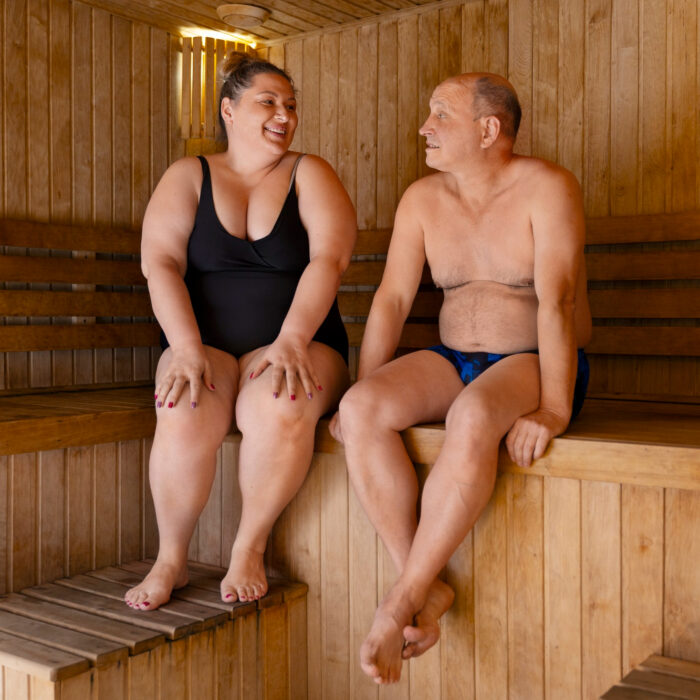
A German sauna is not simply a sauna located in Germany. It describes a distinct cultural and ceremonial approach to sauna bathing — one characterised by strict etiquette, structured rituals, social cohesion, and a deep-rooted belief in the therapeutic power of heat and cold contrast.
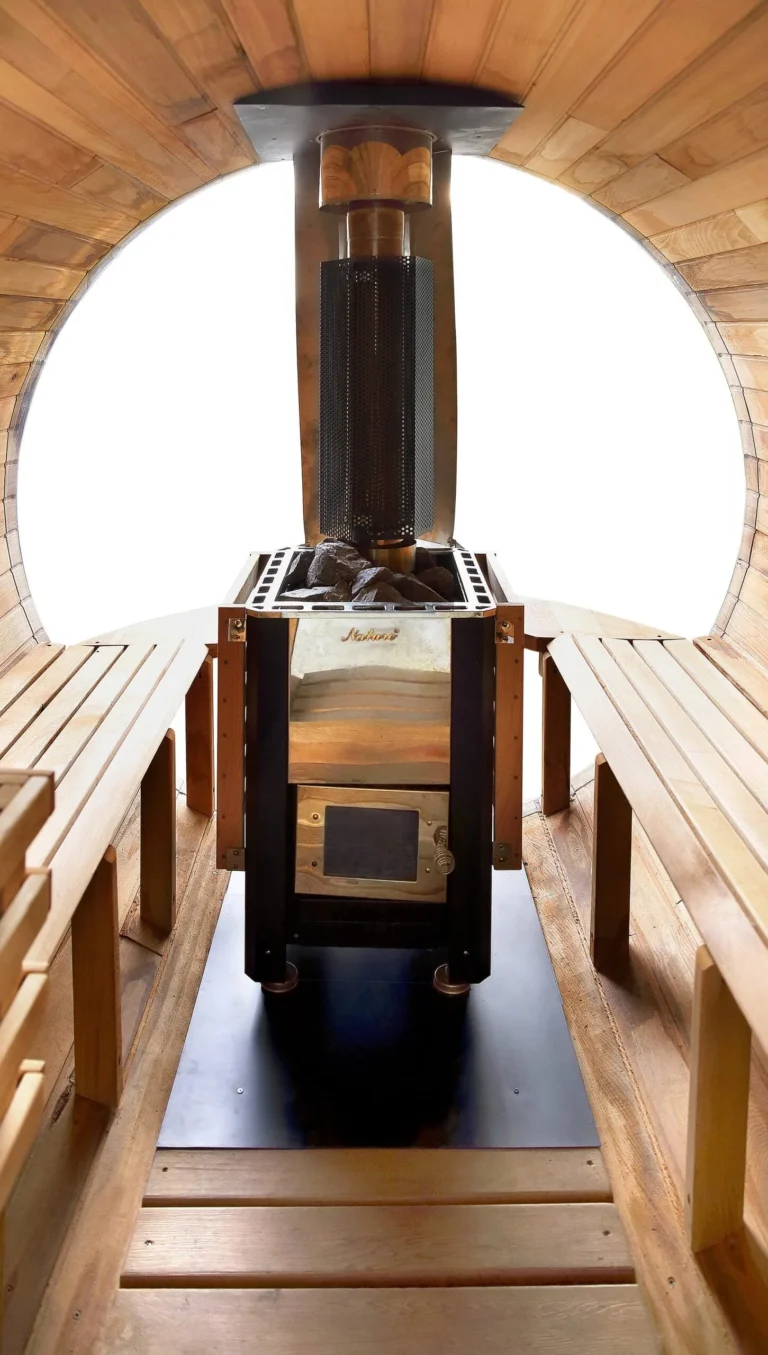
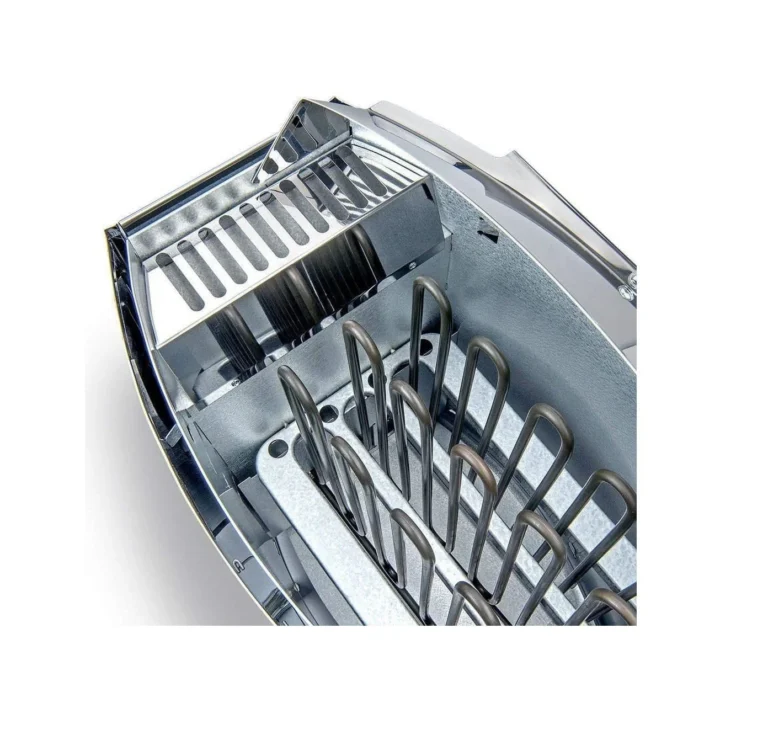
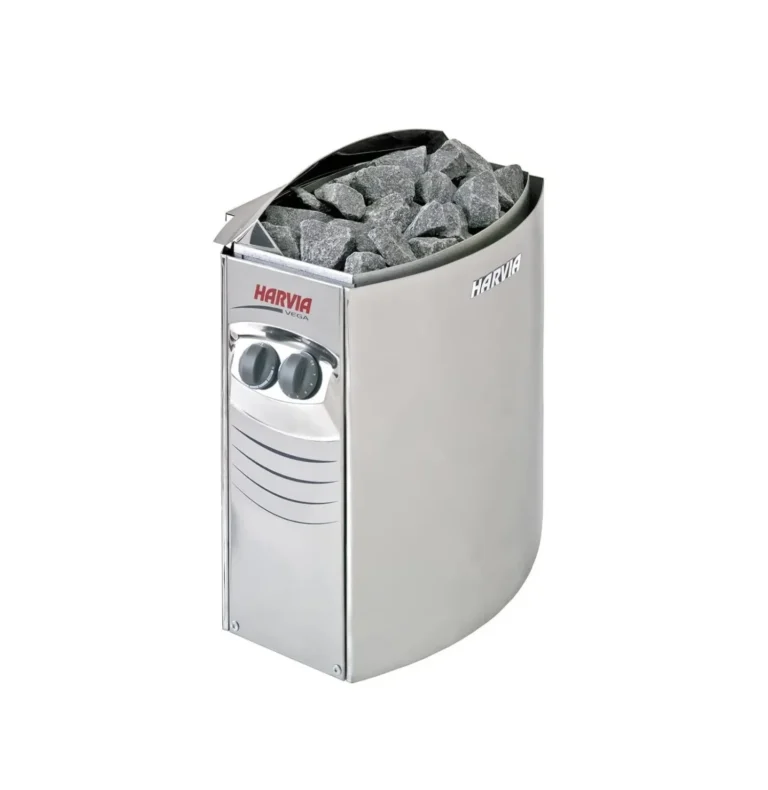
At its physical core, a German sauna uses the same basic infrastructure as a Finnish sauna — a timber-lined room, a kiuas stove loaded with rocks, and high dry heat — typically in the range of 80°C to 100°C. What makes German saunas distinctively German is the layer of ritual, ceremony, and community protocol layered on top of that physical experience. The most significant of these is the Aufguss — a guided steam ritual performed by a trained Saunameister that transforms a simple sauna session into a multi-sensory, communal ceremony.
Germany has thousands of saunas, ranging from small hotel facilities to massive wellness complexes with multiple themed rooms. Sauna use is woven into everyday German life in a way that goes beyond wellness trends — it is a cultural institution, accessible to all ages and walks of life.
Germany’s sauna culture developed through a fascinating convergence of influences. Ancient Romans introduced public bathing traditions to the Germanic territories — bathhouses and thermal spas that laid the cultural groundwork for communal wellness. Much later, Finnish sauna traditions became widely popular in Germany after World War II, when German soldiers stationed in Finland experienced the Finnish sauna firsthand and brought the practice home.
In the 1950s and 1960s, sauna culture expanded rapidly across West Germany, with new wellness centres opening throughout the country. This era also saw the emergence of Germany’s FKK (Freikörperkultur — literally, “free body culture”) tradition, which normalised nudity in wellness contexts and became central to how German saunas evolved.
Over the following decades, Germany developed its own distinct sauna identity — retaining the Finnish foundations of high heat and rock stoves, but adding the structured Aufguss ritual, professional Saunameister culture, and a uniquely rigorous sauna etiquette that visitors from other countries often find both surprising and impressive.
The Aufguss (pronounced “owf-gooss”, meaning “infusion” or “pouring on”) is the defining ritual of German sauna culture and the feature that most clearly distinguishes the German sauna experience from any other in the world.
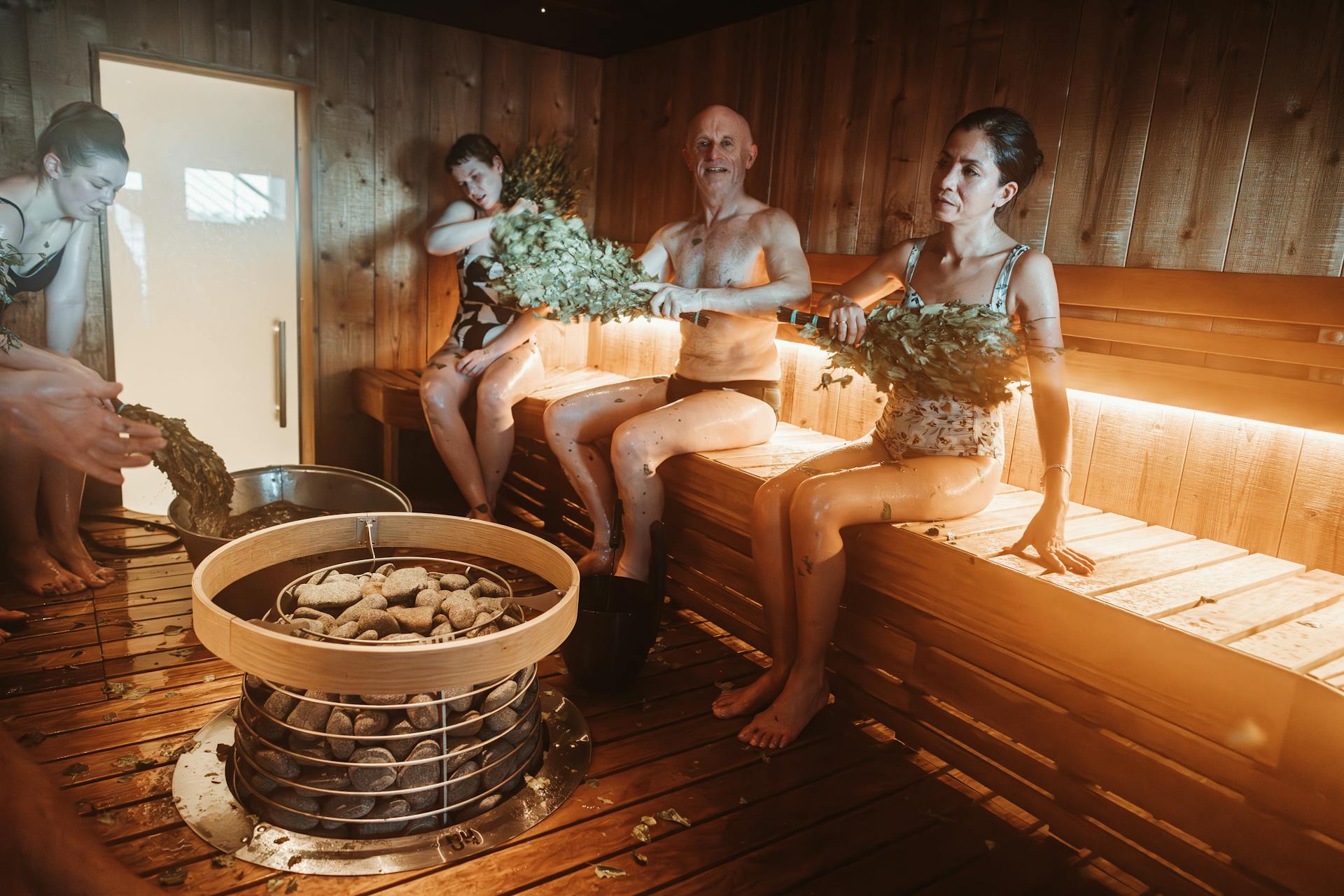
Here is how an Aufguss works: at a scheduled time — typically once per hour — a trained Saunameister enters the sauna carrying water infused with essential oils. The Saunameister pours the aromatic liquid over the hot stones, creating a dramatic burst of fragrant steam. Using a large towel — or in elaborate performances, multiple towels — they then perform choreographed waving movements that distribute the heated, scented air evenly around the room, directing waves of intensified heat toward each bench.
The ritual typically lasts 15 minutes. During this time, the room becomes significantly hotter and more aromatic than a standard sauna session. The essential oils vary — eucalyptus, peppermint, citrus, pine, and lavender are among the most common — and the choice is often seasonal or themed. Some Aufguss ceremonies incorporate music, lighting changes, and theatrical flourishes that have elevated the practice to a genuine performance art.
The Aufguss is taken very seriously in German sauna culture. Sauna guests check the Aufgussplan (the ceremony schedule) when they arrive and plan their session around it. Arriving late, leaving mid-ritual, or talking during the Aufguss is considered deeply impolite. There are even annual Aufguss championships — the German Aufguss Championships — where Saunameister compete for the title of best ritual performance, judged on technique, creativity, and audience impact.
German sauna culture is governed by a set of social rules that can feel strict to first-time visitors but serve a clear purpose: ensuring the experience is respectful, hygienic, and genuinely relaxing for everyone present.
Nudity is standard. In German saunas, clothing is not worn inside the sauna room. This is rooted in the belief that textiles inhibit the skin’s ability to breathe and sweat freely, and in the FKK cultural tradition. For Australians visiting Germany or attending an authentic German sauna experience, this is the most significant adjustment.
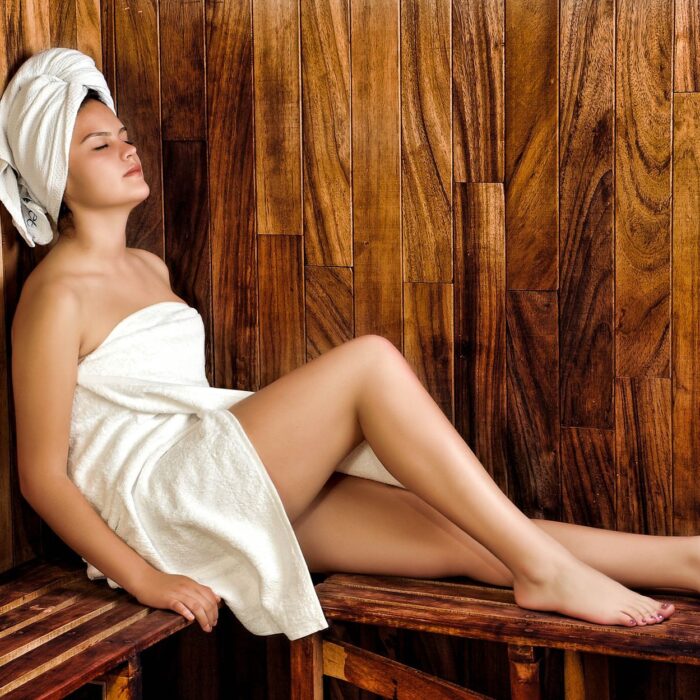
Towels are mandatory. Although clothing is absent, a large towel must always be placed between your body and any surface you sit or lie on. Hygiene is paramount — direct contact between skin and bench is not acceptable.
Silence is respected. Loud conversation is discouraged. German saunas are spaces of quiet calm. Whispering is acceptable; phone use and noisy behaviour are not.
Shower before entering. A thorough shower before entering the sauna is mandatory — it is both hygienic and considered common courtesy to other guests.
Cool down between rounds. Moving to a cold shower, plunge pool, or cold water immersion between rounds is an expected and integral part of the German sauna experience, not optional.
Arrive on time for Aufguss. The sauna door closes promptly at the start of an Aufguss. Arriving a few minutes early secures your preferred bench position.
One of the remarkable aspects of German sauna culture is the variety of sauna types available within a single wellness complex. A typical large German Therme (thermal spa) might offer:
Traditional Finnish sauna (Finnische Sauna): High dry heat (80°C–100°C) with low humidity — the classic format used as the base for Aufguss ceremonies.
Bio sauna (Sanarium): A milder, lower-temperature option (50°C–60°C) with higher humidity — more accessible for beginners, the elderly, or those with heat sensitivity.
Steam sauna (Dampfbad): High humidity steam room with lower ambient temperature — similar to a steam room in the Australian context.
Infrared sauna (Infrarotkabine): Radiant infrared heating at lower ambient temperatures — widely available in modern German wellness centres.
Themed saunas: Salt saunas, herb saunas, forest-scented cabins, crystal saunas, and aroma saunas — Germany has elevated the sensory design of saunas to an art form, with themed rooms designed to stimulate specific senses and wellness outcomes.
| Feature | German Sauna | Finnish Sauna |
|---|---|---|
| Aufguss ritual | Structured, scheduled, led by Saunameister | Informal — any guest can throw löyly |
| Nudity | Standard and expected | Common but varies by context |
| Etiquette | Strict and formalised | Relaxed and informal |
| Social atmosphere | Quiet, ceremonial | Conversational, social |
| Variety | Many themed room types | Typically one sauna style |
| Temperature | 80°C–100°C (with Bio sauna option) | 70°C–100°C |
| Cultural roots | FKK tradition + post-WWII Finnish influence | 2,000+ years of indigenous tradition |
Both cultures share a profound respect for the therapeutic power of heat and cold — but the German approach is more formalised, theatrical, and structured, while the Finnish approach is more organic, personal, and informally social.
The health benefits of the German sauna experience are the same as those of traditional sauna use more broadly — and the structured, thorough approach of German sauna culture tends to maximise them.
Regular sauna use — particularly with the Aufguss-style steam rituals common in German saunas — has been associated with improved cardiovascular health, reduced blood pressure, strengthened immune function, accelerated muscle recovery, reduced cortisol and stress, improved sleep quality, and meaningful long-term reductions in all-cause mortality.
The aromatherapy dimension of the Aufguss adds a complementary layer of benefit. Eucalyptus and peppermint vapours support respiratory health; lavender promotes relaxation and sleep; citrus scents elevate mood and energy. The Saunameister’s towel movements circulate the air in a way that ensures every person in the room receives an even distribution of heat and aroma — a more immersive and physiologically thorough experience than simply sitting in static hot air.
The mandatory cold plunge between rounds delivers the cardiovascular conditioning, dopamine release, and anti-inflammatory benefits of contrast therapy — firmly embedded in German sauna culture long before contrast therapy became a mainstream wellness trend in Australia.
You don’t need to fly to Germany to experience the ritual, the heat, and the ceremony of a German-inspired sauna. With the right setup at home, Australians can incorporate the key elements of the German sauna experience — quality heat, essential oil Aufguss, cold contrast, and structured ritual — into a daily or weekly wellness routine.
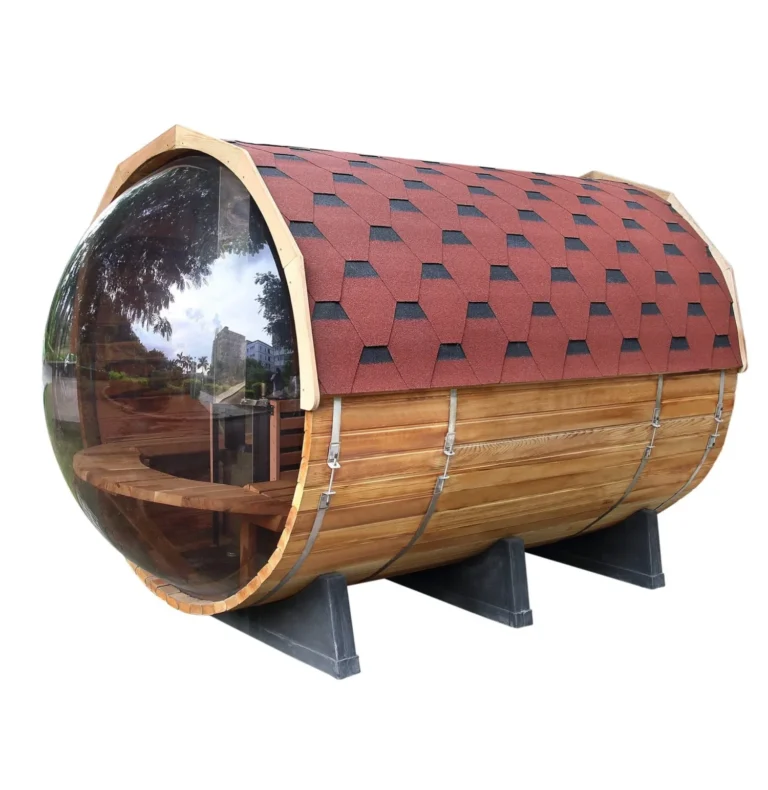
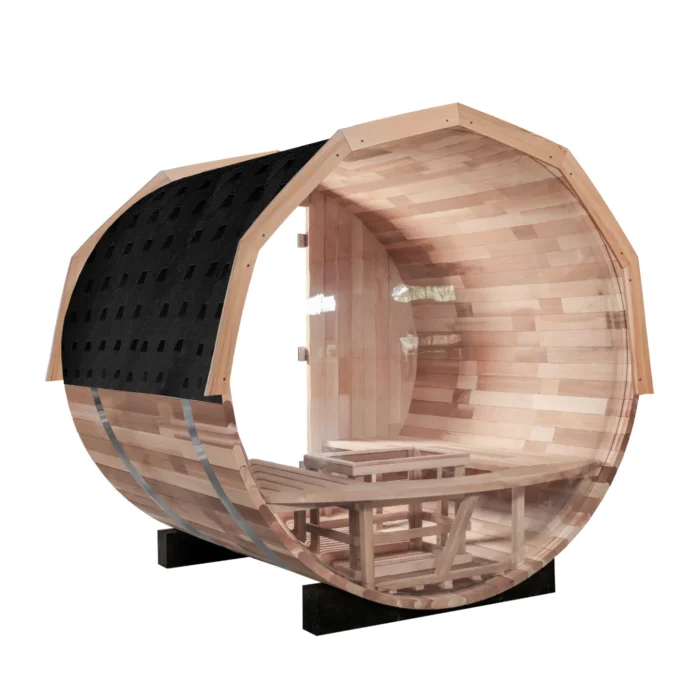
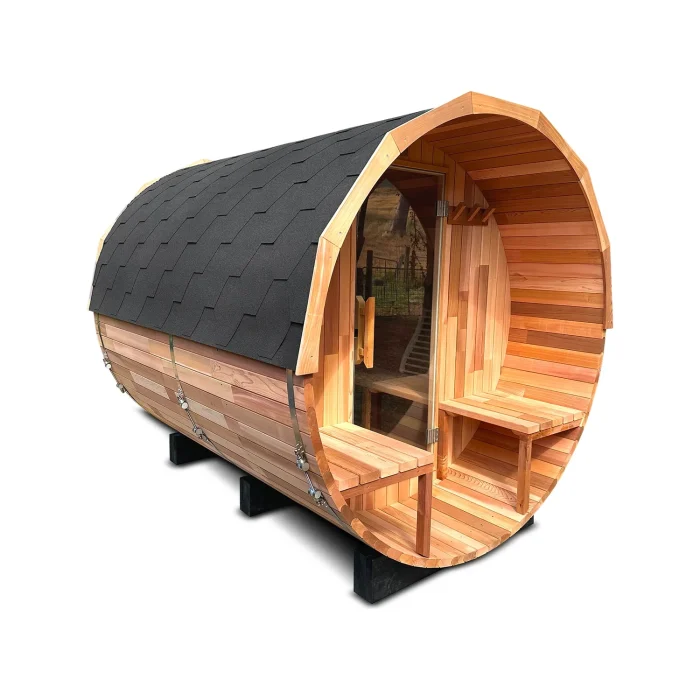
At Shym Saunas, we supply premium outdoor barrel saunas and sauna cabins, along with sauna accessories including ladles, buckets, essential oil blends, and cold plunge tubs — everything you need to create an authentic, German-inspired sauna experience in your own backyard.
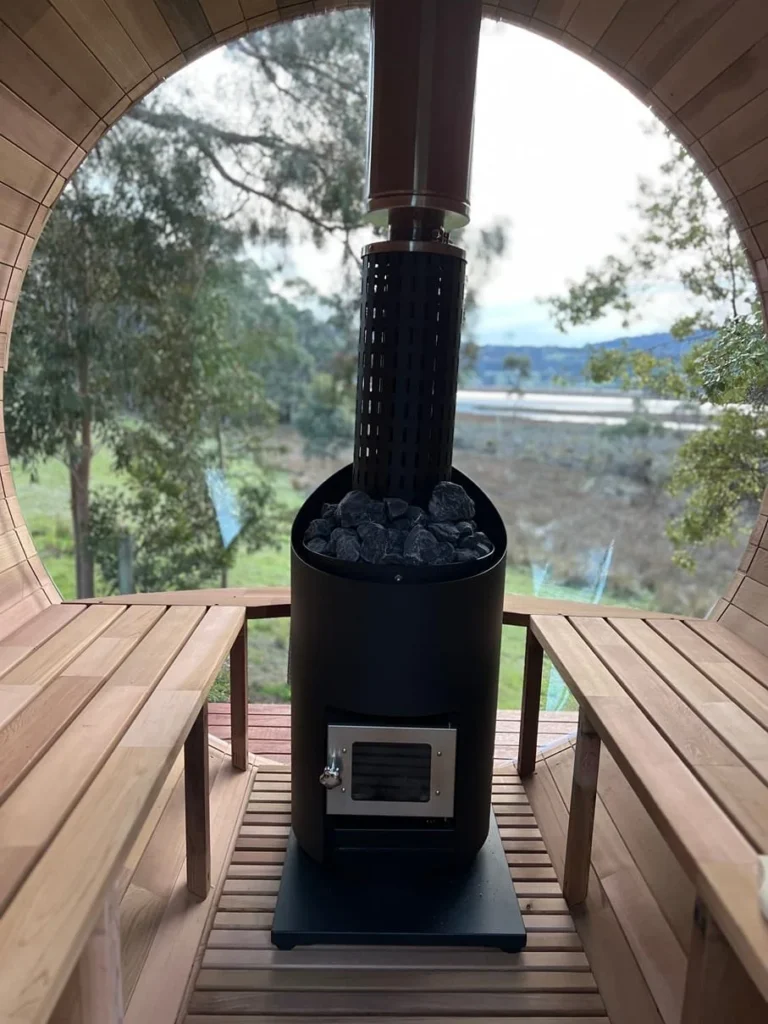
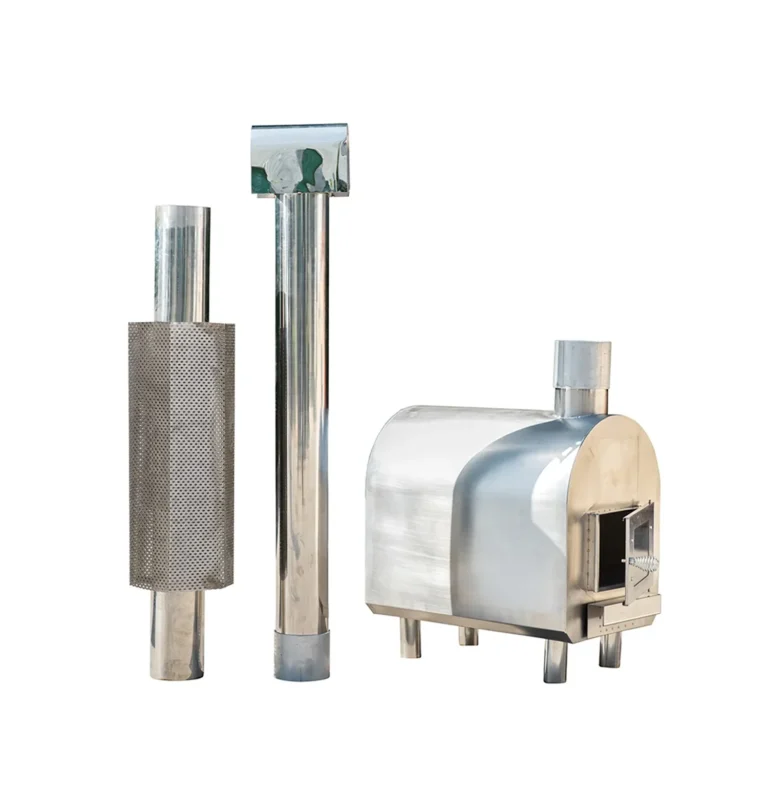
A wood-fired barrel sauna loaded with quality stones, a bucket of eucalyptus-infused water, and a cold plunge tub positioned just outside the door: that’s the essence of what makes German sauna culture so transformative, available to Australians anywhere in the country.
Explore our sauna range and accessories →
The German sauna is far more than a hot room — it is a cultural institution built around ritual, community, discipline, and a profound respect for the therapeutic power of heat and cold. From the structured ceremony of the Aufguss and the strict but purposeful etiquette, to the extraordinary variety of themed saunas and the deeply embedded cold contrast tradition, the German sauna experience offers something that goes well beyond what most Australians have yet experienced in a sauna.
Understanding what a German sauna is — and what makes it distinct — opens up a richer, more intentional way of using your own sauna at home. The principles of ritual, quality heat, aromatherapy, and cold contrast are universal. And at Shym Saunas, we’re here to help you bring them to life in your own backyard.
Browse our premium home saunas and accessories →
A German sauna refers to a distinctive cultural approach to sauna bathing that originated in Germany — characterised by the structured Aufguss steam ritual led by a trained Saunameister, strict hygiene and behavioural etiquette, mandatory nudity, scheduled cold contrast breaks, and a wide variety of themed sauna rooms. The physical infrastructure is similar to a Finnish sauna, but the social ceremony and ritual surrounding the experience is uniquely German.
Aufguss (pronounced “owf-gooss”) is a guided sauna ceremony where a trained Saunameister pours water mixed with essential oils onto hot rocks, creating fragrant, intensified steam. Using choreographed towel-waving movements, the Saunameister distributes the heated aromatic air evenly throughout the room. The ritual typically lasts 15 minutes, is scheduled once per hour, and is considered the centrepiece of the German sauna experience.
Nudity in German saunas is rooted in the FKK (Freikörperkultur — free body culture) tradition and the belief that clothing inhibits the skin’s ability to breathe and sweat effectively in the sauna environment. It is a practical, hygiene-focused tradition rather than a provocative one. While nudity is standard inside sauna rooms, a towel is always used as a barrier between the body and any sitting surface.
The key differences are ritual and etiquette. Finnish saunas are informal — any guest can throw water on the stones, conversation is normal, and the atmosphere is relaxed. German saunas are more structured — Aufguss ceremonies are led exclusively by trained Saunameister, silence is expected, etiquette is strictly observed, and the experience is more formalised. Both cultures share a deep respect for heat therapy and cold contrast, but express it differently.
German wellness complexes typically offer a wide range of sauna types including traditional Finnish saunas (high dry heat), Bio saunas (milder heat with higher humidity), steam saunas (Dampfbad), infrared cabins, and an extraordinary variety of themed saunas — salt, herb, forest, crystal, aroma, and citrus saunas among them. This diversity of sauna environments within a single facility is a hallmark of German sauna culture.
Yes. While dedicated German-style sauna facilities are still relatively rare in Australia, you can replicate the core elements of the experience at home. A quality barrel sauna with hot stones, a ladle and bucket for Aufguss-style steam pouring, quality essential oils (eucalyptus is a natural Australian choice), and a cold plunge tub for contrast therapy captures the essence of what makes German sauna culture so distinctive and beneficial.
The Aufguss significantly intensifies the physiological response of a sauna session. The sharp increase in steam and heat drives a deeper sweat, greater cardiovascular response, and enhanced detoxification. The aromatherapy dimension — using essential oils like eucalyptus, peppermint, or lavender — adds respiratory, mood, and relaxation benefits. The result is a more thorough and multi-sensory therapeutic experience than dry sauna heat alone.
The most common Aufguss essential oils include eucalyptus (respiratory and refreshing), peppermint (cooling and invigorating), citrus blends (mood-lifting), pine and forest scents (grounding and calming), and lavender (relaxation and sleep support). Many German saunas rotate their Aufguss themes seasonally — offering winter spice blends in colder months and fresh citrus or herb combinations in summer.
Yes, with some preparation. Understanding the etiquette before you enter — shower first, bring a large towel, sit quietly, participate in the Aufguss, cool down between rounds — ensures a comfortable experience. The Bio sauna (milder heat) is an excellent starting point for those new to high-temperature sauna bathing. German sauna culture is deeply welcoming once the social conventions are understood.
Shym Saunas supplies a full range of sauna accessories including ladles, wooden buckets, sauna stones, and essential oil blends — everything you need to perform your own Aufguss ceremony at home. Combined with one of our premium outdoor barrel saunas or sauna cabins, you have everything required to bring an authentic German sauna ritual into your Australian backyard.


Join the Shym list for 3% off selected saunas and hot tubs, plus our sale news.
Not valid on sale items. Unsubscribe any time.
Your 3% code is on its way to your inbox. Can't see it soon? Check your promotions folder.
Keep browsing