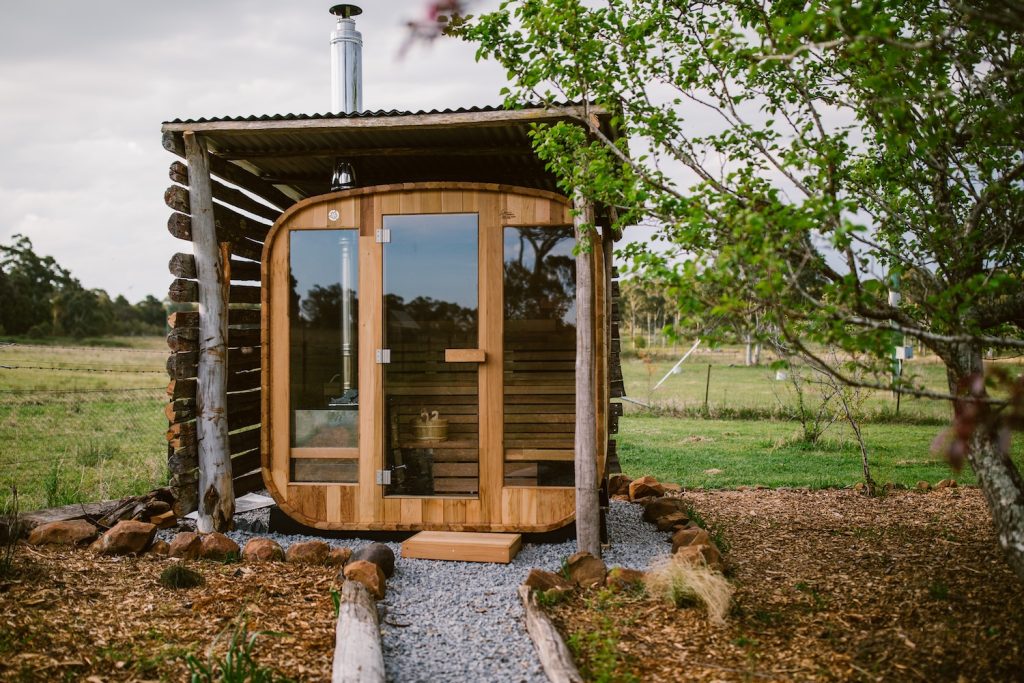


To insulate a sauna, fill the wall and ceiling frame with mineral wool, cover it with aluminium foil with the shiny side facing in, and seal every joint with foil tape. Then fix thin battens over the foil and the timber lining onto the battens, so there is a small air gap behind the boards. Barrel saunas and solid log saunas skip all of this, because their thick timber walls hold the heat on their own.
Good insulation lets your sauna heat up faster, use less power and stay dry inside the walls. This guide covers the best materials, the vapour barrier, each step, and the mistakes to avoid.
Key takeaways
- Use mineral wool (rockwool) in the walls and ceiling. Never use plastic sheet, polystyrene or spray foam.
- Cover the insulation with an aluminium foil vapour barrier, shiny side in, with every seam sealed with foil tape.
- Barrel saunas and log saunas with walls 40 mm thick or more need no extra insulation.
Why Insulate Your Sauna?
Energy Efficiency
Insulation stops heat leaking out through the walls and roof. The heater then works less to reach and hold temperature, so the sauna costs less to run.
Heat Retention
A well-insulated sauna heats up faster and holds an even temperature for the whole session. Without it, the walls stay cool and the room never feels quite hot enough.
Protection from Moisture
Steam from the stones wants to push into the walls. Insulation with a sealed foil barrier keeps that moisture out of the frame, which protects the timber from rot and mould.
What Materials Do You Need for Sauna Insulation?

Sauna Insulation Types
1. Mineral Wool (Rockwool)
Mineral wool is the best insulation for a sauna. It does not burn, it handles high heat, and it keeps its shape for years. Use plain batts with no plastic or paper facing, about 50 to 100 mm thick in the walls and at the thicker end in the ceiling. Glass wool batts are also used in sauna walls, as long as they are plain and unfaced.
2. Foam Boards
Rigid foil-faced PIR boards (polyiso) insulate well for their thickness, so some builders use them where space is tight. Check the maker's heat rating before you buy. Never use polystyrene boards in a sauna, because they soften in high heat.
3. Recycled Cotton Insulation
Recycled cotton is an eco-friendly choice for normal walls. But it soaks up moisture, and a sauna wall sees a lot of it. We do not recommend it for a sauna.
Aluminium Foil Vapour Barrier
Every framed sauna needs a vapour barrier, and aluminium foil is the best one. It stops steam from reaching the insulation, and its shiny face reflects heat back into the room. Use sauna foil (plain aluminium foil, often on a paper backing). Do not use plastic sheet or foil-faced bubble wrap: plastic can soften or melt at sauna temperatures.
Seal the joints with aluminium foil tape, not duct tape or cloth tape. Ordinary tapes lose their grip in the heat.
Ventilation Strip for Proper Airflow
On an outdoor sauna, a ventilation strip (a gap made with battens) between the outer cladding or roof and the insulation lets damp air escape. This keeps the frame dry and stops condensation that can lead to mould and rot.
How to Insulate a Sauna: Step-by-Step Guide

Step 1: Preparing the Sauna Frame
Build or check the stud frame of the walls and ceiling. Have a licensed electrician run the wiring for the heater and the light before any insulation goes in. Plan where the air inlet and outlet vents go.
Step 2: Installing Insulation
Cut the mineral wool batts to fit snugly between the studs and ceiling joists, with no gaps or squashed spots. Fill the ceiling well, because heat rises and the ceiling loses the most.
Step 3: Installing the Vapour Barrier
Staple the aluminium foil over the studs and ceiling joists with the shiny side facing into the sauna. Overlap each sheet on the next one, including at the corners where the ceiling meets the walls.
Note: Air Gap Importance
Fix thin battens over the foil, then fix the lining boards to the battens. This leaves an air gap between the foil and the boards. The foil only reflects heat when there is air in front of it, and the gap also lets the back of the boards dry out. On our Eclipse sauna, for example, the wall goes: 14 mm aspen lining, a 20 mm batten gap, aluminium foil, then 100 mm of mineral wool.
Step 4: Sealing the Sauna
Seal every seam, staple hole and tear in the foil with aluminium foil tape. Tape around the vents, light and cable holes too. A sealed barrier keeps the heat in and the steam out of the walls.
Step 5: Fitting the Lining Boards
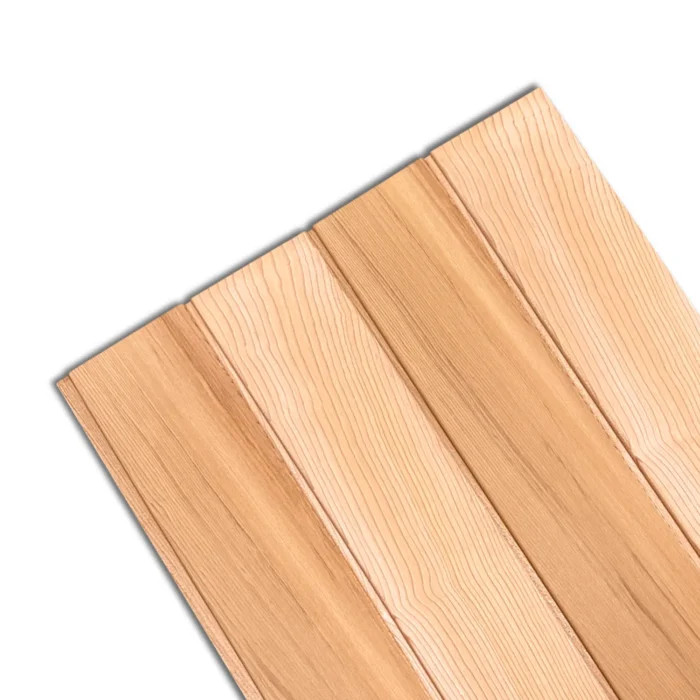
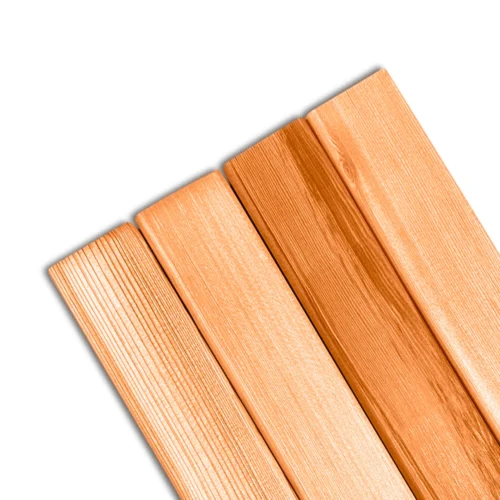
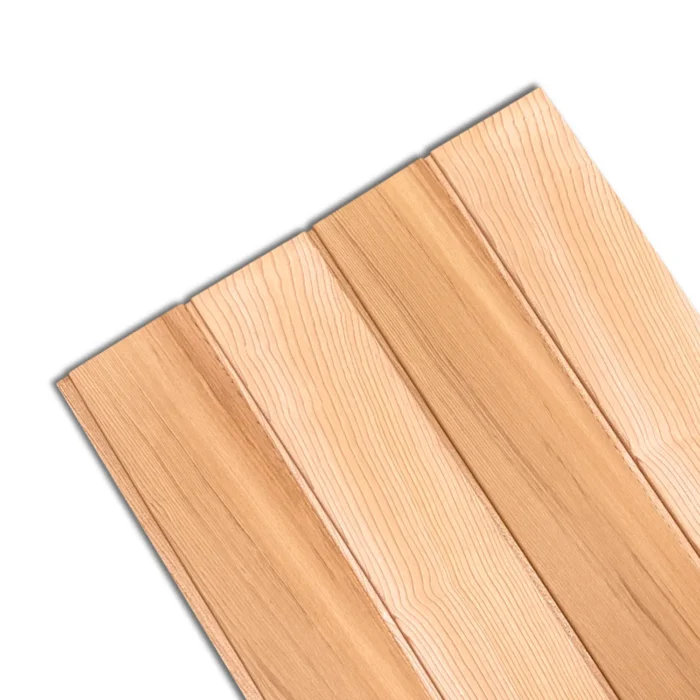
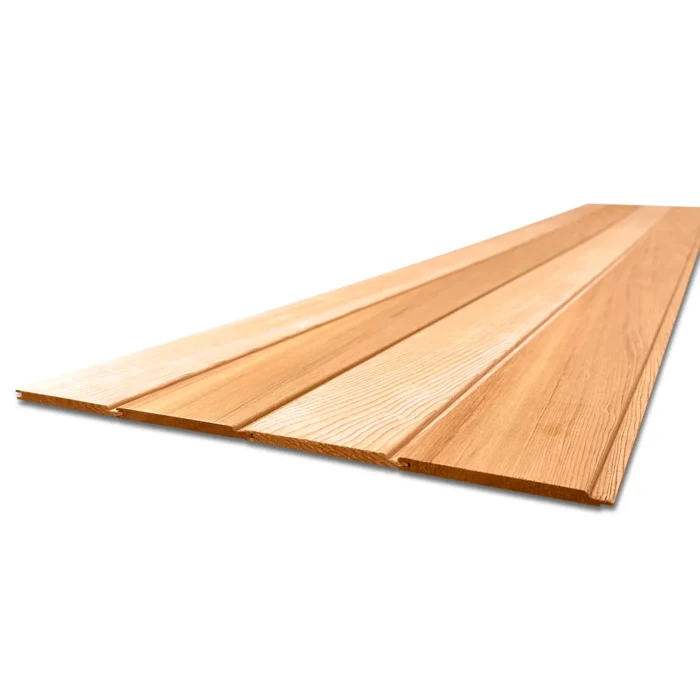
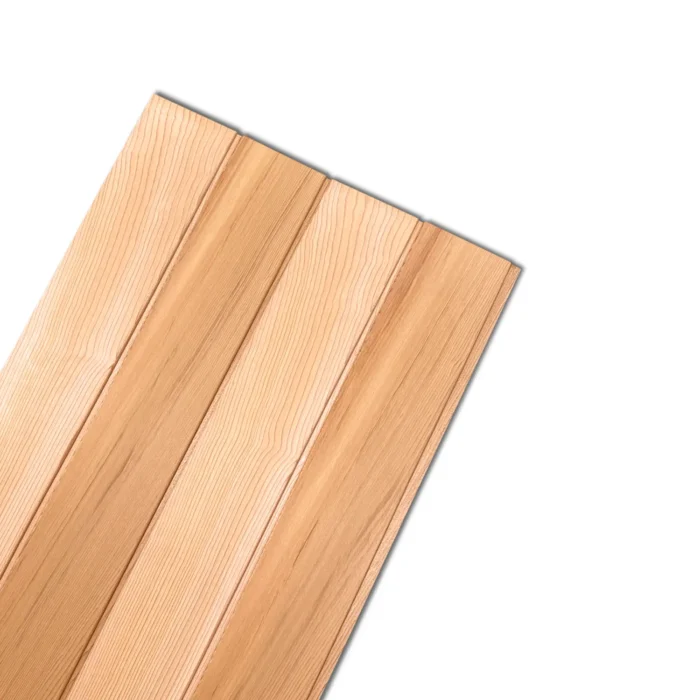
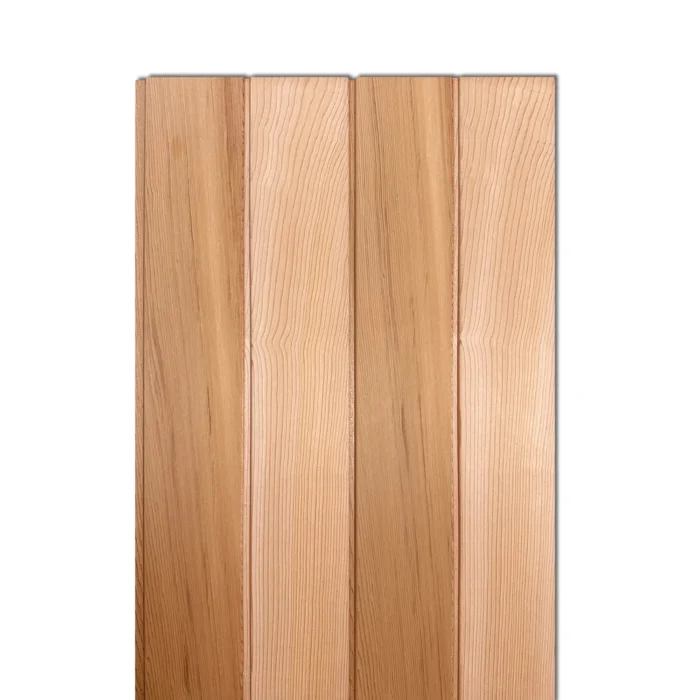
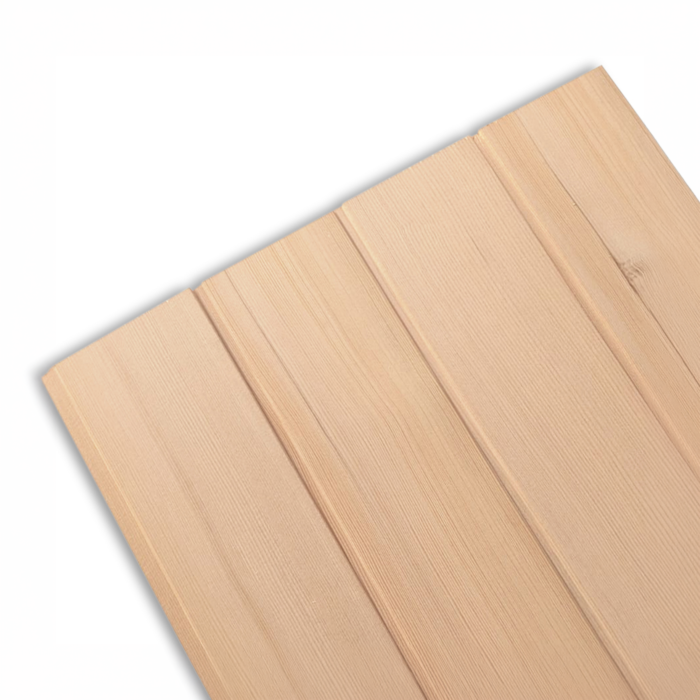
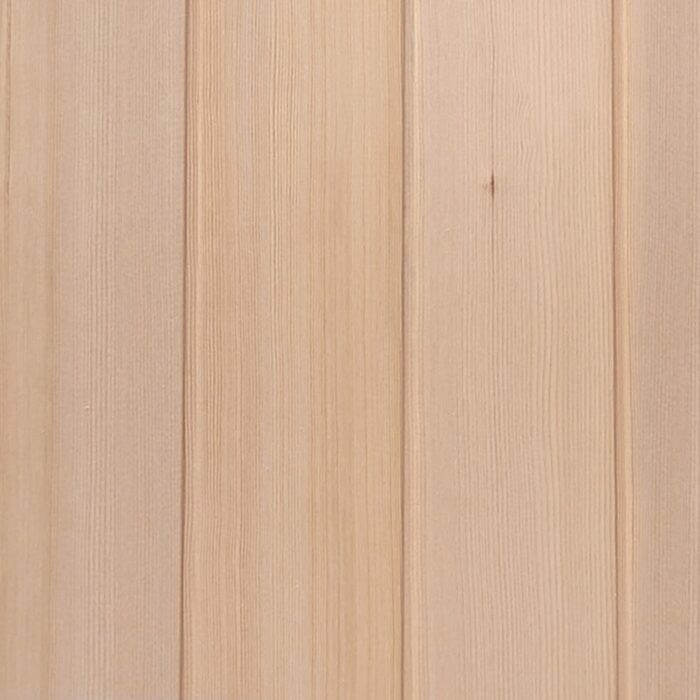
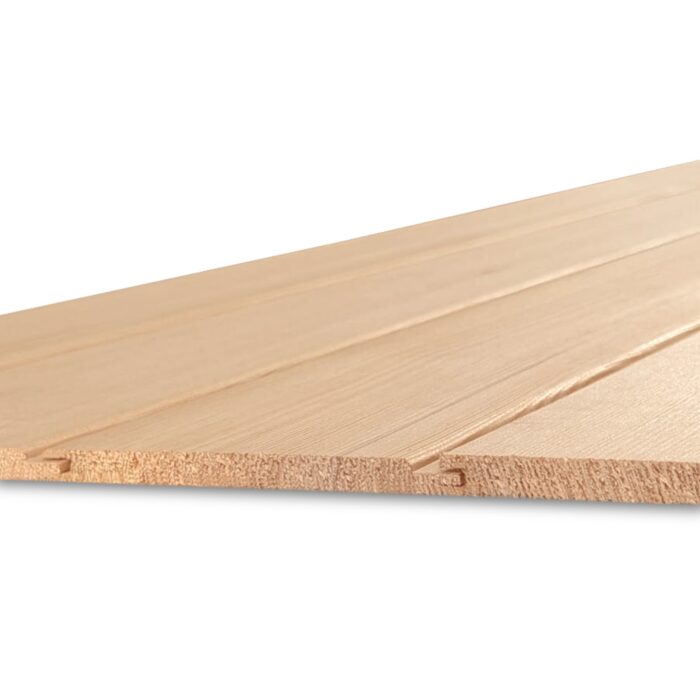
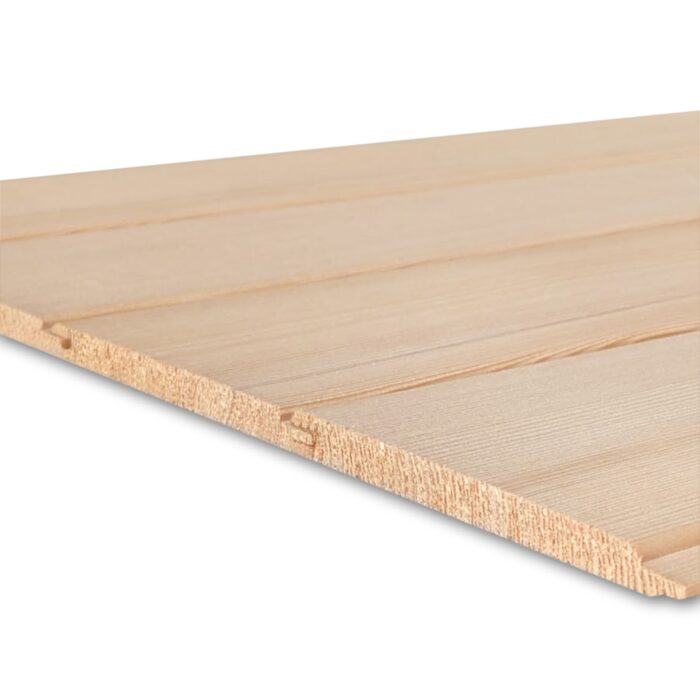
Fix the tongue and groove lining boards to the battens, ceiling first. Use timber made for saunas, such as Western Red Cedar, Canadian hemlock or aspen. We sell lining boards in packs of 10 in our sauna timber and components range, along with sauna doors and heaters.
Skip the Insulation Job: The Eclipse Sauna

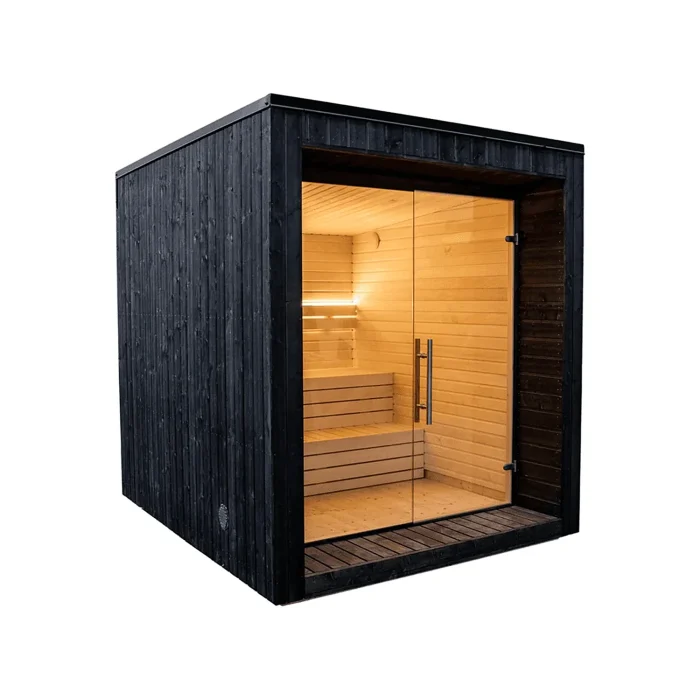
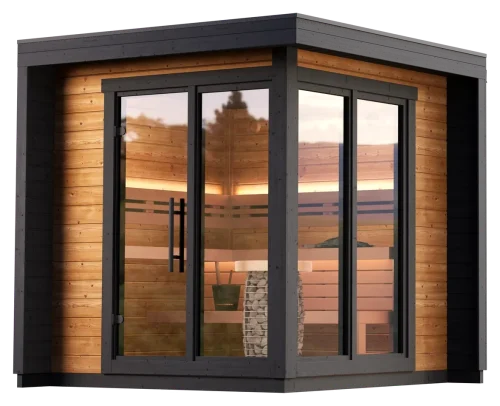
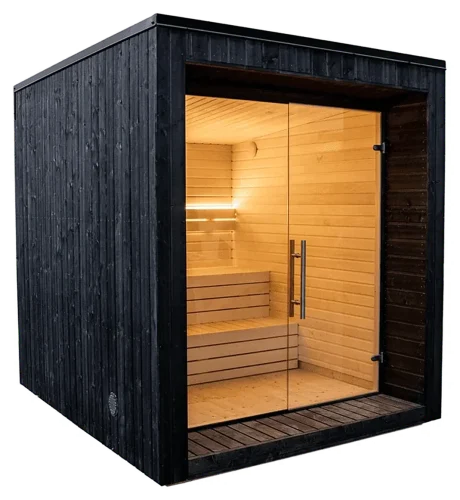
Our Eclipse M arrives fully built in the factory, with 100 mm of mineral wool, an aluminium foil vapour barrier and vented walls and roof already in place. It seats 4 to 7 people. Add the factory-fitted heater, have the power connected, and it is ready to use.
Specific Areas to Focus on When Insulating
1. Walls
The walls are the biggest surface, so most heat is lost there. Fill every stud bay with mineral wool and run the foil over it in one sealed layer.
2. Ceiling
Heat rises, so the ceiling is the hottest part of the room. Use your thickest insulation here and take extra care to seal the foil at the corners where the ceiling meets the walls.
3. Floor
The floor is the coolest part of a sauna, so it usually needs no insulation. A concrete or tiled floor is the most common choice, as it is easy to clean and does not rot. Add removable timber duckboards on top so your feet stay comfortable. Only insulate a raised timber floor if your feet feel cold, and keep the foil off the floor, where water can pool on it.
Do you Need Insulation for Prefab Saunas, Barrel Saunas, and Sauna Kits?

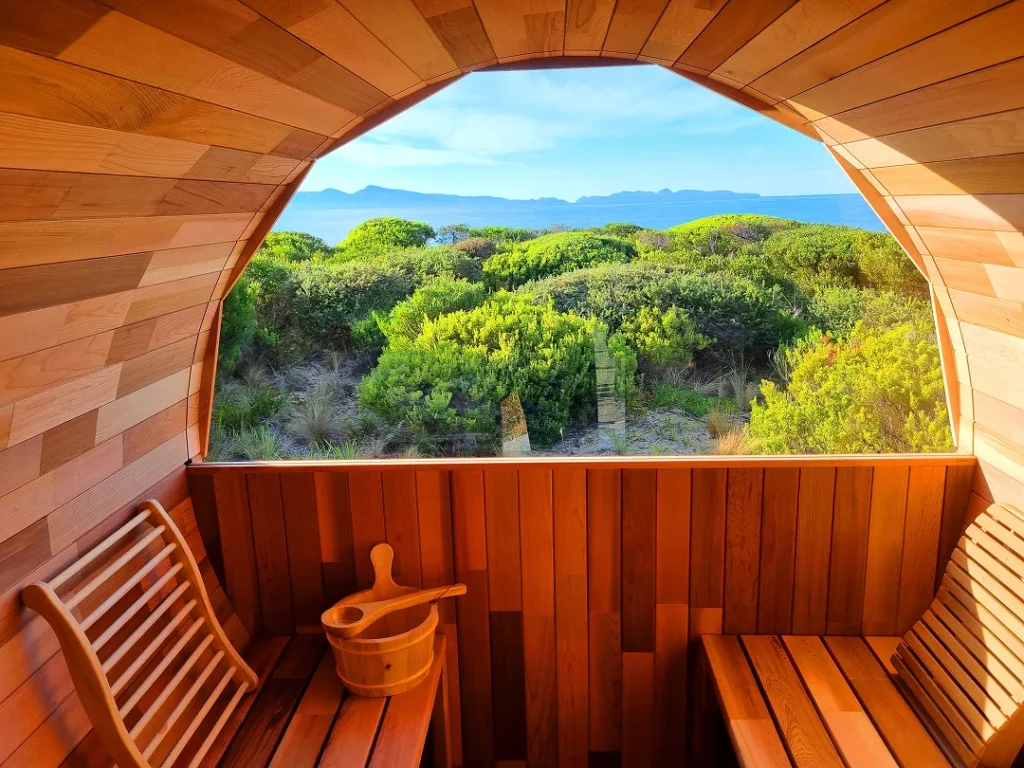
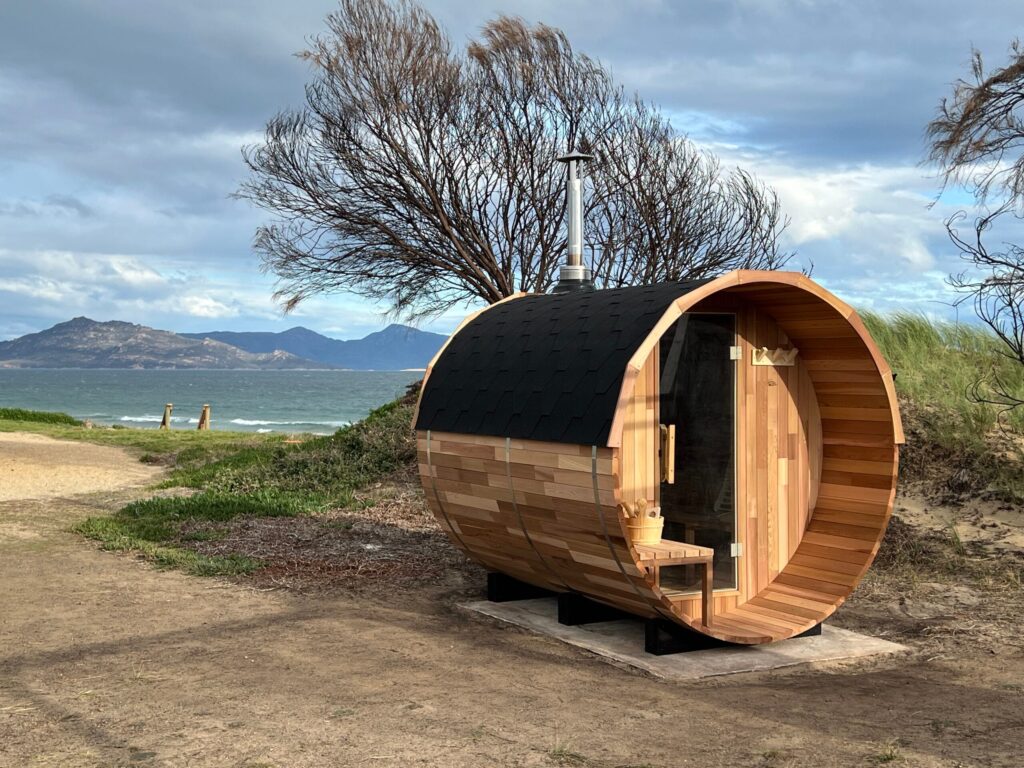
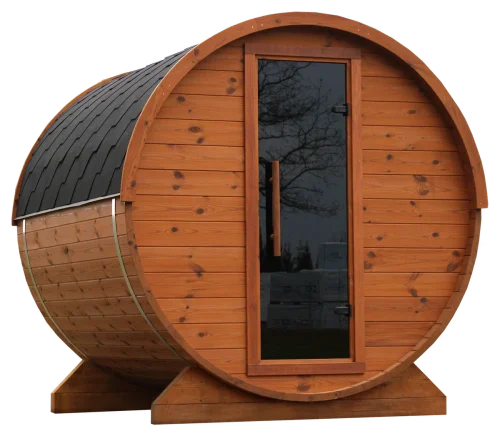
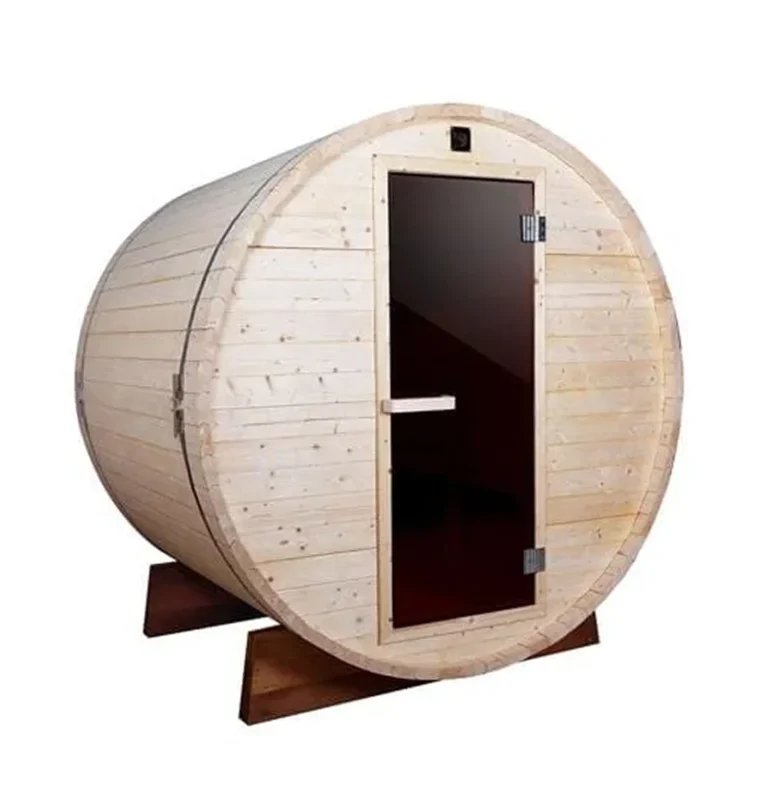
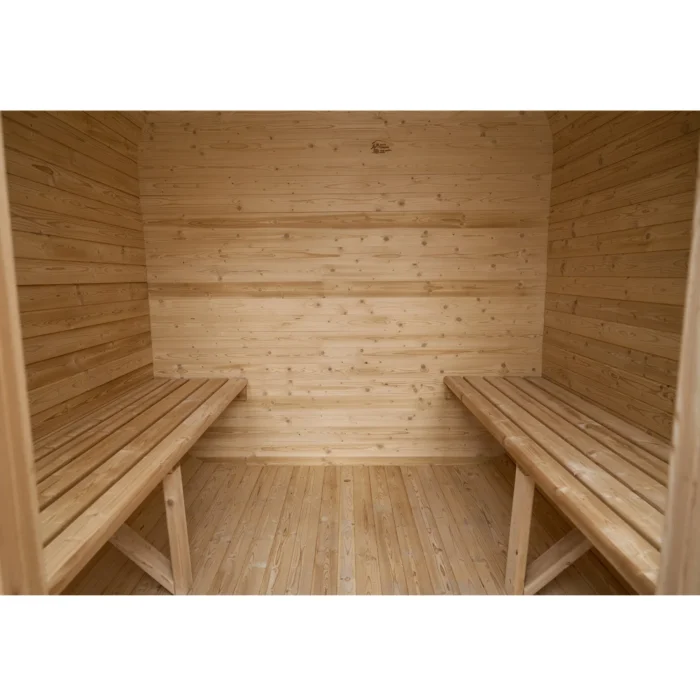
No, not if the walls are solid timber. A barrel sauna uses staves about 38 to 40 mm thick, and log saunas such as the Leil Patio use 40 mm log boards. The timber is the insulation. Do not wrap or line a barrel sauna with foil or batts: the staves need to breathe and move with the weather. Some log kits, such as the Patio XXS, already come with roof insulation.
A sauna built from a stud frame is different. It always needs insulation and a foil barrier, whether it is a room inside the house or a cabin in the garden.
Natural Heat Circulation
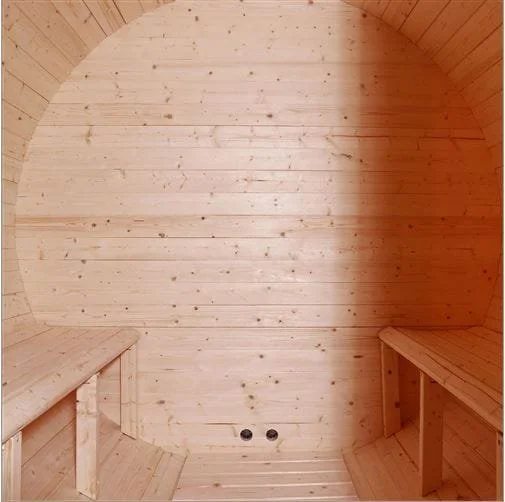
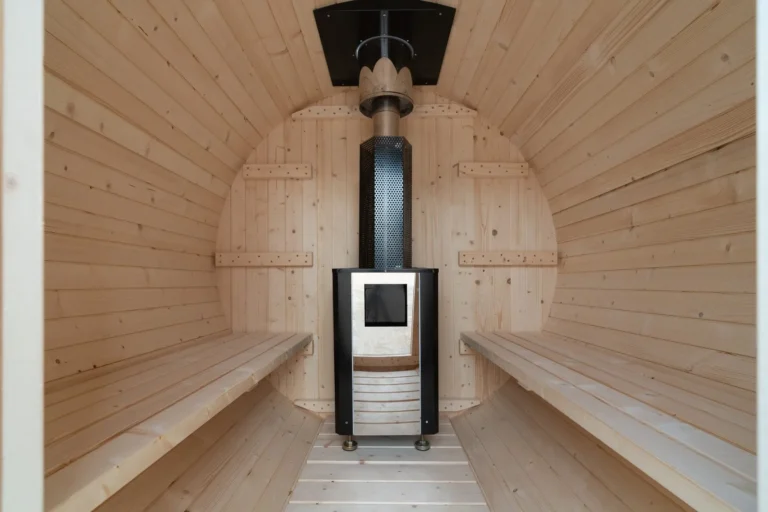
The round shape of a barrel sauna lets hot air roll along the curved ceiling and back down, so the heat spreads evenly. There are no corners for cold air to sit in, and there is less space to heat than in a square room of the same length.
Tight-Fitting Wooden Staves
The staves lock together with tongue and groove joints, and stainless steel straps pull them tight. That leaves no gaps for heat to slip out through.
Weather Resistance
The curved roof sheds rain, and our barrel kits come with bitumen roof shingles for extra protection. Oil or stain the outside timber to keep it in good shape in the Australian sun.
Aesthetic and Functional Benefits
With no insulation job, a barrel kit is quick to build: two people can put most of ours together in about a day. See our guide to DIY sauna kits to compare them.
 5% OffWhite Spruce Barrel Sauna2 to 4 people · White spruceIn stockFrom$5,785.50
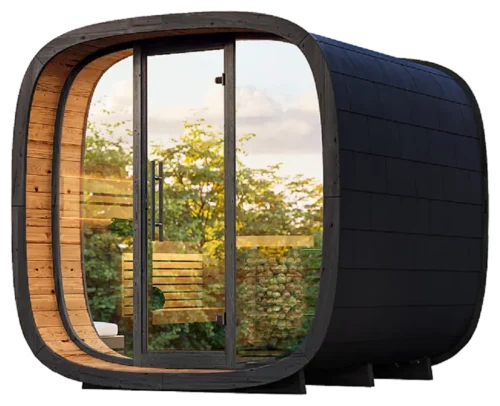
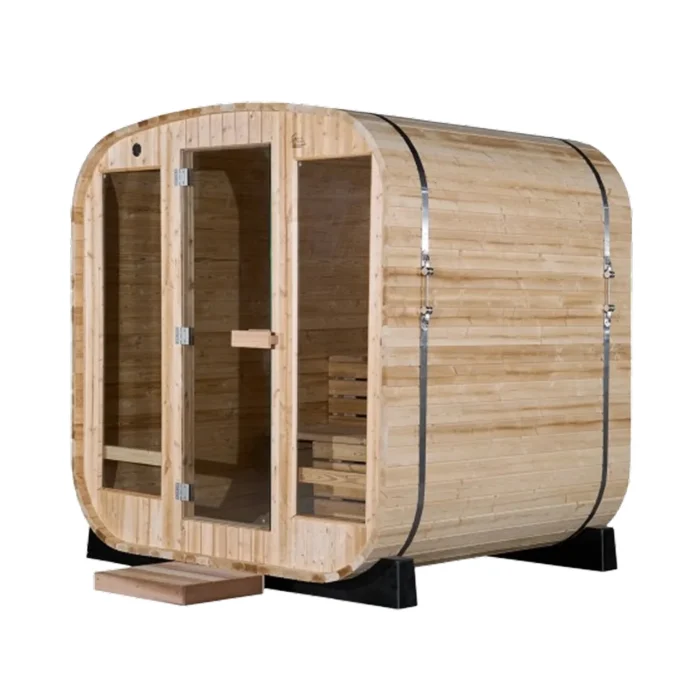 Carbonised Square Barrel4 to 8 people · Carbonised spruceIn stockFrom$8,185


Common Insulation Mistakes to Avoid
1. Skipping the Vapour Barrier
Without foil, steam gets into the insulation and the frame. The insulation stops working, and the timber behind the walls slowly rots and grows mould. Always fit the foil, and seal every seam.
2. Over-insulating
More insulation is fine. Blocking the airflow is not. A sauna still needs an air inlet low down near the heater and an outlet higher up, so fresh air comes in and damp air goes out. Read our sauna ventilation guide before you seal the room.
3. Ignoring the Ceiling or Floor
The ceiling is the most common weak spot. If it is thin or the foil has gaps, the hottest air escapes first and the room never reaches temperature. The floor needs less, but a cold, damp floor can collect condensation, so keep it easy to drain and dry.
4. Neglecting Proper Sealing
Small gaps add up. Tape every seam and hole in the foil, and make sure the door closes tightly on its seal. A gap around the door or a light fitting lets heat out and steam in.
5. Using Inappropriate Insulation Materials

Some materials do not belong in a sauna:
- Spray foam: it can give off fumes when it gets hot.
- Polystyrene boards: they soften in high heat.
- Batts with plastic or paper facing, and plastic vapour barriers: the facing can melt or trap moisture.
Stick to plain mineral wool and aluminium foil, and you will not go wrong.
Do You Need to Insulate Your Outdoor Sauna?
It depends on how it is built. An outdoor barrel sauna or a solid log sauna does not need insulation, because the thick timber walls hold the heat. An outdoor sauna with a stud frame does: insulate it like an indoor one, and add a ventilation strip under the outer cladding and the roof so the frame stays dry.
Most of Australia has mild winters, but insulation still matters outdoors. It cuts the heat-up time on cool evenings and keeps the power bill down all year.
Conclusion
For a framed sauna, the recipe is simple: mineral wool, sealed aluminium foil, an air gap, and sauna-grade timber lining. Do it right once, and the sauna heats fast, costs less to run and stays dry inside the walls for years.
Want to skip the insulation job? A sauna kit with solid timber walls needs none, and the Eclipse arrives fully insulated. If you are building your own room, our lining boards, doors and heaters have you covered.
Frequently Asked Questions
Do saunas need insulation?
A sauna built with a stud frame always needs insulation and a foil vapour barrier. A barrel sauna or a solid log sauna does not, because its thick timber walls do the job.
What is the best insulation material for a sauna?
Mineral wool (rockwool). It does not burn, it handles high heat and it keeps its shape. Use plain batts with no plastic or paper facing.
Does a sauna need a vapour barrier?
Yes, every framed sauna does. Aluminium foil is the best choice, because it keeps steam out of the walls and reflects heat back into the room.
Which way does the foil face in a sauna?
The shiny side faces into the sauna, towards the heater. Leave a small air gap between the foil and the lining boards so it can reflect heat.
Should I insulate a barrel sauna differently?
Do not insulate a barrel sauna at all. The 38 to 40 mm staves are the insulation, and wrapping them can trap moisture in the timber.
Can I use regular home insulation for my sauna?
Yes, if it is plain mineral wool or glass wool batts with no plastic or paper facing. Do not use polystyrene boards or spray foam.
How thick should the insulation be for a sauna?
About 50 to 100 mm in the walls, and the thicker end of that in the ceiling. Our Eclipse sauna uses 100 mm of mineral wool in the walls and roof.
Is it necessary to insulate the floor of the sauna?
Usually not. The floor is the coolest part of the room. A concrete or tiled floor with timber duckboards on top works well.
Is it necessary to insulate the ceiling of the sauna?
Yes. Heat rises, so the ceiling loses the most heat. Use your thickest insulation there.
What tape should I use on sauna foil?
Aluminium foil tape. Duct tape and cloth tape lose their grip in the heat.
Can I install sauna insulation myself, or do I need a professional?
A handy person can do the insulation, foil and lining. The wiring for the heater and light must be done by a licensed electrician.
How often should I check my sauna insulation?
Once a year, look for signs of moisture: dark stains, a musty smell or boards that stay damp. These can point to a gap in the foil that needs fixing.