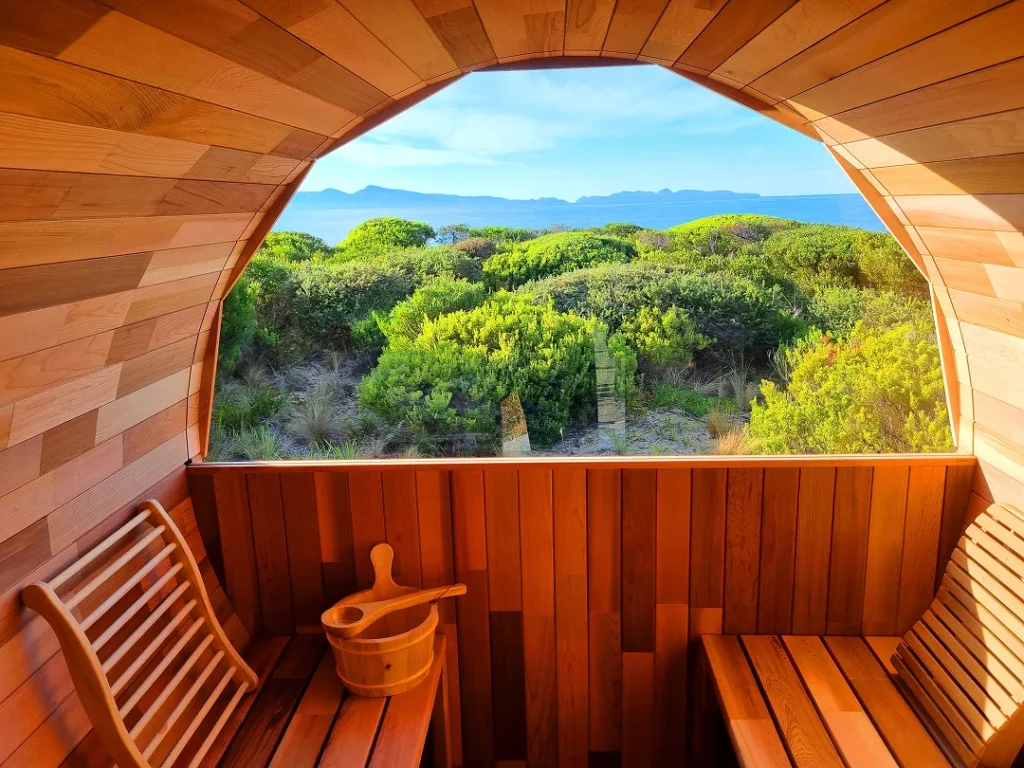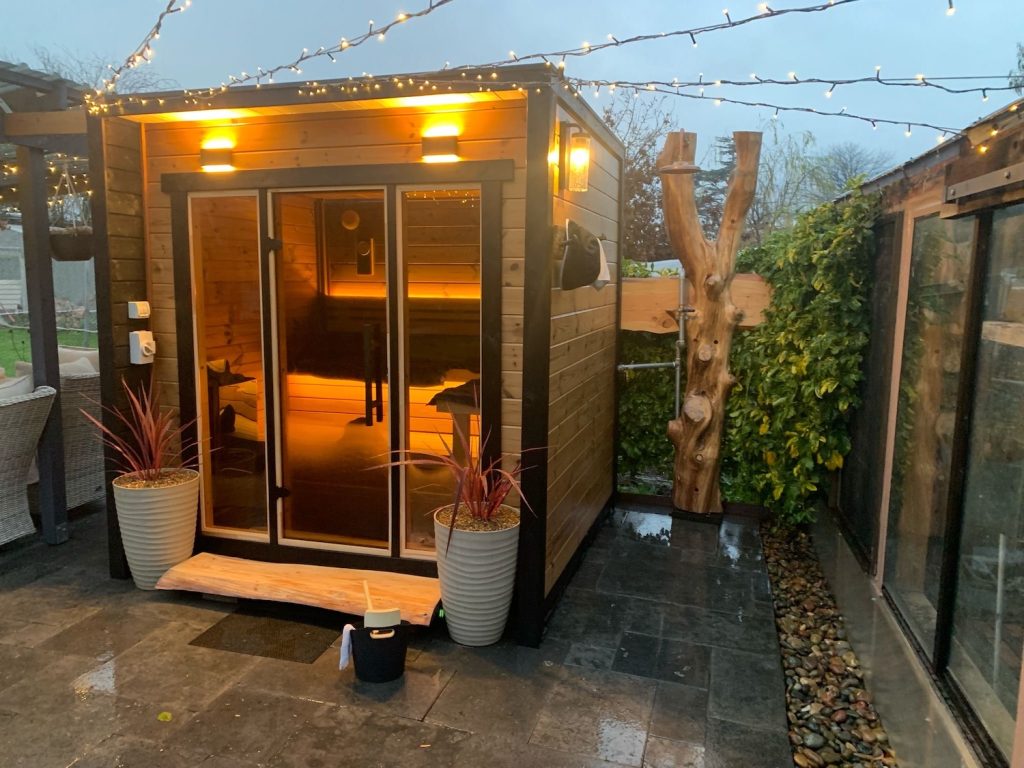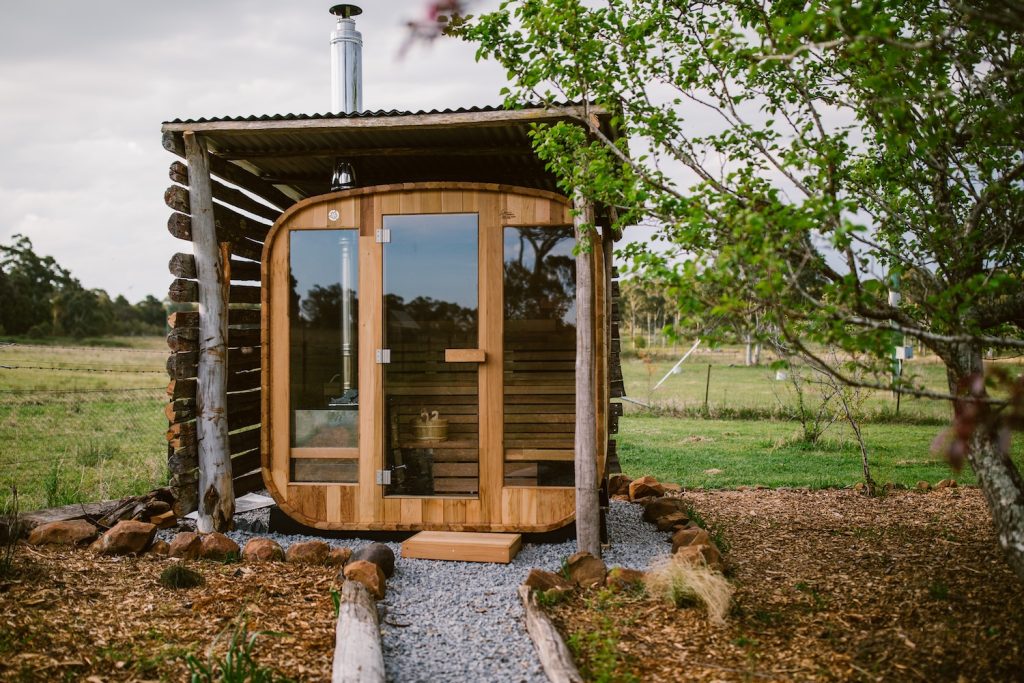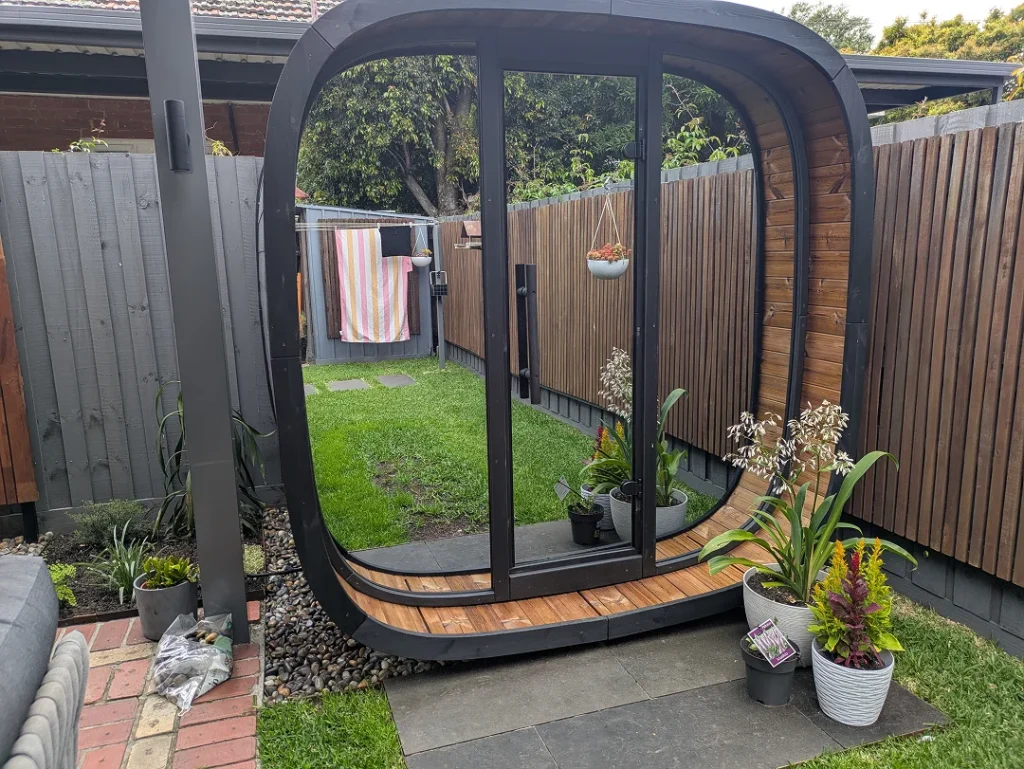
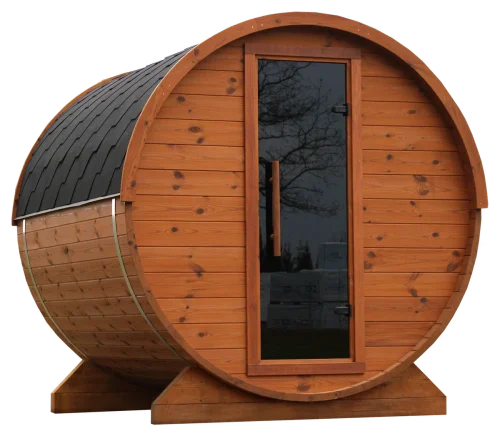
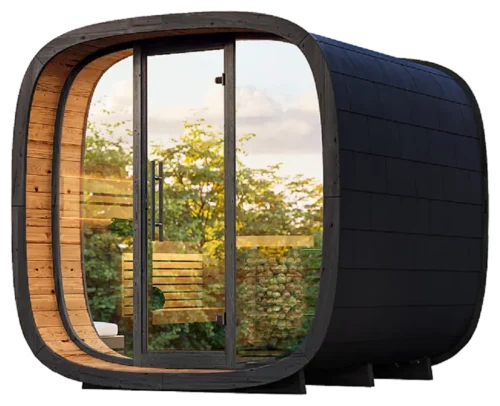
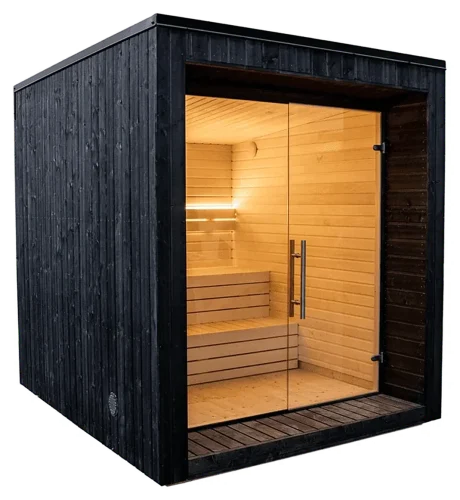
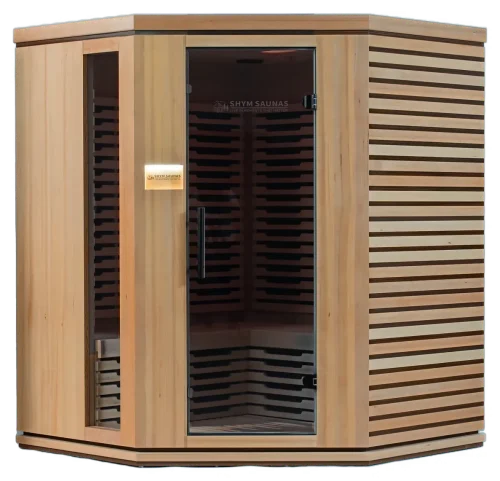

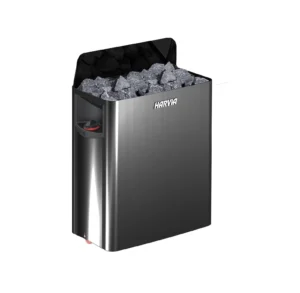
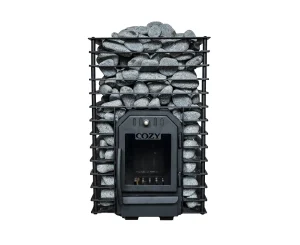
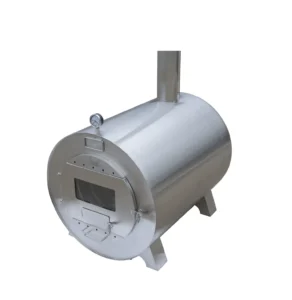
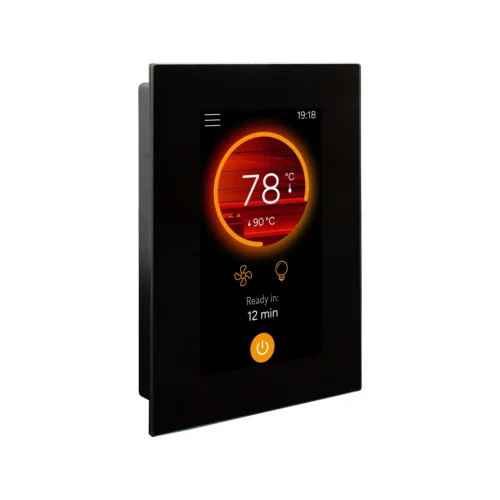

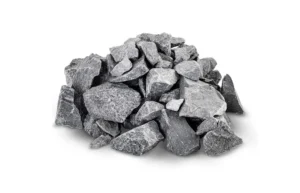
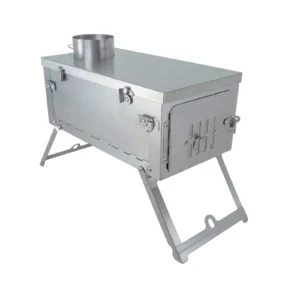
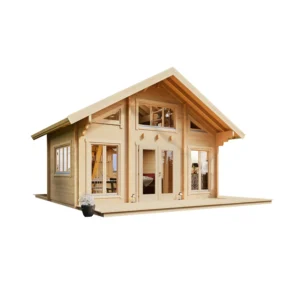



A dry sauna is hot (about 70 to 90°C) with low humidity, heated by a stove and stones. A wet sauna, or steam room, is cooler (about 40 to 50°C) but close to 100% humidity, filled with steam from a generator. Neither is better for everyone: dry heat feels lighter and lets you sit longer, while steam feels heavier and more humid. A traditional Finnish sauna gives you a bit of both, because you add steam by pouring water on the stones.
Key Takeaways
- Dry sauna: higher heat, low humidity, a lighter feel. Easier to build and look after at home.
- Wet sauna (steam room): lower heat, very high humidity. Needs a sealed, tiled room and more cleaning.
- Best of both: in a traditional sauna, you choose how much steam to add.
Understanding Wet and Dry Saunas

What is a Dry Sauna?
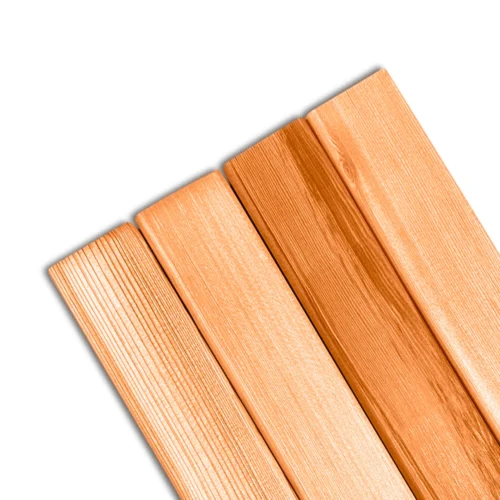
A dry sauna is a timber room heated to about 70 to 90°C by an electric or wood-fired heater topped with stones. The air is dry, usually around 10 to 20% humidity, so you sweat freely and the heat feels light. An infrared sauna is also a dry sauna, but it runs cooler, around 45 to 60°C.
What is a Wet Sauna?
A wet sauna usually means a steam room: a sealed, tiled room filled with steam from a steam generator. It runs cooler, around 40 to 50°C, but the humidity is close to 100%, so the air feels thick and very warm, and your skin is soon covered in condensation as well as sweat.
Can I Use My Sauna as a Wet or Dry Sauna?
In a traditional sauna, yes, within limits. Pour water on the hot stones and you get a burst of steam (called löyly), which raises the humidity and makes the room feel much hotter. Stop pouring and the air dries out again. Here is how:
- Heat the sauna as usual, with a wood-fired or electric heater, until the stones are hot.
- Ladle a little water onto the stones from a sauna bucket. Start with one ladle and wait a moment.
- Add more for more steam. A thermometer and hygrometer shows you the temperature and humidity.
This is still a sauna, not a steam room. A true steam room needs a steam generator and a waterproof, tiled room, and running one in a timber sauna would damage the wood. Never pour water in an infrared sauna.
Wet vs Dry Sauna Comparison
| Feature | Dry Sauna | Wet Sauna (Steam Room) |
| Temperature | Higher, about 70 to 90°C | Lower, about 40 to 50°C |
| Humidity | Low, about 10 to 20% (more when you add steam) | Close to 100% |
| Heating | Stove and stones (or infrared panels) | Steam generator |
| Feel | Light, dry heat | Thick, moist heat |
| Room | Timber | Sealed and tiled |
| Upkeep | Easier; wipe and air out | More cleaning to stop mould |
| Best for | People who love strong heat and a classic sauna | People who prefer lower heat and moist air |
Choosing Between Dry vs. Wet Sauna

Health Needs
Many people find moist air soothing for a stuffy nose, while others find dry air easier to breathe. If you have asthma, a heart condition, a skin condition or any other health concern, or you are pregnant, ask your doctor which suits you. Research on sauna health benefits mostly comes from traditional Finnish saunas, which are dry with occasional steam.
Why Dry Sauna
- The classic sauna: strong heat and a deep sweat, with steam whenever you want it.
- Comfortable for longer: dry heat feels lighter than the same temperature with steam.
- Simple at home: a timber room or a kit, with easy upkeep.
Why Wet Sauna
- Gentler temperature: good if you find very high heat too much.
- Moist air: many people like the feel of steam on their skin and in their nose.
- Spa feel: the steam-filled room feels like a day spa.
Space and Maintenance
A dry sauna needs a heater, good ventilation and a timber room, which can be indoors or outdoors. A steam room needs a waterproof, tiled and sealed room, a steam generator with plumbing, and more frequent cleaning to keep mould away. That is why most home saunas, including all of ours, are dry saunas.
FAQs
What is the difference between a wet sauna and a dry sauna?
A dry sauna is hotter (about 70 to 90°C) with low humidity. A wet sauna or steam room is cooler (about 40 to 50°C) with humidity close to 100%.
What is a dry sauna?
A timber room heated by a stove and stones to about 70 to 90°C, with dry air. It is the classic Finnish sauna.
Is a dry or wet sauna better?
Neither is better for everyone. Choose dry if you like strong, light heat, and steam if you prefer lower heat and moist air.
Do wet saunas get hotter than dry saunas?
No. The air is cooler, but the humidity makes it feel very hot.
Is a dry sauna or steam room better for breathing?
It depends on the person. Many find steam soothing for a blocked nose, others find dry air easier. If you have asthma or another breathing condition, ask your doctor.
Is a sauna good for dry skin?
Sweating can leave skin feeling soft, but heat can also dry it out. Shower afterwards and use a moisturiser if your skin feels tight.
Can you turn a dry sauna into a steam room?
Not really. You can add steam to a sauna by pouring water on the stones, but a true steam room needs a steam generator and a waterproof, tiled room.
Which type is easier to maintain?
A dry sauna. A steam room needs more cleaning to stop mould.
Wrapping Up
Dry or wet comes down to how you like your heat. For most homes, a traditional dry sauna is the easy choice, and you can still add steam whenever you want it. Our barrel saunas and sauna kits work with wood-fired or electric heaters, so you can enjoy dry heat and steam in the same sauna.