

Winter in Australia and New Zealand brings elevated risk of respiratory infections, reduced sun exposure, and the general immune vulnerability that comes with colder, drier air. Many people turn to vitamin C, zinc, and probiotics, all useful tools, but overlook one of the most powerful immune-support strategies available: the infrared sauna.
Several factors converge in winter to create a more challenging immune environment. Cold, dry air reduces the effectiveness of the mucociliary clearance system in the airways, your first line of defence against airborne pathogens. Reduced sunlight decreases vitamin D production, a critical regulator of immune function. Indoor crowding increases pathogen exposure. And the psychological stress of darker, colder days elevates cortisol, which suppresses immune activity.
Winter does not only affect temperature and comfort, it changes how your immune system behaves at a biological level. When daylight hours shorten, your circadian rhythm shifts, which can impact sleep quality and hormone regulation. Poor sleep alone is enough to weaken immune responsiveness over time.
At the same time, people tend to move less during colder months. Reduced physical activity slows lymphatic circulation, which is essential for transporting immune cells throughout the body. Combined with higher stress levels and more time spent indoors, this creates a perfect environment for immune strain.
Understanding these layered effects helps explain why supportive practices like sauna therapy become especially valuable during winter.
The most direct immune benefit of the sauna is the temporary elevation of core body temperature. This thermal increase stimulates the production and activity of white blood cells, particularly natural killer cells and T-lymphocytes, which target both infected cells and early-stage cancerous cells.
Lymph nodes, the spleen, and bone marrow all rely on good circulation to function at full capacity. In winter, many people are less active, which reduces lymphatic flow. The cardiovascular stimulation of a sauna session improves circulation to these immune tissues and supports their activity.
Chronically elevated cortisol directly suppresses the production of antibodies and the activity of immune cells. Regular sauna use helps lower cortisol over time, which allows the immune system to operate without this chemical suppression.
Infrared sauna sessions act as a controlled stressor that gently challenges the body in a beneficial way. This temporary heat exposure stimulates a response similar to what happens during mild physical exercise, encouraging the immune system to become more active and alert.
Over time, this repeated stimulation helps improve immune efficiency. The body learns to respond more quickly to environmental stressors, which may reduce the severity and duration of common seasonal illnesses.
It is not about forcing the body into extreme conditions, but about consistent, moderate exposure that supports adaptation.
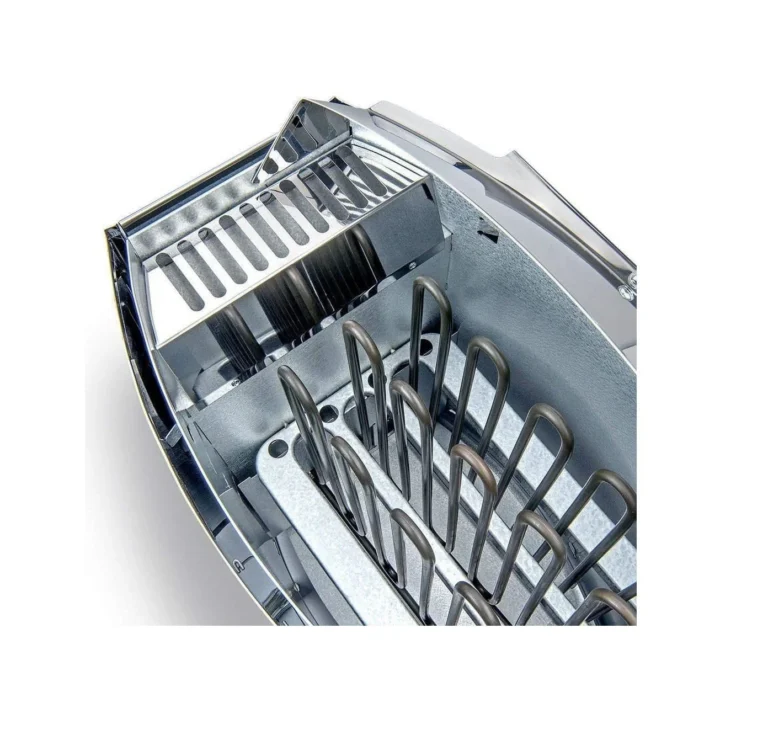
For winter immune use, both types of sauna are effective. However, infrared saunas warm up faster (typically 15 minutes versus 30 to 45 minutes for a traditional sauna) and can be more appealing to step into on a cold winter morning or evening. Read our full comparison at infrared vs traditional saunas if you are still deciding which type suits you.
Morning sessions set an immune-positive tone for the day by stimulating white blood cell activity before you head out into the world. Evening sessions support deeper sleep, during which the immune system carries out much of its maintenance work.
For more guidance on timing, read our article on ways to use your sauna in the morning.
Even with strong immune habits, catching a cold or mild infection in winter is still common. Sauna use can sometimes play a supportive role during recovery, but timing and intensity are important.
When used appropriately, gentle heat may help ease congestion, improve circulation, and support relaxation, which is beneficial when the body is fighting off mild illness. However, it should never be used during fever or severe fatigue, as the body already has enough stress to manage.
The key is using the sauna as a supportive tool, not a treatment for active infection.
The sauna works best as part of a broader winter wellness approach. Pair regular sessions with consistent vitamin D supplementation, adequate sleep, a diet rich in whole foods and fermented products, and regular moderate exercise.
If you get sick despite these precautions, check out our guide on does sauna help with flu to know when to continue sessions and when to rest.
Three to five sessions per week of 15 to 25 minutes each appears to be the sweet spot based on available research. The immune activation from a single session diminishes within 48 hours, so more frequent use maintains a consistently elevated immune state throughout winter.
The real benefit of sauna therapy comes from consistency rather than occasional use. When incorporated into a broader winter routine, it can help stabilise immune function across the entire season instead of offering short bursts of benefit.
This works best when paired with other simple habits like good sleep, hydration, and nutrient-rich meals. The sauna then acts as a recovery and stimulation tool that enhances these foundations rather than replacing them.
Winter sauna use is generally safe for most healthy adults, but comfort and recovery should guide how you use it. Because the body is already dealing with seasonal stressors, pushing intensity too far can reduce benefits rather than enhance them.
Shorter, more regular sessions tend to work better than long, infrequent ones. It is also important to pay attention to hydration, as dry winter air combined with sauna use can increase fluid loss more than expected.
A steady, moderate approach is what allows immune benefits to build safely over time.
Regular sauna use reduces the frequency of illness in some studies, but it is not an absolute shield. It significantly improves your immune environment, making illness less likely and recovery faster when it does occur.
For mild colds without fever and with decent energy levels, a gentle sauna session can support recovery. Avoid sessions if you have a fever, extreme fatigue, or feel genuinely unwell.
Lower temperatures and shorter sessions can be appropriate for older children under supervision, but consult a paediatrician first. Very young children should not use saunas.
Many people notice they are getting sick less often after six to eight weeks of consistent use. Laboratory changes in immune markers can be detected within a few weeks.
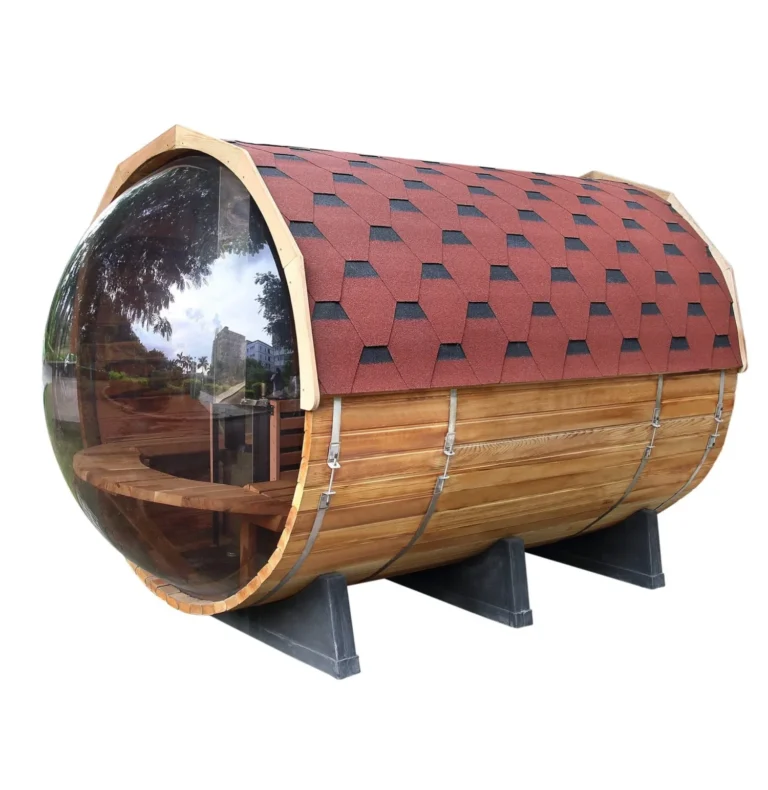
Winter does not have to mean cold and flu season. With a consistent infrared sauna practice, you can meaningfully strengthen your immune defences and sail through the colder months with more vitality and fewer sick days. The Shym Saunas range has options for every home size and budget. Get started before the cold sets in.



Join the Shym list for 3% off selected saunas and hot tubs, plus our sale news.
Not valid on sale items. Unsubscribe any time.
Your 3% code is on its way to your inbox. Can't see it soon? Check your promotions folder.
Keep browsing