

If you have started researching infrared saunas, you have likely encountered terms like near infrared, far infrared, and full spectrum without a clear explanation of what they actually mean or why they matter. This guide cuts through the confusion and explains each wavelength category, its depth of penetration, and the specific benefits associated with each.
Infrared light sits just beyond the red end of the visible light spectrum, meaning the human eye cannot detect it, but the body can feel it as heat. Unlike conventional heat sources that warm the air around you, infrared energy is absorbed directly by the body’s tissues, warming you from the inside out.
Near infrared has the shortest wavelength in the infrared range and the shallowest penetration, reaching primarily the skin and superficial tissue layers (about 5mm). Despite its limited depth, NIR has significant applications in stimulating mitochondrial function, which can enhance cellular repair, accelerate wound healing, improve skin texture, and support collagen synthesis.
Near infrared light excels at promoting skin rejuvenation by stimulating fibroblasts to produce more collagen and elastin, which naturally diminishes with age. Regular exposure can reduce fine lines, improve elasticity, and even out skin tone, making it a favorite for anti-aging routines. Users often report smoother texture and a youthful glow after consistent sessions, backed by studies showing enhanced cellular energy production at this wavelength. This photobiomodulation effect also accelerates wound healing and reduces acne scars by boosting ATP production in skin cells.
Beyond aesthetics, near infrared supports overall skin barrier function, helping with conditions like eczema or psoriasis through anti-inflammatory pathways. It’s non-invasive and gentle, ideal for daily use without the risks of lasers or chemicals.
Mid infrared penetrates deeper than NIR, reaching the soft tissue and muscular layers. Its primary therapeutic applications relate to pain relief, muscle recovery, and joint health. The heat generated at this wavelength is particularly effective at relaxing muscle tension and improving circulation to deeper tissue structures.
Targets muscle spasms and inflammation effectively.
Improves blood flow to reduce stiffness in joints.
Supports recovery from workouts or injuries.
Eases chronic conditions like sciatica or tendonitis.
Mid infrared’s ability to heat deeper tissues makes it ideal for chronic pain conditions like arthritis or back pain, where superficial heat falls short. Many users find relief from tension headaches and fibromyalgia symptoms as circulation boosts nutrient delivery and waste removal. Athletes particularly value its role in speeding up recovery by loosening tight fascia and promoting lymphatic drainage.
Far infrared has the longest wavelength and penetrates deepest into the body, reaching the core and internal organs. This is the wavelength most associated with detoxification benefits, cardiovascular benefits, and the deep, therapeutic sweat that distinguishes infrared sauna use from superficial sweating.
Far infrared therapy has been linked to improved endothelial function, which helps regulate blood pressure and enhances overall heart health. By promoting vasodilation, it mimics moderate exercise effects, making it valuable for those unable to engage in physical activity. Research highlights its role in lowering cholesterol levels and reducing arterial stiffness over time. Consistent use can also improve insulin sensitivity, benefiting metabolic health.
This wavelength’s deep penetration warms the core efficiently, supporting the body’s natural detox processes while strengthening vascular resilience. It’s especially helpful for sedentary lifestyles or post-surgery recovery.
A full spectrum infrared sauna combines all three wavelength categories, NIR, MIR, and FIR, using different emitter types within the same unit. This allows the user to access the complete range of biological benefits rather than limiting the experience to a single wavelength.
For people who want to address multiple health goals simultaneously, such as skin health, muscle recovery, pain relief, and cardiovascular support, a full spectrum sauna offers the most comprehensive solution. If you are comparing sauna types before making a purchase, our article on what type of saunas are better provides a broader comparison framework.
Check for adjustable wavelength controls for customization.
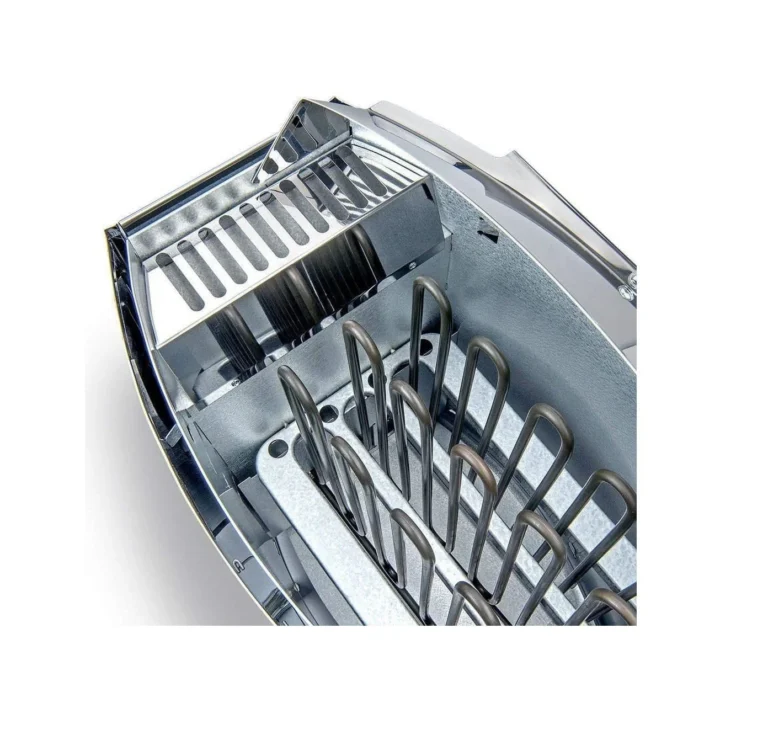
Ensure medical-grade ceramic or carbon emitters for even heat.
Look for low-EMF designs to minimize exposure risks.
Verify independent zoning for targeted therapy.
These features enhance safety and efficacy in full spectrum infrared saunas, allowing tailored sessions for optimal full spectrum infrared therapy benefits. Prioritizing quality emitters ensures consistent penetration across near, mid, and far infrared wavelengths. Low-EMF models protect sensitive users while delivering therapeutic heat.
Different wavelength combinations can be emphasised for different goals. For skin-focused sessions, settings that emphasise NIR with shorter duration at slightly lower temperatures allow deeper light penetration without excessive sweating. For cardiovascular and detoxification goals, FIR settings at longer durations produce the deep sweat and core warming that drive these benefits.
Starting with full spectrum infrared saunas requires hydration and gradual exposure to avoid dehydration from deep sweating. Begin at lower temperatures around 110-120°F for 10-15 minutes, gradually increasing as your body adapts. Pair sessions with post-sauna stretching to maximize mid infrared muscle recovery benefits while monitoring how near infrared affects your skin. Always listen to your body and consult a doctor if you have health concerns.
For best results, schedule sessions 3-4 times weekly, alternating focuses like NIR for skin days and FIR for detox. Incorporate electrolytes post-session to replenish minerals lost in sweat.
Single wavelength (typically far infrared) saunas are more common, more affordable, and well-suited to most users’ needs. Full spectrum saunas cost more but offer greater versatility. If your budget allows, the full spectrum option is generally the better long-term investment.
To compare costs and what to expect at different price points, read our guide on how much a sauna costs to build.
For people with multiple health goals, yes. If your primary goal is cardiovascular health and deep detoxification, far infrared alone is effective and more affordable. Full spectrum adds skin, cellular, and muscle-layer benefits.
Yes, for most healthy adults. The wavelengths involved are non-ionising, meaning they do not carry the DNA-damaging risk of UV radiation. Always follow manufacturer guidance on session duration and temperature.
Traditional saunas use convective and conductive heat, not infrared radiation. They deliver cardiovascular and detoxification benefits but do not provide the photobiomodulation effects of NIR or the targeted tissue effects of MIR.
Look for specifications that list emitter types for near, mid, and far infrared separately, with independent controls. Be cautious of saunas that market themselves as full spectrum but only list one type of emitter.
Full spectrum infrared saunas represent the most complete expression of heat therapy available for home use. Understanding the wavelength spectrum helps you make a purchase that truly aligns with your health priorities. Explore the Shym Saunas range to see our current options and speak with our team for personalised guidance.





Join the Shym list for 3% off selected saunas and hot tubs, plus our sale news.
Not valid on sale items. Unsubscribe any time.
Your 3% code is on its way to your inbox. Can't see it soon? Check your promotions folder.
Keep browsing