


When people start looking at home saunas, price is often the first filter they apply. The gap between a budget-friendly flat-pack sauna and a fully custom-built installation can be tens of thousands of dollars, and understanding what you are actually getting at each price point is essential before making a decision you will live with for years.
What Counts as a Cheap Sauna?
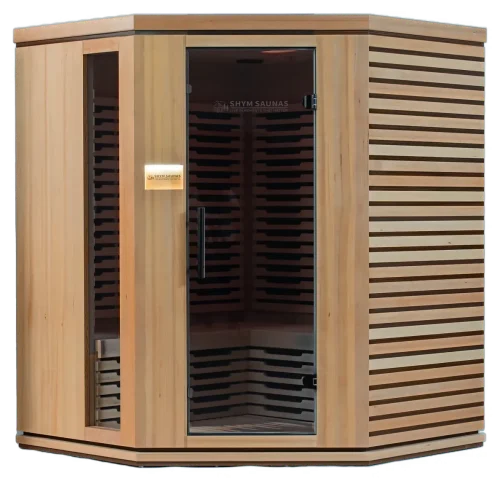
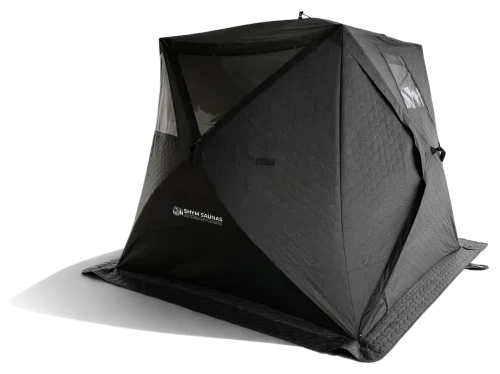
In the Australian market, budget saunas generally fall below $3,000 and often originate from mass-production facilities in Asia. They are typically flat-pack infrared units, often for one to two people, made from lower-grade timber, and designed for indoor installation in a spare room or garage. These units are functional and can deliver genuine sauna benefits, but they come with tradeoffs worth understanding.
What a Custom Sauna Looks Like
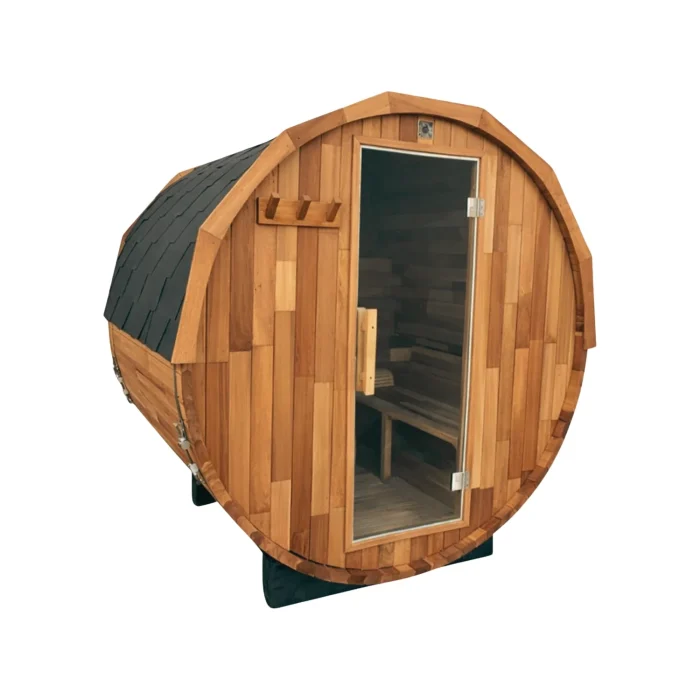
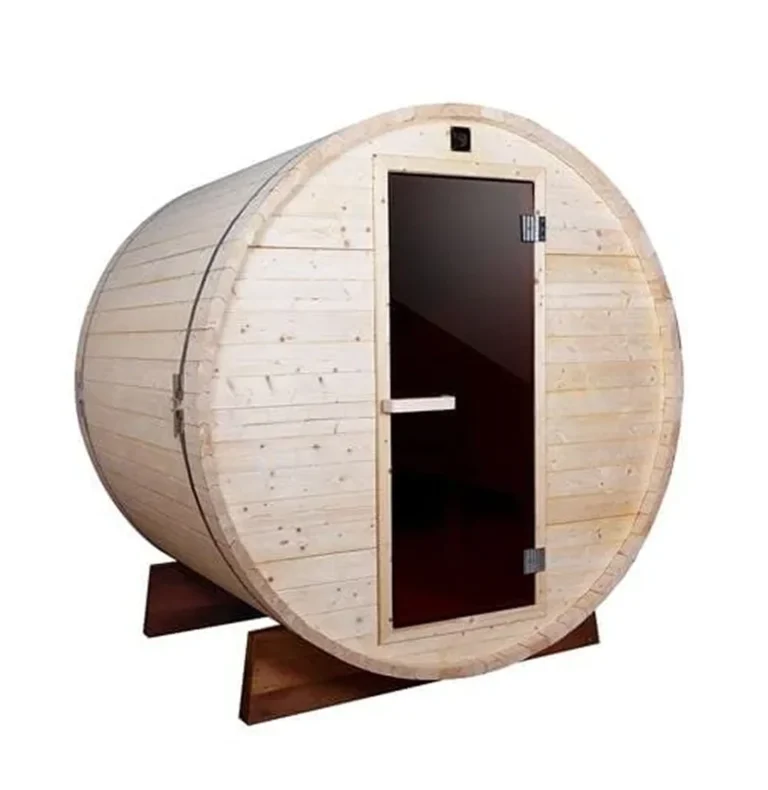
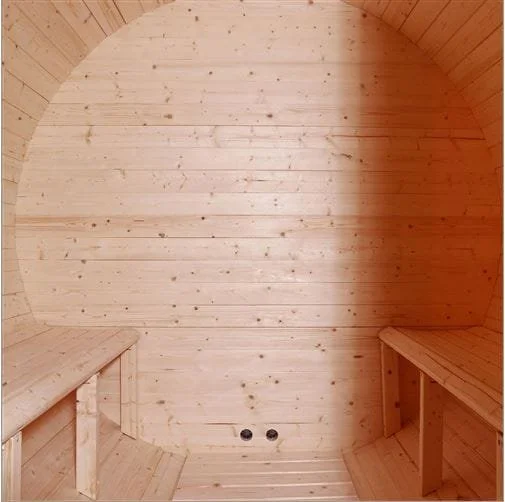
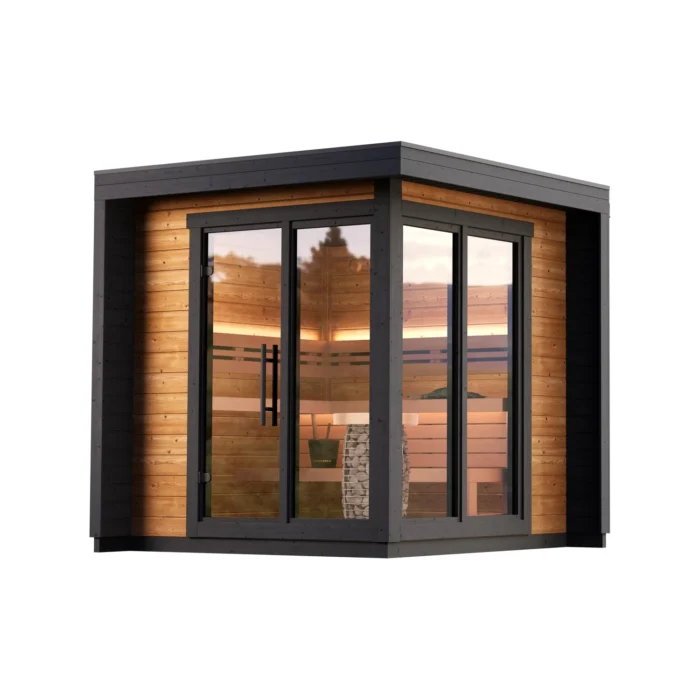
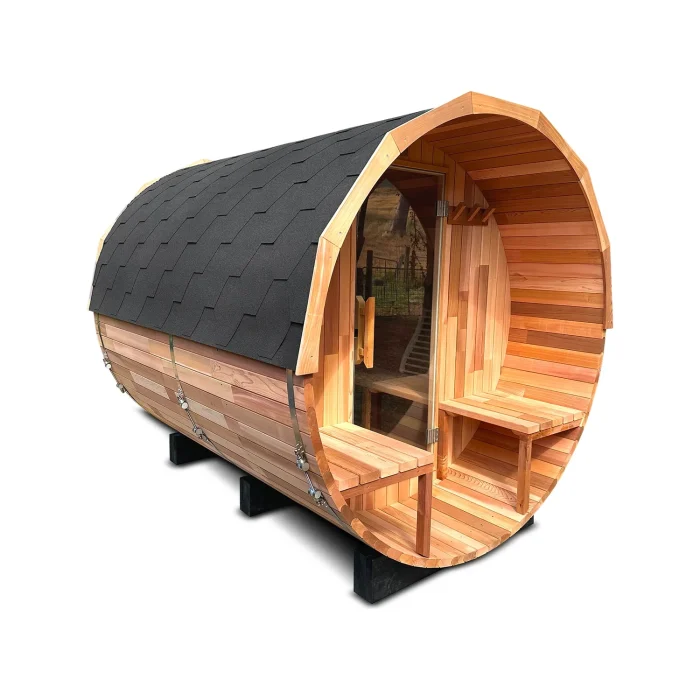
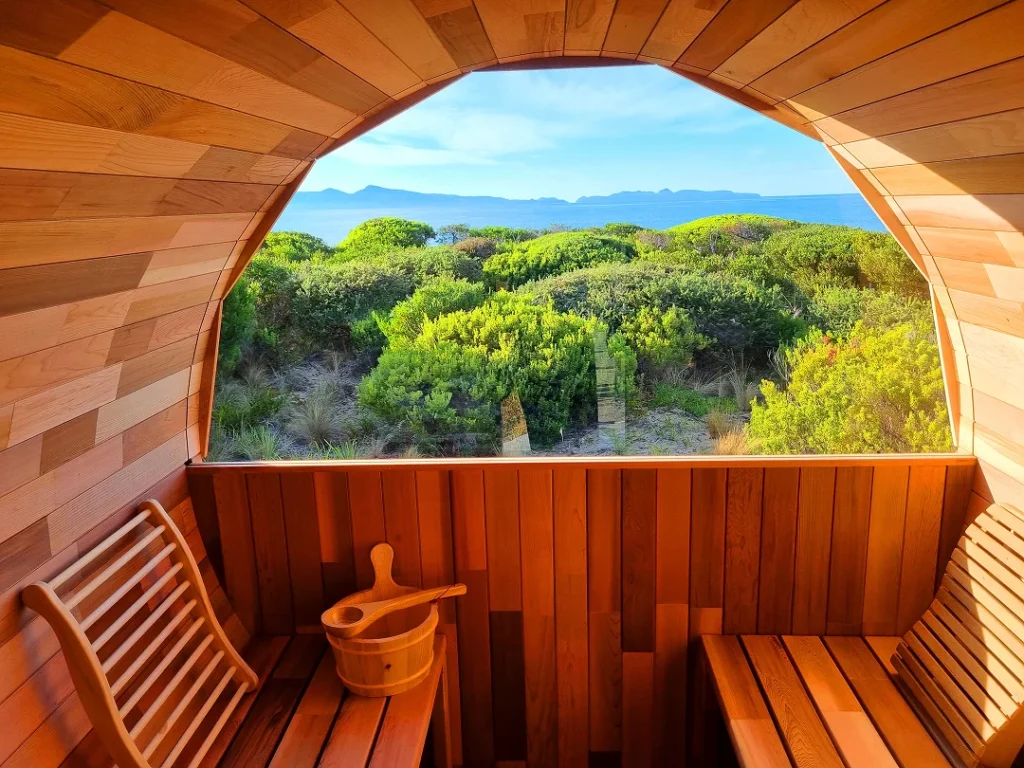
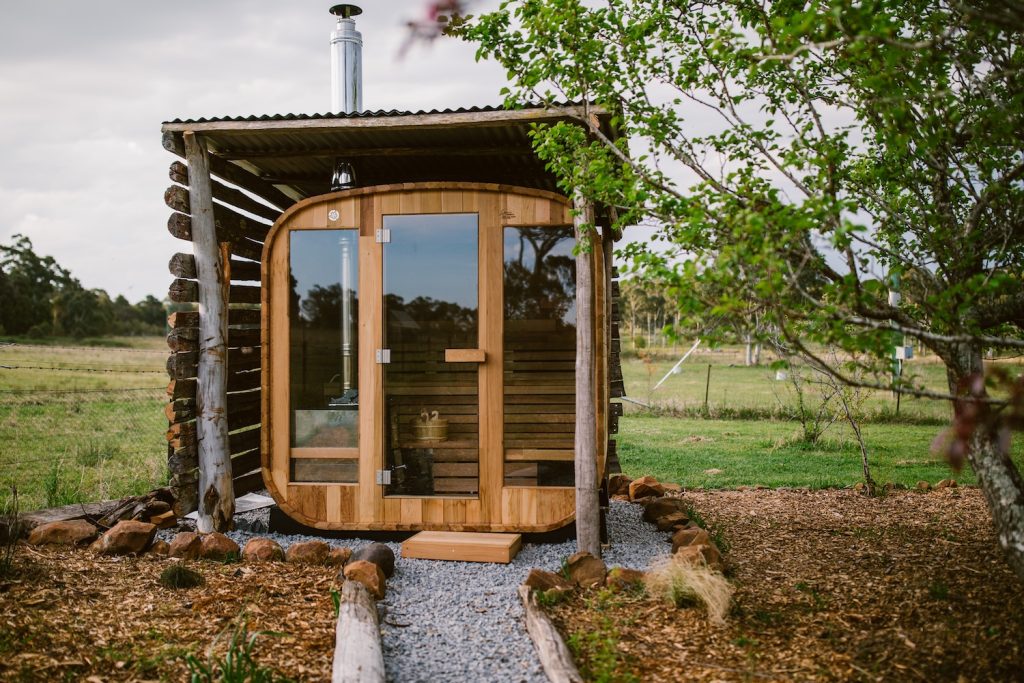
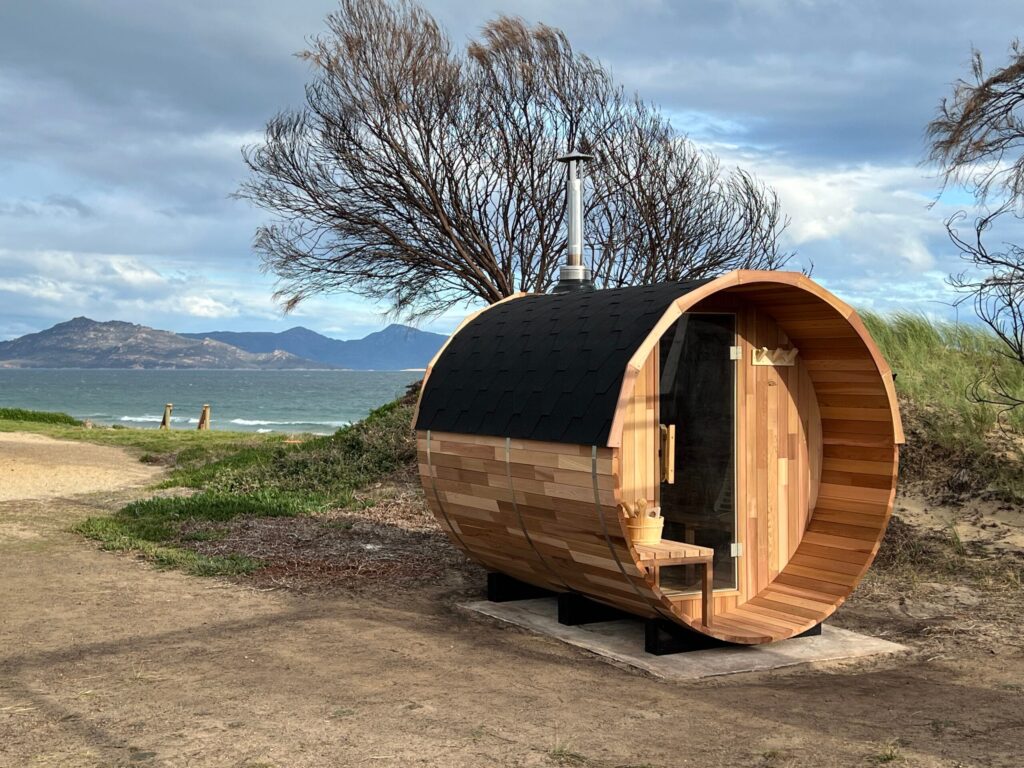
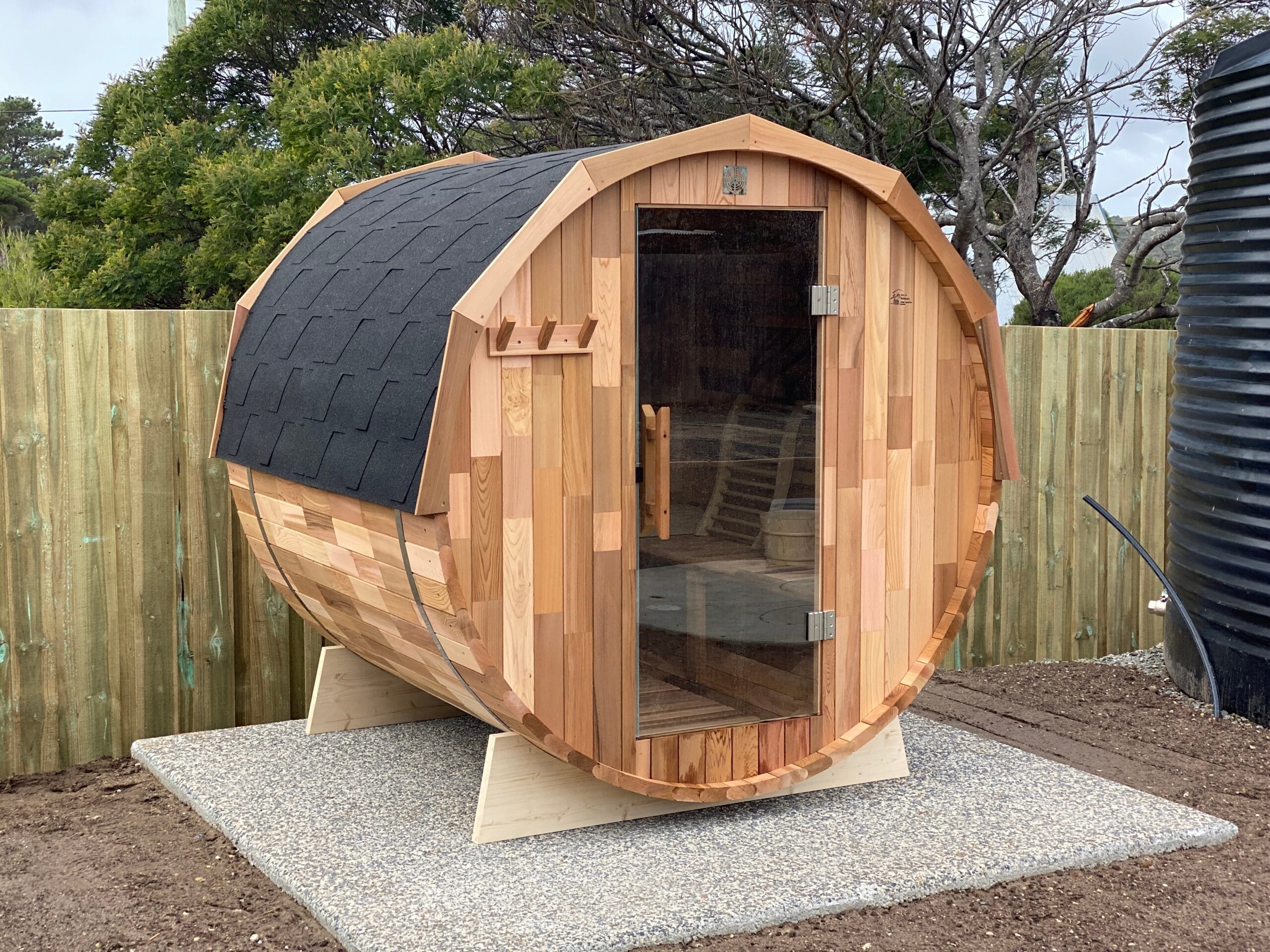
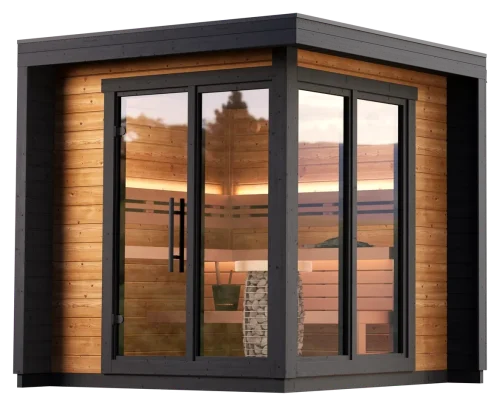
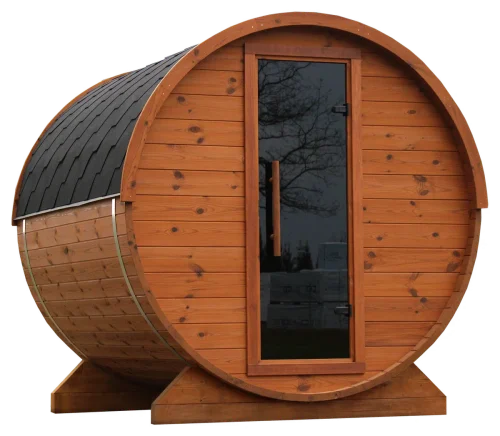
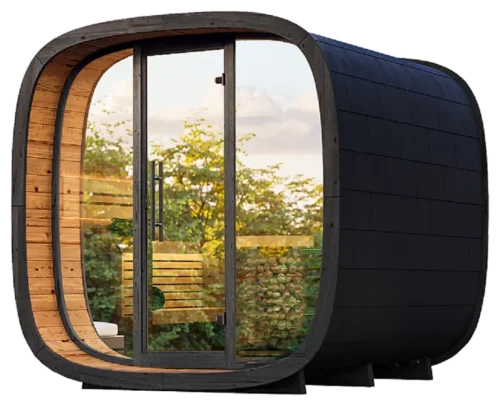
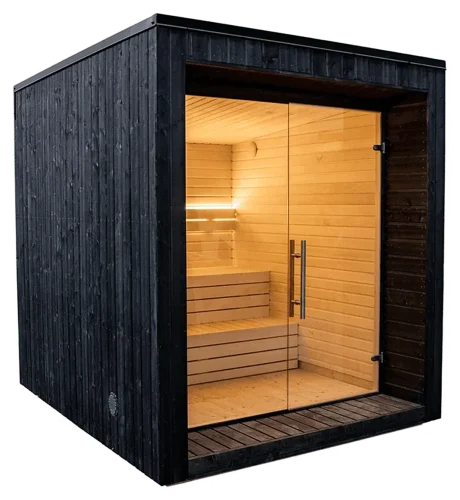
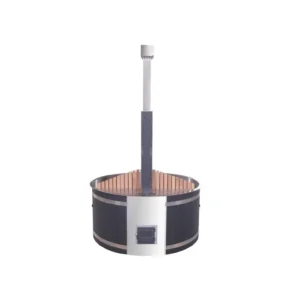
A custom sauna can range from a premium pre-built outdoor model, like the barrel saunas in our range, to a fully bespoke, architect-designed installation built into your home. Costs typically start from $8,000 and can extend well into six figures for high-end residential installations. The custom tier includes professional-grade timber, commercial-quality heaters, better insulation, longer warranties, and the ability to specify size, layout, and features precisely.
Indoor vs Outdoor Sauna Installation Considerations
Choosing between an indoor and outdoor sauna setup has a major impact on cost, performance, and long-term usability. Indoor saunas are generally easier to install and heat more efficiently because they are protected from external weather conditions. However, they require sufficient internal space and proper ventilation planning. In many Australian homes, garages, basements, or spare rooms are repurposed to accommodate indoor units, which can help reduce installation complexity and keep overall build costs lower.
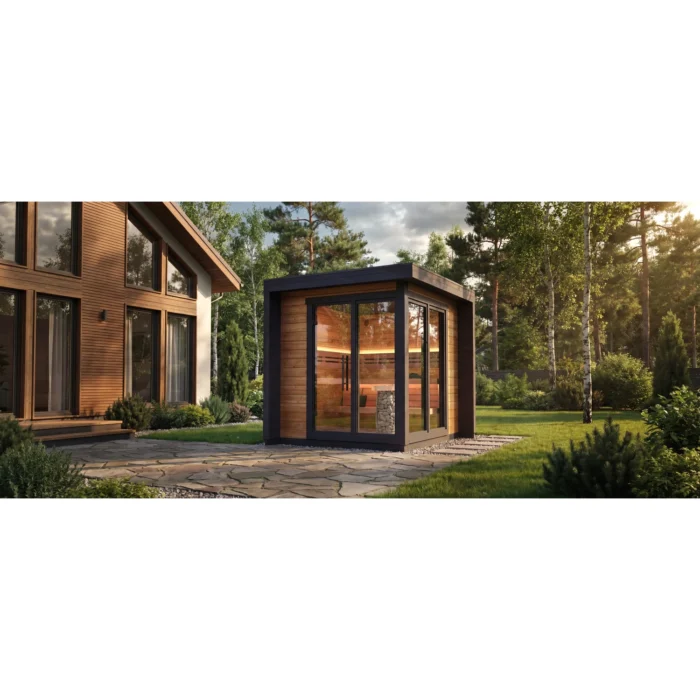
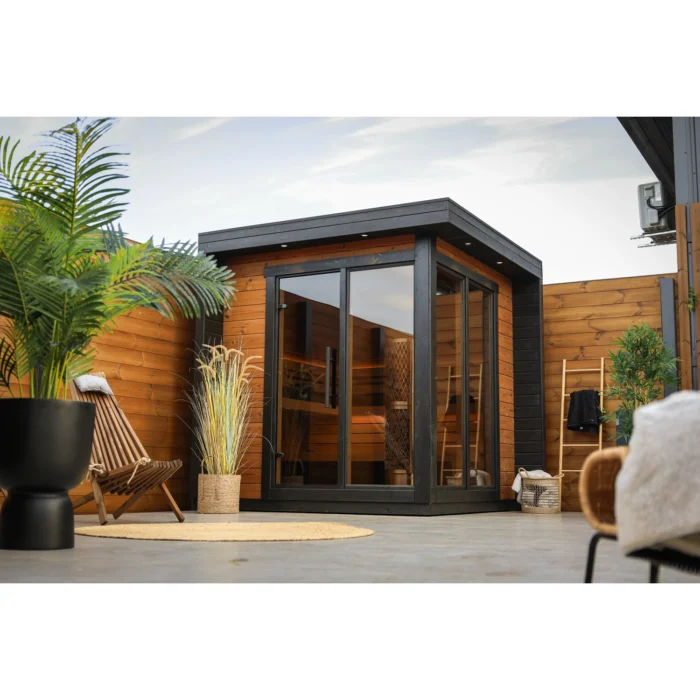
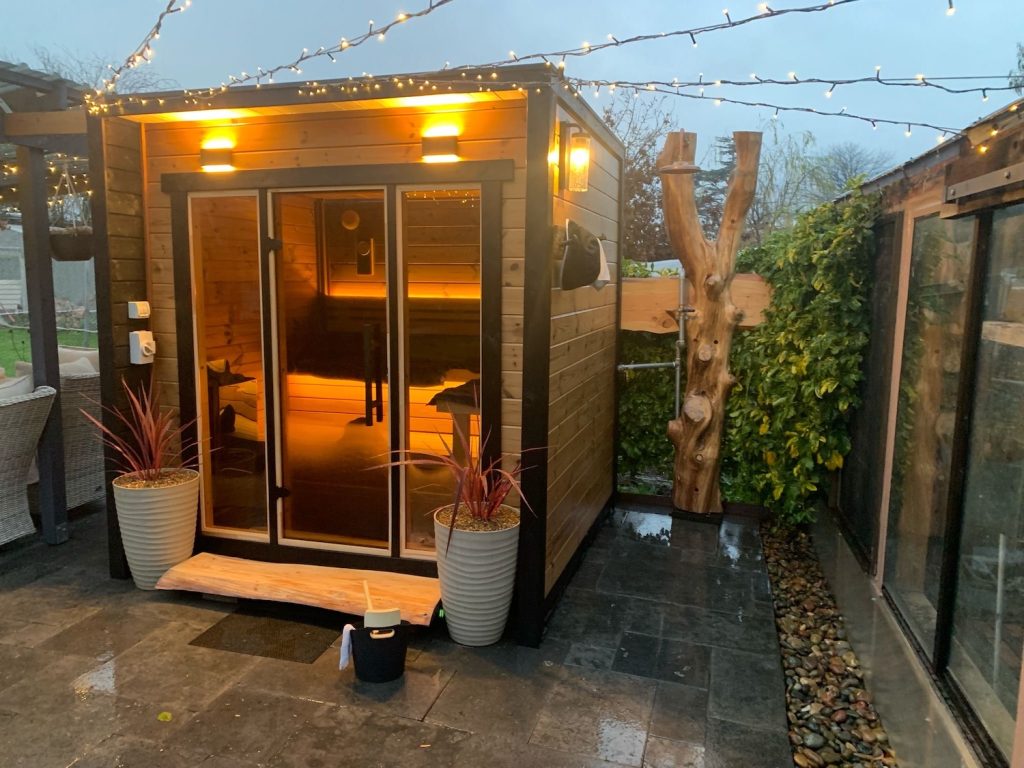
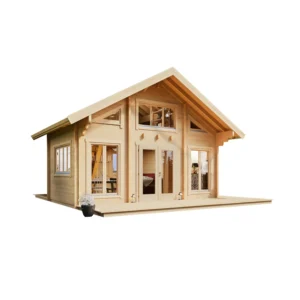
Outdoor saunas, on the other hand, offer a more immersive wellness experience and greater flexibility in size and design, but they demand higher upfront investment in weatherproofing, insulation, and sometimes even groundwork preparation. They also need careful placement to ensure privacy, drainage, and safe electrical routing. Over time, a well-designed outdoor sauna can become a dedicated backyard wellness feature, often paired with cold plunge pools or relaxation decks for a complete spa-style setup.
Comparing the Key Factors
Timber Quality
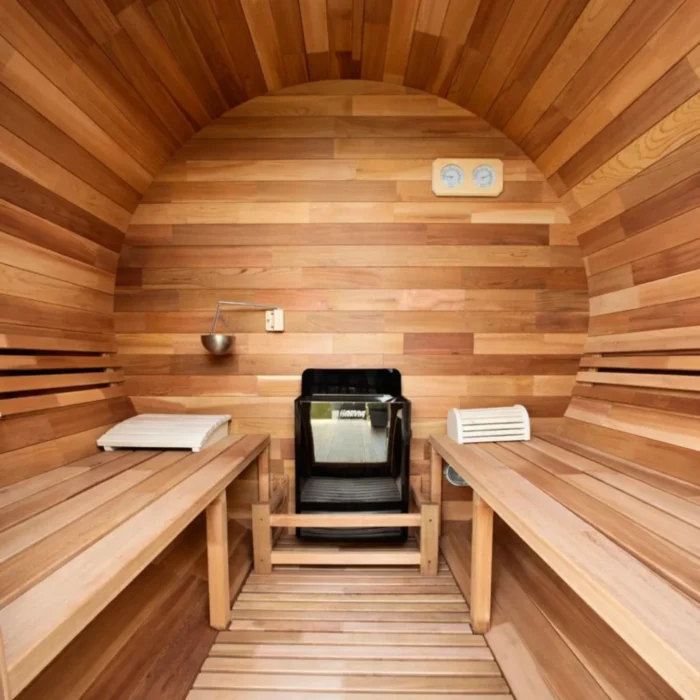
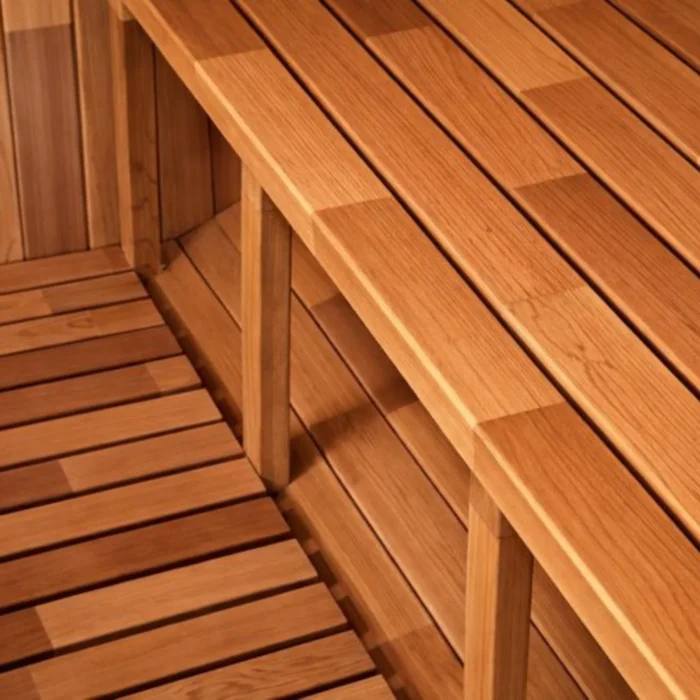
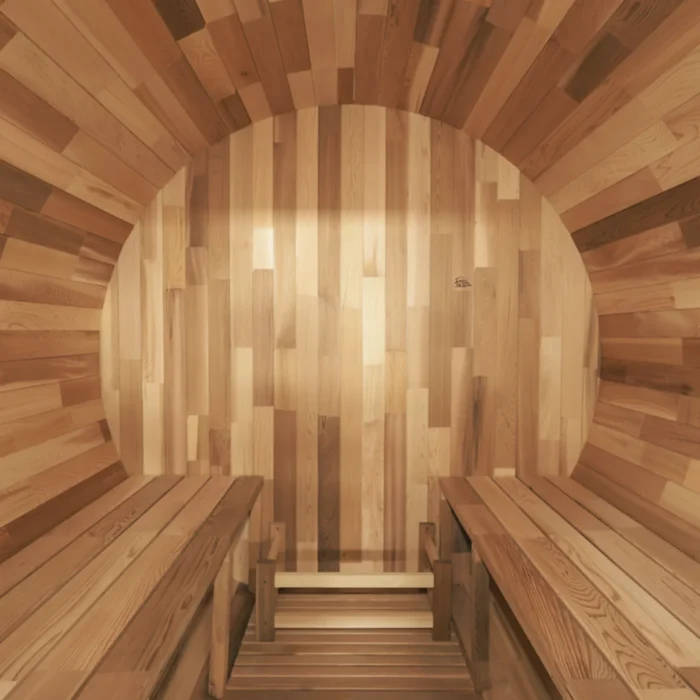
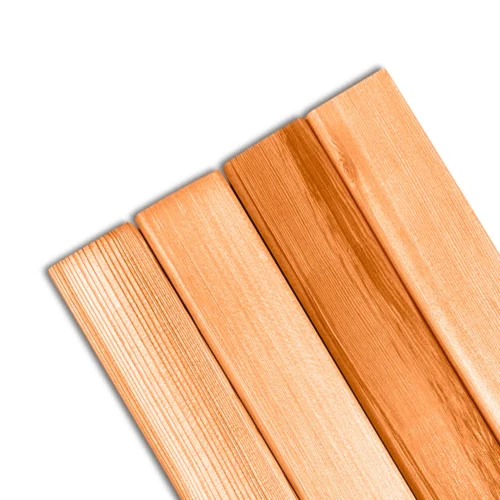
Budget saunas often use Canadian hemlock or untreated poplar, which are functional but less aromatic and less durable than Western Red Cedar or thermowood-treated spruce. Cedar is prized for its natural resistance to moisture, its beautiful aroma, and its durability.
Heater Quality
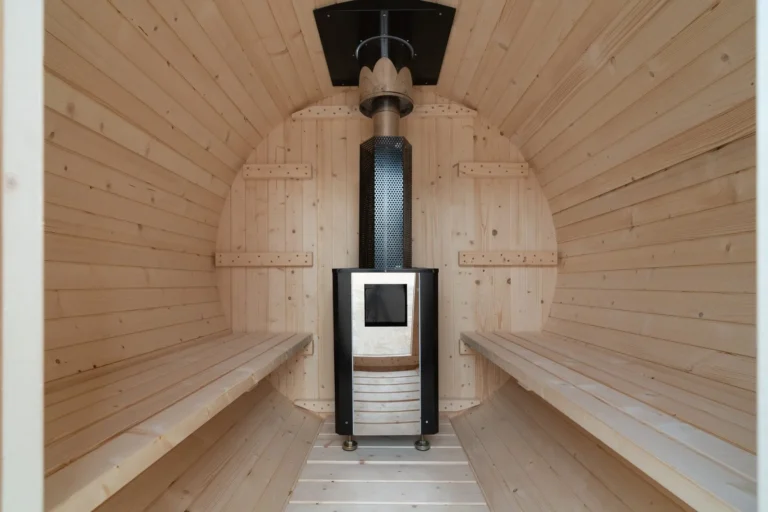
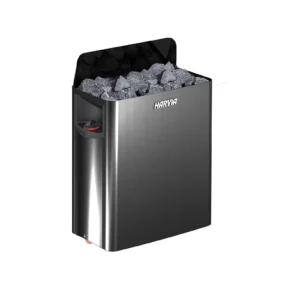
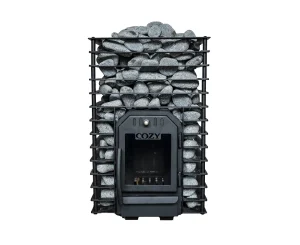
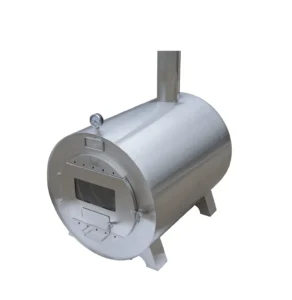
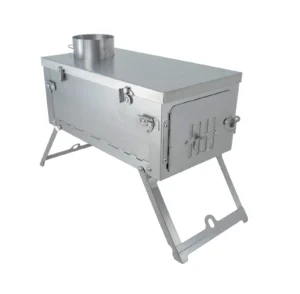
The heater is the heart of the sauna. Budget infrared saunas often use carbon fibre panels, which are adequate but may lack the output consistency of high-quality ceramic or full-spectrum emitters. Traditional sauna heaters at the premium end, such as those from Harvia (available through Shym Saunas), are built for decades of use.
Our sauna heater buying guide covers everything you need to know about choosing the right heater at any budget.
Insulation and Heat Retention
A well-insulated sauna reaches temperature faster, maintains it more consistently, and uses less energy to run. Budget units often compromise on insulation thickness, which means longer heat-up times and higher running costs over the life of the unit.
Size and Capacity
Budget saunas are typically one to two person units. Custom saunas can be built to any size, from intimate two-person retreats to social eight-person spaces with separate dressing rooms and cold plunge areas.
Electric vs Infrared Sauna Technology Differences
- Infrared saunas use radiant heat panels that warm the body directly rather than heating the air, making them more energy-efficient for shorter sessions.
- Traditional electric (Finnish-style) saunas heat the air to high temperatures, creating a more intense and authentic sauna experience.
- Infrared models are typically easier to install, while electric saunas often require higher power supply and professional installation.
Understanding the difference between electric and infrared sauna technology helps buyers choose based on lifestyle, health goals, and installation constraints. Electric saunas are preferred for traditional heat therapy, where high temperatures and steam (when water is added to stones) create a classic sauna environment. Infrared saunas, by contrast, are often chosen for daily wellness routines due to their lower operating temperatures and quicker warm-up times.
Energy Efficiency and Running Costs of Home Saunas
Energy consumption is an important factor often overlooked when comparing sauna options. A well-insulated sauna with a high-quality heater will reach operating temperature faster and retain heat longer, reducing electricity usage over time. This becomes especially important for users who plan to use their sauna several times per week, where small efficiency gains add up significantly over months and years.
Infrared units generally consume less power per session, but traditional saunas can still be highly efficient when properly built and used consistently. Over the long term, insulation quality and heater efficiency have a greater impact on running costs than the initial purchase price. Choosing the right balance between performance and energy use ensures the sauna remains affordable to operate without compromising the experience.
Long-Term Value: The Maths
A $2,500 budget sauna that needs replacing in five to seven years costs $350 to $500 per year. A $9,000 quality sauna that lasts twenty or more years costs $450 per year, about the same, but with a dramatically superior experience every single session.
Additionally, a quality sauna adds genuine property value. For a deeper look at return on investment, read our article on how a sauna can add value to your property.
Health Benefits and Regular Sauna Use Over Time
- Improved cardiovascular circulation through regular heat exposure
- Enhanced muscle recovery and reduced post-exercise soreness
- Support for stress reduction and improved sleep quality
- Potential benefits for skin health through sweating and detoxification processes
Consistent sauna use over time is where most of the wellness benefits become noticeable. While individual sessions provide relaxation, long-term use contributes to measurable improvements in recovery, stress management, and overall wellbeing, making sauna ownership a lifestyle investment rather than just a luxury feature. Many users also find that establishing a regular sauna routine helps build healthier habits around rest and recovery.
The Middle Ground: Quality Pre-Built Saunas
For most buyers, the sweet spot lies between the cheapest and most expensive options. Quality pre-built saunas from European manufacturers, like the range available at Shym Saunas, offer premium timber, professional-grade heaters, and authentic designs at prices between $4,000 and $12,000. Explore our top-selling models and current pricing at the Shym Saunas shop.
Common Mistakes to Avoid When Buying a Home Sauna
One of the most common mistakes buyers make is focusing only on upfront cost without considering installation requirements, heater quality, and long-term durability. This often leads to unexpected upgrade costs or dissatisfaction with performance, especially when the unit does not meet household usage expectations. It is also easy to underestimate how important proper ventilation and electrical setup are for safe, long-term operation.
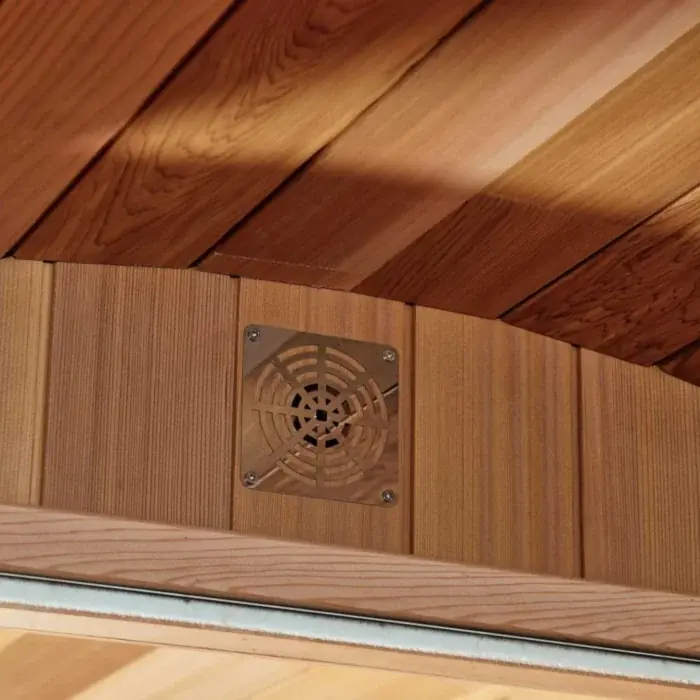
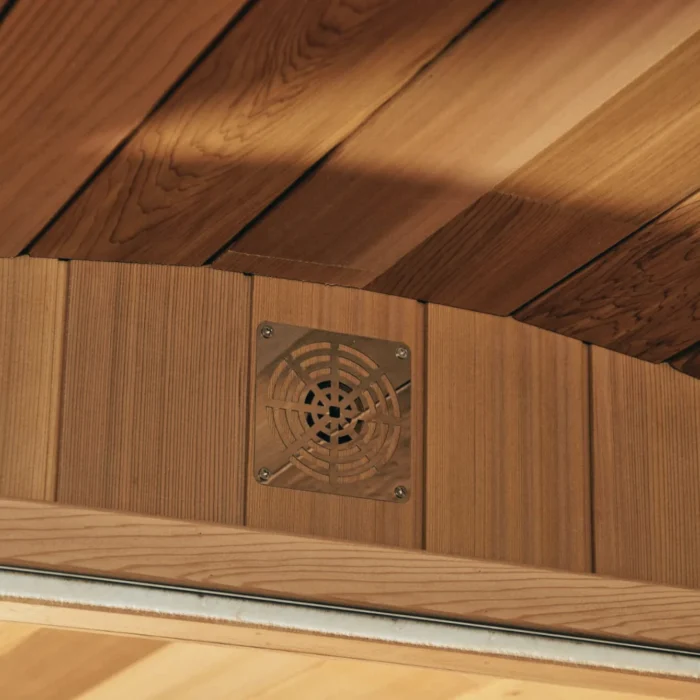
Another frequent issue is underestimating the importance of ventilation, especially in indoor setups, which can lead to moisture problems over time. Buyers also often choose undersized units that do not comfortably fit their household needs, reducing long-term usability and satisfaction. Planning for actual usage patterns - rather than just available space - ensures the sauna remains practical and enjoyable for years to come.
Frequently Asked Questions
Are cheap saunas dangerous?
Not inherently, but lower-quality electrical components and heaters warrant more careful attention to safety standards. Always check that any sauna unit purchased in Australia meets relevant Australian electrical standards.
Can I upgrade a cheap sauna?
Some components, such as the heater and accessories, can be upgraded. However, the timber structure and basic cabinet design are fixed, which limits how much the overall experience can be improved.
Is a barrel sauna a custom sauna?
Barrel saunas occupy a middle ground. They are pre-designed but made from high-quality timber and can be ordered with a range of heater and configuration options. They offer much of the quality of a custom build at significantly lower cost.
What is the minimum I should spend to get a quality home sauna?
In the current Australian market, budgeting $5,000 to $7,000 gives you access to genuinely high-quality materials, a reliable heater, and a sauna that will serve you well for many years.
Final Thoughts
The cheapest sauna is not always the best value, and the most expensive is not always necessary. Understanding what you are getting at each price point allows you to make a decision that balances your budget with your expectations. Browse the Shym Saunas range for honest, transparent pricing and quality you can see.