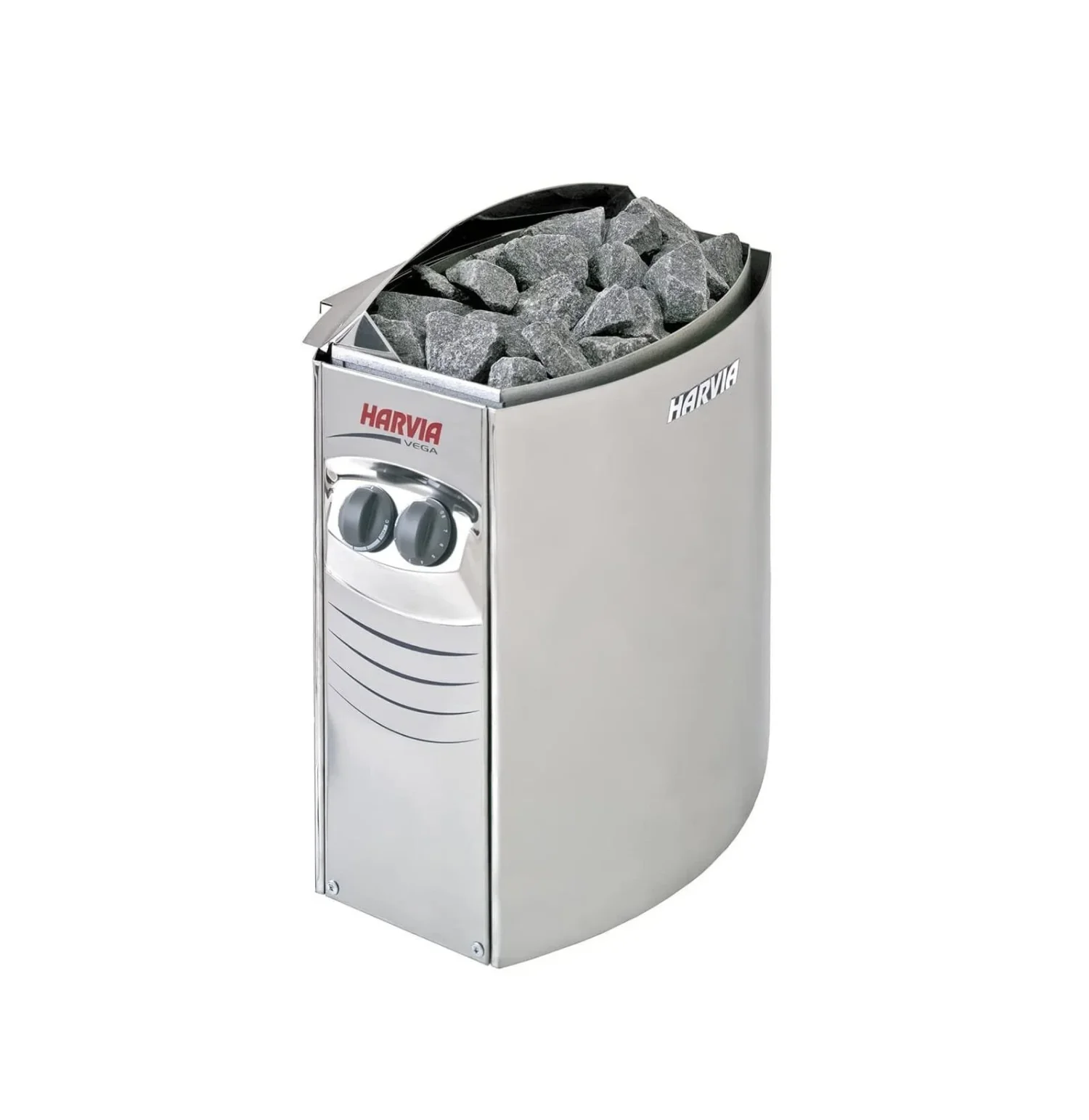

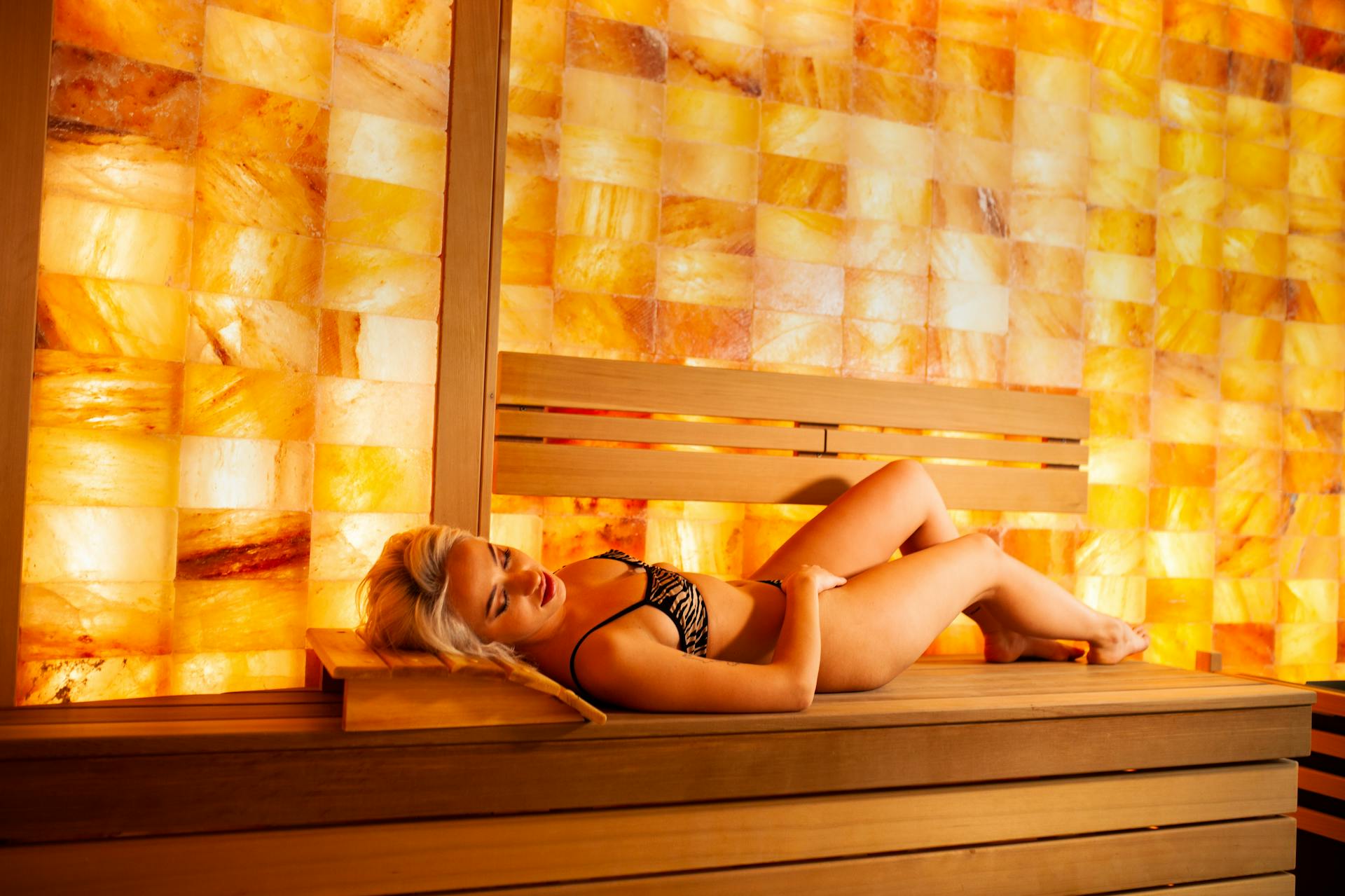
A red light sauna is an infrared sauna cabin that incorporates red light therapy panels alongside — or integrated into — the standard infrared heating elements. The result is a single session that delivers two distinct therapeutic technologies: the deep heat of infrared for sweating, circulation, and recovery, and the targeted wavelength stimulation of red light for cellular repair, skin health, and mood support.
Red light refers to a specific band of the visible light spectrum — typically wavelengths between 630 and 700 nanometres — which clinical research has shown can penetrate the skin and stimulate beneficial biological processes at the cellular level. Many systems also incorporate near-infrared light (700–1100nm), which penetrates even deeper into tissue.
In Australia, red light sauna setups are found in wellness studios, recovery centres, and increasingly in well-equipped home saunas. As Australians become more sophisticated in their approach to wellness technology, this category has grown rapidly — and for good reason.
Infrared sauna therapy uses infrared light wavelengths — near, mid, and far — to heat the body directly rather than heating the surrounding air. Unlike traditional Finnish saunas that run at 80–100°C, infrared saunas operate at a gentler 45–65°C while penetrating 3–5 centimetres beneath the skin’s surface to generate a deep, therapeutic heat from within.
Each infrared band delivers distinct benefits:
Premium saunas now combine all three bands — full-spectrum infrared sauna therapy — for a comprehensive, layered experience in a single session.
Red light therapy works through a process called photobiomodulation — the use of specific light wavelengths to stimulate biological responses in the body’s cells. When red and near-infrared light penetrate the skin, they are absorbed by the mitochondria — the energy-producing structures within each cell. This triggers an increase in adenosine triphosphate (ATP) production, the cellular fuel that powers virtually every biological process in the body.
In practical terms, cells that absorb red light become more energised, more efficient, and better able to repair themselves. Unlike infrared heat, which works through thermal effects, red light therapy operates at a cellular signalling level — which is precisely why the two technologies complement each other so powerfully when combined.
This is arguably the most extensively studied benefit of red light therapy, and the evidence is strong. Red light at 630–670nm stimulates fibroblast activity — the cells responsible for producing collagen and elastin, the structural proteins that give skin its firmness and elasticity.
Regular sessions are associated with reduced fine lines and wrinkles, improved skin tone and texture, faster healing of blemishes, and reduced redness from inflammatory conditions such as rosacea. When combined with the deep pore-cleansing sweat of an infrared sauna, the skin benefits are amplified further.
For Australians who live in a UV-rich environment and experience accelerated skin ageing, red light sauna therapy offers a meaningful, evidence-backed tool for skin maintenance and rejuvenation.
Red light therapy reduces inflammation and accelerates tissue repair at the cellular level — making it a powerful addition to any post-exercise recovery routine. Athletes report reduced muscle soreness, faster return to training, and improved management of chronic pain conditions including joint pain and tendinopathy.
Paired with the increased blood flow and metabolic waste clearance of infrared heat, the red light sauna is one of the most comprehensive recovery tools available in a single session.
Red and near-infrared light exposure has been linked to increased serotonin production, and improvements in symptoms of seasonal affective disorder, general low mood, and fatigue. Combined with the cortisol-lowering and endorphin-releasing effects of sauna heat, a red light sauna session can deliver a notable and lasting mood lift — often reported as one of the most immediate benefits users experience.
By stimulating mitochondrial ATP production, red light therapy gives cells more energy to work with, improving efficiency across a wide range of functions. This has downstream effects on metabolism, immune function, and the body’s capacity for repair and regeneration. Consistent use over time may also support thyroid function and overall hormonal balance.
Exposure to red light — particularly in the evening — supports the body’s natural melatonin production. Unlike blue light from screens and artificial lighting, red light does not suppress melatonin and may actively encourage its release, supporting deeper and more restorative sleep. For Australians who use a sauna in the evening as part of a wind-down routine, red light makes that session even more effective as sleep preparation.
One of the most common points of confusion in the wellness space. Here’s a clear breakdown:
| Feature | Red Light Therapy | Infrared Sauna Therapy |
|---|---|---|
| Wavelength | 630–700nm (visible red) + near-infrared | 700nm–1mm (infrared spectrum) |
| Primary mechanism | Photobiomodulation (cellular signalling) | Thermal heating of body tissue |
| Heat produced | Minimal — not a heat therapy | Significant — raises core temperature |
| Sweating | No | Yes — deep therapeutic sweat |
| Skin penetration | Surface to ~10mm | 3–5cm below skin |
| Best for | Skin, mood, cellular repair, sleep | Recovery, detox, cardiovascular, circulation |
| Session experience | Comfortable, relatively cool | Hot, intense, immersive |
The simplest summary: red light therapy is a cellular tool; infrared sauna therapy is a thermal tool. Both are scientifically supported, both serve distinct purposes, and in combination they cover virtually every dimension of physical and mental wellness that light and heat can influence.
Combining infrared sauna therapy with red light therapy represents the most comprehensive single-session wellness protocol currently available in home and studio environments. Each technology addresses different biological systems, and together they create a synergistic outcome greater than either produces independently.
Minutes 0–15 — Red light phase: Red light panels run at full output while the body temperature is still rising gently. Red light is absorbed efficiently by the skin and shallow tissue, stimulating cellular repair, collagen production, and mitochondrial energy at the optimal pre-sweat window.
Minutes 15–35 — Infrared heat phase: Core body temperature elevates, sweating becomes active and deep, circulation peaks, and the body enters full recovery and detoxification mode.
Minutes 35–45 (optional) — Cool-down phase: A final red light exposure supports endorphin retention and melatonin preparation if the session is in the evening.
This sequenced approach maximises the distinct benefits of each modality, delivering skin health, cellular energy, muscle recovery, cardiovascular conditioning, detoxification, and mental wellbeing — simultaneously, in one sitting.
Many modern infrared saunas include chromotherapy (colour therapy) lighting systems as a complementary feature. Colour therapy is based on the principle that different wavelengths of visible light can influence mood, energy, and physiological responses. While the evidence base is less robust than for red or infrared light, it is a widely used supportive wellness tool and a popular feature in premium home saunas.
Here is a practical sauna colour therapy chart:
| Colour | Wavelength | Associated Effects | Best Used For |
|---|---|---|---|
| Red | 620–750nm | Energy, stimulation, circulation | Active recovery, energising sessions. The most clinically supported colour — overlaps with therapeutic red light |
| Orange | 590–620nm | Creativity, emotional balance, enthusiasm | Mood lift, social sessions, emotional flatness |
| Yellow | 570–590nm | Mental clarity, focus, confidence | Morning saunas, mentally activating sessions |
| Green | 495–570nm | Balance, calm, restoration | General wellness, beginners, neutral sessions |
| Blue | 450–495nm | Calm, cooling, anti-anxiety | Relaxation focus — note: may suppress melatonin in evening use |
| Indigo | 420–450nm | Deep calm, pain relief, meditative states | Longer sessions, headache support, deep relaxation |
| Violet | 380–420nm | Spiritual calm, stress release, neurological soothing | Mental unwinding, stress-heavy sessions |
| White | Full spectrum | Balanced, neutral | When you want sauna benefits without specific colour influence |
Most chromotherapy systems cycle through colours automatically or allow manual selection — a useful feature for tailoring each session to your mood, energy level, or specific wellness goal.
Not all systems are created equal. When evaluating saunas with red light therapy, here is what separates genuine therapeutic benefit from cosmetic LED lighting:
Wavelength specificity: Genuine red light therapy panels emit at 630–670nm (red) and/or 810–850nm (near-infrared). Avoid systems that describe decorative LED lighting as “red light therapy” without specifying clinical wavelengths.
Irradiance (power output): Therapeutic red light requires sufficient power density, measured in mW/cm². Consumer-grade panels vary significantly in output — ask suppliers for irradiance specifications before purchasing.
Panel placement: Red light panels should face the body at torso height for maximum skin and tissue exposure. Side-panel positioning is less effective.
Independent control: The best saunas have both systems independently controllable, allowing you to use red light alone, infrared alone, or both simultaneously and in sequence.
Red light and infrared sauna therapy is available at a growing number of wellness studios, recovery centres, day spas, and naturopathic clinics across Australian cities. When searching for options near you, look for venues that offer:
Major cities — Sydney, Melbourne, Brisbane, Perth, Adelaide, and Canberra — all have reputable infrared sauna therapy providers. Demand is high; booking ahead is strongly recommended for private sessions.
For Australians who want consistent, convenient access to the combined benefits of red light and infrared therapy, a home setup is the most practical long-term solution. At Shym Saunas, we supply premium infrared sauna cabins with delivery across Australia and New Zealand.
A quality home infrared sauna — paired with a standalone red light therapy panel used inside the cabin — gives you daily access to both therapeutic technologies at a cost that pays for itself quickly compared to ongoing studio session fees. You control the temperature, the duration, the timing, and the combination — making it genuinely possible to build a consistent routine that delivers compounding health results over months and years.
Explore our home sauna range →
A red light sauna is an infrared sauna cabin fitted with red light therapy panels emitting light at 630–700nm (red) and often near-infrared wavelengths. The combination delivers the deep thermal benefits of an infrared sauna — sweating, circulation, and recovery — alongside the cellular-level benefits of red light photobiomodulation, including skin rejuvenation, reduced inflammation, and mood support.
Key benefits include improved skin health and collagen production, accelerated muscle recovery and pain relief, enhanced mood and serotonin levels, better sleep quality through melatonin support, increased cellular energy via mitochondrial ATP stimulation, and reduced inflammation. Used consistently, these benefits compound meaningfully over time.
Red light therapy uses visible red wavelengths (630–700nm) to stimulate cellular processes through photobiomodulation — it produces minimal heat and does not cause sweating. Infrared sauna therapy uses longer infrared wavelengths to heat body tissue directly, raise core temperature, and produce a deep therapeutic sweat. They work through entirely different mechanisms and deliver complementary benefits.
Full-spectrum infrared sauna therapy combines near, mid, and far infrared wavelength bands in a single session. Near infrared supports cellular repair and collagen production; mid infrared improves circulation and reduces inflammation; far infrared drives the deepest therapeutic sweat, detoxification, and muscle relaxation.
Yes — and combining them is considered one of the most effective wellness protocols available. Apply red light in the first 10–20 minutes while the skin is clean and the body is warming up, then allow infrared heat to dominate the recovery and detoxification phase for the remaining 20–30 minutes. Many premium saunas now have integrated red light panels for exactly this purpose.
A sauna colour therapy chart maps specific visible light wavelengths to their associated physiological and psychological effects — from red (energy, circulation) through to violet (neurological soothing, stress relief). Most modern infrared saunas include chromotherapy lighting systems that let users select their preferred colour for each session.
Three to five sessions per week is the most commonly recommended frequency for meaningful, cumulative results. Skin and cellular benefits typically become noticeable after several weeks of consistent use; mood and sleep improvements are often reported after just a few sessions. Daily use is safe for most healthy adults.
Look for genuine therapeutic wavelengths (630–670nm for red; 810–850nm for near-infrared), sufficient irradiance or power output, front-facing panels positioned at torso height, and independent control of the red light and infrared heating systems. Avoid saunas that use the term “red light therapy” for decorative LED lighting without specifying clinical wavelengths.
Red light therapy is generally safe for all skin types and tones — it emits no UV radiation and does not cause tanning, burning, or photosensitivity. Avoid direct eye exposure to red light panels. Infrared sauna therapy is safe for most healthy adults; those with cardiovascular conditions, pregnancy, or heat sensitivity should consult their GP first. The lower ambient temperature of infrared saunas (45–65°C vs 80–100°C for traditional saunas) makes them more accessible than conventional heat environments.
Infrared sauna therapy is available across Sydney, Melbourne, Brisbane, Perth, Adelaide, and Canberra at dedicated wellness studios, recovery centres, and day spas. For consistent, daily access at a lower long-term cost than studio sessions, a home infrared sauna from Shym Saunas — delivered nationwide across Australia and New Zealand — is the most practical and effective long-term solution.