

Warmth, Ritual and Real Connection
In a world that’s always on, moments of quiet are rare. Slipping into a cocoon of heat—whether it’s the enveloping mist of a steam room or the dry glow of a sauna room—offers more than physical recovery. It’s a ritual that invites you to unplug, breathe and share meaningful time with family or friends.
Artem and Elena, the couple behind Shym Saunas & Spas, built their first sauna in Australia because they missed the warmth and connection of their native sessions. Their mission is simple: create handcrafted spaces where warmth fosters smiles, connection and wellness.
This guide explores the differences between a steam room and a sauna room, examines their benefits and precautions, and helps you choose the best heat ritual for your home. Along the way, it weaves in products from Shym’s catalogue as examples of how you can bring quiet luxury into your own backyard.
Key Takeaways
- Different heat, different feels. Saunas rely on dry, intense heat, usually ranging from 65–90°C with humidity around 5–30 %. Steam rooms use lower temperatures (around 43–49°C) but nearly 100 % humidity. That difference shapes how you sweat, breathe and recover.
- Choose based on your goals. Dry saunas excel at boosting circulation and muscle recovery, while steam rooms shine for respiratory support and skin hydration. Your wellness goals will guide which ritual feels better.
- Stay safe and listen to your body. Hydration, session length and pre‑existing health conditions matter. Pregnant people or those with medical issues should consult a professional.
- Bring the experience home. Modern modular saunas and steam rooms fit into urban spaces. Examples include Shym’s Patio XS for compact backyards or the Serenity Round Cube Relax for large gatherings. Choose durable thermowood or Nordic spruce to create a quiet‑luxury sanctuary.
Understanding Steam Rooms and Sauna Rooms
Heat and Humidity: Dry Versus Wet
At their core, both saunas and steam rooms are about controlled heat. The difference lies in how that heat is delivered.
Traditional Finnish saunas heat air to high temperatures (often 150–195 °F / 65–90 °C) while keeping humidity low (5–30%). You’ll feel an intense, dry warmth that encourages deep sweating and leaves sweat free to evaporate.
Steam rooms operate at much lower temperatures—around 110–120 °F / 43–49 °C—but with humidity near 100 %. The moist heat feels softer but denser; sweat drips rather than evaporates, and breathing the humid air can ease congestion.
Construction and Materials
Saunas are typically lined with heat‑tolerant woods like Nordic spruce, cedar or thermowood. These timbers remain comfortable to touch even at high temperatures and create a natural scent reminiscent of Finnish traditions. Many modern saunas feature plug‑and‑play designs with double or triple‑layer insulation, such as Shym’s Eclipse M Euro—a thermally efficient cabin with infrared or electric heaters.
Steam rooms, by contrast, are built with non‑porous materials such as tile, glass or acrylic to withstand constant moisture and prevent mould growth. Their sealed construction holds vapor and integrates a steam generator.
Heat Source and Mechanisms
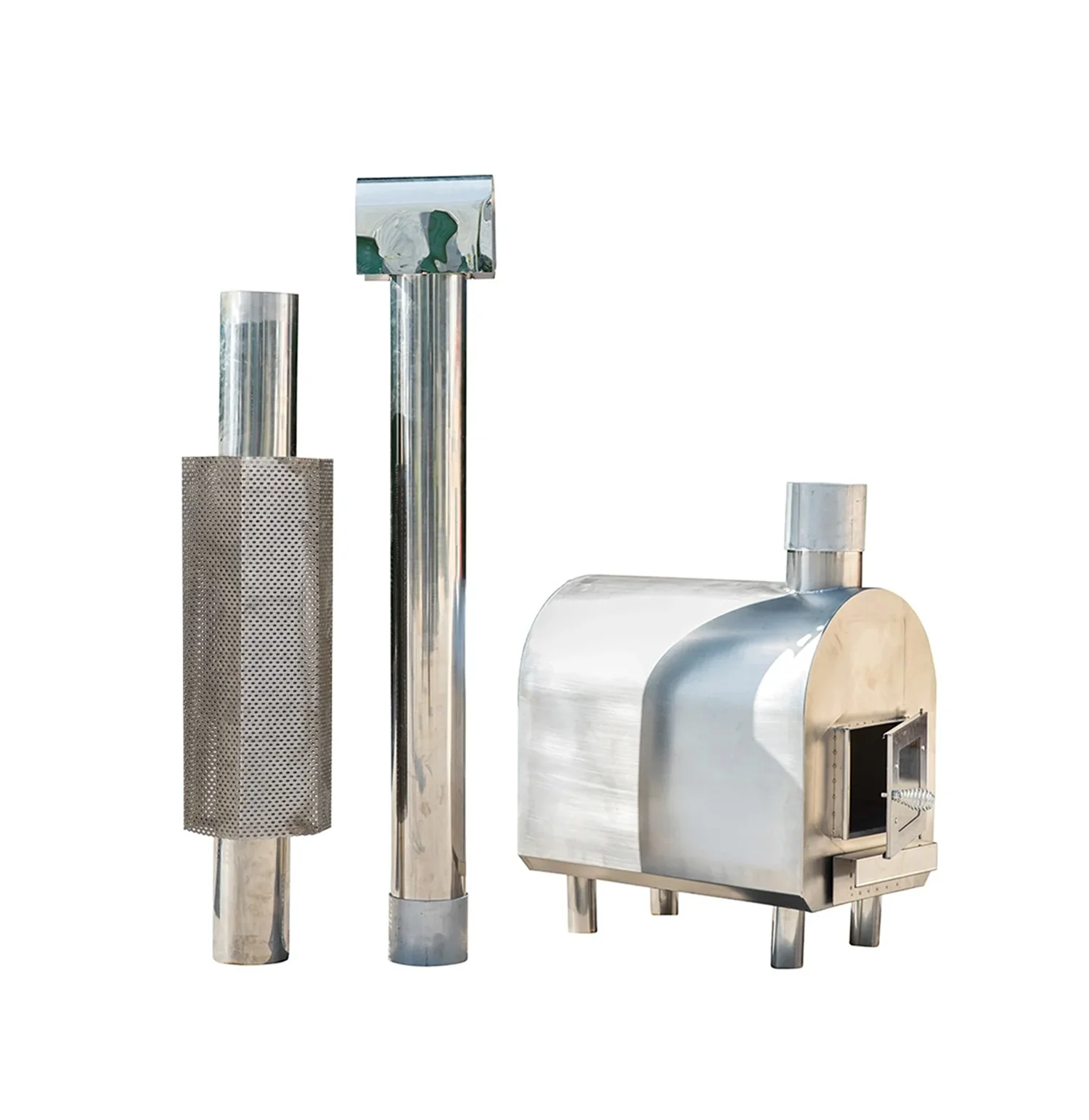
Traditional saunas use electric heaters, wood‑burning stoves or modern infrared panels. Pouring water over heated stones (löyly) briefly raises humidity and intensifies heat. Infrared saunas heat the body directly with light waves, allowing lower air temperatures.
Steam rooms rely on a steam generator that boils water and pumps vapor into the sealed room. Because steam is the medium, heat distribution is even and constant.
Also Read: Hot Tub vs. Sauna: Or Should You Choose Both?
Health Benefits: Dry Warmth Versus Moist Embrace

Physical and Cardiovascular Benefits
Sauna sessions dilate blood vessels and accelerate circulation, mimicking the cardiovascular response of moderate exercise. Studies show that regular saunas can improve heart health and support muscle recovery. The dry heat promotes heavy sweating, which may aid detoxification and relieve joint pain. Athletes often use saunas post‑workout to reduce muscle soreness.
Steam rooms offer similar cardiovascular responses but add respiratory relief. The moist environment opens airways and helps clear mucus, making steam rooms popular for people with asthma, sinus congestion or allergies. The humidity also hydrates skin and supports collagen, leaving you with a dewy complexion. Because steam rooms run cooler, some people find they can stay longer without feeling overwhelmed.
Mental Well‑Being and Stress Reduction
Both environments encourage relaxation. The stillness and enveloping heat trigger the parasympathetic nervous system, reducing stress hormones and promoting mental calm. Some studies suggest that regular sauna use can lower anxiety and depression symptoms. Many people use steam rooms for mindfulness practices, focusing on deep breathing that synchronises with the gentle hiss of steam.
Skin and Respiratory Benefits
Saunas open pores through dry heat, allowing sweat to flush impurities and improve overall skin tone. Steam rooms go a step further: the 100 % humidity hydrates the outer skin layer, softens sebum and can temporarily relieve respiratory discomfort. Adding essential oils like eucalyptus or rosemary to a steam generator enhances aromatherapy benefits.
Also Read: Wet Saunas vs. Dry Saunas: What is the Best Choice for You?
Detailed Comparison: Sauna vs Steam Room
Below is a concise comparison chart covering key aspects of sauna rooms and steam rooms. Each cell uses phrases rather than long sentences, as tables are meant for quick reference.
Aspect | Sauna room | Steam room |
Heat type | Dry (electric heater, wood stove or infrared panels) | Wet (steam generator) |
Typical temperature (°C) | 65–90 °C / 150–195 °F | 43–49 °C / 110–120 °F |
Humidity range | 5–30% | ≈100% |
Materials & construction | Heat‑tolerant wood (Nordic spruce, cedar, thermowood); benches; optional glass | Non‑porous tile, glass or acrylic; sealed room |
Key benefits | Circulation, muscle recovery, detox, stress relief | Respiratory relief, skin hydration, joint & muscle relief |
Best for | High heat tolerance, cardiovascular conditioning, traditional ritual | Respiratory issues, gentle heat, skin hydration |
Typical session length | 10–15 min; up to 20 min for experienced users | 10–20 min (feels cooler) |
Maintenance | Wipe & ventilate wood; sand/oil benches periodically | Clean tiles & drain; flush and descale steam generator regularly |
Energy & water use | Electric or wood heater (3–6 kW); minimal water for löyly | Steam generator (6–10 kW) plus water consumption |
Shym product examples |
Also Read: Indoor vs Outdoor Sauna: Which Should You Get?
Choosing Your Heat Ritual: Which Is Right for You?

Consider Your Wellness Goals
- Deep muscle recovery and cardiovascular conditioning: A traditional or infrared sauna provides higher temperatures and intense dry heat. This environment promotes vascular dilation, speeds recovery and may improve endurance. Shym’s Patio M offers a compact yet spacious cabin with two rooms for cooling off, making it ideal for post‑exercise sessions with friends.
- Respiratory comfort and skin hydration: If you struggle with congestion or prefer a gentler experience, a steam room is your ally. The moist environment soothes airways and hydrates skin. For a home solution, the Serenity Round Cube Mini from Shym combines modern aesthetics with a steam generator to bring spa‑like mist to smaller gardens.
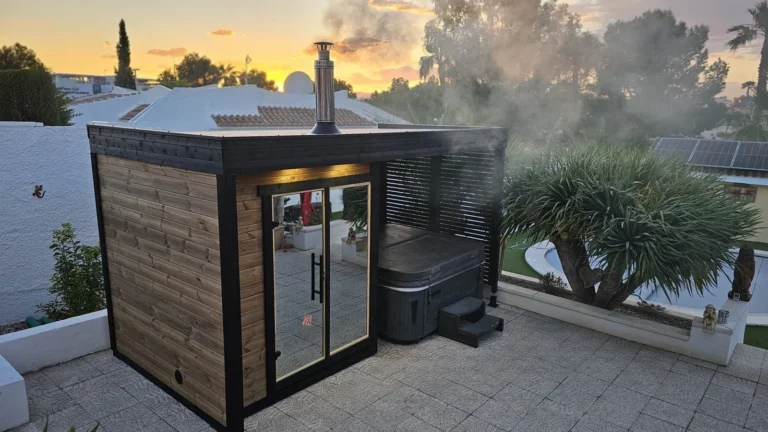
- Social connection and versatility: For families or gatherings, consider hybrid setups or larger cabins. The Patio L Plus seats 4–8 and features panoramic glass, blending open views with efficient heat. Use a steam sauna generator to convert part of the space into a moist environment—perfect for alternating between dry and steam sessions.
Factors to Weigh
- Heat tolerance: Dry saunas operate at higher temperatures, which may not suit everyone. Steam rooms feel cooler but the humidity can be intense.
- Space and installation: Saunas often require wood framing and ventilation. Steam rooms need waterproof sealing, drainage and a reliable steam generator. Smaller models like Shym’s Patio XXS prove that even tight spaces can host a genuine sauna experience.
- Maintenance: Saunas need occasional sanding and oiling of wood surfaces to maintain their natural finish. Steam rooms demand regular cleaning of grout and drainage to prevent mould. Always flush steam generators and follow manufacturer care instructions.
- Health considerations: Consult a doctor if you have cardiovascular conditions, pregnancy or respiratory illnesses. Limit sessions to 10–15 minutes when starting, and stay hydrated before, during and after.
Safety Considerations and Best Practices

Hydration and Duration
When immersed in heat, your body loses water rapidly. Drink water before entering, sip herbal tea during breaks and replenish fluids afterwards. For beginners, 5–10‑minute sessions allow acclimation. Experienced users can extend to 15–20 minutes, but always listen to your body. Signs of dehydration include dizziness, nausea and fatigue.
Preparing and Enhancing Your Session
- Remove jewellery and wear loose clothing: Metals heat quickly and can burn skin. Cotton towels or bathing suits are ideal.
- Warm up gradually: In a sauna, sit on lower benches first; the air near the ceiling is hotter. In a steam room, sit or lie down to allow the moisture to envelop you.
- Aromatherapy and rituals: Add a drop of eucalyptus oil to your water bucket for a subtle scent. Bring a cup of herbal tea for sipping. Many Finns incorporate plunges in cold water between sauna cycles—consider a cold shower or an ice bath for contrast therapy, as discussed by contrast‑therapy experts.
- Post‑session care: Rinse off, rehydrate, and allow your body temperature to return to normal. Stretch gently to enhance circulation and relaxation.
Also Read: How to Use a Sauna Like a Pro: The Ultimate Guide
Contraindications
Heat therapy is not suitable for everyone. Avoid saunas and steam rooms if you have unstable heart disease, severe respiratory conditions, acute infections or if you’re pregnant without medical clearance. Young children and older adults should limit exposure and be supervised.
Installation and Maintenance: Bringing the Spa Home

Space and Utility Requirements
Saunas typically require a dedicated room or outdoor cabin with electrical supply (and sometimes a chimney for wood stoves). They need ventilation to manage moisture and heat. Steam rooms require waterproof construction, a drain and a steam generator. A professional installer can ensure proper seals to prevent moisture damage.
Operational Costs and Energy Efficiency
Electric sauna heaters range from 3–6 kW for home units; steam generators use similar power but consume additional water. Infrared saunas can be more energy efficient because they heat the body directly at lower temperatures. Choose models with good insulation to reduce heating time and electricity use. Shym’s Union 160 uses triple‑layer thermowood walls to retain heat, making it both durable and energy‑efficient.
Also Read: Electric vs. Firewood Sauna Heaters – What’s Right for You?
Maintenance Routines
- Saunas: Wipe benches after each use, let the cabin dry and ventilate to prevent mould. Sand or oil wood surfaces periodically to maintain the wood’s lustre.
- Steam rooms: Clean non‑porous surfaces with mild disinfectant, ensure drains are clear and periodically descale steam generators.
- Routine checks: Inspect heaters or steam generators for wear. Replace sauna stones and clean filters as recommended by manufacturers.
Beyond the Basics: More Helpful Tips When Choosing Between Saunas and Steam Rooms
Heat and humidity are only part of the story when comparing saunas and steam rooms. These additional subtopics invite you to deepen your practice and enrich the ritual:
- Social and cultural rituals: The sauna is deeply tied to Finnish culture and family bonding. Understanding how communal saunas foster connection can inspire your own traditions. Steam baths have roots in Turkish hammams and Roman thermae, each with unique rituals.
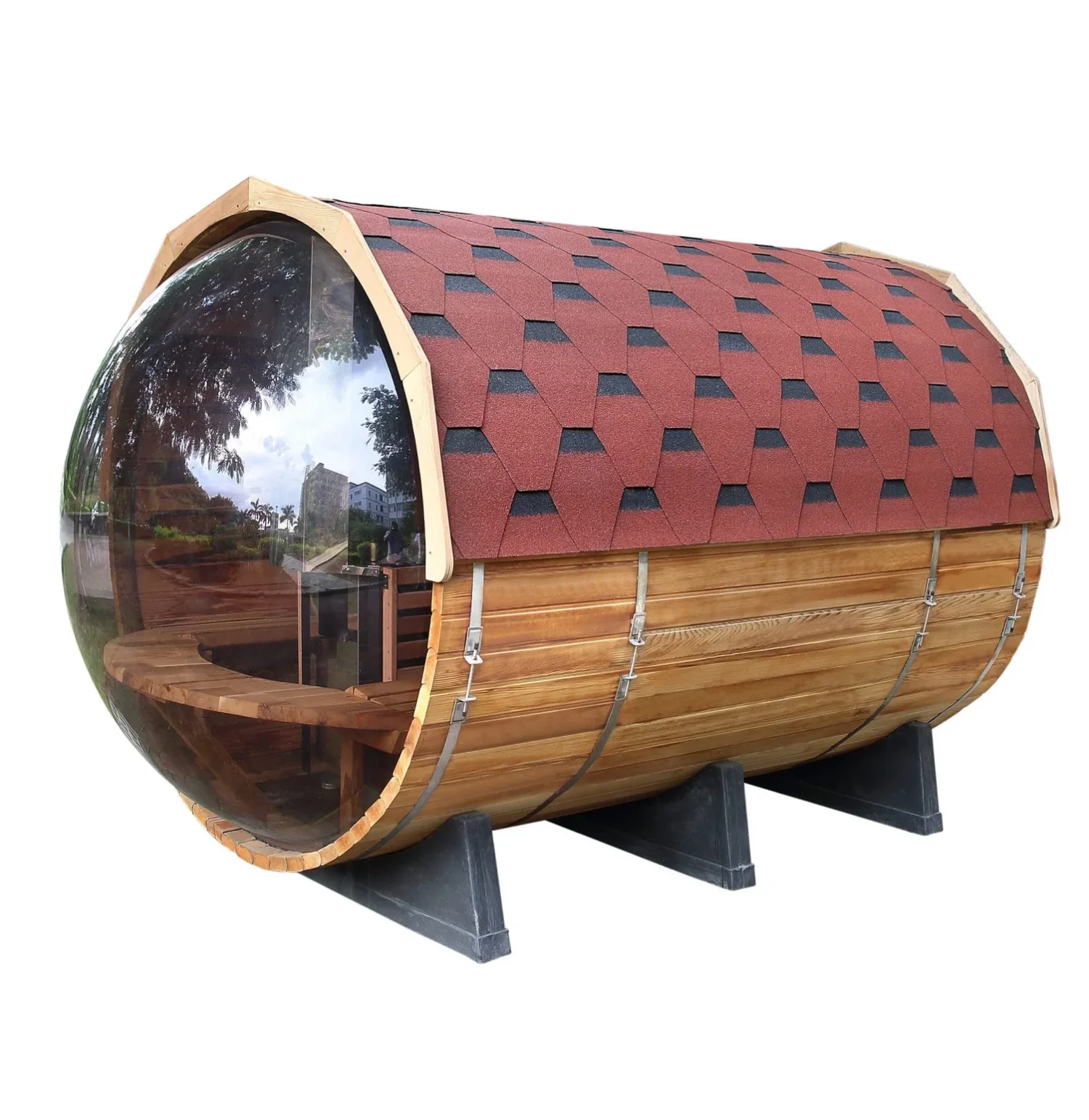
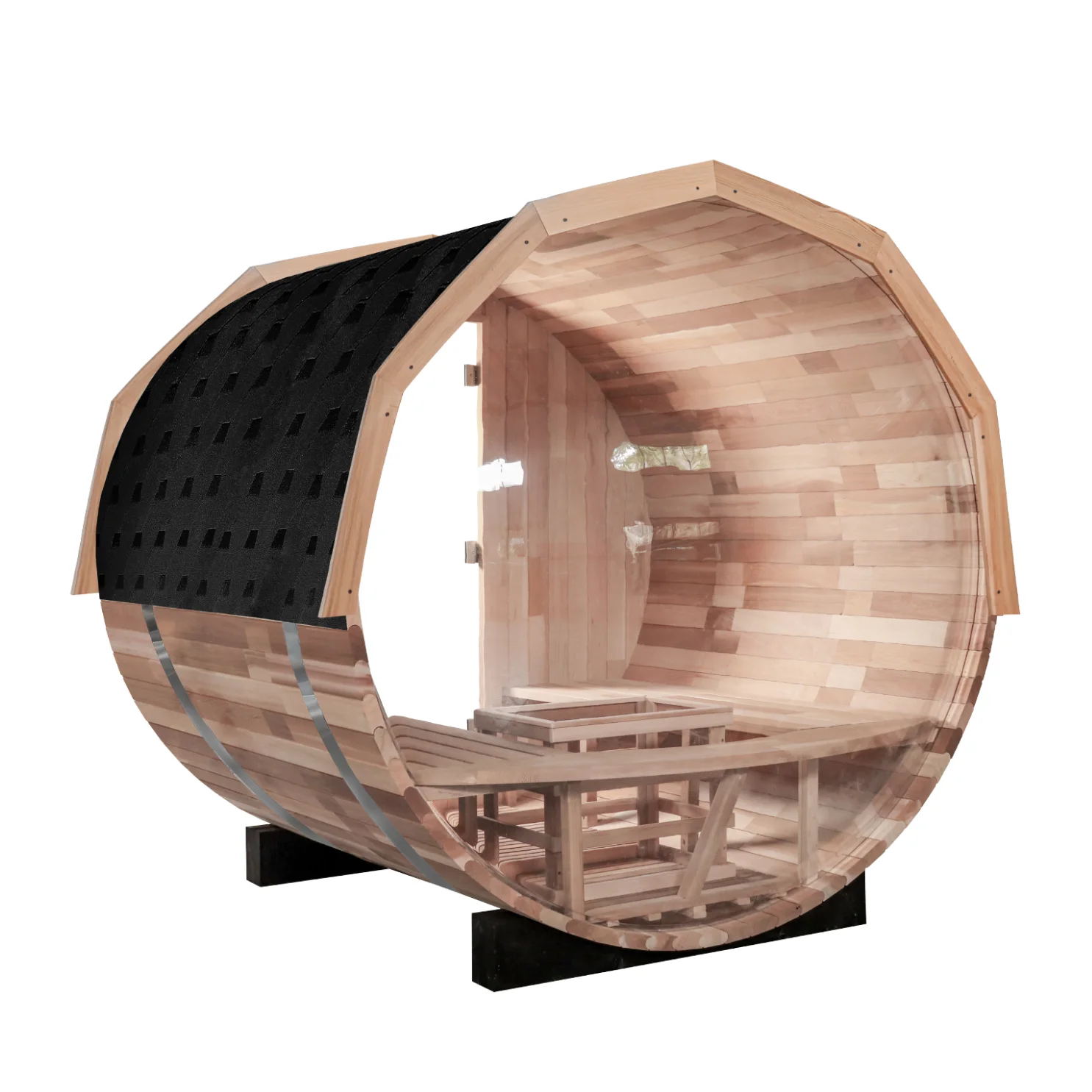
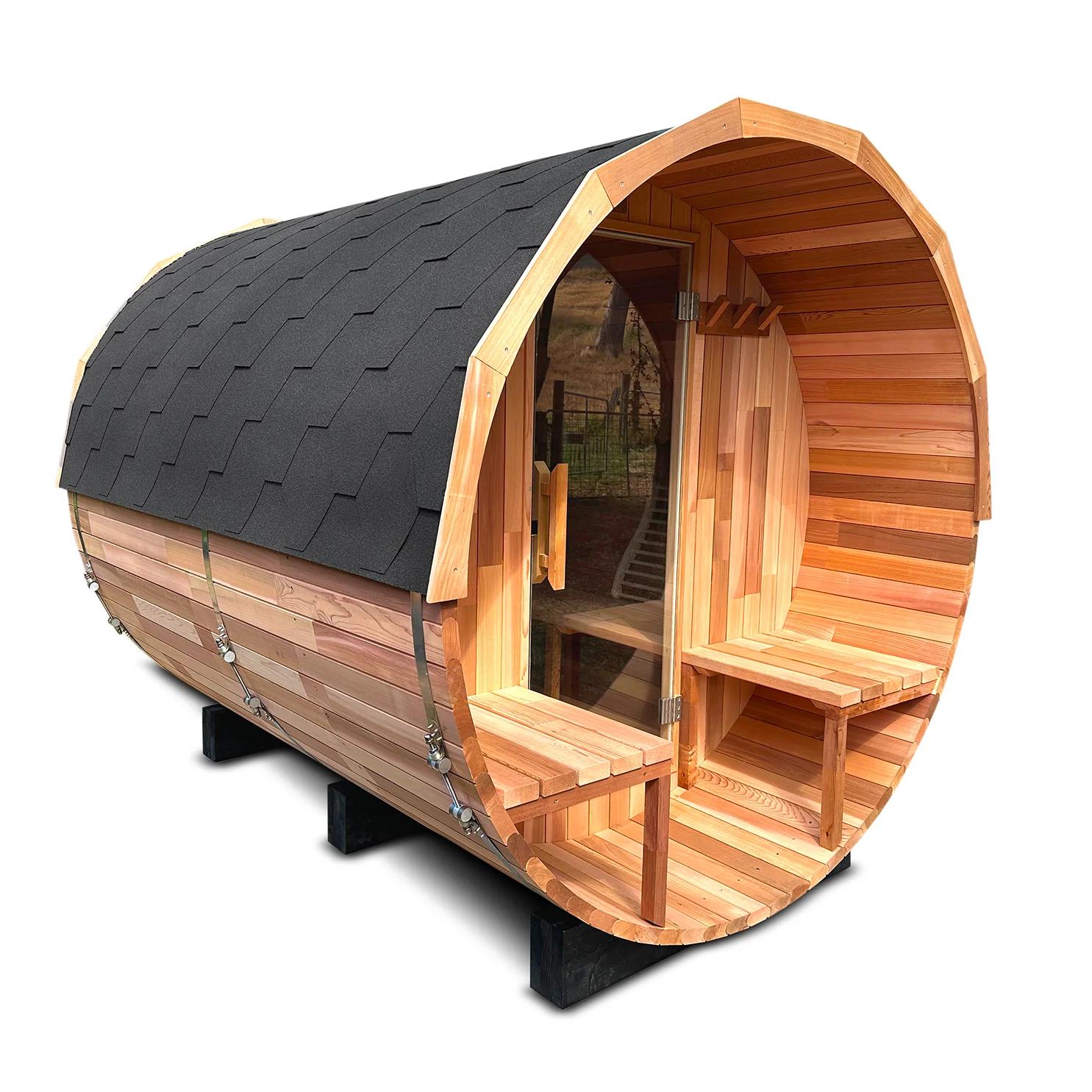
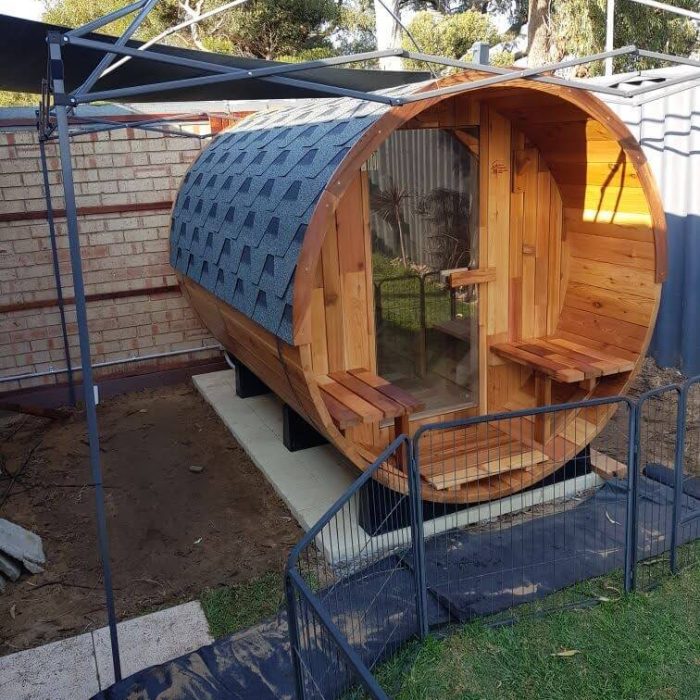
- Design aesthetics and materials: Explore different shapes—barrel saunas, cube designs, glass‑fronted cabins—and materials like Nordic spruce, cedar or carbonised timber. Shym’s Signature Square Barrel & Round Barrel Sauna Selections combine efficient heat circulation with handcrafted beauty.
- Hybrid and modular solutions: Combine steam and sauna elements in one unit or create a wellness circuit with cold plunge pools, outdoor showers and relaxation decks. The Patio S Plus includes a shaded area for cooling down between sessions.
- Contrast therapy: Alternating between heat and cold triggers vascular responses and may reduce inflammation. Integrating a cold plunge or ice bath with your sauna or steam room can amplify benefits.
Frequently Asked Questions
Neither is objectively “better”—it depends on what your body responds to and what you hope to gain from the ritual. Saunas offer dry, intense heat that boosts circulation, supports muscle recovery and delivers a traditional Finnish sweat experience. They’re ideal if you enjoy higher temperatures and want cardiovascular conditioning or deep post-exercise relief.
Steam rooms, on the other hand, surround you with warm, nearly 100% humidity. This moist environment is gentler on the lungs, opens airways and hydrates skin—making it perfect for people dealing with congestion, allergies or dry skin.
In short:
– Choose a sauna for deep heat, circulation and muscle recovery.
– Choose a steam room for respiratory comfort, hydration and a softer heat embrace.
Your wellness goals—not the technology—determine the “better” choice.
Steam rooms are deeply soothing, but the constant moisture comes with a few considerations:
– Maintenance is higher. Because steam rooms use 100% humidity, they require careful cleaning, proper drainage and regular descaling of the steam generator to prevent mould and mineral buildup.
– Heat can feel heavier. Although temperatures are lower than in a sauna, the dense moisture can feel intense for people with heat sensitivity.
– Skin and respiratory concerns. While steam helps most people, those with certain skin conditions (like eczema flare-ups) or respiratory illnesses may find high humidity uncomfortable.
– Not ideal for long sessions. Prolonged exposure can lead to dehydration if you’re not mindful of fluid intake.
With proper care and moderation, steam rooms remain a safe and rejuvenating option for many—but it’s important to listen to your body.
If you’re alternating between both, most wellness practitioners suggest starting with the dry sauna. The high heat opens pores, warms muscles and boosts circulation. Transitioning into the steam room afterward wraps the body in moisture, helping soften skin, ease breathing and prolong relaxation without the shock of switching from cold to hot.
That said, there’s no strict rule—some people prefer beginning with steam to ease into the experience. The best sequence is the one that feels natural to you. Always hydrate, keep individual sessions to 10–15 minutes and cool down briefly between rooms to support healthy circulation.
Also Read: Wet Saunas vs. Dry Saunas: What is the Best Choice for You
Neither a sauna nor a steam room directly causes fat loss. Any immediate weight reduction comes from water loss through sweating, which returns as soon as you rehydrate.
However, saunas and steam rooms can both play supportive roles in a wellness routine:
– Saunas slightly elevate heart rate and mimic light cardiovascular exercise, which may support overall metabolic health when paired with proper diet and movement.
– Steam rooms can improve circulation and encourage muscle relaxation, helping you recover faster and stay consistent with workouts.
Think of heat therapy as a complement—not a substitute—for sustainable weight-management practices. Its real benefits lie in relaxation, recovery and overall well-being.
Also Read: Does Sauna Help in Weight Loss?
Conclusion: Invest in Moments That Matter
Choosing between a steam room and a sauna room isn’t about picking a better technology—it’s about selecting the heat ritual that resonates with you. Dry saunas deliver intense warmth and deep sweating, while steam rooms envelop you in a gentle, moist embrace. Both offer a path to better circulation, muscle recovery, respiratory relief and mental calm. Above all, they provide a space to reconnect with yourself and the people you love.
Shym Saunas & Spas believes that investing in a heat sanctuary is an investment in your well‑being and relationships. Whether you opt for a compact Patio XS, an expansive Serenity Round Cube Relax or a rustic Western Red Cedar Barrel Sauna, you’re creating a haven for warmth, ritual and connection. Live in the moments that matter.