






The Alcohol and Sauna Question Everyone Is Asking
It sounds like a reasonable idea — sweat it out, flush the system, feel better faster. Whether you had a big night out or just want to wind down with a drink after a sauna session, the question of mixing alcohol and sauna use comes up more often than you might expect.
The short answer? Both scenarios carry real risks that most people aren't aware of. Before you step into a sauna post-party or crack open a beer post-session, it's worth understanding exactly what's happening inside your body — and why your sauna is not a detox machine.
Whether you're new to sauna culture or a seasoned bather exploring the best ways to use your sauna, this guide cuts through the myths and gives you the facts you need to stay safe and get the most from every session.
Does a Sauna Sweat Out Alcohol? The Science Behind the Myth
The idea that you can sweat out alcohol in a sauna is one of the most persistent myths in wellness culture. It feels logical — you sweat, toxins leave, problem solved. But that's not how your body processes alcohol.
When you drink, your liver does the heavy lifting. It metabolises roughly one standard drink per hour, regardless of how much you sweat. Only a tiny fraction of alcohol — around 5–10% — is eliminated through breath, urine, and sweat combined. The sauna doesn't meaningfully speed this up.
So does the sauna sweat out alcohol? Technically, yes — but in such negligible amounts that it makes virtually no difference to your blood alcohol level or how intoxicated you feel. The alcohol stays in your bloodstream until your liver processes it, full stop.
- Your liver metabolises alcohol at a fixed rate — around 0.015% BAC per hour
- Sweating does not accelerate liver function
- The sauna does not get rid of alcohol faster than time alone
- Feeling "more sober" in a sauna is likely a misleading sensation caused by heat stress
If you're considering a sauna session as part of a broader wellness routine, understanding the genuine benefits of sauna for your body helps set realistic expectations. Detoxing alcohol isn't one of them.
For those exploring contrast therapy or other recovery-based sauna practices, it's important to build those routines on accurate science — not popular myths.
Can Sauna Detox Alcohol from Your Body?
This is where things get important to clarify. The phrase "sauna detox alcohol" gets searched constantly, but the idea that a sauna session can cleanse alcohol from your system is medically unsupported.
Your liver is your body's primary detoxification organ. It converts ethanol into acetaldehyde, then into acetate, and eventually into water and carbon dioxide — all on its own schedule. No amount of heat, sweating, or steam accelerates this enzymatic process.
What sweating in a sauna does do is dehydrate you. And since alcohol is already a diuretic — meaning it causes you to lose fluids — combining alcohol with sauna heat creates a compounding dehydration effect that can be seriously dangerous.
The notion of using a sauna to help remove alcohol from the body is particularly risky because:
- It may give users a false sense of sobriety
- It doesn't reduce blood alcohol concentration meaningfully
- It significantly worsens dehydration
- It adds cardiovascular strain on top of an already-stressed system
If you're drawn to saunas for their legitimate recovery and wellness benefits, explore how sauna supports muscle recovery or how a well-designed sauna and cold plunge routine can genuinely boost your health — without the risks of mixing in alcohol.
The Real Dangers of Going to a Sauna After Drinking Alcohol
Can you go in a sauna after drinking alcohol? Technically yes — but it's one of the more dangerous things you can do in a wellness setting. Here's why.
Severe Dehydration
Alcohol suppresses the hormone that helps your kidneys retain water. At the same time, sauna heat triggers heavy sweating. Together, these two forces can rapidly deplete your body's fluid levels, leading to dangerous dehydration — even after just a moderate amount of drinking.
Dangerous Drop or Spike in Blood Pressure
Alcohol dilates blood vessels. Sauna heat does the same. The combination can cause blood pressure to drop so rapidly that dizziness, fainting, or collapse becomes a real risk — particularly when moving from a sitting to standing position inside a hot sauna.
Impaired Heat Regulation
Alcohol interferes with your body's ability to regulate temperature. This means you may not notice the signs of overheating — flushed skin, rapid heartbeat, nausea — until you're already in a dangerous state of heat exhaustion.
Increased Risk of Heart Events
The combination of alcohol and intense heat places significant strain on the cardiovascular system. For people with underlying heart conditions or high blood pressure, this combination can be life-threatening. Even in otherwise healthy individuals, the strain is serious and unnecessary.
Falls and Accidents
Impaired balance and coordination from alcohol, combined with the slippery surfaces and disorientation that can accompany extreme heat, dramatically increases the risk of slipping or losing consciousness in the sauna.
If you want to get the most from your sauna without the risks, read about the best time for a sauna session and how to use a sauna safely and effectively — practices that make your sessions genuinely rewarding.
Does Sauna Help with Alcohol Withdrawal?
This is a more nuanced question and one that touches on a serious health concern. Alcohol withdrawal is a medical condition — in severe cases, it can cause life-threatening symptoms including seizures and delirium tremens. It is not something to self-manage with a sauna.
Some studies have explored the role of sauna therapy in broader addiction recovery programmes, particularly in Scandinavian and Russian therapeutic traditions. There is limited, early-stage evidence that regular sauna use — as part of a medically supervised programme — may help reduce some withdrawal-related discomfort through the release of endorphins and improvement in circulation.
However, using a sauna to independently manage alcohol withdrawal is not medically recommended. The risks of dehydration, cardiovascular stress, and overheating are significantly elevated in someone experiencing withdrawal. Any therapeutic use of sauna in this context should only happen under qualified medical supervision.
If you're exploring sauna as part of a general detox and wellness reset, the calming benefits of a sauna before bed or morning sauna routines are far more appropriate starting points.
Those interested in combining sauna with cold therapy as a legitimate recovery tool can explore the benefits of cold plunge therapy — a genuinely evidence-backed approach to physical and mental recovery.
How Long After Sauna Can You Drink Alcohol Safely?
This is the flip side of the question — and arguably the safer scenario, as long as you're thoughtful about it. Drinking after a sauna session is far less risky than drinking before one, but it still requires some care.
After a sauna session, your body is in a state of elevated temperature, expanded blood vessels, and depleted fluid levels. Introducing alcohol immediately after compounds all of these effects — making the alcohol hit harder and faster than it normally would.
General Guidelines for Drinking After Sauna
- Wait at least 30–60 minutes after leaving the sauna before consuming alcohol
- Rehydrate fully first — drink water or an electrolyte beverage before any alcohol
- Eat something — food slows alcohol absorption significantly
- Keep it moderate — your body is already recovering; alcohol adds extra strain
- Avoid spirits on an empty, post-sauna stomach — start with something lighter if you choose to drink at all
In Finnish sauna culture, it's traditional to enjoy a cold beer after a sauna — but this is typically done after a cooling-down period, with food, and in moderation. The key is allowing your body to fully recover from the heat stress before introducing alcohol.
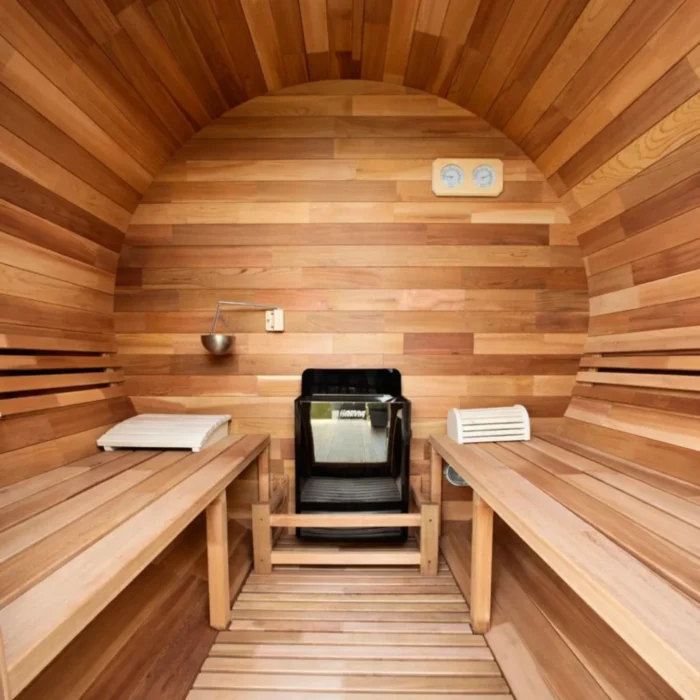
For anyone building a home sauna setup and thinking about how to host safely, exploring sauna as a social experience and understanding sauna setup requirements can help create a space that's both enjoyable and safe for guests.
Safe Sauna Practices: What to Do Instead
The good news is that saunas offer genuine, well-documented health benefits — you just don't need alcohol to enjoy them. Here's how to get the most from your sauna sessions safely.
Hydrate Before, During, and After
Drink 1–2 glasses of water before entering the sauna. Keep water within reach during your session, and rehydrate thoroughly once you exit. Electrolyte drinks are a great option after longer sessions.
Limit Session Length
Most health practitioners recommend 10–20 minutes per session for adults. Beginners should start with shorter sessions and build up gradually. If you feel dizzy or unwell, exit immediately.
Cool Down Properly
Allow your body to cool down between rounds — whether through a cool shower, cold plunge, or simply resting in fresh air. This is the foundation of contrast therapy and one of the most effective recovery protocols available.
Don't Use the Sauna Alone
Especially if you're new to it, always have someone nearby. This is good practice for any session, but particularly important if you've consumed any alcohol beforehand (which we'd still recommend against).
Understand Your Own Health Profile
People with cardiovascular conditions, low blood pressure, or certain medications should consult a doctor before using a sauna regularly. This applies doubly when alcohol is part of the picture.
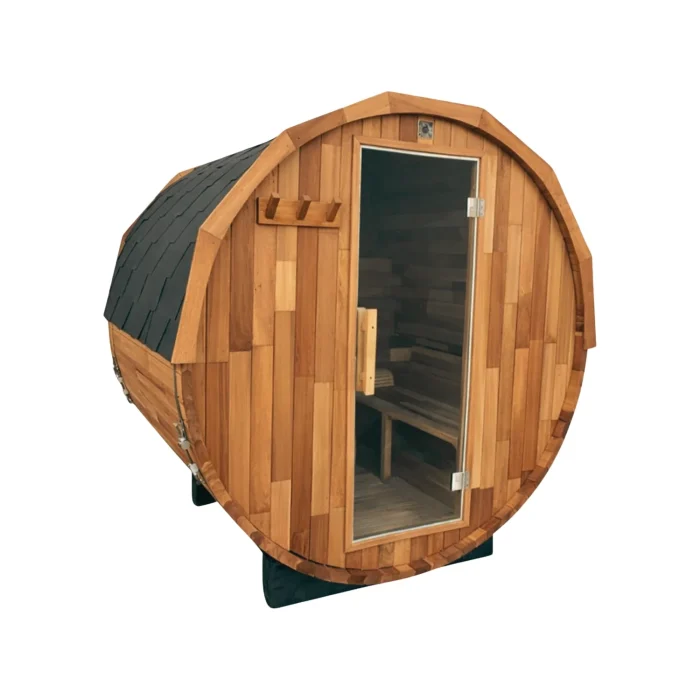
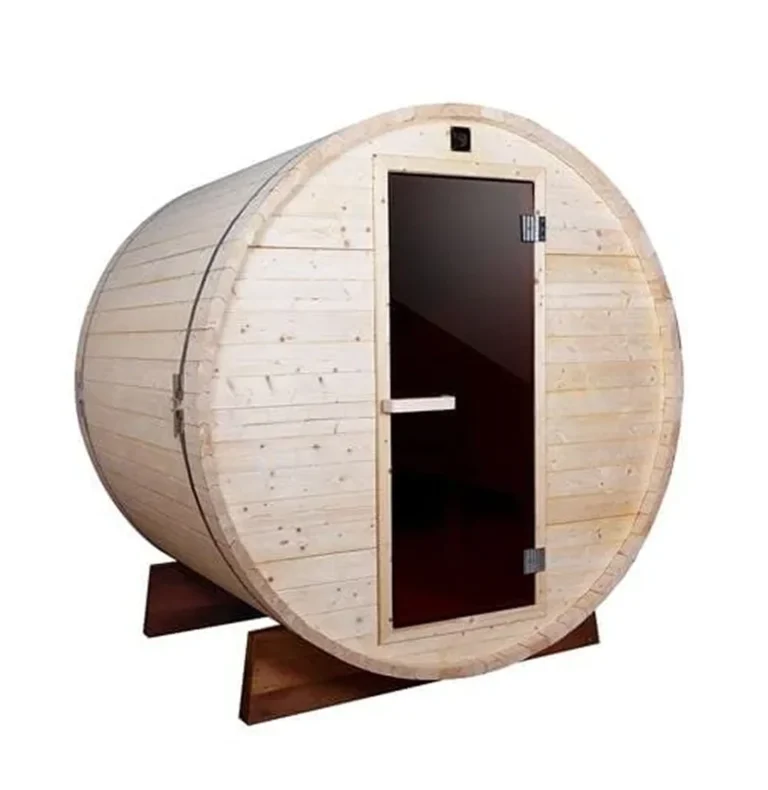
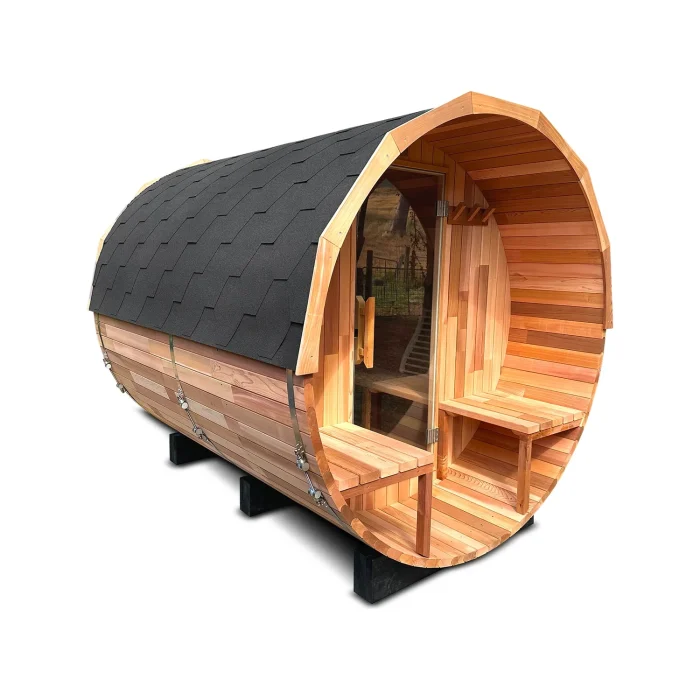
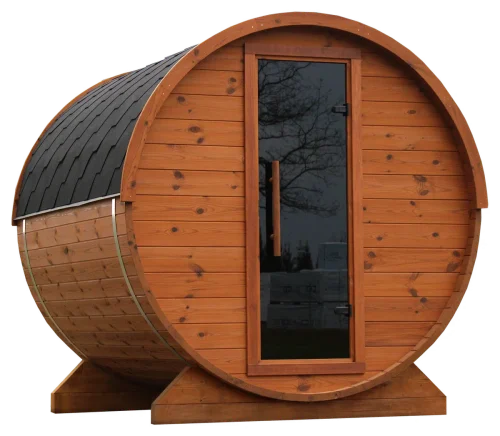
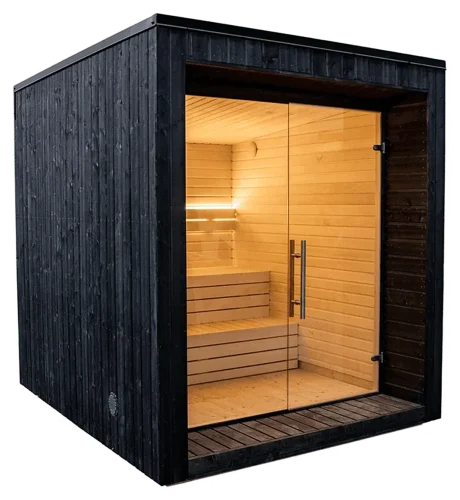
If you're in the market for your own sauna — whether for personal recovery, family use, or creating a wellness space at home — explore the full range of saunas available in Australia, from classic round barrel saunas to premium indoor sauna models.
For those considering a complete outdoor wellness setup, pairing a sauna with a cold plunge tub creates a powerful contrast therapy experience — one that delivers real, lasting results without any of the risks associated with alcohol.
Frequently Asked Questions
Can you sweat out alcohol in a sauna?
Not in any meaningful way. Only about 5–10% of alcohol is eliminated through sweat and breath combined. The vast majority is metabolised by your liver at a fixed rate of roughly one standard drink per hour. A sauna session won't speed this up or significantly reduce your blood alcohol level.
Is it safe to go in a sauna after drinking alcohol?
No, it is not considered safe. Combining alcohol and sauna heat creates compounding dehydration, unstable blood pressure, impaired heat regulation, and an elevated risk of fainting or cardiovascular events. Medical and wellness professionals consistently advise against using a sauna while under the influence of alcohol.
Does sauna help detox alcohol from the body?
No. Sauna does not detox alcohol. Your liver is solely responsible for processing and eliminating alcohol from your bloodstream. While saunas offer genuine wellness benefits, removing alcohol faster is not among them. Claims that sauna flushes out alcohol are not supported by medical evidence.
How long after sauna can I drink alcohol?
Most wellness experts suggest waiting at least 30–60 minutes after a sauna session before drinking alcohol. More importantly, you should rehydrate fully with water or electrolytes and eat a meal first. This allows your blood pressure, core temperature, and fluid levels to normalise before alcohol enters the equation.
Can I drink alcohol after sauna if it's just one drink?
Even a single drink after a sauna session will hit harder than usual because your blood vessels are already dilated, your fluid levels are lower, and your body is in recovery mode. If you choose to drink after a sauna, wait until you've fully cooled down and rehydrated. One drink, consumed slowly with food, is far safer than drinking immediately after exiting.
Does sauna help with alcohol withdrawal?
There is some limited, early research suggesting sauna may support recovery in supervised therapeutic settings, but this is not a substitute for medical treatment. Alcohol withdrawal can be life-threatening and requires professional medical management. Do not attempt to use a sauna to self-manage withdrawal symptoms.
Can you go in a sauna after drinking alcohol if you feel sober?
No. Feeling sober does not mean your blood alcohol level is zero. Alcohol can remain in your system for hours after it stops feeling noticeable. The sauna's heat can also mask warning signs of intoxication or overheating, making it even more dangerous to rely on how you "feel" as a guide.