
After months of pregnancy restrictions, it’s natural to want to reclaim some of the wellness routines you love. For many new mums, that includes the sauna — a place for relaxation, muscle recovery, and genuine mental decompression.
But breastfeeding introduces a whole new layer of consideration. What’s safe for your body now has a direct connection to what’s safe for your baby. So the question — can you use the sauna while breastfeeding — deserves a careful, honest answer rather than a blanket yes or no.
This guide covers traditional saunas, infrared saunas, the effects of heat on breast milk, and practical tips for how breastfeeding mums can approach sauna use thoughtfully. If you’re also exploring the broader health benefits of sauna or thinking about setting up a home sauna, understanding your personal safety profile is the smartest place to start.
The general medical consensus is that using a sauna while breastfeeding is not strictly forbidden for healthy women, but it does require caution, awareness, and some practical adjustments. It’s not the same risk profile as sauna during pregnancy — where heat exposure to the foetus is a direct concern — but it’s not entirely without consideration either.
The primary concerns with sauna and breastfeeding centre on three things: dehydration, elevated core body temperature, and potential changes to breast milk composition. None of these are guaranteed to cause harm in a healthy, well-hydrated woman using the sauna in moderation — but they’re real factors that deserve respect.
Unlike during pregnancy, the baby is no longer inside your body. The heat doesn’t reach them directly. The more relevant questions become: does sauna use affect the quality or safety of your breast milk, and does it put your own body — which is already working hard to support lactation — under unnecessary stress?
If you’re building a home wellness setup and want to understand what kind of sauna suits your lifestyle, explore the range of saunas available in Australia — from compact indoor models to spacious outdoor options — and consider how each fits your current life stage.
For a broader view of how different sauna types compare in terms of heat intensity and health effects, the guide on infrared vs traditional saunas is a useful starting point.
Not all saunas are the same, and this distinction matters when you’re breastfeeding. Traditional Finnish-style saunas — whether wood-fired or electrically heated — typically operate between 70°C and 100°C. Infrared saunas run cooler, usually between 45°C and 60°C, and heat the body differently by using infrared light rather than ambient air temperature.
The high ambient temperatures in a traditional sauna cause rapid, intense sweating and a significant rise in core body temperature. For breastfeeding mums, this means a higher risk of dehydration in a shorter period. The intensity of heat also means sessions need to be shorter and more carefully managed than they might have been pre-baby.
Infrared saunas are generally considered a gentler option. Because the air temperature is lower, the experience is less immediately intense, and many users find it easier to regulate. However, infrared light still raises core body temperature, and the same dehydration and fluid concerns still apply — just at a slightly lower level of intensity.
Some practitioners feel more comfortable recommending infrared sauna use for breastfeeding mums specifically because of the reduced thermal load. That said, neither type comes with an unconditional green light during breastfeeding, and medical advice should always be sought first.
If you’re interested in the infrared option specifically, browse the indoor sauna range which includes contemporary models suited to home wellness spaces, or the Leil Viva outdoor sauna series for those wanting a dedicated backyard retreat.
This is one of the most commonly searched variations of the question — and it’s a good one to address directly. Many wellness spaces and home sauna brands market infrared saunas as the “safer” or “therapeutic” choice, which can give breastfeeding mums the impression they’re automatically in the clear.
The reality is more nuanced. Far infrared sauna technology has a solid track record in general wellness settings, but research specifically on far infrared sauna safety during breastfeeding is limited. Most guidance comes from general principles about heat, hydration, and lactation — not from dedicated clinical trials on this population.
What we do know:
The honest answer is: infrared sauna use while breastfeeding is likely low-risk for healthy mums who are well-hydrated, using sessions of moderate length, and have cleared it with their midwife or GP. But “likely low-risk” is not the same as “proven safe,” and that distinction matters when a nursing baby is involved.
For those thinking about contrast therapy as a postnatal recovery tool, understanding the benefits of cold plunge therapy alongside sauna use can help you build a more complete picture of what’s appropriate at each stage of postpartum recovery.
This is the crux of what most breastfeeding mums want to know. Will using a sauna affect how much milk I produce? Will it change the taste? Is it safe for my baby to feed after a sauna session?
Breast milk is predominantly water. Dehydration — even mild dehydration — can reduce milk supply and affect milk consistency. Because saunas cause significant fluid loss through sweating, there is a genuine risk that inadequate hydration before, during, and after a sauna session could temporarily impact your supply.
This doesn’t mean one sauna session will dry up your milk. It means dehydration is the most important variable to manage. Drinking sufficient water before and after your session is non-negotiable.
There is some evidence that intense exercise — and by extension, significant heat stress — temporarily increases the lactic acid content of breast milk. Some babies are sensitive to this change in taste and may feed less enthusiastically immediately after an intense session.
If you notice your baby seems reluctant to feed after a sauna, this is a likely explanation. It’s temporary and not harmful, but it’s worth being aware of. Waiting 30–60 minutes after a sauna session before nursing, or expressing milk beforehand to use post-session, are practical workarounds some mums use.
Some preliminary research suggests that significant heat stress may temporarily affect prolactin — the hormone responsible for milk production. This effect appears to be short-term and reversible with rest and rehydration, but it’s another reason to keep sauna sessions moderate rather than prolonged.
For a well-rounded look at building healthy wellness habits around your sauna, explore using a sauna before bed for its relaxation benefits, or discover morning sauna routines that work with — rather than against — your body’s natural rhythms.
Being informed is the best protection. Here are the risks that are most relevant for breastfeeding mums considering sauna use:
As covered above, fluid loss is the biggest concern. Dehydration can affect milk supply, cause fatigue, headaches, and dizziness — none of which are welcome in an already demanding postpartum period.
New mums, particularly in the early postpartum weeks, may be more susceptible to heat intolerance than usual. Hormonal shifts, disrupted sleep, and the physical demands of nursing all affect how the body handles thermal stress. Be conservative with session length and always listen to your body.
The first 6–8 weeks postpartum involve significant physical recovery — regardless of delivery type. Many healthcare providers recommend waiting at least this long before returning to any heat therapy, to allow the body’s healing processes to stabilise. This is especially important after caesarean delivery.
If you’re taking any postnatal medications or supplements, check with your healthcare provider before using a sauna. Some medications interact with heat and sweating in ways that may affect how they’re absorbed or how they appear in breast milk.
Understanding the broader landscape of sauna safety is always worthwhile. Whether you’re looking at sauna electrical requirements for a home setup or exploring the different types of saunas available, making informed choices is what makes sauna culture genuinely rewarding long-term.
If you’ve spoken with your midwife or GP, you’re past the early postpartum recovery period, and you feel ready to return to sauna sessions, here’s how to do it as safely as possible while breastfeeding.
This isn’t optional. Your healthcare provider knows your specific health history, delivery experience, and current recovery status. A quick conversation is the most important step before anything else.
Drink at least 500ml of water in the hour before your sauna session. Keep water within reach during your session. Drink another 500ml–1 litre immediately afterwards. Consider adding electrolytes if you’re doing longer sessions.
Start with 10 minutes maximum and see how your body responds. Even experienced sauna users should reduce their usual session length when breastfeeding. Build back up gradually over weeks, not days.
If you have access to both traditional and infrared options, the lower ambient temperature of an infrared sauna may be more appropriate during this period. If using a traditional sauna, sit on the lower bench where temperatures are less extreme.
Feeding or expressing before you go in means your breasts are less full during the heat exposure, and it also gives you a buffer of expressed milk to use if your baby needs feeding immediately after your session before you’ve cooled down.
Allow at least 30–60 minutes after your sauna session before nursing. Use this time to cool down, rehydrate, and rest. This also allows any temporary changes in lactic acid levels in the milk to normalise.
Always have someone nearby, particularly in the early weeks of returning to sauna use postpartum. Dizziness and lightheadedness are more likely when your body is still adjusting.
For those who are also considering adding a cold plunge element to their recovery routine, the sauna and cold plunge routine guide is worth reading — though cold plunge during breastfeeding warrants its own medical conversation. You might also find inspiration in how others have approached using sauna for physical recovery after intense physical demands on the body.
Even with medical clearance, there are circumstances where it’s simply better to wait. Trust these signals from your body:
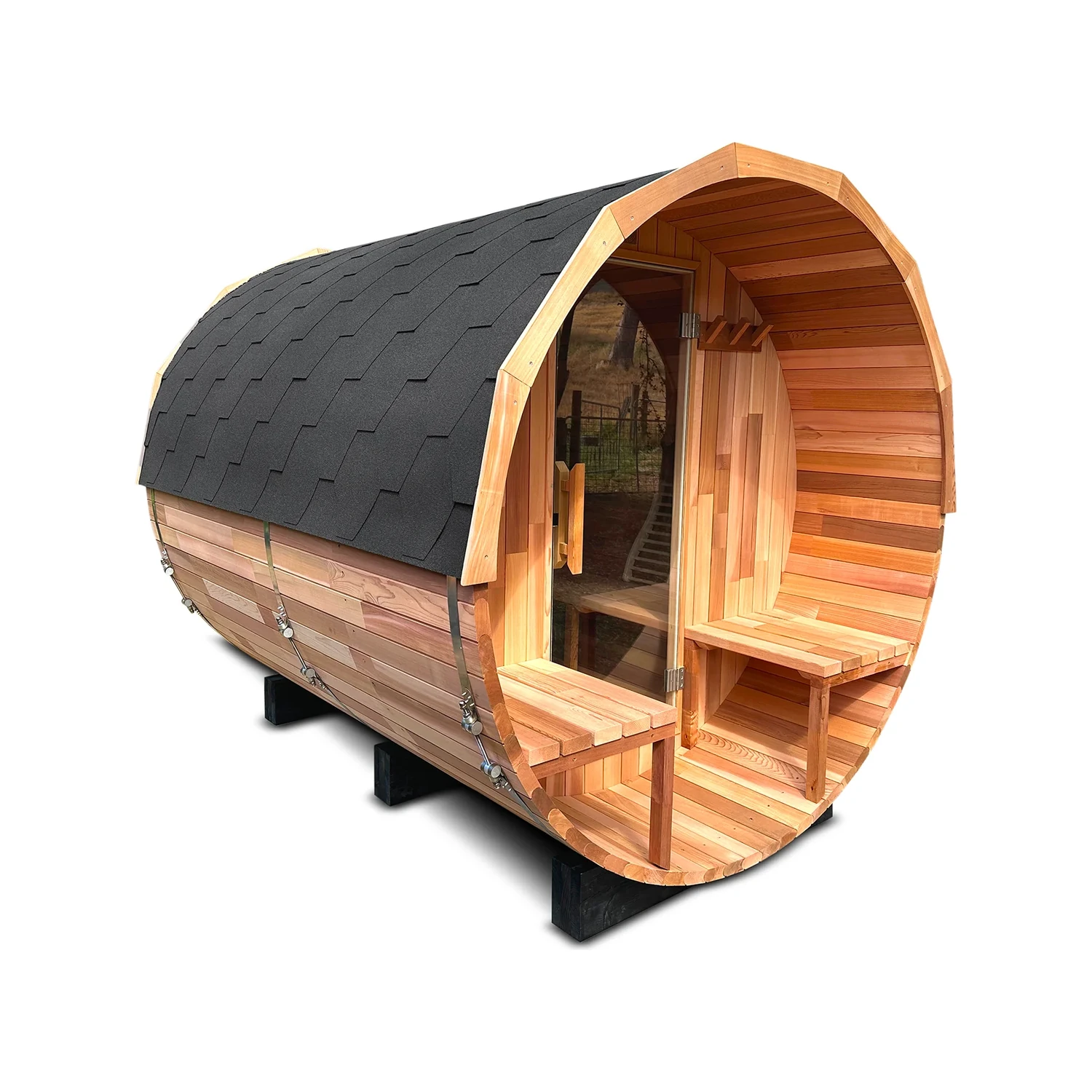
Sauna culture at its best is about tuning in to your body, not pushing through signals it’s sending you. The sauna will be there when you’re truly ready — and when that time comes, exploring options like the patio sauna series or the round cube range can help you find a setup that suits your home and your lifestyle.
If you’re also thinking about wellness investments that work for the whole family long-term, browsing the best home saunas in Australia is a great place to start planning.
Generally, moderate sauna use is considered low-risk for healthy breastfeeding mums who are well past the early postpartum period, stay well-hydrated, and keep sessions short. However, it’s essential to get clearance from your midwife or GP first, as individual health circumstances vary significantly in the postpartum period.
Infrared saunas operate at lower temperatures than traditional saunas, making them a slightly gentler option. However, they still raise core body temperature and cause fluid loss through sweating. There’s no clinical evidence that infrared light harms breast milk, but the same hydration and session-length precautions apply. Always consult a healthcare provider before use.
Yes, indirectly. Significant dehydration caused by sweating in a sauna can temporarily reduce milk supply, as breast milk is largely water. The risk is manageable with proper hydration before, during, and after sessions. Ensuring you drink enough fluid is the single most important protective step.
Feeling fine is a good sign, but it’s not a substitute for medical advice — particularly in the early postpartum weeks when the body is recovering in ways that aren’t always visible. Wait until you have formal clearance from your healthcare provider, regardless of how you feel day-to-day.
It’s best to wait 30–60 minutes after a sauna session before nursing. This allows your body to cool down, rehydrate, and lets any temporary increase in lactic acid levels in the milk normalise. Expressing milk before your session to use afterwards is a practical alternative many breastfeeding mums prefer.
Sauna use isn’t inherently bad for breastfeeding — but it’s not without consideration either. The main risks are dehydration affecting milk supply and heat stress on an already-working postpartum body. Used with appropriate care, shorter sessions, and good hydration, the risks are manageable for most healthy women.
Far infrared sauna technology is widely used for wellness purposes and is generally considered safe for healthy adults. For breastfeeding mums specifically, the lower operating temperatures may make it a more comfortable option than a traditional sauna. That said, research specific to far infrared sauna use during lactation is limited, and medical guidance should always be sought first.
Most healthcare professionals recommend waiting a minimum of 6–8 weeks postpartum before using any heat therapy, including saunas. After a caesarean section, the wait may be longer. Your midwife or GP is best placed to give you a personalised recommendation based on your recovery progress.



Join the Shym list for 3% off selected saunas and hot tubs, plus our sale news.
Not valid on sale items. Unsubscribe any time.
Your 3% code is on its way to your inbox. Can't see it soon? Check your promotions folder.
Keep browsing