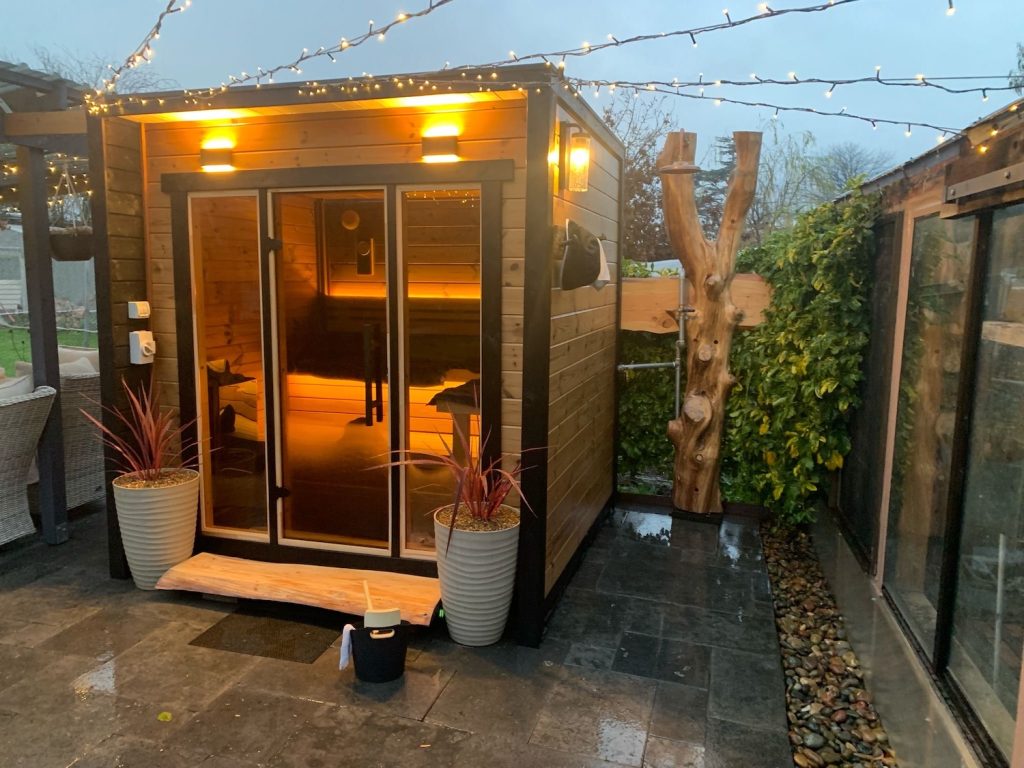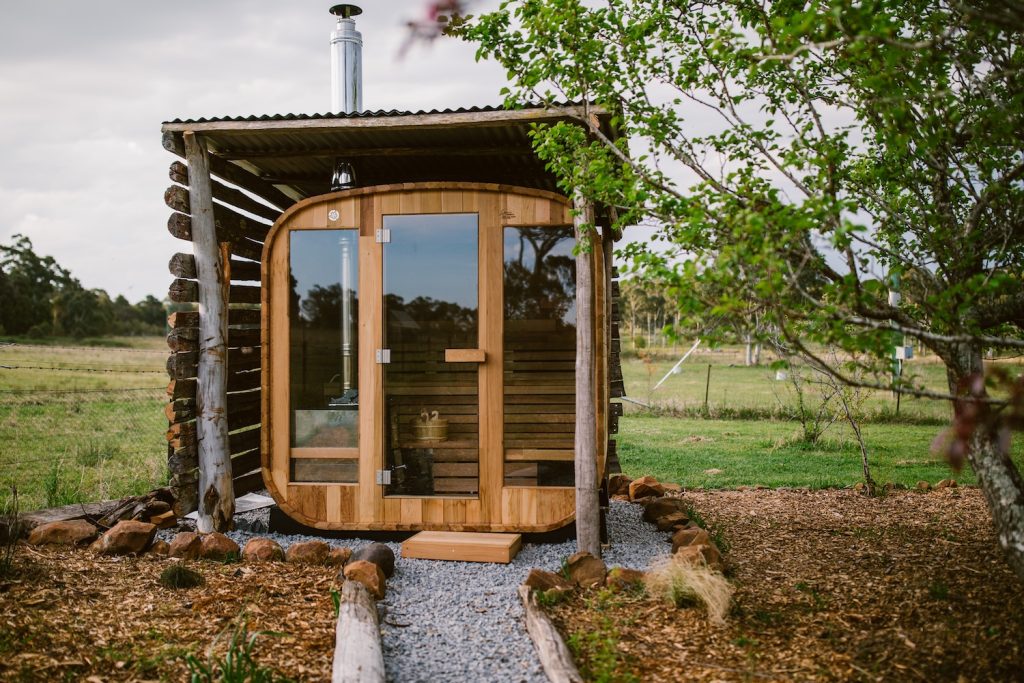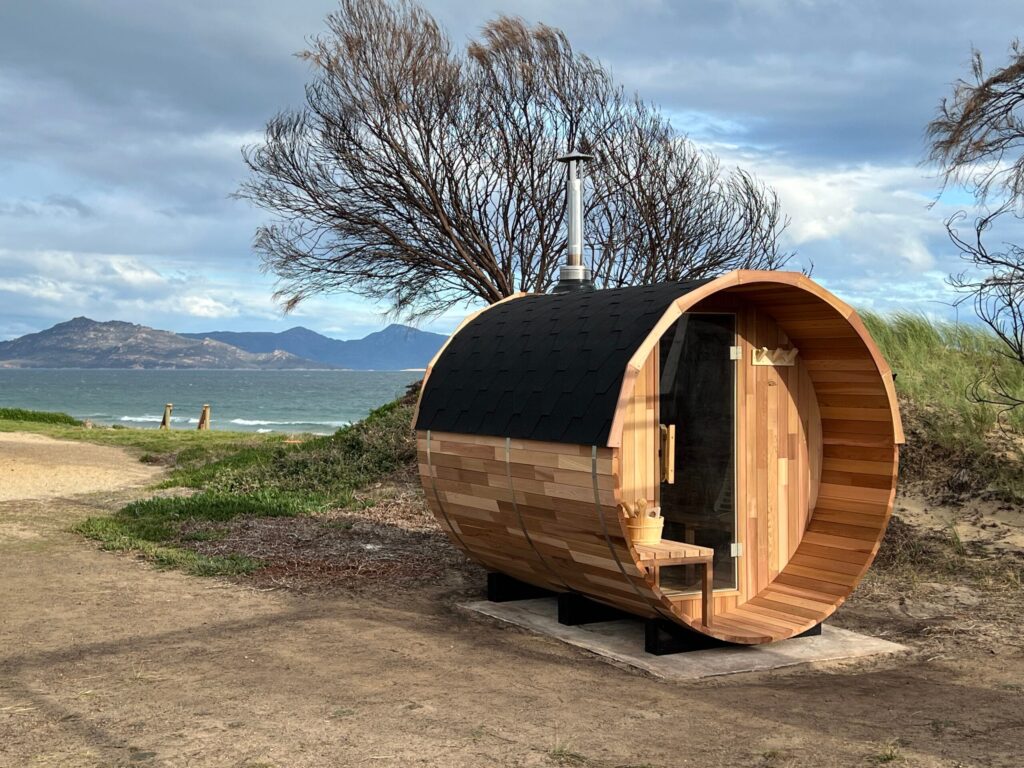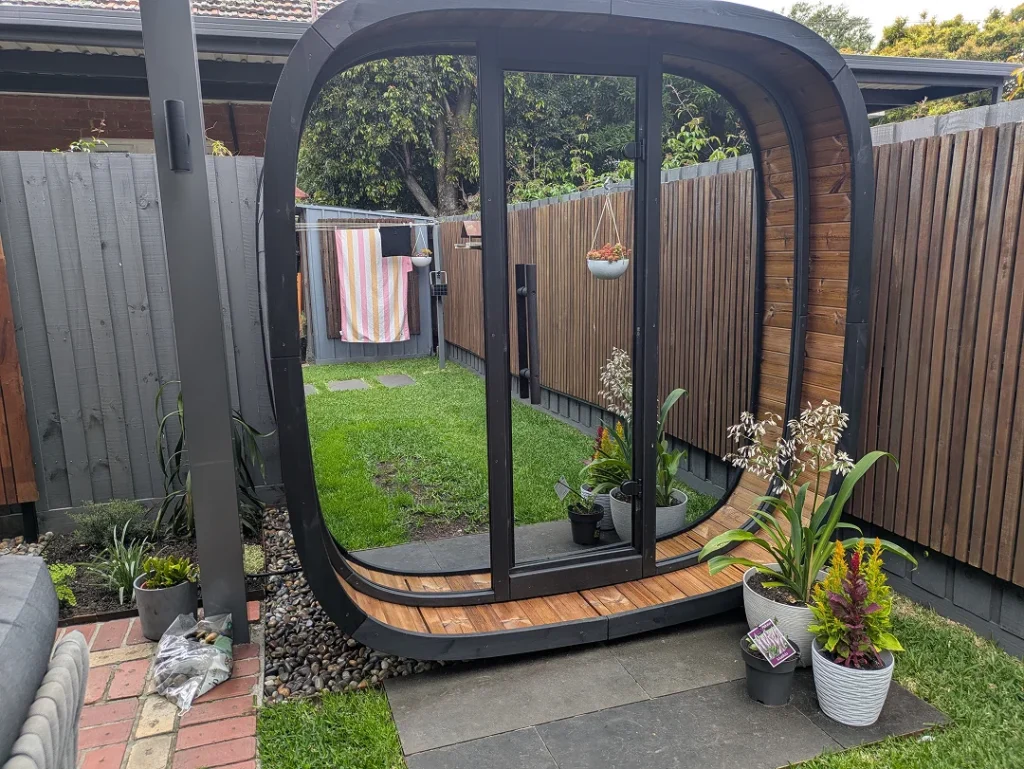


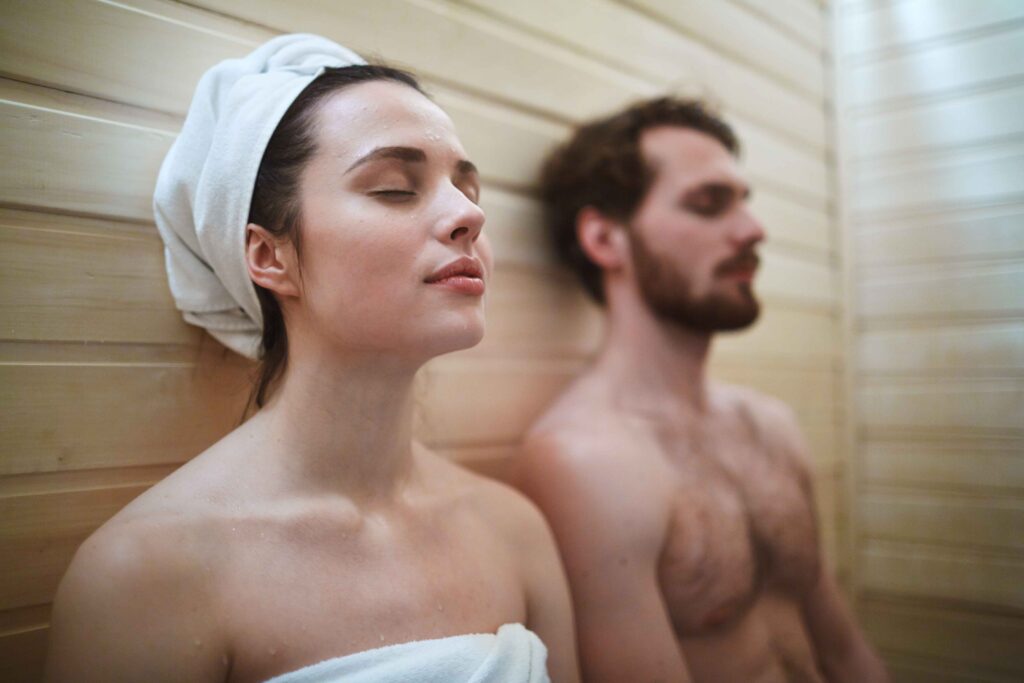

You've booked yourself a massage and you're wondering — should I hit the sauna first, or save it for after? It's one of the most common questions in wellness circles, and the answer isn't quite as simple as you might hope. The truth is: both options have real merit, and the best choice depends on what you're trying to get out of your session.
Whether you're targeting muscle recovery, deep relaxation, lymphatic drainage, or just a full-body reset, understanding how heat and bodywork interact with your physiology can help you get dramatically better results. This guide breaks it all down so you can make the right call — every time.
What Is a Sauna Massage?
The term "sauna massage" can mean a few different things. In some wellness traditions — particularly in Finnish and Nordic spa culture — it refers to a massage performed inside a sauna cabin, often using birch branches (known as a vihta or löyly ritual). In broader modern use, it simply describes the practice of combining a sauna session with massage therapy as part of a single wellness routine.
This combination isn't random. Heat and manual therapy are deeply complementary. Sauna dilates blood vessels, loosens connective tissue, and primes the nervous system for relaxation. Massage then works on that already-softened tissue to release tension, improve circulation, and accelerate recovery.
The order you choose — sauna first or massage first — changes the physiological effect significantly. Both sequences are valid, but each serves a different purpose.
Quick Fact: In traditional Finnish sauna culture, a light massage or self-massage with a birch whisk was performed inside the sauna. This combination has been used for centuries to improve circulation and deeply relax the body.
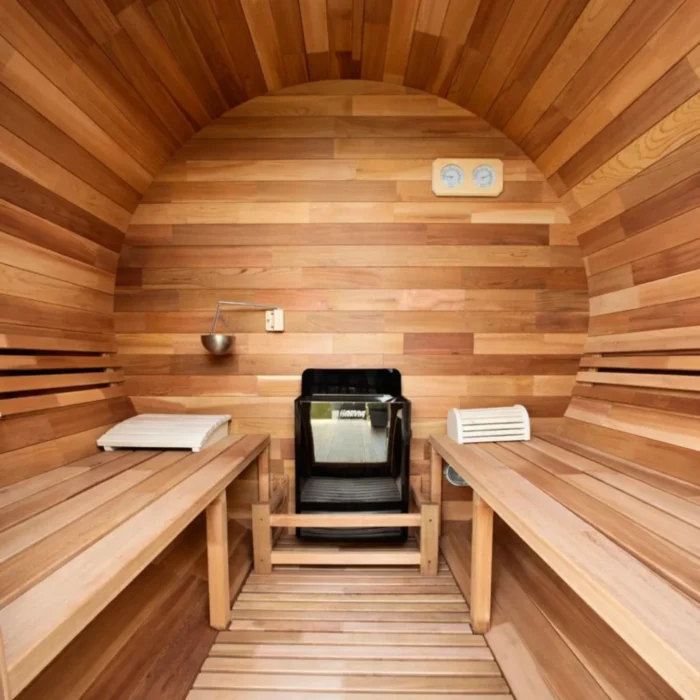
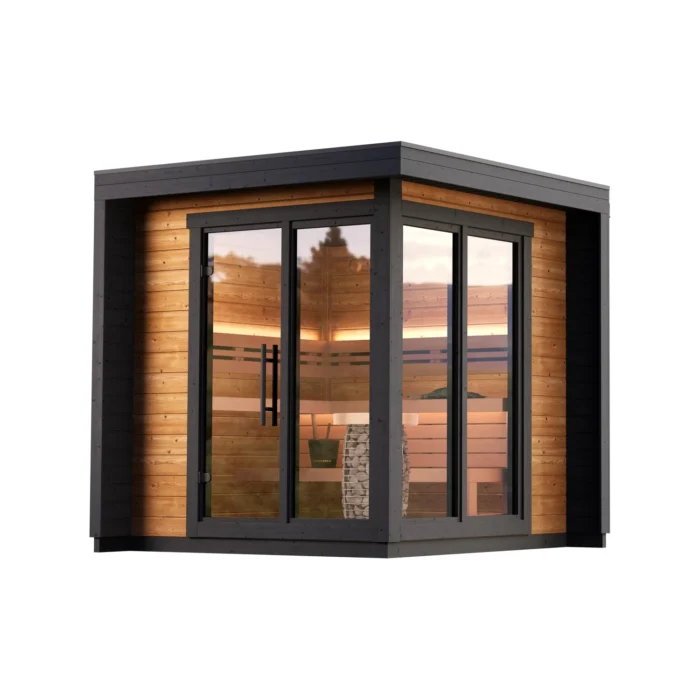
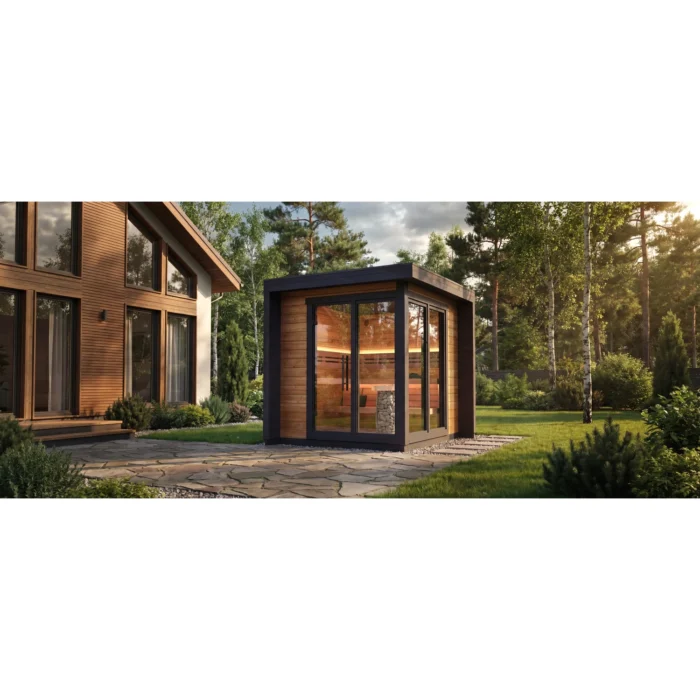
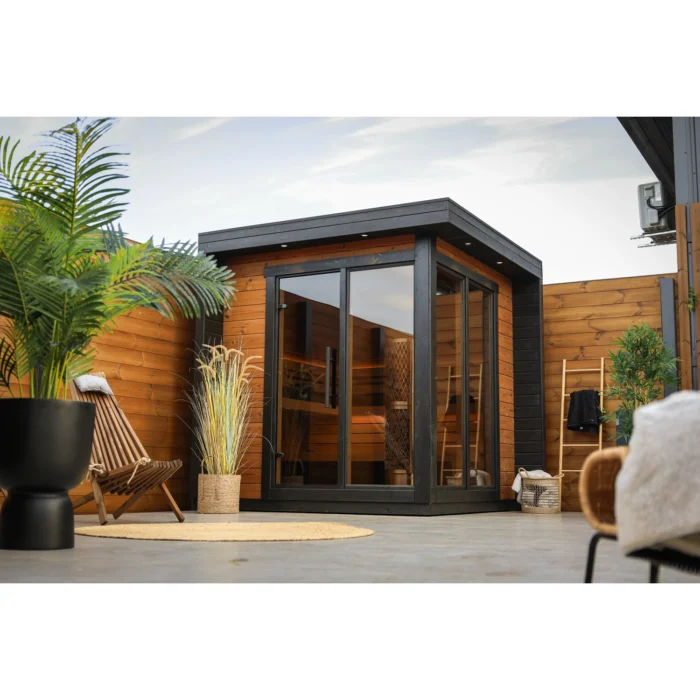
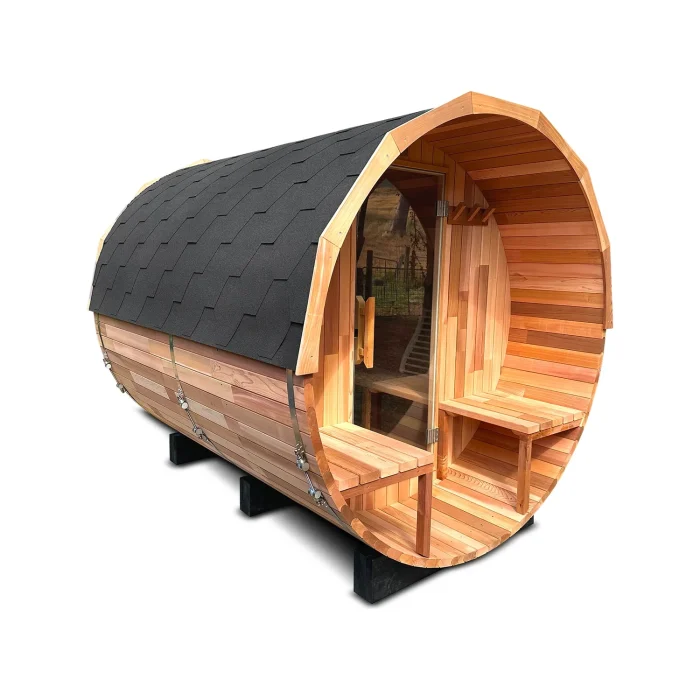
If you're new to saunas, start with our complete guide on how to use a sauna before layering in massage. And if you're considering building a dedicated wellness space at home, our range of saunas for home and outdoor use has everything you need to create a proper setup.
Sauna Before Massage: Benefits & When to Do It
Using a sauna before your massage is widely regarded as the classic sequence — and for good reason. Heat does a tremendous amount of the prep work your therapist would otherwise have to do manually.
How Heat Primes Your Body for Massage
When you sit in a sauna, your core body temperature rises, your blood vessels dilate, and your muscles begin to soften. Fascia — the connective tissue that wraps around your muscles — becomes more pliable at higher temperatures, making it significantly easier for a massage therapist to work through it.
The result? A deeper, more effective massage with less discomfort. Therapists can access muscle layers they'd otherwise struggle to reach, and you'll likely feel the effects of the session far longer.
Key Benefits of Sauna Before Massage
- Muscle pre-loosening — heat softens tight muscles so the therapist can work more deeply
- Increased circulation — dilated blood vessels allow for better nutrient delivery during massage
- Faster relaxation response — you arrive on the massage table already in a parasympathetic (rest-and-digest) state
- Reduced soreness risk — warm muscles are less likely to feel bruised post-massage
- Deeper tissue access — therapists can reach chronic knots and adhesions more efficiently
When You Should Sauna Before Massage
This order is ideal when your primary goal is deep tissue work, stress relief, or treating chronic muscle tightness. If you carry tension in your shoulders, hips, or lower back and you want your therapist to really get into that tissue, warming up in the sauna for 15–20 minutes beforehand will make the massage dramatically more effective.
It's also the better choice if you're short on total session time — you arrive pre-warmed and the massage can get straight to work.
Pro Tip: After your sauna but before your massage, drink at least one glass of water and allow 10–15 minutes for your body temperature to settle slightly. This maximises the benefits of heat without your therapist having to work on an overly flushed or overheated body.
Curious about the broader relationship between heat and physical performance? Our guide on sauna before or after exercise covers similar principles in detail. For those building a home routine, a Leil Viva outdoor sauna makes the perfect pre-massage warm-up station in your own backyard.
Sauna After Massage: Benefits & When to Do It
The sauna-after-massage sequence has its own distinct set of advantages. Rather than preparing the body, this approach extends and amplifies the work the therapist has already done.
What Happens When You Sauna After Massage
After a massage, your circulatory system is already activated, your lymphatic fluid is moving, and your muscles are loosened. Stepping into a sauna at this point keeps that process going. The heat maintains the elevated circulation and prevents muscles from tightening back up as quickly as they normally would.
Many people also find this sequence incredibly relaxing — the massage drops your nervous system into a deeply calm state, and the sauna simply holds you there longer.
Key Benefits of Sauna After Massage
- Prolonged muscle relaxation — prevents post-massage tightness from returning quickly
- Continued toxin and metabolite flushing — sweating expels the metabolic waste stirred up during massage
- Enhanced recovery — ideal after sports massage or deep tissue work
- Extended relaxation state — keeps you in a calm, low-stress state longer
- Improved skin benefit — heat opens pores after massage oils have been absorbed
When You Should Sauna After Massage
This order shines when your focus is recovery, detoxification, or extending the post-massage glow. If you've just had a sports massage, remedial session, or deep tissue treatment, the sauna helps your body process and recover from the intensity of the work.
It's also the better choice if you have sensitive skin or low heat tolerance, since you won't be going into a massage with an overheated body.
Caution: If your massage therapist used significant pressure on bruised or inflamed areas, wait at least 30–60 minutes before entering a sauna. Immediate heat on recently-worked inflamed tissue can increase localised swelling.
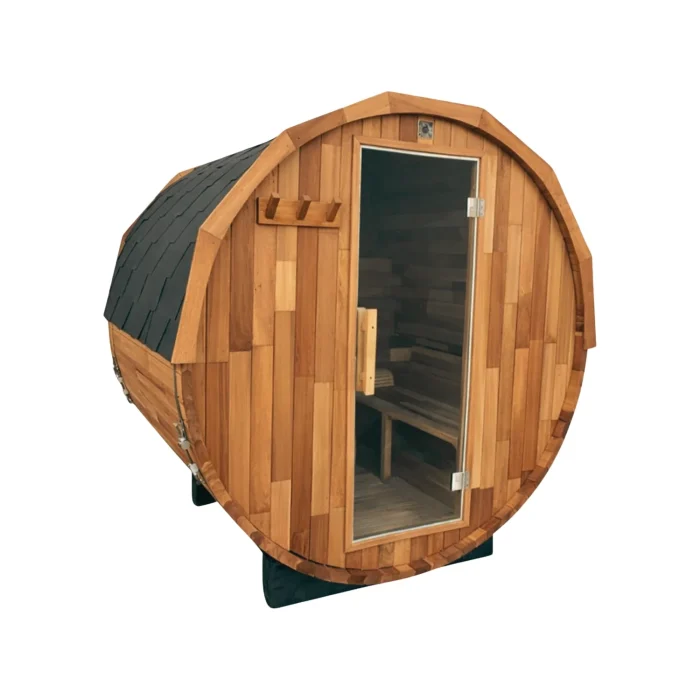
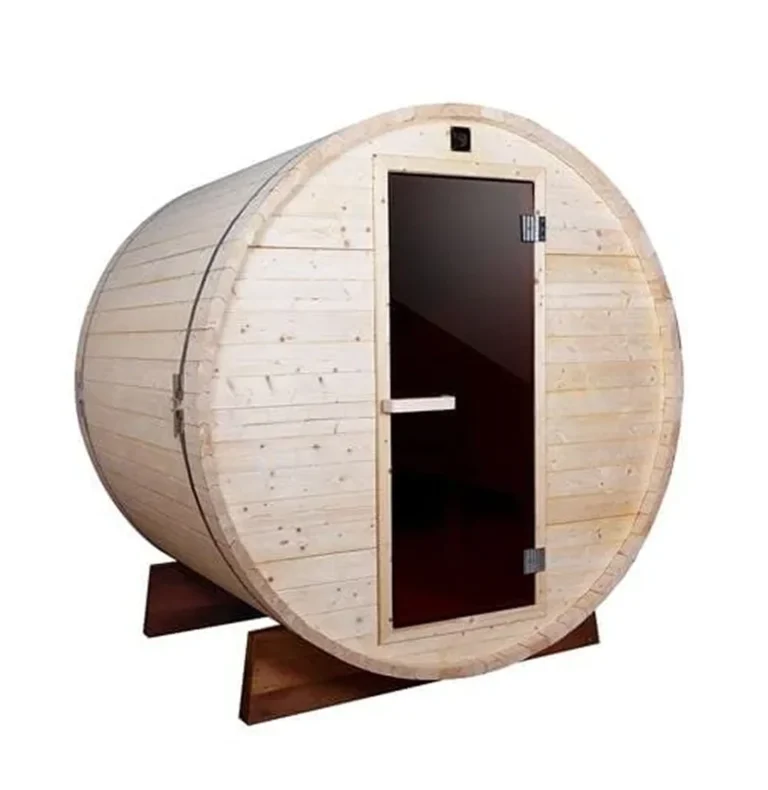
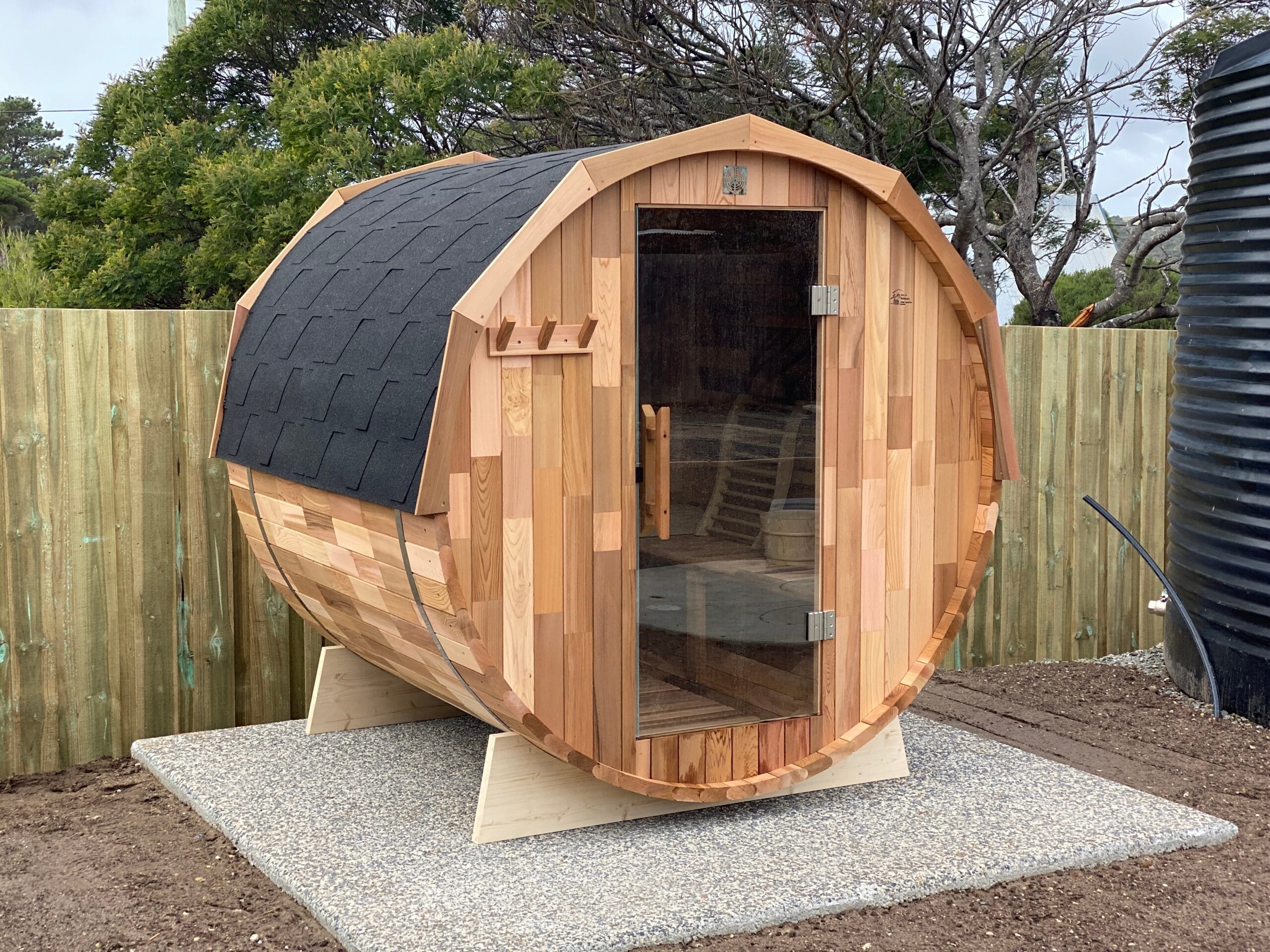
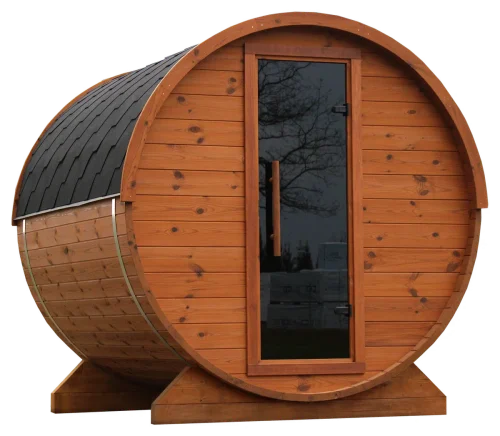
Learn more about how sauna supports physical recovery in our sauna for muscle recovery guide. If you're setting up a home wellness routine, explore our round barrel saunas — a beautiful and functional option for post-massage recovery sessions.
Side-by-Side Comparison: Sauna Before vs After Massage
Not sure which option fits your needs? This table breaks down the key differences at a glance.
| Factor | Sauna Before Massage | Sauna After Massage |
|---|---|---|
| Primary Goal | Muscle prep & deeper tissue access | Recovery & prolonged relaxation |
| Best For | Chronic tension, deep tissue, stress | Sports recovery, detox, general wellness |
| Muscle State During Massage | Pre-warmed, highly pliable | Normal temp, then reheated after |
| Massage Effectiveness | Deeper, more efficient | Standard, but effects are prolonged |
| Soreness Risk | Lower (warm muscles absorb work better) | Standard |
| Circulation Benefit | Heat activates, massage amplifies | Massage activates, heat maintains |
| Recommended Sauna Duration | 10–20 minutes before | 15–25 minutes after |
| Hydration Priority | Critical — drink before & after sauna | Important — replenish post-massage |
The Verdict: For most people seeking maximum benefit from both modalities, sauna before massage is the slightly better default. The heat prepares your body so thoroughly that even a shorter massage session can deliver outstanding results. That said, sauna after massage is the superior choice for post-workout recovery and detoxification.
Can You Do Sauna After Lymphatic Drainage Massage?
Lymphatic drainage massage is a gentle, specialised technique that stimulates the lymphatic system — the network responsible for clearing excess fluid, metabolic waste, and immune cells from body tissues. It requires a different approach when combined with sauna use.
Why Lymphatic Drainage Is Different
Unlike deep tissue or Swedish massage, lymphatic drainage uses very light, rhythmic strokes designed to guide lymph fluid through specific pathways. It's often used post-surgery, for oedema management, immune support, or as part of a detox protocol.
The question of whether you should sauna after lymphatic drainage massage is nuanced. In many cases, it can be beneficial — but the timing and intensity matter.
When Sauna After Lymphatic Drainage Is Beneficial
- When the goal is general detox and enhanced fluid movement
- When you're not recovering from surgery or an acute condition
- When using a lower-heat option like an infrared sauna (around 45–55°C) rather than a traditional Finnish sauna
- When you stay well-hydrated before and after
When to Avoid Sauna After Lymphatic Drainage
- Within the first 24–48 hours post-surgery or medical procedure
- If you experience significant oedema or swelling in specific areas
- If your therapist has specifically advised against heat exposure
- If you feel dizzy, lightheaded, or unwell after the session
Always consult your massage therapist or medical professional before combining sauna with lymphatic drainage, particularly if you're using it for a medical or post-surgical purpose.
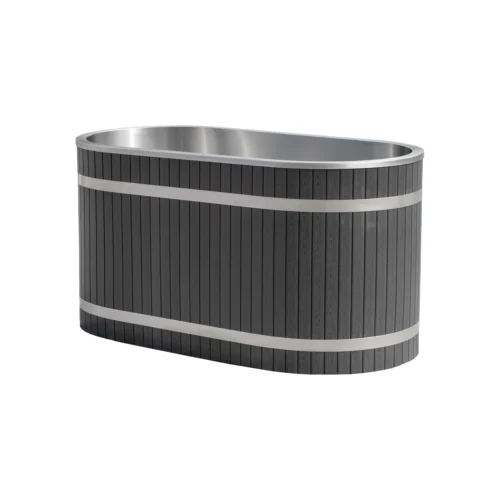
To deepen your wellness routine, explore our resources on contrast therapy — alternating heat and cold — which pairs beautifully with lymphatic massage protocols. Our range of cold plunge tubs is also worth considering as a complement to your sauna and massage routine.
Should You Do Infrared Sauna Before or After Massage?
Infrared saunas operate differently from traditional Finnish saunas. Rather than heating the air around you to 80–100°C, they use infrared light to directly heat your body tissues — typically at a much lower ambient temperature of 45–60°C. This produces a deep, penetrating heat that many people find gentler and more therapeutic.
Infrared Sauna Before Massage
The deep tissue penetration of infrared heat makes it particularly well-suited to use before massage. Because the heat reaches muscle fibres more directly, you can achieve significant muscle softening at lower ambient temperatures — making the experience more comfortable and accessible, particularly for those who find traditional saunas too intense.
Studies also suggest infrared exposure increases collagen flexibility in connective tissue, which may help massage therapists work through fascial layers more effectively.
Infrared Sauna After Massage
Post-massage infrared sauna is also highly effective. The gentle, sustained heat is ideal for continuing the recovery process without the cardiovascular intensity of a traditional sauna. Many athletic recovery protocols specifically recommend infrared therapy following massage for this reason.
Infrared Tip: If you're using infrared, aim for 20–30 minutes before or after massage. Because infrared sessions feel milder, people often underestimate their intensity — make sure you hydrate just as diligently as you would in a traditional sauna.
For a broader comparison between sauna types, read our in-depth article on infrared vs traditional saunas. If you're weighing up the best type for home use, our guide to which type of sauna is better will help you decide.
How Long Should You Sauna Before or After Massage?
Duration matters. Too little time in the sauna won't adequately warm or relax your muscles. Too long, and you risk dehydration, overheating, or fatigue that can actually undermine your massage experience.
If You're Using the Sauna Before Massage
- Traditional sauna (80–100°C): 10–20 minutes is the sweet spot. This is enough time to thoroughly warm muscles without excessive fluid loss.
- Infrared sauna (45–60°C): 20–30 minutes is appropriate given the lower ambient temperature and gentler heat progression.
- After the sauna, allow a 10–15 minute cool-down period before your massage begins.
- Drink at least 500ml of water in this gap.
If You're Using the Sauna After Massage
- Traditional sauna: 15–25 minutes, depending on your heat tolerance and the intensity of the massage.
- Infrared sauna: 25–40 minutes is comfortable for most people at lower temperatures.
- Wait at least 20–30 minutes after an intense deep tissue massage before entering the sauna.
- Stay well-hydrated — massage already activates your circulation, and sauna heat amplifies fluid loss.
For more guidance on sauna timing and duration, our article on how long to heat your sauna covers heat-up times and optimal session lengths in detail. You can also explore the best time for a sauna session to fit it into your daily wellness routine.
Practical Tips for Combining Sauna and Massage
Whatever order you choose, there are several universal principles that will help you get the most out of combining these two modalities.
Hydration Is Non-Negotiable
Both sauna and massage stimulate circulation and fluid movement. Combine them without adequate hydration and you risk dizziness, headaches, and increased muscle soreness. Drink 500ml–1 litre of water in the hours leading up to your combined session, and keep water on hand throughout.
Communicate With Your Therapist
Always let your massage therapist know you've used (or plan to use) a sauna during the same visit. This affects the pressure and techniques they'll use. A pre-warmed body that's already hyperemic (increased blood flow) calls for different handling than a typical start-of-session body.
Listen to Your Body
If you feel lightheaded, overly flushed, or nauseous at any point — in either the sauna or during the massage — stop immediately, hydrate, and allow time to rest. These are signs your body is under more physiological stress than it can comfortably handle.
Consider Adding a Cold Plunge
For those who want to take their recovery protocol to the next level, adding a cold plunge between the sauna and massage (or after) can be transformative. This contrast therapy dramatically amplifies circulatory effects and produces a powerful endorphin response.
Timing Around Food
Avoid eating a large meal within 1–2 hours of either a sauna session or massage. Both redirect blood flow toward the skin and muscles — digestion competes for that same blood and can cause discomfort. Read our guide on how long to wait to eat after sauna for more detail.
Build a Home Routine
The best sauna-massage combination is one you can do regularly. Investing in a home sauna removes the barrier of booking spa appointments and lets you sequence your sessions perfectly. Explore our full range of best home saunas in Australia, or if you're in Victoria, check out our saunas for sale in Melbourne for local options with delivery.
Browse our Como indoor sauna series and Viva outdoor sauna series to find a model that suits your home and lifestyle.
Frequently Asked Questions
Should I sauna before or after massage?
Both work well, but for most people, sauna before massage is the slightly better default. The heat softens and loosens muscles, making it easier for your therapist to work deeply and effectively. Sauna after massage is ideal if your primary goal is recovery, detoxification, or prolonging the relaxed state the massage creates.
Is it good to sauna after a massage?
Yes, it's generally good to sauna after a massage. Post-massage sauna keeps your muscles warm and relaxed, continues the circulation boost initiated by the therapist, and helps your body flush out metabolic waste stirred up during the session. Wait 20–30 minutes after an intense massage before entering the sauna, and make sure you're well-hydrated.
Can you do a sauna after a lymphatic drainage massage?
In most general wellness contexts, yes. A gentle sauna or infrared session after lymphatic drainage can support continued fluid movement and detoxification. However, if you've had lymphatic drainage for post-surgical recovery or a specific medical condition, consult your therapist or doctor first — heat may not be appropriate in all cases. Contrast therapy is another option worth exploring in this context.
Should you do an infrared sauna before or after a massage?
Infrared sauna works excellently in both positions. Before massage, its deep-penetrating heat is particularly effective at loosening connective tissue. After massage, its gentle sustained warmth is ideal for prolonging recovery without cardiovascular intensity. Aim for 20–30 minutes of infrared before massage, or 25–40 minutes after, and hydrate thoroughly either way.
How long should I be in the sauna before a massage?
In a traditional sauna (80–100°C), 10–20 minutes is the recommended duration before a massage. In an infrared sauna (45–60°C), 20–30 minutes is appropriate. Allow a 10–15 minute cool-down period after the sauna and before your massage begins, and drink at least 500ml of water during this gap.
What is a sauna massage?
A sauna massage generally refers to combining a sauna session with massage therapy as part of a single wellness routine. In some traditions, it specifically means receiving a massage inside a sauna cabin — a practice rooted in Finnish and Nordic wellness culture. In everyday use, it simply means using both modalities in the same session to amplify the benefits of each. Read our beginner's guide to using a sauna to learn more about the basics.
Is sauna before or after massage better for muscle recovery?
For muscle recovery specifically, sauna after massage has a slight edge. The massage breaks down tension and activates circulation; the sauna then maintains the thermal environment that helps muscles recover efficiently. This sequence is particularly effective after sports massage or remedial work. For more, see our guide on sauna for muscle recovery.