

If you work hard at the gym, on the trails, or in the yoga studio, what you do after a session matters as much as the workout itself. For women across Australia and New Zealand, sauna use is becoming one of the most talked-about recovery tools, and for good reason. From easing muscle soreness to supporting hormonal balance, regular sauna sessions offer a wide range of benefits that are particularly relevant to women.
This guide covers what the research says, how to get started, and why investing in a home sauna might be one of the best wellness decisions you make this year.
After intense exercise, muscle fibres experience micro-tears that need time and the right conditions to repair. Heat exposure accelerates this process by increasing blood flow, reducing inflammation, and triggering the release of heat shock proteins, which help protect and repair damaged cells.
For women, who tend to experience different hormonal fluctuations throughout the month, recovery can sometimes feel inconsistent. Research suggests that infrared heat therapy can help reduce delayed onset muscle soreness (DOMS) and return the body to a ready state faster. Our guide on sauna for muscle recovery covers the research in detail.
Recovery is often treated as something optional, but for women who train regularly, it is a key part of progress. Without proper recovery, performance can stall, fatigue builds up faster, and injuries become more likely. This is especially true for women balancing strength training, cardio, and high daily stress.
What makes recovery even more important is how the female body responds to stress and training load. Hormonal shifts throughout the month can influence energy levels, soreness, and sleep quality, which means recovery strategies need to be consistent and supportive rather than occasional.
Good recovery habits also help maintain long-term motivation. When the body feels supported, training becomes more enjoyable and easier to sustain over time.
Not all saunas work in the same way, and understanding the difference helps you choose what suits your body best. Infrared saunas use light to heat the body directly, while traditional saunas heat the air around you, creating a hotter and more humid environment.
Infrared heat is generally more tolerable for longer sessions, which can be helpful for beginners or those focused on recovery rather than intensity. Traditional saunas, on the other hand, often create a more intense sweat response in a shorter period of time.
Key differences include:
Heat therapy has been linked to positive effects on cortisol regulation. Cortisol, commonly known as the stress hormone, tends to be chronically elevated in many active women, particularly those juggling demanding careers, family responsibilities, and fitness routines. Regular sauna sessions have been shown to blunt cortisol responses over time, helping to bring the nervous system into a more balanced state.
Additionally, sauna use promotes the release of endorphins and growth hormone, both of which play an important role in recovery and body composition. Growth hormone is particularly relevant for women who want to maintain lean muscle mass as they age.
One of the most visible benefits of regular sauna use for women is improved skin quality. The deep sweating that happens in a sauna helps flush impurities from the pores, promotes circulation to the skin surface, and can result in a clearer, more radiant complexion over time.
Dry skin is also a common complaint, especially during colder months. Our article on benefits of sauna for skin explains exactly how heat therapy helps restore moisture balance.
Heat exposure has a direct effect on blood circulation. When the body warms up, blood vessels expand, allowing oxygen and nutrients to reach muscles more efficiently. This improved circulation supports faster repair after exercise and helps reduce stiffness.
There is also evidence that repeated heat exposure may help improve cardiovascular efficiency over time. While it is not a replacement for exercise, it can complement an active lifestyle by training the body to adapt to heat stress in a controlled way.
This combination of improved circulation and cellular repair is one of the reasons sauna use feels so restorative after training.
While the sauna is not a substitute for exercise or a balanced diet, it does support metabolic health in ways that complement a fitness routine. The cardiovascular demands of sitting in a sauna mimic light cardio, raising heart rate and burning additional calories. For a realistic picture, see our breakdown on how many calories are burned in a sauna.
Women are statistically more likely to experience anxiety and burnout than men. The sauna creates a rare moment of uninterrupted stillness. The heat triggers the release of beta-endorphins, the same mood-boosting chemicals released during exercise. Many women report that a 20 to 30 minute sauna session leaves them feeling genuinely calm and centred in a way that is difficult to replicate.
Sweating is often linked to detoxification, but the reality is more balanced. The body already has its own detox systems through the liver and kidneys. The sauna supports these systems indirectly by promoting circulation and sweating, but it does not “flush toxins” in a direct or dramatic way.
What it does do is increase fluid loss, which makes hydration essential. Many women underestimate how much water they need after a session, especially when combining sauna use with exercise.
A simple approach helps:
Timing matters. Using the sauna after training, rather than before, is generally more effective for recovery. Pre-workout sauna sessions can lead to dehydration and reduce performance. Post-workout, aim for 15 to 25 minutes at a comfortable temperature, followed by adequate hydration.
Frequency is also important. Three to four sessions per week tends to produce noticeable improvements in recovery and mood within a few weeks. To understand the best timing, read our guide on sauna before or after exercise.
Consistency matters more than intensity when it comes to sauna benefits. Treating it as part of a weekly rhythm helps the body adapt and makes the effects more noticeable over time.
Many women find it helpful to pair sauna sessions with training days or rest days depending on their schedule. The key is to keep it realistic rather than forcing daily use.
A simple weekly structure could look like:
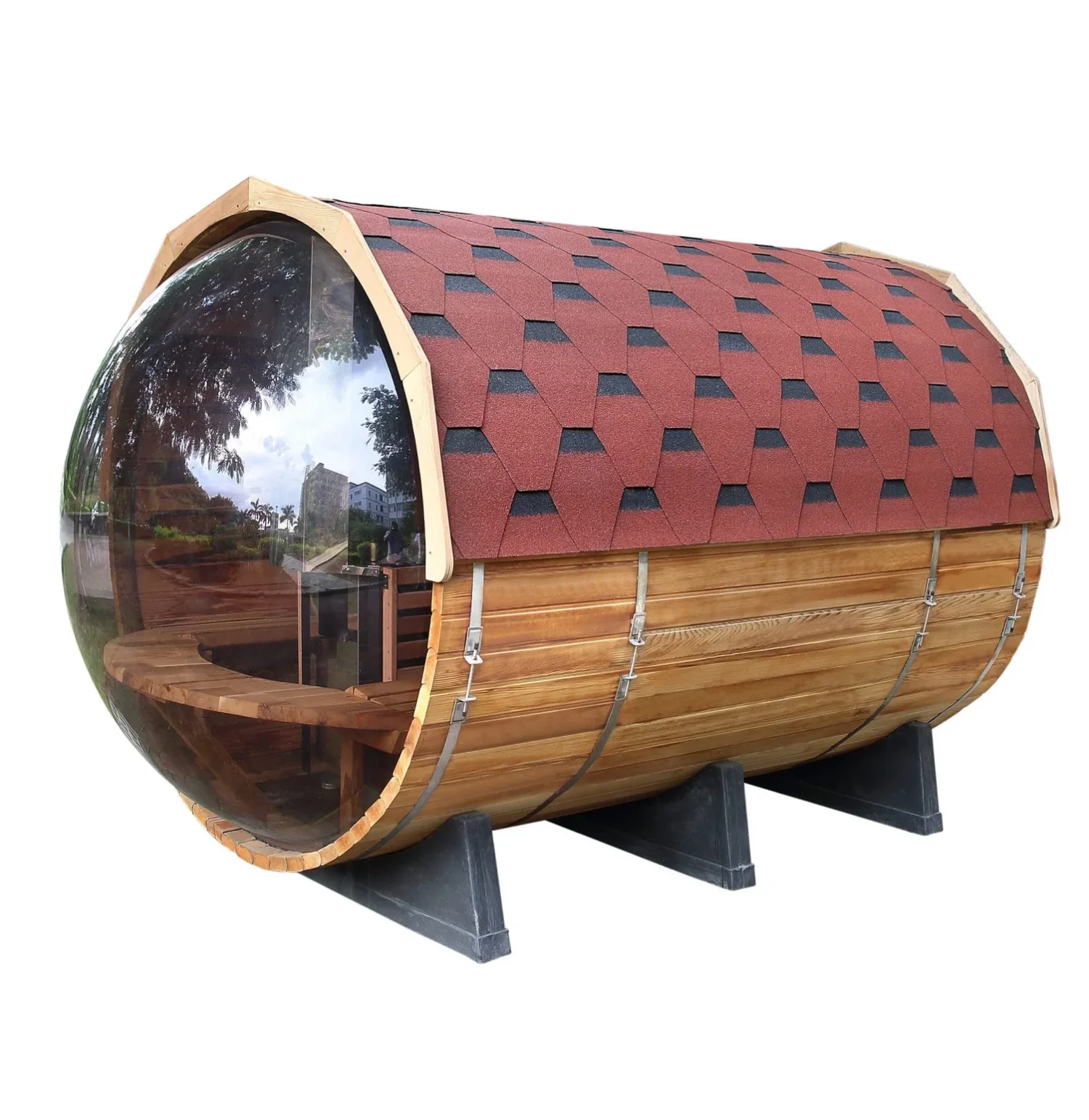
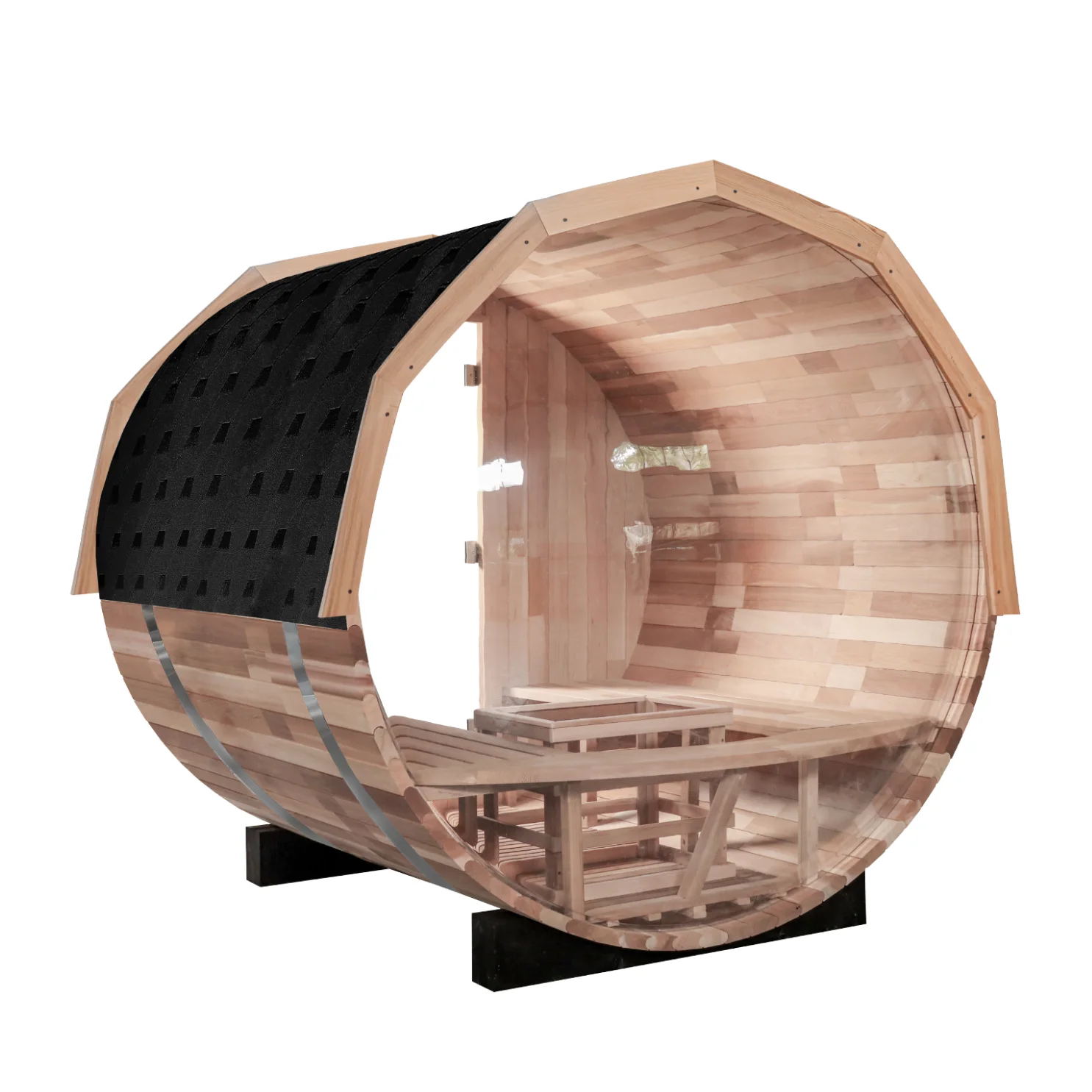
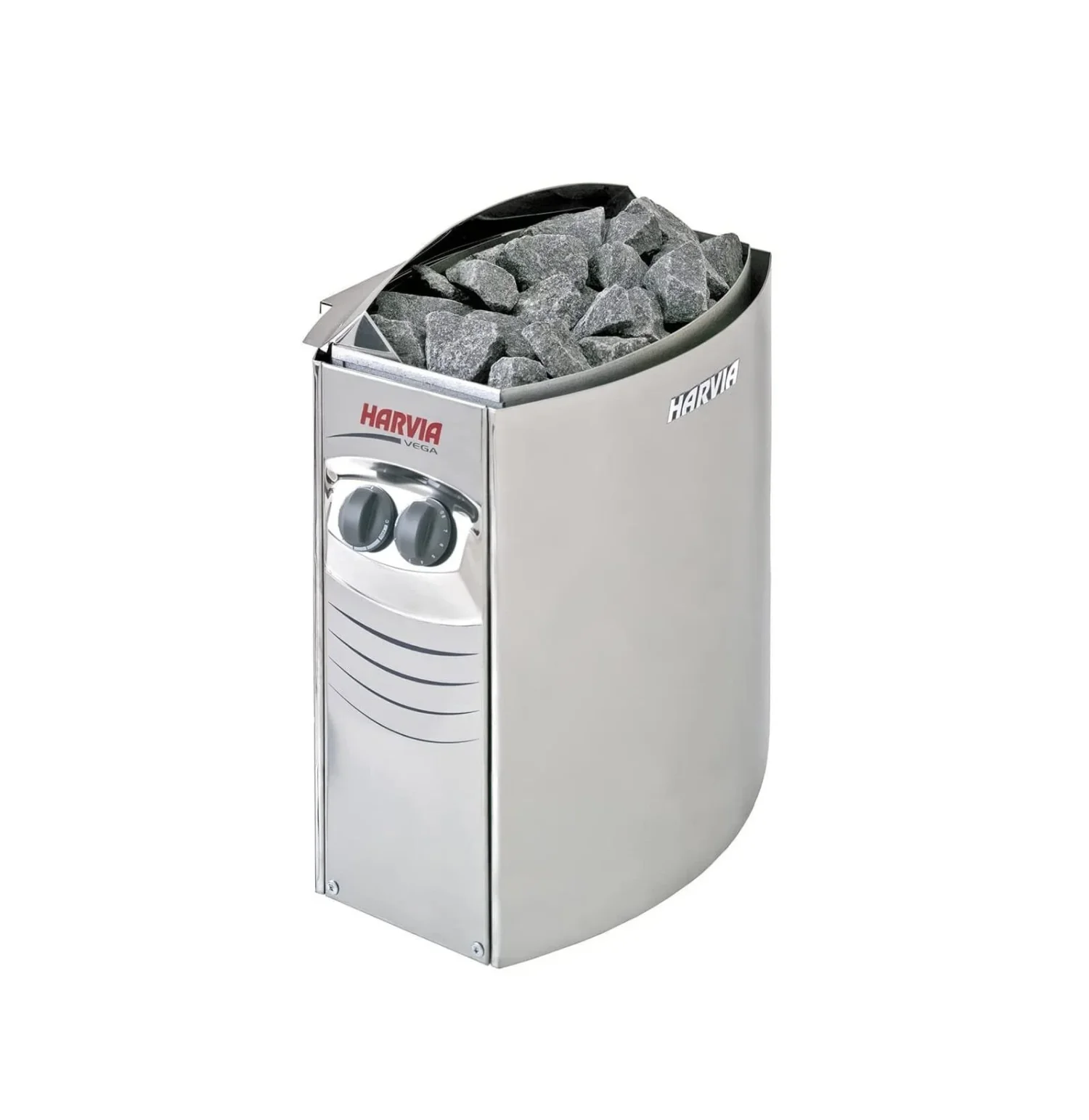
Infrared saunas are often the preferred choice for women focused on recovery and skin health because they operate at lower temperatures while still delivering deep tissue heat. Traditional saunas run hotter and produce steam, which some women find invigorating. At Shym Saunas, we have a range of options from compact indoor models to outdoor barrel saunas, all designed for Australian and New Zealand homes.
For most women, yes. However, if you experience heavy bleeding or cramping, it may be more comfortable to wait until symptoms ease. Some women find mild heat helpful for cramps, but always listen to your body and exit the sauna if you feel lightheaded.
15 to 20 minutes per session is a good starting point. Experienced users often extend this to 25 to 30 minutes. Always exit if you feel dizzy, and hydrate before and after.
It is best to check with your doctor first. While moderate heat exposure is generally considered low risk, dehydration is a concern for breastfeeding mothers, so extra fluid intake is essential. Read more in our guide on sauna while breastfeeding.
Infrared saunas between 50 and 60 degrees Celsius are comfortable and effective for most women. Traditional saunas typically run at 70 to 90 degrees Celsius, which is fine for those accustomed to higher heat.
The sauna is one of the most underutilised tools in women’s wellness. Whether you are training for a marathon, managing the physical demands of a busy life, or simply want to feel better in your body, regular sauna sessions can make a genuine difference. Browse the Shym Saunas range and find a model that fits your home, your lifestyle, and your budget.