












If you've been dealing with persistent muscle soreness, joint pain, or chronic discomfort, you may have already come across infrared sauna therapy as a natural remedy. But does the science actually stack up — or is it just another wellness trend? The short answer is: yes, infrared saunas are genuinely effective for pain relief, and the evidence is growing.
Unlike traditional saunas that heat the air around you, infrared saunas use light waves to penetrate deep into body tissue — up to 4–5 cm beneath the skin. This deep heat stimulates circulation, relaxes muscle fibres, and triggers the body's natural healing response. The result? Real, measurable relief from a wide range of pain conditions.
How Infrared Heat Therapy Works
The key difference between infrared and conventional sauna heat lies in how energy is delivered to the body. Traditional saunas heat the ambient air to very high temperatures (often 80–100°C), which warms you from the outside in. Infrared saunas operate at a much lower air temperature (typically 45–60°C) while delivering radiant heat that absorbs directly into muscle and joint tissue.
This deeper penetration is what makes infrared therapy particularly effective for pain. Here's what happens at a physiological level:
- Vasodilation: Infrared heat causes blood vessels to dilate, significantly increasing blood flow to affected tissues — delivering oxygen and nutrients while flushing out metabolic waste.
- Reduced muscle tension: Deep heat penetration loosens tight muscle fibres and reduces painful spasms, particularly in the back, neck, and shoulders.
- Endorphin release: Heat exposure stimulates the release of endorphins — the body's natural painkillers — creating a sense of relief and wellbeing.
- Reduced inflammation: Studies suggest infrared therapy can reduce inflammatory markers in the body, helping with conditions like arthritis and fibromyalgia.
- Faster tissue repair: Increased circulation supports faster cell regeneration, accelerating recovery from injury and exercise-induced muscle damage.
What Pain Conditions Can Infrared Saunas Help With?
Infrared sauna therapy has shown promising results across a broad range of pain conditions. Below is a summary of common conditions and the level of evidence supporting infrared therapy as a complementary treatment:
| Pain Condition | Evidence Level | Key Benefit |
|---|---|---|
| Muscle Soreness (DOMS) | Strong | Speeds up recovery, reduces stiffness |
| Chronic Lower Back Pain | Strong | Relaxes deep spinal muscles, improves mobility |
| Arthritis (Rheumatoid & Osteo) | Moderate–Strong | Reduces joint inflammation and pain sensitivity |
| Fibromyalgia | Moderate | Decreases widespread pain and fatigue |
| Sports Injuries | Moderate–Strong | Accelerates tissue repair and reduces bruising |
| Sciatica | Moderate | Loosens piriformis and surrounding muscles |
| Headaches & Migraines | Emerging | Reduces muscle tension contributing to headaches |
Note: Infrared sauna therapy is a complementary treatment. Always consult your healthcare provider for medical conditions.
Infrared vs Traditional Sauna for Pain Relief
Both sauna types offer therapeutic heat, but infrared saunas have some distinct advantages when it comes to pain management specifically:
- Lower temperature, deeper penetration: Infrared heat reaches deeper tissue at a more comfortable ambient temperature, making sessions more tolerable for those in pain.
- Longer, more comfortable sessions: Because the air stays cooler, users with chronic conditions can typically stay in longer, maximising therapeutic benefit.
- Better for sensitive individuals: Those with conditions like fibromyalgia or arthritis often find the gentler heat of infrared saunas easier to tolerate than steam or high-temperature traditional saunas.
- Targeted wavelengths: Far-infrared wavelengths are particularly effective for deep tissue work, while near-infrared wavelengths support skin and surface healing.
How to Use an Infrared Sauna for Best Pain Relief Results
Getting the most out of infrared sauna therapy for pain relief comes down to consistency and technique. Here are some practical tips to maximise your sessions:
- Session length: Aim for 20–40 minutes per session. Beginners should start with 15–20 minutes and gradually increase.
- Frequency: For chronic pain management, 3–4 sessions per week is ideal. For post-exercise recovery, a session within 1–2 hours after training works well.
- Temperature setting: Set your infrared sauna between 50–60°C. Far-infrared is most effective for joint and muscle pain at this range.
- Hydration: Drink at least 500ml of water before your session and rehydrate well afterwards. Dehydration can worsen muscle cramps.
- Stretching after: Your muscles are warm and pliable immediately after a session — this is the ideal time for gentle stretching to maximise range of motion.
- Positioning: Position the area of pain closest to the infrared panels for more targeted heat delivery.
Choosing the Right Infrared Sauna for Pain Relief
Not all infrared saunas are built the same. When selecting a unit specifically for therapeutic pain relief, look for the following features:
- Full-spectrum infrared: A sauna that offers near, mid, and far-infrared wavelengths gives you the widest range of therapeutic benefits — from surface healing to deep tissue penetration.
- Low EMF panels: Opt for saunas with low electromagnetic field (EMF) ratings for safe, long-term daily use.
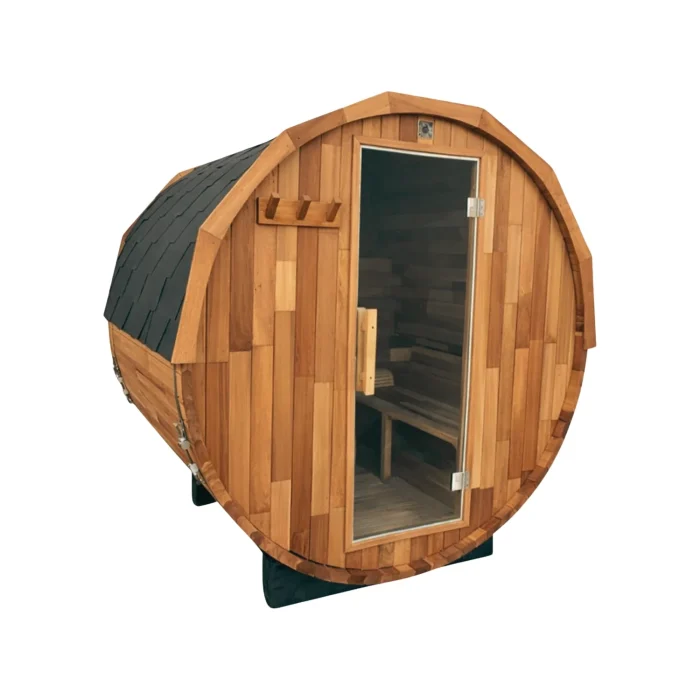
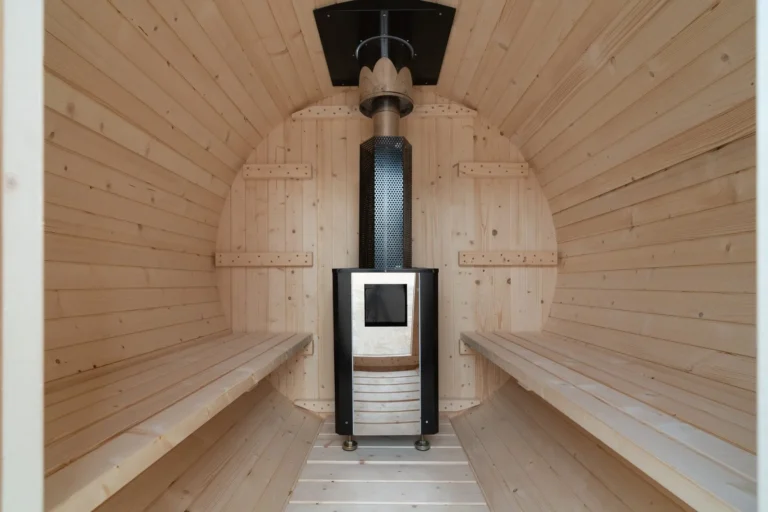
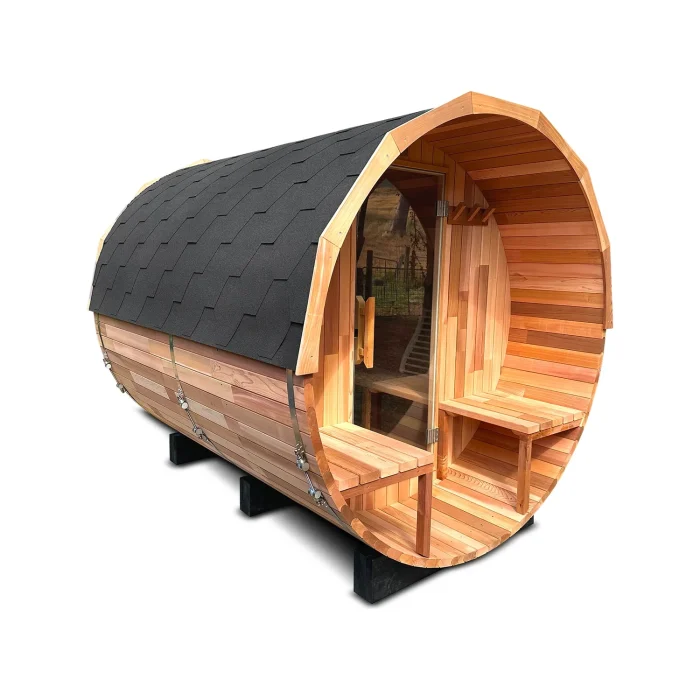
- Quality timber: Canadian cedar and hemlock are popular choices for their durability, natural aroma, and resistance to moisture.
- Adequate size: Ensure the sauna is large enough for you to stretch and move comfortably, especially if you're targeting back or hip pain.
- Australian safety certifications: Always purchase from a reputable supplier that provides saunas certified to Australian electrical safety standards.
Browse our full selection of infrared and traditional saunas at Shym Saunas — Sauna Collection. Every unit is selected for quality, safety, and therapeutic value.
Who Should Avoid Infrared Sauna Therapy?
While infrared saunas are safe for most healthy adults, there are situations where caution or medical advice is needed:
- Pregnancy: Pregnant women should avoid sauna use, particularly in the first trimester, as elevated core body temperature may affect foetal development.
- Cardiovascular conditions: Those with heart conditions or low blood pressure should consult a doctor before regular sauna use, as heat affects circulation significantly.
- Active inflammation or open wounds: Avoid using a sauna over acutely inflamed joints or broken skin, as heat may temporarily worsen symptoms.
- Heat sensitivity conditions: Individuals with multiple sclerosis or similar conditions that affect heat tolerance should seek medical guidance.
Start Your Pain Relief Journey with Shym Saunas
If you're tired of relying solely on medication or physio visits to manage pain, an infrared sauna could be the natural, daily ritual that makes a genuine difference to your quality of life. The evidence is clear, the benefits are real, and the investment pays off in both comfort and long-term health.
At Shym Saunas, we supply premium infrared saunas across Australia and New Zealand with expert guidance to help you choose the right model for your needs. Contact our team today — we're here to help you find the perfect sauna and start feeling better sooner.