




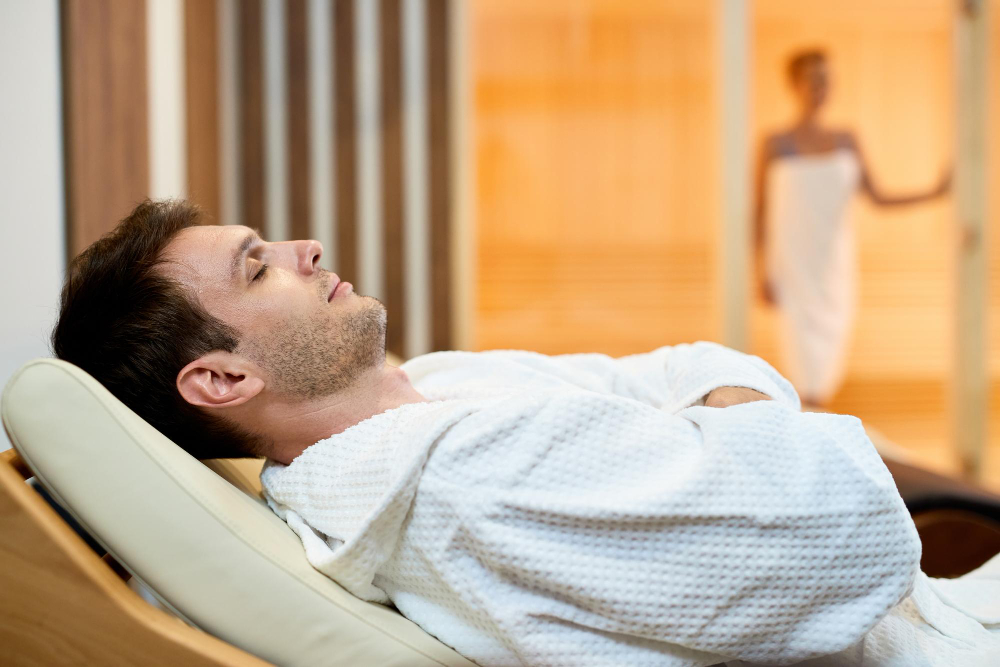
Poor sleep is one of the most common health complaints in Australia. Whether it's difficulty falling asleep, waking throughout the night, or simply never feeling truly rested, disrupted sleep affects millions of people and has real consequences for mood, immunity, metabolism, and mental health. If you've tried sleep hygiene habits, melatonin supplements, and cutting back on caffeine with limited success, you might be surprised to learn that one of the most effective natural sleep remedies is a sauna session.
The relationship between heat therapy and sleep is well-supported by science. Regular sauna use — whether traditional Finnish, infrared, or steam — has been shown to help people fall asleep faster, stay asleep longer, and experience more restorative deep sleep. Here's exactly how it works and how you can use it to your advantage.
The Science Behind Saunas and Sleep
To understand why saunas help you sleep better, you first need to understand what triggers sleep in the body. One of the most important signals is a drop in core body temperature. As evening approaches, your body naturally begins to cool down — this cooling process cues the brain to release melatonin, the hormone responsible for making you feel sleepy.
A sauna session strategically raises your core body temperature significantly. Once you exit the sauna, your body works hard to cool itself back down — and this rapid post-sauna temperature drop closely mimics and amplifies the body's natural pre-sleep cooling process. The result is a stronger, faster sleep signal sent to the brain.
Beyond temperature regulation, saunas also influence sleep through several other physiological mechanisms:
- Cortisol reduction: Sauna heat has been shown to lower cortisol levels — the primary stress hormone that keeps the nervous system in an alert state and makes falling asleep difficult.
- Endorphin and serotonin release: Heat exposure stimulates the release of feel-good neurochemicals that promote relaxation, calm the mind, and act as natural precursors to melatonin production.
- Muscle relaxation: Physical tension held in the body — particularly in the back, shoulders, and neck — is a common cause of poor sleep. Sauna heat releases this tension, making it easier to settle into rest.
- Parasympathetic activation: Regular heat exposure helps shift the autonomic nervous system away from the 'fight or flight' state and into 'rest and digest' mode — the neurological state required for quality sleep.
- Adenosine build-up: The physical exertion your body undergoes during a sauna session increases adenosine — a natural sleep pressure compound that accumulates throughout the day and drives the urge to sleep.
How Different Sauna Types Affect Sleep
All sauna types can support better sleep, but they work slightly differently. Here's a comparison to help you understand which style might suit your sleep goals best:
| Sauna Type | Temperature Range | Best Sleep Benefit | Ideal Session Time |
|---|---|---|---|
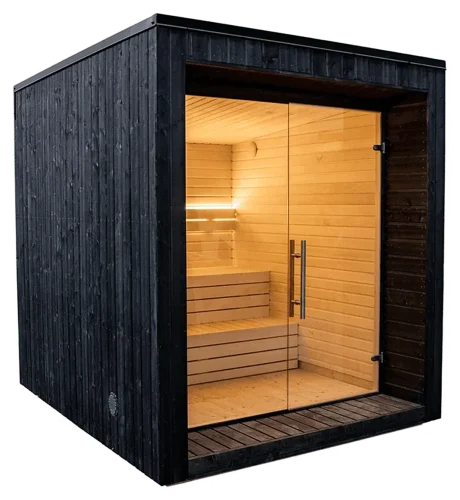
| Finnish / Traditional | 80–100°C | Strong temperature drop post-session triggers deep sleep | 15–20 mins, 1–2 hrs before bed |
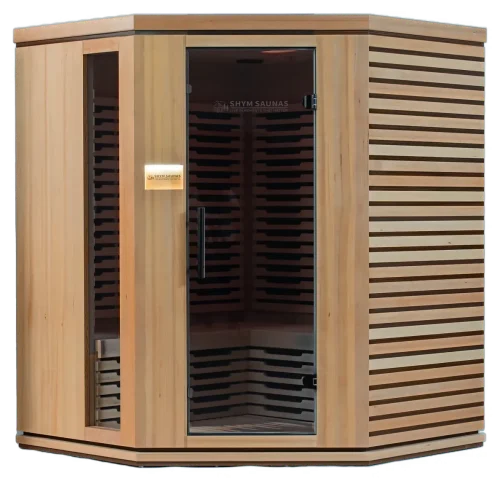
| Infrared Sauna | 45–60°C | Gentle, prolonged heat ideal for cortisol reduction and relaxation | 30–45 mins, 1–2 hrs before bed |
| Steam Room | 40–50°C | High humidity eases breathing, calms respiratory tension | 20–30 mins, 1–2 hrs before bed |
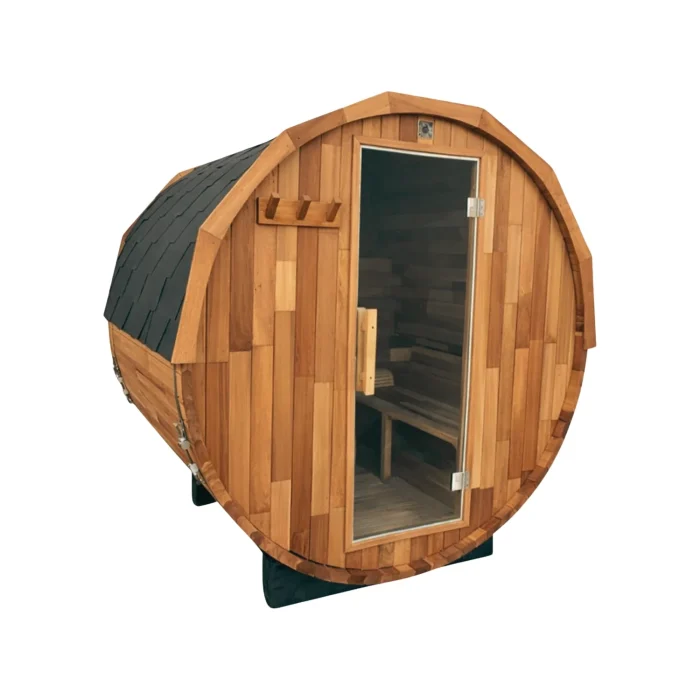
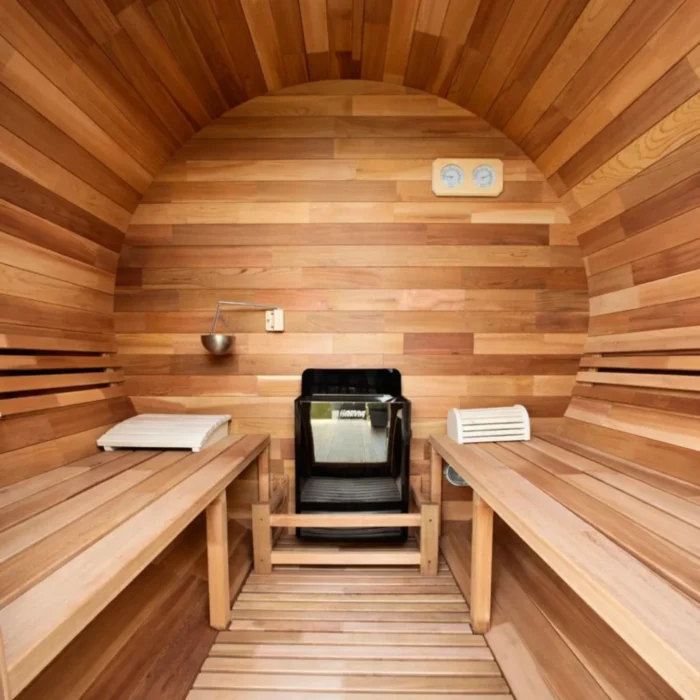
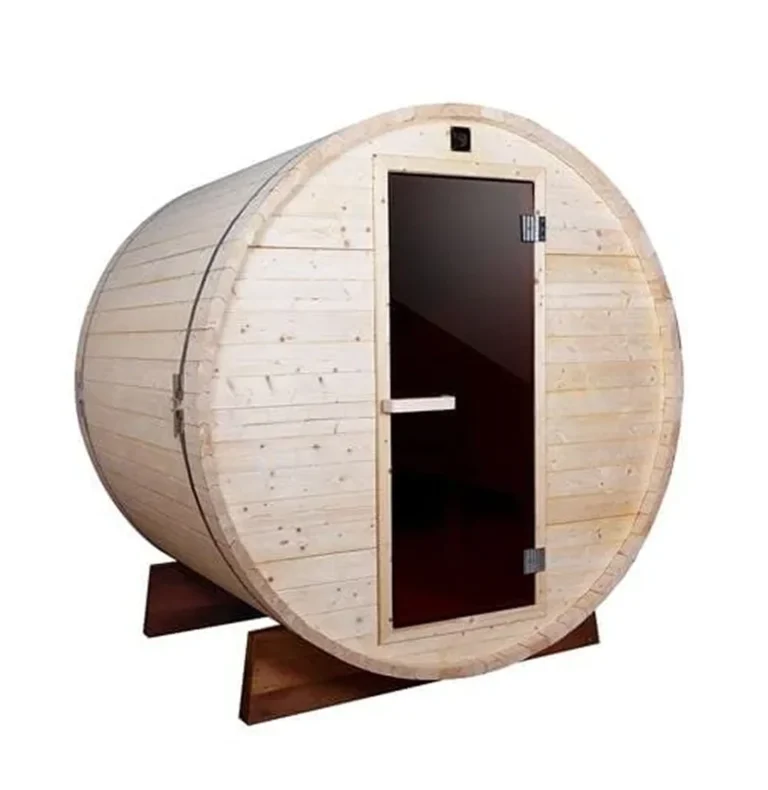
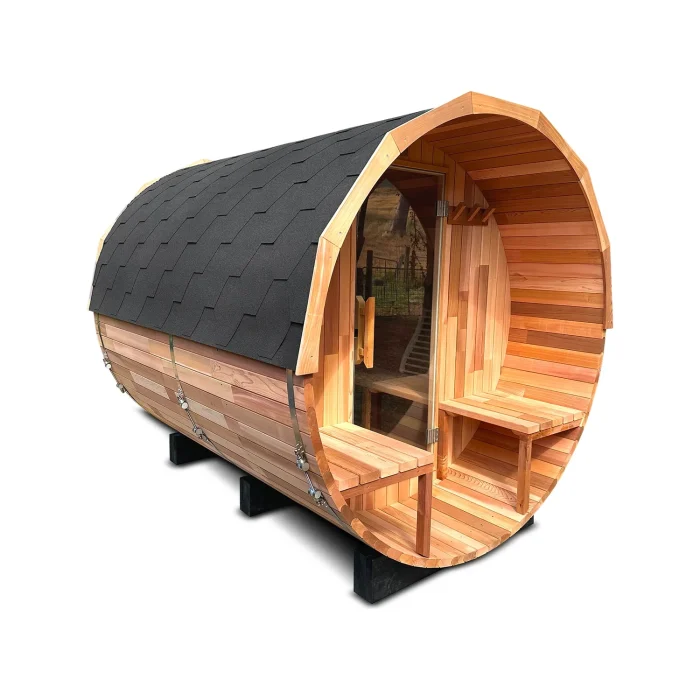
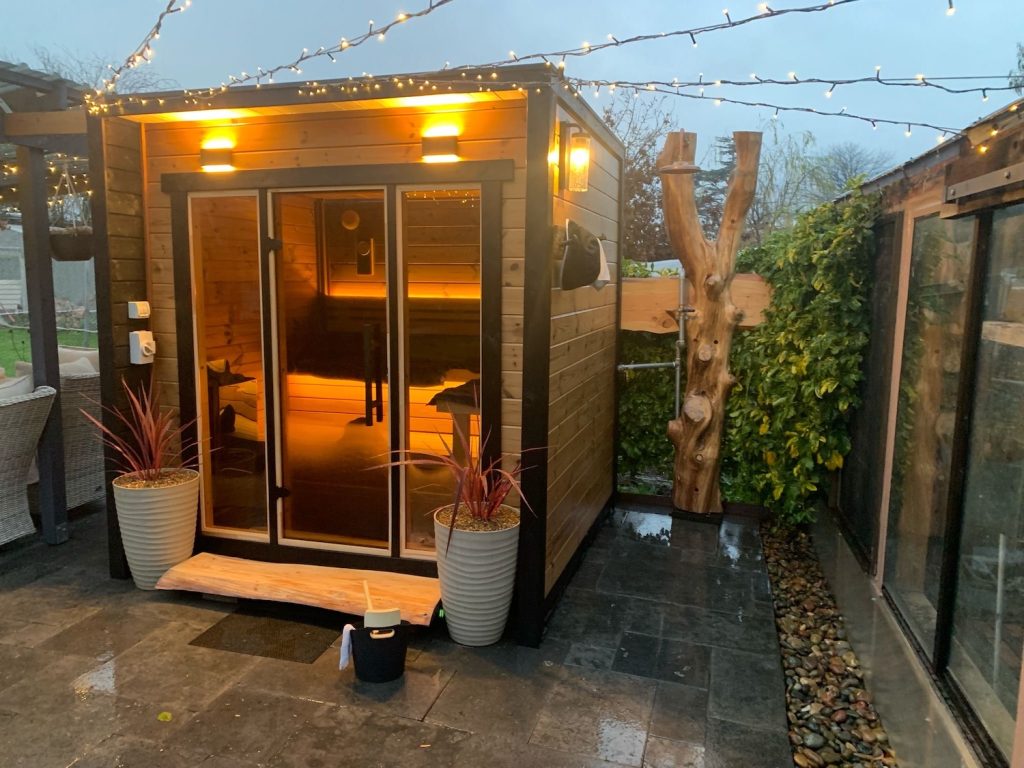
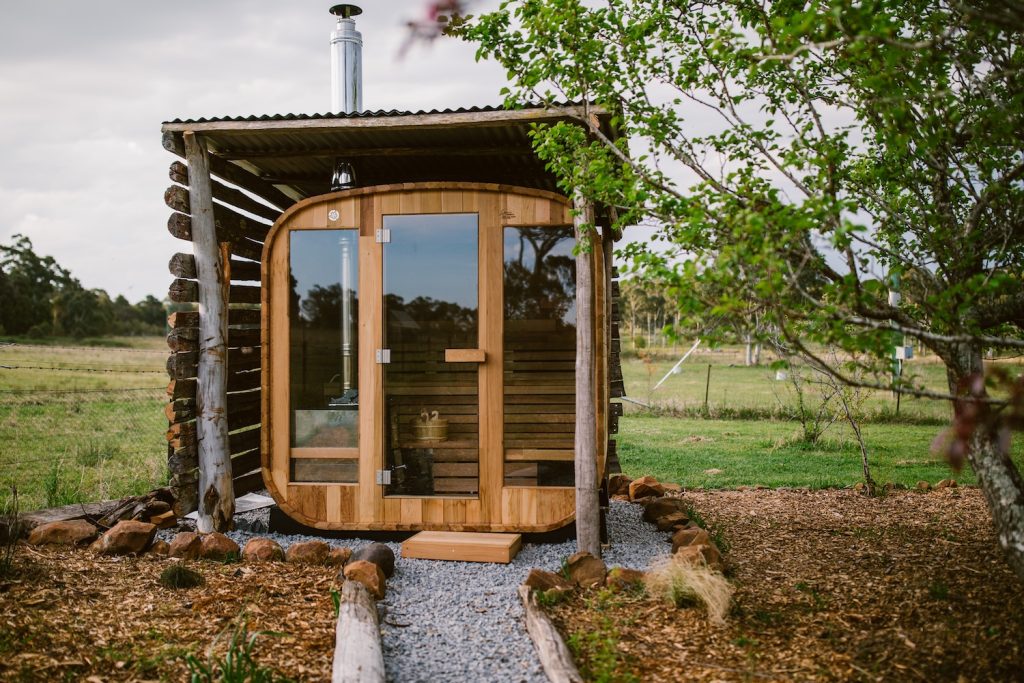
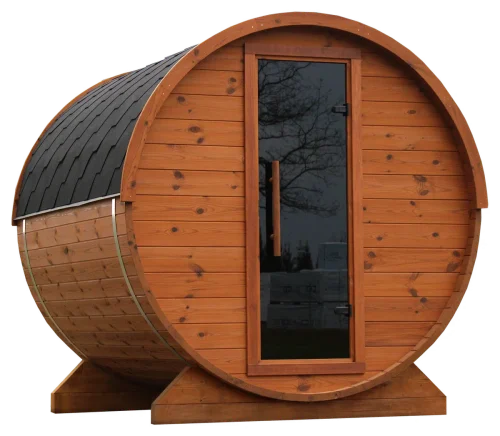
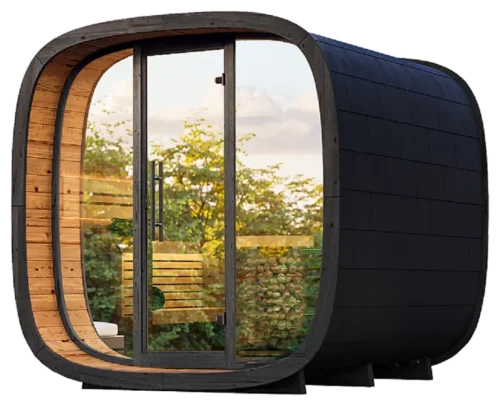
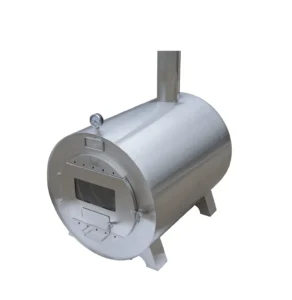
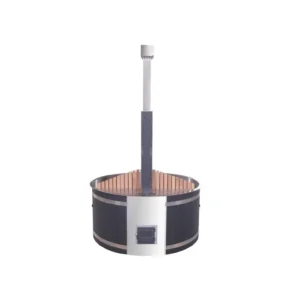
| Barrel / Outdoor Sauna | 70–90°C | Combines heat with fresh air exposure — powerful sleep reset | 20–30 mins, 1–2 hrs before bed |
What Does the Research Say?
The sleep benefits of sauna use are not just anecdotal — they are increasingly backed by clinical research. Multiple studies have explored the relationship between passive heat therapy and sleep quality, with consistently positive findings:
- A 2019 meta-analysis published in Sleep Medicine Reviews found that passive body heating (including sauna and warm baths) significantly improved sleep onset — participants fell asleep an average of 10 minutes faster.
- Research on infrared sauna use among patients with chronic fatigue syndrome found measurable improvements in sleep quality and daytime fatigue after just four weeks of regular sessions.
- Finnish studies on traditional sauna bathing have long noted that regular sauna users report deeper, more uninterrupted sleep — consistent with the country's cultural practice of evening sauna before bed.
- Studies on slow-wave sleep (SWS) — the deepest, most restorative stage of sleep — show that prior heat exposure increases the proportion of SWS achieved during the night, leading to better physical recovery and cognitive performance the next day.
Saunas and Specific Sleep Conditions
Beyond general sleep improvement, sauna therapy shows particular promise for people dealing with specific sleep-related challenges:
- Insomnia: The cortisol-reducing and temperature-drop effects directly address two of the core physiological drivers of insomnia, helping re-establish the body's natural sleep-wake cycle.
- Stress-related sleep disruption: For people whose poor sleep is driven by anxiety or high stress, sauna's proven ability to lower cortisol and activate the parasympathetic nervous system can make a significant difference within weeks.
- Shift workers and irregular schedules: A sauna session before sleep — regardless of the time of day — can help signal to the body that it's time to rest, which is particularly useful for those with non-traditional work hours.
- Restless legs and body tension: The muscular relaxation achieved through heat therapy can reduce the restless, uncomfortable sensations in the legs and body that prevent many people from getting to sleep.
- Menopausal sleep disruption: Regular sauna use has been explored as a complementary support for menopausal women who experience night sweats and sleep disruption, with heat conditioning the body's thermoregulatory response over time.
How to Use a Sauna for Better Sleep: A Practical Guide
Timing, temperature, and consistency are the three pillars of using sauna therapy effectively for sleep. Follow these guidelines to get the most out of your sessions:
- Timing is everything: Use your sauna 1–2 hours before bed. This window gives your body enough time to go through the post-sauna cooling process and align with the natural temperature drop that signals sleep.
- Keep it consistent: Like most health practices, the benefits compound over time. Aim for at least 3–4 sessions per week for noticeable improvements in sleep quality within 2–3 weeks.
- Don't overheat: An excessively long or hot session can overstimulate the body and temporarily make it harder to sleep. Stick to 20–40 minutes at a comfortable temperature.
- Cool down gradually: After your session, sit in a cool room or take a lukewarm shower rather than an ice-cold one. A gradual cool-down maximises the sleep-inducing temperature drop effect.
- Limit screens after your session: Pair your sauna routine with low-light, screen-free wind-down time to amplify the melatonin-boosting effect.
- Hydrate well: Drink water before and after your session. Dehydration can cause nighttime leg cramps and disrupted sleep — the opposite of what you're aiming for.
Sauna Sleep Routine: A Quick Reference Guide
| Step | Recommendation |
|---|---|
| Session start time | 1–2 hours before your target bedtime |
| Session duration | 20–40 minutes (start with 15–20 mins if new) |
| Temperature | 50–80°C depending on sauna type and tolerance |
| Post-session cool-down | 10–15 mins in a cool room or lukewarm shower |
| Hydration | 500ml water before, 500ml after |
| Post-sauna activity | Reading, gentle stretching, or light breathing exercises |
| Screen use after session | Avoid screens for at least 30–60 minutes |
| Weekly frequency | 3–4 sessions minimum for measurable sleep improvement |
Choosing a Sauna That Supports Your Sleep Goals
If better sleep is a primary motivation for buying a sauna, here are the most important features to consider when making your choice:
- Infrared for gentle, prolonged heat: Far-infrared saunas are particularly well-suited for sleep support due to their lower ambient temperature and longer, more comfortable session times.
- Indoor installation for convenience: An indoor sauna makes it easy to stick to a consistent evening routine without weather or temperature being a factor.
- Chromotherapy lighting: Many premium saunas include colour therapy lighting. Blue and violet wavelengths promote calm, while warm amber tones reduce stimulation — great for an evening session.
- Bluetooth audio: A sauna with built-in speakers allows you to play sleep-supportive audio like binaural beats, white noise, or relaxing music to deepen the wind-down experience.
- Quality insulation: A well-insulated sauna maintains temperature efficiently, heats up faster, and provides a more consistent, relaxing experience.
Explore our full range of saunas designed for health, wellness, and recovery at Shym Saunas — Sauna Collection. Our team can help you find the model that fits your space, budget, and lifestyle goals.
Sleep Better, Starting Tonight
If poor sleep is affecting your health, mood, or performance, a sauna could be the most enjoyable investment you ever make in your wellbeing. The science is clear, the routine is simple, and the results speak for themselves. Thousands of Australians are already waking up more rested thanks to a consistent sauna practice — and you could be next.
Ready to transform your sleep? Get in touch with the Shym Saunas team today — we'll help you find the perfect sauna and build a routine that has you sleeping like you haven't in years.