

Botox is a purified form of botulinum toxin that is injected into specific muscles to temporarily reduce their movement. It’s most commonly used cosmetically to smooth wrinkles and fine lines — particularly around the forehead, eyes, and between the brows — but it also has medical applications for conditions like migraines, excessive sweating, and muscle spasms.
When injected, Botox binds to nerve terminals at the neuromuscular junction, blocking the release of acetylcholine — the chemical that signals muscles to contract. This causes a temporary, localised relaxation of the targeted muscles, smoothing the skin above them.
The settling process takes time. Immediately after injection, the Botox is still in the early stages of binding. For the first 24–72 hours, it remains in a relatively unstable state — and this is the window during which heat, pressure, and increased blood flow can interfere with the treatment.
If you’re building a home wellness space that incorporates both aesthetic treatments and heat therapy, our best home sauna Australia guide is a great resource for finding the right setup to complement your lifestyle.
The straightforward answer is: not immediately. Using a sauna too soon after Botox is one of the most commonly cited post-treatment mistakes — and for good reason. Heat exposure in the hours and days following your injections can compromise your results in several significant ways.
Most cosmetic practitioners and dermatologists recommend avoiding saunas, steam rooms, hot tubs, and any intense heat source for a minimum of 24–48 hours after Botox. Many recommend extending that window to a full week for optimal results.
This doesn’t mean you need to give up your sauna routine permanently after getting Botox — far from it. It simply means timing matters, and a short pause protects the investment you’ve made in your treatment.
Understanding how heat affects the body is important whether you’re navigating Botox recovery or building a general wellness routine. Explore our range of saunas for sale and read about benefits of sauna for skin to plan how sauna use fits into your broader aesthetic and wellness goals.
The reasons behind the sauna restriction after Botox are rooted in biology. Understanding them helps you appreciate why the waiting period is so important — and why cutting corners on it isn’t worth it.
Sauna heat causes significant vasodilation — your blood vessels widen and blood flow increases substantially throughout the body, including to the face. In the hours immediately following a Botox injection, the product is still localising to its target sites. Increased blood flow can carry the Botox away from the intended injection sites before it has fully bound to the nerve terminals.
This dispersion can lead to uneven results, reduced effectiveness in the targeted areas, and potentially unintended migration to adjacent muscle groups — causing asymmetry or unintended muscle relaxation in areas you didn’t want treated.
Botox migration — where the toxin moves away from the injection site and affects nearby muscles — is a known risk, particularly in the early hours after treatment. Heat accelerates this risk. The most concerning form of migration is ptosis (drooping eyelid), which can occur if Botox migrates toward the muscles that control eyelid elevation.
While migration is relatively rare when proper post-care is followed, heat-related migration is one of the most preventable causes — making sauna avoidance after Botox a genuine clinical priority, not just an overly cautious recommendation.
Botulinum toxin is a protein-based compound. Like many proteins, it is sensitive to heat. Extreme temperatures can affect its structural stability and binding efficiency. While the heat of a sauna won’t denature the toxin outright, the combination of elevated skin temperature, increased local circulation, and thermally-induced tissue changes in the immediate post-injection period is not ideal for the treatment’s efficacy.
Many patients experience minor swelling or bruising at injection sites immediately after Botox. Heat dramatically increases both. Vasodilation from sauna heat can worsen bruising and extend swelling, making recovery more uncomfortable and prolonging the time before your results are visible and settled.
For general guidance on safe sauna practices, read our guide on how to use a sauna and explore sauna ventilation to ensure your sessions are optimally set up for health and safety.
This is the most searched question on this topic, and the answer varies slightly depending on who you ask — but here’s a clear breakdown based on clinical guidance.
Most practitioners set 24 hours as the absolute bare minimum before any heat exposure after Botox. Within the first 24 hours, the Botox is still in its most vulnerable settling phase. Any heat exposure during this window carries the highest risk of dispersion, migration, and compromised results.
The most commonly cited waiting period among cosmetic practitioners and dermatologists is 48 to 72 hours. By this point, the Botox has largely bound to its target nerve terminals and the risk of heat-related migration is significantly reduced. Most low-temperature or short sauna sessions are considered relatively safe after 48 hours for most patients.
Many practitioners — particularly those focused on achieving consistently optimal results — recommend waiting a full 7 days before returning to the sauna. This is especially advised for:
Individual factors — your treatment area, dosage, skin type, and medical history — all influence how long you personally should wait. Always follow the specific aftercare advice given by the practitioner who administered your treatment. If you’re unsure, contact their clinic before resuming sauna use.
While you’re waiting to resume sauna sessions, it’s a great time to research your next home sauna investment. Explore our sauna sale Australia page or read about our sauna packages with warranty and customer support for peace of mind with your purchase.
Yes — particularly if used too soon after treatment. The effects range from mild to significant depending on timing, temperature, and individual response.
Sauna use in this window carries the highest risk of affecting your results. Increased blood flow can disperse the product, migration becomes more likely, and bruising and swelling can worsen. Results may be uneven, less effective than expected, or require a top-up treatment sooner than anticipated.
Once Botox has fully settled — typically after 7–14 days when full results are visible — regular sauna use does not directly affect how the Botox is working at the neuromuscular junction. The binding is stable at this point, and normal heat exposure won’t dislodge or redistribute it.
There is some discussion in the aesthetic medicine community about whether very frequent, high-temperature sauna use over the long term could modestly accelerate how quickly Botox wears off — primarily through the metabolic effects covered in the next section. However, this effect, if present, is considered minor compared to the clear benefits of regular sauna use for skin health and overall wellness.
Read our detailed comparison of infrared vs traditional saunas to understand how different heat levels and modalities might influence your decision about post-Botox sauna return timing.
This is one of the most common concerns among regular sauna users who also receive Botox treatments — and it deserves an honest, evidence-based answer.
Botox is gradually broken down by the body’s natural metabolic processes. Anything that increases metabolic rate — vigorous exercise, high body temperature, high cardiovascular activity — may theoretically accelerate how quickly the body processes and eliminates the botulinum toxin. Regular sauna use does elevate metabolic rate.
There is currently no robust clinical evidence that regular sauna use after the initial settling period significantly shortens Botox longevity for most people. Botox typically lasts 3–6 months, and this duration is primarily influenced by factors like the dose administered, the treatment area, individual metabolism, muscle activity, and the skill of the injector — rather than sauna use alone.
Very frequent sauna sessions at very high temperatures may contribute marginally to faster Botox breakdown in some individuals — but this effect is generally considered modest and secondary to the factors listed above. For most people who enjoy regular sauna use and receive Botox, the practical impact on longevity is minimal when the initial waiting period is respected.
If you’re investing in Botox and want to maintain results as long as possible, following your practitioner’s full aftercare guidance — including heat avoidance in the first week — is far more impactful than worrying about long-term sauna use. Explore our best time for sauna guide to optimise your session timing for maximum benefit across all areas of your wellness routine.
The focus is usually on post-Botox sauna restrictions, but pre-treatment sauna use is also worth considering — particularly if you have a session scheduled on the same day as your injections.
Using a sauna on the same day as your Botox treatment is not recommended. Here’s why:
Using a sauna the day before a Botox appointment is typically not a concern. Your circulation and skin will have returned to normal within hours of a sauna session, and there’s no evidence that a sauna 12–24 hours before Botox affects treatment outcomes.
If you’re planning a comprehensive wellness routine that includes both sauna sessions and aesthetic treatments, our sauna guides offer a wealth of information to help you schedule and combine different modalities intelligently.
The restrictions that apply to saunas after Botox apply equally to other forms of significant heat exposure. During your recovery window, avoid the following:
Once your recovery period is complete, explore the full range of saunas and cold plunge tubs available at Shym Saunas to build a complete home wellness and recovery setup.
Once your waiting period is complete and your Botox has fully settled, you can return to your sauna routine. Here are a few sensible guidelines for easing back in.
For your first session or two back in the sauna after Botox, choose a moderate temperature rather than your usual maximum. This gives your body a gentle reintroduction to heat without placing excess stress on facial tissue that’s still in the early stages of full Botox binding.
A 10–15 minute session for your first time back is a sensible approach. Monitor how your skin responds — particularly in treated areas — and gradually work back up to your normal session length over the following week.
Even after the waiting period, avoid pressing your face against your hands, towels, or any surface during your session. In the first two weeks after Botox, physical pressure on treated muscles should be minimised.
Good hydration supports both your skin’s recovery from Botox and your body’s ability to handle sauna heat. Drink plenty of water before, during, and after every session — particularly in the weeks immediately following your treatment.
Read our guides on sauna before bed and ways to use your sauna in the morning to find the session timing that fits best with your post-Botox recovery schedule and daily routine.
If you’re someone who invests in both aesthetic treatments like Botox and the long-term skin and wellness benefits of regular sauna use, having a private home sauna makes the most sense. It gives you complete control over your schedule, temperature, hygiene, and session duration — allowing you to time your sessions perfectly around treatments.
Private indoor saunas allow you to resume sauna use at exactly the right time after Botox, without the hygiene concerns of shared facilities. Explore the Leil Como indoor sauna series and the full Como Indoor Sauna Collection for premium home options.
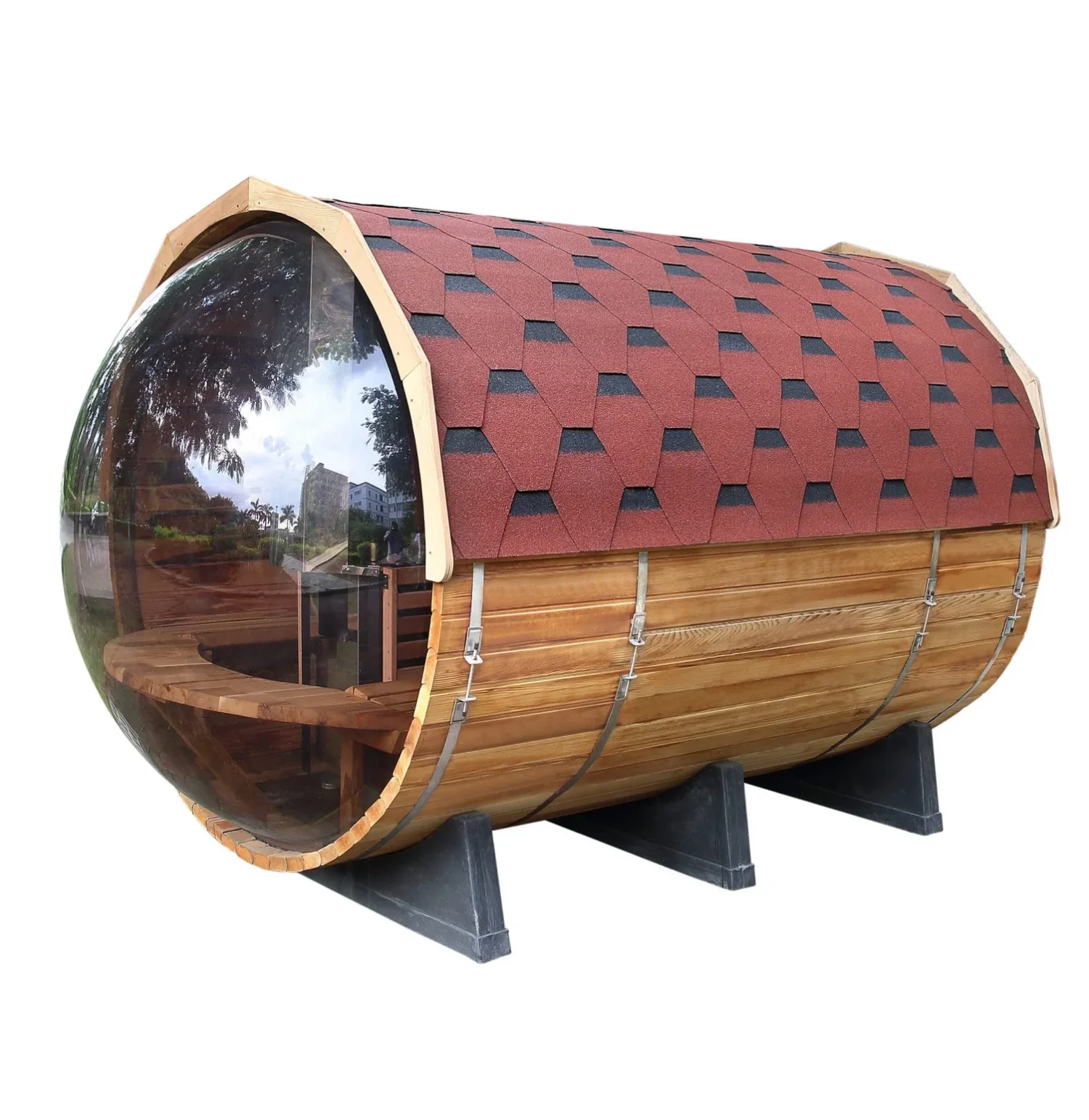
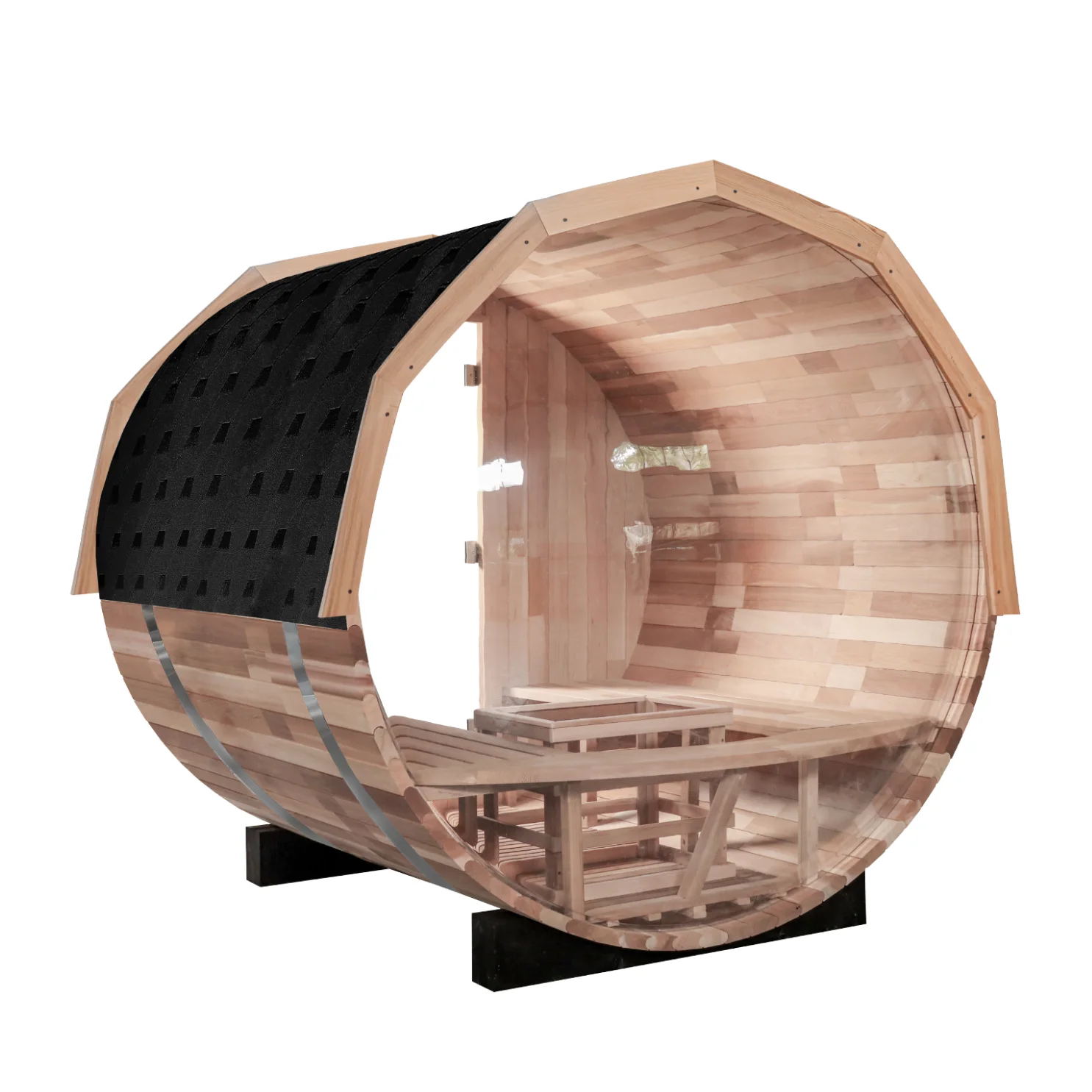
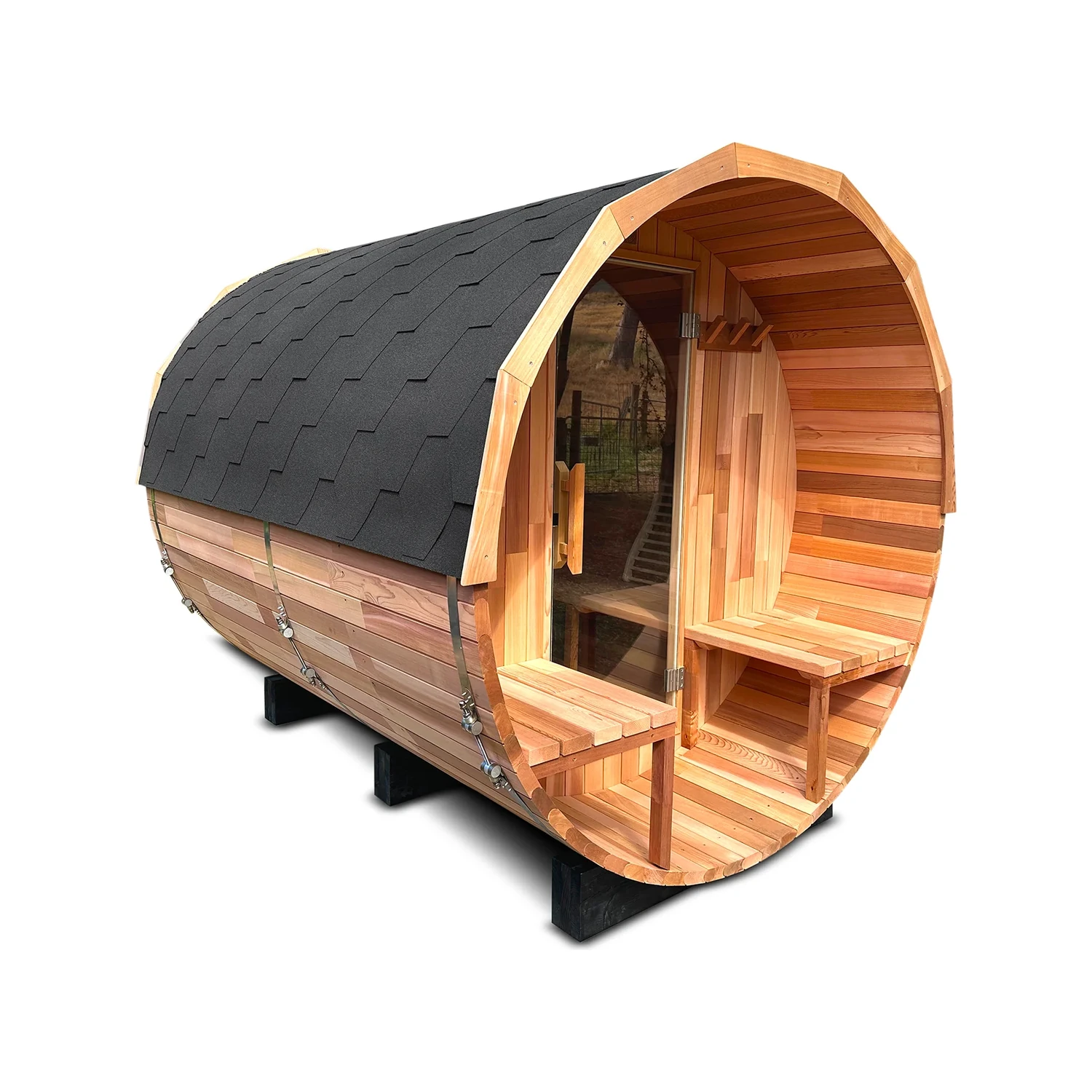
Outdoor barrel saunas are a popular and aesthetically beautiful choice for home wellness setups. Their efficient heat distribution and quick warm-up times make them ideal for regular, consistent use. Browse our round barrel saunas and square barrel saunas for quality outdoor options.
For a premium outdoor wellness experience with year-round durability, the Viva outdoor sauna collection offers beautifully designed units that make your backyard wellness space as impressive as it is therapeutic.
For those who want a high-quality pre-assembled option with minimal setup required, our Eclipse series assembled saunas offer a fast, convenient path to home sauna ownership — ideal for wellness enthusiasts who want to get started without delay.
Yes, but not immediately. You should wait a minimum of 24–48 hours after Botox before using a sauna, with most practitioners recommending a full week for optimal safety. Using a sauna too soon increases the risk of Botox migration, uneven results, increased bruising, and swelling. Once fully settled — typically after 7 days — regular sauna use is safe and can actually complement your skin health goals.
The minimum recommended waiting time is 24–48 hours, but most cosmetic practitioners advise waiting a full 7 days before returning to the sauna. This is especially important for high-temperature traditional saunas. Always follow the specific aftercare instructions provided by your Botox practitioner, as individual factors may influence your recommended waiting period.
Saunas cause significant vasodilation — widening of blood vessels and increased blood flow. In the hours following Botox, this can disperse the product away from its target injection sites before it has fully bound, leading to reduced efficacy, uneven results, or unwanted migration to adjacent muscles. Heat also worsens bruising and swelling at injection sites during the initial recovery phase.
There is no strong clinical evidence that regular sauna use significantly shortens Botox longevity for most people. While elevated metabolic rate theoretically contributes to faster protein metabolism, the primary factors determining how long Botox lasts are dosage, treatment area, injection technique, and individual metabolism. The impact of regular sauna use on duration — after the settling period — is considered minimal by most practitioners.
Avoid using a sauna on the same day as your Botox appointment. Heat raises skin sensitivity, increases blood flow, and elevates bruising risk during injection. Using a sauna the day before your treatment is generally fine, as your circulation will have normalised well before your appointment.
Using a sauna within the first 24–48 hours after Botox can compromise your results — increasing the risk of migration, uneven distribution, and worsened bruising. However, “ruin” is too strong a word for most cases. Results may be less precise or require a sooner touch-up, but the treatment is not entirely undone. Waiting the recommended time protects your results and your investment.
A minimum of 24–48 hours is required. For the most conservative and safest approach — particularly for sensitive treatment areas like around the eyes — waiting a full 7 days is recommended. When in doubt, contact your practitioner directly for personalised guidance.
Infrared saunas operate at lower ambient temperatures than traditional saunas, but they still cause vasodilation and elevated blood flow. The same waiting period applies — avoid infrared sauna use for at least 24–48 hours after Botox, with 7 days being the recommended safe window. Infrared saunas are not exempt from post-Botox heat restrictions simply because they operate at lower temperatures.
Most people can safely return to the sauna 7 days after their Botox treatment, provided they had no unusual complications and their practitioner has not advised otherwise. If you experienced significant bruising, swelling, or any asymmetry in your results, consult your practitioner before resuming sauna use.