

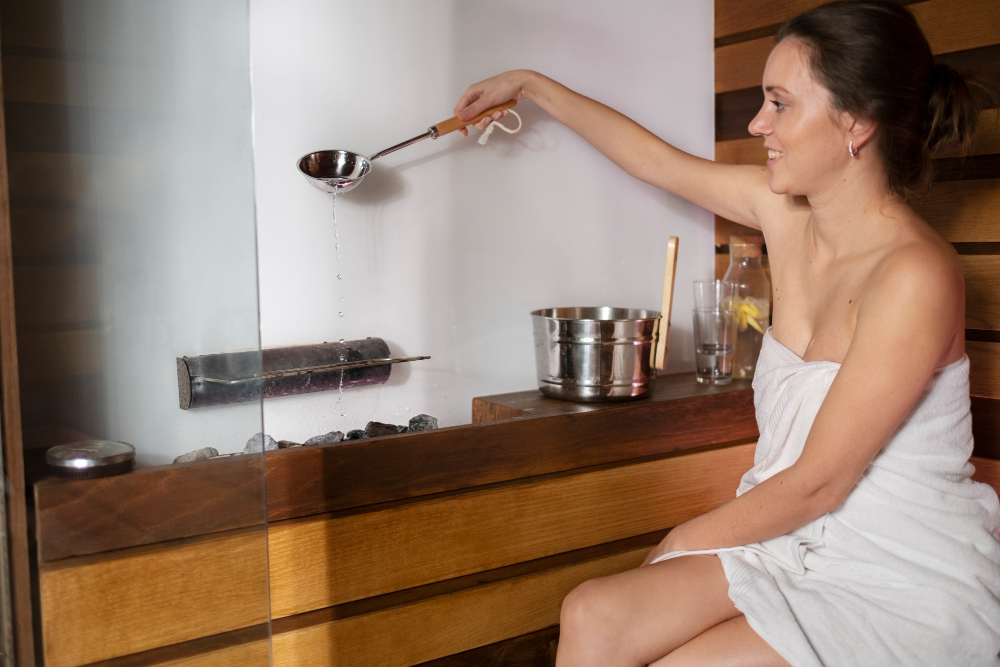
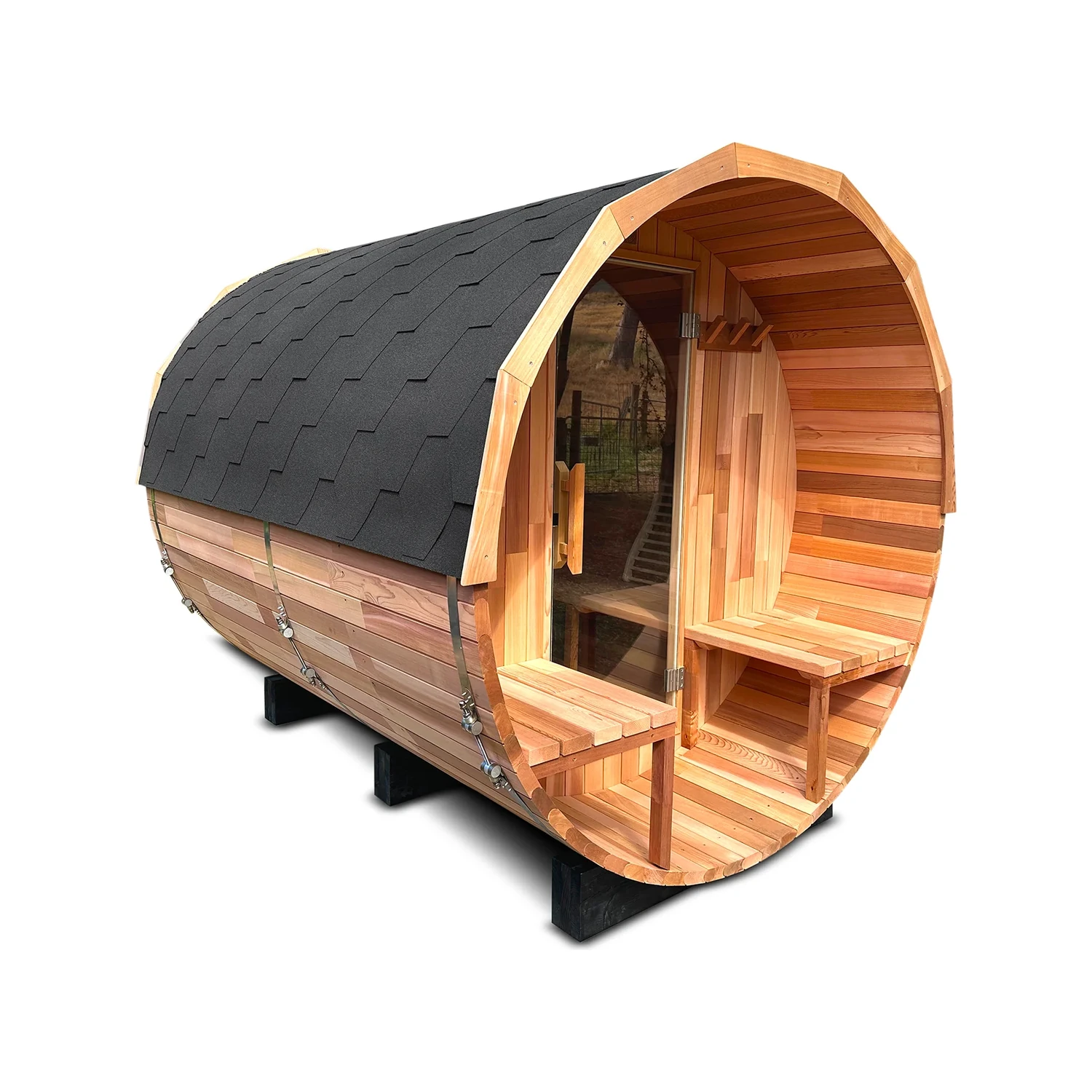
Yes — absolutely. Despite the common misconception that the heat of a sauna sterilises everything inside it, saunas require regular, deliberate cleaning to remain hygienic, safe, and in good condition. The warm, occasionally humid environment of a sauna — combined with the significant sweating that occurs during use — creates conditions that can support bacterial growth, mould development, and unpleasant odours if not managed properly.
The high temperatures of a traditional sauna do reduce bacterial load on surfaces over time, but they don’t eliminate it entirely, particularly in areas with heavy sweat contact like bench surfaces, backrests, and floor slats. Infrared saunas, which operate at lower temperatures, have even less thermal self-cleaning effect and rely more heavily on manual cleaning for hygiene maintenance.
Regular cleaning also protects the sauna’s materials — particularly the wood, which is the most important and most vulnerable component of any sauna cabin. Without proper care, sauna wood can become discoloured, develop mould, absorb persistent odours, and deteriorate structurally over time. A well-maintained sauna can last 15–25 years; a neglected one significantly less.
Explore our comprehensive sauna care range for cleaning and maintenance products specifically designed for sauna environments, and browse our sauna accessories for items that help keep your sessions hygienic from the outset.
Before diving into how to clean the sauna itself, it’s worth addressing this frequently asked question — because the answer shapes how people think about sauna hygiene generally.
Partially yes — and this is one of the genuinely evidence-supported skin benefits of regular sauna use. The heat causes your pores to dilate and your sweat glands to flush outward, carrying with them sebum, dead skin cells, surface debris, and some bacteria from within the pore. This is a form of thermal deep cleansing that topical products alone can’t fully replicate.
However — and this is critical for sauna hygiene — this flushing action only provides the cleansing benefit if you shower immediately after your session. If you let post-sauna sweat dry on your skin without cleansing, the flushed debris (now mixed with bacteria and salt) can be reabsorbed into pores as they close, potentially worsening skin conditions rather than improving them. Always shower after a sauna session.
Sauna use — particularly traditional steam saunas where water is poured on rocks — can temporarily improve respiratory function by loosening mucus in the airways, reducing congestion, and soothing inflamed nasal and bronchial passages. However, the sauna does not “clean” the lungs in a physiological sense — the lungs have their own highly effective self-cleaning mechanisms (mucociliary clearance) that are not directly enhanced by sauna heat. Read our article on sauna for sinus infection for more on the respiratory benefits of heat therapy.
The idea of “detoxifying” through sauna sweating is popular but requires nuance. Sweat does contain trace amounts of certain metabolic waste products, heavy metals, and environmental toxins — so there is a modest detoxification component to heavy sweating. However, the kidneys and liver are the primary organs of systemic detoxification, and a sauna’s contribution to this process is supplementary rather than primary. The real cleaning value of regular sauna use is more accurately described as supporting the body’s natural detoxification systems through improved circulation, reduced inflammation, and enhanced metabolic health.
For more on the health benefits of regular sauna use, explore our sauna guides and read our comprehensive article on the benefits of sauna for skin.
The right cleaning frequency depends on how often your sauna is used and by how many people. Here’s a practical framework.
After each use, a quick wipe-down of bench surfaces and backrests with a clean damp cloth removes fresh sweat before it soaks into the wood. This takes 2–3 minutes and dramatically reduces the accumulation of sweat residue that causes discolouration and odour over time. The bench areas that received direct body contact are the priority — armrests, seat surfaces, and foot rests.
Once a week — or after every 5–7 uses — conduct a more thorough cleaning of all wood surfaces, the floor, the door, the heater surround, and any accessories. This is when you use a wood-safe cleaning solution (covered below) and address any developing stains or odour spots before they become established.
Once a month, perform a comprehensive deep clean that includes sauna rocks (for traditional saunas), heater inspection, ventilation checks, and treatment of any wood that shows signs of mould, darkening, or stubborn staining. This is also a good time to assess whether any components need replacement or professional attention.
Every few months — particularly for outdoor saunas exposed to changing weather — inspect the exterior cladding, roof, door seals, and structural components. Consider re-treating exterior wood surfaces with appropriate outdoor wood protection products if needed. Read our guide on sauna wood types to understand how different woods require different maintenance approaches.
Choosing the right cleaning products for a sauna is important — sauna wood is untreated or lightly treated by design, which means it is more porous and reactive to chemicals than most household surfaces. The wrong products can damage the wood, leave harmful residues that off-gas when heated, or strip the natural properties of the timber.
Browse our sauna care product range for purpose-made cleaning solutions and wood treatment products safe for regular sauna maintenance.
The wood surfaces — particularly the benches — are the most important and most frequently cleaned part of any sauna. Bench surfaces receive direct body contact during every session, accumulating sweat, skin oils, and bacteria with each use.
Over time, particularly in areas of heaviest use, sweat stains can penetrate the wood and become established. For these stubborn marks:
The most effective approach to bench cleaning is prevention. Always sit on a towel during sauna sessions — this absorbs the majority of sweat before it reaches the wood, dramatically reducing staining and bacterial contamination of the bench surface. A clean towel every session is the single most effective sauna hygiene practice you can adopt.
For more on choosing and caring for sauna wood, read our guide on sauna wood types and explore our sauna timber components if any sections of your benches need replacement.
Cedar is one of the most popular sauna wood choices in Australia and worldwide, prized for its natural aromatic properties, resistance to moisture and decay, and beautiful reddish-brown appearance. Cleaning a cedar sauna requires some specific considerations to preserve these qualities.
Cedar contains natural oils — particularly thujaplicins — that give it inherent antimicrobial and antifungal properties. This makes cedar saunas somewhat more naturally resistant to mould and bacterial growth than other wood types. However, this doesn’t mean cedar saunas don’t need cleaning — the natural oils deplete over time, particularly with repeated heat cycling and cleaning, and regular maintenance preserves both the protective properties and the appearance of the wood.
The same principles apply as for general sauna wood cleaning — warm water for routine cleaning, diluted white vinegar for deeper cleaning and mild disinfection, and fine sanding for surface refresh when needed. Cedar is particularly responsive to light sanding — after sanding, the fresh wood surface releases the characteristic cedar aroma strongly, essentially refreshing the wood to a near-new condition.
Never use oil-based treatments on cedar sauna wood — cedar already contains natural oils and adding more will cause the surface to become tacky, rancid-smelling when heated, and prone to accelerated darkening. Avoid harsh chemical cleaners that strip the natural oils and leave the cedar looking bleached and dry.
Cedar naturally darkens with heat exposure over time — this is completely normal and not a sign of damage or poor maintenance. The rich, deep brown of aged cedar is considered attractive and is part of the natural character of the material. If you prefer a lighter, fresher appearance, periodic light sanding restores the surface colour effectively.
Read our guide on thermowood vs cedar to understand how these two popular sauna wood choices compare in terms of maintenance requirements, and explore our range of spruce log saunas for traditional sauna options in different wood species.
Infrared saunas require a somewhat different approach to cleaning than traditional saunas, primarily because of the electronic components embedded in the walls and the lower operating temperatures that provide less passive bacterial reduction between sessions.
The infrared panels embedded in the walls are the critical difference. These are electronic components that must never be sprayed with liquid, scrubbed directly, or cleaned with wet cloths. Water ingress into infrared panels can cause electrical failure and safety hazards. Always apply any cleaning solution to a cloth first — never spray directly onto surfaces in an infrared sauna.
For Clearlight saunas, Sunlighten saunas, and Nurecover saunas — the same principles apply across all quality infrared sauna brands. Always check your specific model’s user manual for any brand-specific cleaning recommendations. The core guidance — damp cloth only, no direct spraying, no harsh chemicals — applies universally.
Browse our Leil Como indoor sauna series and explore our Como Indoor Sauna Collection for premium home infrared options with quality wood interiors that clean and maintain beautifully.
The sauna floor receives less direct body contact than benches but accumulates water, sweat drips, and foot traffic with every session. It’s also the area most vulnerable to moisture-related issues — particularly mould and mildew — because water naturally pools and collects at floor level.
Most sauna floors feature removable wooden slats or duck boards. These should ideally be removed after each session to allow both the slats and the floor beneath them to dry properly. After each use:
For fixed wood floors, sweep after each use to remove debris, then mop with a minimally damp mop using diluted vinegar solution. Never leave standing water on a fixed sauna wood floor — it will penetrate the wood and cause swelling, warping, and mould. Dry thoroughly after mopping and ensure good ventilation.
Non-wood sauna floors (tile or sealed concrete) are easier to clean — mop with diluted vinegar or a mild floor cleaner, paying attention to grout lines where mould can develop. Ensure complete drying before the next use. Read our guide on sauna insulation if condensation on floor surfaces is a persistent issue — it may indicate an insulation problem.
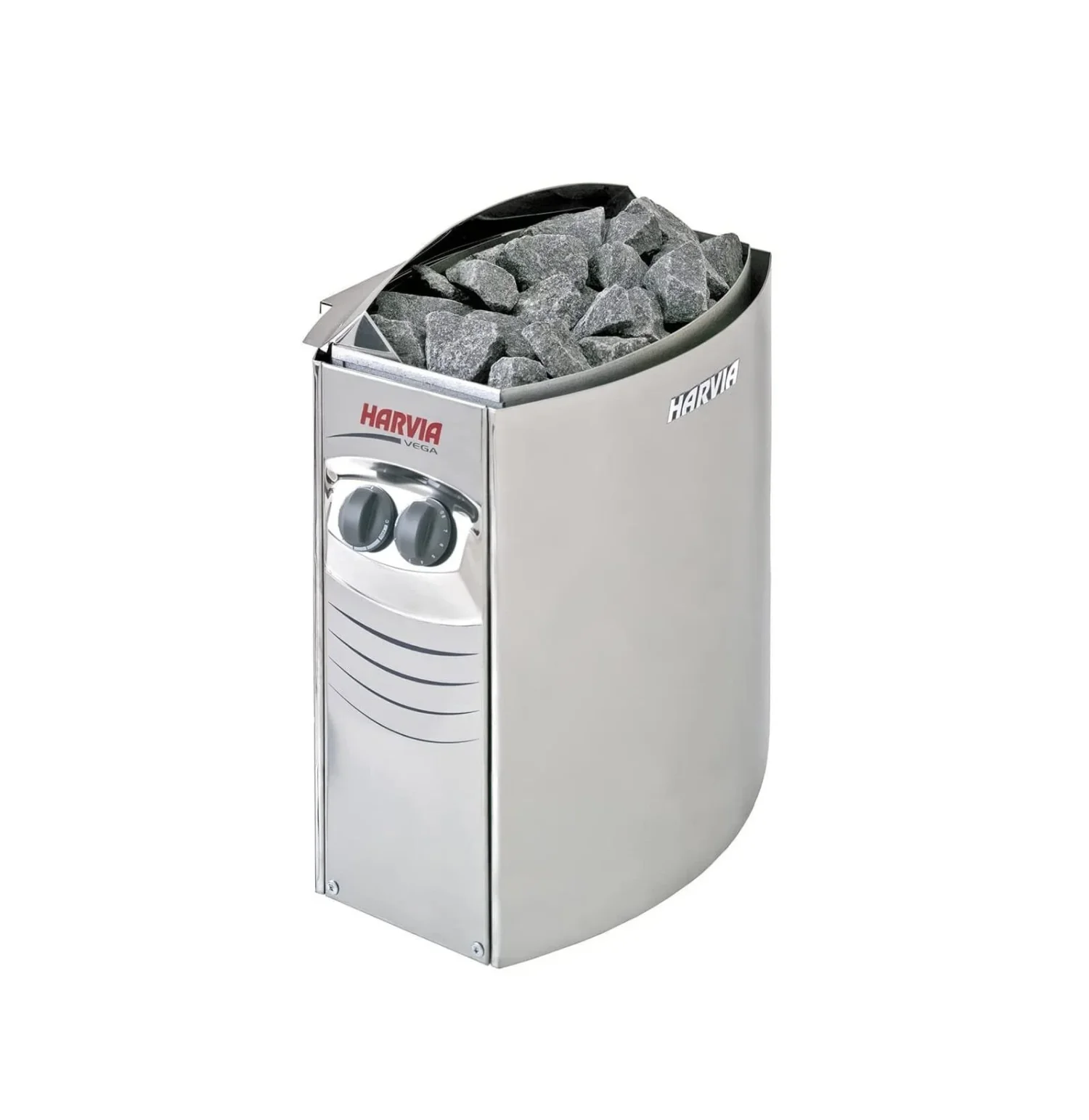
Sauna rocks — the stones that sit on the heater and are doused with water to create löyly (steam) — require their own specific maintenance routine. Over time, rocks absorb minerals from water, develop surface deposits, crack from repeated thermal cycling, and can harbour bacteria.
Sauna rocks should be inspected and cleaned every 1–2 years for home saunas used several times per week, or whenever you notice decreased steam quality, unusual smells when water is poured, or visible crumbling and cracking of the rocks.
Sauna rocks have a finite lifespan — typically 3–5 years of regular use. Signs they need replacing include significant cracking, crumbling or powdering, dramatic reduction in steam quality, unusual smells, and any rocks that have visibly broken. Our heater accessories range includes replacement sauna rocks suitable for all heater types.
Portable saunas and sauna tents — including both steam-based and infrared pop-up styles — have different cleaning requirements from built-in cabin saunas due to their fabric or synthetic construction materials.
Portable infrared saunas typically use a collapsible fabric frame with infrared panels. Clean the fabric surfaces with a damp cloth and mild soap solution, working in gentle circular motions. Avoid getting moisture near the infrared panel seams or the control cable connections. Allow to dry completely before folding and storing. Check our sauna tent range for quality portable options with easy-clean materials.
Mould is the primary risk for portable saunas, and prevention is far easier than treatment. The key practices are: always dry completely before storage, store in a cool dry location (not a damp garage or basement), use a vinegar spray regularly as a preventive measure, and ensure the interior dries after every session before closing up.
Sauna blankets generate significant sweat during every session and require regular cleaning to remain hygienic. The critical rule is that sauna blankets contain embedded electronic heating elements and must never be machine washed or submerged in water.
Apply a diluted isopropyl alcohol solution (70% IPA diluted 1:1 with water) to a cloth and wipe down both the inner and outer surfaces. This provides effective disinfection without damaging the heating elements or inner coating. Allow to dry completely before storing.
The most practical approach to sauna blanket hygiene is using a washable cotton liner inside the blanket for every session. The liner absorbs most of the sweat directly and can be machine-washed after each use. This dramatically reduces the cleaning burden on the blanket itself and significantly extends its lifespan by reducing sweat penetration into the inner lining.
Sauna suits — the waterproof or semi-permeable garments worn during exercise or sauna use to increase sweating — accumulate heavy sweat deposits and require thorough cleaning after every use.
Some sauna suits are machine washable — check the manufacturer’s care label. If machine washing is permitted, use a gentle cycle with cold water and a small amount of mild detergent. Place the suit in a mesh laundry bag to prevent zipper and velcro from catching on other items. Always air dry rather than tumble drying.
Sauna suits can develop persistent odours if not cleaned immediately after use or if dried improperly. For odour treatment, soak the suit for 30 minutes in cool water with a cup of white vinegar before washing. Baking soda added to the wash cycle is also effective for odour neutralisation. Always store a completely dry suit in a breathable bag — never sealed in a plastic bag while damp.
This is a question many people wonder about but few ask directly — and the honest answer is: it depends entirely on the facility and its cleaning protocols.
Well-managed gym and spa saunas that enforce towel use, conduct regular cleaning sessions, and maintain proper ventilation can be reasonably hygienic. The high temperatures of traditional saunas do reduce bacterial survival on surfaces over time, and frequent use by many people means that high-quality facilities clean their saunas multiple times per day.
However, shared saunas in facilities with poor maintenance culture — infrequent cleaning, no towel requirements, inadequate ventilation — can harbour significant bacterial contamination on bench surfaces, walls, and floors. Foot fungi, Staphylococcus species, and other skin bacteria have all been documented on gym sauna surfaces in studies of public health hygiene.
The hygiene advantages of a private home sauna are significant. You control the cleaning schedule, you know exactly how the space is maintained, and you’re not sharing benches with strangers. If hygiene concerns about shared facilities are a significant factor in your decision, a home sauna is worth serious consideration. Explore our best home sauna Australia guide and our sauna sale Australia page for currently available options.
Beyond the cleaning protocols above, certain habits practiced before and during every sauna session dramatically reduce the cleaning burden and maintain a consistently hygienic space.
Explore our sauna accessories range for hygienic additions like towel hooks, bench covers, and sauna hats, and read our guide on sauna ventilation to ensure your sauna has adequate airflow for proper drying between sessions.
Using the right products makes sauna maintenance easier, more effective, and safe for your sauna’s materials. Here’s what to keep in your sauna care kit.
Microfibre cloths are the ideal cleaning tool for sauna wood — they’re soft enough not to damage wood grain, highly absorbent, effective at picking up bacteria and debris even with just water, and reusable. Keep several in your sauna kit and wash regularly to prevent them becoming a bacterial source themselves.
A large bottle of plain white vinegar diluted with water is one of the most versatile and effective sauna cleaning solutions. Natural, non-toxic, safe for wood and electronics when applied correctly, and effective against bacteria, mineral deposits, and mild mould. Essential in any sauna owner’s cleaning kit.
120–180 grit sandpaper is invaluable for refreshing stained, discoloured, or rough bench surfaces. Sanding in the direction of the grain removes the top layer of affected wood, restoring a clean, fresh surface. Keep a small amount in your sauna maintenance kit for use every few months or as needed.
A soft-bristled scrub brush is useful for cleaning sauna rocks, floor slats, and areas where a cloth alone is insufficient — such as corners, crevices, and rough wood surfaces that trap debris.
For the most convenient and reliably safe cleaning experience, browse our sauna care range for purpose-formulated products designed for sauna wood, rock, and accessory cleaning. These products take the guesswork out of what’s safe to use in your specific sauna type.
For additional guidance on maintaining your sauna’s wood surfaces over the long term, read our guides on sauna wood types and thermowood vs cedar — understanding your wood type helps you care for it most effectively.
For a traditional wooden sauna: wipe bench surfaces with a damp microfibre cloth after each use; conduct a more thorough clean weekly using diluted white vinegar solution applied with a cloth (never sprayed directly); sweep and clean the floor; and perform a monthly deep clean including sauna rocks and ventilation checks. Always leave the door ajar after cleaning for complete air drying.
A quick bench wipe-down should happen after every session. A thorough surface clean should be done weekly or after every 5–7 uses. A comprehensive deep clean including rocks and floor slats should be performed monthly. Seasonal inspection and exterior treatment is recommended for outdoor saunas.
The safest and most effective options are warm water (for routine cleaning), a diluted white vinegar solution (1:10 with water, for deeper cleaning and mild disinfection), diluted hydrogen peroxide (3%, for bacteria and mould), or purpose-made sauna wood cleaners. Never use bleach, ammonia-based products, oil-based cleaners, or harsh chemical sprays — these damage the wood and can produce harmful fumes when the sauna is subsequently heated.
Always power off and cool completely before cleaning. Apply cleaning solution to a cloth first — never spray directly onto surfaces. Wipe wood surfaces with a damp cloth in the direction of the grain, carefully avoiding the infrared panel seams. Clean door glass with a cloth dampened with diluted vinegar. Leave the door ajar to air dry after cleaning. Never allow moisture near the infrared panel connections or control systems.
Remove rocks from the heater when completely cooled. Inspect for cracks and discard any broken or significantly deteriorated rocks. Rinse with clean water. For mineral deposits, soak in a 1:5 vinegar-water solution for 30–60 minutes, scrub with a stiff brush, and rinse thoroughly. Allow to dry completely before returning to the heater. Replace rocks every 3–5 years or when cracking or quality deterioration becomes apparent.
Wipe interior surfaces after each use with a cloth dampened with diluted vinegar solution. Open all zips and air dry completely before storage — never pack away damp. For steam generators, empty the reservoir after every use and descale periodically with diluted citric acid. Weekly, spray interior fabric surfaces with vinegar solution, wipe down, and air dry thoroughly outdoors.
Yes — the heat causes pore dilation and a flushing sweat that carries debris outward from within the pore. However, this cleansing benefit is only realised if you shower immediately after the session to wash away the sweat and flushed material before pores close again. If you let post-sauna sweat dry on your skin, the debris can be reabsorbed into pores as they close.
Quality varies significantly by facility. Well-managed gyms with strong cleaning protocols and mandatory towel policies can be reasonably hygienic. Poorly maintained shared saunas can harbour significant bacterial contamination. Always sit on your own towel, wear flip-flops on the floor, shower before and after, and avoid public saunas if you have any contagious skin condition. A private home sauna eliminates these hygiene concerns entirely.
Rinse immediately after use under cool water. Hand wash with mild sports detergent in cool water — not hot, which damages the waterproof lining. Rinse thoroughly and hang inside out to air dry. Never tumble dry. For persistent odours, soak in cool water with white vinegar before washing. Store completely dry in a breathable bag.



Join the Shym list for 3% off selected saunas and hot tubs, plus our sale news.
Not valid on sale items. Unsubscribe any time.
Your 3% code is on its way to your inbox. Can't see it soon? Check your promotions folder.
Keep browsing