

It’s one of the first questions new sauna users ask, and one that even seasoned enthusiasts revisit as their routine evolves: how long should you stay in a sauna? The answer isn’t one-size-fits-all — it depends on the type of sauna, your experience level, your health goals, and how your body responds to heat.
Get the duration right and every session delivers genuine therapeutic value. Push it too far and you risk dehydration, dizziness, or simply an unpleasant experience that puts you off going back. At Shym Saunas, Australia’s trusted sauna specialists, we want every session to count — so here’s everything you need to know about sauna session length.
For most healthy adults, the recommended time to stay in a sauna is 15 to 20 minutes per session for a traditional high-temperature sauna, and 20 to 45 minutes for an infrared sauna. These ranges provide enough time to experience meaningful health benefits — elevated heart rate, deep sweating, muscle relaxation, and stress relief — without putting undue strain on the body.
That said, how long you should stay in a sauna is highly individual. A first-timer and a veteran sauna user will have very different tolerances, and both are valid. The most important rule applies universally: always listen to your body and exit the sauna the moment something doesn’t feel right.
Your experience level is the single biggest variable in determining how long you should stay in a sauna. Here’s a practical guide:
Beginners (first 1–4 weeks): Start with sessions of 8 to 12 minutes at a moderate temperature. Your body is not yet acclimatised to the heat stress, and shorter sessions allow you to gauge your tolerance without risk. Focus on how you feel during and after — not on hitting a target time.
Intermediate users (1–3 months of regular use): As your body adapts, sessions of 15 to 20 minutes become comfortable and productive. You’ll notice you start sweating earlier in the session and recover more quickly afterwards — both signs of good heat acclimatisation.
Experienced users (3+ months of consistent use): Regular sauna users can comfortably extend sessions to 20 to 30 minutes in a traditional sauna, or up to 45 minutes in an infrared sauna. At this stage, you’ll have a strong sense of your body’s signals and can adjust duration and temperature with confidence.
Regardless of experience level, there’s no meaningful additional benefit to staying beyond 45 minutes in any session. Longer is not always better.
The type of sauna you’re using significantly affects how long you should stay in it. Different heat mechanisms place different demands on the body:
| Sauna Type | Recommended Duration | Temperature Range |
|---|---|---|
| Traditional Finnish Sauna | 8–20 minutes per round | 70°C – 100°C |
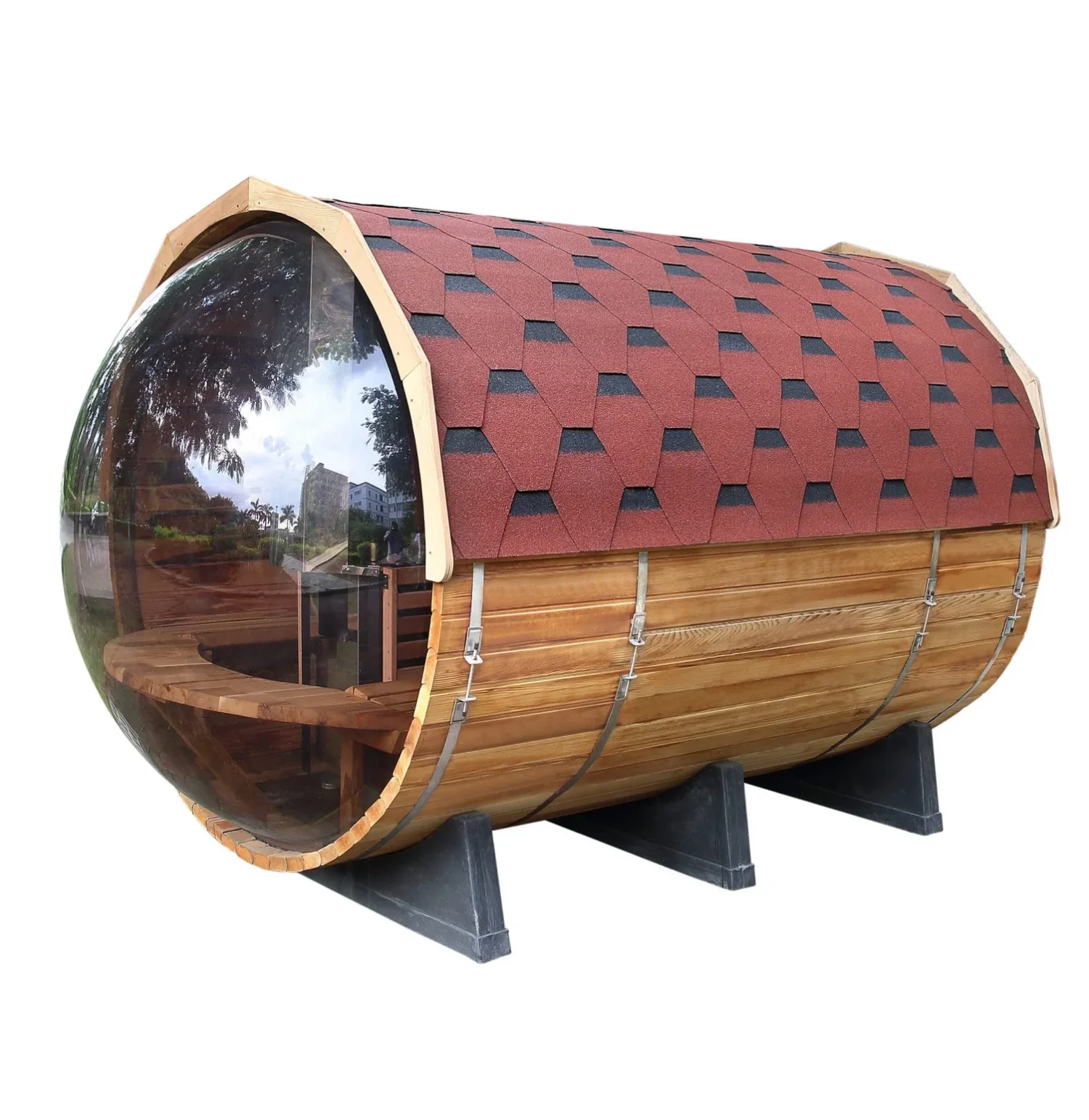
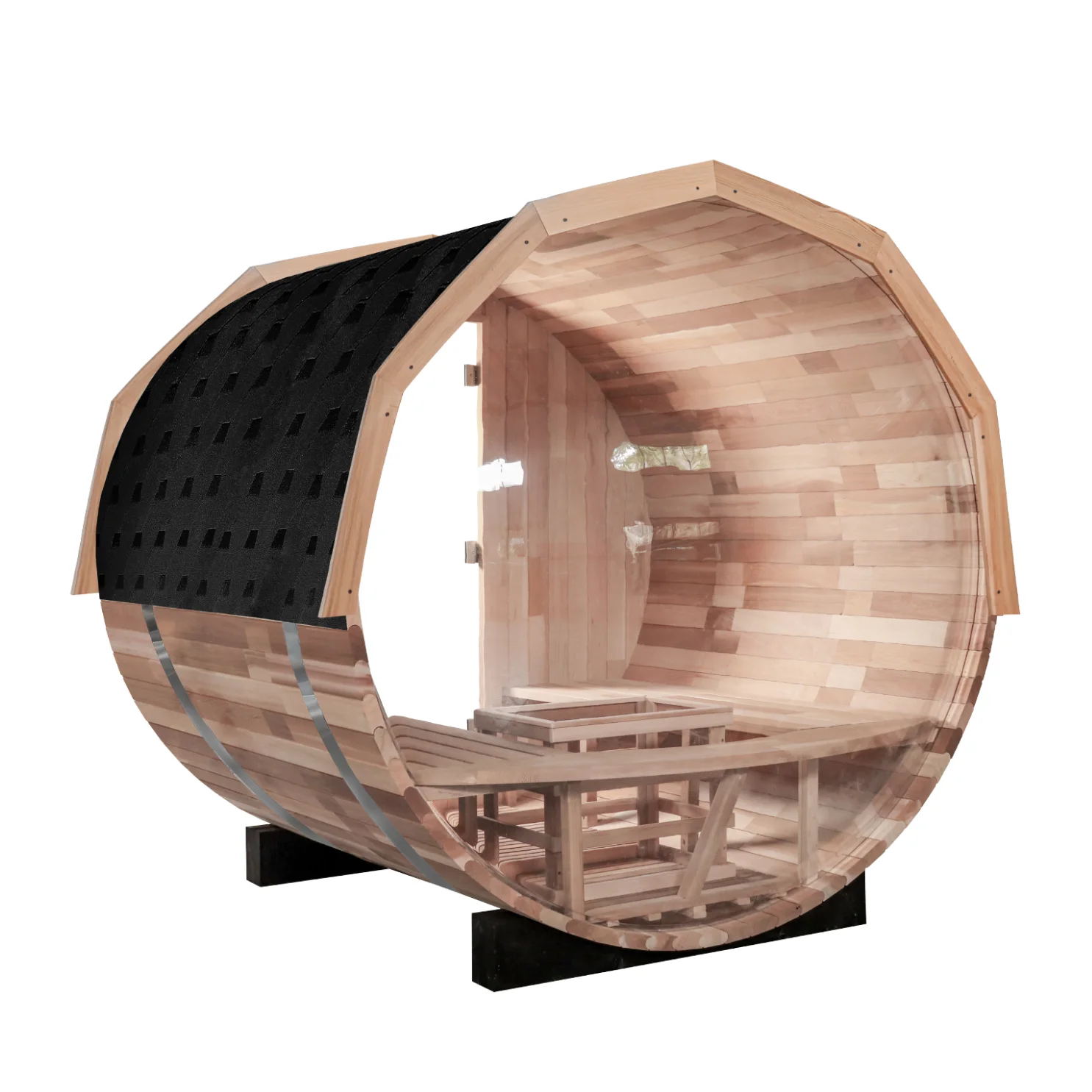
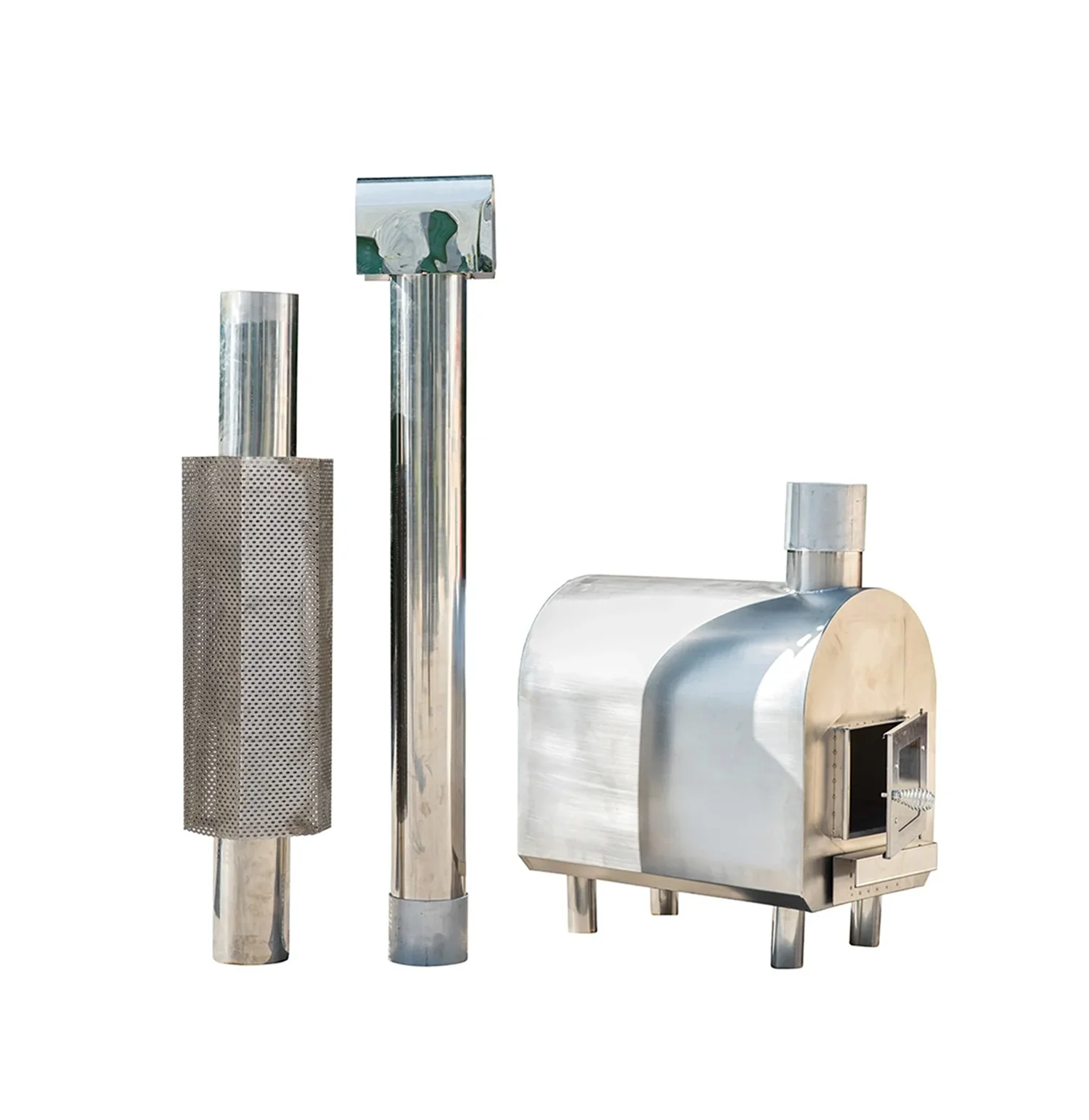
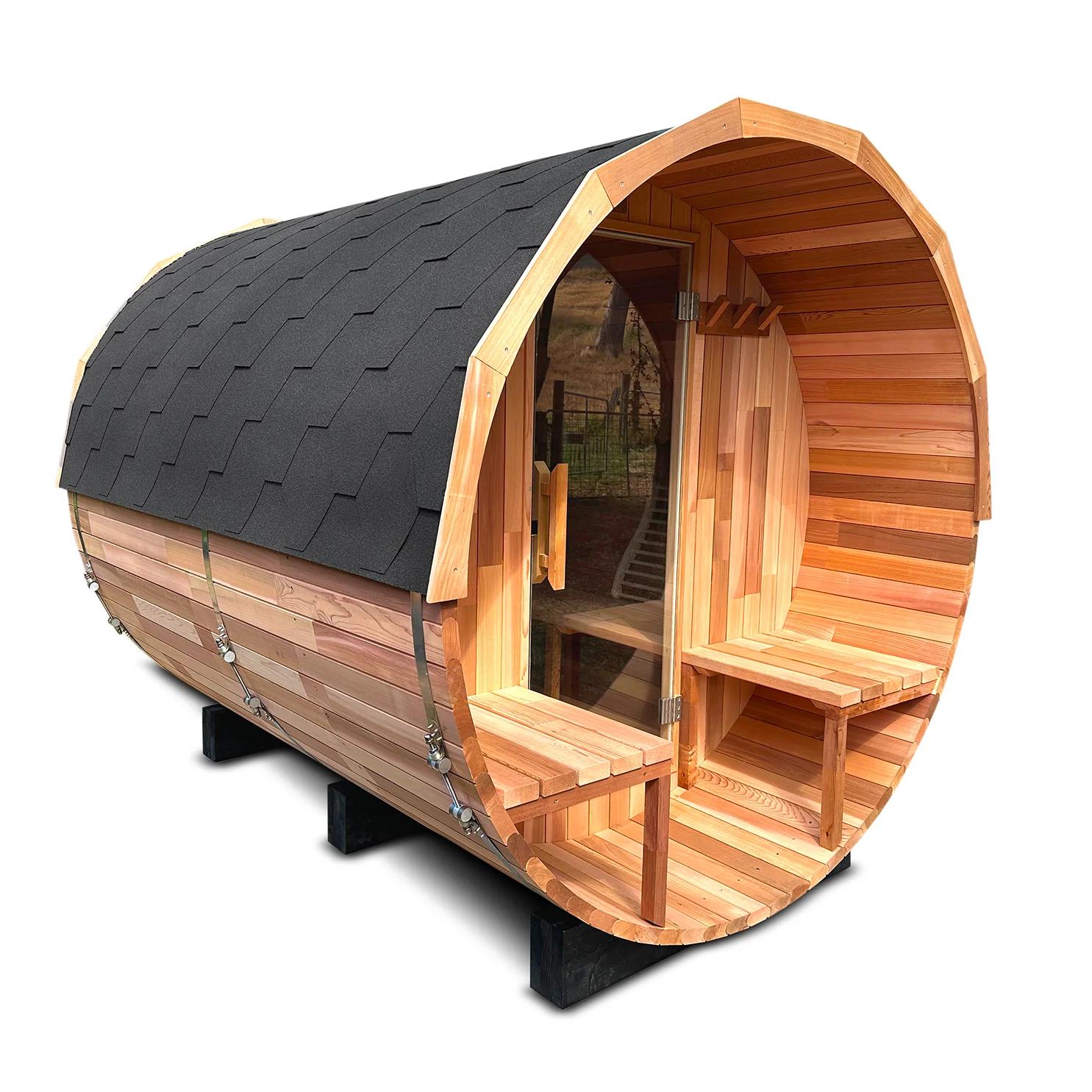
| Wood-Fired Barrel Sauna | 10–20 minutes per round | 75°C – 95°C |
| Infrared Sauna | 20–45 minutes | 45°C – 65°C |
| Steam Room | 10–20 minutes | 40°C – 50°C |
Traditional and wood-fired saunas operate at much higher ambient temperatures, meaning your body reaches its heat threshold faster. Infrared saunas, by contrast, heat the body directly via radiant waves rather than heating the surrounding air — making longer, uninterrupted sessions more comfortable and achievable.
Infrared saunas deserve their own discussion because their lower operating temperature — typically 45°C to 65°C — allows for significantly longer sessions than a traditional sauna. Most users find that 20 to 45 minutes is the ideal range, with 30 minutes being a popular sweet spot for balancing therapeutic benefit with comfort.
The key advantage of the infrared sauna is that the heat penetrates 3 to 5 centimetres below the skin’s surface, producing a deep sweat at a temperature most people can sustain comfortably for an extended period. This makes infrared saunas particularly accessible for older Australians, those managing chronic pain, or anyone who finds traditional high-heat saunas difficult to tolerate.
For those using an infrared sauna specifically for muscle recovery, cardiovascular support, or detoxification, sessions toward the upper end of the range — 35 to 45 minutes — at a moderate temperature of 55°C to 60°C tend to deliver the strongest results.
How long you can stay in a sauna and how long you should stay in a sauna are two different questions. Technically, experienced users with high heat tolerance may be able to remain in a traditional sauna for 30 minutes or more — but this doesn’t mean it’s beneficial or advisable.
The general upper limits considered safe are:
Beyond these durations, the risks of dehydration, heat exhaustion, electrolyte imbalance, and cardiovascular strain increase without a corresponding increase in health benefits. The body has typically completed its core physiological response — peak sweat rate, elevated heart rate, growth hormone release — well within these timeframes.
For Australians using saunas in warmer months or in hot climates, err toward the shorter end of these ranges. Your body is already working harder to manage heat before you’ve even stepped inside.
In traditional Scandinavian sauna culture, it’s common practice to do multiple shorter rounds with cooling breaks in between — rather than one extended session. This approach has genuine merit and is widely considered superior for certain health goals.
Multiple rounds (e.g., 3 × 12 minutes with 5–10 minute cool-downs) allow the body to experience repeated cycles of heating and cooling, which is more demanding on the cardiovascular system and may deliver greater benefits for circulation, heat acclimatisation, and overall cardiovascular conditioning.
Single longer sessions (common with infrared saunas) are better suited to relaxation, sleep improvement, and stress relief — where the goal is sustained, uninterrupted calm rather than repeated cardiovascular stimulation.
For Australian home sauna users, the choice often comes down to what fits your lifestyle. A single 30-minute infrared session after work is practical and highly effective. If you have more time and want a more traditional experience in a barrel sauna, two or three shorter rounds with a cool shower or cold plunge in between is an excellent approach.
Session length isn’t just about safety — it directly influences which health benefits you receive and how intensely.
Under 10 minutes: Mild warming, early-stage relaxation. Some benefit for those just starting out, but limited therapeutic depth.
10 to 20 minutes: The body reaches a meaningful sweat, heart rate elevates, and circulation improves noticeably. This range delivers solid benefits for stress relief, skin health, and light muscle relaxation.
20 to 35 minutes: Deep sweating, sustained cardiovascular response, meaningful detoxification, and measurable reduction in cortisol. This is the optimal range for most health goals.
35 to 45 minutes (infrared only): Extended muscle recovery, deeper detoxification, and prolonged cardiovascular conditioning. Best suited to experienced users with a specific therapeutic goal.
Knowing how long you should stay in a sauna also means knowing when to leave. Exit the sauna immediately if you experience any of the following:
Move to a cool area, drink water slowly, and rest. If symptoms persist or worsen, seek medical attention. These signals mean your body has had enough — regardless of how long you’ve been inside.
Duration per session is only one part of the equation. For meaningful, cumulative health benefits, consistency of use matters just as much as how long each individual session runs.
Most wellness experts recommend three to five sessions per week for regular sauna users. Research suggests this frequency is associated with the strongest long-term benefits for cardiovascular health, stress reduction, sleep quality, and muscle recovery.
For beginners, two to three sessions per week allows the body to adapt without overexertion. Daily use is safe for most healthy adults, provided sessions remain within recommended durations and hydration is maintained.
So, how long should you stay in a sauna? For most Australians, the answer is 15 to 20 minutes per round in a traditional sauna, or 20 to 45 minutes in an infrared sauna — adjusted for your experience level, the type of sauna, your health goals, and how your body feels on the day. Beginners should always start shorter and build gradually, while experienced users can push toward the upper end of these ranges with confidence.
What matters most isn’t hitting a precise time — it’s building a consistent, enjoyable routine that works for your body and your life. Done regularly, even moderate sauna sessions deliver compounding benefits that grow meaningfully over time.
At Shym Saunas, we help Australians find the right sauna for their home, lifestyle, and wellness goals — with premium models shipped across Australia and New Zealand.
Browse our full range of saunas →
First-time sauna users should aim for 8 to 12 minutes at a moderate temperature. This gives your body time to experience the heat response without pushing into discomfort. After your session, cool down, rehydrate, and note how you feel — this will guide your next session.
For a traditional sauna, staying beyond 20 to 30 minutes per round without a cooling break increases the risk of dehydration, heat exhaustion, and cardiovascular strain. For infrared saunas, 45 minutes is the generally accepted upper limit per session. These maximums apply to healthy adults — those with health conditions should stay well within these ranges.
Sessions of 20 to 35 minutes, three to five times per week, are generally recommended for metabolic and weight management support. Keep in mind that immediate post-session weight loss is mostly water weight. True fat-burning benefits accumulate through consistent, long-term sauna use combined with regular exercise and a healthy diet.
Thirty minutes is a perfectly appropriate session length for experienced users, particularly in an infrared sauna. In a traditional high-temperature sauna, 30 minutes in one continuous round without a break would be at the upper limit for most people. Breaking it into two rounds of 15 minutes with a cooling break is often a better approach.
For muscle recovery, sessions of 20 to 35 minutes in an infrared sauna at 50°C to 60°C tend to be most effective. This duration allows for deep tissue penetration, increased blood flow, and lactic acid clearance without fatiguing the body further. Aim to use the sauna within a few hours of your workout for best results.
A quick warm shower before entering the sauna helps open the pores and prepares the skin for sweating. After your session, a cool shower — or a cold plunge if available — helps close the pores, lower the body temperature, and leave you feeling refreshed. Both are beneficial parts of a complete sauna routine.
Between rounds in a traditional multi-round sauna session, allow 5 to 15 minutes for cooling down. This can involve sitting in cool air, a cold shower, or a cold plunge. This cooling period is not wasted time — it’s an integral part of the thermal cycling process that delivers cardiovascular and recovery benefits.
Yes. Because infrared saunas operate at a significantly lower ambient temperature (45°C to 65°C vs 70°C to 100°C for traditional saunas), the body can sustain longer sessions more comfortably. Most users find infrared sessions of 30 to 45 minutes highly manageable, while a 45-minute continuous session in a traditional sauna would be considered extreme.
People with high blood pressure should consult their GP before using a sauna and should start with shorter sessions of 10 to 15 minutes at lower temperatures. Sauna use can cause blood pressure fluctuations, and individual responses vary. Most people with well-managed hypertension can enjoy sauna sessions safely, but medical guidance is essential.
For detoxification purposes, sessions of 25 to 40 minutes — particularly in an infrared sauna — are recommended to achieve a sustained, deep sweat that draws toxins from the body’s tissues. Hydrate well before and after, and consider electrolyte replenishment for longer sessions to replace minerals lost through sweating.