

Recovery is a crucial part of any fitness routine. Whether you’re an athlete, a weekend warrior, or someone who enjoys regular exercise, giving your body time to recover can help you maintain consistency and perform at your best.
One recovery method that has gained significant attention in Australia and around the world is using a sauna for recovery. From professional athletes to everyday gym-goers, many people incorporate sauna sessions into their post-workout routines to support relaxation, recovery, and overall wellbeing.
But how effective is sauna use after exercise, and what benefits can you expect? Let’s explore why sauna bathing has become a popular recovery tool.
Exercise places stress on the body. While this stress is necessary for building strength, endurance, and fitness, recovery is where many of the positive adaptations actually occur.
A proper recovery routine can help:
Without adequate recovery, exercise performance and motivation may decline over time.
Yes. Many people use a sauna as part of their recovery routine after physical activity.
The heat generated by a sauna creates a unique environment that encourages relaxation and increases circulation. These effects have made sauna bathing a popular recovery strategy among athletes, runners, cyclists, swimmers, and fitness enthusiasts.
While sauna use should not replace sleep, hydration, or proper nutrition, it can be a valuable addition to a comprehensive recovery plan.
One of the most commonly reported benefits of sauna use is muscle relaxation.
After intense exercise, the warmth of the sauna may help ease muscle tension and provide a soothing environment that encourages physical recovery.
Many users describe feeling looser and more comfortable following a sauna session.
Heat exposure causes blood vessels to expand, which can increase blood flow throughout the body.
Improved circulation is one reason many athletes incorporate sauna sessions into their recovery routines.
Physical recovery and mental recovery often go hand in hand.
A sauna provides a quiet space away from distractions, allowing users to relax both physically and mentally after demanding training sessions.
Many active individuals use saunas after exercise because they feel less stiff and more mobile afterward.
Although individual experiences vary, the relaxing effects of heat are widely appreciated by those engaging in regular physical activity.
One of the biggest advantages of sauna use is consistency. A sauna session can become a regular recovery ritual that encourages people to prioritise their wellbeing.
Strength Training
People who participate in weightlifting and resistance training often use saunas to relax muscles after demanding sessions.
Running
Long-distance runners frequently include sauna sessions as part of their post-run recovery strategy.
Cycling
Cyclists often appreciate the relaxation benefits of sauna use after long rides or intensive training sessions.
Team Sports
Athletes involved in football, rugby, basketball, and other sports commonly use heat therapy as part of broader recovery programs.
General Fitness
Even moderate exercise can leave the body feeling tired. Sauna sessions can provide a relaxing way to unwind after any workout.
Timing can play an important role in comfort and safety.
Most experts recommend:
Avoid entering a sauna immediately after extremely intense exercise without first cooling down and replenishing fluids.
For many people, a sauna session lasting 10 to 20 minutes is sufficient.
To maximise the benefits of using a sauna for recovery, consider these best practices.
Stay Hydrated
Sweating is a natural part of sauna use. Drinking water before and after your session is essential.
Start Slowly
If you’re new to saunas, begin with shorter sessions and gradually increase your time as you become more comfortable.
Listen to Your Body
Leave the sauna if you experience dizziness, discomfort, or signs of overheating.
Make It Consistent
Regular sauna use often provides greater benefits than occasional extended sessions.
Combine Sauna Use with Other Recovery Habits
The best recovery plans typically include:
When considering sauna use for recovery, you’ll likely encounter two main options.
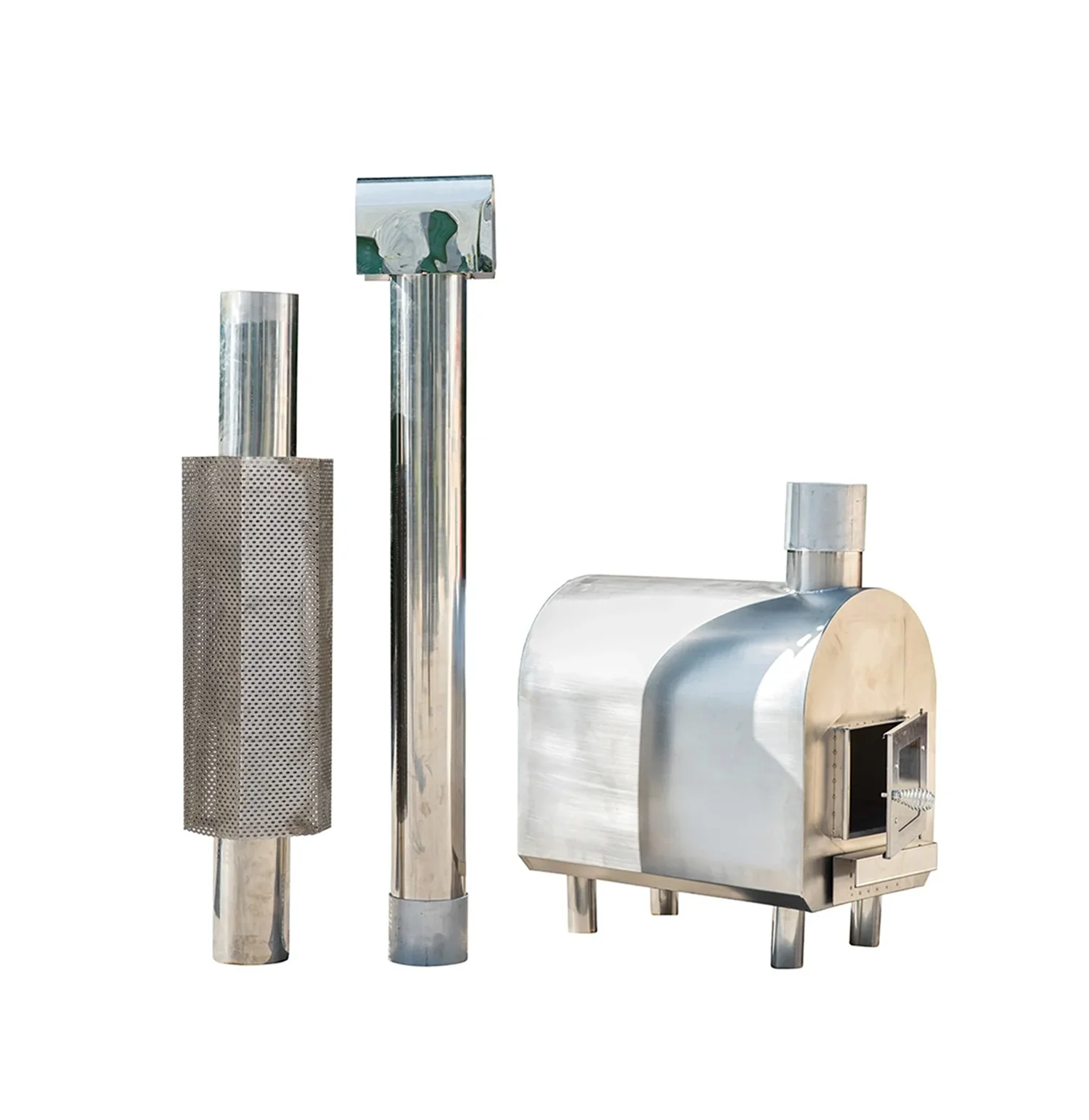
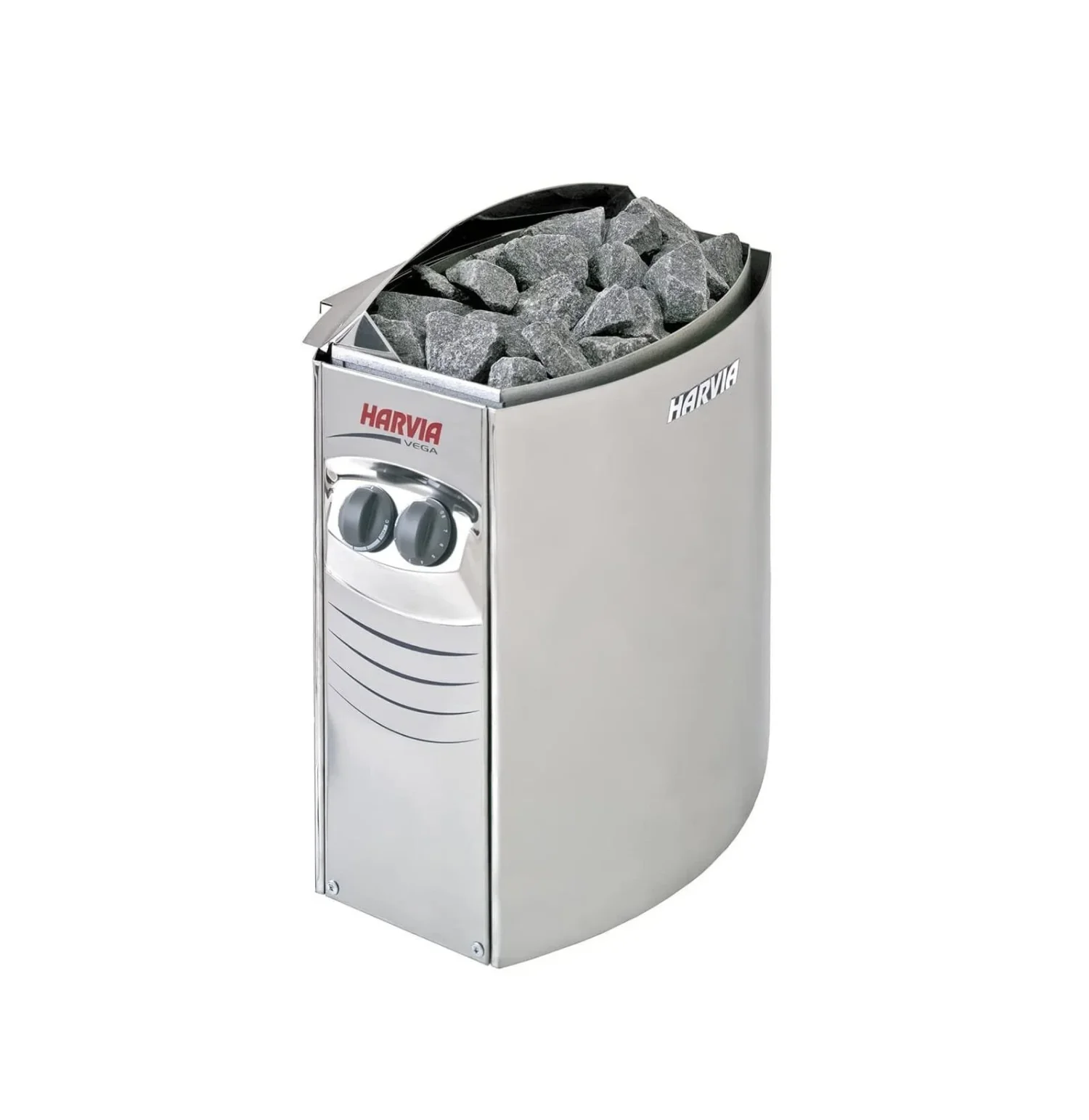
Traditional saunas use a heater to warm the surrounding air.
Benefits include:
Infrared saunas warm the body more directly while operating at lower temperatures.
Benefits include:
Both sauna types can support recovery and relaxation. The best choice depends on personal preference.
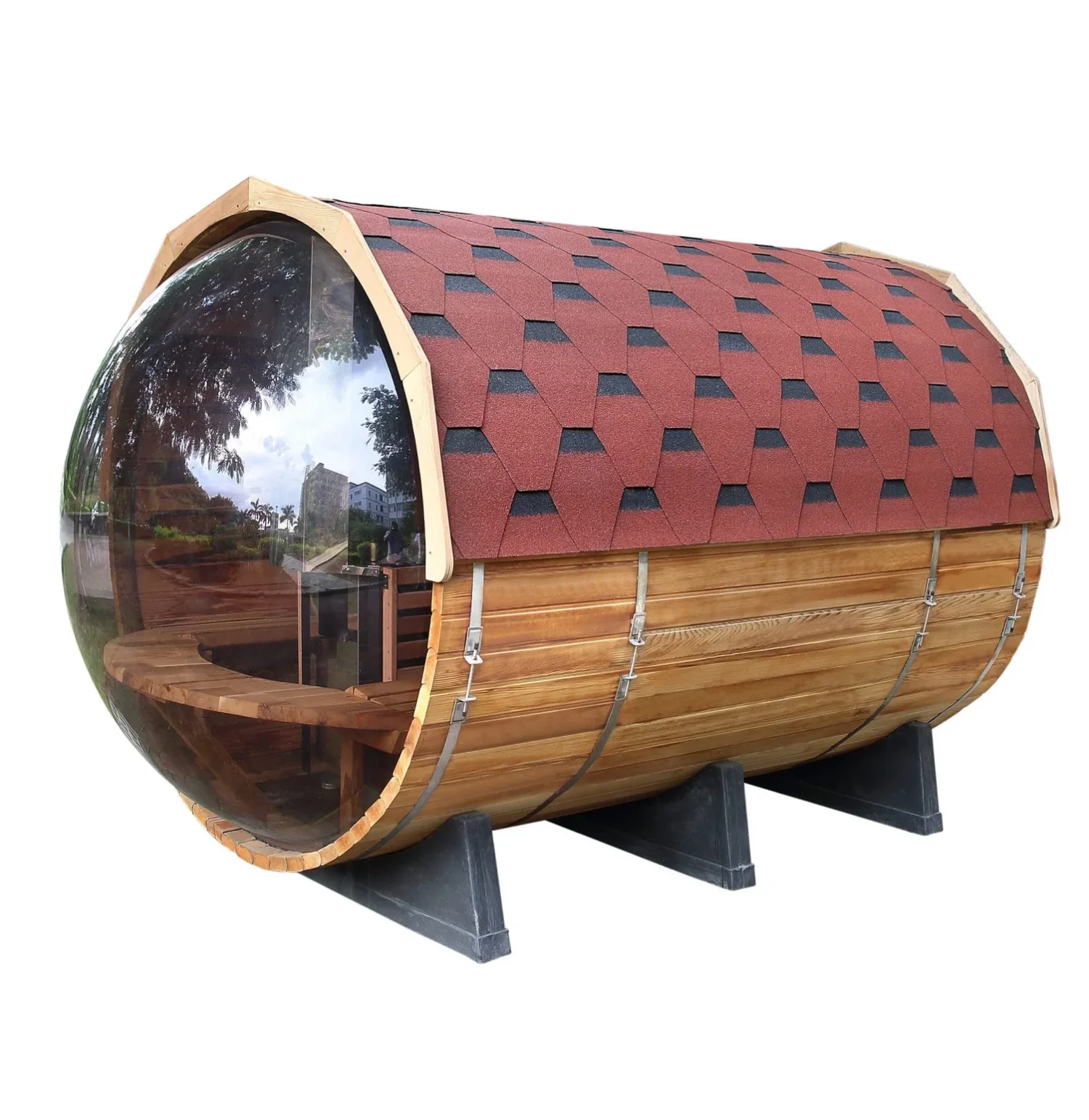
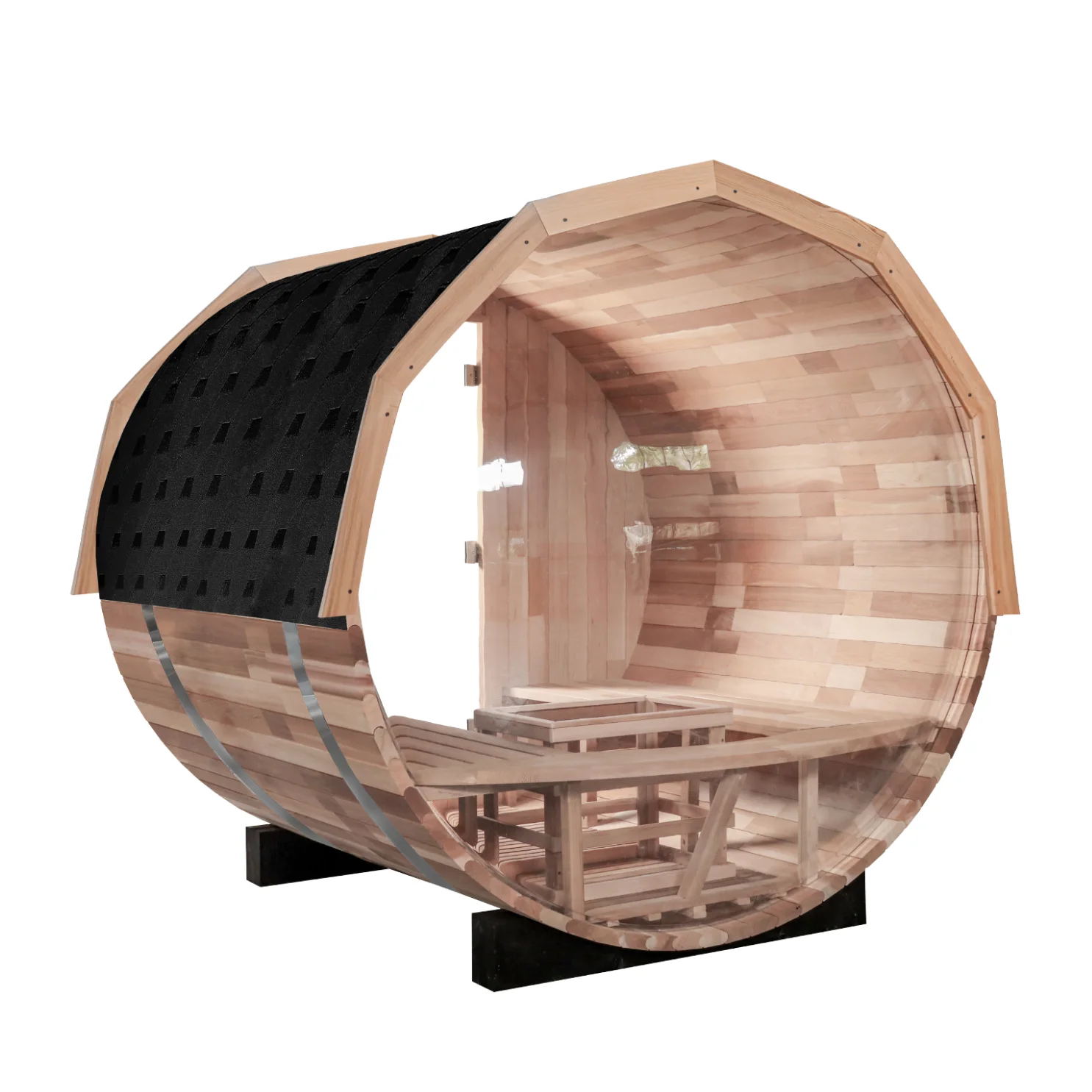
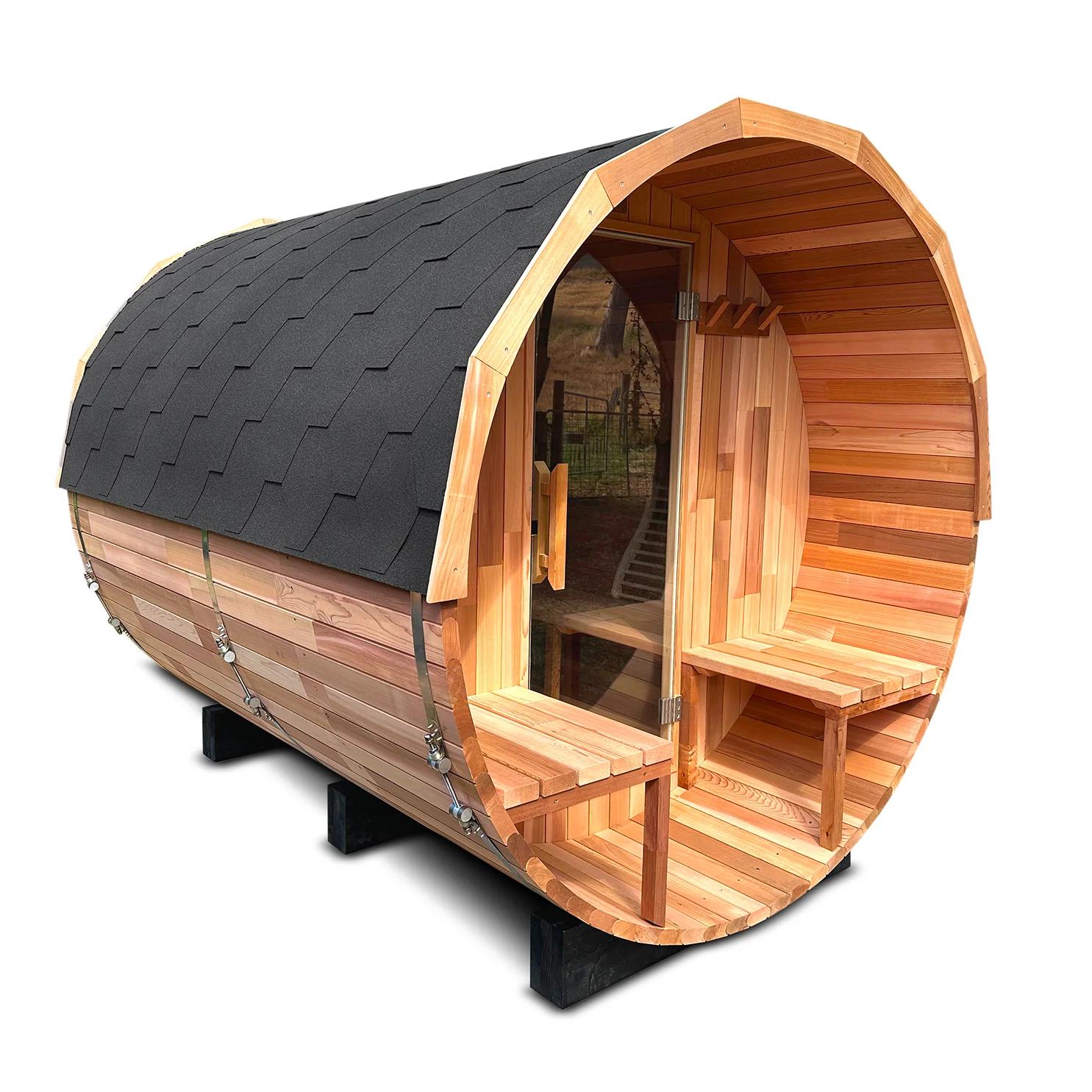
Many Australians are now incorporating saunas into dedicated home wellness spaces.
A typical recovery routine might include:
Having a home sauna makes it easier to maintain this routine consistently throughout the year.
As outdoor wellness spaces continue to grow in popularity across Australia, home saunas are becoming a valuable addition to recovery-focused lifestyles.
Using a sauna for recovery can be an effective way to support relaxation, encourage circulation, and complement a broader recovery strategy. Whether you’re training for a sporting event, working out regularly, or simply looking to recover from an active lifestyle, sauna sessions can provide a welcome opportunity to unwind and recharge.
While saunas should not replace essential recovery habits such as sleep, hydration, and nutrition, they can serve as a valuable tool in helping you feel refreshed and ready for your next workout. For many Australians, sauna use has become a simple yet effective way to prioritise recovery and overall wellbeing.
Many athletes and fitness enthusiasts use saunas to support relaxation and recovery after workouts.
Most people spend between 10 and 20 minutes in a traditional sauna after exercise.
Most users prefer using a sauna after exercise as part of their recovery routine.
Many people find that the heat from a sauna helps relax muscles following physical activity.
Yes. Sauna use is commonly included in recovery programs used by many athletes worldwide.
Absolutely. Drinking water before and after sauna sessions helps replace fluids lost through sweating.
Both traditional and infrared saunas can support recovery. The ideal choice depends on personal preference.
Many healthy adults use saunas regularly, but frequency should align with individual comfort and hydration levels.
Allow your body to cool down slightly and rehydrate before entering the sauna.
A home sauna provides convenient access to regular recovery sessions and can become a valuable part of an active lifestyle.