
Warm Up Your Understanding: What Sets These Hot Tubs Apart?
Hot tubs offer a sanctuary for connection and relaxation. Choosing between an in‑ground and an above‑ground spa isn’t just about whether it sits flush with your lawn or stands on a deck; it’s about how you envision unwinding, how much you’d like to invest and the look you want to achieve. Let’s explore how these two installation styles differ so you can make an informed, feel‑good decision.
Key Takeaways
- Installation and budget go hand in hand. In‑ground hot tubs require excavation and custom site preparation, which means higher upfront costs that typically range from $5,000–$25,000 for the unit plus installation. Above‑ground models are easier to install and start as low as $400, but premium plug‑and‑play spas can still reach well into five figures.
- Aesthetics and customization favour in‑ground designs. An in‑ground spa blends seamlessly with landscaping and can be customised in size, shape and finish to match your home. Above‑ground spas come as complete packages and generally offer fewer design choices but can be moved if you relocate.
- Energy efficiency and longevity depend on materials and usage. Both in‑ground and above‑ground tubs can last 5–20 years, but in‑ground units benefit from earth insulation and often hold their heat better. Above‑ground tubs are more eco‑friendly because they maintain temperature efficiently and always use a cover, leading to lower running costs.
- Safety and accessibility differ. In‑ground installations sit flush with the ground and are easier for children, elderly guests or those with limited mobility to enter and exit. Above‑ground tubs require steps or decks for safe access.
Side-by-Side Comparison: Summary of the Key Differences Between In-Ground & Above-Ground Hot Tubs
| Factor | In‑Ground Hot Tub | Above‑Ground Hot Tub | Notes |
| Unit & installation cost | $5,000–$25,000+ for the unit alone; complete installations typically cost $12,000–$24,000, and fully customised pools can exceed $25k. | Basic inflatable hot tubs start around $400; acrylic models range from $2,000–$20,000. Installation costs $1,000–$16,000. | In‑ground spas require excavation and professional labour, while above‑ground models can be DIY‑friendly or involve minimal professional help. |
| Operating costs | Higher energy use: monthly utilities run $30–$100 because in‑ground tubs require preheating and often lack covers. | Lower operating costs: typically $20–$30 per month thanks to efficient covers and better heat retention. | Covers and insulation significantly impact energy consumption. |
| Return on investment | ROI averages around 50%; a well‑designed spa area can enhance property value. | ROI is roughly 25–33 %, and poorly maintained above‑ground tubs may detract from home appeal. | In‑ground designs are perceived as permanent and luxurious additions, while above‑ground spas are seen more as personal amenities. |
| Lifespan | 10–20 years, depending on materials and maintenance. | 5–20 years; cheaper models wear out quickly while premium units rival in‑ground lifespans. | Lifespan varies widely with build quality. |
Hot Tub Placement Options: In‑Ground vs Above‑Ground
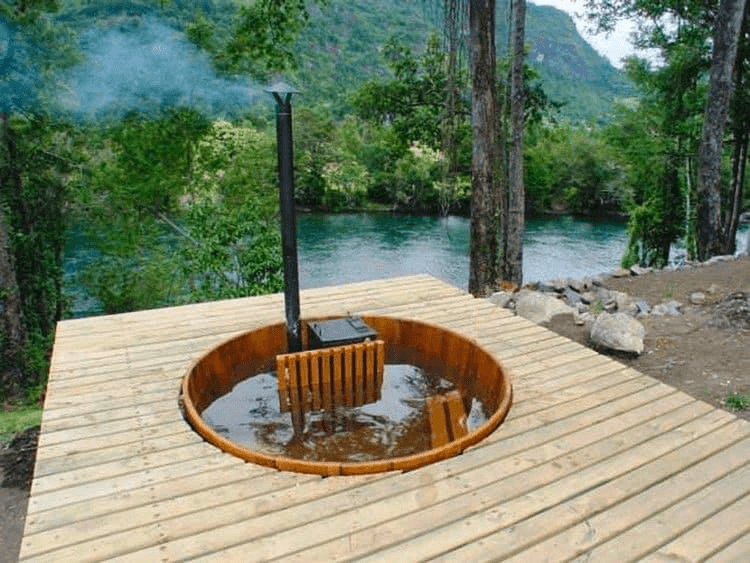
In‑ground hot tubs (sometimes called built‑in or spillover spas) are installed by excavating part of the yard and building the spa into a shell. Customisation is a major attraction: you can choose the size, shape, tile, coping and even incorporate the spa into a pool spillover. Because the unit sits at or below grade, in‑ground tubs create a clean, low‑profile look that blends into the landscaping.
However, this polished appearance comes with extra requirements. A hole must be dug, utilities must be routed around existing pipes, and a concrete or masonry shell is built to house the tub. Excavation and landscaping are labour‑intensive and add to the project cost. It’s also important to ensure utility lines aren’t compromised.
In‑ground tubs can be fully recessed or semi‑inground; the latter sits partially above ground (about seat height) and offers easier access while still blending into the outdoor setting.
Semi‑Inground Hot Tubs
Semi‑inground tubs provide a compromise for homeowners who want the sleekness of a recessed spa without the full excavation. They are built partially into the ground, which reduces digging and helps maintain heat efficiency while offering convenient seating height. Semi‑inground designs also allow for creative deck surrounds or built‑in benches.
Above‑Ground Hot Tubs
Above‑ground hot tubs are self‑contained units that sit on a solid foundation such as a concrete slab, pavers or a reinforced deck. Because they are manufactured as complete packages, installation is much simpler: set the tub in place, connect electrical service and fill it. You can often take your spa with you if you move, and plug‑and‑play models offer a convenient entry point for first‑time owners.
The trade‑off is that an above‑ground hot tub is a conspicuous feature in your yard. Many homeowners build surrounding decks or steps for aesthetics and easier access, which adds to the overall cost. Portable or inflatable models are the cheapest options, but high‑quality acrylic or cedar‑framed tubs can still reach premium prices, depending on size, materials and features.
Also Read: The Ultimate Hot Tub Buying Guide
Pros and Cons of In‑Ground Hot Tubs
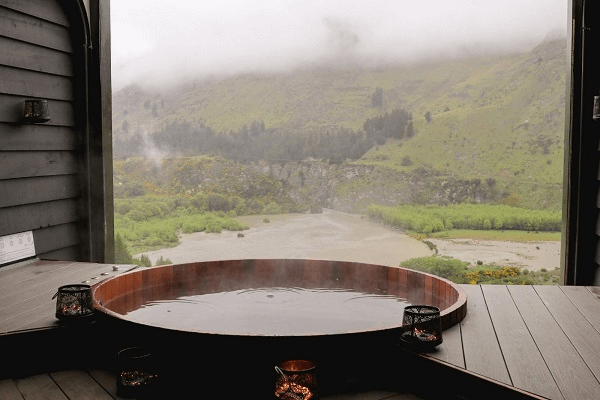
Aesthetics and custom design
Because in‑ground tubs are built into a permanent shell, they can be tailored to your landscape.
- Choose elegant tiles, integrate LED lighting or create a spillover into your pool.
- They seamlessly blend with patios and gardens, making the spa feel like a natural part of your space.
This customisation and low‑profile design can enhance property value when done properly.
Cost and installation requirements
- An in‑ground spa typically costs $5,000–$25,000 for the unit alone, plus excavation, plumbing and electrical work.
- According to one consumer guide, in‑ground spas generally cost $12,000–$24,000 including installation, and additional landscaping can push the total even higher.
- Installation is not DIY‑friendly; it requires professionals to ensure that the shell, plumbing and electrical systems meet safety standards.
Accessibility and comfort
- When recessed to ground level, in‑ground tubs provide easy entry and exit for children, seniors and guests with limited mobility.
- The surrounding earth also acts as natural insulation, helping the spa retain heat during cooler months.
- If you prefer a partially recessed spa, seat‑height designs allow you to perch on the edge and swing your legs in, combining accessibility with a modern look.
Maintenance and longevity
- Maintenance routines for in‑ground and above‑ground tubs are similar—both require water testing, sanitising and periodic draining. However, uncovered in‑ground tubs can collect more debris if installed as part of a spillover pool.
- With high‑quality materials and proper care, in‑ground tubs can last up to 20 years.
- Because electrical and plumbing components are usually hidden, they’re protected from weather, and the concrete shell adds durability.
Also Read: Cedar Hot Tub Maintenance – Cleaning Tips for Wood‑Fired & Electric Tubs
Pros and Cons of Above‑Ground Hot Tubs
Portability and ease of installation
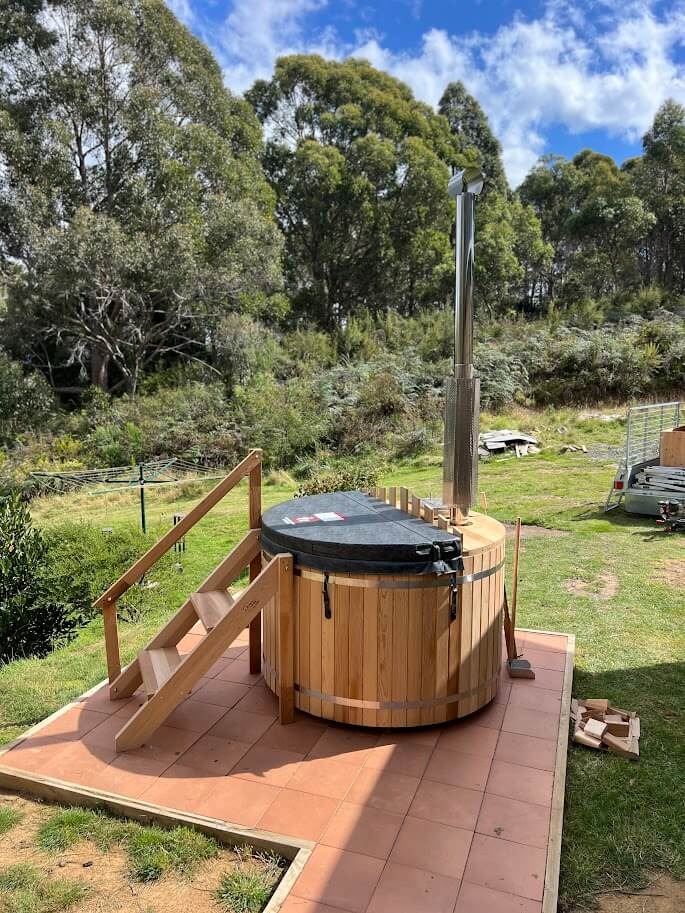
Above‑ground tubs are the most common style and can be installed quickly.
- A simple concrete pad or reinforced deck is usually all you need, and plug‑and‑play models can even be set up without an electrician.
- Inflatable or portable tubs cost as little as $300–$600, while entry‑level acrylic spas start around $2,000.
This flexibility makes above‑ground spas ideal for renters or those who may relocate.
Cost of above‑ground spas
Above‑ground hot tubs have a broad price range.
- Simple inflatable models start at about $400, while high‑end acrylic units with multiple jets and LED lighting can exceed $20,000.
- Installation fees vary: a basic spa pad and electrician can cost $1,000–$16,000.
- Monthly energy costs are lower than in‑ground models—typically $20–$30—because above‑ground tubs heat up quickly and retain warmth with good covers.
Safety and accessibility
The raised walls of an above‑ground tub can serve as a safety barrier for homes with young children. However, steps or a deck are necessary for comfortable entry and exit, which may be less convenient for users with limited mobility. Adding handrails or built‑in seating can help overcome these challenges.
Maintenance and life span
Above‑ground spas require the same water care routine as in‑ground models, including regular cleaning and filter replacement.
- Their life span depends on materials: inflatable and low‑quality models last about 5 years, while high‑quality acrylic or wood‑clad tubs can last up to 20 years.
- Because access panels are easy to reach, repairs and upgrades are often simpler compared to in‑ground installations.
Energy efficiency and environmental impact
In‑ground tubs often lose heat between sessions because they require preheating, and owners rarely use covers.
- Above‑ground tubs maintain temperature more efficiently with insulated shells and fitted covers, resulting in lower energy bills.
- If eco‑friendliness is a priority, selecting an above‑ground tub with good insulation or a partially inground design may balance energy efficiency with aesthetics.
Safety and accessibility considerations
- For households with mobility concerns, in‑ground tubs offer effortless entry and exit. Above‑ground units require steps or raised decking, but their elevated walls act as a safety barrier for small children.
- Semi‑inground spas can provide the best of both worlds: they ease access while still offering some barrier protection.
Also Read: Internal vs. External Hot Tub Stoves: Which Is Right for You?
Choosing the Right Hot Tub for Your Lifestyle
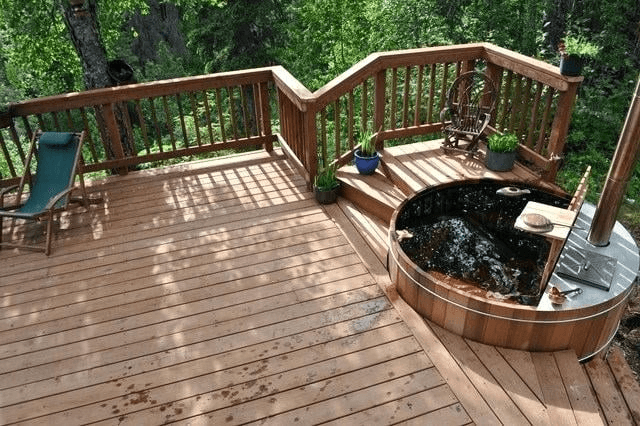
Assess your space and budget
- Before deciding, consider the size of your yard, existing landscaping and how much you’re willing to invest.
- If you have a small, urban backyard and a modest budget, an above‑ground or semi‑inground hot tub with minimal site preparation may be ideal.
- If you’re building an outdoor oasis and want a custom design that blends seamlessly with your patio, an in‑ground spa could be a worthwhile investment.
Clarify your purpose: relaxation, hydrotherapy or entertaining
Think about how you plan to use your spa.
- If you’re focused on hydrotherapy and a quick setup, a plug‑and‑play acrylic spa with multiple jets might meet your needs.
- For frequent social gatherings or family time, a roomy in‑ground hot tub with spillover features may create the perfect centrepiece for connection.
- Couples or small households might appreciate a compact above‑ground tub that is easy to maintain.
Product Suggestions From Shym Saunas & Spas
While you’re deciding between in‑ground and above‑ground, consider the following Shym Saunas & Spas hot tubs that complement both installation styles:
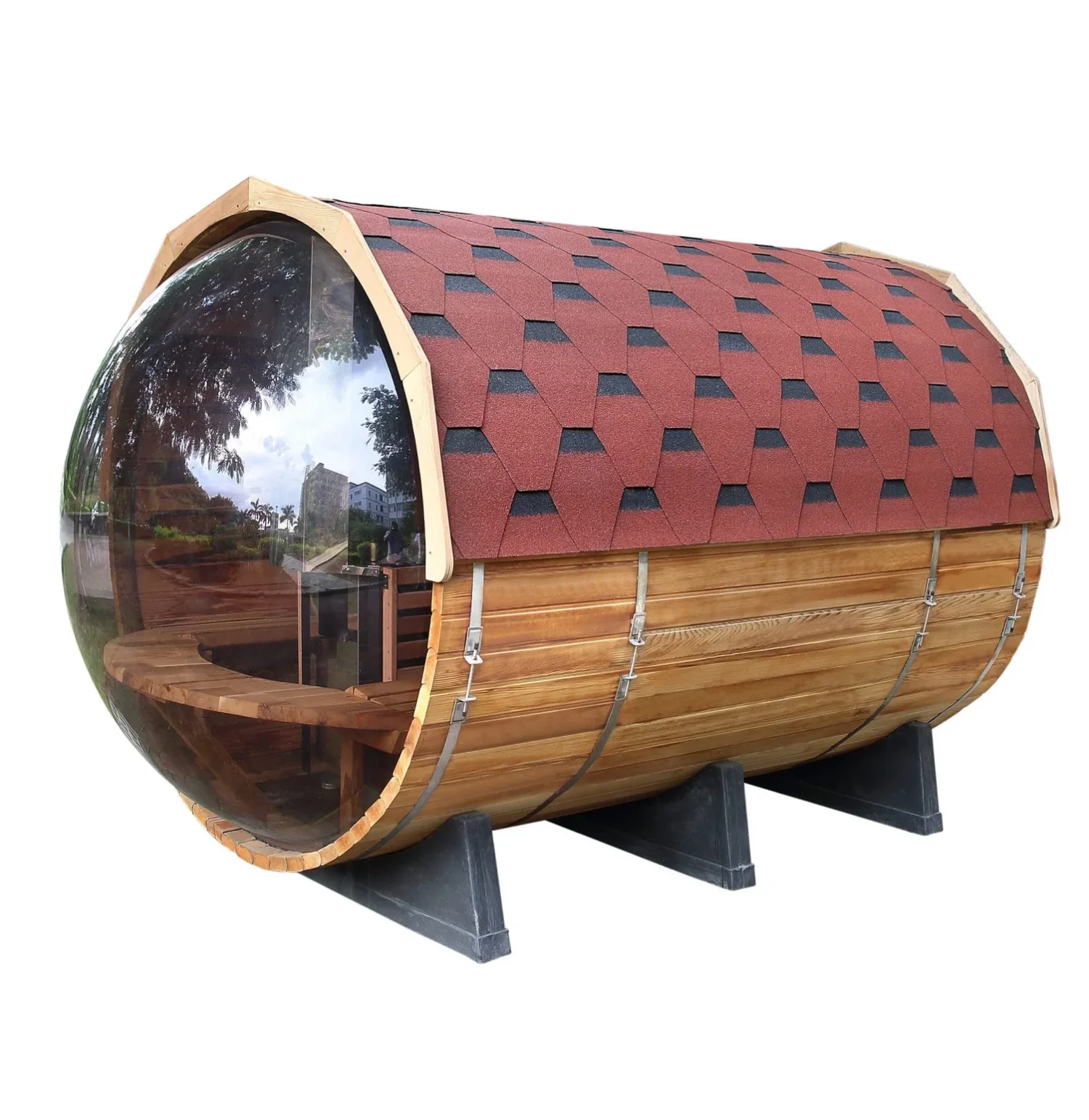
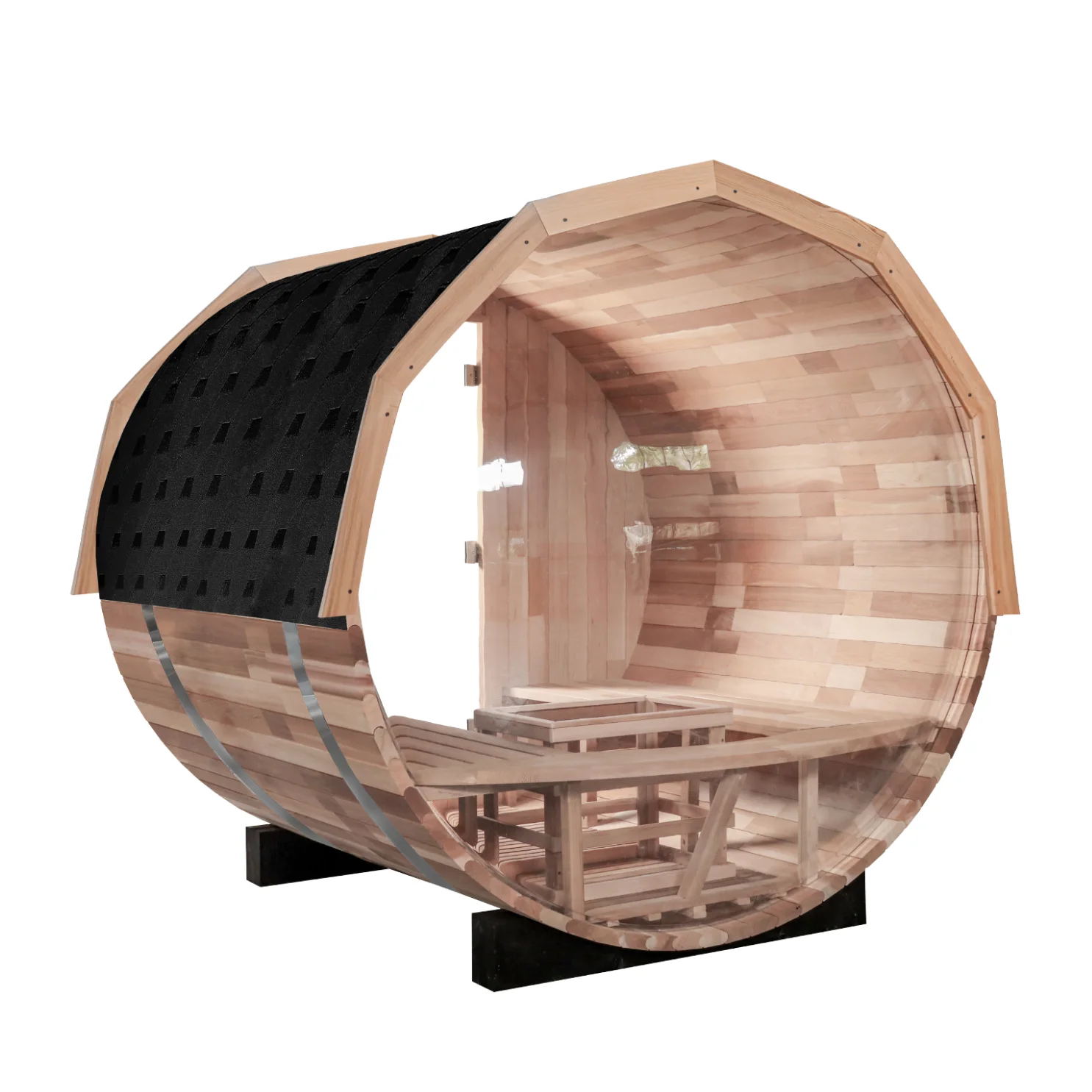
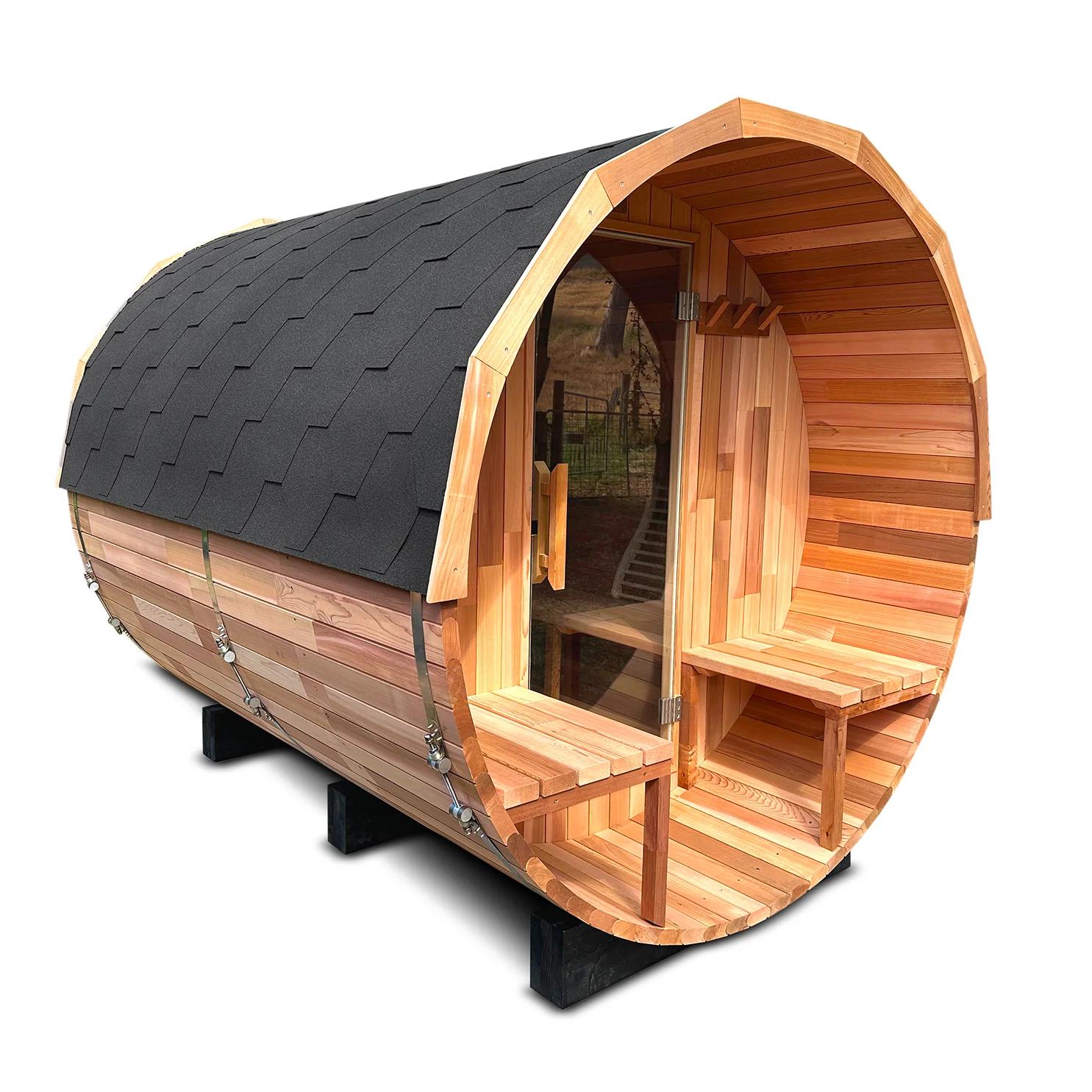
- 2–10 Person Cedar Hot Tub With Electric Heater – This spacious yet energy‑efficient spa is available in sizes from two to ten people. It features a reliable electric heater, pump, filtration system, and cover, delivering a steady temperature without the upkeep of wood‑fired models. Its clean design suits above‑ground installations or can be semi‑inground for a more integrated look.
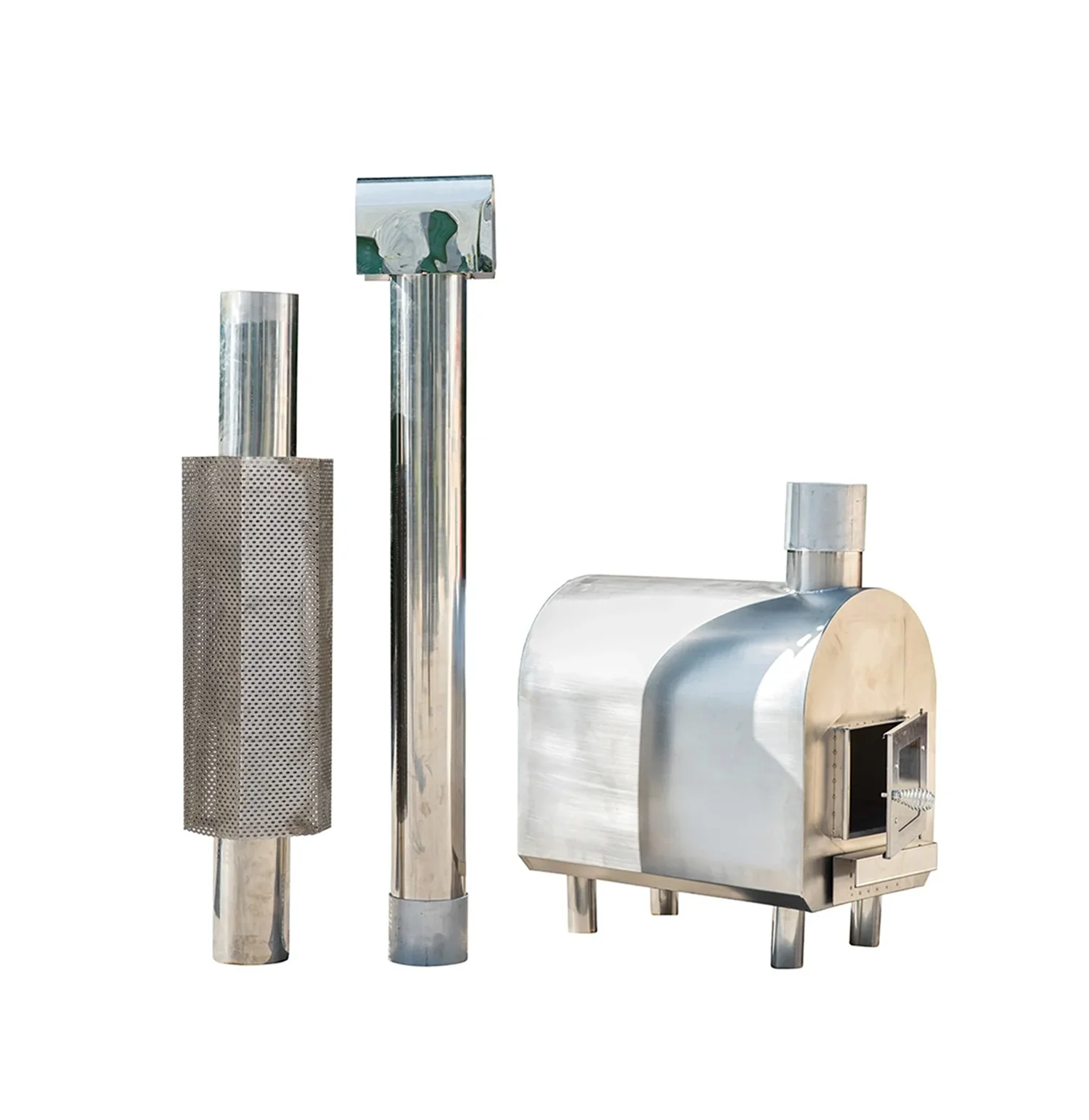
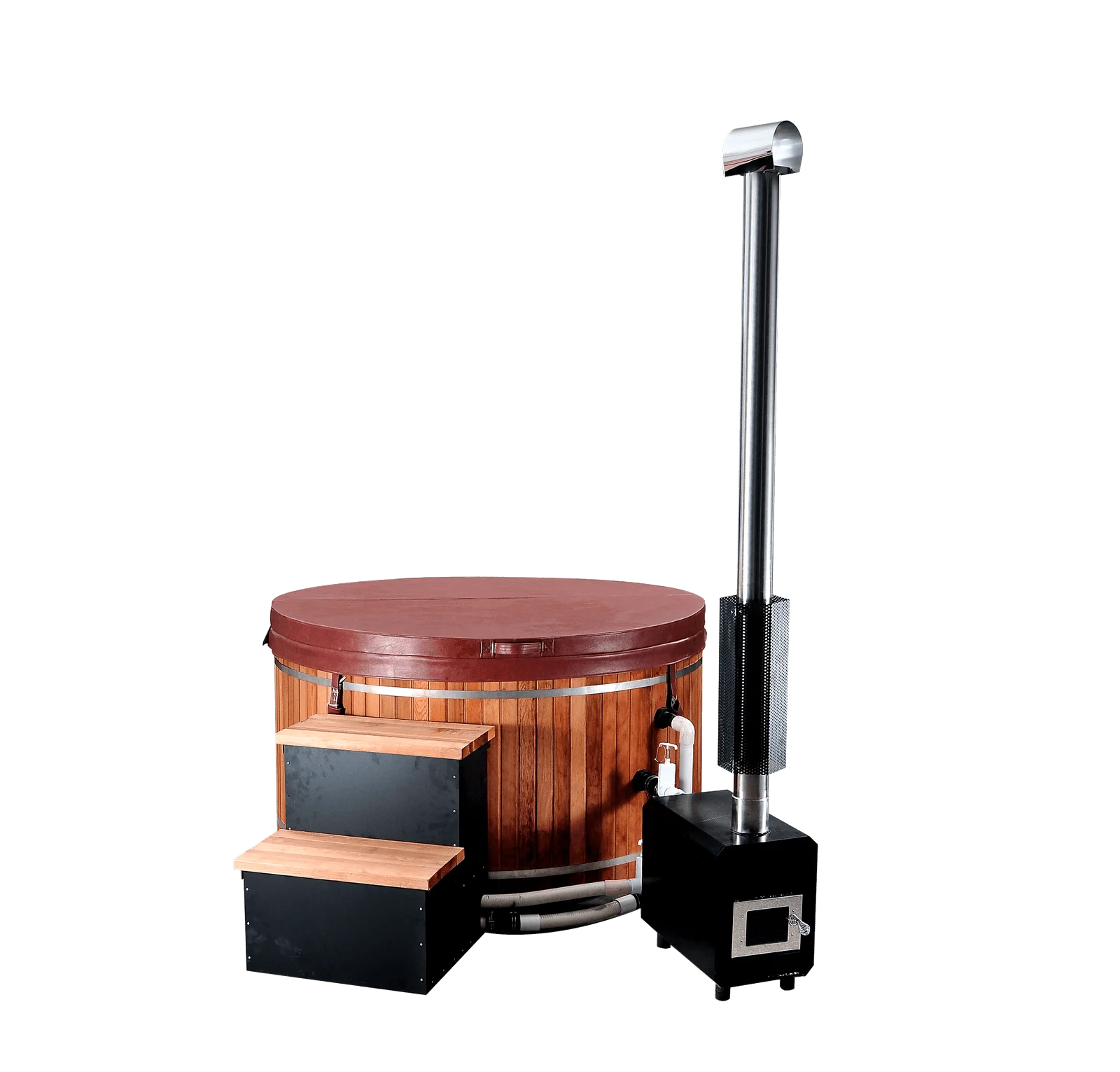
- 2–10‑Person Cedar Hot Tub with External Firewood Heater – For those seeking a rustic, eco‑friendly experience, this Canadian red cedar tub includes a stainless‑steel wood‑fired heater and high‑density thermal covers. It’s perfect for an off‑grid retreat or for reducing electricity use in your backyard spa.
- Cedar or Thermowood Hot Tub with External Firewood Heater – A budget‑friendly choice available in various sizes, this hot tub uses natural materials and traditional wood‑fired heating. Without an integrated filtration system, it’s ideal for occasional use and can be enjoyed above ground or partially recessed.
Our Ultra‑Compact Option for Two
For couples or cost‑savvy users, the Cube 1‑2‑Person Stainless Steel Hot Tub offers a minimalist silhouette crafted from American alder. It provides an intimate spa experience without dominating the patio and can be installed above ground or semi‑inground with ease.
Also Read: Hot Tub vs. Sauna: Or Should You Choose Both?
Final Thoughts
Deciding between an in‑ground and above‑ground hot tub is a personal choice that hinges on your budget, the look you desire and how you plan to use your spa.
In‑ground installations offer unrivalled customisation and accessibility but demand a larger investment and longer installation time. Above‑ground models provide flexibility and lower costs, making them ideal for renters, seasonal use or those new to hot‑tubbing. Whatever you choose, a hot tub is an invitation to slow down, breathe deeply and create warm, meaningful moments with the people you care about most.
Ready to bring this ritual of relaxation into your life? Explore Shym Saunas & Spas’ curated hot tub collection to find the perfect fit for your backyard sanctuary.
Frequently Asked Questions
Day-to-day water care is similar for both in-ground and above-ground hot tubs—each needs regular testing, sanitising, filter cleaning and occasional draining. Where in-ground spas become more demanding is access and infrastructure.
Because the shell and equipment are built into the ground, repairs or upgrades can be more involved, sometimes requiring partial excavation or access through service hatches.
In-ground tubs can also collect more debris if they’re connected to a pool or installed in open landscaping. With good design (proper drainage, easy equipment access and a well-fitted cover), maintenance is very manageable—but it’s fair to say that above-ground units are usually simpler and cheaper to service over time.
An in-ground hot tub isn’t automatically “better”—it’s better if it aligns with your goals. In-ground designs shine when you want:
– Seamless aesthetics that blend with patios, pools and landscaping
– Custom shapes, finishes and seating tailored to your space
– Easy, step-free access for children, older guests or anyone with limited mobility
– A sense of permanent, resort-style luxury that can support property value
The trade-offs are higher upfront costs, longer installation timelines and less flexibility if you move. Above-ground hot tubs often win on budget, portability and quick installation. The “best” choice is the one that fits your lifestyle, space and investment comfort.
Both indoor and outdoor hot tubs offer powerful relaxation—what’s “better” depends on your climate, home layout and how you like to unwind.
Indoor hot tubs provide:
– Year-round use protected from weather
– More privacy and easier access in bad weather
– A spa-like feel integrated into a bathroom, sunroom or wellness space
However, they demand robust ventilation, moisture control and structural planning to prevent humidity damage and ensure safe electrical work.
Outdoor hot tubs offer:
– Fresh air, open views and a stronger sense of “backyard escape”
– Easier installation and access for service
– The option to integrate with decks, pergolas, gardens or pools
They’re exposed to the elements, so you’ll rely heavily on aquality cover and may have seasonal use in colder climates—though many owners enjoy soaking outdoors even in winter.