


To heat a hot tub faster, keep the cover on, run the circulation pump with the air bubbles off, shelter the tub from wind, and keep the heater, filter and water in good shape. With a wood-fired tub, burn dry hardwood in a hot, steady fire and stir the water now and then. The single biggest saving is to keep the water warm and covered between soaks, rather than heating it from cold each time.
Key takeaways
- Cover it: most heat escapes from the water's surface, so a good insulated cover matters most.
- Circulate, do not bubble: run the pump while heating, but turn off the air jets, which cool the water.
- Keep it warm: holding the temperature is quicker and often cheaper than heating from cold.
Boost Your Hot Tub Heating Efficiency
How fast a hot tub heats up depends on four things: how much water it holds, how powerful the heater is, how well the tub and cover keep heat in, and how cold and windy it is outside. You cannot change the size of your tub, but you can improve the rest.
1. Invest in a High-Quality Hot Tub Cover

Most of the heat a hot tub loses goes out through the water's surface. A thick, well-fitting cover is the best thing you can do for heating time and running costs. Look for a foam core, a tapered shape so rain runs off, a tight seal around the edge, and clips to hold it down in the wind. Replace a cover that is cracked, waterlogged or sagging: a wet cover insulates far less.
The Importance of R-Value and Cover Quality
R-value measures how well a material resists heat flow: higher is better. It is useful, but it only tells part of the story for a cover. A cover that soaks up water loses much of its insulation, so how well the foam is sealed against moisture matters as much as its R-value on paper.
Shym Saunas' Thermal Covers

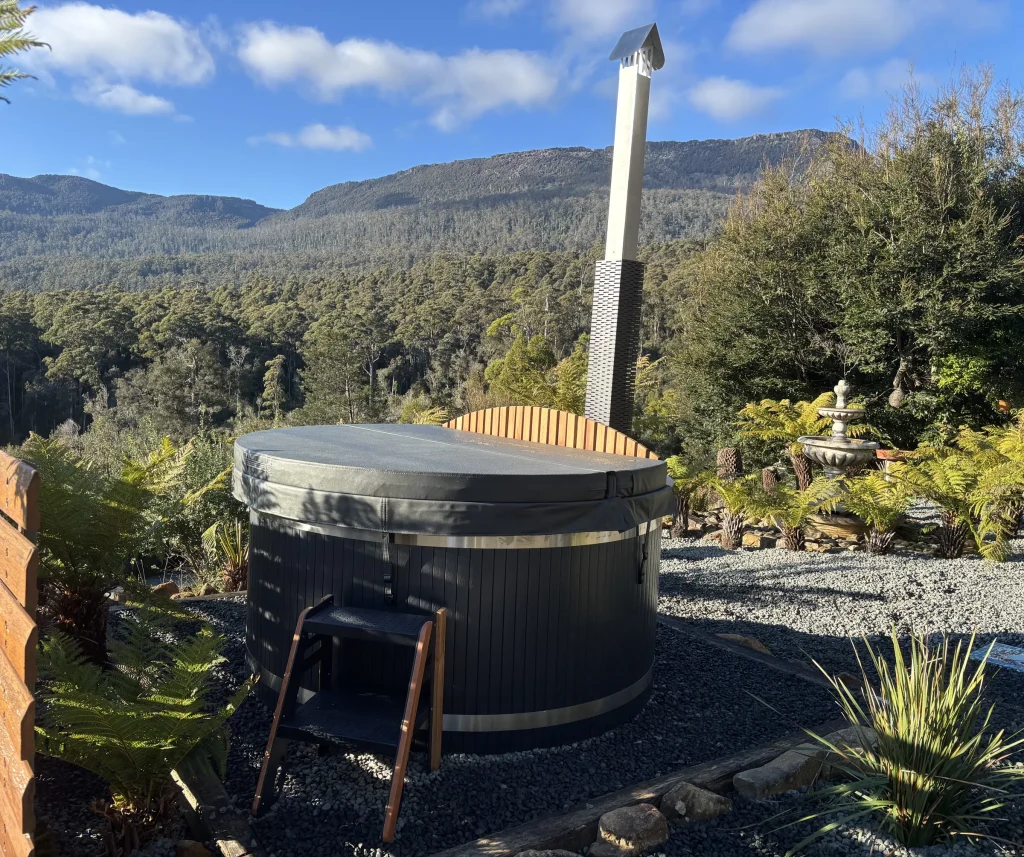
Our wooden hot tubs come with an insulated cover: a high-density polystyrene foam core in UV-resistant, marine-grade vinyl, with lockable safety clips. Left on, it holds the heat in long after you finish heating.
2. Enhance Your Hot Tub Insulation
The better your tub is insulated, the faster it heats and the less it costs to run. On an acrylic spa, look for a fully foam-filled cabinet. On a wooden tub, the thick timber walls do the job.
Natural Insulators: Cedar and Thermowood Hot Tubs

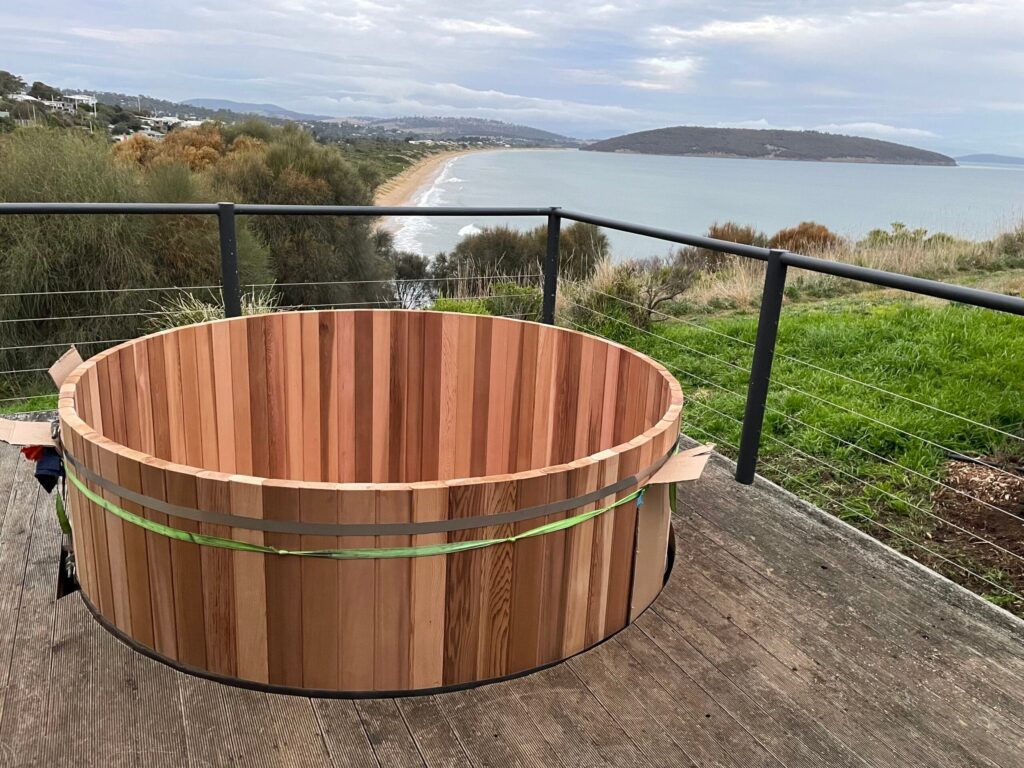
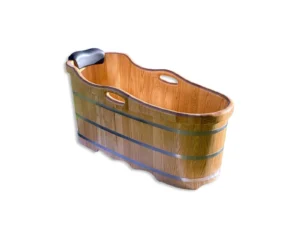
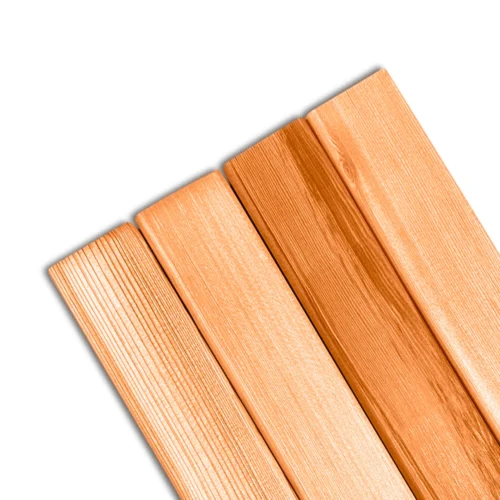
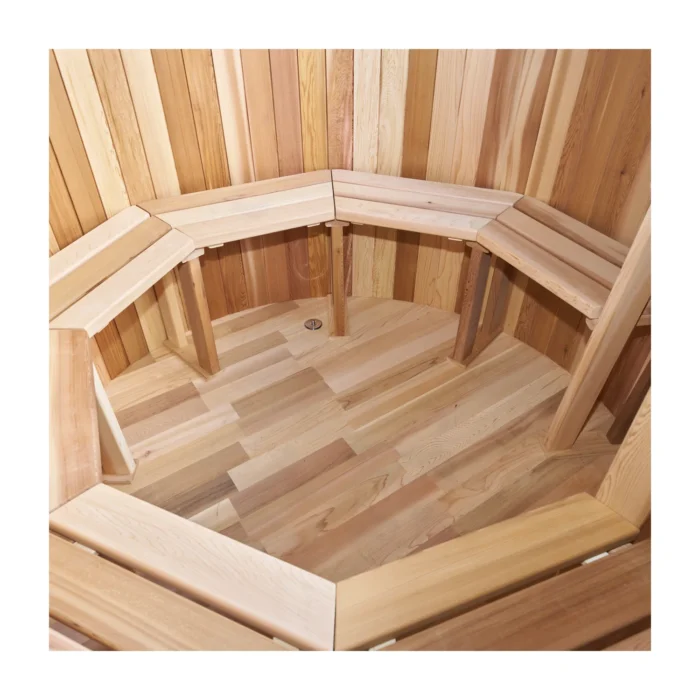
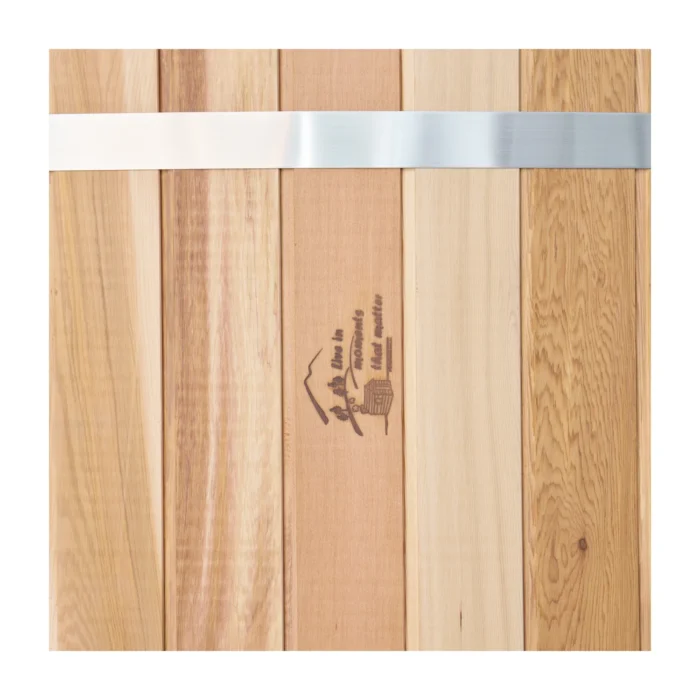
Wood is a natural insulator, because its cells are full of air. Light woods insulate best, and Western Red Cedar is one of the best softwoods for it. Thermowood (timber heat-treated at 180 to 230°C) also holds up well to water and resists rot. Our wooden hot tubs use staves about 38 mm thick, in Western Red Cedar or thermo-treated hemlock.
The Role of R-Value in Hot Tub Insulation
For a wooden tub, R-value is a fair guide, because the walls are thick, solid timber. Western Red Cedar has an R-value of about 1.35 per inch (in US units), so a 38 mm stave gives roughly R-2. That beats brick, concrete or steel of the same thickness, though it is less than foam insulation. The cover still does the most work, because the open water surface loses the most heat.
3. Turn On Your Jets

Run the circulation pump while the tub heats, so warm water moves evenly through the tub and back past the heater. But keep the air jets or bubbles off. Air bubbling through the water carries heat away and slows heating. Once it is hot, turn the bubbles on and enjoy.
4. Use a Thermal Spa Blanket
A thermal blanket floats on the water under the cover. It cuts evaporation and adds another layer of insulation, which helps most on cold, windy nights.
5. Plan Your Hot Tub Landscaping

Wind strips heat from the tub and the cover. A sheltered spot, a screen, a fence or a hedge on the windy side all help it heat faster and stay warm, and give you more privacy too.
6. Keep Hot Tub Components in Top Condition
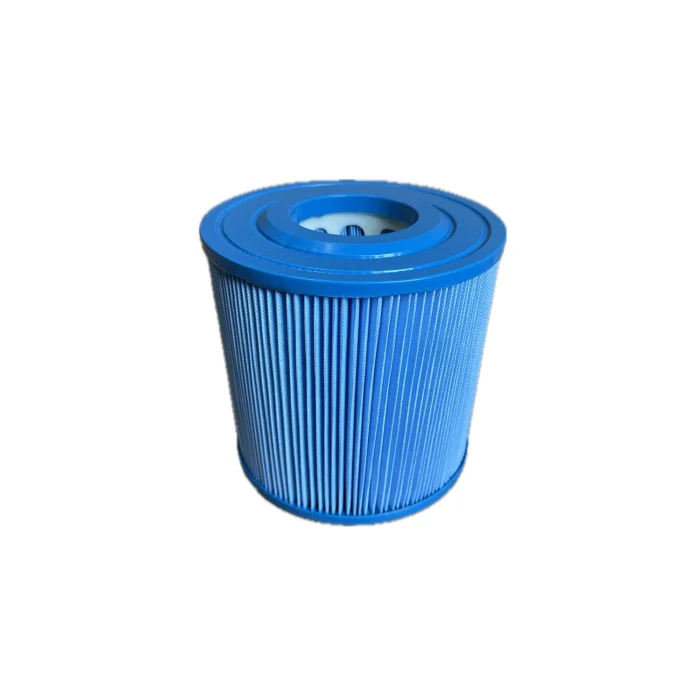
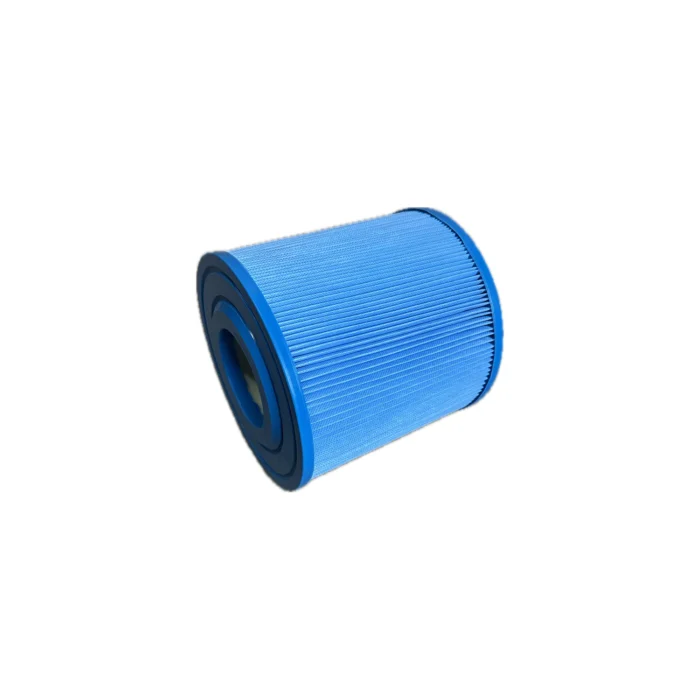
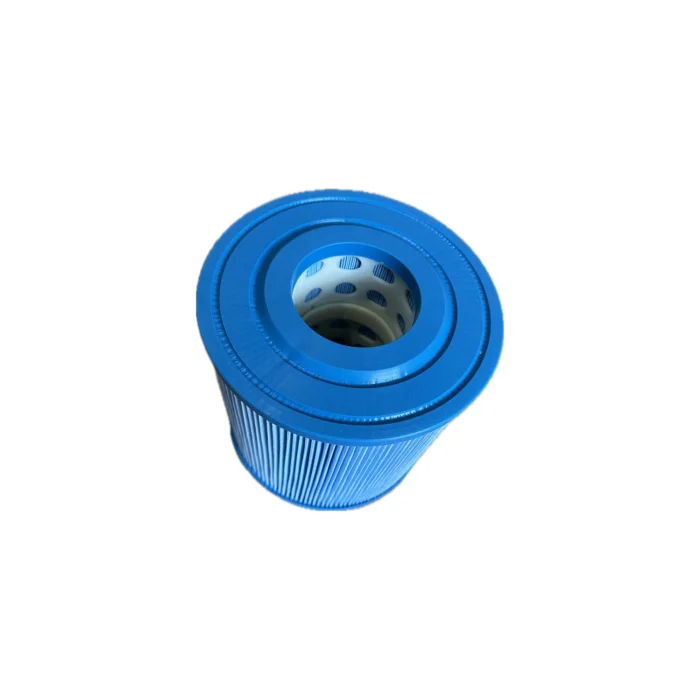
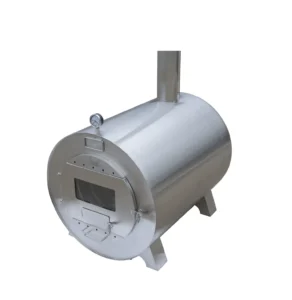
A clogged filter slows the flow past the heater, so the water heats more slowly. Clean the filter regularly and replace it when it wears out (we stock replacement filter cartridges). On a wood-fired tub, clear the ash and soot from the heater so the fire burns well.
7. Maintain Good Water Chemistry
Unbalanced water can leave scale on the heater, which makes it work harder and heat more slowly. Test the water regularly and keep the pH and alkalinity in range.
How to Heat a Wood-Fired Hot Tub Faster
- Burn dry hardwood: seasoned, split hardwood burns hotter and cleaner than damp or soft wood.
- Keep the fire hot and steady: add wood little and often rather than letting it die down.
- Cover and stir: keep the cover on as much as your heater's manual allows, and stir the water now and then, because the hottest water rises to the top.
Never leave a fire unattended, and keep children away from the heater and chimney.
How Long Does It Take to Heat a Hot Tub?
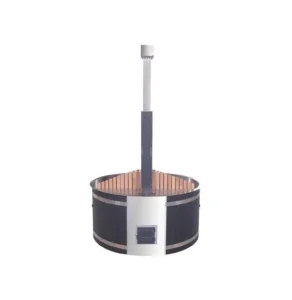
- Wood-fired: our cedar hot tubs with an internal wood heater take about 1 to 3.5 hours from cold to 38°C, depending on size. No power is needed.
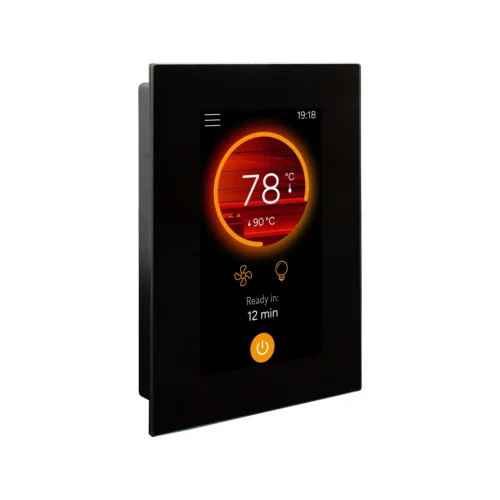
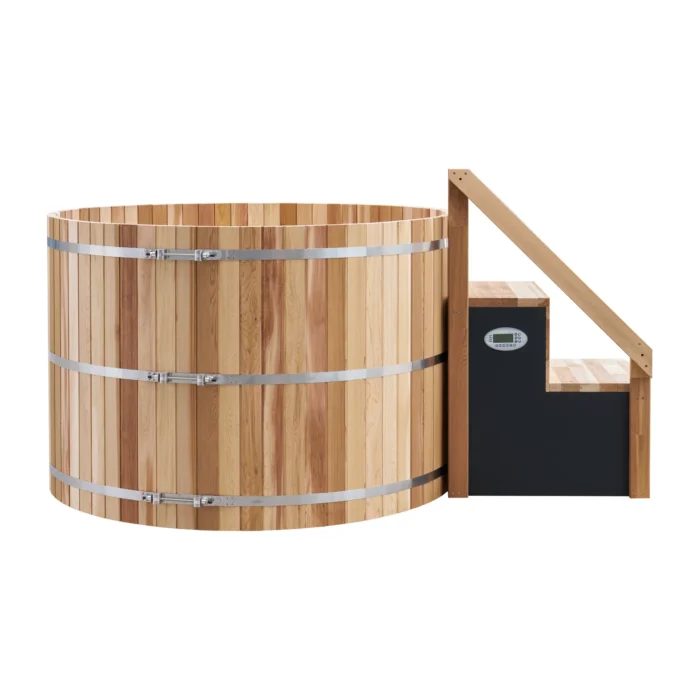
- Electric: a 3 kW heater warms about 1,300 litres by roughly 2°C an hour, before any heat losses. So heating from cold can take most of a day, which is why electric tubs are best kept warm. Our electric cedar hot tub uses a SpaNET control system that heats to your set temperature, up to 41°C, and holds it there.
 5% OffHot Tub, Internal Wood Heater2 to 8 peopleIn stockFrom$5,035


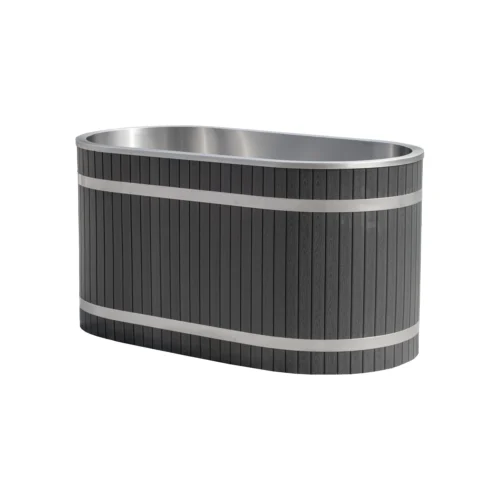
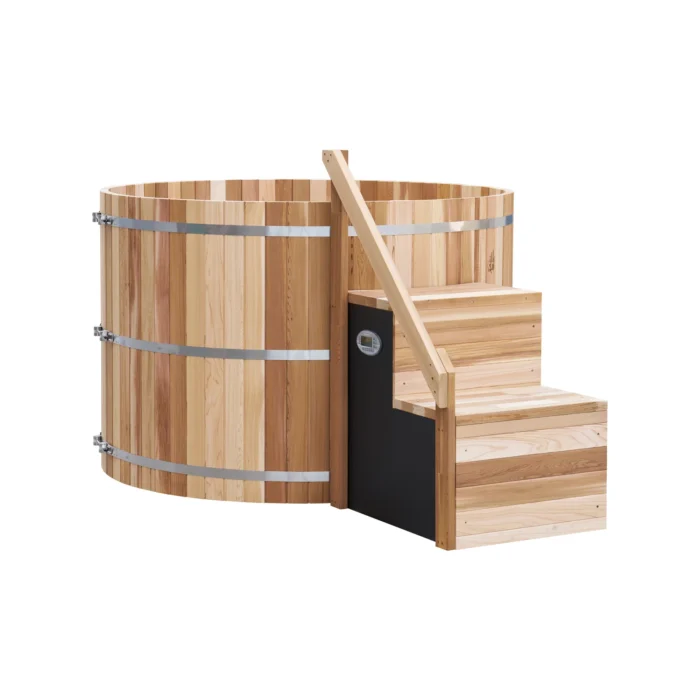 Cedar Hot Tub Spa SystemIn stockFrom$7,800
Warning: Avoid Filling Your Hot Tub with Very Hot Water
It is tempting, but filling a hot tub with very hot or boiling water can damage the heater, pump, seals and shell. Fill it with normal water and let the heater do its job.
Wrapping Up
The quickest wins are the simplest: a good cover, the pump on with the bubbles off, shelter from the wind, and a clean filter. For a wood-fired tub, use dry hardwood and keep the fire steady. Want a tub that heats well from the start? Browse our cedar and thermowood hot tubs.
FAQ: How to Heat Up a Hot Tub Faster
Does a hot tub heat up faster with the jets on?
Run the circulation pump, yes. But keep the air jets or bubbles off, because air bubbling through the water cools it.
Does a hot tub heat up faster with the cover on?
Yes. Most heat escapes from the water's surface, so a good cover makes a big difference.
Why is my hot tub taking so long to heat up?
Common causes are a missing or waterlogged cover, a dirty filter, cold wind, air jets left on, scale on the heater, or a small heater for a large tub.
How long does it take to heat up a hot tub?
Our wood-fired cedar tubs take about 1 to 3.5 hours from cold to 38°C. A small electric heater can take most of a day from cold.
Is it better to keep my hot tub hot or heat it each time?
For an electric tub you use often, keeping it warm and covered is usually quicker and cheaper. A wood-fired tub is simply lit when you want it.
Does the type of hot tub heater matter?
Yes. A more powerful heater, measured in kilowatts, heats faster. A wood-fired heater heats fast and needs no power.
Can I add hot water to heat my hot tub faster?
Warm water from your hot water system can help a little, but never very hot or boiling water, which can damage the tub.