
After a tough workout you might feel sore, tired and tense. Many athletes turn to the sauna to relax muscles and boost recovery. Sitting in a warm room helps your circulation, eases stress and provides a welcome opportunity to unplug from notifications and connect with people.
Saunas are not just for athletes. Parents, weekend warriors and anyone seeking a little quiet luxury can benefit from a few minutes of heat.
At Shym Saunas & Spas, our mission is to create handcrafted spaces where families can unwind together. Our cabins, made from thermotreated Nordic spruce, follow the Finnish tradition of gentle heat, comfortable benches, and a simple setup. Through quality craftsmanship and a focus on wellness, they encourage you to invest in moments that matter.
This article explores how heat supports muscle recovery, how long to stay in the sauna, which type of sauna suits your goals and how to balance heat therapy with other recovery methods. You will also find safety tips, answers to common questions and subtle product suggestions to turn your space into a sanctuary.
Note: This article is general information only and isn’t medical advice. Always follow the manufacturer’s instructions. If you’re pregnant, have cardiovascular or blood-pressure issues, take medications that affect hydration/thermoregulation, or have any medical concerns, speak with your GP before using a sauna.
Key Takeaways
- After training, a sauna helps your body shift into recovery mode: circulation rises, muscles soften, and many people feel less sore and more relaxed the next day.
- For most healthy adults, short sessions (often ~10–20 minutes) are plenty. Start shorter (5–10 minutes), hydrate well, and exit immediately if you feel dizzy, faint, nauseous, or unwell. Longer heat exposure might lead to dehydration or overheating.
- Sauna bathing (traditional or infrared) can support recovery by promoting relaxation and heat-stress responses. Some studies show reduced perceived soreness and better next-day jump performance after post-exercise infrared sauna, but results across studies are mixed.
- Choosing the right sauna and pairing heat with rest, hydration and stretching helps you recover safely and enjoy moments of calm.
Benefits of Sauna Use for Muscle Recovery
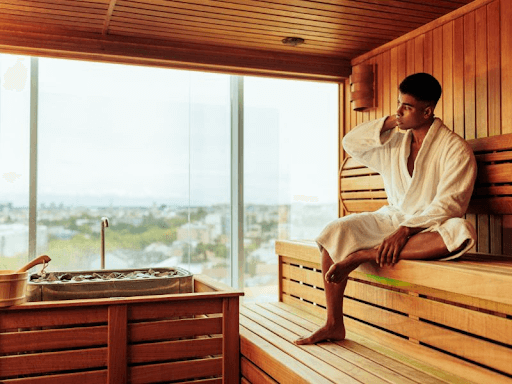
After a big session—whether it’s a strength workout, a long run, or a family ride—your body doesn’t just need “rest.” It needs a shift into recovery mode. Sauna time (traditional or infrared) can be a beautiful way to make that switch: warmth on the skin, slower breathing, and a few quiet minutes where your muscles get permission to soften.
Here’s what sauna use can support, and why it feels so good after training.
1) Eases that heavy, next-day soreness
That tender, stiff feeling you notice 24–72 hours after a hard workout (often called DOMS) is part of the body’s natural rebuilding phase. It reflects tiny muscle fibre stress and the repair process that follows. Sauna heat won’t erase that recovery process (and you don’t want it to)—it supports it by helping you feel more comfortable as you bounce back: less tight, less creaky, more mobile.
Many people describe the effect as: lighter legs, easier movement, and a calmer body overall.
2) Helps you feel ready for your next session
One reason sauna is a favourite among athletes is how it can support “readiness.” Heat exposure gently raises heart rate and increases skin blood flow, creating a whole-body wind-down that many people find restorative.
Research on post-exercise infrared sauna has shown improvements in perceived recovery and reduced muscle soreness the next day, alongside better maintenance of explosive performance (like countermovement jump) compared with passive recovery. Traditional saunas are typically hotter (so you’d usually sit for less time), but the core experience—heat + relaxation—can still be used as a practical recovery ritual.
3) Supports mobility, flexibility and “looser” muscles
Warm muscles tend to move more freely. A sauna session can be a perfect pairing with gentle stretching, breathwork, or mobility work—especially if you often feel tight through hips, calves, shoulders, or your lower back.
The goal here isn’t to force deeper stretches. It’s to use warmth to invite softer movement and reduce that guarded, post-workout tension.
4) Encourages downshifting, stress relief and better sleep habits
Recovery isn’t only physical. When your nervous system stays in “go mode,” soreness can feel sharper and sleep can suffer—two things that slow recovery in the real world.
Sauna time creates a natural pause: fewer screens, quieter thoughts, slower breathing, and an environment designed for presence. Many people find evening sauna sessions become a reliable cue for winding down—especially when paired with hydration and a calm post-sauna routine.
5) Can complement endurance adaptation (especially in warmer conditions)
Heat exposure is sometimes used strategically in training because it can encourage heat-related adaptations (the same reason people do heat acclimation blocks). The evidence is mixed depending on the protocol and the sport, but regular heat exposure is one tool some athletes use to build tolerance and comfort—particularly when training for warmer conditions.
6) The “post-sauna glow” is real
That fresh, clear-headed feeling after a sauna is part of the magic. Sweating is one of the body’s natural cooling tools, and the combination of warmth, quiet and deep breathing can leave you feeling lighter and renewed. From a wellbeing point of view, sauna is already doing plenty—supporting relaxation, comfort and recovery—while your liver and kidneys quietly handle the body’s everyday housekeeping in the background.
7) Sauna won’t “kill your gains” when used sensibly
A common worry is that heat after training might blunt results. In practice, the bigger variable is recovery basics: hydration, nutrition and sleep.
Some studies show sauna exposure can raise growth hormone temporarily, but a short-term hormone bump isn’t the same thing as building muscle. The real advantage of sauna is that it can help you recover more comfortably—so you can train consistently, which is what drives progress over time.
Also Read: Sauna Before Bed: Unlocking Restful Nights With Heat and Calm
How Long in the Sauna for Muscle Recovery?
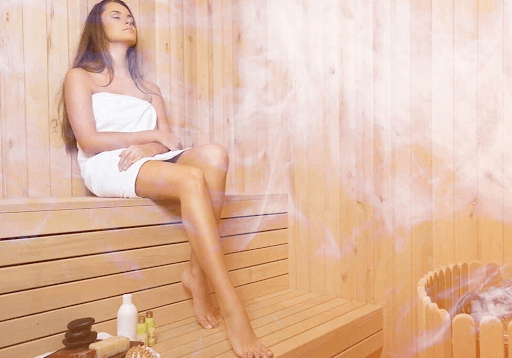
Experts recommend starting with short sessions and listening to your body. The right duration depends on your tolerance, the type of sauna and your fitness level. A simple approach is to start small and build gradually. For many healthy adults, a comfortable 10–20 minutes is enough to feel the recovery and relaxation benefits, while beginners can start with 5–10 minutes and add time as they adapt.
Hydrate before and after, take breaks whenever you need, and step out straight away if you feel light-headed, nauseous or unwell. If you’re pregnant or managing a heart condition, blood pressure issues or heat-sensitive medical concerns, it’s wise to check in with your GP for personalised guidance.
Combining Heat with Cold
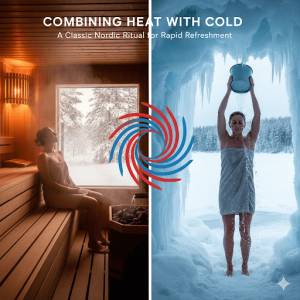
Alternating heat with cold is a classic Nordic ritual—sauna, cool rinse, then back to warmth—and many people love how refreshed it feels. Research is mixed, but contrast therapy can be a great option when your goal is to feel better quickly (especially during heavy training weeks or in hot weather).
One practical note: if your main focus is building muscle and strength, very cold immersion immediately after resistance training may modestly dampen some of the body’s muscle-building signals when used regularly. A simple balance is to keep your post-lift routine warm (sauna + hydration + a protein-rich meal), and save the colder dips for rest days, endurance sessions, or when you’re prioritising freshness and recovery comfort.
Also Read: How to Use a Sauna Like a Pro: The Ultimate Guide
Best Sauna for Muscle Recovery

Not all saunas are the same. Choosing the right style depends on your goals, budget and personal preference.
Traditional Finnish saunas
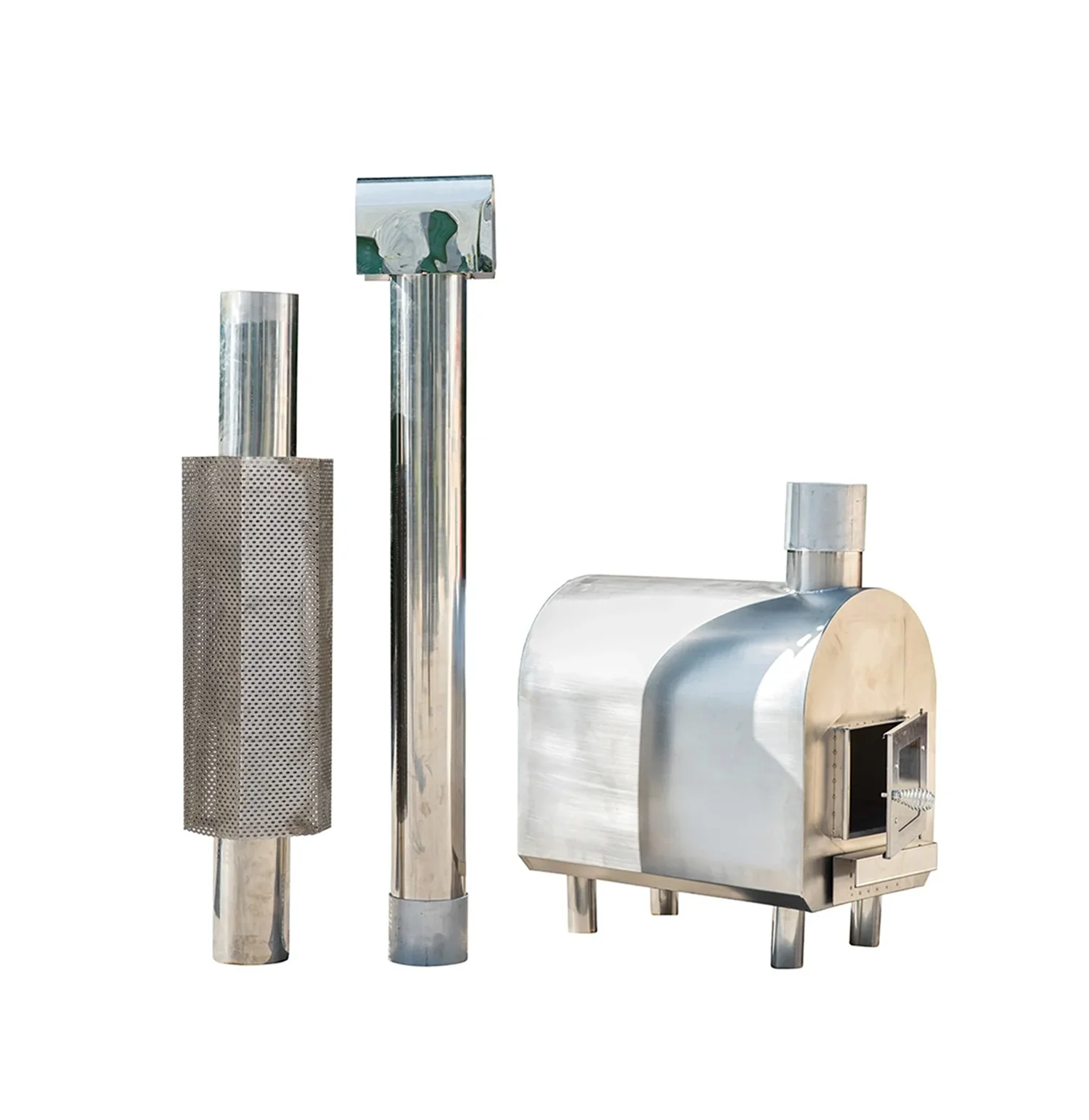
Traditional saunas, like those offered by Shym Saunas, use wood-burning or electric heaters to warm the air—often roughly 70–100°C. The dry heat can be intense but you can control humidity by pouring water over the stones to create a soft wave of steam. High temperatures encourage deep sweating and relaxation.
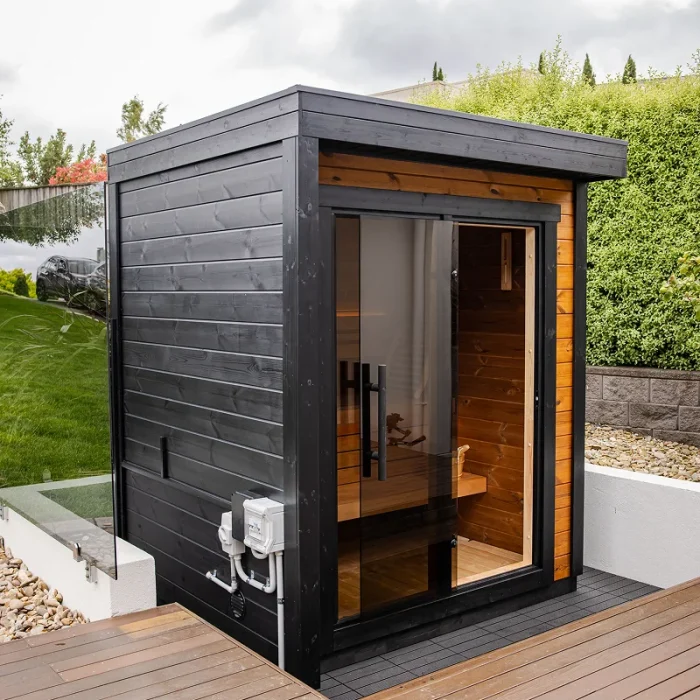
Traditional saunas provide a social, ritualistic experience that aligns with family‑centred wellness. A compact two‑person cabin built from thermotreated Nordic spruce fits in many homes and delivers efficient heat.
Our family‑ready Fellin sauna cabin with loft and two‑level benches offers efficient heat and is handcrafted from durable Nordic spruce. It’s perfect for unwinding with a loved one after a workout.
Infrared saunas
Infrared saunas use radiant heat to warm your body directly at lower air temperatures—often around 40–60°C—so many people find them gentler and easier to sit in for longer sessions. They’re a popular choice for those who prefer a softer heat experience while still enjoying the unwind-and-recover ritual.
If you prefer the gentle warmth of infrared, choose a reputable supplier and prioritise build quality, ventilation, clear material specifications (low-odour/low-VOC where possible) and sensible electrical safety. In Australia, look for RCM-marked equipment and follow installation requirements—especially for fixed wiring or outdoor setups.
Steam rooms
Steam rooms provide moist heat at lower temperatures (~45–50 °C). The humidity may aid respiratory health and skin hydration but can feel overwhelming for those new to heat therapy. Steam rooms are not typically recommended for muscle recovery because the high humidity limits session length. If you enjoy steam, consider alternating with dry sauna sessions to get the full benefit of heat shock proteins.
Portable or barrel saunas
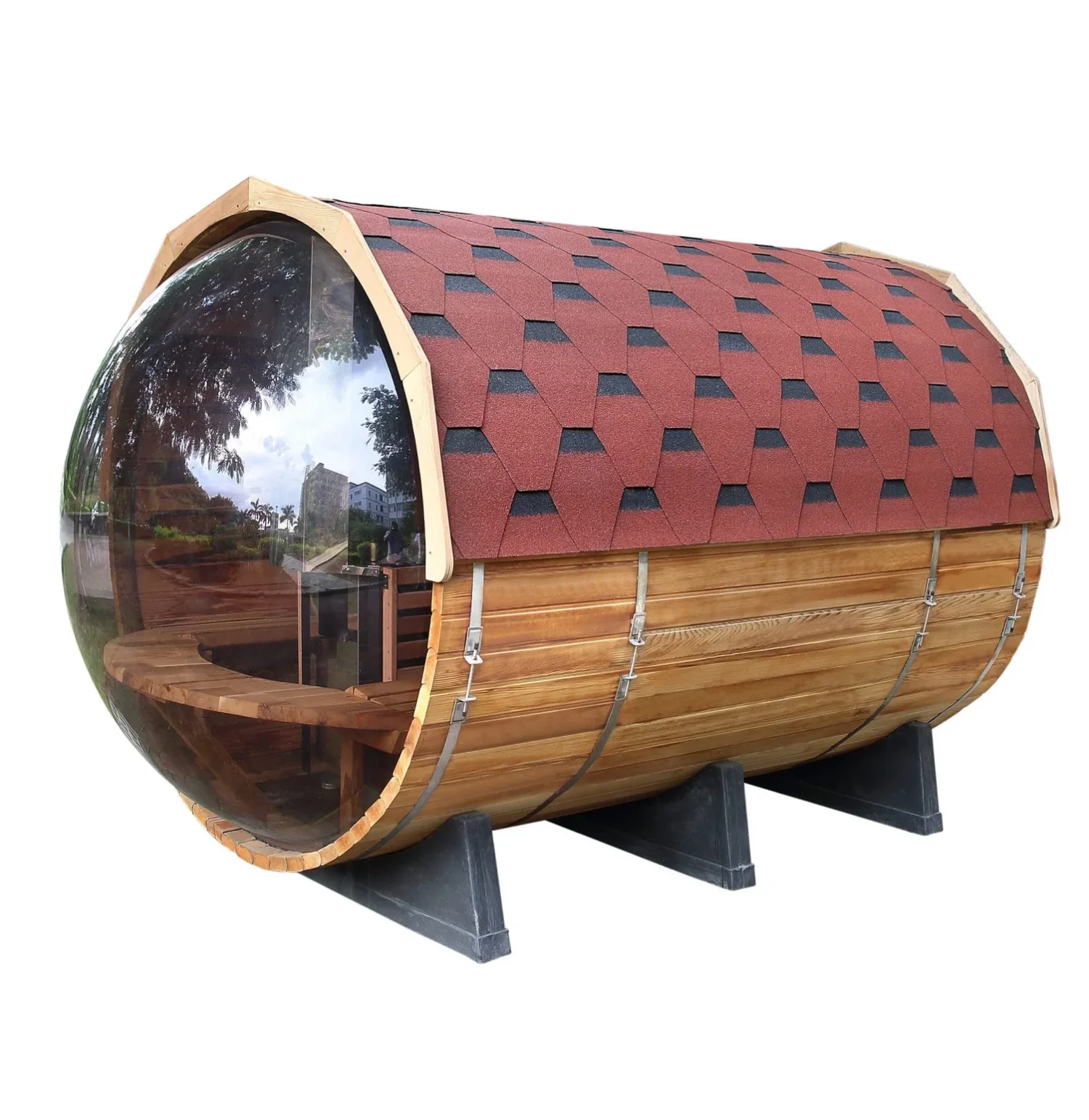
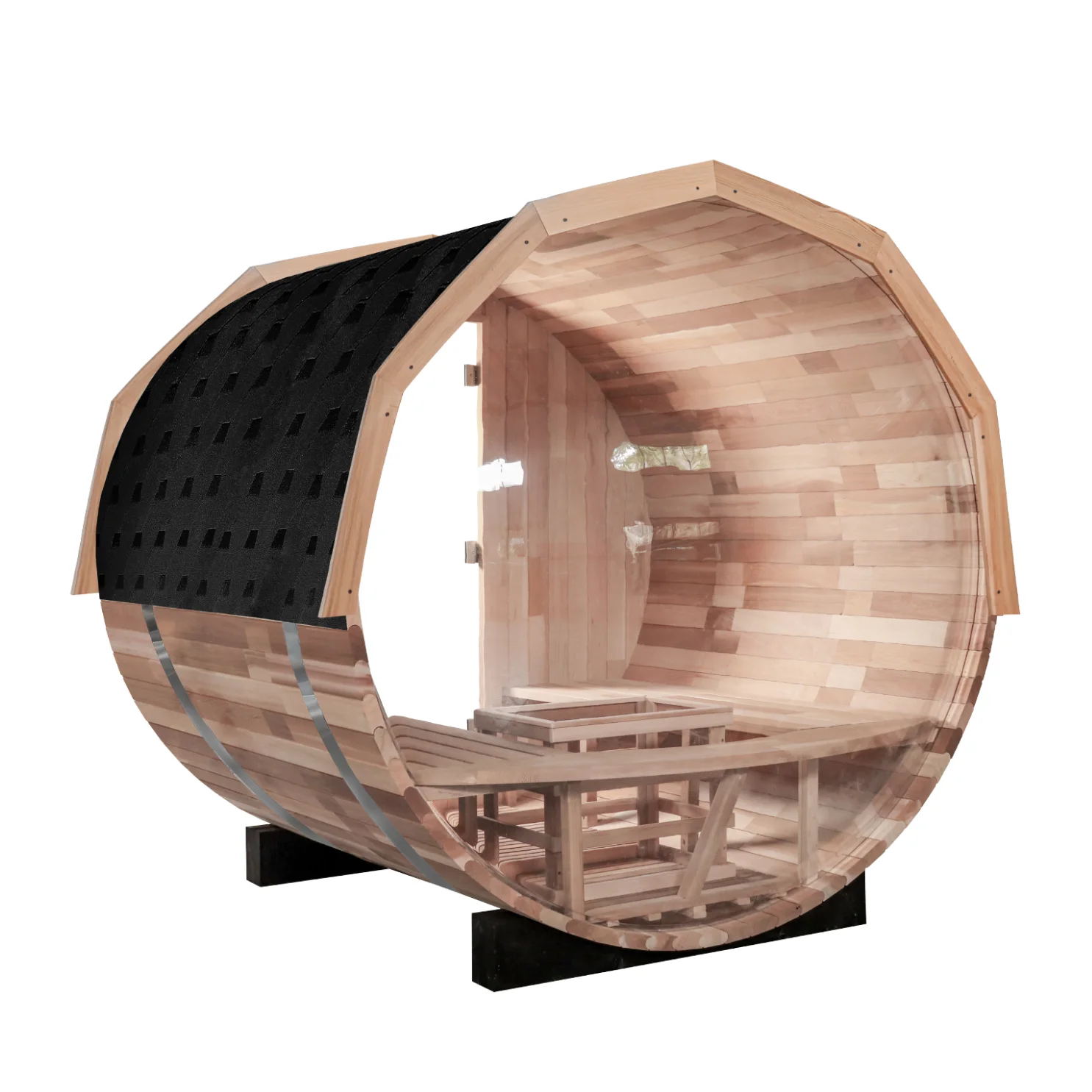
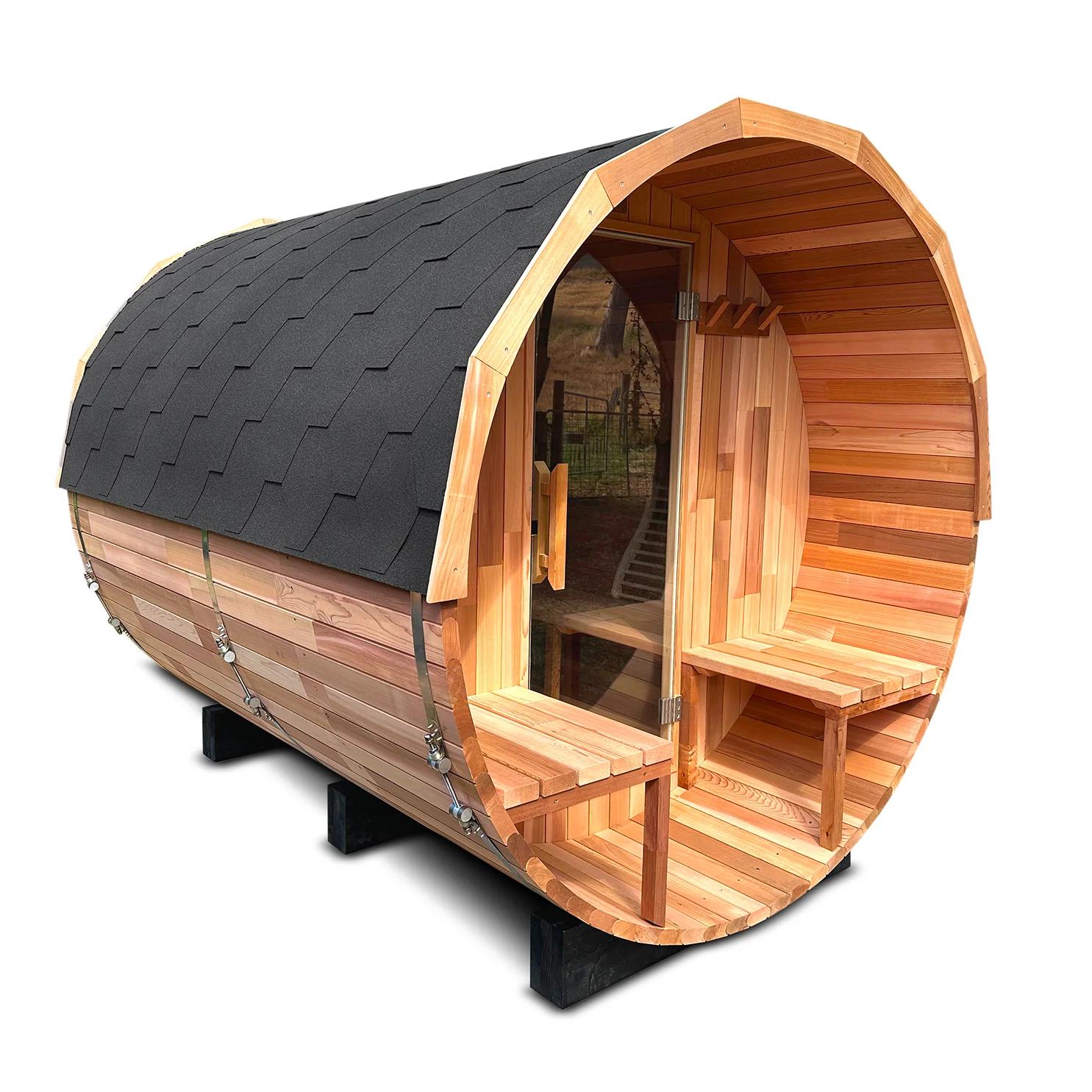
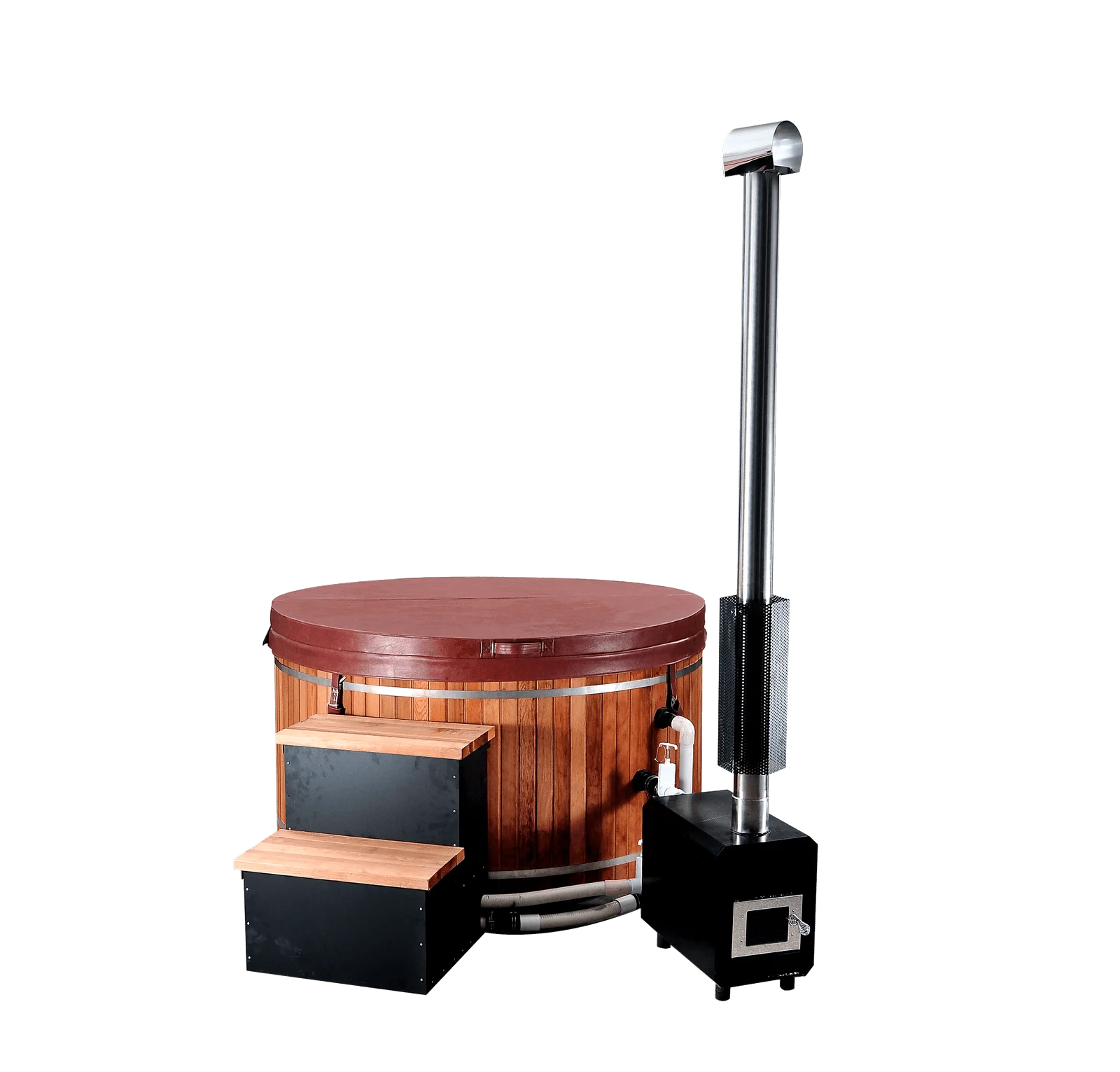
Portable infrared panels and barrel saunas, like Shym’s square barrel and round barrel saunas, offer flexibility and quick setup. They can be useful for apartment dwellers or travellers. However, they may not achieve the same heat distribution or longevity as a well‑constructed cabin. Always check product specifications and safety certifications.
Features that matter
Look for durable thermowood or Nordic spruce construction. These timbers resist warping and have a soft, natural aroma. Efficient heaters with low electromagnetic fields, tempered glass doors and ergonomic benches improve comfort and safety. A reliable warranty and after‑sale support add peace of mind. Shym Saunas prides itself on premium materials, simple setup and customer care from the founders Artem and Elena.
Also Read: Best Home Sauna Australia 2026 Guide Top Providers
Infrared Sauna for Muscle Recovery
Infrared saunas often feature in research because they use lower temperatures. But rather than one sauna type being universally “best,” the most consistent theme is that heat plus rest can be a powerful recovery combo.
The 2023 trial on basketball players showed that a single post-exercise infrared sauna session (around 20 minutes at around 43 °C) helped preserve explosive performance and reduced muscle soreness. More broadly, reviews suggest post-exercise heat may reduce pain and improve comfort in some settings—though outcomes depend on the protocol, the sport and the individual.
Traditional saunas fit naturally into this picture too. Both infrared and traditional sauna bathing can create a helpful “heat + rest” recovery window—raising skin temperature, promoting sweating, and gently elevating heart rate—though the size of the response can vary depending on the sauna type, temperature, humidity, session length, and where you sit.
Traditional saunas reach higher air temperatures (often around 70–100°C), so people usually choose shorter sessions or a lower bench to stay comfortable while still enjoying the recovery ritual. And because research hasn’t crowned one sauna style as universally “best” for recovery, many people simply choose the experience they’ll use consistently—where the calm, the craft, and the natural materials make recovery feel like something you look forward to.
How Long to Sit in a Sauna After a Workout to Lose Weight

Saunas can help you lose water weight by sweating, but they are not a weight loss solution. The weight lost during a sauna session is mostly fluid and returns once you rehydrate. Spending extra time in the sauna to “burn calories” increases the risk of dehydration and heat illness without contributing to fat loss. The recommended 15–20‑minute post‑workout session is sufficient to gain recovery benefits. Focus on balanced nutrition and regular exercise for sustainable weight management.
If your goal is to support metabolic health, moderate sauna use may help. Heat exposure triggers heat shock proteins and may improve insulin sensitivity. Combining sauna sessions with healthy eating and strength training offers a better path to body composition changes than relying on sweating alone.
Also Read: Should You Sauna Before or After Workout?
Is Sauna Good for Muscle Growth?
Heat exposure stimulates the production of growth‑promoting hormones and proteins. Research suggests that saunas can increase growth hormone and heat shock protein levels, which play roles in muscle repair and hypertrophy.
Some studies report that regular saunas may help preserve muscle mass and extend healthspan. However, saunas should supplement—not replace—proper training and nutrition. Sitting in a sauna will not build muscle on its own; it supports recovery, allowing you to train harder and grow more effectively.
Does Sauna After Workout Kill Gains?
There is a myth that heat exposure blunts strength gains by interfering with protein synthesis. Current evidence does not support this. On the contrary, regular post‑workout sauna sessions can enhance recovery and maintain muscle mass.
One potential concern is dehydration. Entering a sauna while severely dehydrated could increase muscle breakdown and impair performance. To avoid this, drink water before and after your session and limit time to 15–20 minutes.
Sauna After Workout Muscle Growth Tips
- Hydrate well: Drink water during your workout and before entering the sauna. Continue sipping water afterward to replace fluids lost through sweat.
- Time it right: Use the sauna within 30 minutes of finishing your workout to maximise circulation benefits.
- Stay short: Keep sessions between 10–20 minutes. Longer exposure offers diminishing returns and raises risk.
- Listen to your body: If you feel dizzy, nauseous or unwell, exit immediately and cool down.
- Stretch gently: After heating your muscles, incorporate light stretching to improve flexibility and reduce stiffness.
- Rest and fuel: Complement heat therapy with rest, balanced meals and adequate sleep to support muscle growth.
Also Read: What to Wear in a Sauna: A Detailed Guide
4 Additional Recovery Strategies
The sauna can be a powerful “reset,” but the best recovery comes from stacking a few simple habits around it. Think of heat as one piece of the puzzle—then add the right cool-down, soft-tissue work, food and rest to help your body bounce back faster and feel better for your next session.
1) Combine sauna with cold therapy
As mentioned earlier, alternating between heat and cold can enhance circulation and reduce inflammation. Try a few minutes of cold immersion or a cool shower after your sauna session. This contrast helps the body adapt to temperature changes and may accelerate recovery.
2) Massage and foam rolling
Sauna heat relaxes muscles, making them more responsive to massage or foam rolling. Gentle self‑massage in the sauna (if allowed) or after leaving can help release knots and improve range of motion.
3) Adequate nutrition
Protein, complex carbohydrates and antioxidants are essential for muscle repair. Pair your heat therapy with a post‑workout snack or meal to provide the building blocks needed for recovery.
4) Sleep and stress management
Heat therapy may improve sleep quality and relaxation. Prioritising sleep and managing stress contribute significantly to muscle growth and overall health.
Also Read: Ice Bath Benefits: What Do Experts Say? Long-Term Benefits?
4 Potential Risks and Safety Precautions
Saunas are generally safe for healthy people when used sensibly, but heat is still a physical stressor. A little awareness goes a long way—especially if you’re new to sauna, training hard, or using heat frequently—so you can enjoy the benefits without pushing past your limits.
(1) Dehydration and electrolyte loss
Sweating in a sauna can lead to dehydration. Severe dehydration may cause dizziness, nausea and even cardiovascular problems. Always drink water before, during (if possible) and after your session. You might also add electrolytes if you sweat heavily.
(2) Cardiovascular stress
Sauna sessions naturally elevate heart rate and create a gentle cardiovascular “workout,” which is one reason they can feel so relaxing afterward. Blood pressure responses can vary from person to person, and some people may feel light-headed—especially if dehydrated, unwell, or using alcohol.
If you have heart disease, fainting/low blood pressure issues, arrhythmias, or take medications that affect blood pressure, it’s best to seek medical advice before adding sauna sessions to your routine.
(3) Heat illness
Spending too long in a hot environment can cause heat stroke or acute hyperthermia. Symptoms include dizziness, rapid heartbeat and confusion. Leave the sauna immediately if you experience these signs.
(4) Fertility considerations
Fertility note (for men): Frequent high-heat exposure (e.g., very hot saunas or hot tubs used regularly) has been linked in some studies to a temporary drop in sperm count and motility. In small human studies, these changes were often reversible after stopping heat exposure—typically over the following 3–6 months—though recovery can vary between individuals and may be influenced by other fertility factors.
If you’re actively trying to conceive, consider keeping sessions moderate and consistent rather than very hot or very frequent, and speak with a clinician if you have specific fertility concerns.
Also Read: Are Cold Plunge Pools Dangerous? Understanding the Risks & Safe Practices
Final Thoughts
Saunas offer more than just a cosy escape after a workout. By increasing circulation, stimulating heat shock proteins and supporting relaxation, they can enhance muscle recovery and overall well‑being. Research on heat therapy shows that short sessions of 15–20 minutes at comfortable temperatures help preserve performance and reduce soreness. Whether you choose a traditional Finnish sauna or a modern infrared model, remember to hydrate, listen to your body and pair heat with proper training and nutrition.At Shym Saunas & Spas, we believe that creating a space to unplug and connect is as important as building strong muscles. Our handcrafted log cabins bring together premium materials, efficient heat and Scandinavian simplicity to turn your home into a sanctuary. Live in the moments that matter—share the warmth, breathe deeply and let your muscles recover in style.
Frequently Asked Questions
For most people, 10–20 minutes is a sweet spot for post-workout recovery—long enough to feel the loosening, calming effect of heat, without pushing into dehydration territory. If you’re new to sauna, start with 5–10 minutes, step out, cool down, and build up gradually over a few sessions.
A simple rule: leave the sauna the moment it stops feeling “comfortably hot.” If you feel light-headed, nauseous, unusually weak, or get a pounding headache, you’ve gone too far—cool down and rehydrate.
A 10-minute session is like a gentle reset. You’ll usually notice:
– Muscles feeling looser and less tight (especially after heavy lifting)
– A shift into relaxation, as your body switches out of “fight-or-flight”
– A light sweat and a warm, calm, post-training glow
It won’t magically erase soreness, but many people find it’s enough to take the edge off stiffness and help them unwind—especially when paired with hydration and a slow cooldown.
The “200 rule” is an informal comfort guideline some sauna users mention for balancing heat and steam. It usually means:
Temperature (°F) + Humidity (%) ≈ 200 (or stays under 200).
So if your sauna is around 180°F (about 82°C), you’d keep humidity around 20% for a more comfortable experience. If you add steam (löyly), humidity climbs—so comfort often improves when you lower the temperature, sit lower on the benches, or shorten the round.
2 important notes:
– It’s a rough rule of thumb, not a medical or safety standard.
– It’s written in Fahrenheit, so it doesn’t translate neatly to Celsius.
A 20-minute session tends to feel more “complete”—deeper warmth, a stronger sweat, and a bigger mental exhale. Many people report:
– More noticeable relaxation and stress relief
– Greater perceived recovery (less heaviness/tightness later)
– A stronger heat-stress effect, which is why it can feel so restorative
But it’s also where hydration and tolerance really matter, especially in a traditional sauna. If 20 minutes feels like you’re pushing through discomfort, split it into two shorter rounds with a cool-down in between—your body will usually thank you for it.