
Few wellness experiences in the world carry the cultural weight, historical depth, and genuine therapeutic power of the traditional Finnish sauna. In Finland, the sauna is not a luxury — it’s a way of life, woven into the fabric of daily existence for centuries. And increasingly, Australians are discovering why.
From backyard barrel saunas in Hobart to cedar cabins overlooking the Blue Mountains, the traditional Finnish sauna is finding a passionate new home across Australia. At Shym Saunas, we’ve helped hundreds of Australian families bring this remarkable tradition into their own lives — and in this guide, we’ll tell you everything you need to know about what makes a Finnish sauna truly traditional, how it works, and why it might be the best wellness investment you ever make.
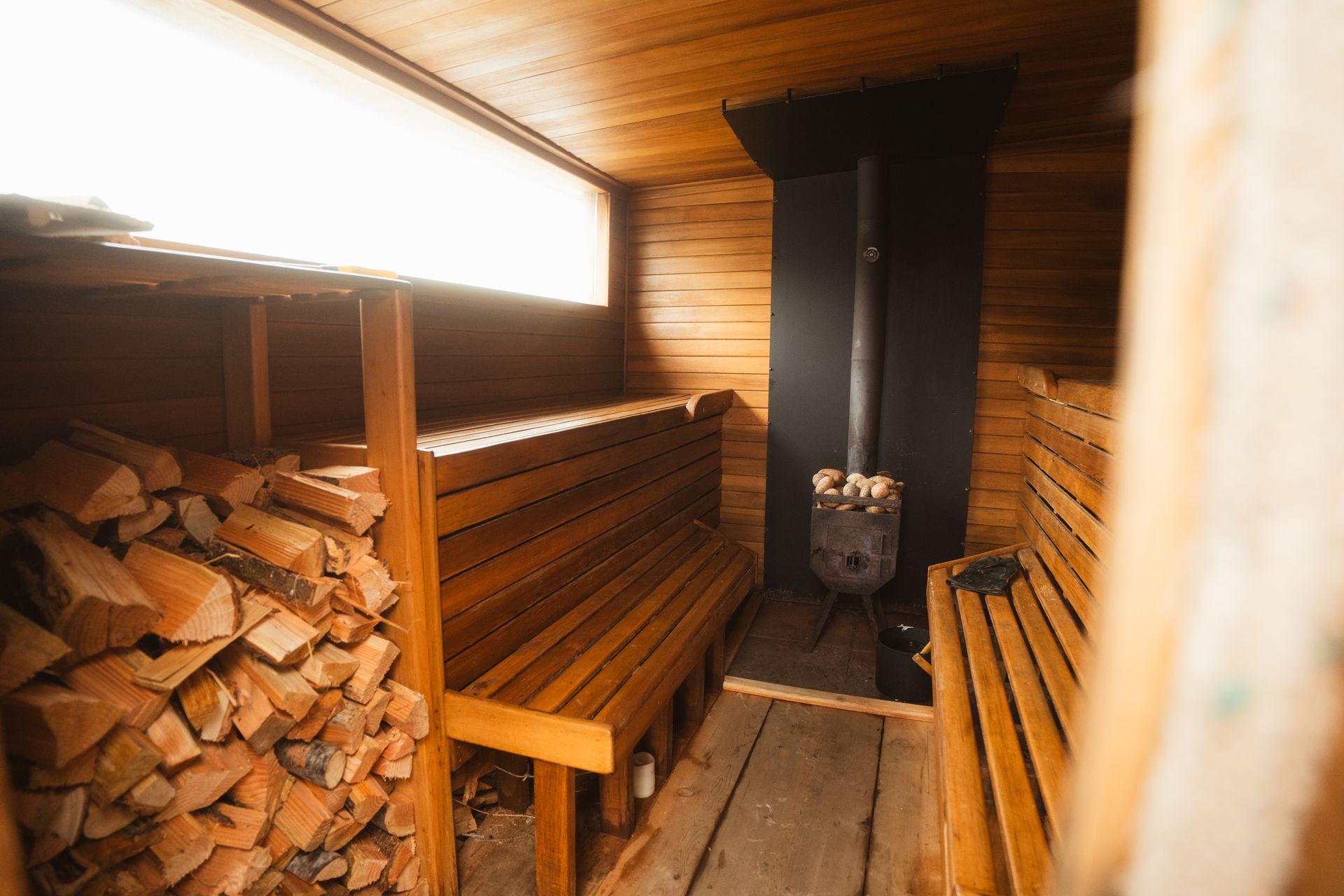
A traditional Finnish sauna is a wood-lined room heated by a kiuas — a sauna stove filled with rocks — to temperatures typically ranging from 70°C to 100°C, with low humidity of around 10% to 20%. Water is periodically thrown onto the hot stones to create a burst of steam called löyly, which briefly raises the perceived heat and enhances the sauna experience.
Unlike steam rooms, which are defined by high humidity, or infrared saunas, which use radiant light waves to heat the body, the traditional Finnish sauna creates a dry, intensely hot environment that warms the body from the outside in through convection and radiation. It is the original sauna — the benchmark against which all other heat therapy modalities are measured.
In Finland, there is approximately one sauna for every two people — a ratio that tells you everything about how central this institution is to Finnish culture. The UNESCO recognition of Finnish sauna culture as an Intangible Cultural Heritage of Humanity in 2020 cemented its global significance.
The Finnish sauna has existed for at least two thousand years, with some archaeological evidence suggesting even earlier origins. In ancient Finland, the sauna was among the first structures built when settling new land — it served as a place for bathing, giving birth, healing the sick, and preparing the dead. It held near-sacred status in Finnish society.
Early Finnish saunas were smoke saunas — savusauna — where a fire was lit inside a stone-walled room with no chimney. After hours of heating, the fire was extinguished, the smoke cleared, and bathers entered the warm, soot-darkened space. The smoke sauna remains the most traditional form and is experiencing a passionate revival in Finland today.
The transition to the modern wood-fired sauna with a chimney and then to electric heaters made the Finnish sauna more practical and accessible worldwide. But the fundamental ritual — the heat, the löyly, the cooling, the silence, and the togetherness — has remained essentially unchanged for millennia.
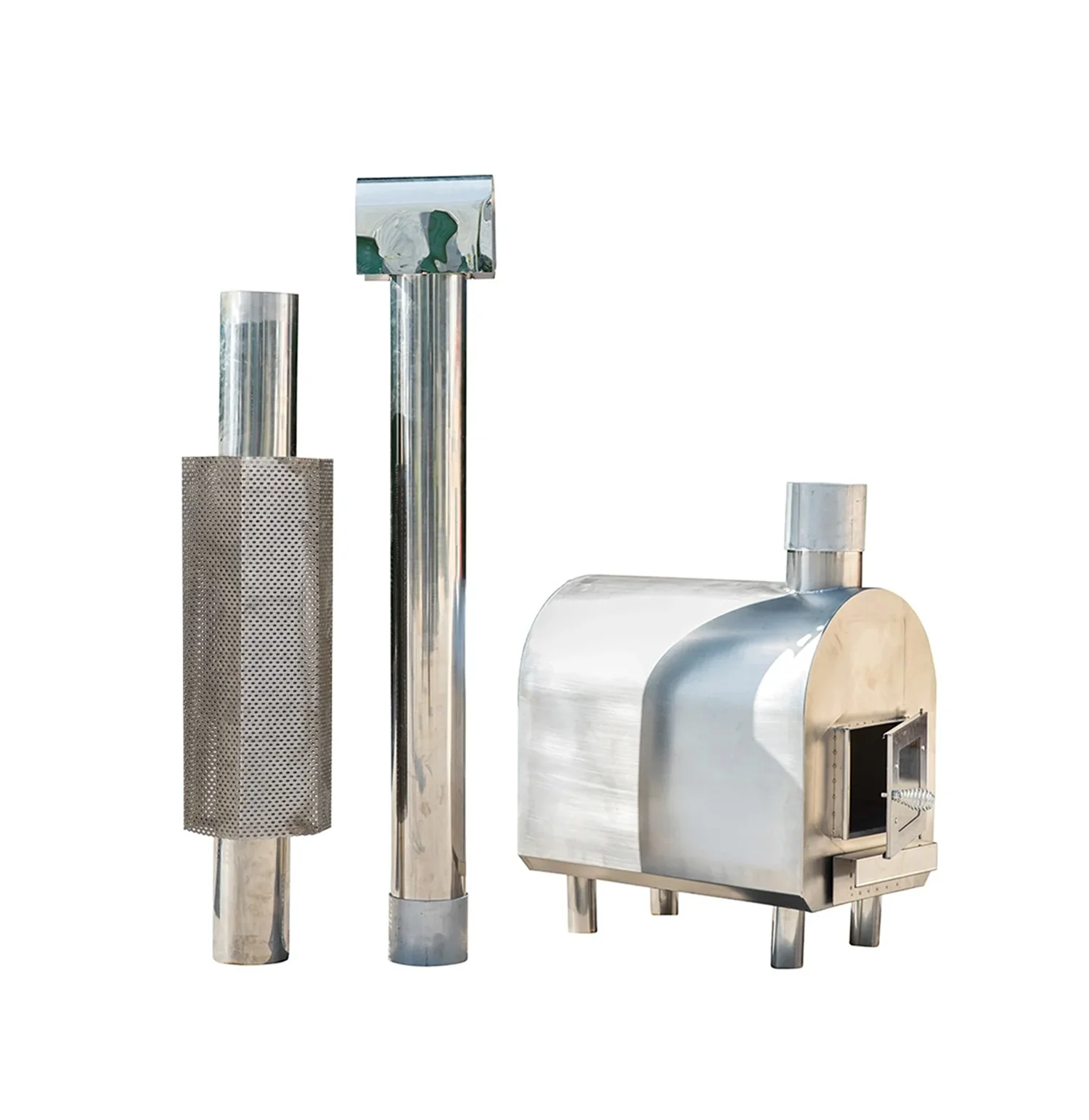
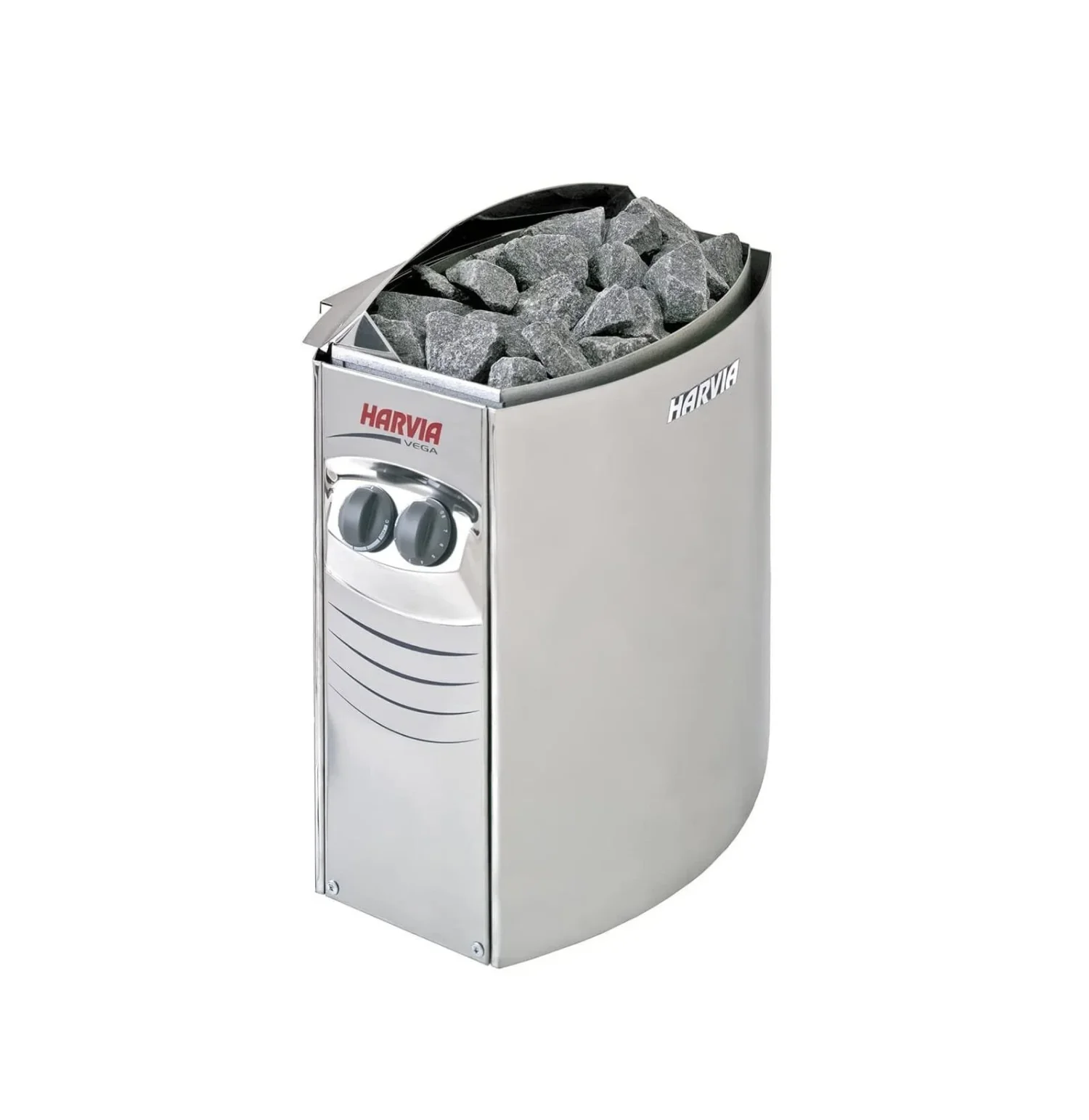
The mechanics of a traditional Finnish sauna are beautifully simple. A kiuas — the sauna stove — is loaded with rocks and heated either by burning wood or by an electric element. Wood-fired stoves are considered the more authentic option, producing a softer, more radiant heat and an atmosphere that many sauna enthusiasts consider irreplaceable.
Once the kiuas reaches temperature and the rocks are thoroughly heated, bathers enter and take their place on tiered wooden benches — the upper benches being significantly hotter than the lower ones. A ladle of water is thrown onto the stones at intervals, releasing a burst of löyly steam that dramatically intensifies the perceived heat, opens the pores, and deepens the sweat.
A typical Finnish sauna session involves one to three rounds of heat exposure, each lasting 10 to 20 minutes, interspersed with cooling periods — a cold shower, a lake swim, rolling in snow in Finland, or in the Australian context, a cold plunge tub or outdoor shower.
Löyly is arguably the soul of the traditional Finnish sauna experience. The word itself has no direct translation — it refers simultaneously to the steam produced when water hits the hot stones and to the spirit or life force that the sauna is said to contain.
The art of throwing löyly is taken seriously in Finnish culture. The amount of water, the timing, and the technique all affect the quality of the steam. Some bathers add essential oils, eucalyptus, birch, or tar to the ladle water for fragrance and additional therapeutic effect. A well-thrown löyly creates a wave of gentle, enveloping heat that feels cleaner and more penetrating than simply sitting in hot dry air.
In Australia, the eucalyptus löyly is a natural fit — the familiar scent adding a distinctly local dimension to this ancient Scandinavian ritual.
What distinguishes a genuinely traditional Finnish sauna from other types comes down to several defining characteristics:
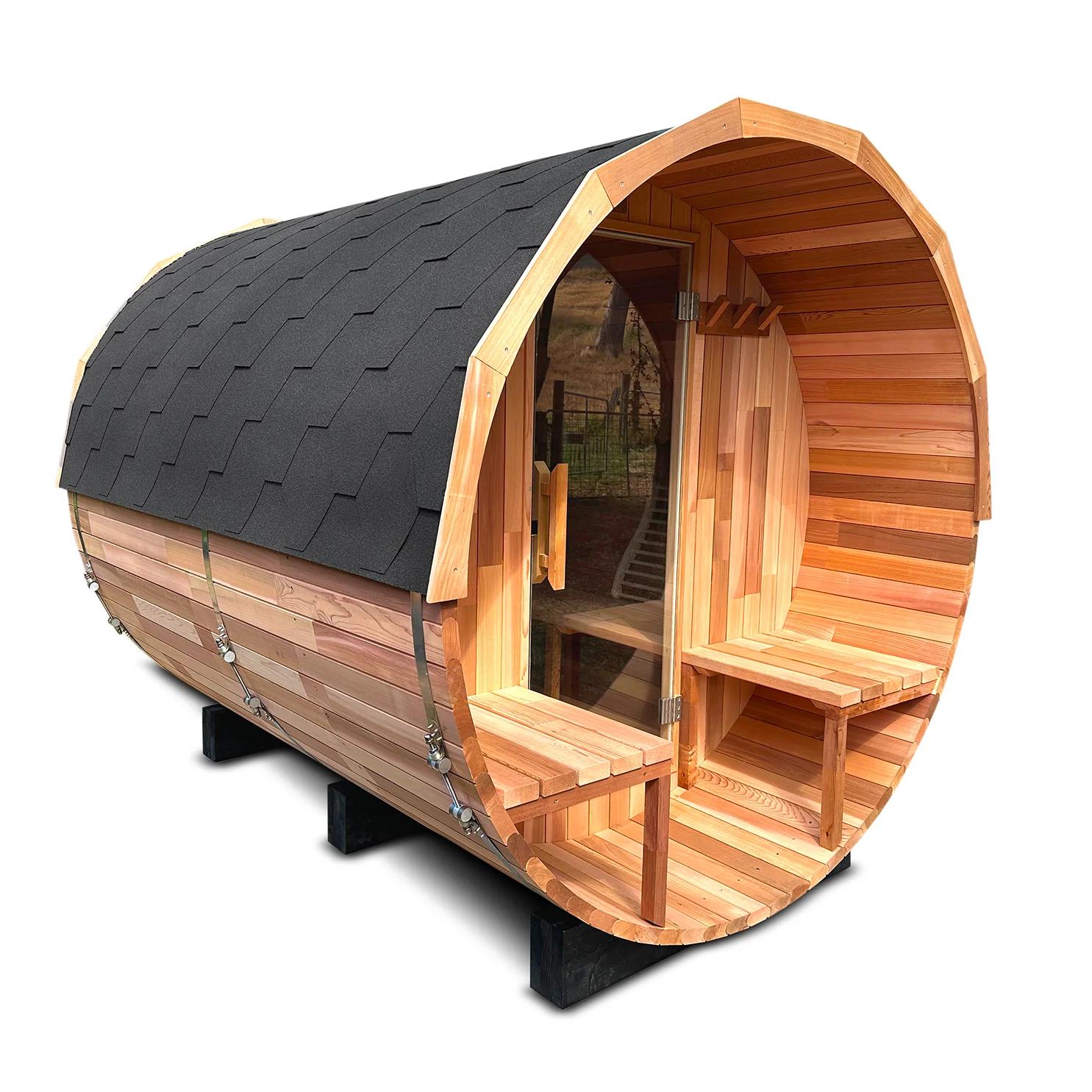
Timber construction: Traditionally built from softwoods — spruce, pine, aspen, or cedar — that resist moisture, don’t overheat to the touch, and create a beautifully warm, aromatic environment. At Shym Saunas, we use premium European thermowood and western red cedar in our traditional sauna range.
Wood-fired or electric kiuas: A proper sauna stove filled with substantial stones is non-negotiable. The stones store heat and regulate the release of löyly steam. Electric kiuas offer convenience; wood-fired kiuas offer authenticity and a quality of heat that many purists prefer.
Tiered benches: Multiple bench levels allow bathers to choose their preferred heat intensity — upper benches can reach significantly higher temperatures than lower ones, giving each person control over their experience.
Low humidity: A traditional Finnish sauna operates in dry heat, typically 10% to 20% relative humidity, rising briefly during löyly before settling again.
A cooling element nearby: Whether it’s a cold plunge tub, an outdoor shower, or proximity to a body of water, a traditional Finnish sauna setup always includes a means of rapid cooling between rounds.
The health benefits of regular traditional Finnish sauna use are among the most extensively researched of any wellness practice. Finnish scientists — understandably motivated — have produced decades of high-quality research documenting the physiological effects of sauna bathing.
Cardiovascular health: The landmark KIHD study from the University of Eastern Finland found that men who used a sauna four to seven times per week had a 63% lower risk of sudden cardiac death compared to those who used it once a week. Regular sauna use has also been associated with reduced blood pressure and improved arterial flexibility.
Muscle recovery and pain relief: The deep heat of a traditional Finnish sauna increases blood flow to muscles and connective tissue, accelerates the clearance of metabolic waste, and reduces inflammation — making it a powerful post-exercise recovery tool.
Mental health and stress reduction: Sauna use consistently lowers cortisol, the body’s primary stress hormone, while triggering the release of endorphins and promoting deep relaxation. Regular users report significant improvements in mood, anxiety, and overall mental wellbeing.
Immune system support: Repeated heat exposure stimulates the production of white blood cells and heat shock proteins — biological responses that strengthen immune function and cellular resilience over time.
Longevity: Multiple long-term studies associate frequent sauna use with reduced all-cause mortality — suggesting that the traditional Finnish sauna habit may genuinely contribute to a longer, healthier life.
| Feature | Traditional Finnish Sauna | Infrared Sauna | Steam Room |
|---|---|---|---|
| Temperature | 70°C – 100°C | 45°C – 65°C | 40°C – 50°C |
| Humidity | Low (10–20%) | Very low | Very high (100%) |
| Heat penetration | Surface to moderate depth | Deep (3–5cm) | Surface |
| Löyly ritual | Yes | No | N/A |
| Heating method | Wood fire or electric kiuas | Infrared panels | Steam generator |
| Cultural tradition | Deep — 2,000+ years | Modern | Ancient but different |
| Session length | 10–20 min per round | 20–45 min | 10–20 min |
The traditional Finnish sauna remains the gold standard for those who want an authentic, deeply cultural, and physiologically powerful experience. Infrared saunas offer an accessible, lower-temperature alternative with impressive deep-tissue benefits. Both have a meaningful place in the Australian home wellness landscape.
Australia’s embrace of traditional Finnish saunas has accelerated significantly over the past decade. What was once a niche imported concept is now a mainstream home wellness investment — and for good reason. The traditional Finnish sauna fits naturally into the Australian outdoor lifestyle, pairing beautifully with a backyard, a deck, or a rural property with space to breathe.
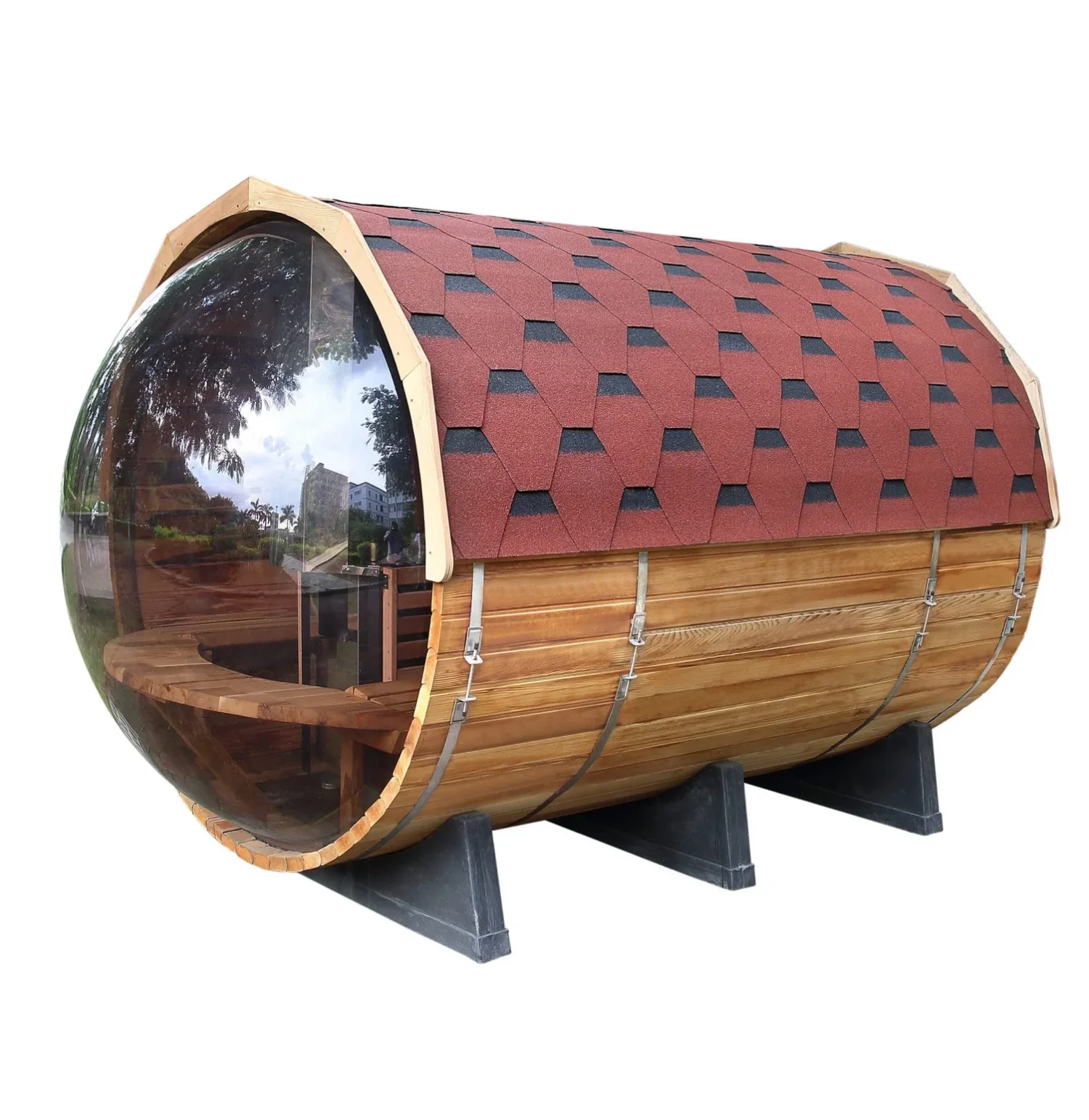
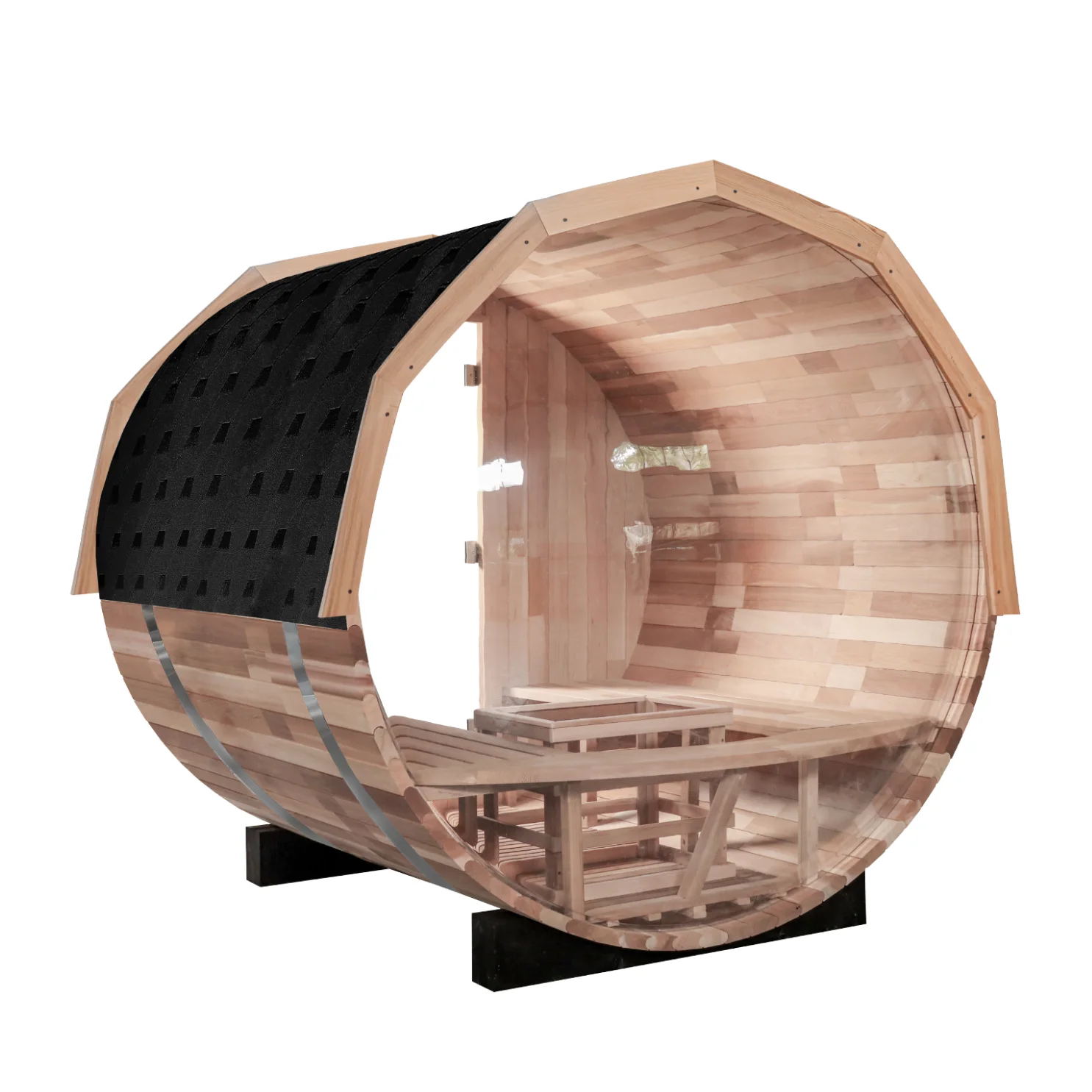
At Shym Saunas, we supply a comprehensive range of traditional Finnish-style saunas — from round and square barrel saunas to full sauna cabins — built from premium European timbers and engineered to perform across Australia’s diverse climates. We ship nationwide and offer factory pickup for local customers.
Our range includes wood-fired and electric kiuas options, allowing you to choose between the most authentic traditional experience or the convenience of electric heating — both delivering the genuine Finnish sauna experience that Australians are increasingly seeking.
If you’re new to traditional Finnish saunas, here’s how to approach your first sessions authentically:
Heat the sauna properly. A wood-fired sauna should be heated for 1 to 2 hours before use. The rocks need to be thoroughly hot for quality löyly. Don’t rush this step.
Shower first. Rinse before entering the sauna — it’s both hygienic and helps open the pores for a more effective sweat.
Start on a lower bench. Begin at a lower bench level where the heat is gentler and move up as your body acclimatises.
Throw löyly mindfully. Add small amounts of water to the stones every few minutes. Eucalyptus oil in the water is a popular Australian addition.
Use a sauna whisk (vihta). Traditionally, bathers gently beat themselves with a bundle of birch branches soaked in water — the vihta. This stimulates circulation and leaves the skin feeling remarkably smooth. It’s an experience worth trying.
Cool down between rounds. Exit after 10 to 15 minutes and cool down with a cold shower or cold plunge, then rest before re-entering.
Hydrate consistently. Drink water between rounds and after your session. The Finnish tradition often includes a cold beer post-sauna — but water first.
The traditional Finnish sauna is more than a wellness trend — it is a practice with millennia of cultural heritage and an expanding body of scientific evidence behind it. For Australians seeking a profound, authentic, and deeply therapeutic experience, there is nothing quite like it.
Whether you’re drawn by the cardiovascular benefits, the recovery performance, the mental clarity, or simply the ritual of gathering with people you care about in a beautifully warm space, a traditional Finnish sauna is one of the most meaningful investments you can make in your home and your health.
At Shym Saunas, we’re proud to bring genuine Finnish sauna culture to Australian homes — with premium quality saunas delivered nationwide across Australia and New Zealand.
Explore our range of traditional Finnish saunas →
A traditional Finnish sauna is defined by its dry heat environment (70°C to 100°C), a kiuas stove loaded with rocks, the löyly ritual of throwing water onto heated stones to create steam, timber construction from softwoods like spruce or cedar, and tiered wooden benches. The cooling element — a cold plunge, lake, or cold shower — between rounds is also an essential part of the traditional experience.
Traditional Finnish saunas operate between 70°C and 100°C, with most regular users preferring the 80°C to 90°C range. The air humidity is kept low — around 10% to 20% — with brief spikes when löyly is thrown. This dry heat feels different from the suffocating humidity of a steam room, even at higher temperatures.
Löyly is the burst of steam created when water is thrown onto the hot stones of the kiuas. The word has no direct English translation and carries cultural significance beyond its literal meaning — it refers to the steam itself, the heat it creates, and the spirit of the sauna experience. Throwing löyly is considered an art form in Finnish culture.
A traditional Finnish sauna session typically consists of two to three rounds of 10 to 20 minutes each, separated by cooling periods of 5 to 15 minutes. The total time, including cooling breaks and rest, often runs 60 to 90 minutes. There is no rush — the Finnish approach to sauna is unhurried and deeply restorative.
Absolutely. Traditional Finnish saunas are well-suited to the Australian climate and lifestyle. Shym Saunas supplies a comprehensive range of Finnish-style barrel saunas and sauna cabins, built from premium European timbers, shipped across Australia and available for factory pickup. Both wood-fired and electric kiuas options are available.
Both deliver an authentic Finnish sauna experience. Wood-fired saunas are considered more traditional and produce a softer, more radiant quality of heat that many enthusiasts prefer. Electric saunas offer greater convenience — they heat up faster and require no firewood management. The right choice depends on your lifestyle and how important the ritual of fire-building is to your sauna experience.
In Finnish culture, the traditional sauna is enjoyed without clothing, using a towel to sit on. In Australia, wearing a towel or light swimwear is equally common and perfectly appropriate, particularly in shared or social settings. The most important thing is comfort — whatever allows you to relax fully and experience the heat without restriction.
Research-backed benefits of regular traditional Finnish sauna use include improved cardiovascular health, reduced blood pressure, accelerated muscle recovery, lower cortisol and stress levels, enhanced immune function, improved sleep quality, and associations with reduced all-cause mortality. The Finnish KIHD study is among the most cited, linking frequent sauna use with a dramatically lower risk of cardiac death.
Traditional Finnish saunas operate at much higher temperatures (70°C to 100°C vs 45°C to 65°C for infrared) and include the cultural löyly ritual. Infrared saunas penetrate deeper into body tissue and are more comfortable for those who find high temperatures difficult. Both offer excellent health benefits, and many Australians choose based on personal preference, available space, and intended use.
Regular maintenance keeps your Finnish sauna performing at its best. After each session, leave the door slightly open to allow the interior to dry fully — this prevents mould and timber warping. Clean the benches periodically with a natural sauna cleaner. For wood-fired saunas, remove ash regularly and inspect the chimney annually. The exterior timber should be treated with an appropriate outdoor wood oil every one to two years, depending on your climate and exposure.