

How Do Electric Saunas Use Electricity?
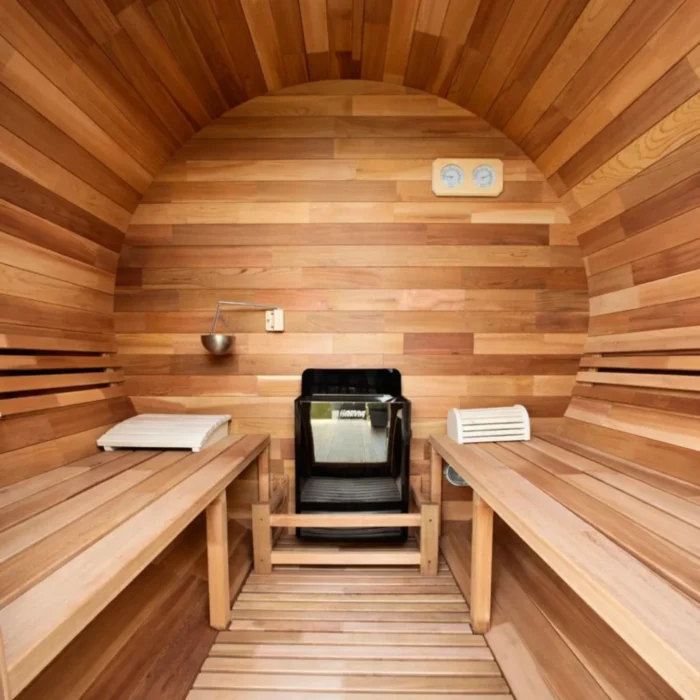
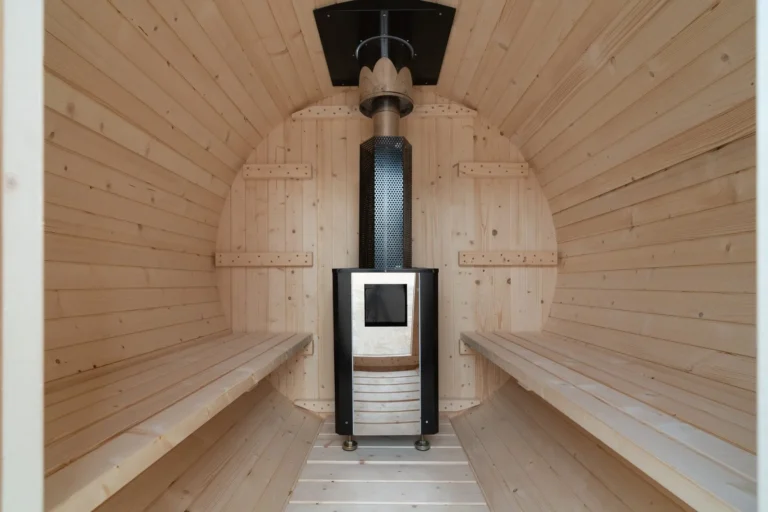
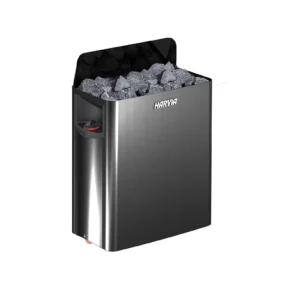
Before diving into numbers, it helps to understand exactly how your sauna consumes power. An electric sauna heater works by passing electrical current through resistive heating elements — typically surrounding a bed of sauna rocks — which convert electrical energy into heat. The heater runs continuously during warm-up and then cycles on and off to maintain the target temperature throughout your session.
The total electricity consumed per session is determined by two things: the heater's power rating (in kilowatts) and the total time the heater is active (in hours). Multiply those two figures by your electricity rate per kilowatt-hour and you have your cost per session.
Most residential electric sauna heaters in Australia range from 3kW for a compact single-person unit to 9kW or more for a large family-sized outdoor sauna. The heater size is dictated by the volume of the sauna cabin — larger spaces require more power to reach and maintain therapeutic temperatures.
If you're exploring electric heater options for a home sauna, browse our full range of electric heaters for sauna and read our sauna heater buying guide to choose the right output for your space and usage pattern.
Factors That Affect Your Sauna Electric Bill
No two sauna owners will have exactly the same running costs. Several variables combine to determine how much your home sauna adds to your electricity bill each month.
Heater Wattage and Size
This is the single biggest driver of running cost. A 3kW heater uses significantly less electricity than a 6kW or 9kW unit. Matching the heater size to your sauna's cubic volume — rather than over-specifying — is the first step toward keeping running costs reasonable. An oversized heater for a small cabin wastes energy; an undersized one struggles to reach temperature and runs longer.
Sauna Size and Insulation Quality
A well-insulated sauna cabin reaches target temperature faster and maintains it with less energy input over the course of a session. Poor insulation — thin walls, gaps around doors, inadequate ceiling insulation — means the heater must work continuously just to compensate for heat loss. Good sauna design and quality construction pay for themselves in lower running costs over time. Read our guide on sauna insulation to understand what to look for.
Target Temperature
Higher target temperatures require more energy. Running your sauna at 90°C costs more than running it at 75°C. For many of the health benefits associated with sauna use, moderate temperatures of 70–80°C are entirely adequate — finding your personal optimal temperature rather than always defaulting to maximum heat can meaningfully reduce running costs.
Heat-Up Time
The warm-up phase is when your heater draws the most power — running at full output to bring a cold cabin up to temperature. A well-insulated, correctly sized sauna with a quality heater reaches temperature in 30–45 minutes for a traditional sauna. Reducing warm-up time through good design and insulation directly reduces the most energy-intensive part of your session.
Session Frequency and Duration
How often you use your sauna and for how long has a direct linear relationship with your electricity bill. Four sessions per week costs roughly four times as much as one session per week. Longer sessions — 45 minutes versus 20 minutes — also increase consumption, though the heater cycles rather than running flat out once the target temperature is reached.
Local Electricity Rate
Electricity tariffs vary significantly across Australian states and between providers. Rates typically range from approximately $0.22/kWh to $0.40/kWh or higher depending on your location, tariff type, and whether you have solar. Off-peak tariffs — where available — can substantially reduce sauna running costs for those who can schedule sessions during cheaper rate windows.
For a comprehensive look at the full cost of sauna ownership beyond electricity, read our guide on how much a sauna costs to run and explore how much to build a sauna for the full picture of upfront and ongoing investment.
Running Costs by Sauna Type
Different sauna configurations have meaningfully different electricity consumption profiles. Understanding these differences helps you make a more informed purchase decision based on your intended usage pattern and budget.
Compact Indoor Saunas (1–2 Person)
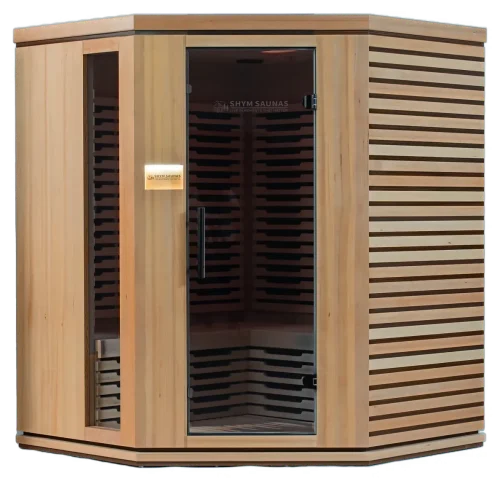
Small indoor saunas — typically 1–2 person cabins — generally use heaters in the 3–4.5kW range. These are the most economical electric saunas to run, making them a popular choice for couples or individuals who want daily sauna access without a significant electricity impact. Browse our Leil Como indoor sauna series for compact, energy-efficient indoor options.
Medium Outdoor Barrel Saunas (2–4 Person)
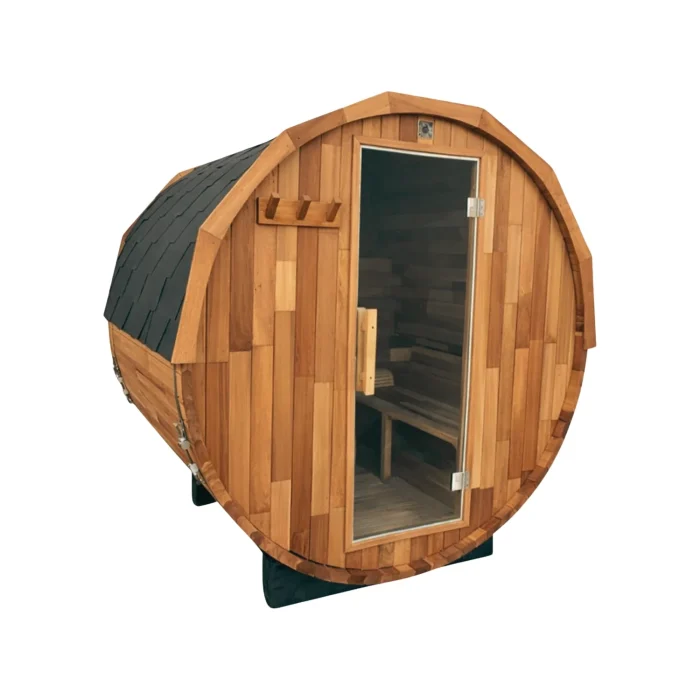
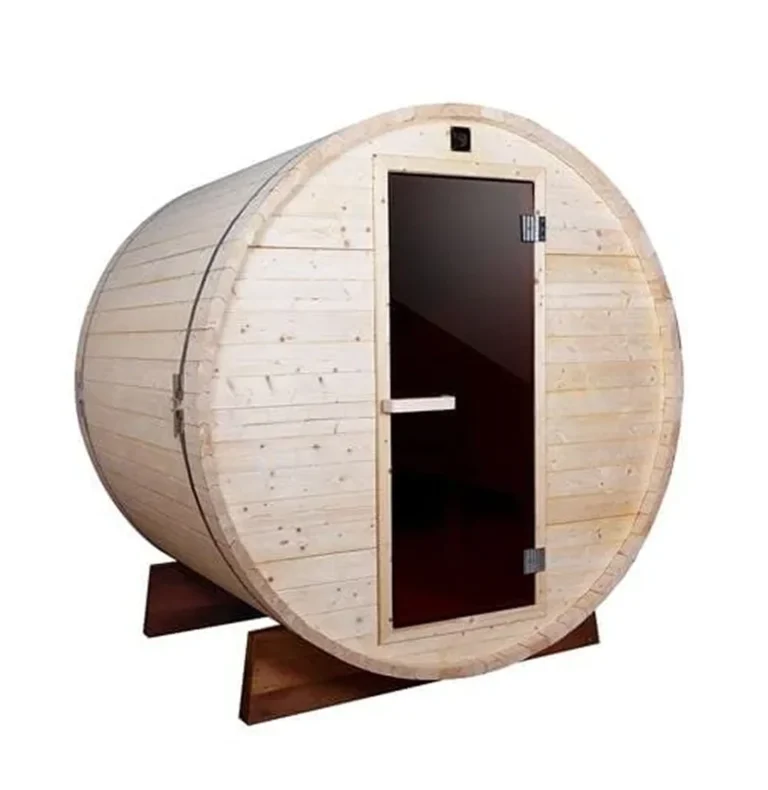
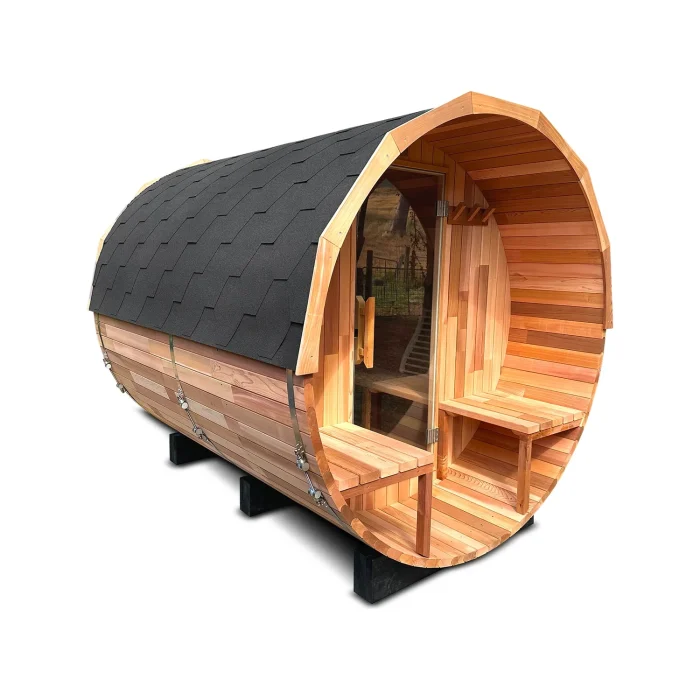
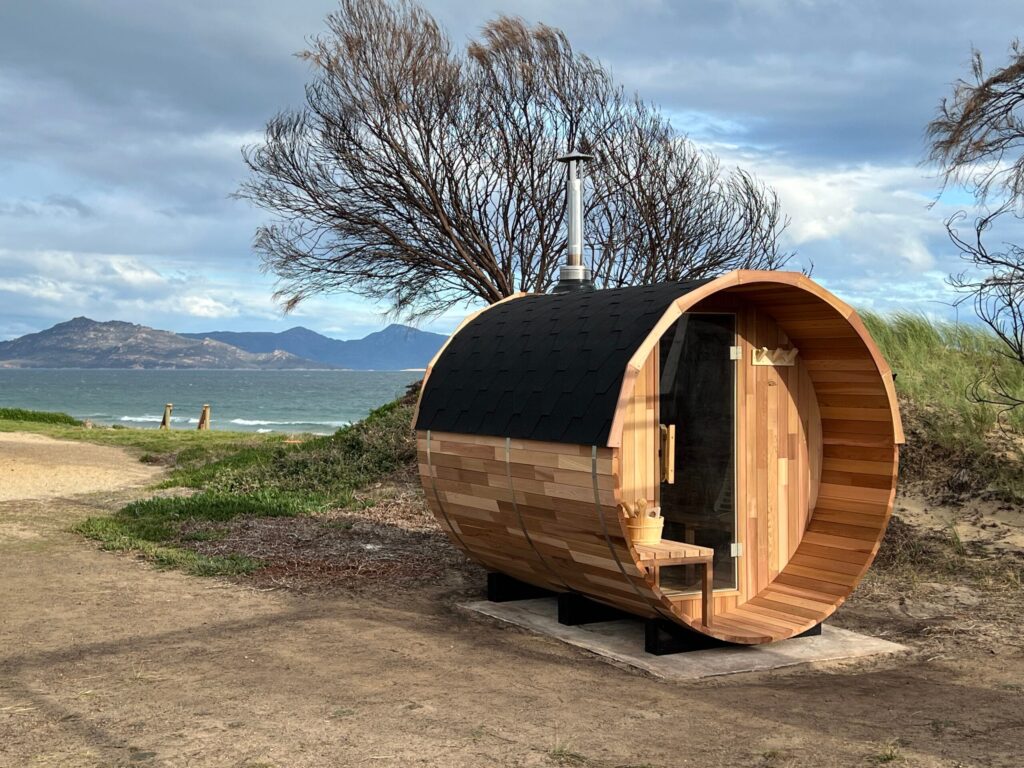
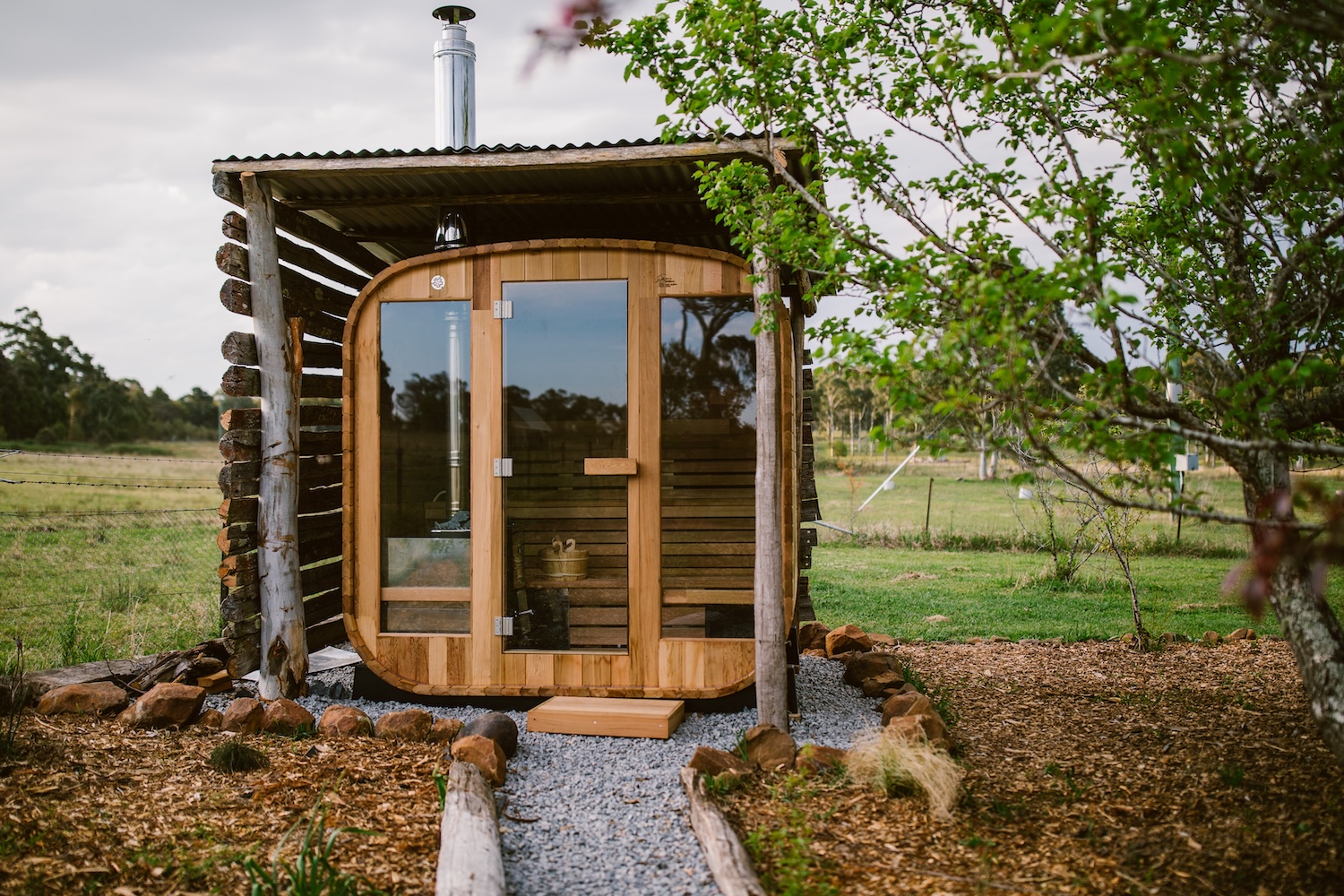
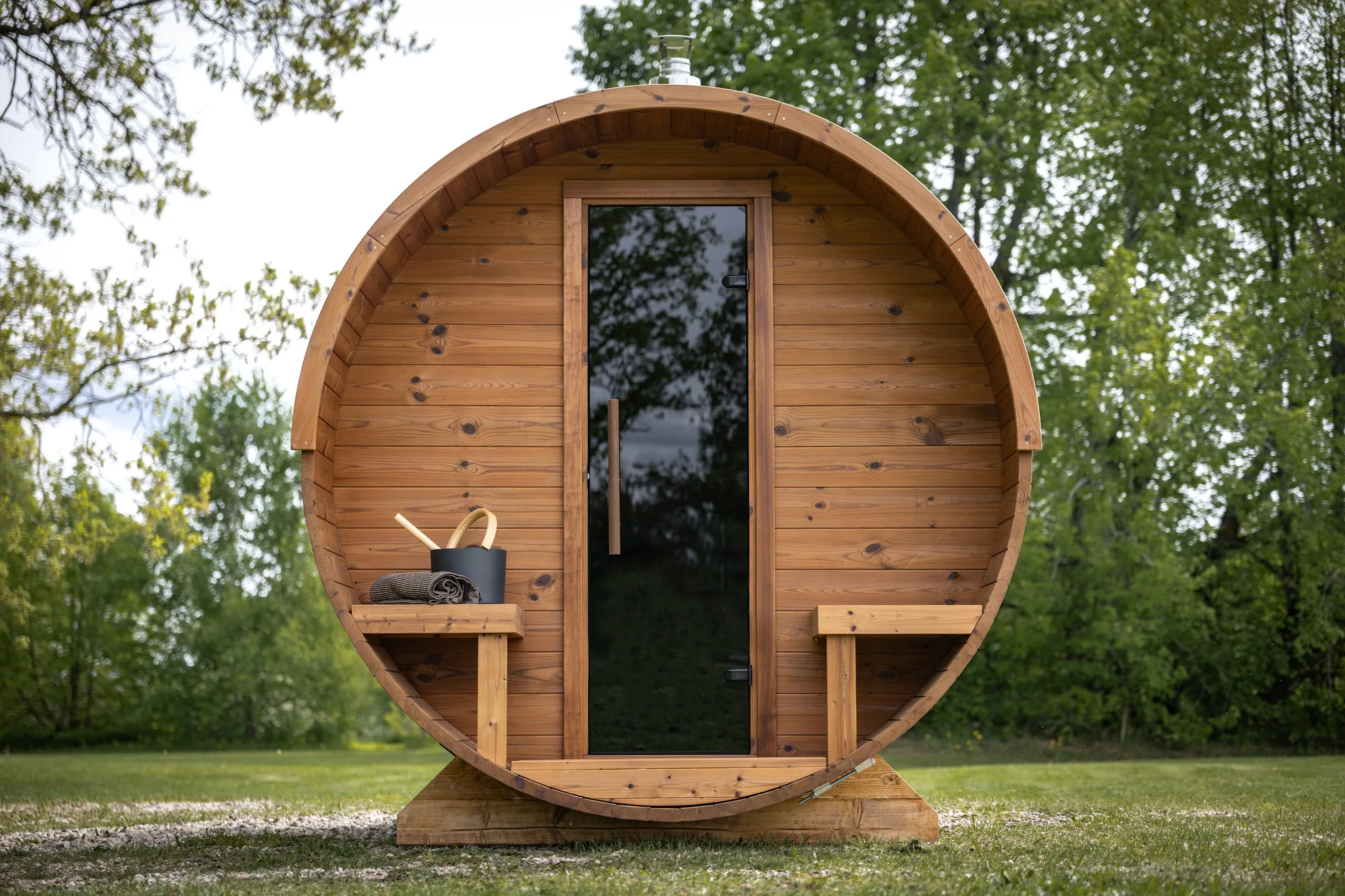
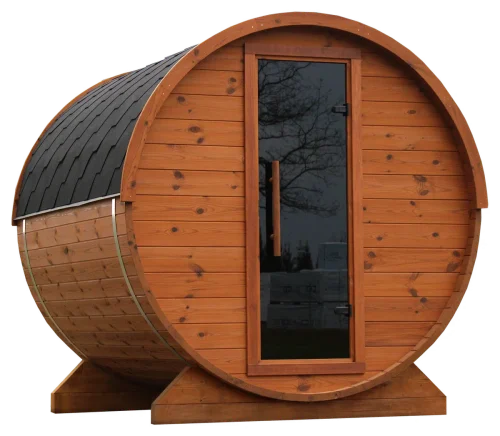
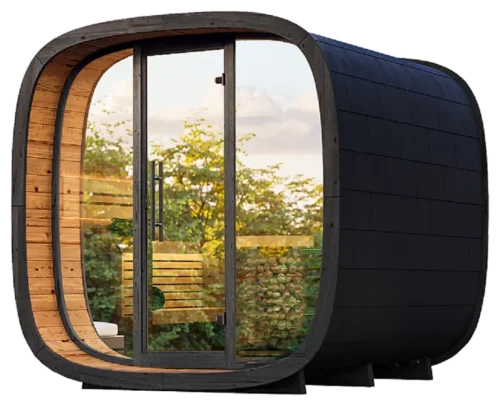
Mid-sized outdoor barrel saunas typically require heaters in the 4.5–6kW range. The round barrel design is naturally efficient at retaining heat — the curved walls and compact volume mean less air space to heat and excellent thermal circulation. Explore our round barrel saunas and square barrel saunas for quality mid-sized options.
Large Outdoor or Family Saunas (4–8 Person)
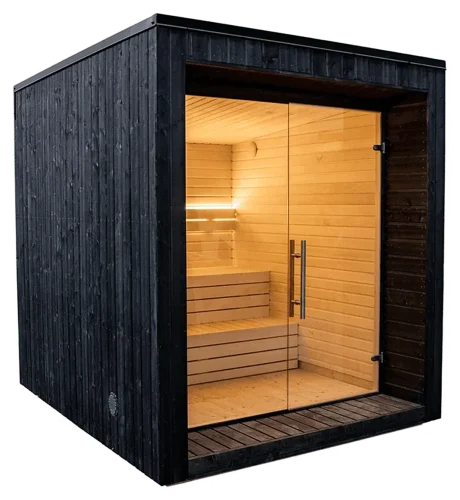
Larger sauna cabins for 4–8 people typically require heaters in the 6–9kW range or higher. These deliver the highest running costs but also provide the capacity for social sauna experiences and larger family use. The per-person cost when shared among a household can be very reasonable. Check out our Union series saunas and Eclipse series assembled saunas for larger capacity options.
Sauna Tents
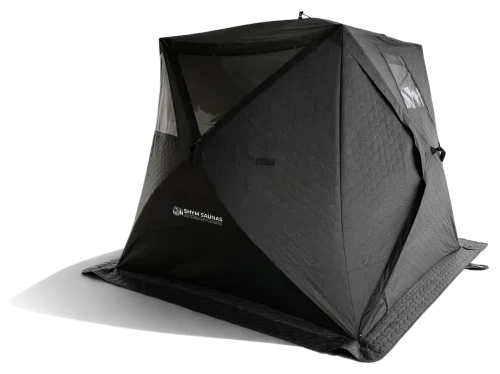
Portable sauna tents are the most energy-efficient option — their small volume and good insulation mean they typically work with heaters of 2–3kW and heat up very quickly. They're an excellent entry point for those wanting to experience sauna benefits with minimal electricity impact. See our sauna tent range for portable options.
Australian Electricity Rates and What They Mean for Sauna Costs
Australia has some of the world's more variable electricity pricing, with significant differences between states, network zones, and tariff structures. Understanding the rates in your area is essential for accurately calculating your home sauna electric bill.
Current Average Rates by State (Approximate)
- New South Wales: Approximately $0.28–$0.36/kWh
- Victoria: Approximately $0.26–$0.34/kWh
- Queensland: Approximately $0.25–$0.32/kWh
- South Australia: Approximately $0.35–$0.45/kWh (among the highest in Australia)
- Western Australia: Approximately $0.28–$0.32/kWh
- Australian Capital Territory: Approximately $0.22–$0.28/kWh
- Tasmania: Approximately $0.25–$0.30/kWh
These are general reference ranges and actual rates vary based on your retailer, tariff type, and usage tier. Always check your most recent electricity bill for your actual rate. For the most accurate estimate, use your own rate in the calculations below.
Off-Peak Tariffs and Time-of-Use Pricing
Many Australian households are on time-of-use tariffs where electricity costs less during off-peak periods — typically overnight (10pm–7am) and on weekends in some regions. If you can schedule your sauna sessions during off-peak windows, you can meaningfully reduce running costs. An evening session before bed is a natural fit for off-peak pricing — and research supports sauna before bed as beneficial for sleep quality.
Solar Power and Sauna Running Costs
Australian homeowners with rooftop solar panels can dramatically reduce sauna running costs — potentially to near zero — by timing sessions to coincide with peak solar generation (typically 10am–3pm). For households with battery storage, solar-generated electricity stored during the day can power evening sauna sessions at minimal cost.
Real Cost Calculations: What to Expect on Your Bill
Let's work through some real-world cost scenarios so you have concrete numbers to work with when budgeting for a home sauna.
The Calculation Formula
The basic formula is straightforward:
Cost per session = Heater kW × Hours of operation × Electricity rate ($/kWh)
Note that "hours of operation" includes both the warm-up phase (full power) and the session itself (cycling on and off at roughly 50–70% of rated power on average).
Scenario 1: Compact 2-Person Indoor Sauna
- Heater: 3.5kW
- Total operation time: 1 hour (30 min warm-up + 20 min session + buffer)
- Average effective load: 80% during warm-up, 50% during session ≈ 0.85 hours effective full-load equivalent
- Electricity rate: $0.30/kWh
- Cost per session: approximately $0.89
- 4 sessions/week: approximately $3.57/week or $185/year
Scenario 2: Medium 4-Person Outdoor Barrel Sauna
- Heater: 6kW
- Total operation time: 1.25 hours (40 min warm-up + 25 min session + buffer)
- Average effective load: approximately 1.0 hours effective full-load equivalent
- Electricity rate: $0.30/kWh
- Cost per session: approximately $1.80
- 4 sessions/week: approximately $7.20/week or $374/year
Scenario 3: Large 6-Person Family Sauna
- Heater: 9kW
- Total operation time: 1.5 hours (45 min warm-up + 30 min session + buffer)
- Average effective load: approximately 1.2 hours effective full-load equivalent
- Electricity rate: $0.30/kWh
- Cost per session: approximately $3.24
- 4 sessions/week: approximately $12.96/week or $674/year
Putting It in Perspective
Even at the high end — a large family sauna used four times per week — the annual running cost of approximately $670 is less than many Australian households spend on gym memberships alone. Divided across a family of four using the sauna together, that's under $170 per person per year for unlimited home sauna access.
Compare this to the sauna sale prices available for quality home units and the value proposition becomes very clear. Explore our sauna packages with warranty and customer support for peace of mind with your investment.
Infrared vs Traditional Sauna Running Costs
One of the most common questions when choosing a home sauna is whether an infrared or traditional electric sauna is cheaper to run. The answer is clearly infrared — and by a meaningful margin.
Why Infrared Saunas Cost Less to Run
Infrared saunas heat the body directly using infrared light rather than heating the air in the cabin to extreme temperatures. This fundamental difference has significant implications for energy consumption:
- Lower wattage heaters: Infrared heaters typically draw 1.5–3kW compared to 3–9kW for traditional electric heaters.
- Faster heat-up times: Infrared saunas are typically ready in 10–15 minutes versus 30–45 minutes for traditional saunas, dramatically reducing the high-consumption warm-up phase.
- No need to heat a large air volume: Traditional saunas must heat the entire air volume of the cabin; infrared saunas work on the body directly at much lower ambient temperatures.
Infrared Cost Example
- Heater: 2kW infrared
- Total operation time: 45 minutes (15 min warm-up + 30 min session)
- Electricity rate: $0.30/kWh
- Cost per session: approximately $0.45
- 4 sessions/week: approximately $1.80/week or $94/year
Infrared running costs can be roughly half to two-thirds less than a comparable traditional electric sauna. For users focused on cost efficiency, an infrared model from our indoor sauna series is worth serious consideration. Read our full comparison of infrared vs traditional saunas to weigh the health, cost, and experience differences comprehensively.
Wood-Fired Sauna Running Costs vs Electric
Not all home saunas rely on electricity. Wood-fired saunas are a popular and traditional alternative — and for many Australian homeowners, they offer a compelling cost advantage depending on firewood availability and pricing in their area.
Wood-Fired Running Costs
A wood-fired sauna heater typically burns 3–5 kg of firewood per session depending on the size of the sauna and the target temperature. At current firewood prices in Australia — typically $150–$300 per cubic metre — the per-session cost of wood fuel is roughly $1.50–$4.00 depending on wood type, quantity, and local pricing.
For homeowners with access to cheap or free firewood, wood-fired saunas can be dramatically cheaper to run than any electric option. For those buying retail firewood in a city, the cost difference versus a well-sized electric sauna is less pronounced.
Other Considerations
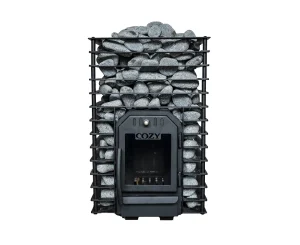
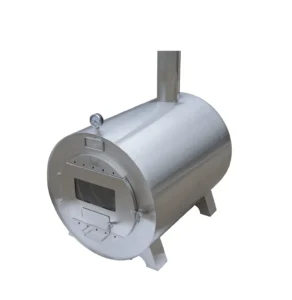
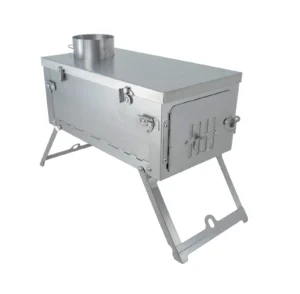
Wood-fired saunas take longer to heat — typically 45–90 minutes — and require more active management during the session. They also produce a traditional sauna experience that many purists prefer, with natural heat variability and the authentic scent of burning wood. Explore our firewood heaters for sauna range and read our guide on how a wood-fired sauna works to assess whether this option suits your lifestyle.
For a direct comparison of both heating approaches, our guide on electric vs firewood sauna heater covers everything you need to make a well-informed decision — including cost, convenience, installation requirements, and the quality of heat each delivers.
How to Reduce Your Home Sauna Electric Bill
If managing running costs is a priority, there are several practical strategies that can meaningfully reduce how much your home sauna adds to your electricity bill — without sacrificing the quality or frequency of your sessions.
1. Right-Size Your Heater
Match your heater's output precisely to your sauna's cubic volume. An oversized heater wastes energy and money. Use the standard guideline of approximately 1kW per cubic metre of sauna volume as a starting point. Our team can help you select the right heater — browse our electric heaters for sauna range or read our sauna heater buying guide for detailed sizing guidance.
2. Invest in Quality Insulation
A well-insulated sauna reaches target temperature faster and maintains it with less heater cycling. Ensure your sauna has adequate wall, ceiling, and floor insulation, and that the door seal is tight and effective. The upfront investment in good insulation pays dividends in lower electricity costs every single session for the life of the sauna. Our sauna insulation guide covers everything you need to know.
3. Use a Timer to Pre-Heat Efficiently
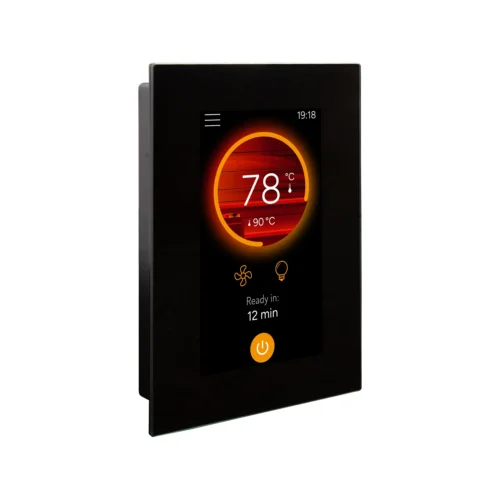
A programmable timer allows you to start the warm-up phase before you arrive home or wake up — so the sauna reaches temperature exactly when you want it without any additional idling time at full temperature. Most modern electric sauna heaters and controllers support timer functionality. Explore our heater accessories for compatible timer and control options.
4. Schedule Sessions During Off-Peak Hours
If you're on a time-of-use electricity tariff, scheduling your sauna sessions during off-peak windows can reduce the effective electricity rate by 30–50% compared to peak pricing. Evening sessions — which also align well with the sleep benefits of sauna use discussed in our sauna before bed guide — often fall within off-peak windows.
5. Leverage Solar Generation
For households with rooftop solar, running the sauna during peak solar generation hours (typically 10am–3pm) can effectively eliminate the electricity cost of your sessions. Pre-heating the sauna at noon for a lunchtime session is an increasingly popular approach among solar-equipped homeowners.
6. Optimise Your Temperature Setting
Running your sauna at 75°C rather than 90°C reduces the heater's cycling frequency and the total energy consumed per session. Many of the physiological benefits of sauna use — including cardiovascular conditioning, growth hormone release, and relaxation — are achievable at moderate temperatures. You don't always need maximum heat to get maximum benefit.
7. Consider a Smaller or Infrared Model
If you're primarily using your sauna solo or as a couple, a compact 1–2 person infrared model may provide all the benefits you need at a fraction of the running cost of a larger traditional sauna. Our Como Indoor Sauna Collection includes compact, energy-efficient options designed for regular personal use.
Sauna Installation and Electrical Requirements
Beyond the ongoing running cost, the electrical installation of a home sauna is an upfront cost consideration worth understanding — particularly for larger heaters that require dedicated circuits.
Electrical Circuit Requirements
Sauna heaters above 2.4kW in Australia generally require a dedicated electrical circuit — they cannot simply be plugged into a standard 10-amp GPO. Heaters in the 4.5kW–9kW range typically require a 32-amp or higher dedicated circuit, installed by a licensed electrician.
The cost of electrical installation varies by state and the complexity of the work but typically ranges from $300–$800 for a straightforward single-circuit installation in an existing home. More complex installations — longer cable runs, switchboard upgrades, outdoor weatherproof installations — will cost more.
Smaller Heaters and Standard Power Points
Some compact infrared saunas and small 2kW heaters are designed to operate on a standard 10-amp circuit and can simply be plugged in without electrical work. This significantly reduces installation cost and makes these units far easier to set up in a rental property or home where electrical work is not practical.
For a full guide to sauna electrical requirements, circuit specifications, and what to expect from installation, read our detailed sauna electrical requirements guide. For help finding qualified installers in your area, visit our recommended sauna and hot tub installers page.
Is a Home Sauna Worth the Electricity Cost?
This is ultimately the most important question — and the answer, for most Australian households, is a resounding yes. Let's put the running costs in context.
Cost Compared to Alternatives
A commercial sauna session at a gym or day spa in Australia typically costs $20–$60 per visit. At even modest usage of three sessions per week, that's $60–$180 per week or $3,120–$9,360 per year for commercial access. A home sauna running at $3–$7 per week in electricity costs represents a saving of thousands of dollars per year once the capital cost is recovered.
Break-Even Analysis
A quality mid-range home sauna in Australia might cost $3,000–$8,000 including installation. At a conservative saving of $100 per month versus commercial sauna use, the break-even point is reached in 2.5–7 years — after which the sauna delivers its full value for free (minus running costs). Many quality saunas last 15–25 years with proper maintenance.
The Broader Value Proposition
The true value of a home sauna extends well beyond direct sauna-cost savings. Consider the convenience of 24/7 access, the privacy of a personal wellness space, the property value enhancement of a quality outdoor or indoor sauna, and the compounding health benefits — reduced healthcare costs, better sleep, improved recovery, reduced stress — that accumulate over years of regular use.
Browse our sauna sale Australia page for current pricing across our full range, explore our affordable saunas Australia reviews for budget-conscious options, or read our guide to how to finance a home sauna purchase to make the investment manageable.
Frequently Asked Questions
How much does a home sauna increase your electric bill?
It depends on your heater size, session frequency, and local electricity rate. As a practical guide: a compact 2-person indoor sauna with a 3.5kW heater used four times per week adds approximately $185–$250 per year to your electricity bill at average Australian rates. A large 6-person outdoor sauna with a 9kW heater at the same frequency might add $500–$800 per year. Infrared saunas cost significantly less — often $90–$150 per year at the same usage frequency.
How much does it cost to run a sauna per session in Australia?
A typical session in a well-insulated 4-person electric sauna costs approximately $1.50–$2.50 in electricity at average Australian rates. Compact 2-person indoor saunas cost closer to $0.80–$1.20 per session. Infrared saunas are the most economical at approximately $0.40–$0.80 per session. Large 6–8 person saunas may cost $2.50–$4.00 per session.
Is it cheaper to run an infrared sauna or a traditional electric sauna?
Infrared saunas are significantly cheaper to run — typically 40–60% less per session than a comparable traditional electric sauna. This is because infrared heaters draw lower wattage, heat up faster (reducing the high-consumption warm-up phase), and operate at lower ambient temperatures. For cost-conscious buyers who use their sauna frequently, the long-term electricity savings from an infrared model can be substantial.
How long does a sauna take to heat up and how does that affect costs?
Traditional electric saunas take 30–45 minutes to reach optimal temperature, during which the heater runs at or near full power — this is the most energy-intensive part of your session. Infrared saunas heat up in 10–15 minutes. Reducing warm-up time through good insulation, correctly sized heaters, and preheating timers directly reduces electricity costs by shortening the highest-consumption phase of each session.
Can I run my sauna on solar power?
Yes — and for many Australian households with rooftop solar, this is one of the most effective ways to minimise sauna running costs. Scheduling sessions during peak solar generation hours (typically 10am–3pm) allows the sauna to draw primarily from solar generation rather than the grid. Households with battery storage can extend this benefit to evening sessions as well.
Does a wood-fired sauna cost less to run than an electric one?
It depends on your firewood access and pricing. For homeowners with free or very cheap firewood, wood-fired saunas can be dramatically cheaper to run. For those purchasing retail firewood in metropolitan areas, the per-session cost is broadly comparable to a mid-sized electric sauna. Wood-fired saunas also involve longer heat-up times and more active management. Our electric vs firewood sauna heater guide covers the full comparison.
What size electric heater do I need for my sauna?
The standard guideline is approximately 1kW of heater output per cubic metre of sauna volume for well-insulated cabins. A compact 2-person sauna of approximately 3 cubic metres suits a 3–3.5kW heater; a medium 4-person barrel sauna of approximately 5–6 cubic metres suits a 5–6kW heater; and a large 6–8 person sauna suits a 8–9kW heater. Read our sauna heater buying guide for detailed sizing guidance.
How can I reduce my sauna's electricity consumption?
The most impactful strategies are: right-sizing your heater to your sauna volume, investing in quality insulation to reduce heat-up time and heat loss, using a timer to start pre-heating only when needed, scheduling sessions during off-peak tariff windows, leveraging solar generation where available, and moderating your target temperature — running at 75°C rather than 90°C can meaningfully reduce per-session energy consumption without significantly compromising the wellness benefits.