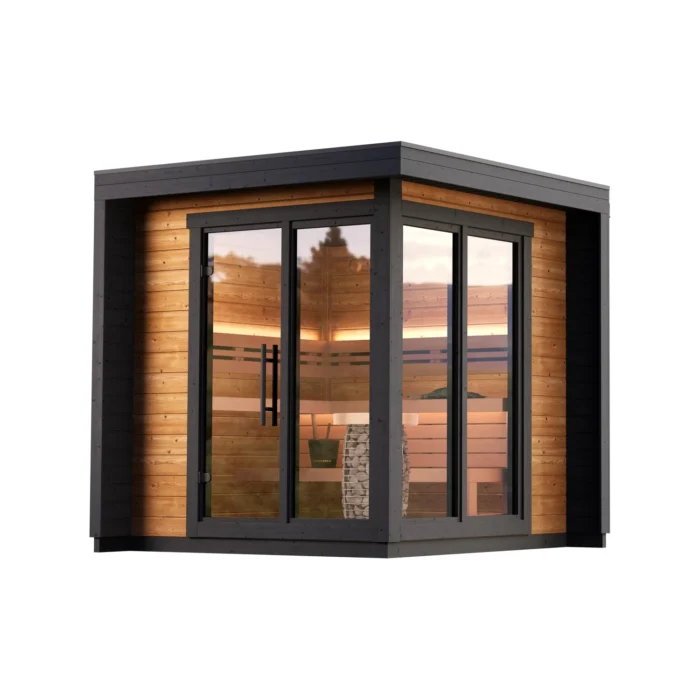

When you start researching infrared saunas seriously, the acronym EMF almost inevitably comes up. Some buyers are deeply concerned about electromagnetic field exposure from sauna heaters. Others have never thought about it. This article gives you the facts without the fear, explaining what EMF actually is, what levels are considered safe, and what to look for when evaluating sauna specifications.
What Is EMF?
EMF stands for electromagnetic field. It refers to the invisible fields of energy, often described as radiation, that are associated with the use of electrical power and various forms of natural and man-made lighting. EMFs are categorised by their frequency:
- Extremely Low Frequency (ELF) EMF: Produced by household appliances, power lines, and electrical wiring
- Radio Frequency (RF) EMF: Produced by wireless devices, mobile phones, and Wi-Fi
- Infrared radiation: The specific type of energy used in infrared saunas
Infrared radiation is non-ionising, meaning it does not have enough energy to remove electrons from atoms or cause DNA damage. This fundamentally distinguishes it from X-rays and gamma rays, which are ionising and carry established health risks.
Why EMF Concerns Arise with Infrared Saunas
Infrared sauna heaters, particularly older carbon or ceramic panel designs, can emit measurable levels of ELF-EMF, the same type produced by household appliances. Because users sit in close proximity to these heaters for 20 to 40 minutes per session, cumulative exposure is higher than with most appliances you encounter briefly and at greater distance.
The concern is not unique to saunas. Research into health effects of ELF-EMF exposure has been ongoing for decades, with most regulatory bodies setting conservative exposure guidelines rather than absolute bans, reflecting precautionary principles in the absence of definitive evidence of harm.
What Does Low EMF Actually Mean?
There is no universally agreed definition for what constitutes a low EMF sauna. However, in the industry, low EMF typically refers to sauna heaters that produce ELF-EMF levels at the user's position (typically 30cm from the heater panel) of less than 3 milligauss (mG). The International Commission on Non-Ionizing Radiation Protection (ICNIRP) sets a public exposure guideline of 2,000 mG, which puts typical sauna levels in perspective.
Ultra low EMF models go further, targeting levels below 1 mG at the user position. These use special heater wiring configurations (typically twisted pairs) and shielding to cancel out the magnetic fields produced by the current flowing through the heating elements.
How to Evaluate EMF Claims When Buying a Sauna
Not all EMF claims are created equal. Here is what to look for:
- Third-party testing: Look for sauna brands that can provide independent EMF test reports from accredited laboratories, not just marketing claims
- Measurement distance and location: Ensure testing was done at the position where a user would actually sit, not at an arbitrary distance
- ELF vs RF measurement: Some brands market their saunas as low EMF but only test for RF radiation, omitting ELF measurements where the actual concern lies
- Heater technology: Newer full spectrum emitters and specifically designed low EMF heater panels tend to produce lower ELF fields than older high-output carbon panels
If you are just beginning to compare sauna types and want a broader overview, our guide on infrared vs traditional saunas provides helpful context for understanding these technologies.
Sauna Materials and EMF Interaction
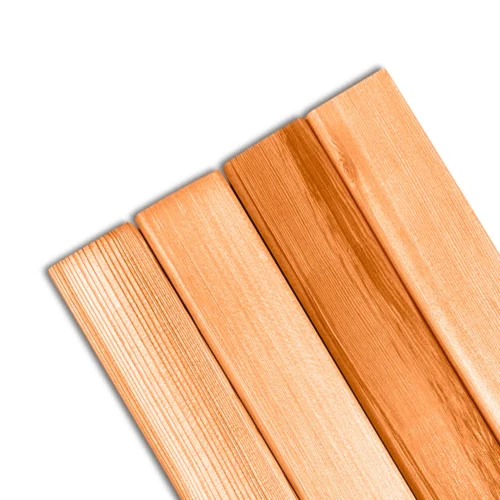
The choice of materials in an infrared sauna can influence EMF levels and overall safety. Certain metals in heater construction, reflective panels, and wiring configurations can amplify or reduce electromagnetic fields. Wood types, such as cedar or hemlock, do not emit EMF and provide natural insulation, helping keep radiation exposure localized to the heating elements. Selecting saunas built with non-conductive or low-EMF-friendly materials can further minimize exposure while maintaining comfort and durability.
Materials also affect heat retention and the infrared experience itself. Dense, high-quality woods enhance the even distribution of infrared energy, reducing the need for higher heater outputs that could elevate EMF levels. By understanding the interaction between sauna materials and EMF, buyers can make informed choices that balance health considerations with performance and aesthetics.
Traditional Saunas and EMF
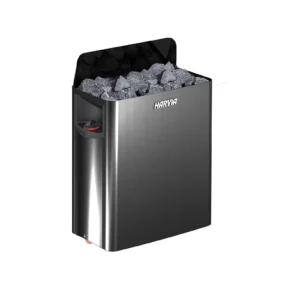
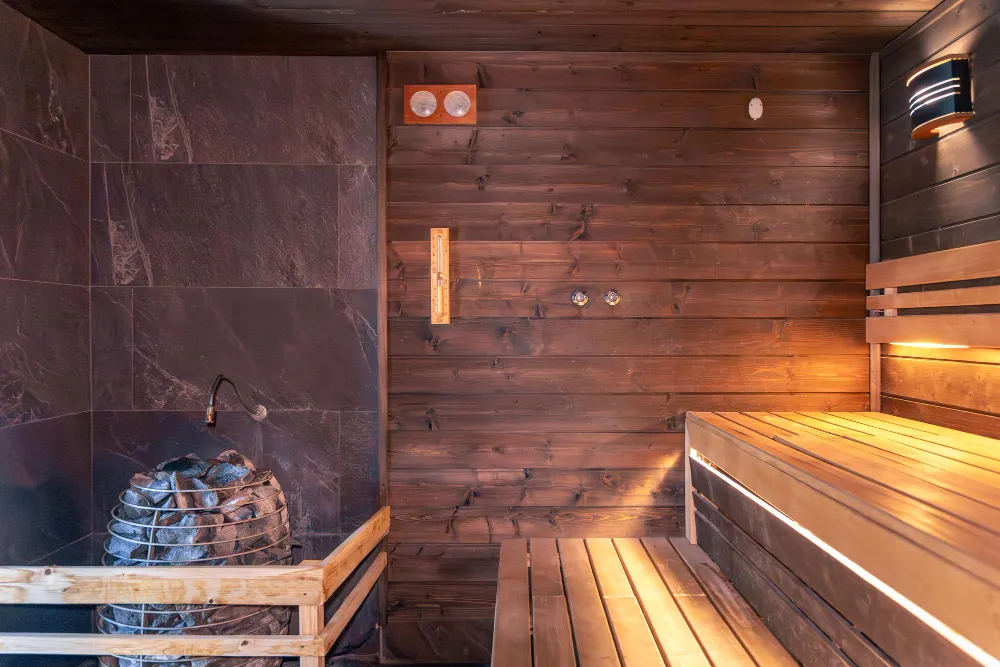
Traditional saunas that use electric resistance heaters (such as those from Harvia) also produce ELF-EMF from the electrical elements. However, the relationship between user and heater is different in traditional saunas, where the heater is typically positioned in a corner or against a wall rather than surrounding the user on multiple sides as in many infrared designs. This generally results in lower average exposure at the user's sitting position.
Health Implications and Current Research
Current scientific research indicates that typical ELF-EMF exposure from infrared saunas is far below the thresholds linked to adverse health effects. Studies examining occupational and residential EMF exposure have found no consistent evidence of increased cancer or neurological risk at these low levels. Users with heightened sensitivity or specific medical conditions should consult healthcare professionals, but for the majority of people, the risk remains negligible.
Continuous monitoring and adherence to international safety guidelines, such as ICNIRP standards, provide additional reassurance. Modern infrared saunas that are purpose-built for low EMF output have been tested extensively, and documented results show exposures often hundreds of times below public safety limits. This body of evidence supports safe, routine use without fear of harmful effects.
Practical Steps to Minimise EMF Exposure in Any Sauna
- Sit as far from heater panels as your sauna design allows
- Choose a sauna with documented low EMF testing results
- Avoid prolonged close contact with heater panels during or outside of sessions
- Ensure the sauna unit is properly earthed (grounded), as improper earthing can increase stray electrical fields
Optimising Sauna Use for Minimal EMF Exposure
- Rotate seating positions: Alternating seats during sessions ensures that no single area receives continuous exposure.
- Shorter sessions for sensitive individuals: Reducing time near heater panels can further lower cumulative EMF exposure.
- Regular equipment checks: Ensuring proper grounding and inspecting wiring prevents unnecessary stray fields.
- Maintain recommended distances: Following manufacturer guidance on safe distances enhances safety and comfort.
Practical adjustments to how the sauna is used can complement low EMF design features. By incorporating simple behavioural strategies alongside careful model selection, users can fully enjoy the benefits of infrared saunas while keeping EMF exposure well below conservative safety thresholds.
Practical Design Features for Low EMF Saunas
- Twisted pair wiring in heaters: Cancels out magnetic fields, significantly reducing ELF-EMF at the user position.
- Shielded heater panels: Contain stray electromagnetic fields and prevent them from extending into the sauna interior.
- Strategic panel placement: Positioning heaters away from seating areas decreases direct exposure.
- User distance markers: Indicate safe sitting positions to maintain minimal EMF contact.
Design features matter as much as testing numbers. Low EMF infrared saunas combine these engineering techniques with verified measurements to ensure that users are not only safe but also experience consistent, comfortable heating throughout the session. Choosing a sauna with visible design considerations for EMF control demonstrates a commitment to health-conscious engineering rather than relying solely on marketing claims.
Infrared Sauna Longevity and EMF Stability
The long-term performance of a low EMF sauna depends not only on initial testing but also on maintenance and heater integrity over time. Components that shift, degrade, or become misaligned can alter EMF output, so regular inspection and timely replacement of heating elements are essential. A well-maintained sauna continues to provide both therapeutic warmth and consistently low EMF exposure for years.
Understanding that EMF stability is linked to mechanical and electrical integrity reinforces the importance of choosing reputable brands and conducting routine checks. This approach ensures that users can safely enjoy infrared sessions without unexpected increases in EMF, preserving peace of mind and the overall wellness experience.
Frequently Asked Questions
Should I be concerned about EMF from an infrared sauna?
For most people, the EMF levels produced by quality low EMF infrared saunas are well within international safety guidelines. If you have particular sensitivity concerns or a medical reason to avoid EMF exposure, consult your doctor and seek documented low EMF test results before purchasing.
Are traditional saunas lower EMF than infrared saunas?
Not necessarily. Traditional saunas also use electric heating elements. The key difference is heater placement and proximity to the user. In some designs, traditional sauna users are exposed to similar or higher fields than in well-designed low EMF infrared models.
Is infrared radiation from saunas dangerous?
No. Infrared radiation is non-ionising and is the same energy the sun produces as warmth. It does not damage DNA and has not been shown to increase cancer risk. The long history of safe sauna use across many cultures and populations supports this.
What certifications should I look for in a low EMF sauna?
Look for saunas tested to ETL, CE, or equivalent standards, and ask specifically for ELF-EMF test reports from independent laboratories. Brands that are confident in their EMF performance will typically share this data readily.
Final Thoughts
EMF is a legitimate consideration when choosing an infrared sauna, but it should be informed by facts rather than fear. Quality low EMF saunas are widely available, well-tested, and operate at field levels that are a fraction of established safety guidelines. Browse the Shym Saunas range and ask our team about the EMF specifications of any model you are considering.