
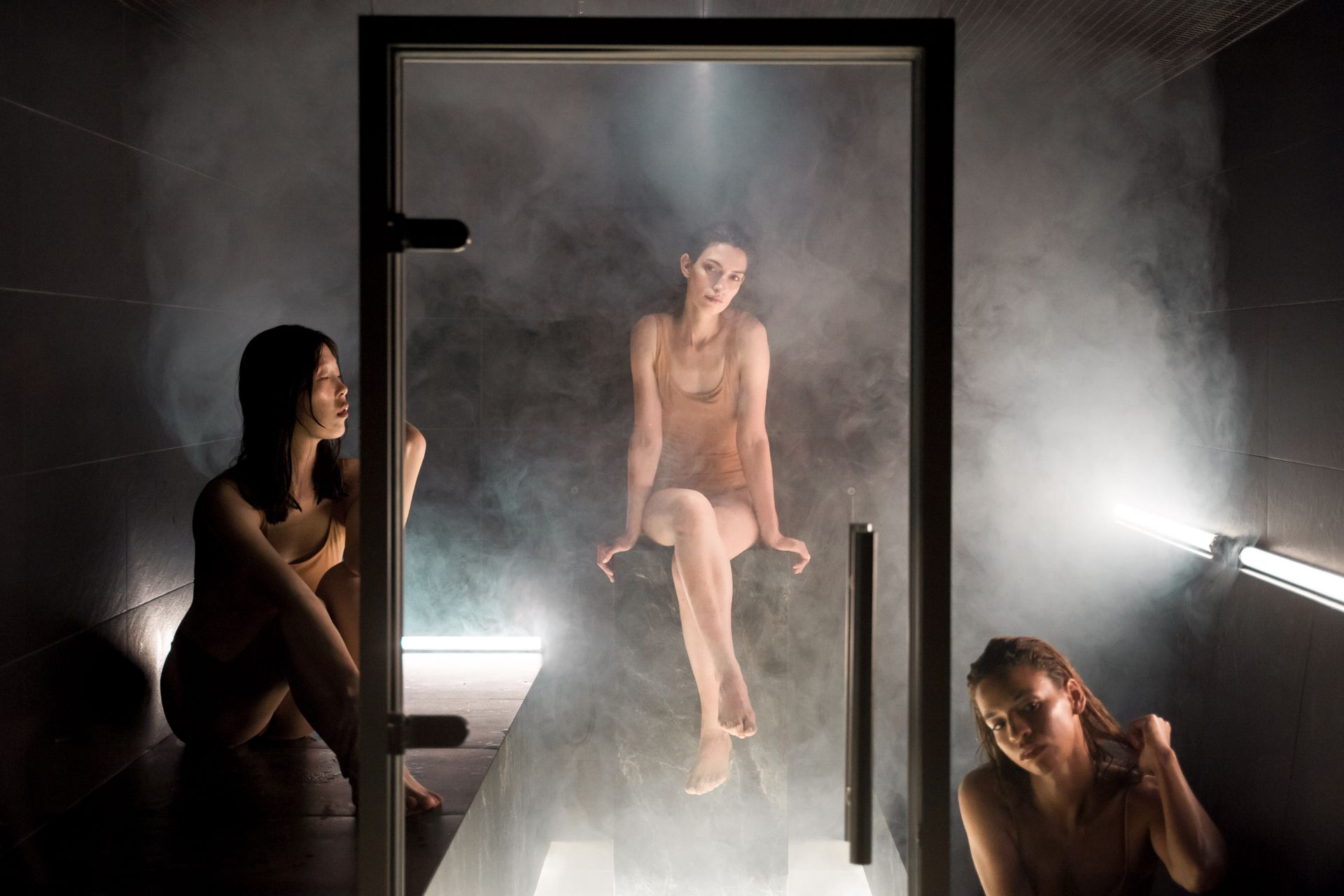
When it comes to heat therapy, Australians are increasingly spoilt for choice. Walk into any gym, day spa, or wellness centre and you’re likely to find both a steam room and a sauna on offer. But as home wellness takes off across the country, more people are asking the same question: infrared sauna vs steam room — which one delivers better results?
The honest answer is that both have genuine merit. But they work very differently, and the right choice depends on your health goals, lifestyle, and what you actually enjoy. At Shym Saunas, we help Australians find their perfect wellness solution — so here’s a practical, no-nonsense breakdown to help you decide.
Before comparing the benefits, it helps to understand the fundamental mechanics at play.
An infrared sauna uses infrared light waves — the same safe, radiant heat that comes from the sun, minus the UV radiation — to warm your body directly from the inside out. The cabin itself stays at a relatively mild temperature (typically 45°C to 65°C), but the infrared waves penetrate 3 to 5 centimetres below the skin’s surface, creating an intense, deep therapeutic sweat.
A steam room (sometimes called a steam sauna or wet sauna) works entirely differently. It generates 100% humidity using a steam generator, filling an enclosed, tiled room with hot, moist air. The temperature is usually lower — around 40°C to 50°C — but the near-total humidity makes it feel significantly hotter and can be harder to tolerate for extended periods.
Understanding this distinction is key to the entire infrared sauna vs steam room debate.
| Feature | Infrared Sauna | Steam Room |
|---|---|---|
| Heat type | Radiant infrared light | Moist convection heat |
| Temperature range | 45°C – 65°C | 40°C – 50°C |
| Humidity level | Low (10–20%) | Very high (100%) |
| Heat penetration | Deep (3–5cm below skin) | Surface level |
| Session tolerance | Generally more comfortable | Can feel intense or claustrophobic |
The infrared sauna’s lower ambient temperature combined with deeper heat penetration makes it particularly appealing for longer sessions and for those who find the oppressive heat and humidity of a steam room difficult to breathe in.
Both modalities promote sweating, but they’re not equal in this department. Because infrared heat penetrates deeper into the body’s tissues, it stimulates sweat at a cellular level rather than just at the skin’s surface. The sweat produced in an infrared sauna tends to contain a higher concentration of toxins — including heavy metals and metabolic waste — compared to sweat generated by steam heat alone. For Australians focused on detoxification, the infrared sauna has a clear edge.
This is where the infrared sauna genuinely shines in the infrared vs steam sauna comparison. The deep penetrating heat increases blood flow to muscles and connective tissue, helping to reduce inflammation, flush out lactic acid, and ease joint stiffness. Steam rooms offer superficial muscle relaxation through heat and humidity, but they don’t penetrate deeply enough to deliver the same therapeutic impact on sore or injured tissue.
For athletes, tradies, or anyone dealing with chronic pain conditions like arthritis, the infrared sauna is typically the stronger choice.
This is the one area where the steam room has a distinct advantage. The warm, moist air of a steam room can help open the airways, loosen mucus, and provide temporary relief for those with sinus congestion, asthma, or respiratory conditions. Many people find steam rooms genuinely soothing during cold and flu season.
That said, individuals with asthma should consult their GP before using a steam room, as high humidity can occasionally trigger symptoms in sensitive individuals.
Both environments can benefit the skin, but in different ways. Steam rooms hydrate the skin through external moisture, making them popular for softening the complexion and clearing pores. Infrared saunas, on the other hand, improve skin health from within — boosting collagen production, increasing circulation to the skin’s surface, and producing a deep sweat that thoroughly clears the pores. Long-term, regular infrared sauna users often report more sustained improvements in skin tone and texture.
In the infrared sauna vs steam room debate, cardiovascular benefits are broadly comparable — both cause the heart rate to increase and blood vessels to dilate, mimicking the physiological effects of moderate aerobic exercise. However, some research suggests infrared heat may produce slightly greater improvements in arterial flexibility and blood pressure over time, given the deeper tissue response it triggers.
Both options promote relaxation by lowering cortisol levels and encouraging endorphin release. The choice here often comes down to personal preference. Some people find the steamy, spa-like atmosphere of a steam room deeply calming. Others prefer the drier, quieter warmth of an infrared sauna. For home use, the infrared sauna is far more practical — it’s easier to install, maintain, and use on your own schedule.
The high humidity of a steam room can be uncomfortable or even off-putting for many people — particularly those with claustrophobia, breathing sensitivities, or a low tolerance for oppressive heat. The infrared sauna’s dry, gentle warmth tends to be better tolerated across a wider range of people, including older Australians and those new to heat therapy.
Infrared saunas are also significantly more accessible for home installation. Steam rooms require waterproof tiling, proper drainage, a steam generator, and robust ventilation — a considerable construction investment. An infrared sauna, by contrast, can be installed outdoors or indoors with minimal setup, often simply requiring a standard power connection.
For Australians considering bringing heat therapy home, the practical differences are significant.
A home infrared sauna typically uses between 1.6 and 3 kilowatts per hour — a modest running cost by any measure, particularly when offset against the ongoing expense of gym or day spa memberships. Infrared saunas are also low-maintenance: no plumbing, no grout to clean, and no humidity-related mould concerns.
Steam rooms, while wonderful in commercial settings, require far more infrastructure to install and maintain at home. The ongoing cost of water, steam generator servicing, and ventilation maintenance can add up considerably over time.
For most Australian households — whether in a Sydney terrace, a Melbourne suburb, or a rural property in Queensland — a home infrared sauna is the smarter, more cost-effective long-term investment.
Choose an infrared sauna if you want:
Consider a steam room if you want:
For most Australians seeking a home wellness investment, the infrared sauna is the clear winner — offering broader health benefits, greater comfort, and far more practical installation than a steam room.
The infrared sauna vs steam room debate doesn’t have a one-size-fits-all answer, but for the majority of Australians, the infrared sauna offers a more versatile, accessible, and therapeutically powerful option. With deeper muscle penetration, superior detoxification, easier home installation, and lower running costs, it’s little wonder that infrared saunas are rapidly becoming the centrepiece of Australian home wellness.
At Shym Saunas, we stock a premium range of outdoor and indoor saunas — shipped to homes across Australia and New Zealand. Whether you’re in a coastal town in Tasmania or the heart of Brisbane, we’ll help you find the right sauna to bring meaningful wellness into your everyday life.
Explore our full range of saunas here →
Both can support weight management by raising heart rate and burning kilojoules, but neither is a standalone weight loss solution. Infrared saunas tend to produce a more intense physiological response at a more comfortable temperature, making longer and more frequent sessions easier to maintain as part of a healthy lifestyle.
Infrared saunas are generally well-tolerated by people with respiratory sensitivities because the air remains dry — unlike a steam room, which can occasionally aggravate breathing conditions. That said, always consult your GP before starting any new heat therapy routine if you have a diagnosed respiratory condition.
Infrared sauna sessions typically run for 20 to 45 minutes, and the dry, lower-temperature environment makes this comfortable for most users. Steam room sessions are often shorter — around 10 to 20 minutes — because the high humidity can become overwhelming more quickly.
Infrared saunas are generally considered more hygienic for home use. The dry heat inhibits the growth of bacteria and mould. Steam rooms, by contrast, maintain constant moisture, which — if not rigorously cleaned and ventilated — can encourage mould and bacterial growth over time.
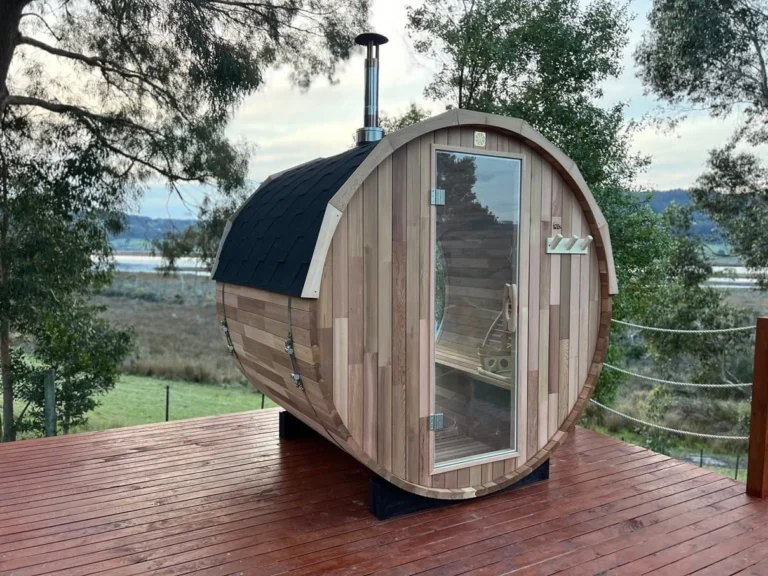
Yes. Outdoor infrared saunas built from quality timber such as thermally treated spruce or western red cedar are well-suited to Australian conditions. At Shym Saunas, our outdoor range is designed for Australian climates — from Tasmania’s cold winters to the heat and humidity of Queensland.
Both can benefit skin, but in different ways. Steam rooms provide surface-level hydration and pore cleansing through moist air. Infrared saunas work deeper — stimulating collagen production, improving circulation, and producing a thorough sweat that clears pores from within. For long-term skin improvement, infrared saunas generally deliver more sustained results.
For most healthy adults, daily infrared sauna use is safe when sessions are kept to a reasonable duration and the body is kept well-hydrated. Many wellness enthusiasts use their sauna four to seven days a week with great results. If you’re new to infrared saunas, start with three sessions per week and increase gradually.
Yes. The deep penetrating heat of an infrared sauna is particularly effective at easing joint stiffness, reducing inflammation, and improving mobility — making it a popular choice among Australians living with arthritis, fibromyalgia, and other chronic pain conditions. Steam rooms offer some warmth-related relief but don’t penetrate as deeply.
Home infrared saunas vary in price depending on size, timber quality, and features. At Shym Saunas, we offer a range of options to suit different budgets and home setups. When you factor in the savings from avoiding ongoing gym or spa memberships, a quality home sauna represents excellent long-term value.
The key difference lies in how the sweat is generated. Steam rooms heat the air around you, producing surface sweat. Infrared heat penetrates deep into the body’s tissues, triggering sweat at a cellular level that draws out a higher concentration of toxins. For detoxification purposes, most experts and regular users favour the infrared sauna.



Join the Shym list for 3% off selected saunas and hot tubs, plus our sale news.
Not valid on sale items. Unsubscribe any time.
Your 3% code is on its way to your inbox. Can't see it soon? Check your promotions folder.
Keep browsing