









Is Sauna Good for Sore Muscles?
Yes — and this is one of the most well-supported practical benefits of regular sauna use. Whether you're an elite athlete, a weekend gym-goer, or someone who overdid it in the garden, a sauna session can provide meaningful, evidence-backed relief from muscle soreness.
The specific type of soreness that responds best to sauna therapy is delayed onset muscle soreness (DOMS) — the deep, aching discomfort that typically peaks 24–72 hours after unfamiliar or intense physical activity. This is the soreness you feel the day after a hard leg session, a long hike, or a new exercise you haven't done in a while.
Sauna also helps with general muscle tension and stiffness — the kind that accumulates from prolonged sitting, postural strain, stress, or repetitive movement patterns. The deep heat penetrates muscle tissue directly, providing relief that topical creams and light stretching alone often can't match.
For a complete guide to using heat therapy in your recovery protocol, read our dedicated article on sauna for muscle recovery and explore how sauna before or after exercise affects performance and recovery outcomes.
How a Sauna Helps With Muscle Soreness
The muscle-relief benefits of sauna are not simply about feeling warm — they arise from several distinct, well-understood physiological mechanisms that work together to accelerate recovery.
Increased Blood Flow and Nutrient Delivery
Sauna heat causes significant vasodilation — blood vessels widen and blood flow increases substantially, particularly to the peripheral tissues including muscle. This enhanced circulation delivers oxygen and nutrients to damaged muscle fibres more rapidly while simultaneously accelerating the removal of metabolic waste products — including lactic acid, inflammatory cytokines, and cellular debris — that contribute to the sensation of soreness.
Think of it as flushing the muscle tissue with a high-volume, nutrient-rich circulatory wash that speeds up the natural repair process.
Reduction of Inflammatory Markers
DOMS is fundamentally an inflammatory process — the soreness reflects the immune system's response to microscopic muscle fibre damage caused by exercise. Research has consistently demonstrated that regular sauna use reduces circulating levels of pro-inflammatory markers including C-reactive protein (CRP) and interleukin-6 (IL-6). Lower inflammation means less severe soreness and faster resolution of the acute recovery phase.
Heat Shock Protein Activation
One of the most significant mechanisms behind sauna's muscle recovery benefits is the activation of heat shock proteins (HSPs). When muscle cells are exposed to heat stress, they produce HSPs as a protective response. These molecular chaperones protect muscle proteins from damage, facilitate repair of stress-damaged proteins, and play a key role in maintaining muscle mass and function under physiological stress.
Regular sauna-induced HSP activation has been shown to reduce exercise-induced muscle damage over time — meaning consistent sauna users experience less severe DOMS than non-users performing equivalent exercise loads.
Direct Muscle Relaxation
Beyond the circulatory and inflammatory mechanisms, the direct thermal effect of sauna heat on muscle tissue provides immediate relief from tension and spasm. Heat reduces the sensitivity of muscle spindles (the receptors that control muscle tone), decreases the neural drive to maintained muscle tension, and directly increases the extensibility of connective tissue — all of which reduce the stiffness and tightness associated with soreness.
Endorphin Release
Sauna sessions trigger significant endorphin release — your body's natural analgesic system. This endorphin response raises your pain threshold and produces a sense of wellbeing that directly reduces the perceived intensity of muscle soreness, even before the underlying inflammation has fully resolved.
Amplify the muscle recovery benefits of sauna by combining it with cold plunge therapy. Read our guide on contrast therapy and explore our range of cold plunge tubs to build a complete hot-cold recovery setup at home.
Is Infrared Sauna Good for Sore Muscles?
Yes — and many sports medicine practitioners and physical therapists consider infrared saunas particularly well-suited for muscle recovery, with some advantages over traditional saunas in this specific application.
Deeper Tissue Penetration
Unlike traditional saunas that heat the ambient air, infrared saunas use light energy to penetrate directly into body tissue — typically 4–5 centimetres below the skin surface. This means the therapeutic heat reaches deep muscle tissue more directly, rather than relying solely on conduction from the skin surface inward.
For deep muscle soreness — the kind that sits in the belly of a large muscle group like the quadriceps, hamstrings, or glutes — the deeper penetration of infrared heat may provide more targeted relief than the surface-in heating of a traditional sauna.
Lower Temperature, Longer Tolerable Sessions
Infrared saunas operate at 45–60°C compared to 80–100°C for traditional saunas. This lower temperature is easier to tolerate — particularly when muscles are already fatigued and tender — allowing longer sessions that may provide more sustained circulatory and anti-inflammatory benefit. For some athletes, the ability to stay in an infrared sauna for 30–45 minutes versus 15–20 minutes in a traditional sauna translates to meaningfully greater recovery benefit.
Research Support
Several small but well-designed studies have examined infrared sauna use specifically for muscle recovery. Findings consistently show reduced DOMS severity, faster recovery of muscle strength after exercise, and subjective improvements in soreness ratings in individuals who use infrared sauna post-exercise compared to controls.
Explore our Leil Como indoor sauna series and the Como Indoor Sauna Collection for premium home sauna options well-suited to regular post-exercise recovery sessions.
Sauna vs Hot Tub vs Steam Room for Sore Muscles
When it comes to muscle soreness specifically, each heat modality has distinct advantages. Understanding these differences helps you choose the right tool for your recovery needs — or combine them for maximum effect.
Sauna for Sore Muscles
A traditional or infrared sauna provides the most intense heat stimulus of the three options. It produces the strongest vasodilation, the greatest heat shock protein response, and the most significant reduction in systemic inflammation markers. For deep, widespread post-exercise soreness affecting multiple muscle groups, a sauna session delivers the broadest recovery benefit.
Hot Tub for Sore Muscles
A hot tub combines heat therapy with hydrotherapy — the buoyancy of water reduces compressive load on joints and muscles while warm water jets deliver targeted mechanical massage to specific sore areas. This combination is particularly effective for localised muscle tightness, joint-adjacent soreness, and lower back pain. The ability to target specific muscle groups with directed water jets gives hot tubs an advantage over saunas for spot treatment of particular sore areas. Browse our hot tubs range and read our guide on the advantages of hot tubs for more on this.
Steam Room for Sore Muscles
A steam room delivers moist heat at 100% humidity and moderate temperatures (around 40–45°C). The combination of heat and moisture penetrates superficial muscle layers effectively and is particularly soothing for upper body tension, neck and shoulder soreness, and respiratory-related muscle tightness. The lower temperature makes it accessible for those who find dry sauna heat too intense when already fatigued.
Which Is Best?
For total-body post-exercise recovery, a traditional or infrared sauna typically delivers the greatest breadth of benefit. For targeted relief of specific sore areas — particularly lower body and joints — a hot tub may be more effective. For those who prefer gentler heat or have upper body soreness, a steam room is a valid and comfortable option. Many dedicated recovery practitioners use all three in rotation. Read our guide on hot tub vs sauna for a detailed side-by-side comparison.
Why Am I Sore After a Sauna?
Most people associate saunas with relieving soreness, not causing it — so experiencing soreness after a sauna session can be confusing. There are several possible explanations.
Dehydration-Related Muscle Cramping and Soreness
The most common cause of post-sauna soreness is dehydration and electrolyte depletion. A significant sauna session causes substantial fluid and mineral loss through sweating. If you don't rehydrate adequately, muscles can cramp and feel tender in the hours following your session. The solution is straightforward: drink water with electrolytes before, during, and after every sauna session.
Unfamiliar Heat Stress on Muscles
For new sauna users, the heat stress itself can cause a mild, temporary soreness — particularly in the muscles of the back and legs that are sustaining your seated posture in the heat. This is similar to the mild DOMS effect of any new physical stimulus and typically resolves within a session or two as the body adapts.
Post-Sauna Circulation Changes
As blood flow redirects after a sauna session — moving back from peripheral skin circulation toward core organs — some people experience a temporary aching or heaviness in the muscles, particularly the legs. This typically passes within 30–60 minutes and is not a cause for concern.
Pre-existing Soreness Becoming More Noticeable
Occasionally, the deep vasodilation and increased tissue sensitivity from a sauna session can temporarily make existing muscle damage more perceptible as repair processes are activated. This is actually a sign that the sauna is working — but it can feel like worsened soreness in the short term before improvement follows.
To minimise post-sauna soreness of any kind, read our guide on how to use a sauna correctly, and explore our sauna cold plunge routine — the cold plunge phase after a sauna session is particularly effective at reducing the post-sauna circulatory adjustment period.
Is Sauna Good for a Sore Back?
Yes — the sauna is one of the most effective non-pharmaceutical tools available for back pain relief, whether that pain is muscular, postural, or related to tension and stress accumulation.
Muscular Back Pain
The majority of back pain is muscular in origin — tight, overworked, or fatigued muscles in the lower, mid, or upper back causing discomfort and reduced mobility. The deep heat of a sauna penetrates these muscle groups directly, reducing tension, improving elasticity, and increasing blood flow to promote healing. Many people report dramatic relief from muscular back pain after even a single sauna session.
Postural Tension
Prolonged sitting at a desk, poor posture, and repetitive movements create chronic tension in the back muscles and connective tissues. Regular sauna use — particularly when combined with gentle stretching performed in or immediately after the sauna when tissue extensibility is at its peak — can progressively reduce this accumulated postural tension.
Disc and Joint-Related Back Pain
For back pain related to disc issues, spinal stenosis, or facet joint inflammation, the anti-inflammatory effects of regular sauna use can reduce the inflammatory component of pain. However, for structural spine issues, sauna is a supportive tool rather than a primary treatment — always work with a healthcare provider for diagnosed spinal conditions.
Stress-Related Back Pain
A significant proportion of back pain has a stress and tension component — elevated cortisol causes increased muscle tone throughout the body, and the back is one of the first areas where this manifests as pain. The profound stress-reduction and cortisol-lowering effects of regular sauna use can address this underlying driver of back pain in ways that purely physical treatments cannot.
Explore our range of saunas for sale to find the right home setup for regular back pain management, and browse our best outdoor saunas guide for premium outdoor options.
Is Sauna Good for a Sore Throat?
A sauna can provide meaningful temporary relief for certain types of sore throat — but whether it's appropriate depends heavily on the cause and severity of your throat pain, and your overall health status at the time.
How a Sauna Can Help a Sore Throat
The warm, moist air in a sauna — particularly when water is poured on the rocks to generate steam — can provide direct soothing relief to irritated throat tissue. The heat helps relax the muscles of the throat and neck, reduces the sensation of tightness, and the steam helps maintain moisture in the mucous membranes that line the throat, reducing the dry, scratchy discomfort of many sore throats.
The improved circulation from sauna use also delivers more immune cells and nutrients to the inflamed throat tissue, which can support the body's natural healing process. And the significant endorphin release from a sauna session raises your pain threshold — temporarily making the sore throat feel less severe.
Best Sore Throat Types for Sauna Relief
The types of sore throat most likely to benefit from sauna use include:
- Dry, irritated throat from dry air, air conditioning, or environmental irritants — steam and moist heat directly address the underlying dryness.
- Tension-related throat discomfort from stress, vocal strain, or postural tightness — the muscle-relaxing effects of sauna heat provide relief.
- Mild viral sore throat in the recovery phase — once the acute phase of a cold or mild viral illness has passed and you're beginning to improve, a gentle sauna session can support the final stages of recovery.
When a Sauna Won't Help — or Will Hurt
If your sore throat is accompanied by high fever, severe pain on swallowing, white patches on the tonsils, or difficulty breathing — these are signs of strep throat, tonsillitis, or a more serious infection requiring medical attention. A sauna is not appropriate in these circumstances. The dehydrating effects of intense heat can worsen an already inflamed throat, and the cardiovascular stress of a sauna combined with a significant infection is not advisable.
Read our article on is sauna good for a cold for closely related guidance, and explore our article on sauna for sinus infection to understand how heat therapy helps the broader upper respiratory system of which the throat is a part.
Can a Sauna Cause or Worsen a Sore Throat?
Yes — in certain circumstances, a sauna can cause or worsen a sore throat. Understanding the mechanisms helps you avoid them.
Dehydration and Dry Throat
The most common sauna-related cause of throat discomfort is dehydration. Sauna sessions cause significant fluid loss through sweating, and if you don't rehydrate adequately, the mucous membranes lining your throat — which depend on adequate hydration to remain moist and protected — can dry out and become irritated. This produces the characteristic dry, scratchy throat sensation that some people experience after a sauna session.
The solution is simple: drink water before, during (if tolerated), and immediately after every sauna session. Adequate hydration almost completely prevents this type of post-sauna throat discomfort.
Very Dry Sauna Air
In some traditional saunas — particularly those run at very high temperatures with very low humidity and no water poured on the rocks — the extremely dry air can be harsh on the throat and airways. This is most common in commercial or gym saunas where temperature is maximised and humidity is minimal. Adding a small amount of water to the stones to generate some steam significantly reduces this effect.
Pre-existing Illness
If you have an active throat infection or inflammation, using a sauna before it has adequately resolved can prolong or worsen the condition. The physiological stress of heat exposure, combined with the dehydration it causes, can be counterproductive when the throat tissue is already compromised.
Is Sauna Good for Sore Throat and Cough?
For the combination of sore throat and cough — typically associated with upper respiratory infections like the common cold — a sauna can be genuinely helpful as a symptom-management tool, particularly as the illness begins to resolve.
How Steam Helps Both Symptoms
The warm, moist air of a sauna — especially when enhanced with steam from water on the rocks — provides direct relief for both throat irritation and cough. For the throat, it soothes inflamed tissue and maintains mucosal moisture. For the cough, it loosens and thins mucus in the airways, making it easier to clear — reducing the irritation that drives the cough reflex.
The Timing Rule Applies Here Too
During the acute, early phase of an upper respiratory infection — when symptoms are at their worst, fever is present, and your body is under maximum immune stress — a sauna is not appropriate. The combination of physiological stress, dehydration risk, and cardiovascular burden is counterproductive when your immune system is already working at capacity.
The sauna becomes most useful from approximately day 3–4 onwards, when fever has broken, the worst symptoms have passed, and you're in the recovery phase — lingering with congestion, a nagging cough, and residual throat soreness. At this stage, a gentle 15-minute session with adequate hydration can accelerate the final stages of recovery meaningfully.
Read our comprehensive guide on is sauna good for a cold for a full discussion of how and when to use a sauna during upper respiratory illness, and explore our sauna ventilation guide to ensure your home sauna has optimal airflow for respiratory health during sessions.
Is Sauna Good or Bad for Cold Sores?
This is a nuanced topic that requires distinguishing between what a sauna can offer in terms of immune support versus the specific triggers that activate the herpes simplex virus (HSV-1) responsible for cold sores.
What Are Cold Sores?
Cold sores are caused by herpes simplex virus type 1 (HSV-1) — a virus that, once contracted, remains dormant in nerve tissue and reactivates periodically to cause outbreaks. Approximately 67% of people under 50 carry HSV-1, though not everyone experiences symptomatic outbreaks. Outbreaks are triggered by specific stressors that compromise local immunity or create favourable conditions for viral reactivation.
Common Cold Sore Triggers
Understanding what triggers cold sore outbreaks is essential for assessing the sauna's role. Common triggers include physical or emotional stress, UV light exposure, fever or illness, hormonal changes, immune suppression, skin irritation or injury, and — critically — heat and temperature changes.
The Honest Answer: Saunas Can Trigger Cold Sores
For individuals who carry HSV-1 and are prone to outbreaks, sauna use represents a genuine cold sore trigger. The mechanism involves several factors: the physiological stress of intense heat exposure can temporarily suppress local immune function; elevated body temperature directly stimulates HSV-1 reactivation (the virus is heat-sensitive in the sense that heat can trigger its dormant-to-active transition); and the disrupted skin barrier from sweating and heat stress can make the lip and perioral area more vulnerable.
Many people who are prone to cold sores notice that sauna use — particularly frequent, high-temperature sessions — correlates with increased outbreak frequency. This is not a coincidence; it reflects the well-established relationship between thermal stress and HSV-1 reactivation.
Read our guide on benefits of sauna for skin for a broader understanding of how sauna heat affects different skin conditions, and explore how to clean a sauna for hygiene guidance relevant to managing contagious skin conditions.
Can a Sauna Trigger or Worsen Cold Sores?
Yes — on both counts. A sauna can trigger new cold sore outbreaks in susceptible individuals, and can worsen an existing outbreak in several ways.
Triggering a New Outbreak
As discussed above, the combination of heat stress, temporary local immune suppression, and elevated body temperature can reactivate dormant HSV-1 in the trigeminal nerve ganglia — where the virus resides between outbreaks. People who notice cold sores appearing in the days following intense sauna use should consider this a personal trigger and adjust their sauna approach accordingly.
The risk appears highest with very frequent, high-temperature traditional sauna use. Moderate use — 2–3 sessions per week at sensible temperatures — may be less triggering than daily high-intensity sessions.
Does Sauna Make a Cold Sore Worse?
If you already have an active cold sore outbreak, sauna use can worsen it in several ways:
- Heat promotes viral replication: The warm, moist environment of a sauna creates favourable conditions for viral activity at the outbreak site.
- Sweating irritates the lesion: Sweat running over an active cold sore lesion is irritating and can compromise the healing process.
- Immune stress: The physiological stress of a hot sauna session may temporarily reduce the immune response that is working to contain the outbreak.
- Spreading risk in shared saunas: HSV-1 can spread through direct contact with an active lesion and potentially through contaminated surfaces. Using a shared sauna with an active cold sore is inconsiderate and risks transmission to others.
Long-Term: Immune Support May Help
Regular moderate sauna use is associated with long-term improvements in immune function, reduced systemic inflammation, and better stress hormone regulation — all of which contribute to a more robust immune defence against HSV-1 reactivation over time. The key word is "moderate" — the goal is supporting immune function through hormetic stress, not overwhelming it with excessive heat exposure that tips into immune suppression.
Cold Sore Sauna Guidelines: What to Do
If you carry HSV-1 and use a sauna regularly, here are practical guidelines for managing your sauna practice in relation to cold sore risk.
If You're Prone to Cold Sores
- Monitor your pattern: Track whether sauna sessions correlate with your outbreaks. If they do, consider reducing frequency or temperature.
- Use moderate temperatures: Lower temperature sessions (65–75°C rather than 90–100°C) may provide the wellness benefits with less viral reactivation stimulus.
- Manage other triggers simultaneously: If you're already stressed, sleep-deprived, or recovering from an illness — all of which prime HSV-1 for reactivation — this may not be the best time for an intense sauna session.
- Consider lip protection: Some people who are prone to heat-triggered cold sores apply an SPF lip balm or antiviral cream to the lip area before sauna sessions as a preventive measure.
- Discuss with your doctor: If cold sores are frequent and significantly affecting your quality of life, suppressive antiviral therapy (such as daily valacyclovir) can dramatically reduce outbreak frequency regardless of sauna use.
If You Have an Active Cold Sore
- Avoid shared saunas: HSV-1 is contagious during active outbreaks. Do not use a public or shared sauna until the outbreak has fully healed.
- Avoid your home sauna if it worsens symptoms: Some people find heat significantly worsens their active outbreaks — monitor your response and rest until the outbreak resolves if this is the case.
- If you do use your private sauna: Keep sessions shorter and cooler than usual, avoid touching the lesion, wash your hands before and after, and clean sauna surfaces thoroughly after your session.
For more on maintaining a hygienic home sauna environment, explore our sauna care range and read our guide on how to clean a sauna to keep your home sauna safe and sanitary for all users.
Best Saunas for Muscle Recovery and Wellness
If you're investing in a home sauna primarily for muscle recovery, pain relief, and general wellness, certain sauna types and configurations are better suited to these goals than others.
Outdoor Barrel Saunas
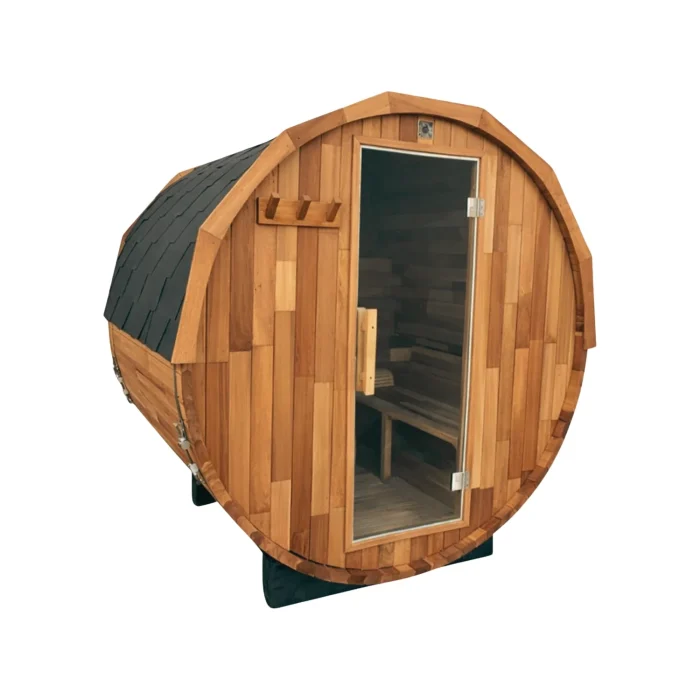
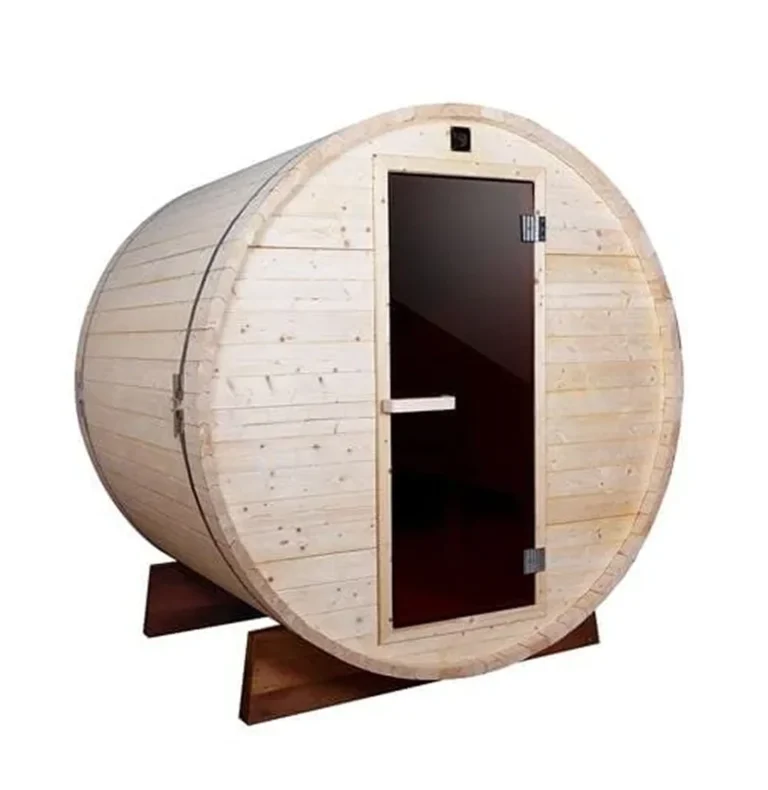
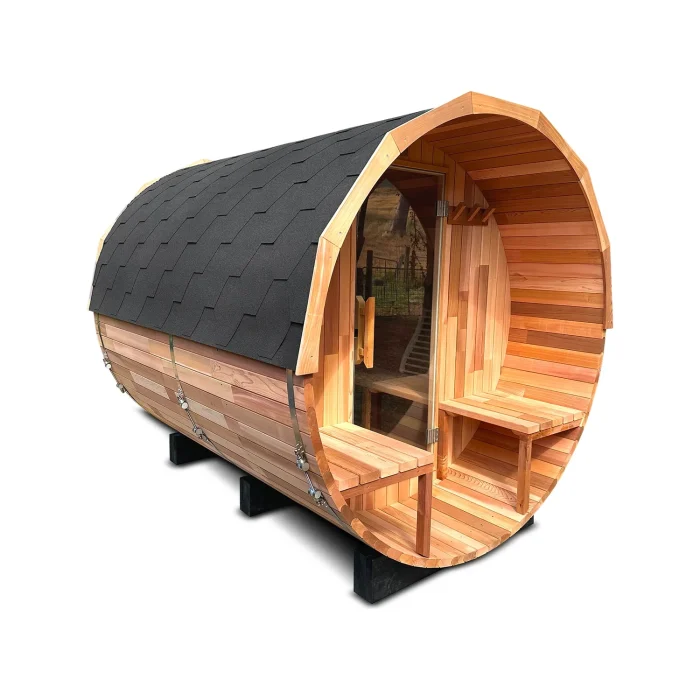
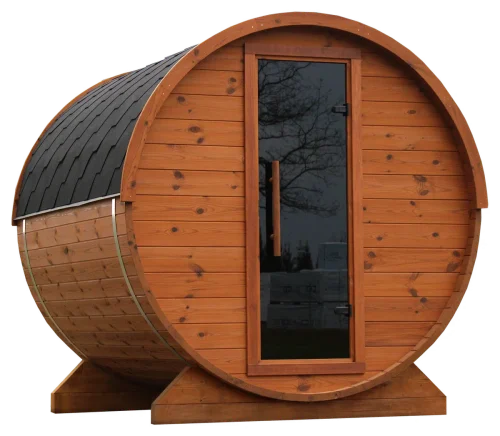
Barrel saunas are among the most popular choices for home wellness and recovery use. Their efficient round design promotes excellent heat circulation, quick warm-up times, and consistent temperature distribution — all ideal for therapeutic recovery sessions. Browse our round barrel saunas and square barrel saunas for quality outdoor options.
Indoor Home Saunas
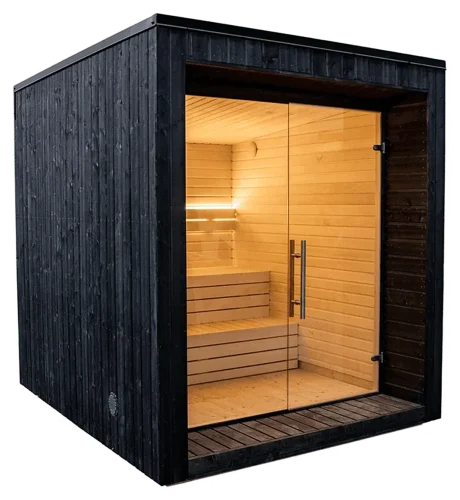
For year-round recovery use regardless of weather, an indoor sauna is the most convenient option. Available on demand, private, and easily integrated into your post-training or evening routine. Explore the Leil Como indoor sauna series and our Como Indoor Sauna Collection for premium indoor designs.
Panoramic Glass Saunas
For those who want a premium outdoor recovery experience with a design statement, our panoramic glass round barrel saunas combine the therapeutic benefits of a traditional barrel sauna with stunning visual design that makes your recovery space as beautiful as it is functional.
Pairing With a Cold Plunge
For maximum muscle recovery outcomes, pairing your home sauna with a cold plunge creates the most powerful hot-cold contrast therapy setup available. The combination of heat-induced vasodilation followed by cold-induced vasoconstriction produces a powerful circulatory training effect and dramatically accelerates post-exercise recovery. Explore our cold plunge tubs and read our sauna cold plunge routine guide to design your ideal recovery protocol.
Frequently Asked Questions
Is sauna good for sore muscles?
Yes — sauna is one of the most effective tools for muscle soreness relief. It works through multiple mechanisms including increased blood flow to deliver nutrients and remove waste products, reduction of systemic inflammation, activation of heat shock proteins that protect and repair muscle cells, direct muscle relaxation through heat, and endorphin release that raises pain threshold. Both traditional and infrared saunas provide meaningful muscle soreness relief.
Does infrared sauna help with sore muscles?
Yes — and many practitioners consider infrared particularly effective for muscle recovery due to its deeper tissue penetration (4–5 cm below the skin surface), lower ambient temperature that allows longer tolerable sessions, and targeted heat delivery directly into muscle tissue. Research specifically examining infrared sauna for DOMS has shown reduced soreness severity and faster strength recovery compared to controls.
Why am I sore after a sauna?
Post-sauna soreness is most commonly caused by dehydration and electrolyte depletion from sweating — muscles that lack adequate hydration and minerals cramp and ache. Other causes include unfamiliar heat stress on muscles (temporary, resolves with adaptation), circulation changes as blood flow redistributes after the session, or the activation of repair processes in pre-existing muscle damage that temporarily increases tissue sensitivity. Proper hydration before, during, and after sessions prevents most post-sauna soreness.
Is sauna good for a sore throat?
Yes — for certain types of sore throat and at the right stage of illness. The warm, moist heat of a sauna soothes throat tissue, relaxes neck and throat muscles, and maintains mucosal moisture that reduces irritation. It's most effective for dry or tension-related sore throats and during the recovery phase of mild viral illness. Avoid the sauna if your sore throat is accompanied by high fever, severe pain, white patches, or difficulty swallowing — these require medical attention.
Can a sauna cause a sore throat?
Yes — primarily through dehydration. Inadequate fluid intake before or during a sauna session allows the mucous membranes lining the throat to dry out, causing a dry, scratchy, sore sensation. Very dry sauna air without any steam also contributes. Maintaining excellent hydration before and after every session virtually eliminates this risk.
Are saunas bad for cold sores?
For individuals prone to cold sores (HSV-1 carriers), saunas can be a trigger for outbreaks. Heat stress can reactivate dormant HSV-1, and the combination of elevated body temperature and temporary immune suppression from intense heat creates conditions favourable for viral reactivation. If you have an active cold sore, avoid shared saunas entirely and use your private home sauna cautiously at lower temperatures. Long-term, moderate regular sauna use supports immune function and may reduce outbreak frequency over time.
Does sauna make cold sores worse?
An active cold sore can be worsened by sauna use — heat promotes viral activity at the outbreak site, sweat irritates the lesion, and the physiological stress of a hot session may temporarily reduce the immune response working to contain the outbreak. If you have an active outbreak, consider avoiding the sauna until it fully heals or use your private sauna at reduced temperature and duration.
Is sauna or hot tub better for sore muscles?
Both are effective but in different ways. A sauna delivers more intense systemic heat stress, stronger anti-inflammatory effects, and greater heat shock protein activation — making it better for widespread, deep post-exercise soreness. A hot tub combines heat with hydrotherapy and targeted water jet massage, making it better for localised muscle tightness and joint-adjacent soreness. For total-body post-exercise recovery, the sauna generally provides broader benefit; for targeted spot treatment of specific sore areas, a hot tub may be more effective.
Is sauna good for a sore back?
Yes — the sauna is highly effective for muscular and tension-related back pain. The deep heat penetrates back muscles directly, reducing tension, improving elasticity, and increasing blood flow to promote healing. The anti-inflammatory and stress-reduction effects of regular sauna use also address the chronic tension and inflammatory drivers of back pain. For structural spine conditions, sauna is a supportive tool alongside medical treatment rather than a primary therapy.