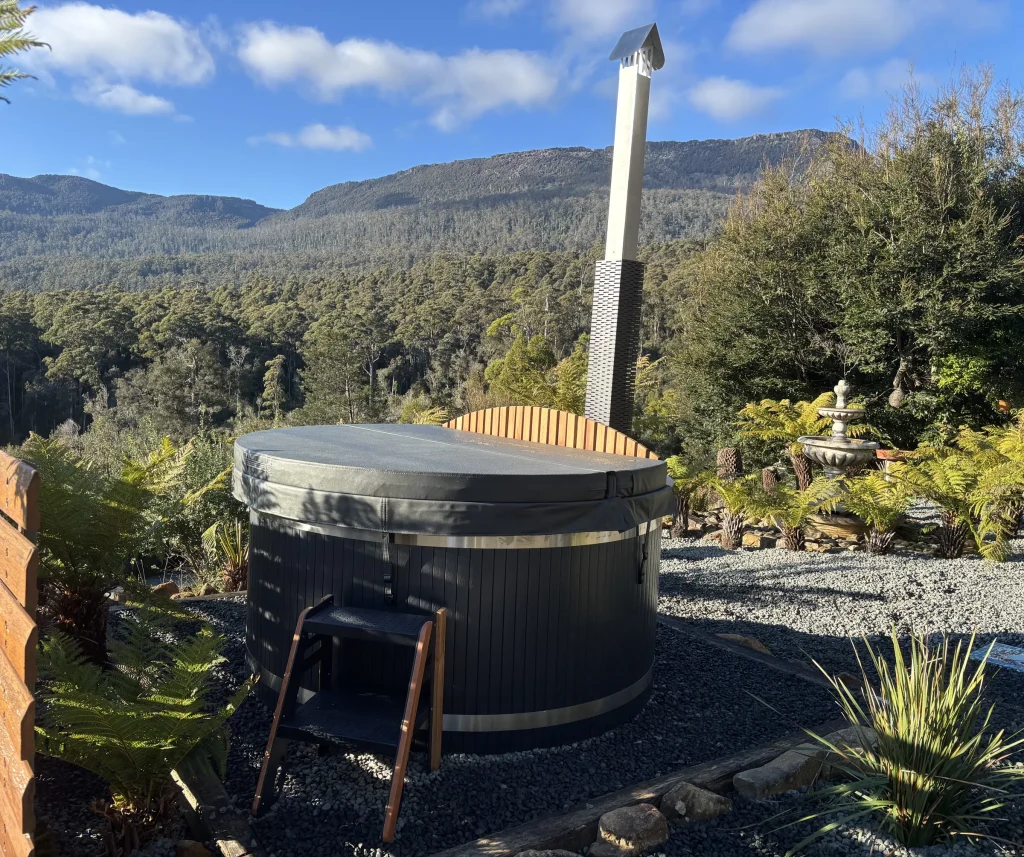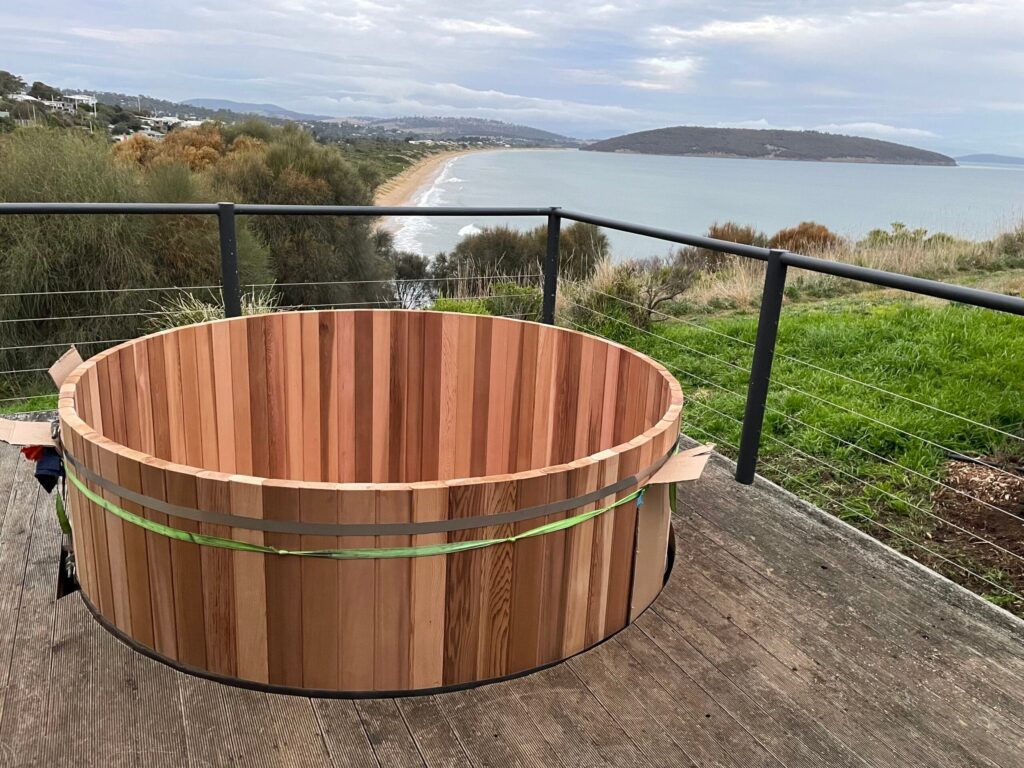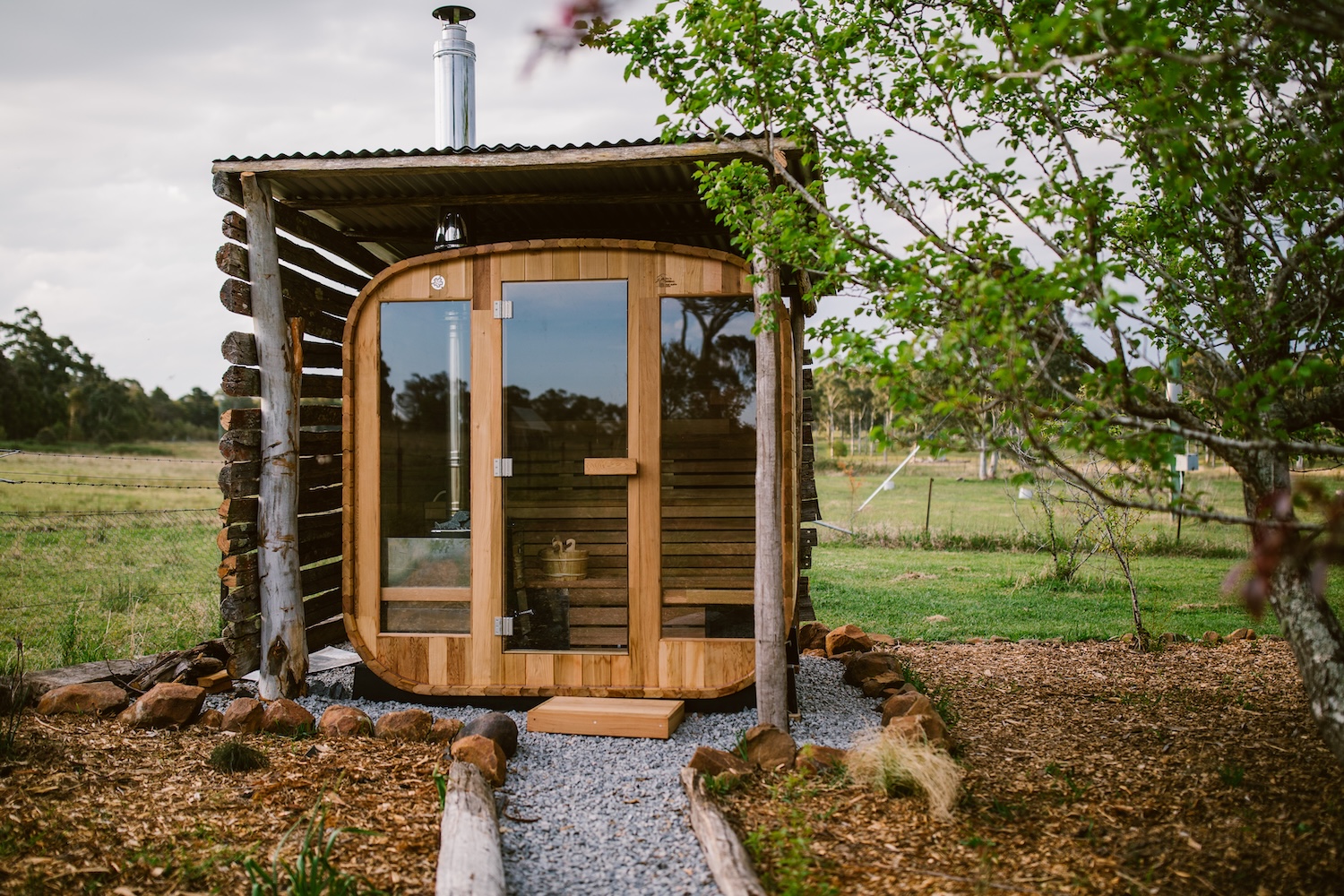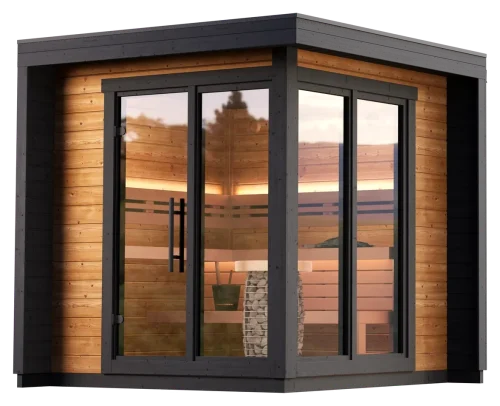
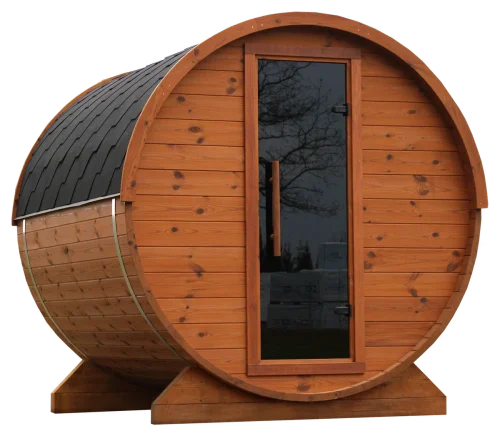
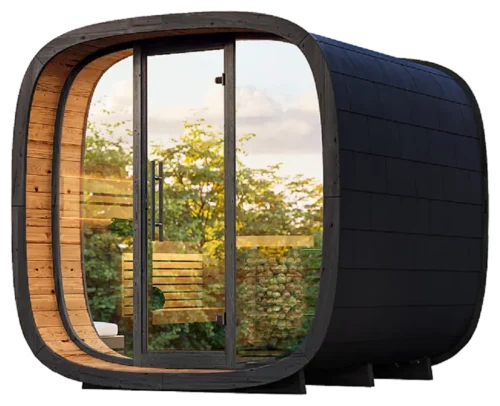
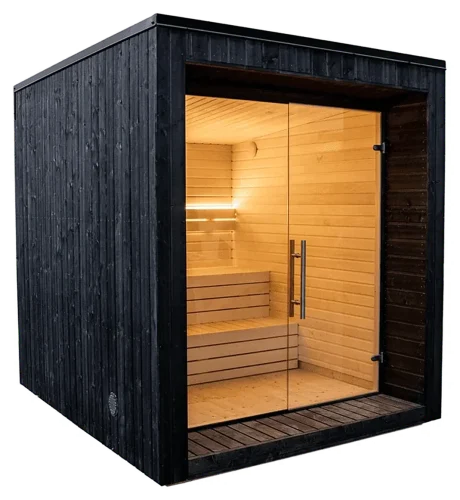
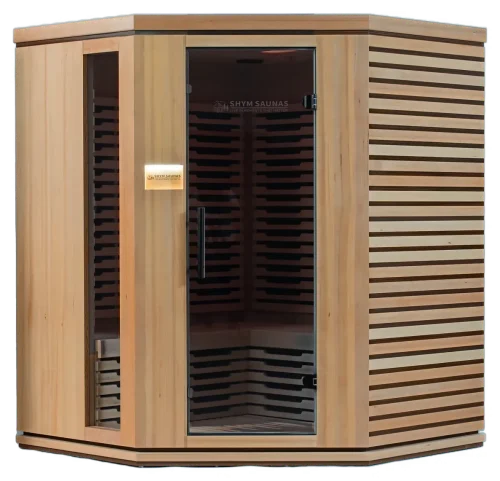



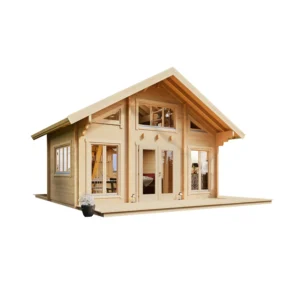
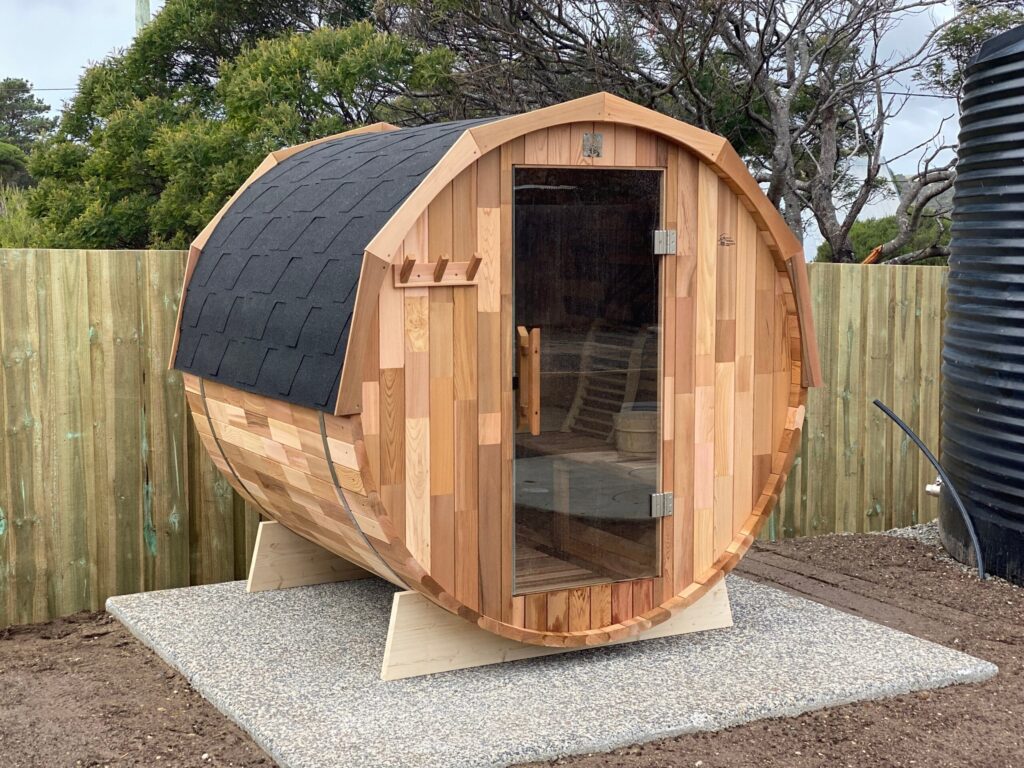

An outdoor sauna can experience sun, rain, wind, humidity and seasonal temperature changes, so a simple maintenance routine helps you spot small issues before they become bigger repairs. The right care depends on the sauna’s timber, finish, roof, heater and installation. Follow the manufacturer’s instructions first, keep the interior clean and dry between uses, inspect the outside regularly, and pay particular attention to drainage, ventilation and weather exposure.
There is no single maintenance schedule for every sauna. A sheltered inland backyard, a humid coastal property and a cold or exposed site can place different demands on the exterior. Use this guide as a practical starting point, then adapt it to your model and local conditions.
Quick Answer: How Do You Maintain an Outdoor Sauna?
Maintain an outdoor sauna by keeping the interior clean and dry, ventilating it after use, checking the roof and drainage, inspecting timber and exterior finishes, and following the heater manufacturer’s maintenance instructions. Use only care products suitable for the specific timber and application. Inspect more often when the sauna is exposed to coastal air, strong sun, heavy rain or persistent damp, and address signs of water ingress or timber deterioration promptly.
Key Takeaways
- Follow the sauna and heater manufacturers’ care instructions. Products and finishes differ.
- Ventilate and dry the sauna after use to help manage moisture.
- Inspect the roof, joins, door seals, base and surrounding drainage for signs of water ingress.
- Use timber oils or exterior treatments only where recommended for the timber and surface.
- Keep the sauna interior free of unsuitable coatings, cleaning chemicals and fragranced products.
- Use a licensed electrician for electrical work and repairs where required.
- Increase inspection frequency in exposed, coastal, very wet or high-UV locations.
1. Build a Simple Sauna Maintenance Routine
A repeatable routine is more useful than waiting until something looks wrong. The schedule below is a practical starting point, not a replacement for the maintenance instructions supplied with your sauna.
| When | What to check or do | Why it matters |
|---|---|---|
| After each use | Remove wet towels and debris. Ventilate and allow surfaces to dry as directed. | Helps manage moisture and keep the interior clean. |
| Weekly or as needed | Clean benches and floors using an approved method, and keep vents clear. | Prevents residue build-up and supports airflow. |
| Monthly | Inspect door operation, visible seals, roof edges, timber, base and drainage. | Helps identify wear or leaks early. |
| Seasonally and after severe weather | Check exposed surfaces, roof, joins, water run-off and visible fixings. | Weather can reveal damage or maintenance needs. |
| At manufacturer-recommended intervals | Inspect or service the heater and components as directed. | Supports safe operation. |
Persistent damp, mould-like growth, a musty smell, loose components, damaged wiring, scorching or water entering the structure should be investigated rather than hidden with a surface treatment.
2. Cleaning the Sauna Interior
Benches, backrests and floors
Follow the cleaning instructions for your specific sauna. In general, remove debris, wipe surfaces with a clean cloth and use only a mild, manufacturer-approved cleaning method. Avoid soaking timber or using aggressive chemicals that may damage the surface or leave residues in a heated environment. For a step-by-step method, read how to clean a sauna.
Do not assume a product suitable for an outdoor deck is appropriate for sauna benches or interior walls. Heated surfaces may contact skin, so use only products specifically approved for the intended sauna application.
After a session
Ventilate the sauna according to the manufacturer’s instructions. Remove wet towels and other items, and leave the interior in a condition that allows it to dry. Avoid closing the sauna up while it is still damp.
Mould or persistent odours
Recurring odours, visible growth or dampness can indicate poor drying, inadequate ventilation or water ingress. Investigate the cause and follow the manufacturer’s cleaning instructions. Do not simply seal over affected timber without addressing the underlying issue.
3. Looking After Outdoor Sauna Timber
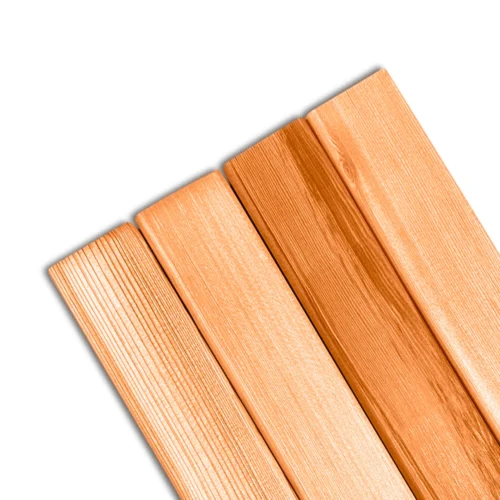
Timber care depends on the species, thermal modification, factory finish and whether the surface is interior or exterior. There is no universal oil or treatment that suits every sauna.
Interior timber
Many sauna interiors are intended to remain untreated, while some products specify approved treatments for selected surfaces. Do not apply paint, varnish, deck oil or other coatings unless the sauna manufacturer explicitly recommends that product for that location. Our sauna paraffin oil guide explains how benches are usually treated.
Exterior timber
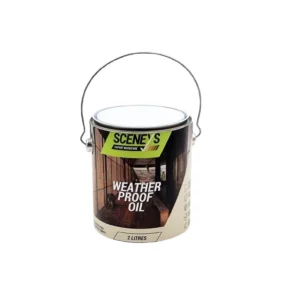
Leil outdoor saunas get a first protective coat on the exterior during production, and Leil recommends a second coat about two months after purchase. DIY kits are not factory-treated, so protect the exterior after assembly. Shym Saunas offers WeatherProof Oil for outdoor timber where a clear, natural-looking finish suits. Follow the oil’s label and the sauna manufacturer’s instructions for surface preparation and later coats, as there is no fixed recoat interval that suits every sauna.
Shym Saunas’ Sauna Care collection includes the interior and exterior products below. Confirm that the product suits your sauna’s timber and existing finish before applying it.
Which Shym Saunas Care Product Should You Use?
- Paraffin Oil (Interior Care): for benches and interior timber. A colourless, odourless oil for interior sauna wood, including benches and timber panels. Reapply once or twice a year, depending on how often you use the sauna.
- Tung Oil (Interior Care): for benches, timber panels and other interior wood surfaces. Leil’s general guidance is to oil benches and footrests before first use, then once or twice a year. Follow the product label and confirm it suits your timber.
- WeatherProof Oil (Exterior Care): for outdoor timber where you want a clear, natural finish that stands up to the weather. On a Leil sauna, apply the second exterior coat about two months after purchase, or protect a DIY kit after assembly. Follow the product label for later coats.
- Fence Black (Exterior Care): for exterior timber when you want a black finish. It is made for timber such as fences, sleepers and retaining walls, and may need a fresh coat about every 12 months in high-exposure areas. Use it on sauna timber only if the sauna manufacturer and the product instructions confirm it suits.
Inspect for cracking, splintering, peeling finish, darkened areas, loose trim or timber that stays wet long after nearby surfaces dry. Natural colour variation is not automatically structural damage. If unsure, photograph the change and ask the supplier before sanding or treating it.
4. Protecting the Roof, Base and Drainage
Water management is central to outdoor sauna care. A sound roof and suitable base protect the structure, while drainage helps prevent water collecting around or beneath the sauna.
Roof and joins
Inspect visible roof edges, joins and areas where water could enter. After heavy rain or wind, check for leaks, displaced components or water marks inside. Do not climb onto a roof unless you can do so safely, and use a qualified tradesperson for repairs that need roof access.
Base and surrounding ground
Keep the area clear enough for water to drain away instead of pooling at the base. Check that the support surface remains stable and that soil, vegetation or debris has not blocked drainage. The correct base depends on the model and installation instructions.
Decks, pavers and concrete
Do not assume every deck, paved area or concrete surface is suitable for every sauna. Confirm the model’s weight, support requirements, levelness, drainage and clearances before installation. If structural capacity is uncertain, consult a qualified building professional.
For broader product-selection and site-planning considerations, see the Home Sauna Buying Guide.
5. Ventilation and Moisture Management
Ventilation supports the intended sauna environment and can help with drying after use. Keep designed ventilation openings clear and follow the airflow configuration specified for the model and heater.
Do not block vents to retain heat or alter their position without manufacturer approval. If condensation, dampness or odours keep returning, check ventilation and investigate possible water entry. A sauna is not a substitute for fixing a damp building or drainage problem. Our sauna ventilation guide explains how airflow works.
6. Maintaining the Heater and Accessories
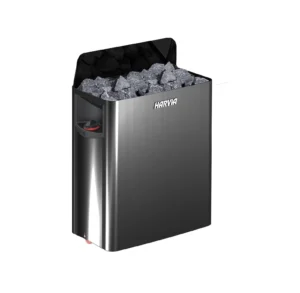
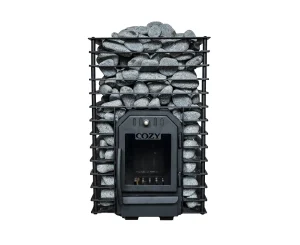
The heater is a safety-critical component. Follow its manufacturer’s operating, inspection and cleaning instructions, including the guidance for stones, guards, controls and clearances.
For electric heaters, do not open electrical enclosures, modify wiring or attempt repairs unless appropriately qualified and authorised. If a heater trips the circuit, has damaged wiring, behaves unusually or develops a burning smell, stop using it and contact the supplier or a licensed electrician.
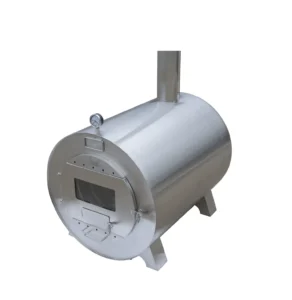
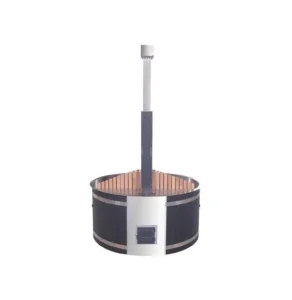
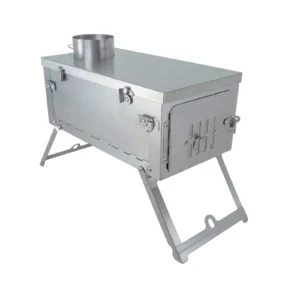
For wood-fired heaters, follow the instructions for ash removal, flue and chimney inspection, clearances and fire safety. Use the specified fuel and do not improvise components.
Browse Shym Saunas’ heater range and firewood sauna heaters. The manual for your heater sets the maintenance for your model.
7. Adjusting Care for Australian Conditions
Australia includes very different climates. Adapt inspections to your property’s exposure rather than assuming every outdoor sauna experiences the same conditions.
| Condition | What to watch | Practical response |
|---|---|---|
| Coastal air | Finish wear and signs of corrosion on exposed hardware. | Inspect more often and follow advice for the actual materials used. |
| High UV and hot summers | Sun-exposed timber and exterior finishes. | Check weathering, and maintain finishes only as specified. |
| Heavy rain or humid periods | Roof joins, pooling water, damp timber and drying time. | Keep drainage clear and inspect after storms. |
| Cold or exposed sites | Roof edges, seals, wind-driven rain and base stability. | Inspect after severe weather and keep the surrounding area clear. |
| Leafy or shaded gardens | Debris, blocked drainage and slow-drying surfaces. | Remove debris safely and prevent vegetation trapping moisture. |
These are general inspection considerations, not guarantees of how a particular timber or finish will perform. Product design, installation and local conditions all matter.
8. Common Maintenance Mistakes to Avoid
- Using deck oil, paint or varnish without confirming it is suitable for the intended sauna surface.
- Ignoring water pooling around the base.
- Blocking vents or changing airflow without manufacturer approval.
- Assuming all timber species and factory finishes need the same treatment.
- Attempting electrical repairs without appropriate qualifications.
- Treating odour or recurring damp without finding the cause.
- Following a fixed calendar while ignoring harsher local exposure or the manufacturer’s schedule.
9. Outdoor Sauna Maintenance Checklist
- After use, remove towels and debris, then ventilate and allow the interior to dry.
- Clean benches and floors using the approved method.
- Check that designed ventilation openings are clear.
- Inspect door operation and visible seals.
- Check roof edges and joins for signs of leaks.
- Look for water pooling around the base.
- Inspect visible timber and the exterior finish for changes.
- Clear leaves and debris from the surrounding area and drainage paths.
- Follow heater-specific cleaning and inspection instructions.
- Arrange qualified help for electrical, structural or roof repairs where needed.
- Record recurring issues, and ask the supplier before applying an unapproved treatment.
Keep a simple record of inspections, treatments and repairs. It helps identify recurring problems and shows which products have been applied.
10. Frequently Asked Questions
How often should I maintain an outdoor sauna?
Check and dry the interior after use, clean as needed, and inspect the exterior, roof, base and drainage regularly. Follow the specific manufacturer’s schedule and inspect more often in exposed conditions.
Do outdoor saunas need to be oiled?
Not always. It depends on the timber, the factory finish and whether the surface is interior or exterior. Use oil only when the manufacturer recommends a compatible product.
Can I use deck oil on my sauna?
Do not assume it is suitable. Some coatings are inappropriate for heated interiors or particular timber finishes. Confirm compatibility with the manufacturer first.
How do I clean the inside of a sauna?
Remove debris, clean benches and floors using the approved method, and allow the interior to ventilate and dry. Avoid aggressive chemicals and unapproved coatings.
How do I protect an outdoor sauna from rain?
Use correct installation, a suitable roof and base, and drainage away from the structure. Inspect joins and follow the manufacturer’s exterior timber-care instructions.
Can an outdoor sauna sit on a deck or pavers?
Possibly, but suitability depends on the model’s weight, support requirements, levelness, drainage and installation instructions. Confirm the site is appropriate first.
How can I prevent mould or musty smells?
Remove wet items, ventilate after use, keep vents clear and investigate water ingress or persistent damp. Seek advice if the problem continues.
How should I maintain a sauna heater?
Follow the exact heater manual. Electrical components should not be opened or repaired by unqualified people. Use a licensed electrician where required.
Does a sauna near the coast need extra care?
Coastal exposure can affect finishes and some hardware. Inspect more frequently and follow advice for the timber, finish and fittings actually used.
Where can I find sauna-care products?
Browse Shym Saunas’ Sauna Care collection and confirm each product suits your model, timber and intended surface.
11. Final Thoughts: Make Maintenance Part of Sauna Ownership
Outdoor sauna maintenance does not need to be complicated. Keep the interior clean and dry, check the roof and drainage, inspect exposed timber and finishes, and follow the manufacturer’s heater and care instructions. The best routine is the one suited to your specific sauna, installation and local conditions.
If you are choosing an outdoor sauna, consider not only design and capacity but also materials, installation site, weather exposure and care requirements. Explore the Shym Saunas outdoor sauna range and the Sauna Care collection.
Need help choosing a sauna or checking care requirements? Contact Shym Saunas with your model and timber details, and the team can point you to the right product guidance.