
Australia’s relationship with at-home wellness has transformed dramatically. Across the country — from inner-city courtyards in Melbourne to sprawling Queensland backyards — homeowners are investing in outdoor spas, hot tubs, and sauna setups at a rate never seen before. In 2026, a spa is no longer a luxury reserved for five-star resorts. It’s a practical, evidence-backed wellness tool sitting at the intersection of health, lifestyle, and smart home investment.
The advantages of spa ownership go well beyond a relaxing soak. Decades of hydrotherapy research, the growing popularity of natural timber hot tubs, and the post-pandemic shift toward intentional home wellness have created a compelling case for bringing this experience into your own backyard. Australians are embracing this shift, and Shym Saunas’ growing install base — with over 400 homes transformed — is powerful social proof that it’s more than a trend.
This guide builds on the widely cited “10 benefits of spa ownership” conversation and takes it further. We’ve compiled 20 distinct advantages — covering physical health, mental wellbeing, family life, property value, and pure daily joy. By the time you finish reading, you’ll have everything you need to understand why so many Australians are making this investment, and exactly what to expect from owning one of Shym Saunas’ beautiful wooden hot tubs or outdoor spa setups.
Several powerful forces have converged to make spa ownership more appealing than ever. Rising wellness awareness in the years following the pandemic fundamentally shifted how Australians think about preventative health. The acceleration of work-from-home culture means that the home now needs to serve as a recovery and restoration space, not just a place to sleep. Combined with a strong desire for at-home retreat experiences and the undeniable aesthetic appeal of natural timber products, the case for a backyard spa has never been stronger.
Shym Saunas has seen this firsthand. With an expanding install base of homeowners across every Australian state and territory — many of whom discover that a hot tub or wooden spa completely transforms how their family uses their outdoor space — the evidence is compelling. When wellness infrastructure comes home, it gets used every day. And that’s where the real value lies.
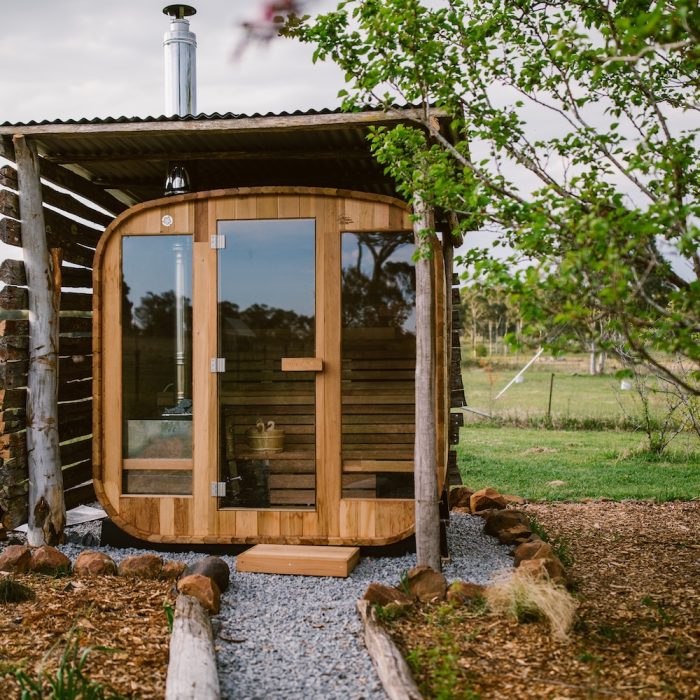
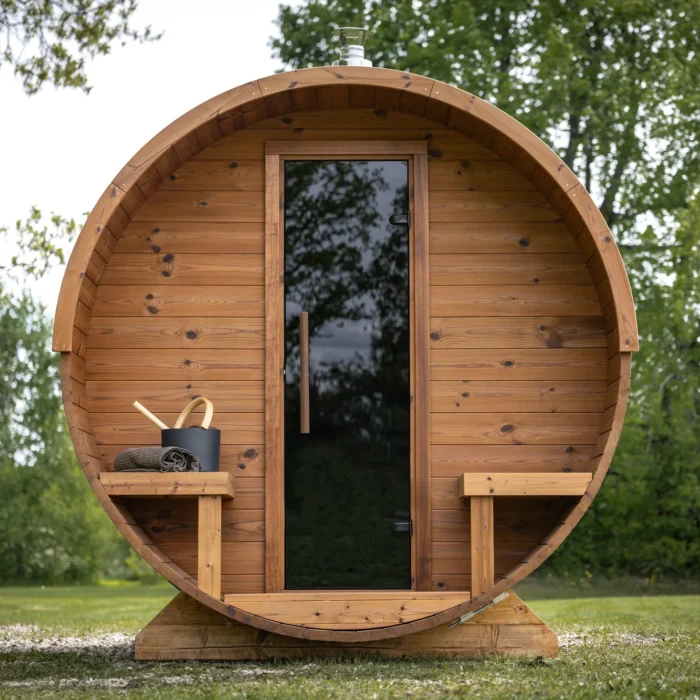
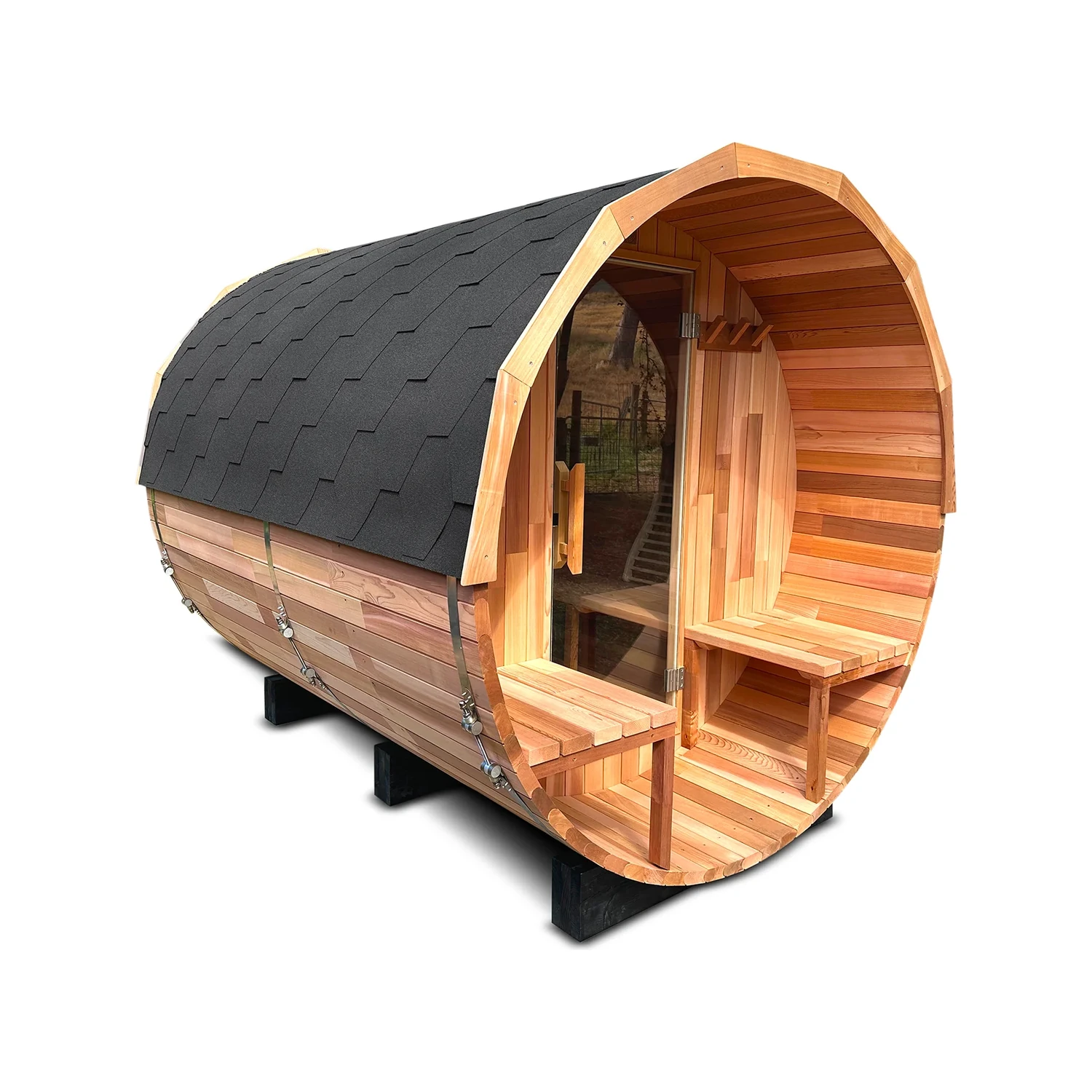
Throughout this guide, “spa” refers to any of the following: wooden hot tubs (cedar, thermowood, and other natural timber options), outdoor spa pools, and sauna/spa combination setups including cold plunge integration. Shym Saunas carries all of the above. The advantages covered here apply equally across the range — whether you’re considering a compact cedar hot tub for two, a full Scandinavian wellness circuit with a barrel sauna and cold plunge, or anything in between.
Few things affect your quality of life as profoundly as sleep — and few interventions are as consistently effective at improving it as a warm-water soak before bed. The science is elegant: immersing your body in warm water raises your core temperature by one to two degrees. When you step out, your body begins to cool rapidly, triggering the exact thermal drop that signals the brain it’s time for deep, restorative sleep.
Peer-reviewed studies on warm water immersion have demonstrated measurable reductions in sleep onset time — meaning you fall asleep faster and transition into deep sleep more readily. For Australians managing irregular schedules, shift work, or screen-heavy evenings, a nightly soak can become the most effective sleep ritual in their routine — naturally, without supplements or devices.
The optimal range for sleep-promoting soaks is 38–40°C — warm enough to raise core body temperature without causing excessive cardiovascular strain. Aim to soak for 20–40 minutes, finishing approximately 30–60 minutes before bed to allow your body temperature to begin its natural descent as you drift off.

Hydrotherapy has been used as a stress management tool for centuries — from ancient Roman baths to Japanese onsen culture — and modern science has confirmed what intuition long suggested. Warm water immersion measurably reduces circulating cortisol (the primary stress hormone) while simultaneously promoting the release of serotonin, the neurochemical associated with calm, contentment, and emotional stability.
For Australians navigating work pressure, digital overload, and the relentless pace of modern life, a 20-minute soak isn’t self-indulgence — it’s strategic recovery. The massage jets common to spa pools add a physical dimension to this process: targeted hydrostatic pressure on the muscles of the neck, shoulders, and lower back directly addresses where stress accumulates in the body.
The stress-reducing effects of regular spa use compound over time. Consistent weekly sessions have been associated in research literature with measurable long-term reductions in baseline anxiety — not just temporary relief during the soak itself. This is because repeated activation of the parasympathetic nervous system through warm water immersion gradually resets the body’s default stress response. Think of it as training your nervous system toward calm rather than reactivity.
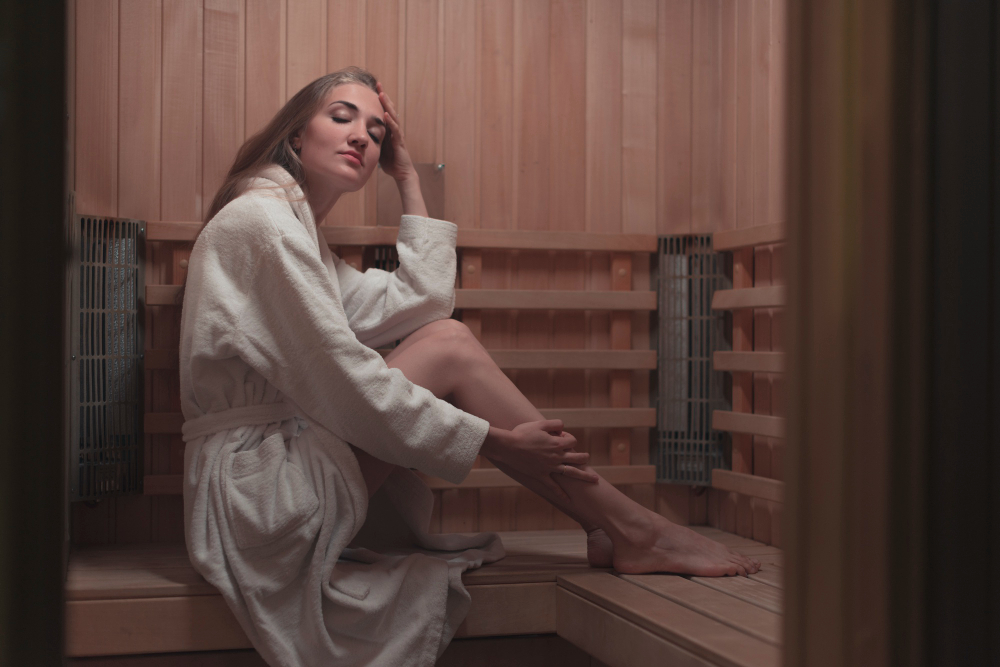
Heat is one of the most effective recovery tools available for active bodies. When you immerse fatigued muscles in warm water, vasodilation increases blood flow to the affected tissue, accelerating the removal of lactic acid and the delivery of oxygen and nutrients needed for repair. The result is faster recovery, reduced muscle soreness, and a quicker return to full performance capacity.
For gym-goers, trail runners, cyclists, and weekend sport enthusiasts, a wooden hot tub offers something a foam roller or compression garment cannot — full-body, simultaneous recovery in a genuinely comfortable environment.
These are not competing approaches — they serve different phases of recovery. Warm water is most effective for relaxing tight muscles, reducing tension, and promoting blood flow 12–48 hours after training. Cold immersion is most powerful immediately post-exercise for reducing acute inflammation. Many of Australia’s most performance-focused athletes use both — a sauna or hot tub the evening after training, and a cold plunge on the morning of the next session.
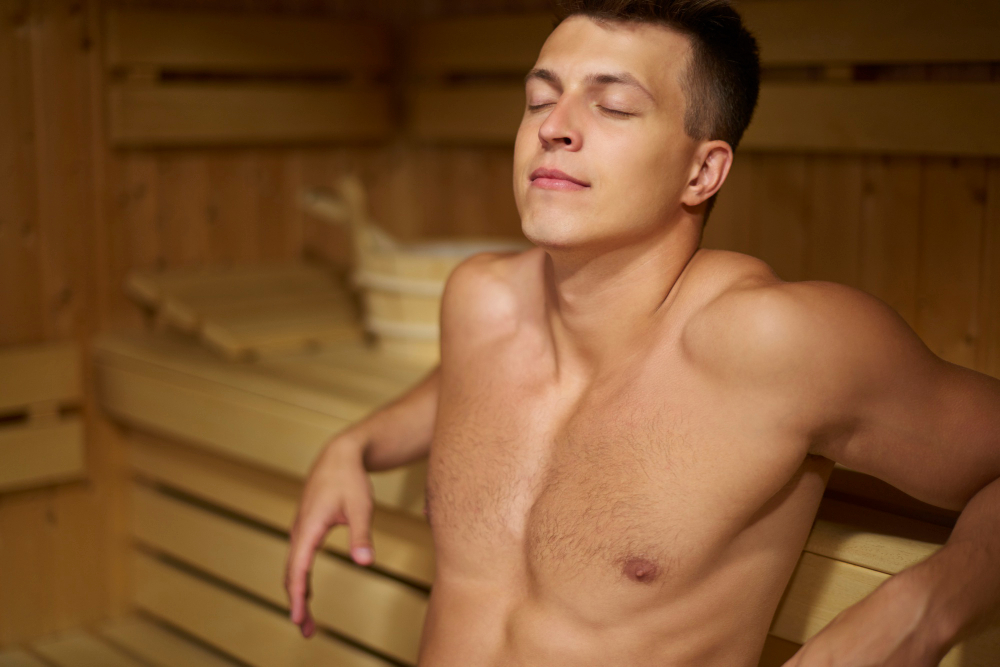
Water immersion creates one of the most joint-friendly environments a human body can experience. When submerged to the shoulders, the body experiences a significant reduction in effective weight — buoyancy offloads the cumulative pressure that gravity places on every joint, every hour of every day. This relief is particularly significant for those managing rheumatoid arthritis, osteoarthritis, or any condition characterised by joint inflammation and restricted range of motion.
Warm water takes this further: heat improves tissue flexibility and promotes synovial fluid production, the natural lubricant that keeps joints moving smoothly. Arthritis Australia recognises warm water therapy as a beneficial adjunct to conventional arthritis management, and many rheumatologists recommend it as part of a daily home-based pain relief routine.
For the vast majority of people with arthritis, warm water therapy is both safe and beneficial. Standard precautions apply: enter and exit carefully using steps or a handrail, avoid temperatures above 40°C for extended soaks, and stay well hydrated. Those with advanced cardiovascular conditions alongside their arthritis should consult their GP before beginning regular spa use.
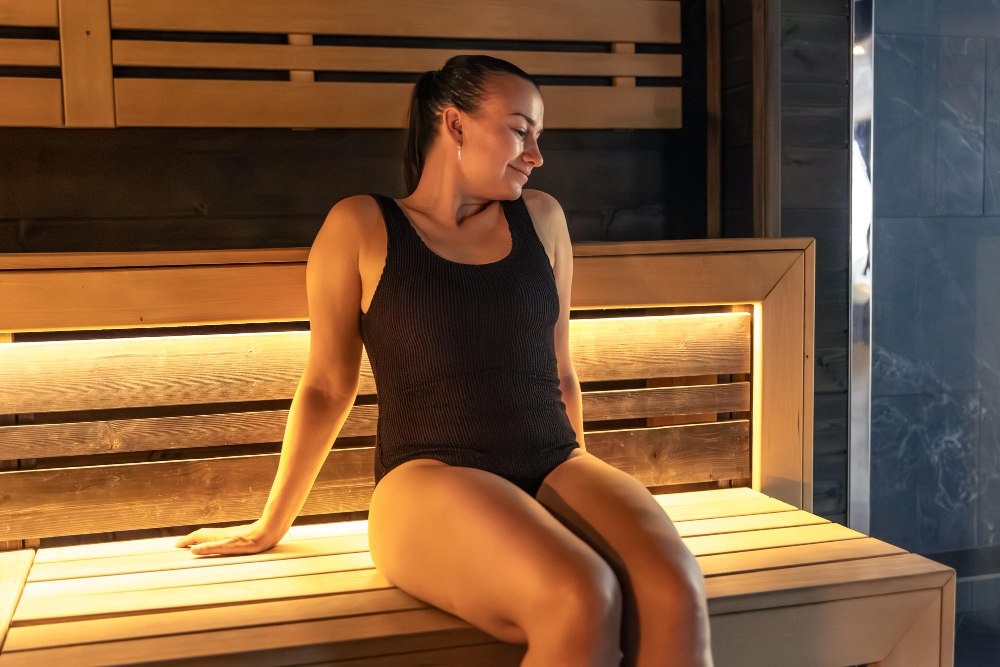
Regular spa use provides a passive but meaningful cardiovascular workout. When the body is submerged in warm water, the heart works harder to circulate blood through the warmed tissues and manage the slight increase in blood volume experienced at the skin’s surface. This increased cardiac output — sustained over a 20–30 minute soak — provides cardiovascular conditioning that parallels, to a modest degree, the effects of light aerobic exercise.
For those who are sedentary due to injury, disability, or age, it offers a safe, accessible form of cardiovascular stimulation that supports heart health in a genuinely useful way. Regular use contributes to better circulatory function, improved vascular tone, and reduced resting heart rate over time.
Researchers at the University of Oregon have conducted studies examining the cardiovascular effects of regular hot water immersion. Their findings point to improvements in endothelial function — the health and responsiveness of the cells lining blood vessels — following consistent exposure to warm water. Better endothelial function is associated with reduced risk of hypertension and atherosclerosis.
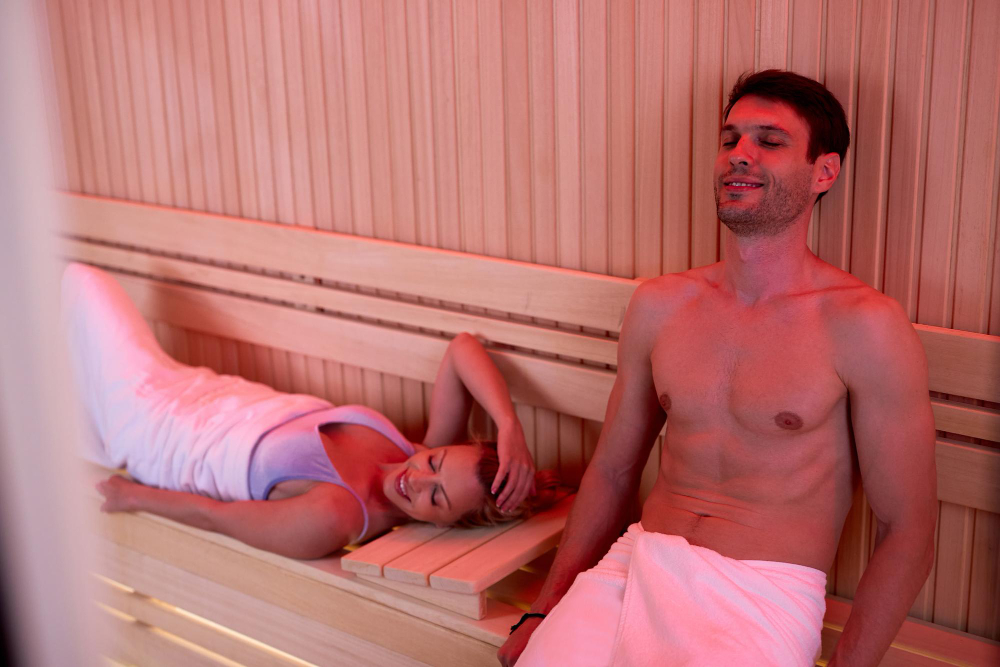
At first glance, it might seem counterintuitive — warm water raises heart rate, so how could it lower blood pressure? The answer lies in vasodilation. As the body heats up, blood vessels dilate to help dissipate warmth. This widening of the vascular network reduces peripheral resistance, allowing the heart to pump blood more easily and with less force. The net result, for many people with mild hypertension, is a meaningful and measurable reduction in blood pressure during and after a soak.
The cumulative effect of consistent vasodilation — training blood vessels to remain more responsive and flexible — supports long-term vascular health.
If you have been diagnosed with serious cardiovascular disease, are taking blood pressure medication, or have a history of heart attack or stroke, please speak with your doctor before beginning regular hot water immersion therapy. In most cases a spa is perfectly appropriate with simple guidelines — avoid very high temperatures, limit sessions to 15–20 minutes, and exit slowly to avoid dizziness on standing.
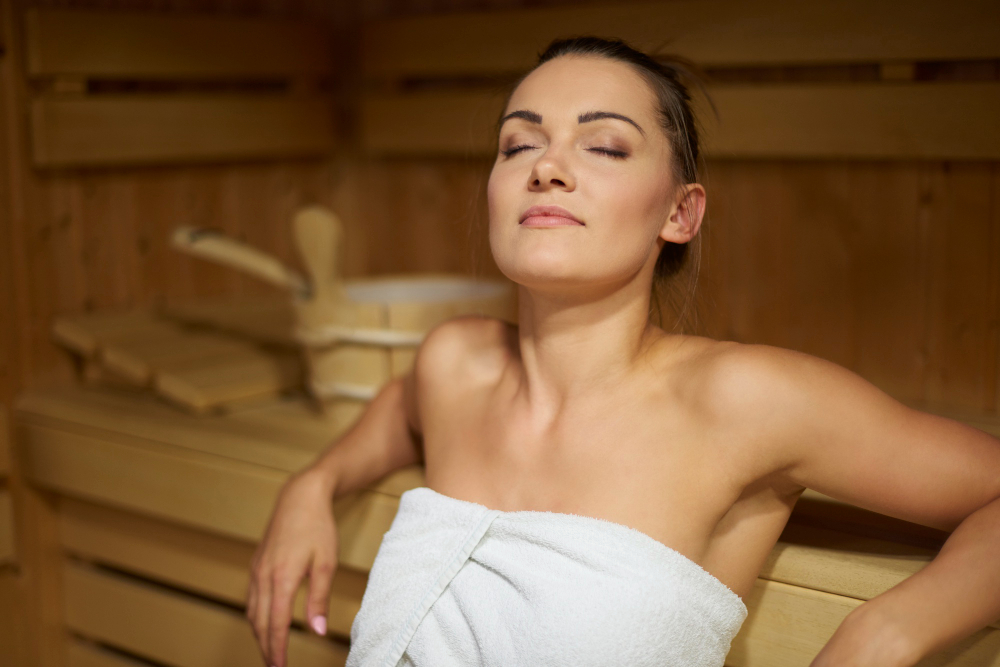
The skin is the body’s largest organ and one of its primary detoxification pathways. During warm water immersion, pores open and perspiration increases, supporting the body’s natural process of excreting metabolic waste and environmental toxins through the skin. This mechanism is closely related to the detoxification process associated with traditional sauna therapy.
Shym Saunas’ natural cedar and thermowood hot tubs are particularly well suited to this use — wood’s natural antibacterial properties create a cleaner immersion environment, and the absence of harsh synthetic materials means your soak is as natural as it gets.
Wooden hot tubs require minimal chemical intervention when properly maintained. Cedar and thermowood have natural antibacterial properties that reduce microbial growth. Basic water care — pH balancing, a small amount of non-chlorine oxidiser, and regular draining and refilling — is all that’s needed. The result is a chemical-light, natural soaking environment that feels genuinely different from a conventional acrylic spa pool.
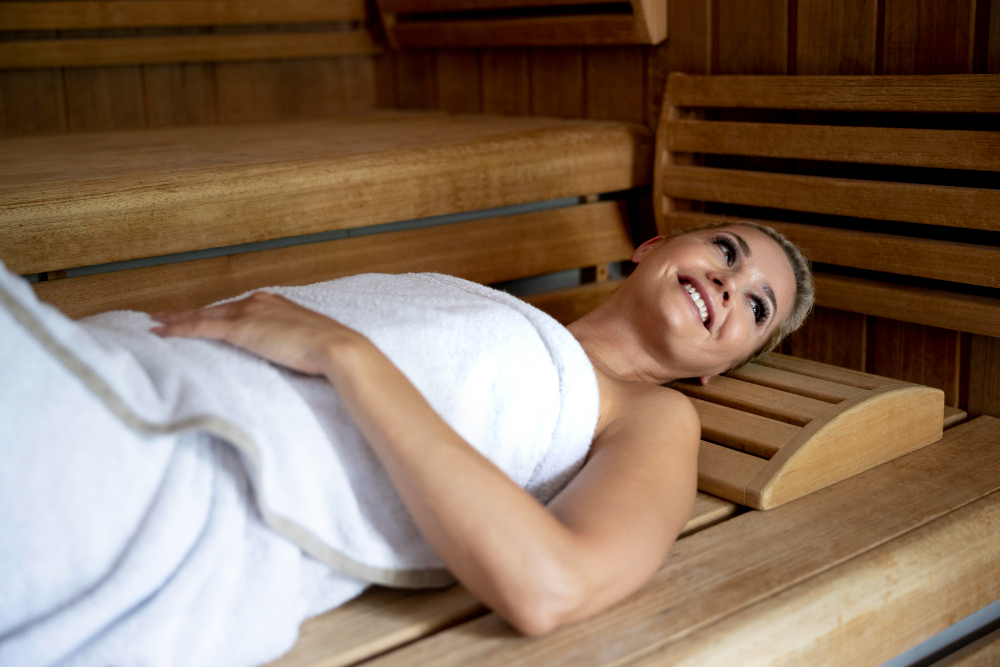
Tension headaches — the kind that build across the forehead, behind the eyes, and through the neck and shoulders after long hours at a desk or screen — respond remarkably well to warm water therapy. As the body heats up and blood vessels dilate, pressure within the cranial vasculature decreases, directly reducing the vascular tension that causes tension-type headaches.
Regular spa users frequently report a significant reduction in headache frequency over time — not just relief during a soak, but a baseline reduction in the physical conditions that cause headaches to develop. Note: this benefit is most pronounced for tension-type headaches. Migraine sufferers should consult their neurologist before use during acute episodes.
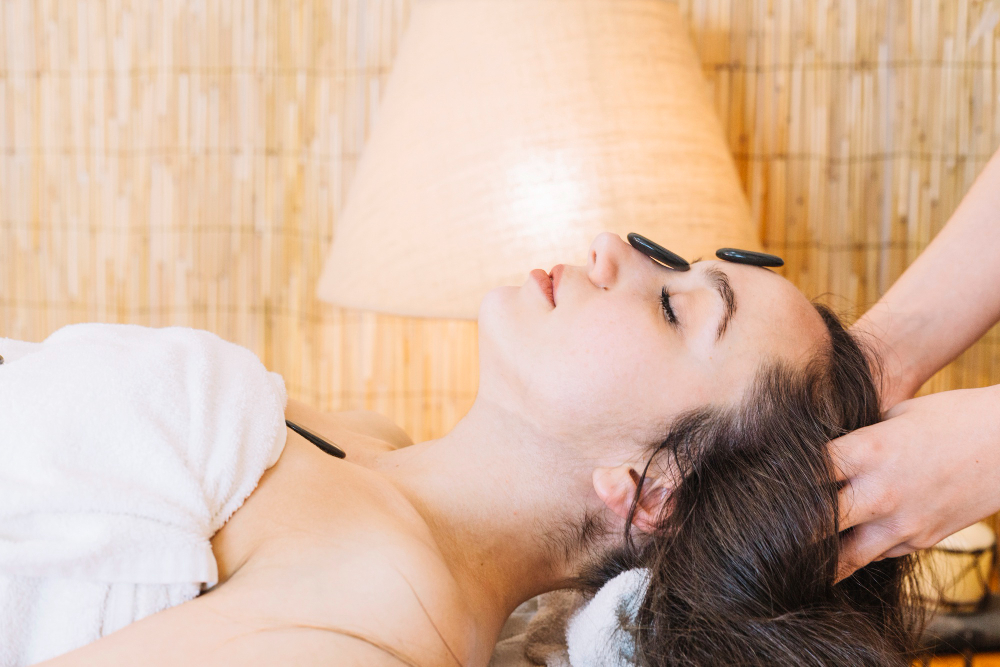
One of the most consistently reported — yet often underappreciated — benefits of regular spa use is the post-soak cognitive boost. Reduced cortisol levels, improved cerebral circulation, and the mental reset that comes from genuine disconnection from screens and obligations combine to produce a noticeably clearer, sharper state of mind in the hours following a soak.
The concept of “blue mind,” popularised by marine biologist Wallace J. Nichols, describes the meditative, lightly focused mental state induced by proximity to and immersion in water. This state is associated with reduced rumination, improved problem-solving, and a measurable sense of mental spaciousness. For professionals and creatives, a daily spa session may be the most effective 20-minute productivity investment available.
Morning: A short soak (15–20 min at 38°C) stimulates circulation and provides calm mental clarity to begin the day with focus and intention — particularly powerful before creative work or strategic thinking.
Evening: A longer, slightly warmer soak (30–40 min at 39–40°C) provides deep physical recovery from the day and initiates the temperature drop that supports superior sleep onset.
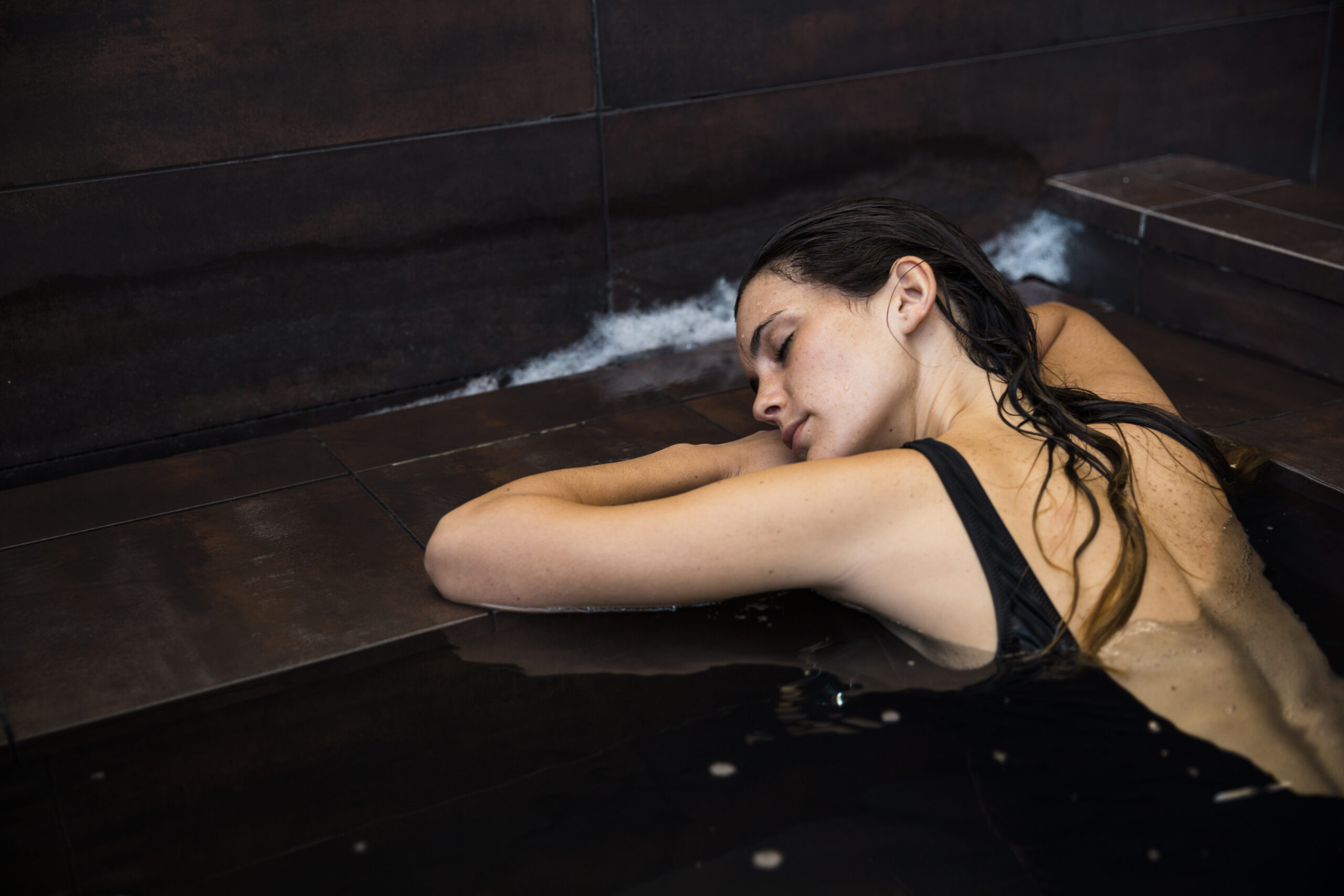
Water and electronics don’t mix — and that enforced incompatibility is, for many spa owners, one of the most unexpectedly valuable aspects of ownership. The spa is, by its nature, a phone-free zone. This means that every soak is a built-in digital detox: a dedicated window of time in which the brain is freed from the constant low-grade stimulation of notifications, feeds, and screens.
In an era where the average Australian spends more than six hours per day looking at screens, these intentional gaps of disconnection have real neurological and psychological value. The growing “digital detox” wellness trend across Australia has driven many families to seek out spa ownership specifically for this reason. The hot tub becomes the household’s designated off-grid space.
Shym Saunas was built on a simple belief: that meaningful real-time connections are the foundation of happy, healthy lives — and that a sauna or hot tub is one of the most reliable environments in which those connections happen. The hot tub is device-free, physically comfortable, and inherently intimate. Conversations happen naturally. Eye contact is unavoidable. The shared experience of warmth and relaxation lowers the social barriers that make honest communication difficult.
For couples, it creates consistent dedicated time together in a warm, relaxed state. For families with children, it’s one of the few contexts where adults and kids genuinely engage with each other rather than sitting in parallel with separate screens.
Children under 5 should not use a hot tub. For children aged 5–12, limit water temperature to 35–37°C and session duration to 10–15 minutes. Always supervise children in and around the spa — safety covers should be locked when not in use. Consider a childproof cover locking mechanism for homes with young children.
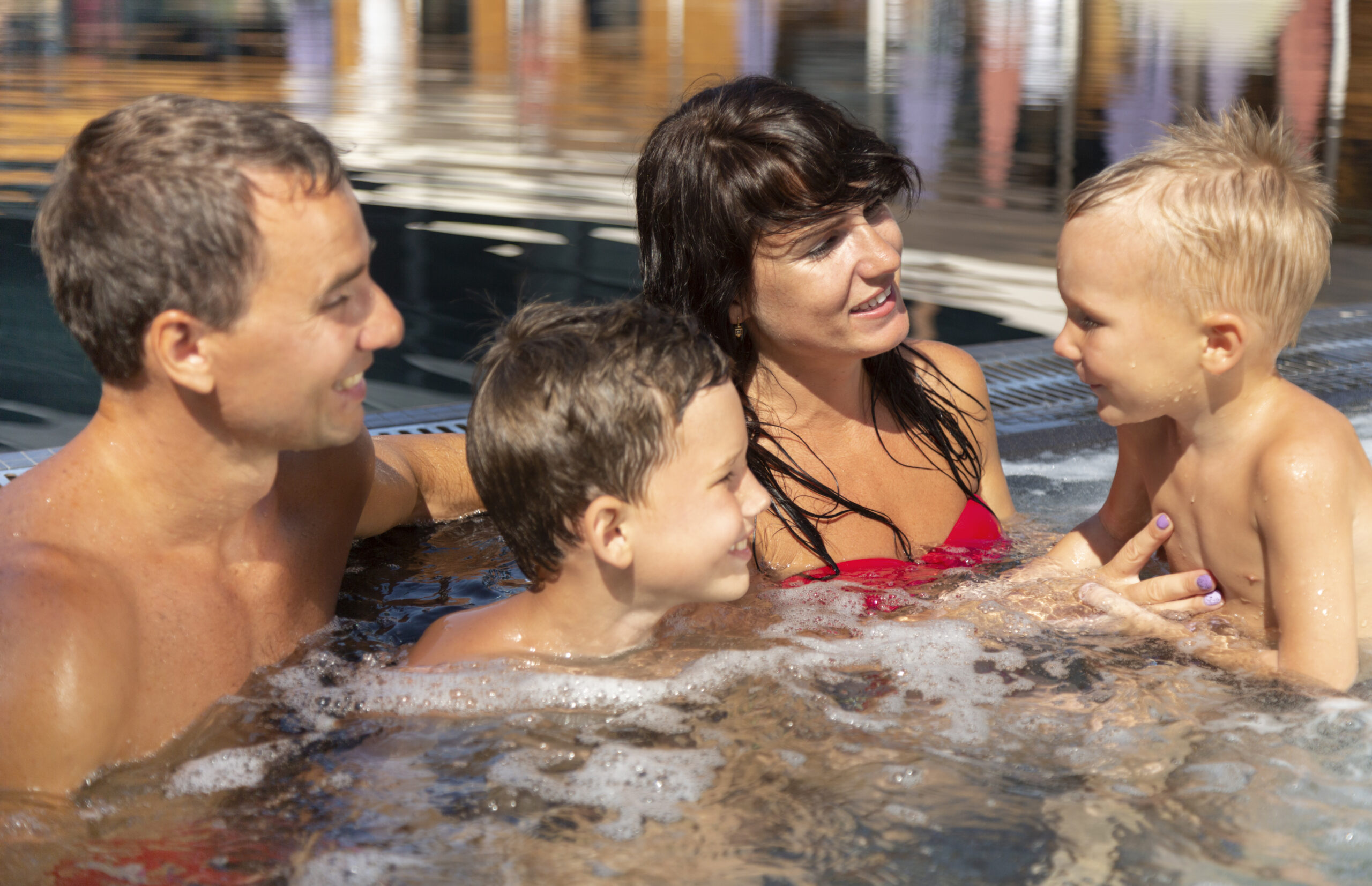
Beyond family life, a well-installed outdoor spa is one of the most powerful entertaining assets an Australian home can have. Evening gatherings, summer parties, post-BBQ wind-downs, and relaxed weekend mornings with friends all take on a new quality when centred around a beautiful hot tub. There is something uniquely social about warm water — it slows conversations down, extends them naturally, and creates the kind of relaxed atmosphere that makes guests linger.
When integrated with deck lighting, landscaping, and complementary outdoor living elements, the outdoor spa becomes the centrepiece of a backyard that genuinely elevates every social occasion. Guests remember it. People ask to come back.
Australia’s climates span an extraordinary range — from Tasmania’s crisp winters and Victoria’s cool, changeable seasons through to Queensland’s subtropical warmth and Western Australia’s arid summers. A heated outdoor spa performs beautifully across all of these environments, extending the usability of outdoor spaces into seasons that would otherwise limit them significantly.
In cooler months, the contrast between cold night air and warm, steaming water is one of life’s genuinely great pleasures — particularly in Shym Saunas’ wooden hot tubs, which retain heat exceptionally well due to the natural insulating properties of cedar and thermowood.
Extremely well. Natural cedar and thermowood have a lower thermal conductivity than synthetic materials, meaning they lose heat more slowly to the surrounding environment. In cold climates — Tasmania, the ACT, alpine Victoria — this translates to lower running costs and better temperature stability. Wood-fired heaters are particularly powerful in these conditions.
The Australian property market has seen a sustained rise in buyer interest in outdoor wellness infrastructure. A well-executed backyard wellness space — comprising a quality hot tub, considered landscaping, deck integration, and complementary lighting — appeals to a growing segment of buyers who actively seek out homes that support their lifestyle priorities. This is not a niche market; wellness-at-home has moved decisively into mainstream buyer preferences.
Both add value in distinct ways. A hot tub appeals to buyers prioritising entertaining, family lifestyle, and social outdoor living. A sauna appeals to wellness-focused buyers — a rapidly growing demographic in the post-pandemic property market. The optimal outcome is both together: a sauna and hot tub combination creates a backyard wellness circuit that represents a genuinely premium lifestyle asset for the broadest possible pool of future buyers.
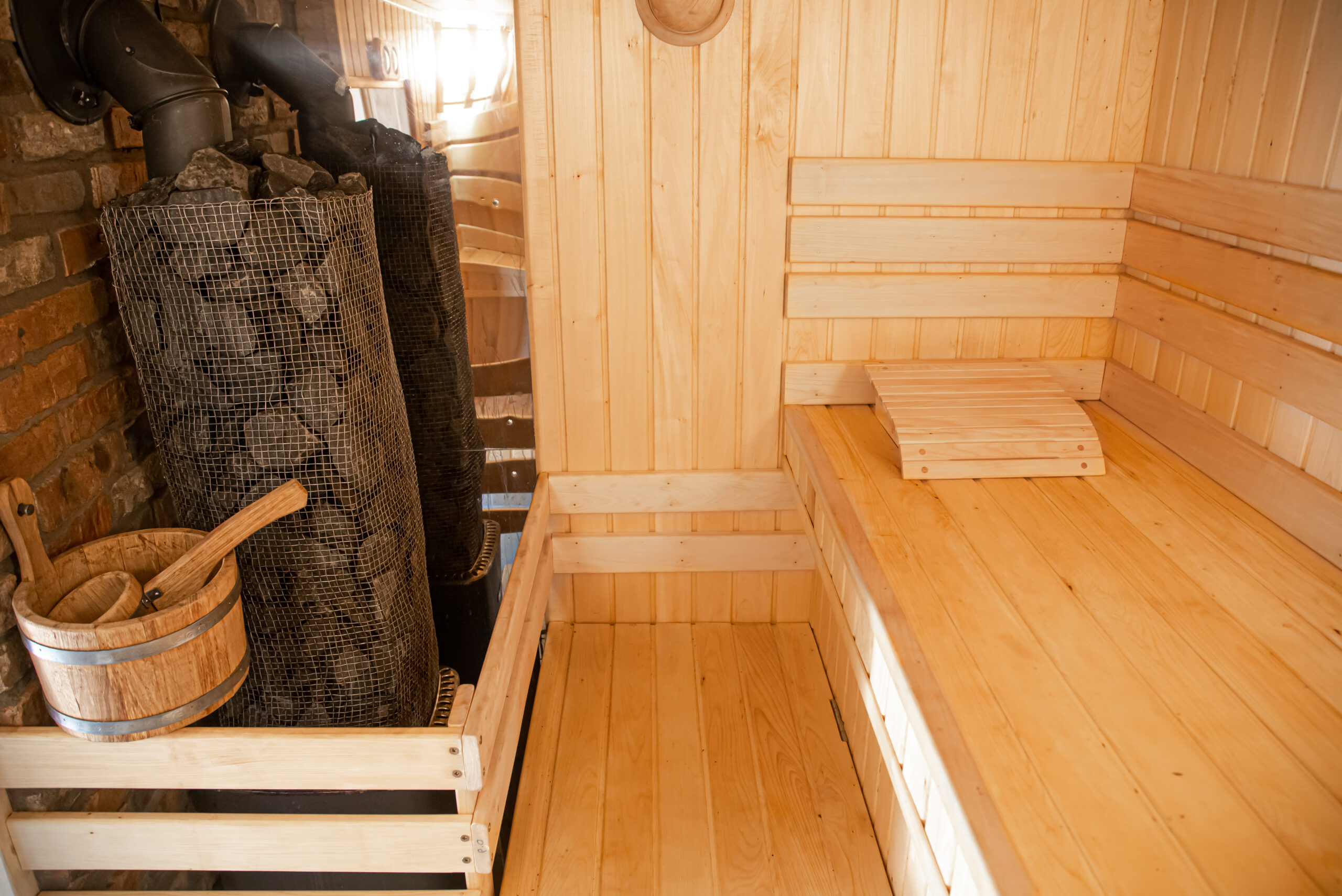
Sauna and hot tub ownership creates something greater than the sum of its parts: a complete at-home wellness circuit inspired by centuries of Scandinavian tradition. The classic practice of alternating between intense dry heat in the sauna and water immersion in a hot tub or cold plunge is one of the most physiologically effective wellness routines ever developed.
The sauna heats the body deeply, opening pores, elevating heart rate, and inducing profound muscle relaxation. The hot tub provides a transitional warm immersion that sustains the relaxation response and soothes muscles further. Together, they create a restorative experience that 20 minutes in either alone cannot match.
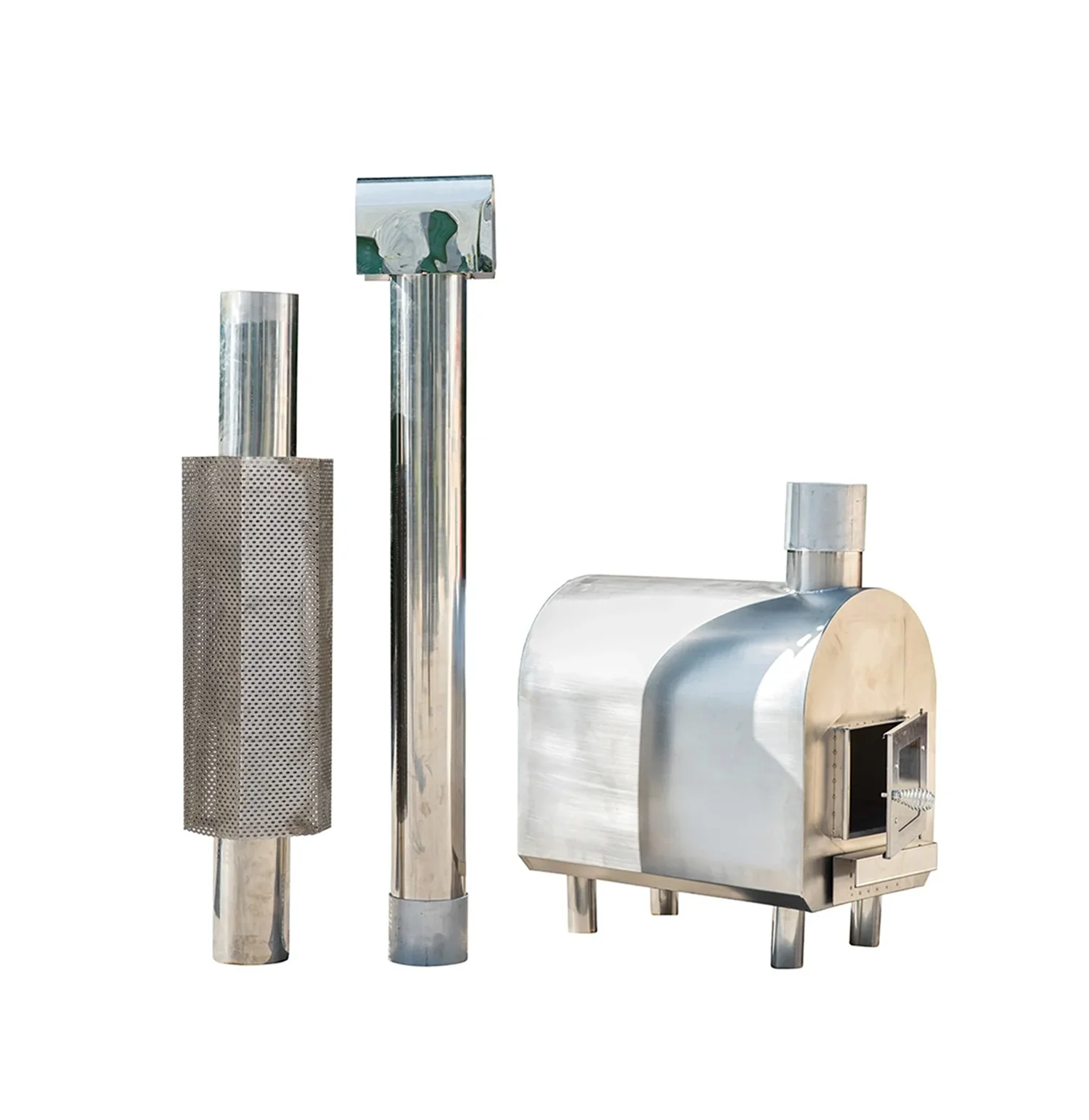
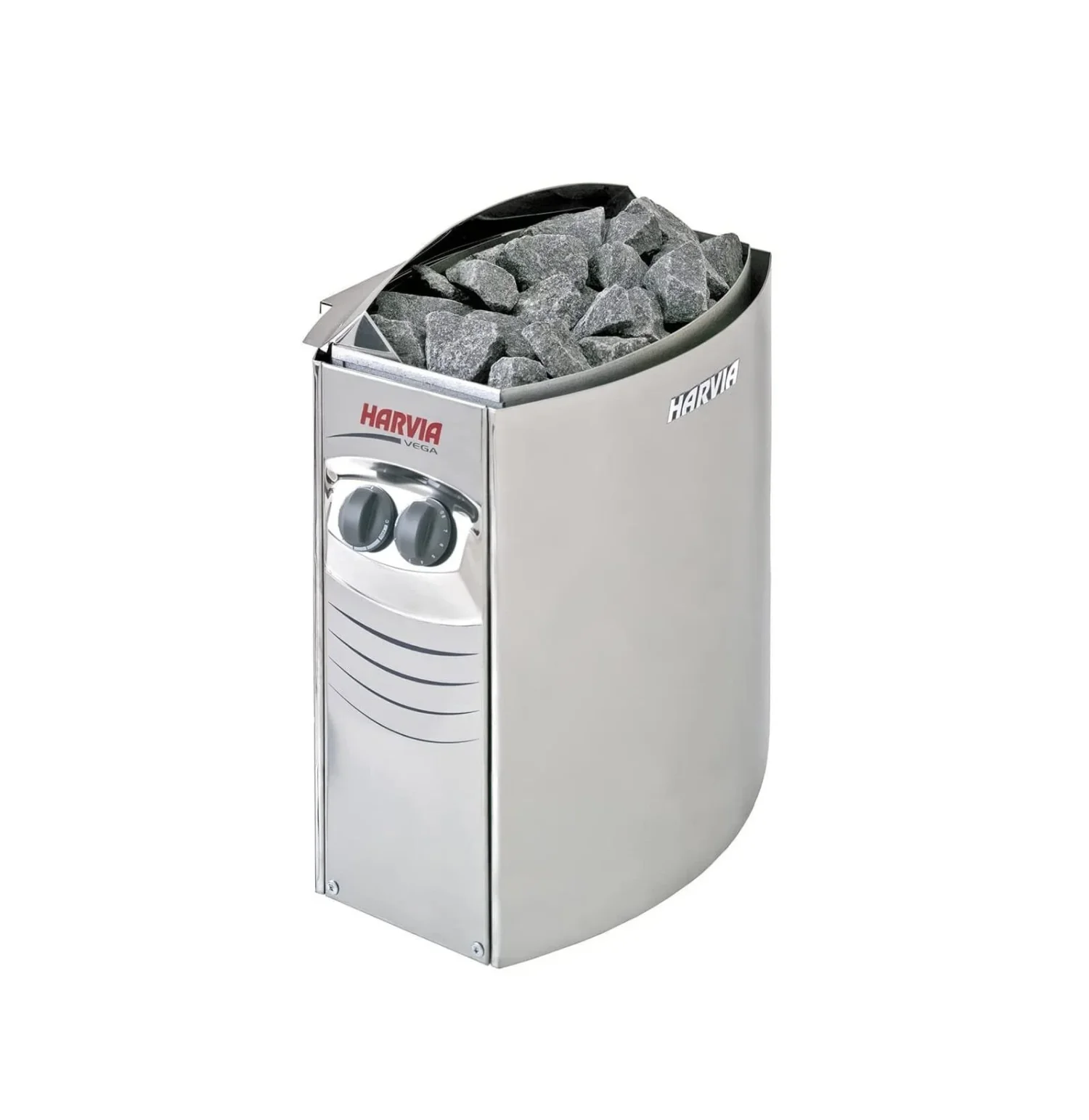
The most effective layouts position the sauna and hot tub within easy reach of each other — ideally with a shared deck, pergola, or outdoor enclosure that provides weather protection and visual cohesion. Consider lighting (warm, dimmable), privacy screening, and drainage. A wood-fired sauna paired with a cedar hot tub and an optional cold plunge creates a three-stage Scandinavian wellness circuit that requires no more space than a standard entertaining deck.
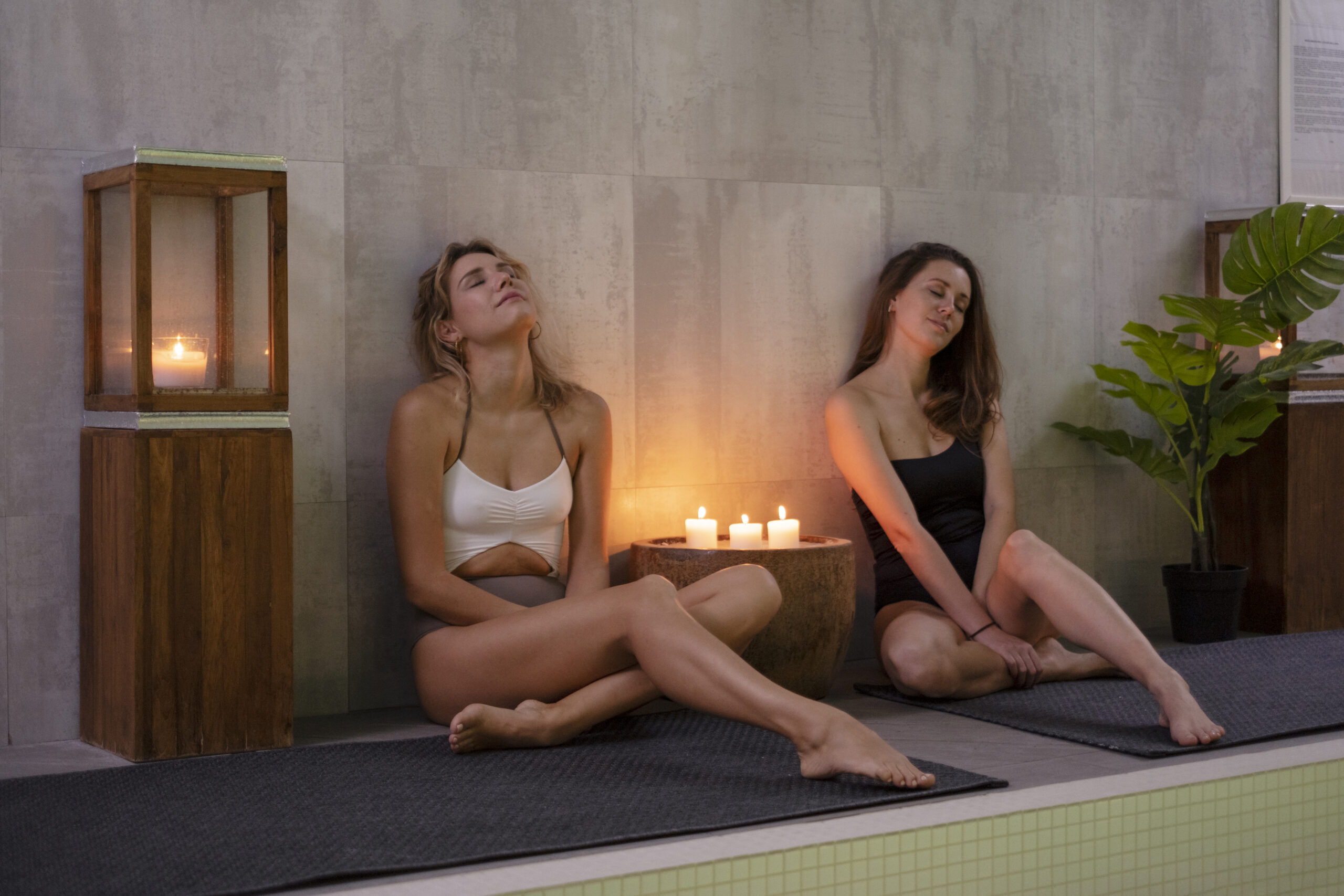
Contrast therapy — the deliberate alternation between hot and cold immersion — has moved from elite sport performance labs into everyday Australian homes, driven in part by the Wim Hof method, the work of researchers like Dr. Andrew Huberman, and a broader cultural embrace of cold exposure as a health tool. The physiological mechanism is compelling: switching rapidly between heat and cold forces the vascular system to alternately dilate and constrict, creating a powerful “pumping” effect on circulation.
The benefits are measurable and significant: reduced inflammation, accelerated recovery, elevated norepinephrine and dopamine production, and enhanced immune activity.
Beginners should start with shorter cold exposures (30–60 seconds) and build gradually over several weeks.
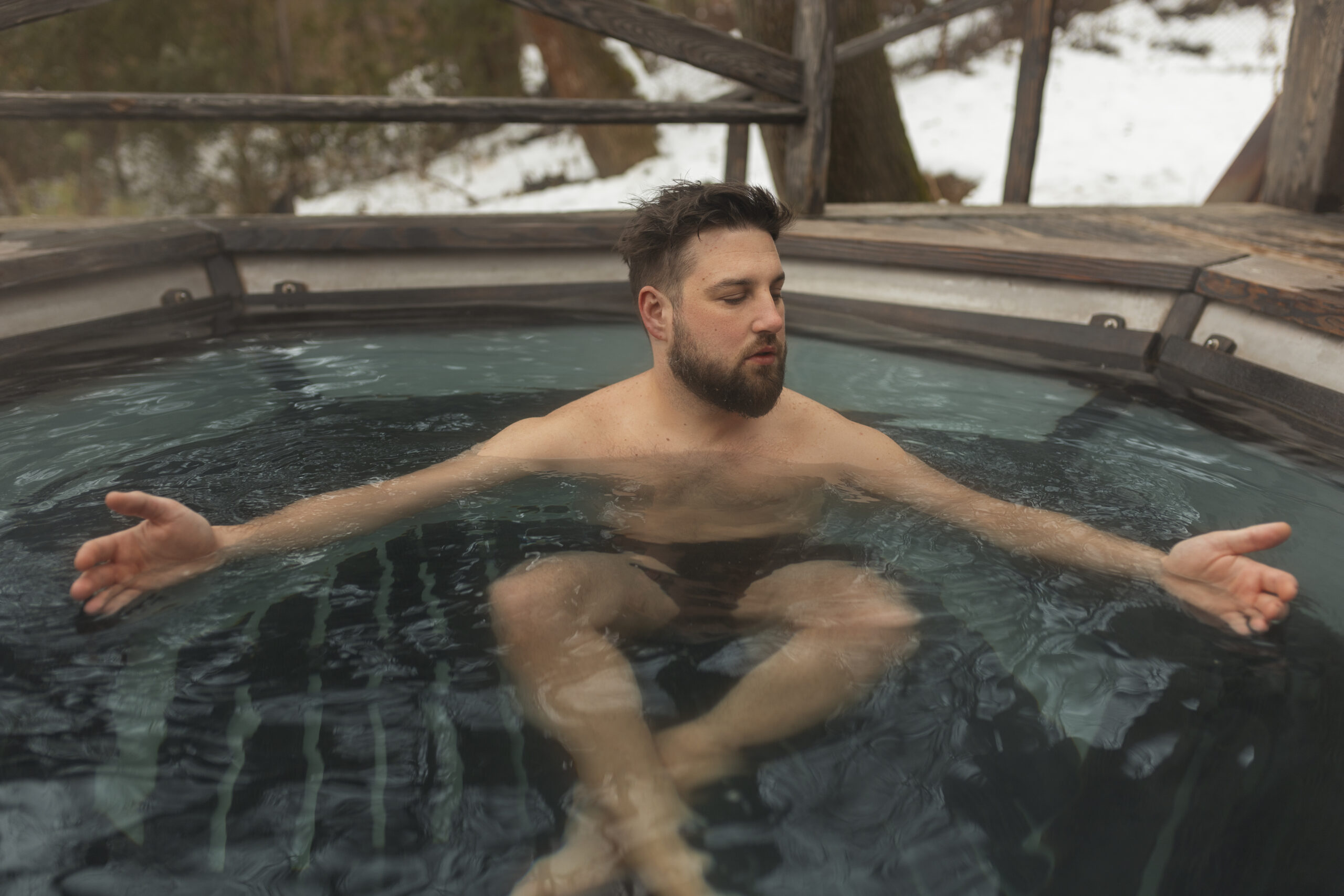
Heat exposure has a well-documented relationship with immune function. Regular sauna and hot water immersion sessions have been associated with increased production of white blood cells — particularly lymphocytes and neutrophils, the primary cellular defenders of the immune system. The brief, controlled hyperthermia induced during a hot soak mimics the mechanism of a fever, activating immune responses that might otherwise remain dormant.
Research on sauna bathing populations in Finland — where weekly sauna use is near-universal — has found statistically lower rates of common respiratory illnesses among regular users. For Australians looking to build a lifestyle that actively supports their health rather than simply managing illness, regular spa use is a valuable addition to the toolkit.
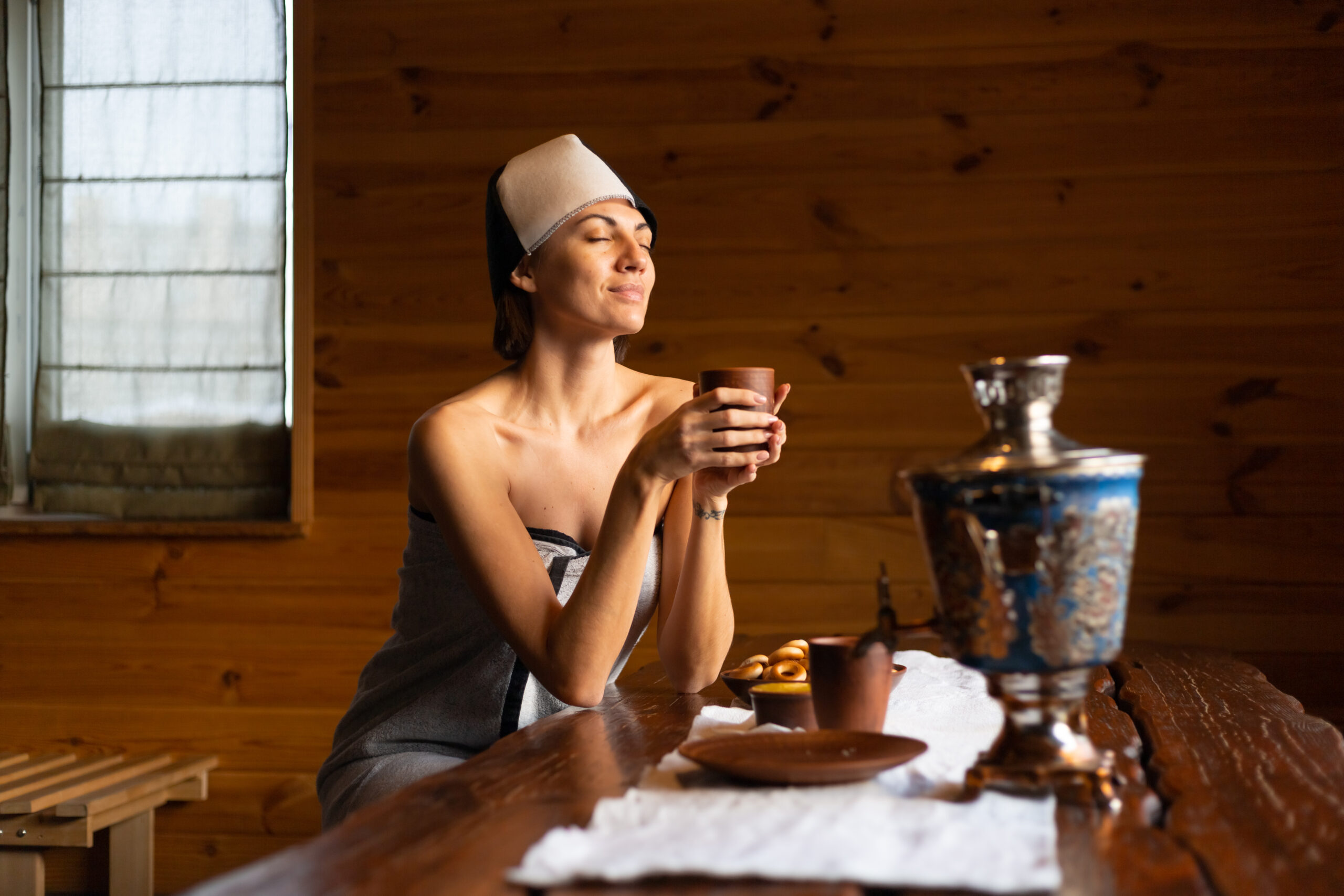
The most common objection to spa ownership is the assumption that maintenance is complicated, expensive, or time-consuming. The reality for a well-made wooden hot tub is quite different. Cedar and thermowood are naturally resistant to microbial growth and chemical degradation, meaning they require far less aggressive chemical treatment than conventional acrylic or fibreglass spas.
The standard maintenance routine amounts to approximately 30 minutes per week — water quality checks, temperature management, and periodic cleaning. Over the life of a quality wooden hot tub — which, properly maintained, can easily span 15–25 years — this modest time investment is an extraordinarily good trade for the daily value delivered.
Mon/Tue: Test pH (target 7.2–7.6) and sanitiser levels — adjust as needed.
Mid-week: Wipe the waterline with a non-abrasive cloth to prevent biofilm.
Weekend: Check temperature settings, rinse filters, inspect timber and apply wood conditioner monthly.
Every 4–6 weeks: Full drain, clean, and refill. Total time: approximately 20–30 minutes per week.

Spa ownership looks different when you amortise the cost over years of daily use. Consider the alternative: gym memberships, physiotherapy for chronic muscular issues, professional massage sessions, day spa visits for stress relief, and the occasional wellness retreat. Each of these is valuable in its own right — but together, they represent an ongoing, recurring expense that never builds equity and never compounds in value.
A quality wooden hot tub from Shym Saunas, used five times per week over ten years, generates more than 2,600 individual wellness sessions from a single one-time purchase. Compare that to a $120 massage, a $250 day spa visit, or the simple reality of sleeping poorly and recovering slowly for want of a better tool.
Cost Per Session Formula:
(Purchase price + annual running costs × years of ownership) ÷ total sessions
Example: A $7,500 cedar hot tub + $600/year in running costs over 10 years = $13,500 total. Used 5× per week = 2,600 sessions.
Cost per session: $5.19 — the price of a daily wellness ritual that delivers sleep improvement, stress relief, muscle recovery, and more.
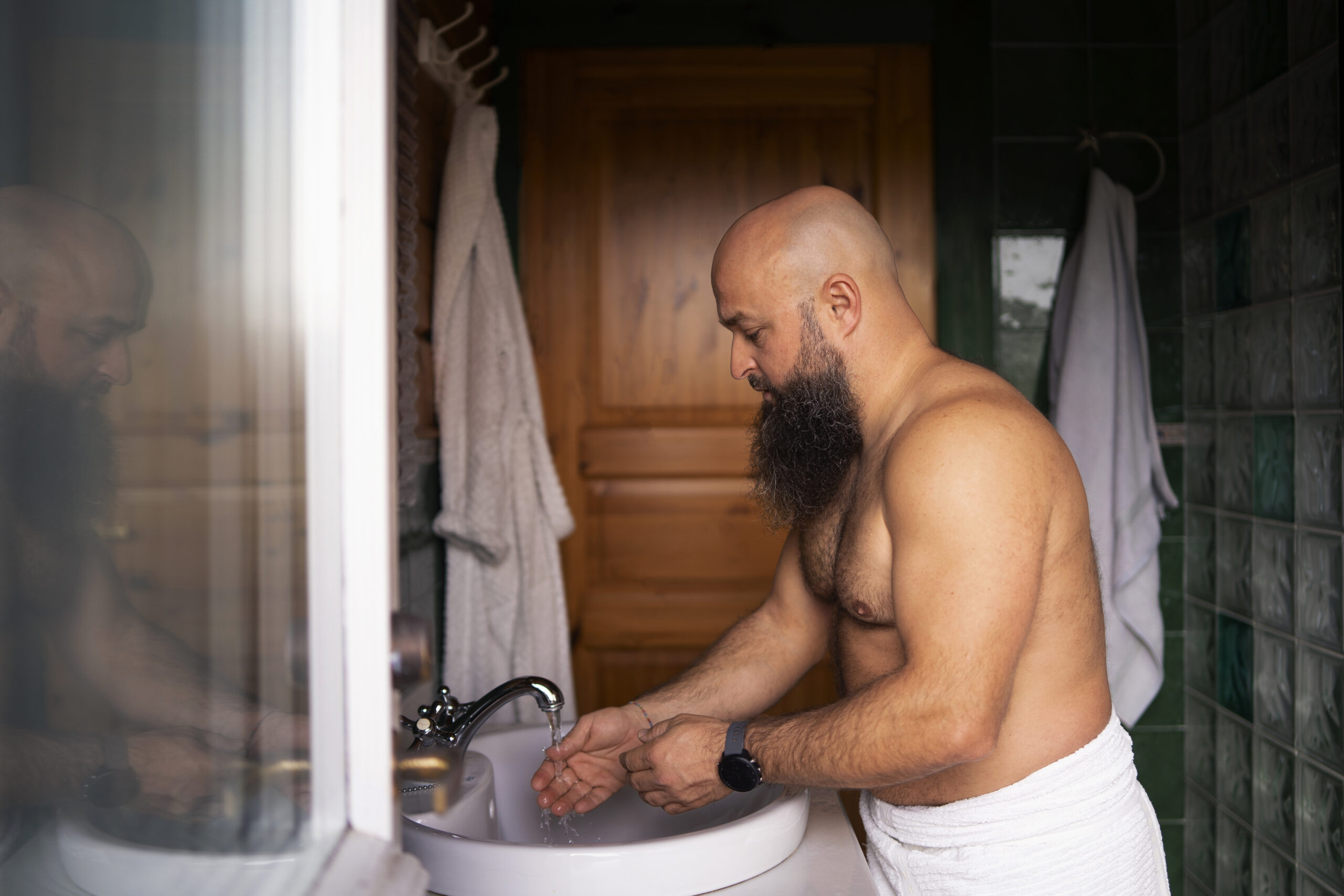
After nineteen evidence-backed advantages, the twentieth is the most human one of all — and possibly the most important. A spa is one of the rare home investments that delivers its value not in moments of need, but in moments of pleasure. You don’t need to be injured, exhausted, or unwell to benefit. You simply step outside, lower yourself into warm water, and feel the day release its grip.
Spa owners consistently describe a shift in how they experience their days. Having a private wellness retreat at home changes the texture of daily life. You begin to look forward to evenings in a way you haven’t since childhood. The ritual of it — the kettle warming, the cover coming off, the first contact with warm water under open sky — becomes an anchor. Something genuinely good at the end of every day, regardless of what the day brought.
There is no metric for this. There is no study that quantifies the value of having something to look forward to every single day. But ask any Shym Saunas customer a year after installation whether they use their hot tub, and whether it was worth it — the answer is always the same. Some things simply improve your life, every day, in ways that compound quietly and permanently over time. A quality outdoor spa is one of them.
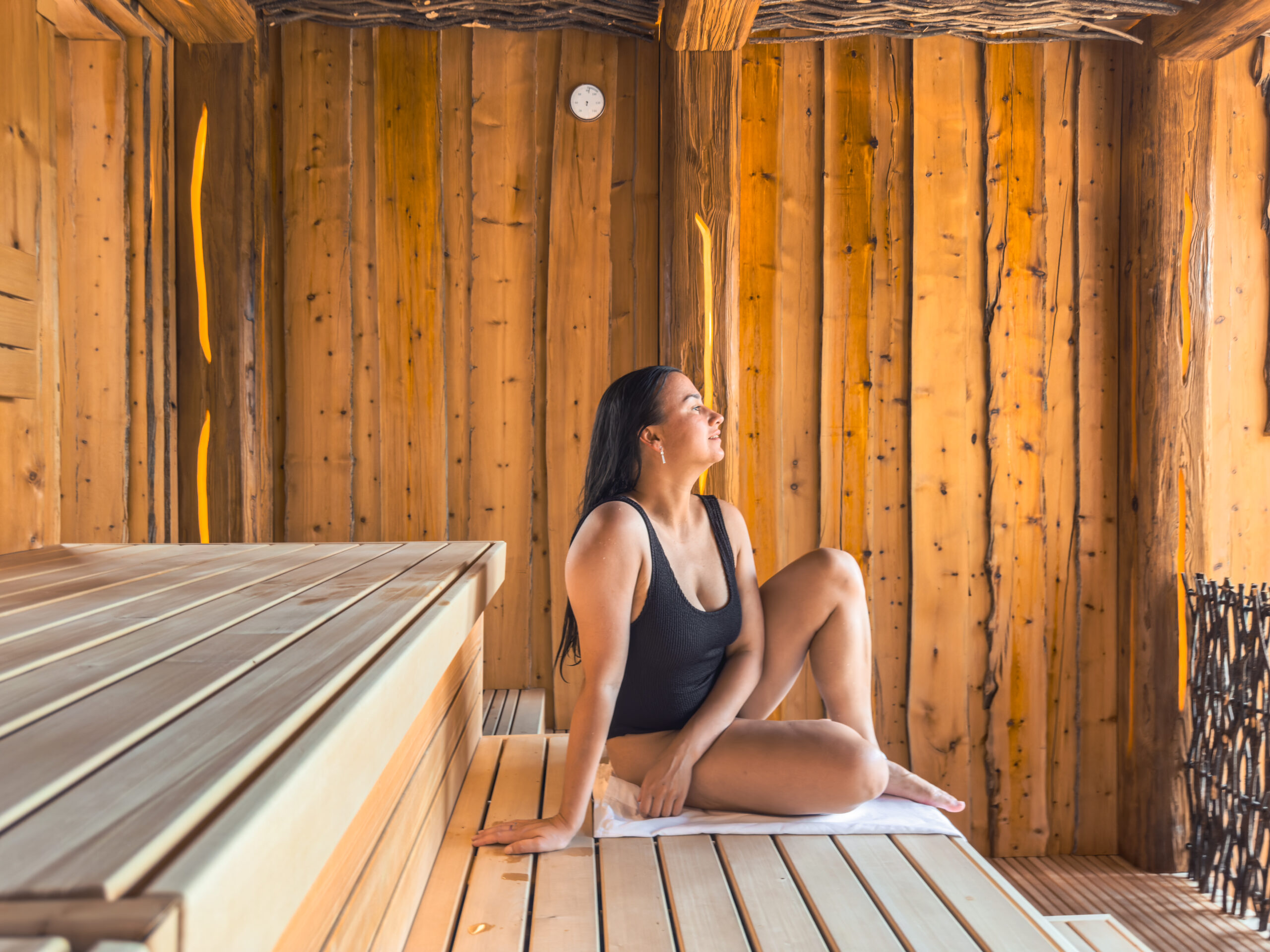
A quick-reference overview of every advantage covered in this guide.
| # | Advantage | Core Benefit |
|---|---|---|
| 01 | Better Sleep | Warm water immersion shortens sleep onset and deepens rest quality |
| 02 | Stress & Anxiety Relief | Reduces cortisol, increases serotonin, lowers baseline anxiety over time |
| 03 | Muscle Recovery | Heat increases blood flow, flushes lactic acid, accelerates repair |
| 04 | Joint Pain Relief | Buoyancy offloads joints; warm water improves range of motion in arthritis |
| 05 | Cardiovascular Health | Passive cardiac workout; improves endothelial function and vascular tone |
| 06 | Lower Blood Pressure | Vasodilation reduces peripheral resistance and blood pressure |
| 07 | Detoxification | Opens pores and promotes perspiration, supporting skin-based detox |
| 08 | Headache Relief | Vasodilation reduces cranial pressure; muscle release addresses root cause |
| 09 | Mental Clarity & Focus | Post-soak cognitive boost via reduced cortisol and improved circulation |
| 10 | Digital Detox | Enforced phone-free mindfulness; reduces cognitive load and screen fatigue |
| 11 | Family Connection | Device-free gathering space deepens communication and relationships |
| 12 | Social & Entertaining | Centrepiece of outdoor entertaining; memorable and socially magnetic |
| 13 | Year-Round Use | Extends outdoor living across all Australian seasons and climates |
| 14 | Property Value | Quality wellness infrastructure attracts buyers and elevates outdoor appeal |
| 15 | Sauna Complement | Completes the Scandinavian wellness circuit; greater than either alone |
| 16 | Contrast Therapy | Hot/cold alternation reduces inflammation and boosts recovery and mood |
| 17 | Immune Support | Heat exposure supports white blood cell production and immune resilience |
| 18 | Low Maintenance | ~30 min/week routine; natural timber requires minimal chemical treatment |
| 19 | Long-Term Value | Cost per session as low as $5; far cheaper than equivalent wellness spending |
| 20 | Daily Joy | A private wellness ritual that improves how every day begins and ends |
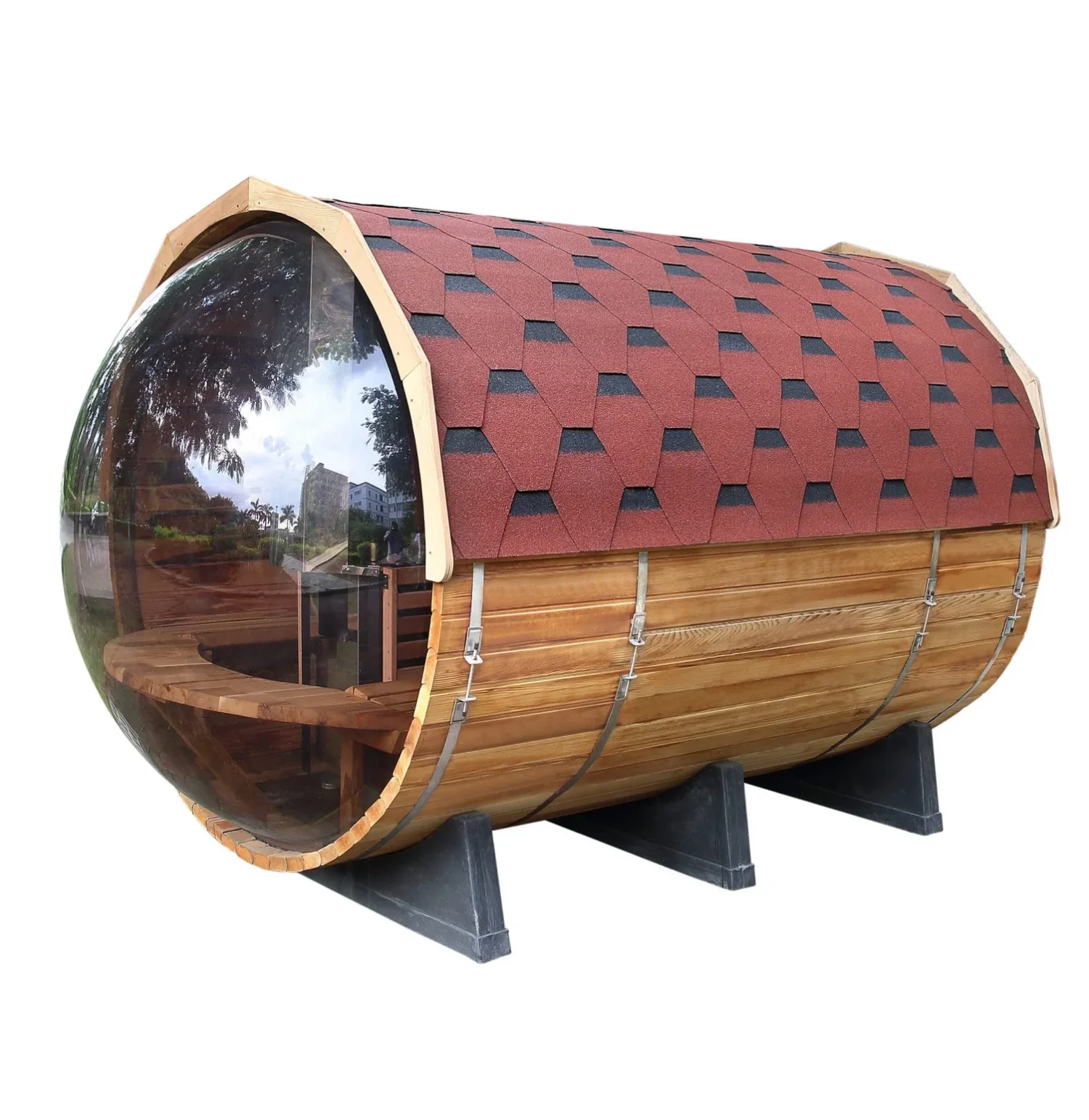
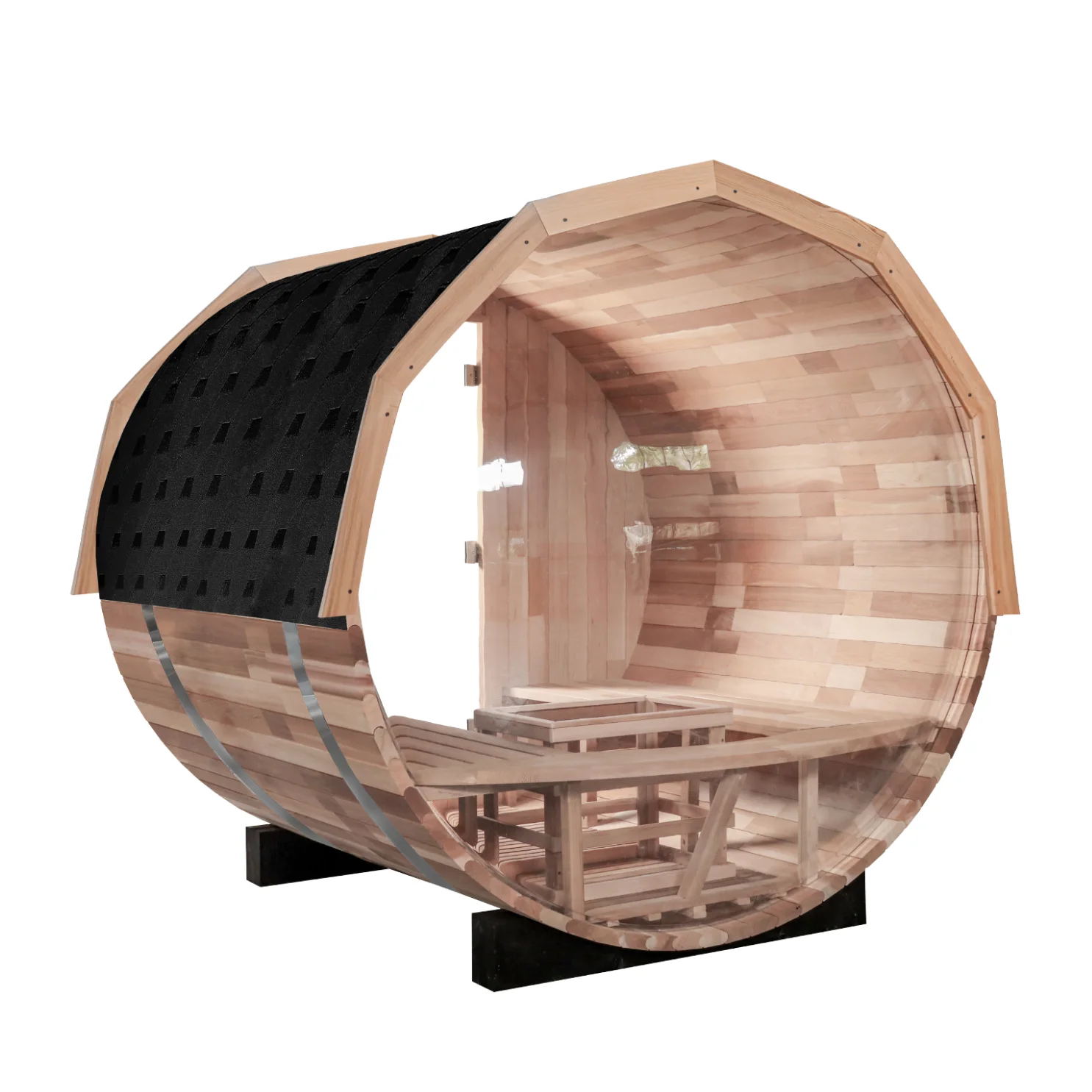
Shym Saunas ships premium outdoor hot tubs, barrel saunas, cold plunge tubs, and complete wellness setups across Australia and New Zealand. Speak with our team to find the right combination for your home, climate, and lifestyle.
Explore Our RangeOr call us on 1300-908-132



Join the Shym list for 3% off selected saunas and hot tubs, plus our sale news.
Not valid on sale items. Unsubscribe any time.
Your 3% code is on its way to your inbox. Can't see it soon? Check your promotions folder.
Keep browsing