




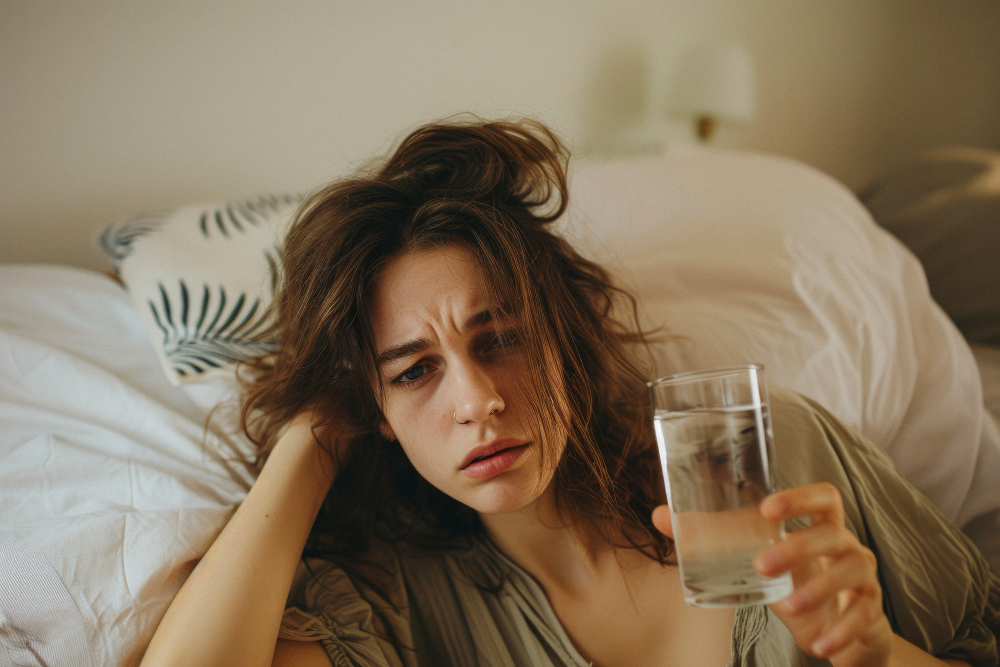
What Is a Hangover and Why Does It Happen?
A hangover is your body's response to processing and recovering from alcohol. When you drink heavily, your body becomes dehydrated, your blood sugar drops, and toxic by-products of alcohol metabolism — particularly acetaldehyde — build up in your system.
Common symptoms include headache, nausea, fatigue, brain fog, sensitivity to light and sound, and muscle aches. These are all signs that your body is under stress and working hard to recover.
The severity of a hangover depends on how much you drank, your hydration levels, what you ate, your genetics, and how much sleep you got. There's no instant cure — but some recovery methods work better than others.
If you're exploring different recovery tools, our sauna guides cover a wide range of health-related sauna topics that can help inform your decisions.
The Claim: Can a Sauna Cure a Hangover?
You've probably heard someone swear by a sauna session the morning after a big night. The idea is simple — sweat out the alcohol, detox your body, and feel human again. But is there any truth to it?
The short answer is: partially. A sauna won't eliminate alcohol from your system any faster — your liver handles that process regardless of how much you sweat. But that doesn't mean a sauna offers zero benefit when you're hungover.
The key is understanding what a sauna can and can't do, and how to use it safely after drinking. Blindly jumping into a hot sauna while dehydrated and depleted can actually make things worse.
If you're curious about what type of sauna might suit you best, read our guide on what type of saunas are better and infrared vs traditional saunas to understand your options.
Potential Benefits of Using a Sauna for a Hangover
While a sauna won't magically fix a hangover, it can support your body's recovery in a few meaningful ways — if used correctly.
1. Improved Circulation
Heat from a sauna causes your blood vessels to dilate, improving circulation throughout the body. This helps deliver oxygen and nutrients to tissues faster, which can ease some of the muscle aches and general grogginess associated with a hangover.
2. Endorphin Release
Sitting in a sauna triggers the release of endorphins — your body's natural feel-good chemicals. This can lift your mood, reduce the anxiety that often accompanies hangovers (sometimes called "hangxiety"), and make you feel more mentally present.
3. Relaxation of Tense Muscles
Alcohol disrupts your sleep quality, leaving your muscles tense and your body stiff. The deep heat of a sauna works directly on muscle tissue, helping to relax tension and reduce the body aches that make hangovers so uncomfortable.
4. Mental Clarity Through Heat Stress
Controlled heat exposure can stimulate your nervous system in a way that sharpens focus and lifts fatigue. After an initial period of discomfort, many people report feeling clearer and more alert after a short, safe sauna session.
5. Stress Hormone Reduction
Alcohol raises cortisol levels, which contributes to the anxiety and restlessness of a hangover. Regular sauna use has been shown to help regulate cortisol over time — and even a single session may provide some relief.
You can learn more about how the body benefits from heat therapy in our detailed article on benefits of sauna for skin and general wellness, or explore how to use a sauna properly to maximise these effects.
Risks of Using a Sauna When Hungover
This is the part most people skip — and it's the most important. Using a sauna while hungover comes with real risks that you need to take seriously.
Dehydration Risk
Alcohol is a diuretic. It causes your body to lose more fluids than you take in, which is one of the primary drivers of hangover symptoms. A sauna causes significant fluid loss through sweat. Combining the two without aggressive rehydration can push you into dangerous levels of dehydration — leading to dizziness, fainting, or worse.
Cardiovascular Stress
Alcohol already places stress on the cardiovascular system. Adding intense heat to a heart that's already working harder than usual is not a risk-free proposition, especially for people with underlying heart conditions.
Electrolyte Imbalance
Alcohol depletes key electrolytes like sodium, potassium, and magnesium. Sweating in a sauna depletes them further. Low electrolytes can cause muscle cramps, nausea, confusion, and heart palpitations.
Alcohol Still in Your System
If you're still feeling intoxicated or consumed alcohol recently, avoid the sauna entirely. Heat dilates blood vessels and may speed up how quickly alcohol moves through your system — increasing its effects unpredictably.
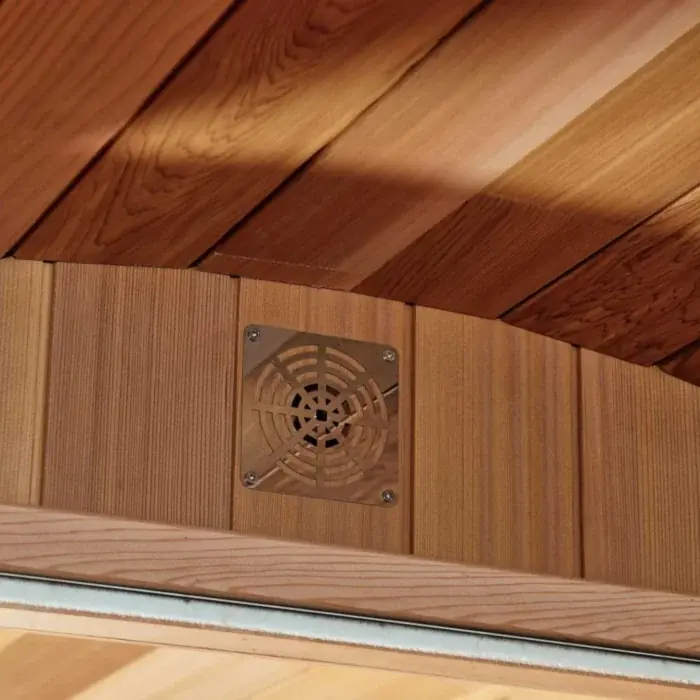
Read our full guide on sauna electrical requirements if you're setting up a home sauna, and always ensure you understand sauna ventilation to keep sessions safe.
So, Is Sauna Good for a Hangover?
The honest answer is: yes, a sauna can be good for a hangover — but only under the right conditions, and only if you go in prepared.
If you're severely dehydrated, still feeling intoxicated, or experiencing chest discomfort or vomiting, skip the sauna. It won't help and could make things significantly worse.
However, if you've had some water, eaten something, and the worst of your symptoms have passed, a short, moderate-heat sauna session can genuinely support recovery. It's not a cure — but it's a useful tool in a broader recovery strategy.
Think of the sauna the way you would any other recovery modality: effective when used thoughtfully, risky when used recklessly. Explore our range of saunas for sale to find the right option for home wellness routines, including hangover recovery.
Tips for Using a Sauna After Drinking
If you decide to use a sauna after a night out, follow these practical guidelines to stay safe and get the most benefit.
- Hydrate first: Drink at least 500ml–1L of water before entering the sauna. Even better, add an electrolyte sachet to help replenish what alcohol and sweating have depleted.
- Eat something light: Your blood sugar is likely low after drinking. Have a small meal or snack before your session — nothing heavy, but enough to stabilise your energy.
- Keep it short: Limit your sauna session to 10–15 minutes maximum when hungover. This isn't the time for a long, intense heat session.
- Lower the temperature: If you have control over the heat, opt for a moderate setting rather than maximum. Your body is already under stress.
- Bring water inside: Sip water during the session. Don't push through discomfort — exit immediately if you feel dizzy or nauseous.
- Rest afterwards: After the sauna, cool down gradually, rehydrate again, and rest. Don't try to immediately resume normal activities.
- Avoid alcohol "top-ups": Some people think a drink the morning after helps — it doesn't. This just delays recovery and adds more strain on your liver.
For more guidance on optimising your sessions, check out our article on the best time for sauna and how long to heat your sauna for different purposes.
Contrast Therapy and Hangovers
One approach gaining popularity for hangover recovery is contrast therapy — alternating between hot sauna sessions and cold exposure, such as a cold shower or cold plunge. The rapid shift between temperatures is said to enhance circulation, reduce inflammation, and dramatically boost energy levels.
For a hungover person, the cold element can be particularly effective. Cold water exposure triggers a sharp release of adrenaline and norepinephrine, cutting through the fog and fatigue almost immediately.
However, the same warnings apply — hydrate thoroughly, keep sessions short, and listen to your body. Contrast therapy is powerful, and combining it with a depleted, hangover-stressed body requires caution.
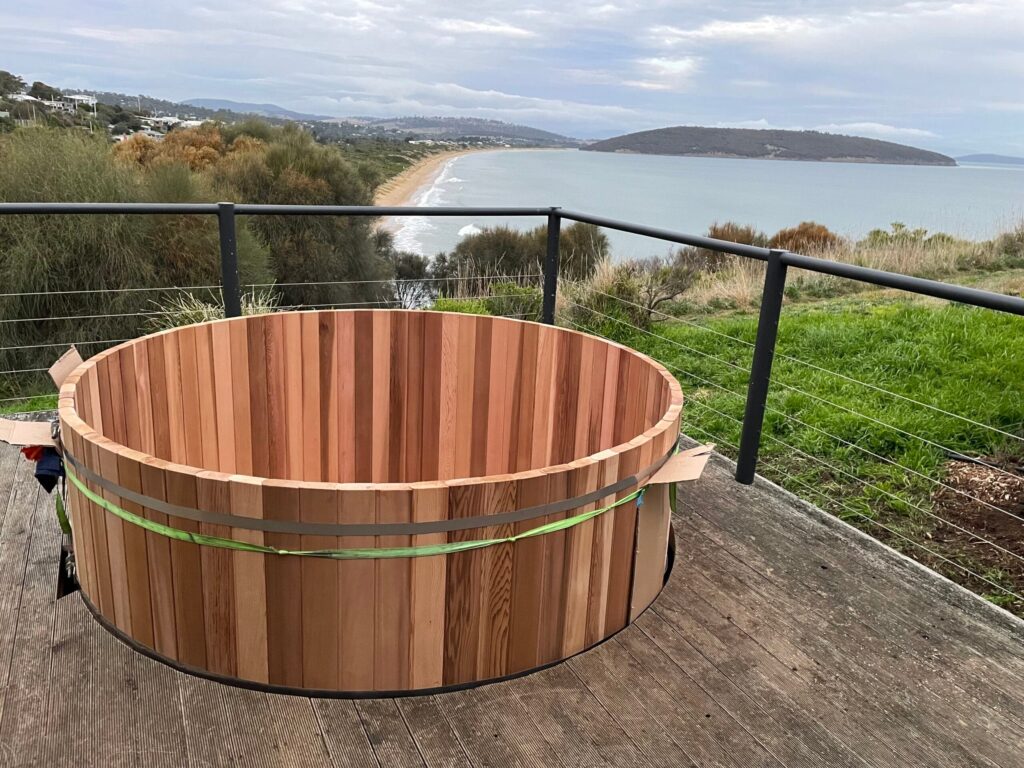
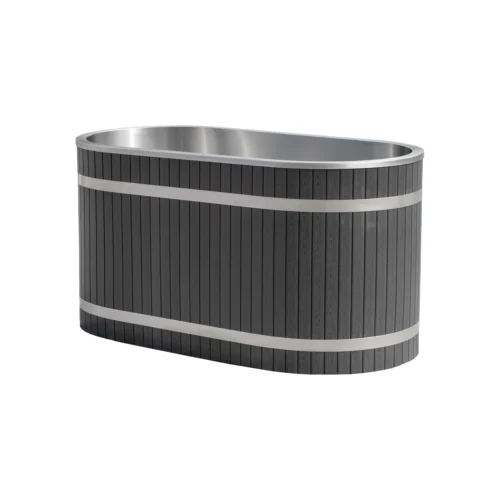
Read our detailed guide on contrast therapy to understand how to structure hot-cold sessions safely, and explore our range of cold plunge tubs if you want to build a complete recovery setup at home.
You can also discover the sauna cold plunge routine many wellness enthusiasts use for daily recovery and resilience building.
Best Sauna Types for Post-Drinking Recovery
Not all saunas are created equal, and the type you choose can affect how your hangover recovery session feels.
Traditional Finnish Sauna
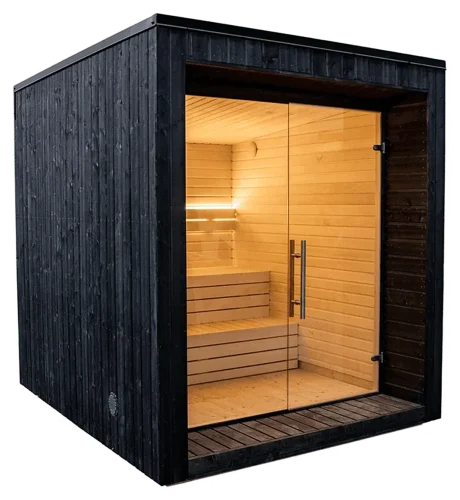
A classic Finnish sauna runs at high temperatures (80–100°C) with low humidity. The intense heat promotes heavy sweating quickly. When hungover, this is best enjoyed briefly and at a slightly lower temperature than normal. Explore our spruce log saunas for an authentic Finnish experience.
Barrel Sauna
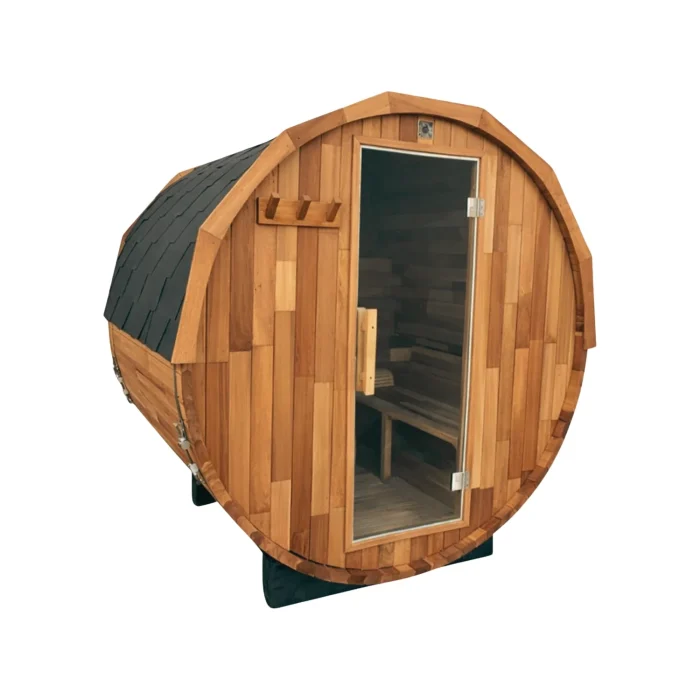
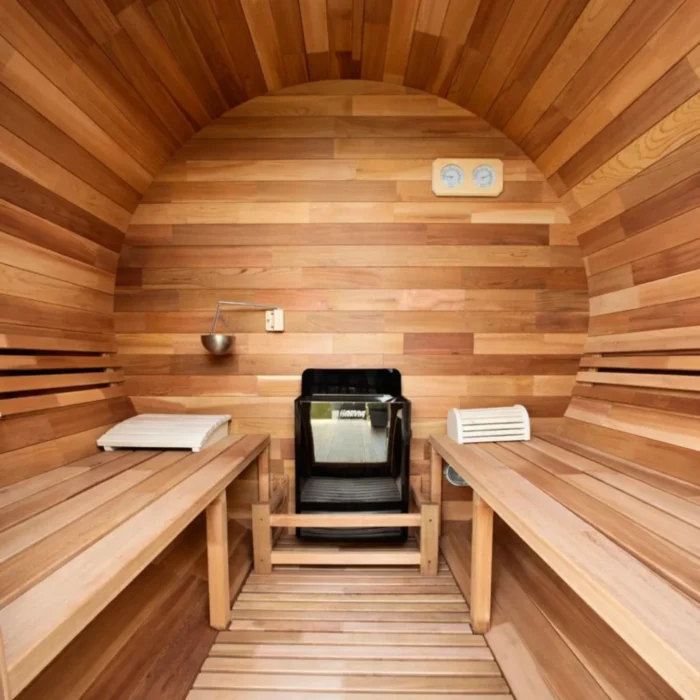
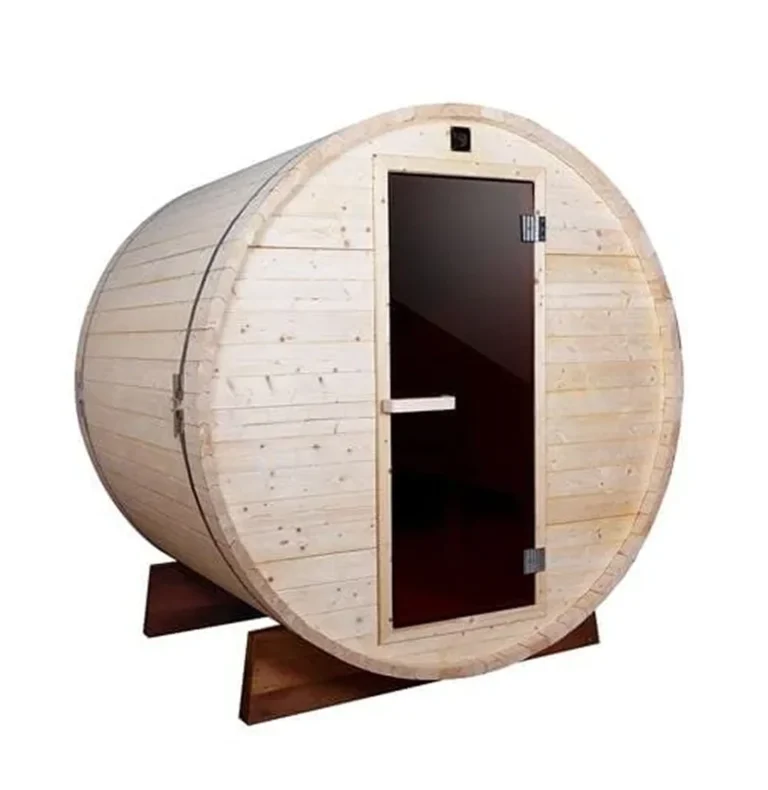
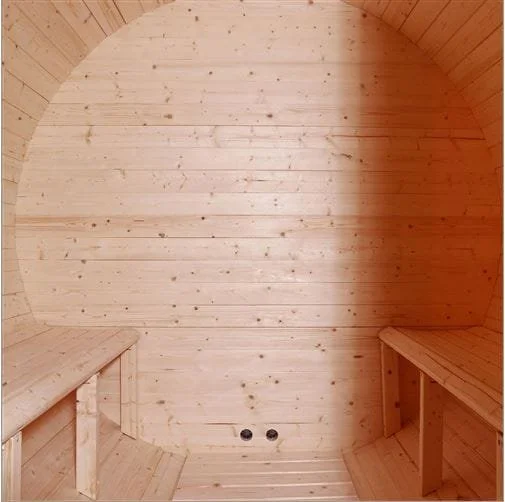
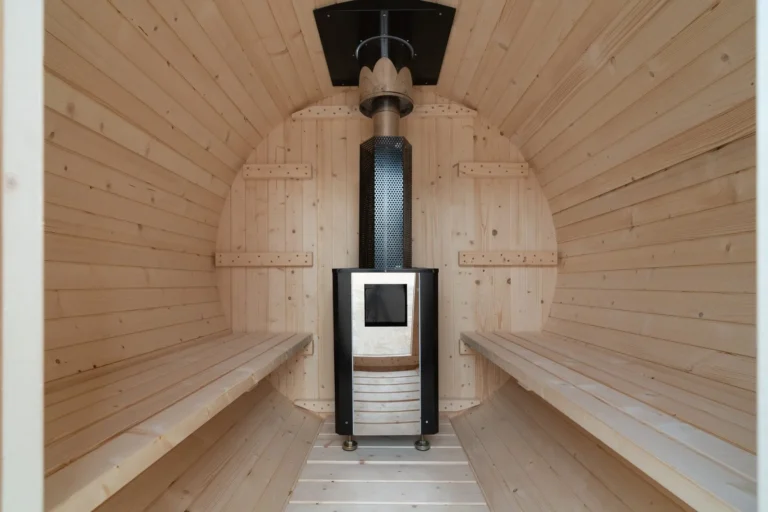
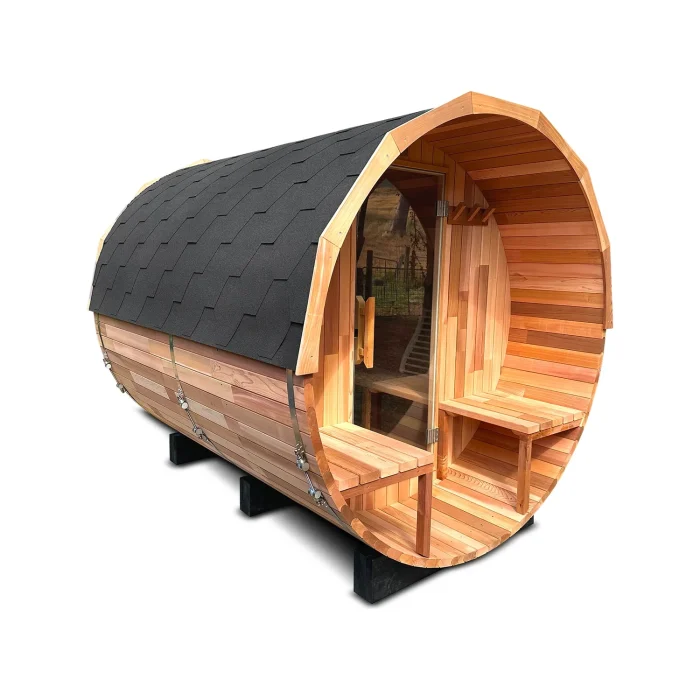
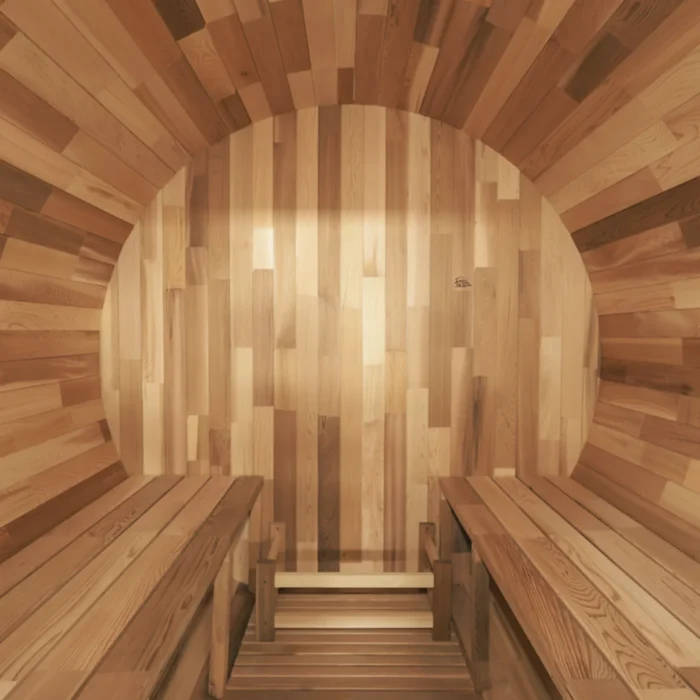
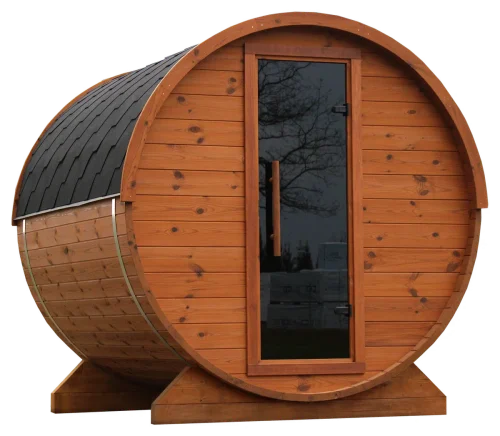
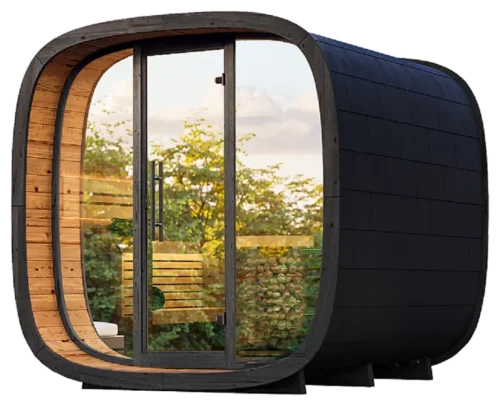
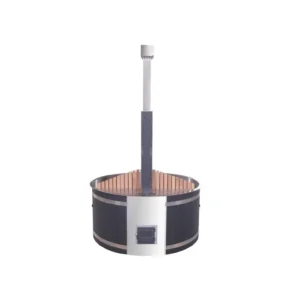
Barrel saunas are popular for outdoor home setups and heat up quickly and evenly. They're a great option for a morning recovery session when you want the sauna ready without waiting too long. Check out our round barrel saunas and square barrel saunas for home-friendly designs.
Infrared Sauna
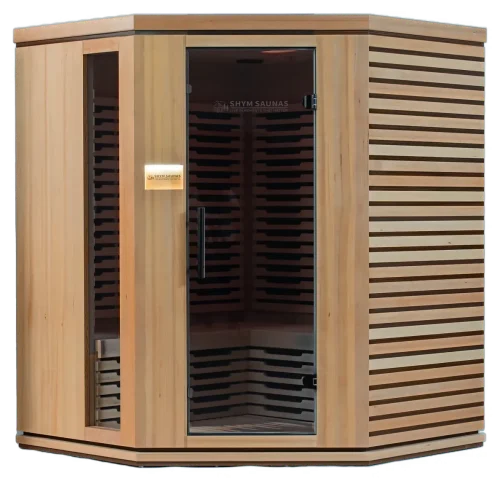
Infrared saunas operate at lower ambient temperatures (45–60°C) but penetrate deeper into body tissue with radiant heat. For someone who's hungover and more heat-sensitive, an infrared session can feel more tolerable while still delivering circulation and relaxation benefits.
Indoor Saunas
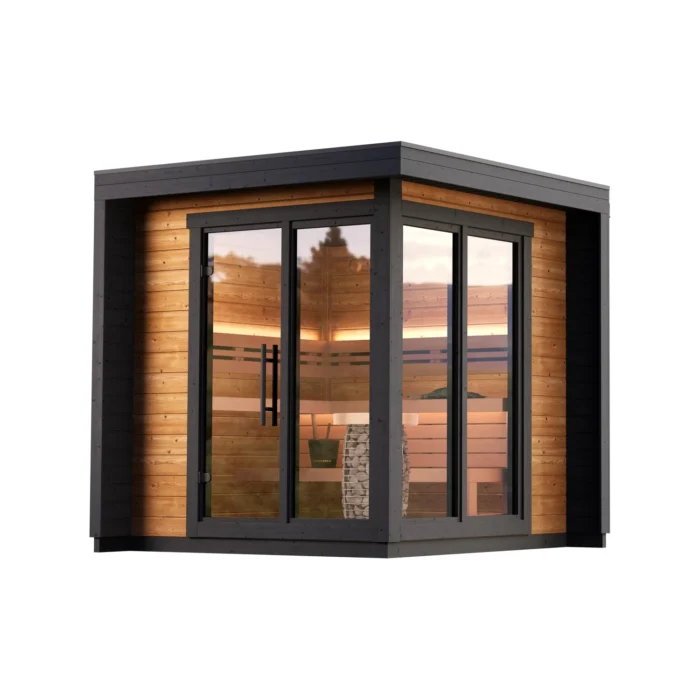
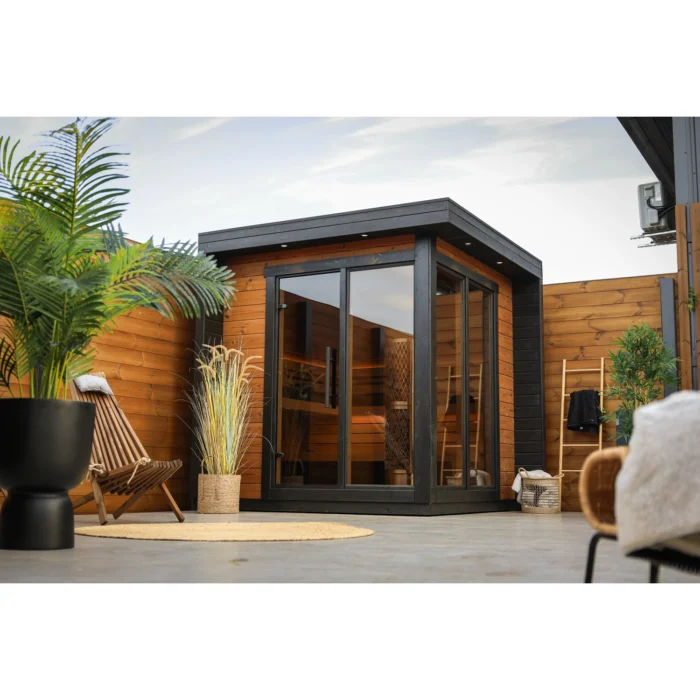
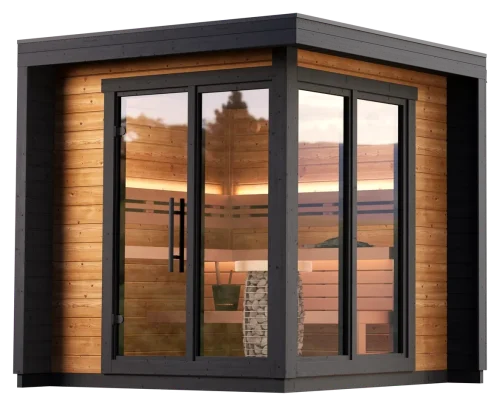
If convenience is what you need on a rough morning, having an indoor sauna at home means you can recover in comfort without going anywhere. Browse the Como Indoor Sauna Collection for elegant home options.
Frequently Asked Questions
Is sauna good for a hangover?
Yes, a sauna can help relieve certain hangover symptoms like muscle tension, fatigue, and low mood through improved circulation and endorphin release. However, you must hydrate thoroughly first and keep sessions short. A sauna won't eliminate alcohol from your body faster, but it can make recovery more comfortable when used safely.
Can you sweat out alcohol in a sauna?
No, you cannot sweat out alcohol in a meaningful way. Only a small percentage of alcohol is excreted through sweat — your liver processes the vast majority. Sweating in a sauna will not speed up alcohol metabolism. The primary benefit of a sauna for hangovers lies in relaxation, circulation, and symptom relief, not detoxification.
Are saunas good for hangovers if you're still drunk?
No. If you're still intoxicated or consumed alcohol very recently, avoid the sauna completely. Heat dilates blood vessels and can intensify the effects of alcohol unpredictably, increasing the risk of dizziness, fainting, or cardiovascular stress. Wait until you feel sober and have rehydrated before considering a sauna session.
How long should I stay in the sauna when hungover?
Keep your session to 10–15 minutes maximum. When hungover, your body is already dehydrated and under stress. A long or intense sauna session will deplete fluids and electrolytes further. Short sessions with proper hydration before and after will give you the benefits without the risks.
Is a cold plunge better than a sauna for a hangover?
Both have merit. A cold plunge can deliver a faster energy boost through adrenaline release, cutting through hangover fatigue rapidly. A sauna provides deeper relaxation and muscle tension relief. For the best results, many people combine the two through contrast therapy — but this should only be attempted once you're sufficiently hydrated and no longer intoxicated. Explore our cold plunge benefits guide and sauna cold plunge routine for more information.
What should I do before going in the sauna with a hangover?
Before entering the sauna when hungover, drink at least 500ml–1L of water (ideally with electrolytes), eat a light meal to stabilise blood sugar, and confirm you're no longer intoxicated. Avoid caffeine immediately before your session as it can worsen dehydration.
Does a sauna help with hangover headaches?
It can, indirectly. By improving circulation and promoting relaxation, a sauna may reduce the intensity of tension headaches associated with hangovers. However, if your headache is primarily driven by dehydration — which most hangover headaches are — rehydrating with water and electrolytes is the most effective solution. The sauna should complement hydration, not replace it.