
Whether you’re new to sauna bathing or a seasoned enthusiast, understanding sauna temperature is one of the most important factors in getting the most out of every session. Too cool and you won’t experience the full therapeutic benefits. Too hot and you risk discomfort, dehydration, or worse.
With home saunas growing rapidly in popularity across Australia — from coastal Queensland to cool-climate Tasmania — Australians are asking increasingly detailed questions about how to use their sauna optimally. At Shym Saunas, Australia’s trusted sauna specialists, we’ve put together this complete temperature guide to help you find your sweet spot — safely and effectively.
The average sauna temperature varies depending on the type of sauna you’re using. For a traditional Finnish sauna — the most common style worldwide — the typical operating range sits between 70°C and 100°C, with most users settling somewhere in the 80°C to 90°C range for a balanced experience.
Steam rooms operate differently, typically maintaining an air temperature of 40°C to 50°C with close to 100% humidity, which makes the heat feel more intense despite the lower reading on the thermometer.
Infrared saunas, which are rapidly gaining popularity across Australian homes, operate at significantly lower temperatures — usually between 45°C and 65°C — but deliver a deeper, more penetrating form of heat that produces a comparably intense sweat.
Understanding these ranges helps you set realistic expectations regardless of which sauna you’re stepping into.
Here’s a quick reference for the best sauna temperature ranges across the most common sauna types:
| Sauna Type | Temperature Range | Humidity Level |
|---|---|---|
| Traditional Finnish Sauna | 70°C – 100°C | 10–20% |
| Wood-Fired Barrel Sauna | 75°C – 95°C | 10–30% |
| Steam Room / Wet Sauna | 40°C – 50°C | ~100% |
| Infrared Sauna | 45°C – 65°C | 10–20% |
For most Australian home sauna users — particularly those with outdoor barrel saunas or infrared cabins — the practical sweet spot sits in the 70°C to 90°C range for traditional models and 50°C to 60°C for infrared.
The ideal infrared sauna temperature is generally considered to be between 50°C and 60°C, though this varies depending on your experience level and health goals.
Unlike traditional saunas, which heat the air around you, infrared saunas emit radiant heat that penetrates 3 to 5 centimetres beneath the skin’s surface. This means the body’s physiological response — sweating, elevated heart rate, increased circulation — begins at a much lower ambient temperature. You don’t need the room to be scorching hot to achieve a deeply therapeutic sweat.
For beginners, starting at around 45°C to 50°C allows the body to acclimatise without feeling overwhelmed. More experienced users often prefer the upper range of 55°C to 65°C for a more intense session.
The best infrared sauna temperature is ultimately the one that allows you to comfortably complete a full session — typically 20 to 45 minutes — while sweating freely and feeling relaxed, not distressed.
Different wellness goals respond best to slightly different temperature settings. Here’s how to dial in your infrared sauna temperature based on what you’re trying to achieve:
Relaxation and stress relief: 45°C – 55°C
A lower, gentler temperature is ideal for unwinding at the end of the day. The mild heat is calming rather than stimulating, making it perfect for an evening session before bed.
Muscle recovery and pain relief: 50°C – 60°C
A moderate temperature range encourages deep tissue penetration and increased blood flow to muscles and joints — ideal for post-exercise recovery or managing chronic pain conditions like arthritis.
Detoxification: 55°C – 65°C
Higher temperatures produce a more intense sweat, supporting deeper detoxification. This range is best suited to experienced sauna users who have built up a tolerance over time.
Cardiovascular conditioning: 55°C – 65°C
For those using the sauna as a cardiovascular support tool, the upper range triggers a stronger heart rate response, more closely mimicking the physiological effects of moderate aerobic exercise.
Skin health: 45°C – 55°C
Milder temperatures are gentler on the skin and allow for longer sessions, which is beneficial for circulation and collagen production without the risk of dehydration or irritation.
Sauna temperature and session duration are directly related. As a general guide:
With traditional saunas, many users complete two to three shorter rounds with a cool-down between each, rather than one extended session. With infrared saunas, the lower ambient temperature generally allows for longer, uninterrupted sessions.
Regardless of the temperature, always listen to your body. Leave the sauna if you feel dizzy, nauseated, or unusually uncomfortable — and rehydrate consistently before, during, and after every session.
Sauna temperature doesn’t just affect comfort — it directly influences the type and intensity of health benefits you receive.
At lower temperatures (45°C – 60°C): The body responds gently, making it ideal for relaxation, sleep improvement, mild detoxification, and beginners building a consistent routine. Lower temperatures also support longer sessions, which can be beneficial for sustained circulation improvement and stress hormone reduction.
At moderate temperatures (60°C – 80°C): The cardiovascular response becomes more pronounced, growth hormone release increases, and sweating deepens. This range offers a strong balance between therapeutic intensity and user comfort — making it the most commonly recommended range for regular sauna users.
At higher temperatures (80°C – 100°C): The body is under greater heat stress, which can accelerate cardiovascular conditioning and produce a more intense detoxification sweat. However, sessions must be kept shorter, and this range is not suitable for beginners, the elderly, or those with underlying health conditions.
Australia’s warm climate adds an extra layer of consideration when it comes to sauna use — particularly during summer months in Queensland, Western Australia, and the Northern Territory.
Hydrate well before every session. In Australian summers, you may already be mildly dehydrated before you enter the sauna. Drink at least 500ml of water before your session and keep water on hand throughout.
Start lower and build gradually. There’s no benefit to pushing your sauna temperature to its maximum from day one. Start at the lower end of the recommended range and increase incrementally over weeks as your body adapts.
Factor in the season. Your body acclimatises differently in summer than in winter. You may find that lower sauna temperatures feel more intense during hot Australian summers — adjust accordingly rather than defaulting to your usual setting.
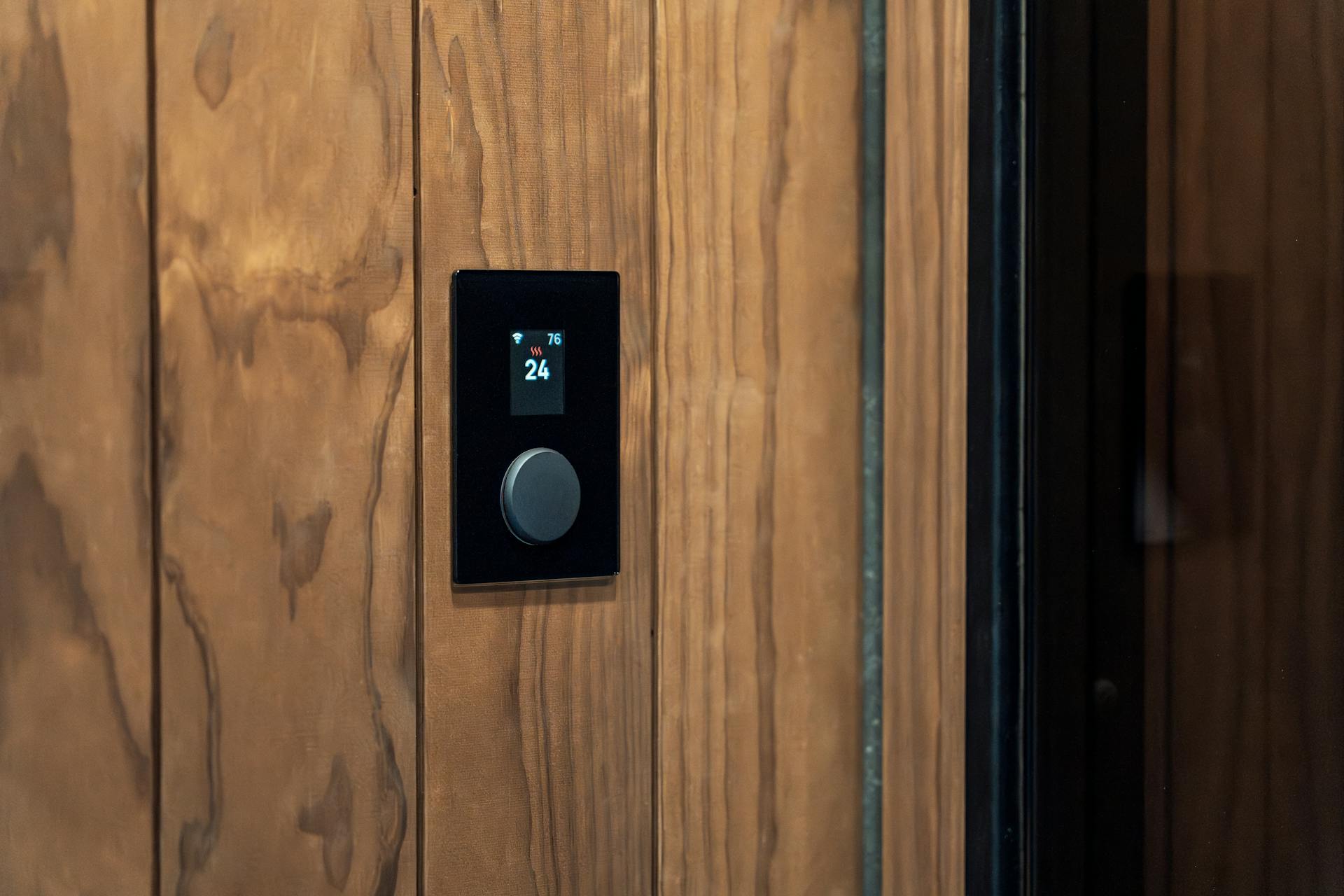
Use a sauna thermometer. Many home saunas have built-in temperature displays, but a separate sauna thermometer placed at bench height (where you actually sit, not at the top of the room) gives you a more accurate reading of the temperature you’re actually experiencing.
Never use alcohol in the sauna. Alcohol significantly impairs your body’s ability to regulate temperature safely and dramatically increases the risk of overheating at any temperature.
For a traditional sauna, temperatures above 100°C are generally considered excessive for recreational use and are typically only encountered in competitive sauna events. Most experienced users find the 80°C to 90°C range more than sufficient.
For infrared saunas, temperatures above 70°C are uncommon and unnecessary — the infrared heating mechanism delivers its therapeutic benefits well within the standard range of 45°C to 65°C.
Regardless of the type of sauna, your body is telling you it’s too hot if you experience dizziness, confusion, chest tightness, rapid or irregular heartbeat, or the inability to sweat despite intense heat. Exit the sauna immediately, cool down gradually, and seek medical attention if symptoms persist.
Understanding sauna temperature is the foundation of a safe, effective, and enjoyable sauna routine. Whether you prefer the high, dry heat of a traditional Finnish sauna or the gentler penetrating warmth of an infrared cabin, finding your ideal temperature — and adjusting it to match your goals and experience level — makes all the difference.
For most Australians, the best sauna temperature sits between 70°C and 90°C for traditional models and 50°C to 60°C for infrared, with beginners always advised to start at the lower end and build gradually. Whatever your preference, consistency and sensible hydration are the keys to unlocking the full benefits of regular sauna use.
At Shym Saunas, we stock a premium range of traditional and outdoor saunas — shipped to homes across Australia and New Zealand. Our team is always on hand to help you choose the right model for your lifestyle.
Explore our full sauna range →
The average sauna temperature for a traditional Finnish sauna sits between 70°C and 100°C, with most users preferring the 80°C to 90°C range. This provides a strong therapeutic sweat while remaining manageable for regular sessions of 10 to 20 minutes per round.
Beginners should start their infrared sauna sessions at around 45°C to 50°C. This allows the body to adjust to the infrared heat without feeling overwhelmed. As tolerance builds over several weeks, the temperature can be gradually increased toward the 55°C to 65°C range.
For muscle recovery and pain relief, the ideal infrared sauna temperature is between 50°C and 60°C. This moderate range promotes deep tissue penetration, increases blood flow to muscles and joints, and helps reduce post-exercise soreness and inflammation effectively.
No. Higher temperatures don’t automatically deliver better results and carry greater risks — particularly for beginners, older adults, and those with health conditions. The best sauna temperature is the one that allows you to complete a comfortable, consistent session. Many of the most significant health benefits occur at moderate rather than maximum temperatures.
Infrared saunas operate at 45°C to 65°C, significantly lower than traditional saunas which run at 70°C to 100°C. Despite the lower air temperature, infrared heat penetrates deeper into the body’s tissues, producing a comparably intense sweat and therapeutic response at a more comfortable ambient temperature.
During Australian summers — particularly in warmer states like Queensland, WA, and the NT — consider reducing your usual sauna temperature by 5°C to 10°C. Your body is already working harder to regulate temperature in the heat, so a lower sauna setting can still deliver a strong session while reducing the risk of overheating.
The right temperature feels warm and intense enough to produce a steady sweat within 10 to 15 minutes, without causing dizziness, discomfort, or shortness of breath. You should feel relaxed and able to remain in the sauna comfortably for the duration of your session. If you feel distressed at any point, the temperature is too high.
Yes, and it’s a good idea. Place a sauna thermometer at bench height — where you actually sit — rather than at the top of the sauna, where heat accumulates and readings are significantly higher. This gives you a more accurate sense of the temperature your body is actually experiencing.
For detoxification purposes, a slightly higher temperature — 55°C to 65°C in an infrared sauna, or 80°C to 90°C in a traditional sauna — produces a more intense, deeper sweat that supports the elimination of toxins more thoroughly. Always ensure you’re well-hydrated before and after detox-focused sessions.
For most recreational users, 100°C is at the upper limit of what is safe and enjoyable. At this temperature, sessions should be kept very short — 5 to 10 minutes — and only undertaken by experienced sauna users in good health. For home sauna use, most people find 80°C to 90°C more than sufficient to achieve all the desired health benefits comfortably.