
If you own a home sauna or you’re thinking about getting one, chances are you’re also someone who values staying active. It’s a natural pairing — and for good reason. Combining sauna sessions with regular exercise can meaningfully amplify the results of both. But the question most Australians ask is: should you use a sauna before or after a workout?
The timing matters more than most people realise. At Shym Saunas, we help Australians get the most out of their home wellness setup — so here’s a practical, evidence-informed guide to sauna use around exercise, and how to structure your routine for the best results.
Both timings offer genuine benefits, but they work through different mechanisms and serve different purposes. The short version:
For the vast majority of people, outdoor sauna after a workout delivers the strongest overall benefit — both in terms of recovery and long-term performance. The post-workout window is when the body is most primed to respond to the physiological effects of heat exposure, making it the most strategically sound time to use your sauna.
That said, pre-workout sauna use has legitimate applications — particularly for athletes dealing with stiffness, cold-weather training, or those who want to extend their warm-up. We’ll cover both in detail below.
The benefits of using a sauna after a workout are well-supported and experienced by thousands of Australian gym-goers, runners, cyclists, and weekend warriors every week. Here’s what happens physiologically when you step into the sauna post-exercise.
This is the headline benefit of sauna post workout use. During exercise, your muscles sustain microscopic damage — a normal and necessary part of the growth process. The body’s recovery response involves increased blood flow to the damaged tissue, delivering oxygen and nutrients while clearing metabolic waste.
Infrared and traditional sauna heat accelerates this process significantly. The elevated temperature causes blood vessels to dilate, increasing circulation to muscles and connective tissue. This enhanced blood flow supports faster repair and a quicker return to training — a genuine competitive advantage for anyone who trains regularly.
Delayed onset muscle soreness (DOMS) — that familiar ache that hits 24 to 48 hours after a hard session — can be meaningfully reduced with post-workout sauna use. The increased circulation triggered by sauna heat helps flush lactic acid and other metabolic by-products from the muscles more efficiently, reducing the severity and duration of soreness.
For Australians who train consistently and can’t afford to spend days recovering from a hard session, a 20 to 30 minute sauna after a workout can be a game-changer.
The cardiovascular effects of sauna use are well-documented. After a workout, your heart rate and circulation are already elevated — and a sauna session extends and deepens that response. Blood vessels remain dilated, nutrient delivery to tissues continues at a higher rate, and the body’s overall circulatory efficiency improves over time with consistent combined use.
One of the most compelling advantages of sauna after workout sessions is the synergistic effect on human growth hormone (HGH) production. Exercise alone triggers a significant HGH spike — and sauna use has also been shown to independently stimulate HGH release. Used together in the right sequence, the two can produce a combined hormonal response greater than either delivers alone.
HGH plays a critical role in muscle repair, fat metabolism, and overall recovery — making this effect particularly relevant for anyone focused on body composition or athletic performance.
A hard training session leaves the body in a state of physiological stress — elevated cortisol, heightened nervous system activation, and muscle fatigue. A sauna session after a workout helps the body transition from that activated state into recovery mode. Cortisol levels drop, endorphins are released, and the body’s parasympathetic (“rest and digest”) nervous system takes over.
The result is a noticeably calmer, more relaxed state — and regular post-workout sauna use is consistently linked with improved sleep quality. Better sleep means better recovery, better performance, and better long-term health outcomes. It’s a virtuous cycle.
While post-workout is the optimal timing for most people, there are real benefits from sauna before workout sessions — particularly in the following situations:
Warming up stiff muscles and joints. A short sauna session (10 to 15 minutes) before training can help loosen tight muscles, increase tissue pliability, and reduce the risk of injury — particularly useful for early morning sessions when the body is cold and stiff, or during cooler Australian winters in southern states.
Improving flexibility. Heat increases the elasticity of muscles and connective tissue, which can enhance range of motion during the workout that follows. This makes pre-workout sauna use particularly relevant for yoga, gymnastics, or strength training movements that require significant flexibility.
Mental preparation. Many athletes use a brief pre-workout sauna session as part of their mental warm-up ritual — a quiet space to focus, breathe, and prepare before training.
Important caveat: A pre-workout sauna session should be short and at a moderate temperature. An extended or intense sauna session before training will leave you dehydrated, fatigued, and with a compromised ability to perform — negating the purpose of the workout entirely.
Using a sauna before and after a workout in the same day is possible for experienced, well-conditioned individuals — but it requires careful management of hydration, duration, and intensity.
If you choose to use the sauna both before and after training, keep the pre-workout session short (10 to 12 minutes, lower temperature) and focus the longer, more therapeutic session on the post-workout window. Ensure you’re hydrating aggressively throughout — before, during, and after each session — and monitor how your body responds.
For most Australians, a single well-timed post-workout session delivers all the benefit you need. Adding a pre-workout session should only be considered once you’ve established a consistent routine and understand your body’s response to combined heat and exercise stress.
Allow your heart rate to settle for 10 to 20 minutes after finishing your workout before entering the sauna — this reduces the immediate cardiovascular strain of combining intense exercise with heat exposure.
Once inside, a session of 20 to 30 minutes in an infrared sauna (at 50°C to 60°C) or 15 to 20 minutes in a traditional sauna (at 75°C to 90°C) is the recommended range for post-workout recovery. This is enough time to experience the full recovery and circulatory benefits without tipping into dehydration territory.
For recovery-focused use around exercise, infrared saunas have a notable advantage. Their lower ambient temperature (45°C to 65°C) combined with deeper tissue-penetrating heat makes them more comfortable to use post-workout when the body is already heat-stressed — while still delivering the deep circulatory and recovery benefits that matter most.
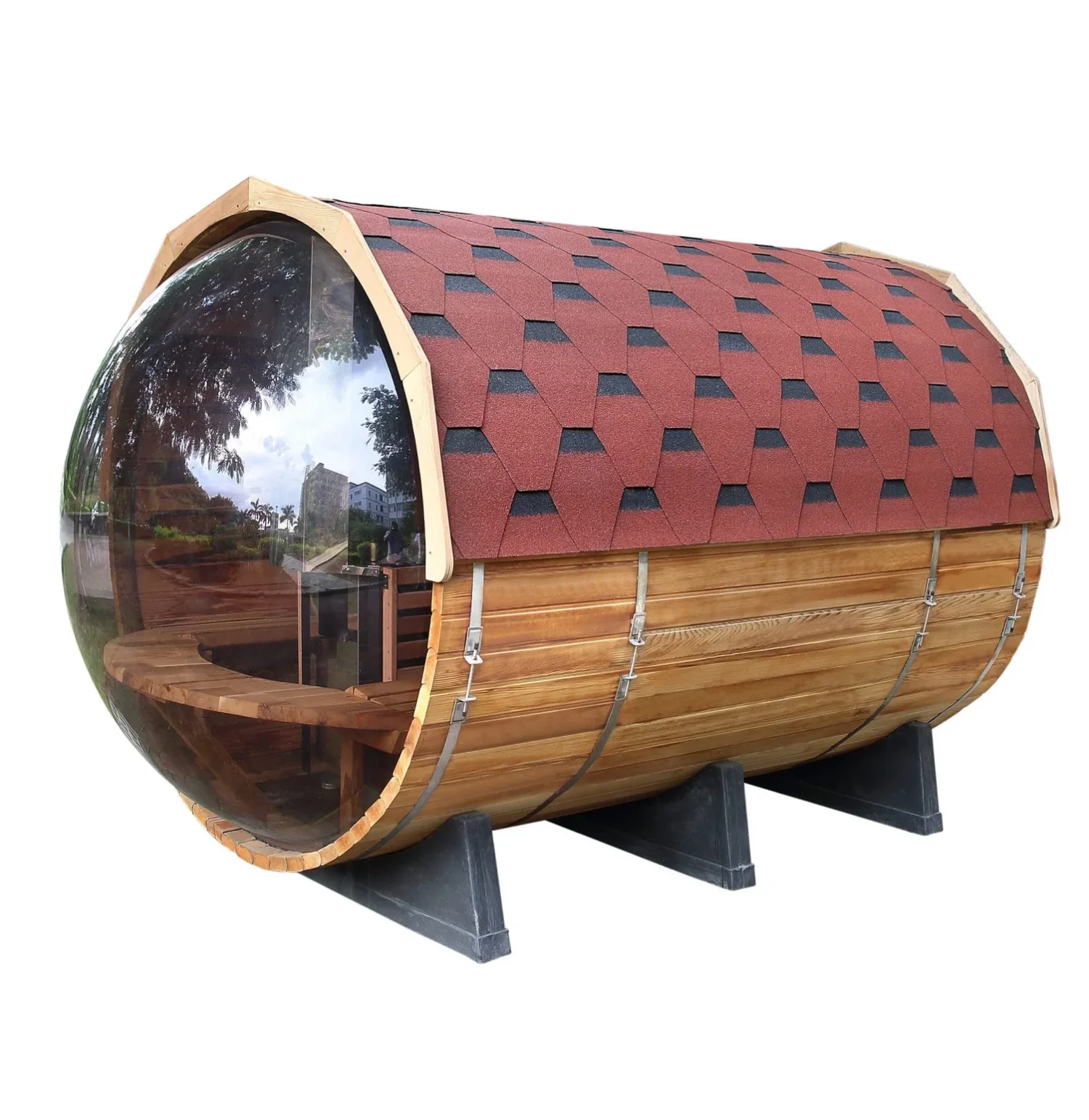
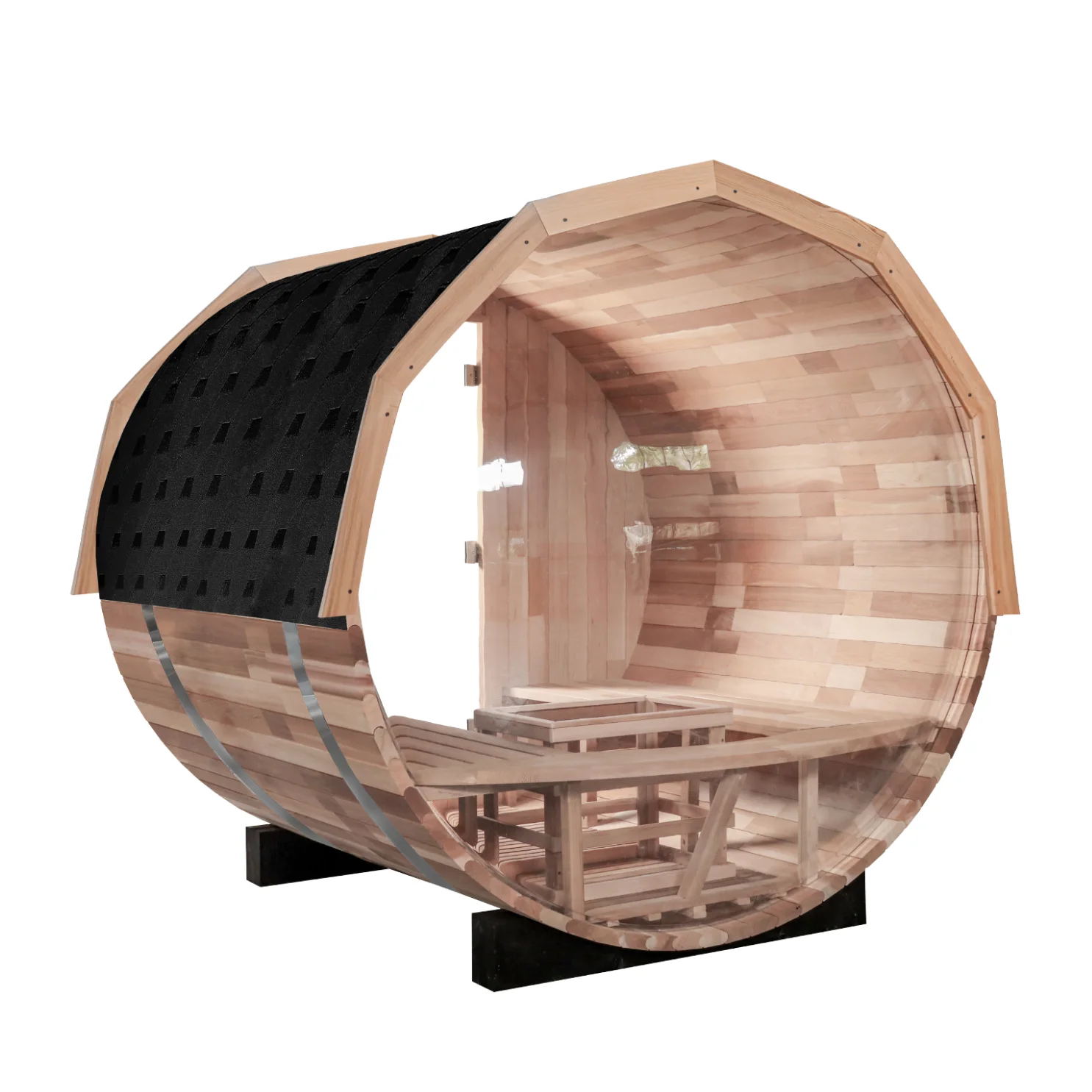
Traditional barrel saunas are also highly effective for post-workout recovery and add the option of multi-round sessions with cool-downs — a practice with strong cardiovascular conditioning benefits. Many Australians find the wood-fired atmosphere of a barrel sauna particularly restorative after a hard training session.
At Shym Saunas, we stock both infrared-compatible models and premium traditional barrel saunas — all designed for Australian conditions and backed by nationwide delivery.
Hydrate aggressively. Exercise already depletes fluids — sauna use compounds this. Drink at least 500ml to 1 litre of water before your post-workout sauna session and continue hydrating afterwards.
Don’t enter immediately after intense exercise. Allow 10 to 20 minutes for your heart rate to come down before your sauna session.
Avoid alcohol before, during, or after. Alcohol significantly impairs heat regulation and dramatically increases dehydration risk.
Don’t eat a large meal immediately before. Training or sauna use on a very full stomach is uncomfortable and can impair performance and recovery.
Listen to your body. If you feel dizzy, nauseous, or unusually fatigued at any point, exit the sauna immediately and rehydrate.
The verdict on sauna before or after a workout is clear: for most Australians, sauna after a workout delivers the strongest results — accelerating muscle recovery, reducing soreness, boosting growth hormone, improving circulation, and supporting better sleep. Used consistently as part of a structured training routine, the benefits of sauna post workout use compound meaningfully over time.
Pre-workout sauna sessions have their place — particularly for warming up stiff muscles or as a mental preparation tool — but should be kept short and moderate. And for the committed, a thoughtful before-and-after approach is an option worth exploring as your routine matures.
Ready to bring post-workout recovery into your own backyard? Explore Shym Saunas’ premium range of home saunas — shipped across Australia and New Zealand.
Browse our full sauna range →
For most people, using a sauna after a workout is more beneficial. The post-workout window is when the body is most receptive to heat-induced recovery — boosting circulation, clearing metabolic waste, reducing soreness, and amplifying growth hormone release. A pre-workout sauna session can help warm up muscles and improve flexibility, but should be kept short to avoid fatigue before training.
Allow 10 to 20 minutes after finishing your workout before entering the sauna. This gives your heart rate time to settle and reduces the compounded cardiovascular strain of going directly from intense exercise into a high-heat environment.
A post-workout infrared sauna session of 20 to 30 minutes at 50°C to 60°C is ideal for most people. In a traditional sauna, 15 to 20 minutes at 75°C to 90°C is recommended. Always prioritise hydration before, during, and after.
Yes. The increased blood flow triggered by sauna heat helps flush lactic acid and metabolic by-products from muscle tissue, reducing both the severity and duration of DOMS. Many regular sauna users report significantly less soreness in the 24 to 48 hours following hard training sessions.
Sauna use after a workout can support muscle building indirectly by accelerating recovery (allowing more frequent, higher-quality training sessions) and by triggering a synergistic release of human growth hormone — a key hormone in muscle repair and development. It should be seen as a powerful recovery tool, not a replacement for progressive training.
Yes, for healthy, well-conditioned individuals — provided both sessions are appropriately timed and hydration is managed carefully. Keep the pre-workout session short (10 to 12 minutes) and use the post-workout window for a longer, more therapeutic session. Monitor your body closely and don’t push through discomfort.
A quick rinse before your sauna session is good practice — it removes sweat and surface bacteria from your workout and helps prepare your skin for a clean, effective sauna sweat. A cool shower after the sauna helps close the pores, lower your body temperature, and leave you feeling refreshed.
Prioritise hydration above all else — drink at least 500ml of water before your sauna session. For nutrition, a light snack with protein and carbohydrates before your workout is fine. Avoid heavy meals immediately before training or outdoor sauna use. After your post-workout sauna session, a balanced meal with adequate protein supports muscle repair and recovery.
Both are effective, but infrared saunas have a practical advantage for post-workout recovery. Their lower ambient temperature (45°C to 65°C) is more comfortable when the body is already heat-stressed from exercise, while the deep-penetrating infrared heat still delivers the circulatory and tissue-level recovery benefits that matter most. Traditional saunas are also highly effective and offer the option of multi-round cool-down cycling.
Three to five post-workout sauna sessions per week is a well-supported frequency for meaningful recovery and health benefits. If you train five days a week, combining your sauna with three to four of those sessions is a practical and effective approach. Consistency over time delivers compounding results that far outweigh occasional intense sessions.