

Quick Answer
For an outdoor sauna in Australia, Western Red Cedar and quality Thermowood are two strong timber options, but they suit different priorities. Western Red Cedar is naturally durable and has a distinctive aroma. Thermowood is heat-treated to improve dimensional stability and resistance to moisture-related movement. Nordic spruce and hemlock are also used in sauna construction, but the exact grade, treatment, construction details and exposure conditions matter. Remember that the timber used inside the hot room has a different job from the exterior cladding, roof, base and surrounding deck. Choose the complete sauna construction system, not just the species name.
Introduction
Choosing timber is one of the decisions that shapes how an outdoor sauna looks, feels, and performs over time. In Australia, a sauna may be exposed to strong sun, rain, humidity, coastal air and changing temperatures. The right choice depends on where each timber component is used and how the sauna is designed, finished, installed, and maintained.
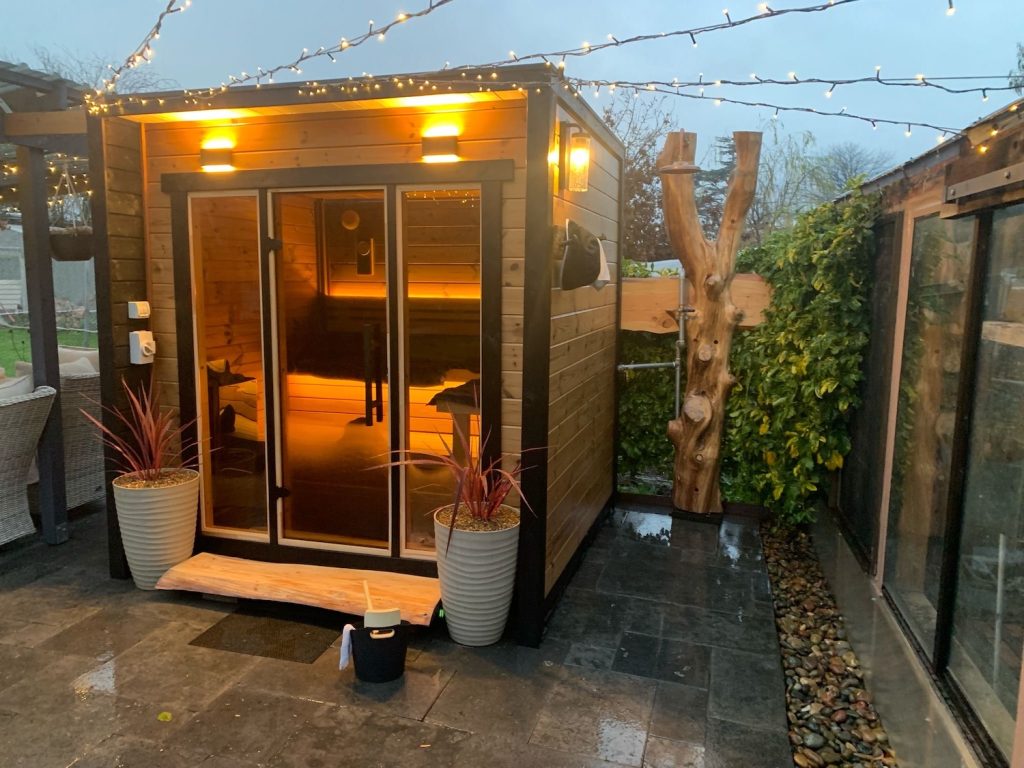
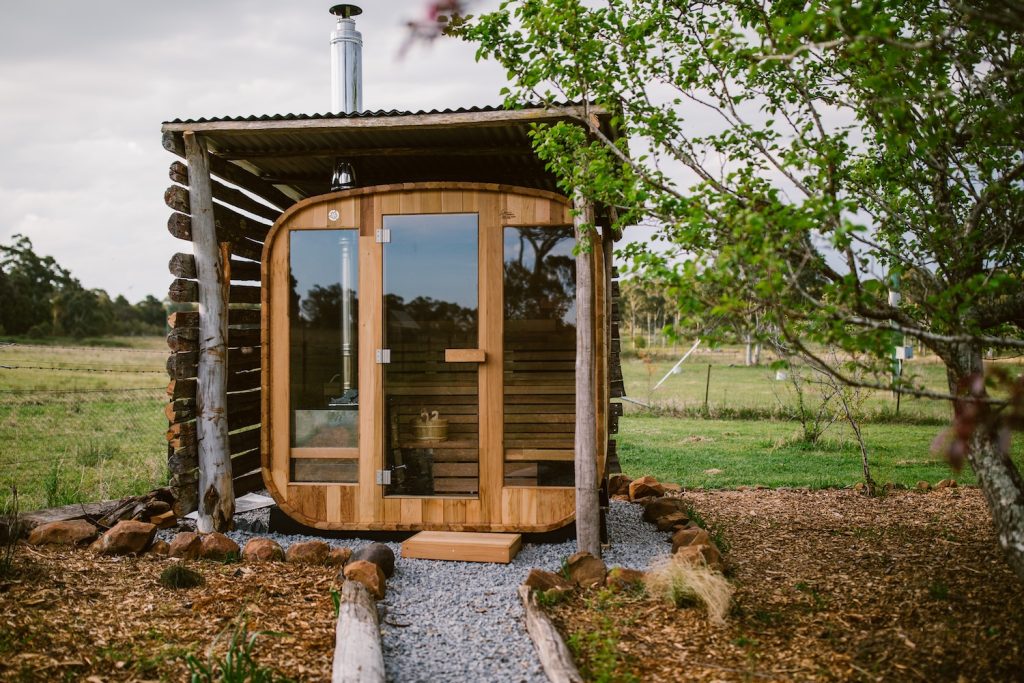
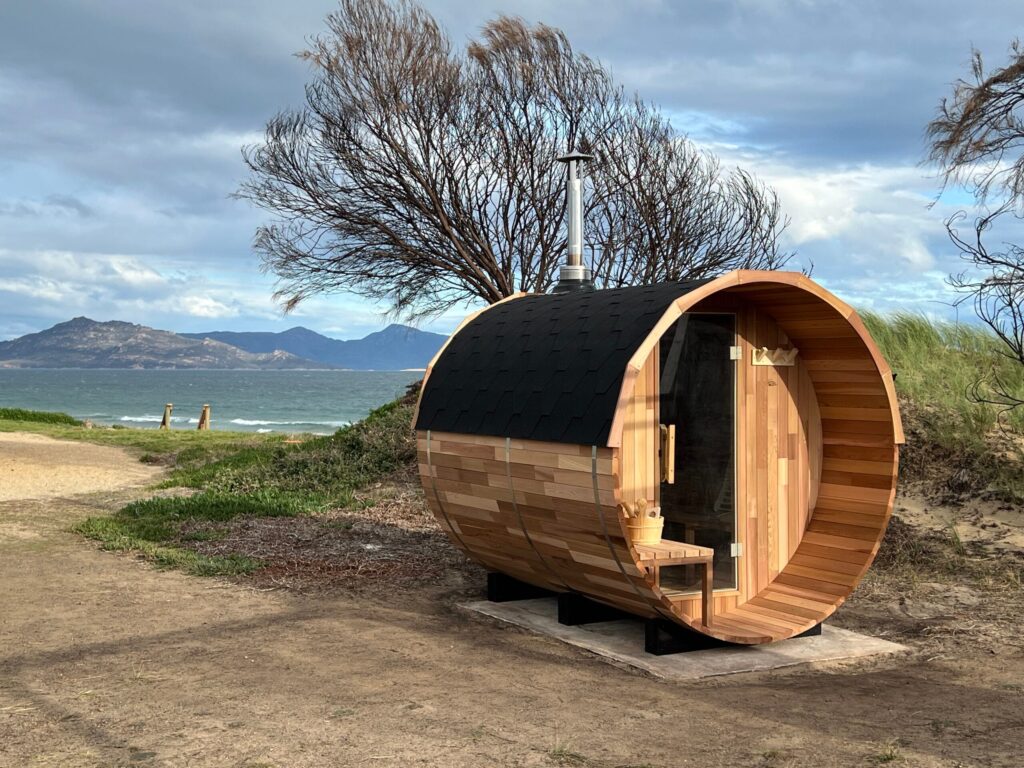
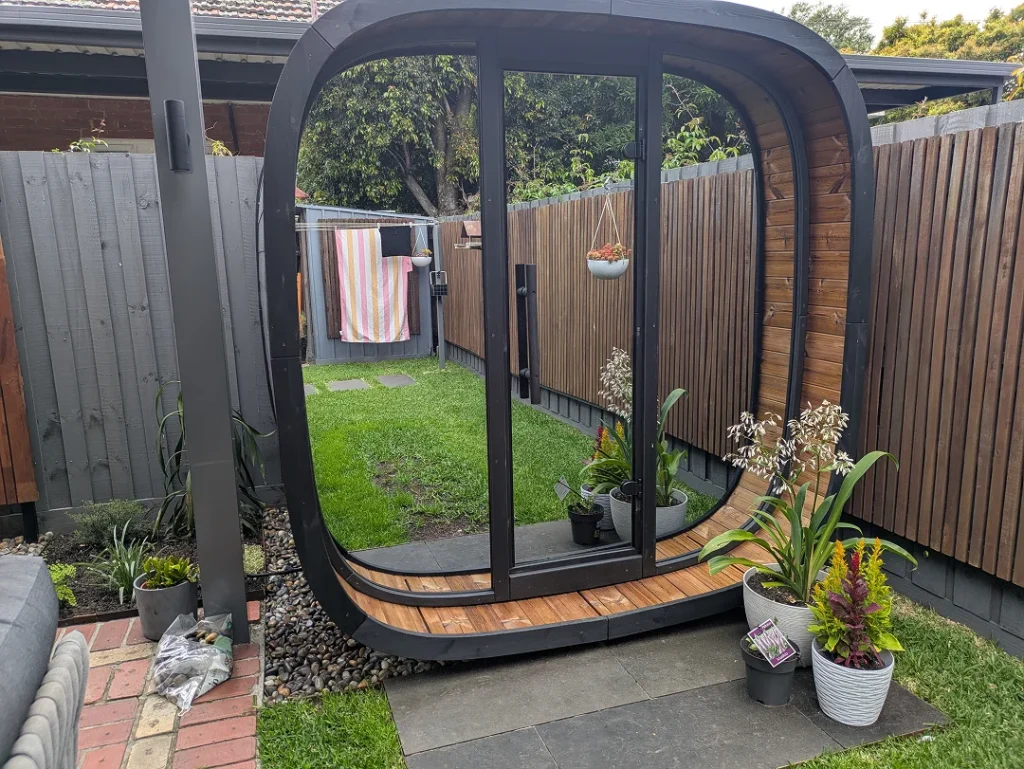
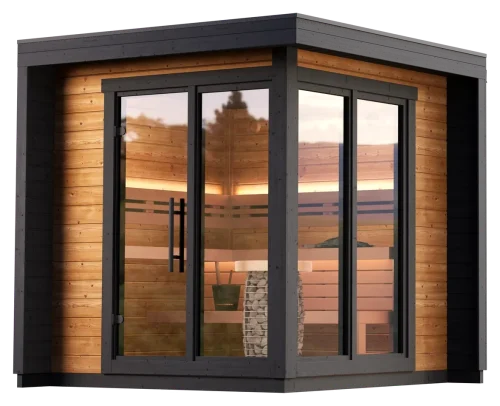
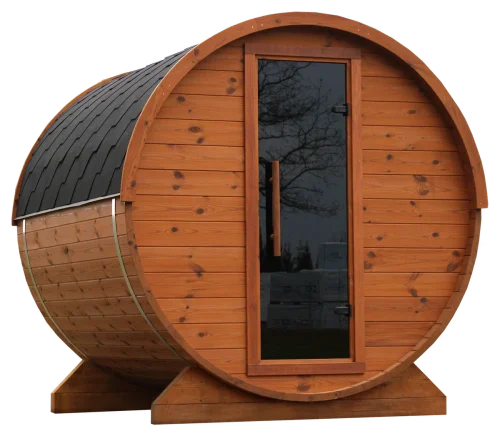
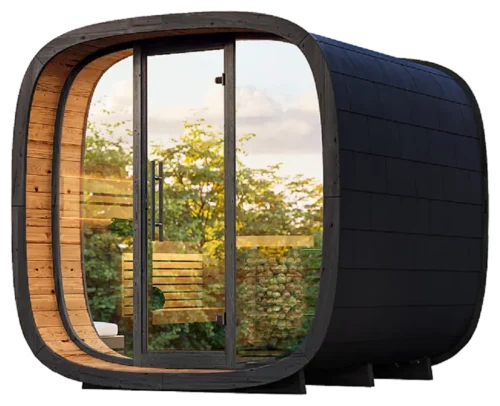
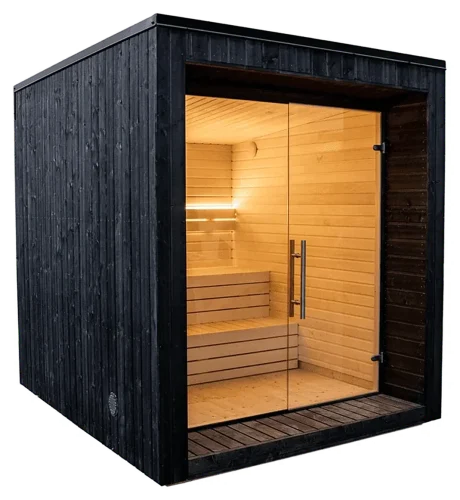
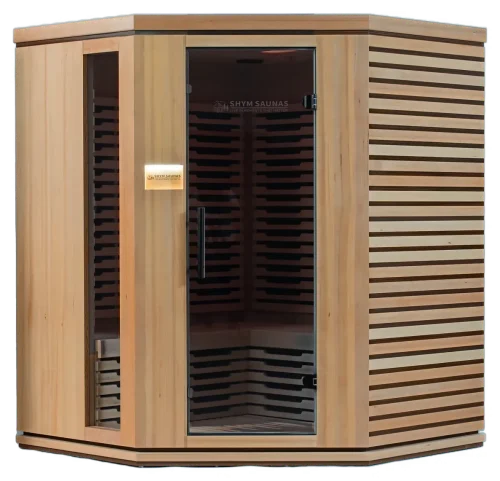
At Shym Saunas, we work with several timber options across our sauna range, including Thermowood (thermo-treated spruce and pine) in our Leil and thermo barrel saunas, Nordic spruce, Western Red Cedar, white and carbonised spruce, and Canadian hemlock in our infrared saunas. In this guide, we explain the differences that matter when choosing an outdoor sauna, from exterior cladding to the timber inside the hot room. For a broader comparison of 12 sauna wood types, including hot-room lining timbers, see our guide to the best wood for a sauna.
1. Start by separating exterior timber from hot-room timber
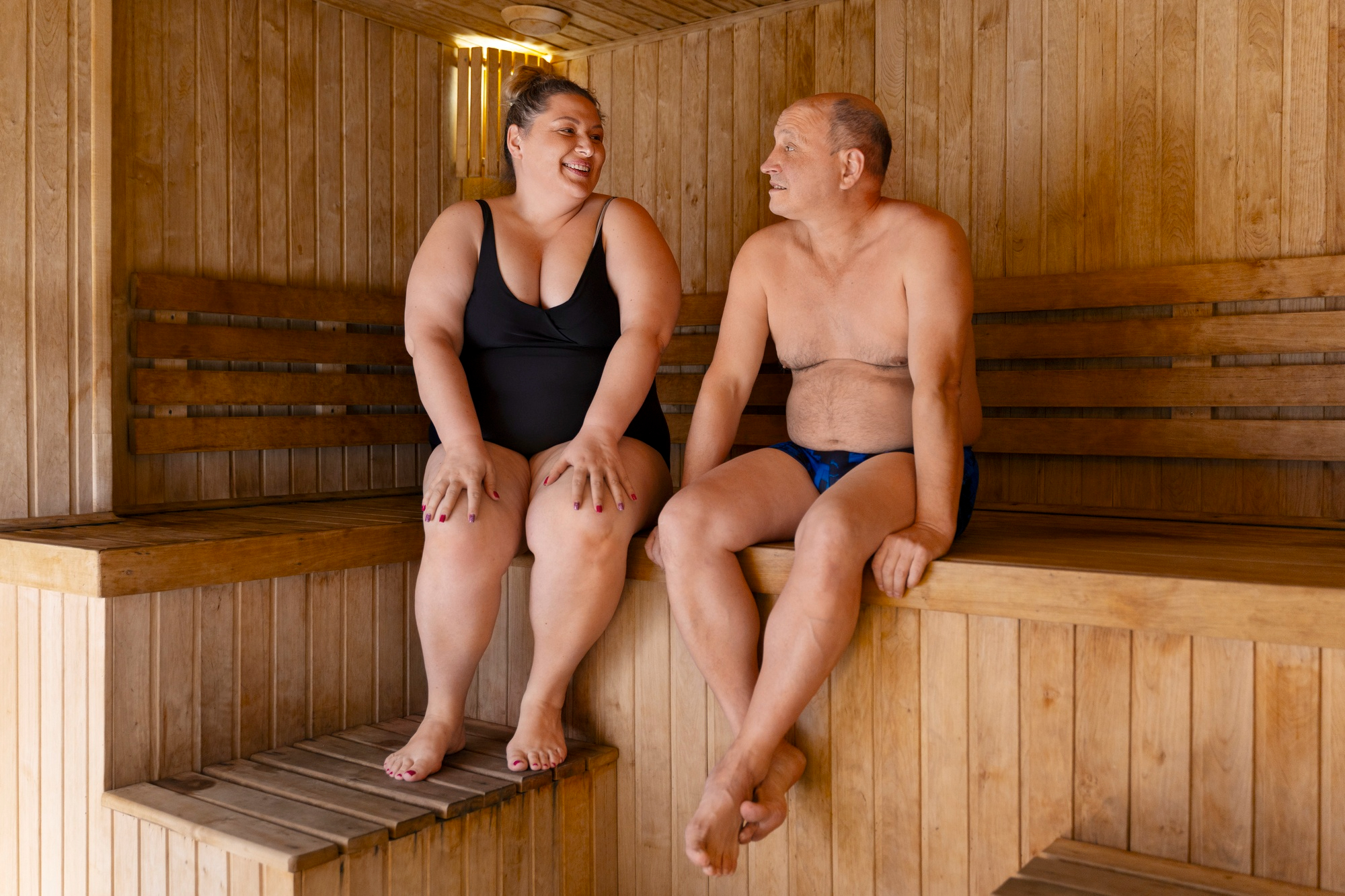
“Sauna timber” can refer to several different components. Exterior cladding faces the weather and needs suitable protection through the sauna’s design, detailing and maintenance. The hot-room lining is exposed to repeated heating and changes in humidity, so it needs to be suitable for sauna temperatures and comfortable to touch. Benches have direct skin contact and should be smooth, stable, and selected for low heat transfer. Decking, steps and the base are separate outdoor building components and should be chosen for their own structural and weather-exposure requirements.
A timber that is suitable for an exterior deck is not automatically suitable for the hot room. Likewise, a soft, comfortable bench timber is not necessarily the best choice for exterior cladding.
2. Western Red Cedar: a naturally durable premium option
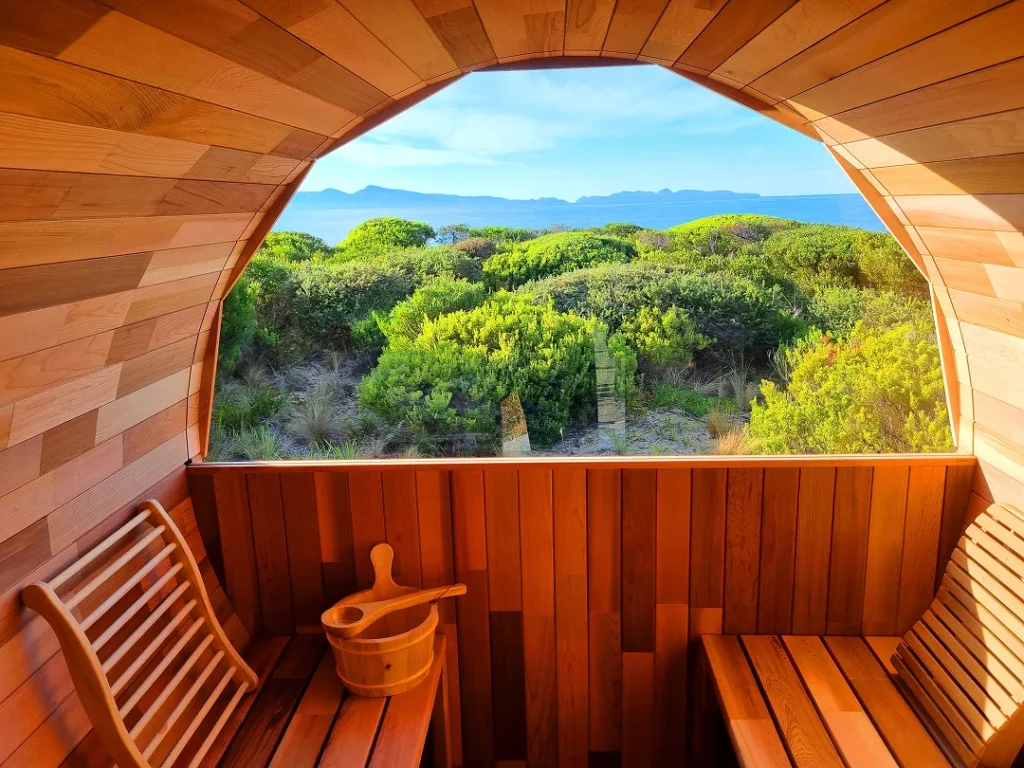
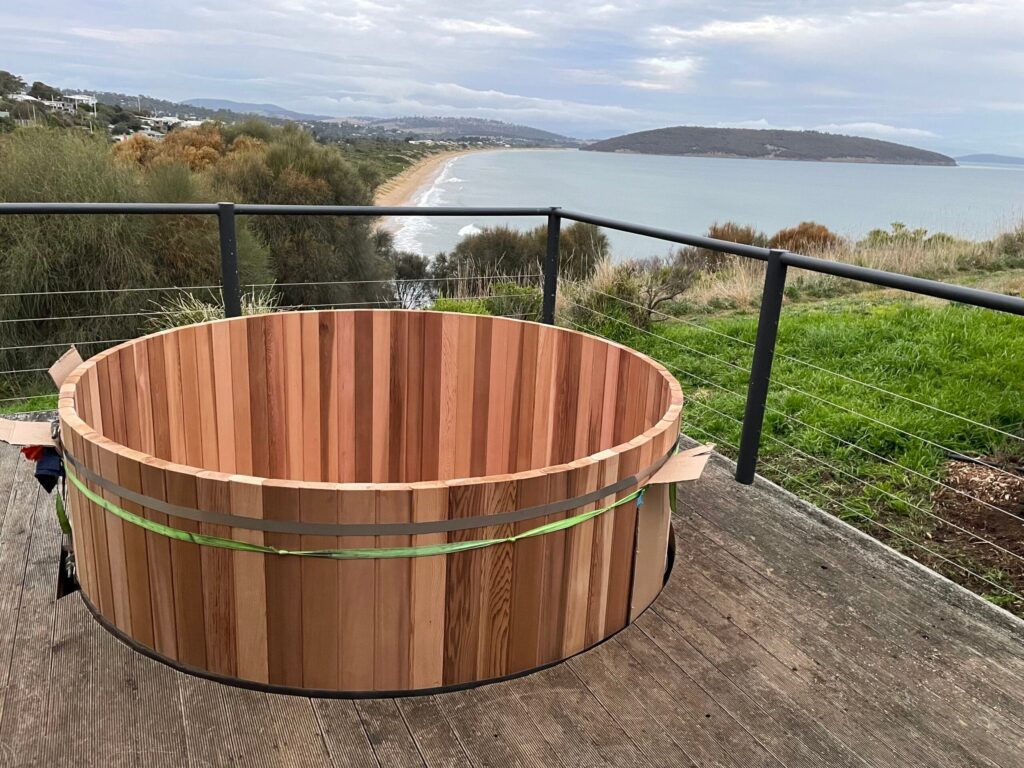
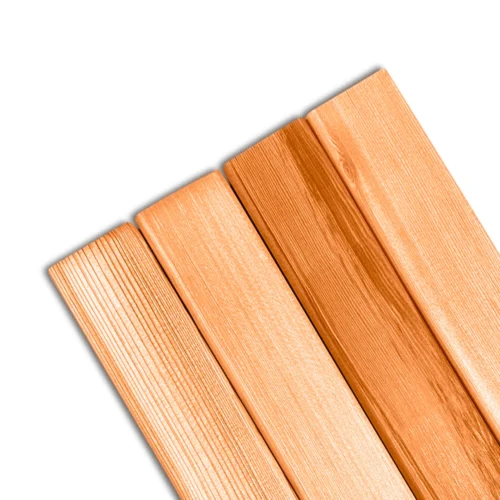
Western Red Cedar is valued for its natural resistance to decay, relatively low weight, warm colour and recognisable aroma. It is a popular choice for outdoor sauna construction where buyers want a traditional timber appearance and the character of cedar. Its natural durability is an advantage, but it does not make the sauna maintenance-free. Sun exposure can change its colour, and the complete structure still needs sensible detailing to shed water, allow drainage and limit prolonged moisture exposure.
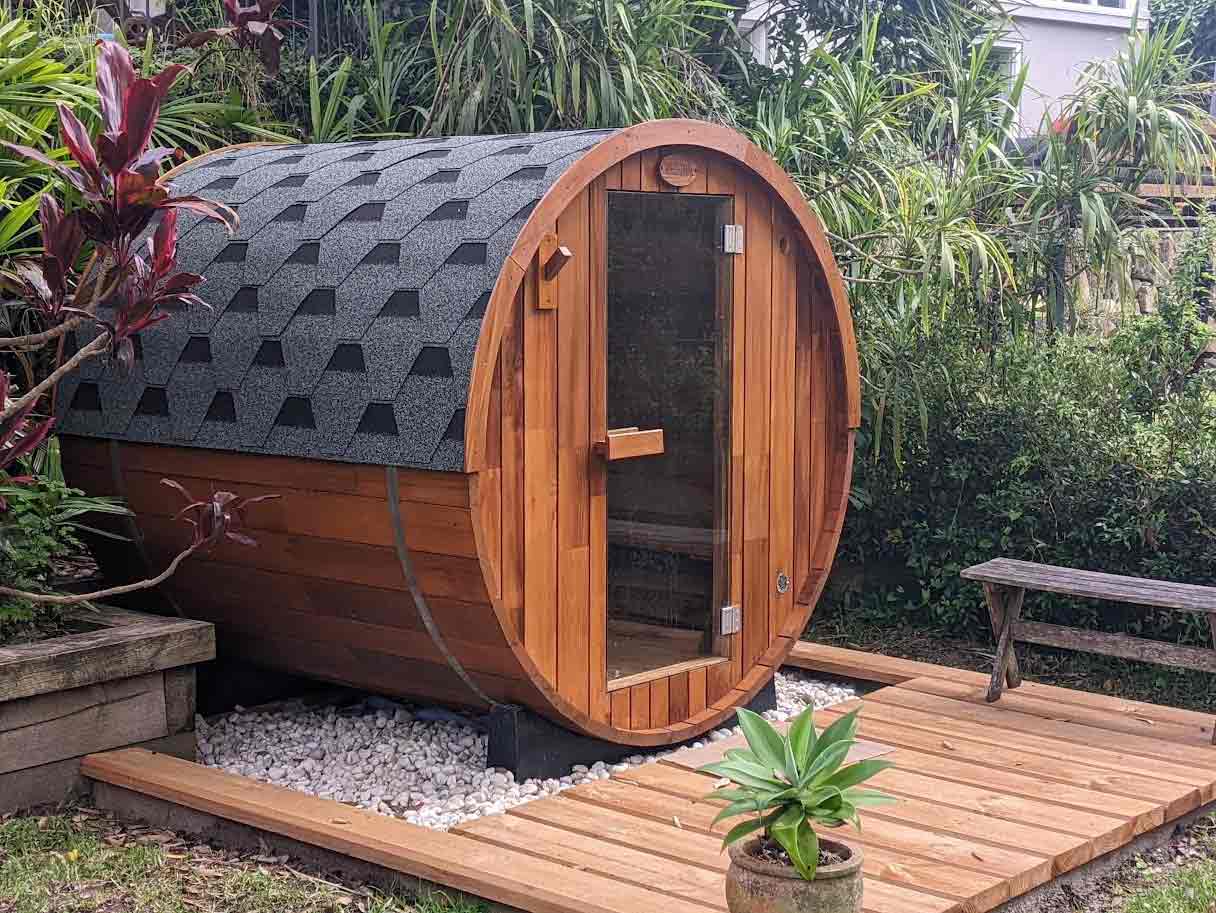
Choose cedar if you value its appearance and aroma and are comfortable with a premium timber option. Check whether the product specification identifies the timber grade and which parts of the sauna use cedar.
3. Thermowood: heat-treated timber for stability
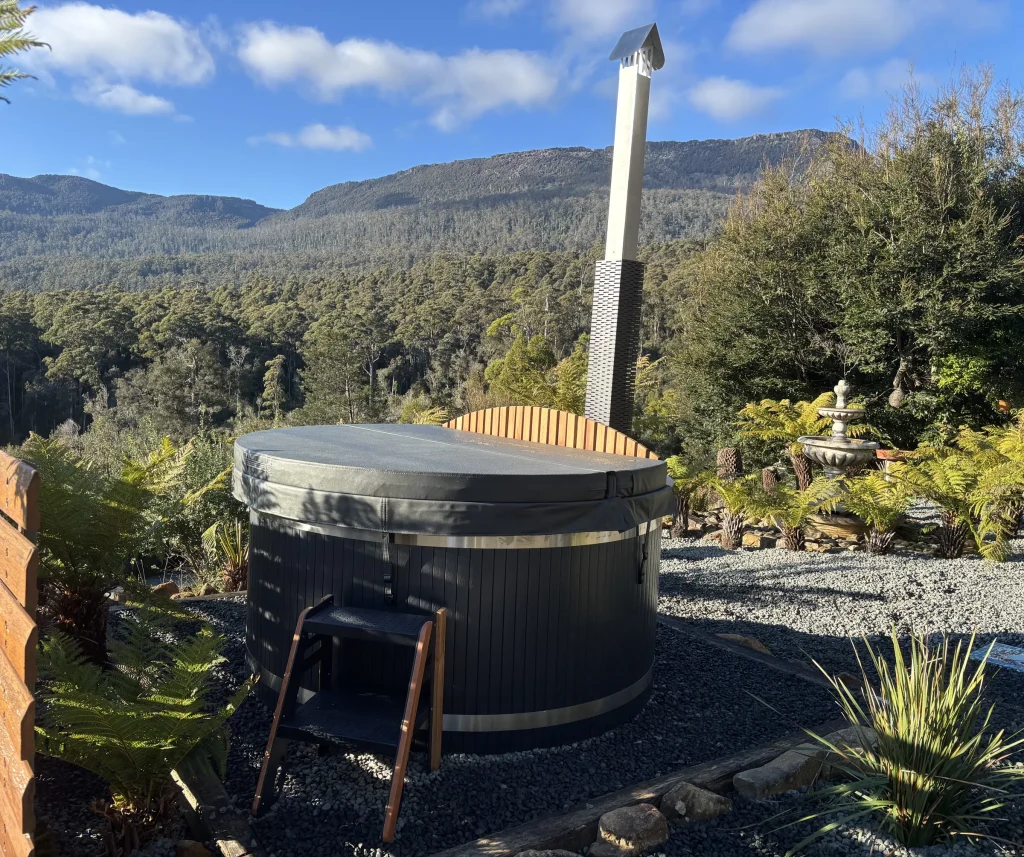
Thermowood is timber that has been modified through a controlled process using high temperatures and steam, without chemical treatment. The treatment changes the wood’s properties and can improve dimensional stability and reduce moisture absorption compared with the untreated source timber. Thermowood is used in outdoor sauna designs because stability is important when timber experiences changes in temperature and moisture.
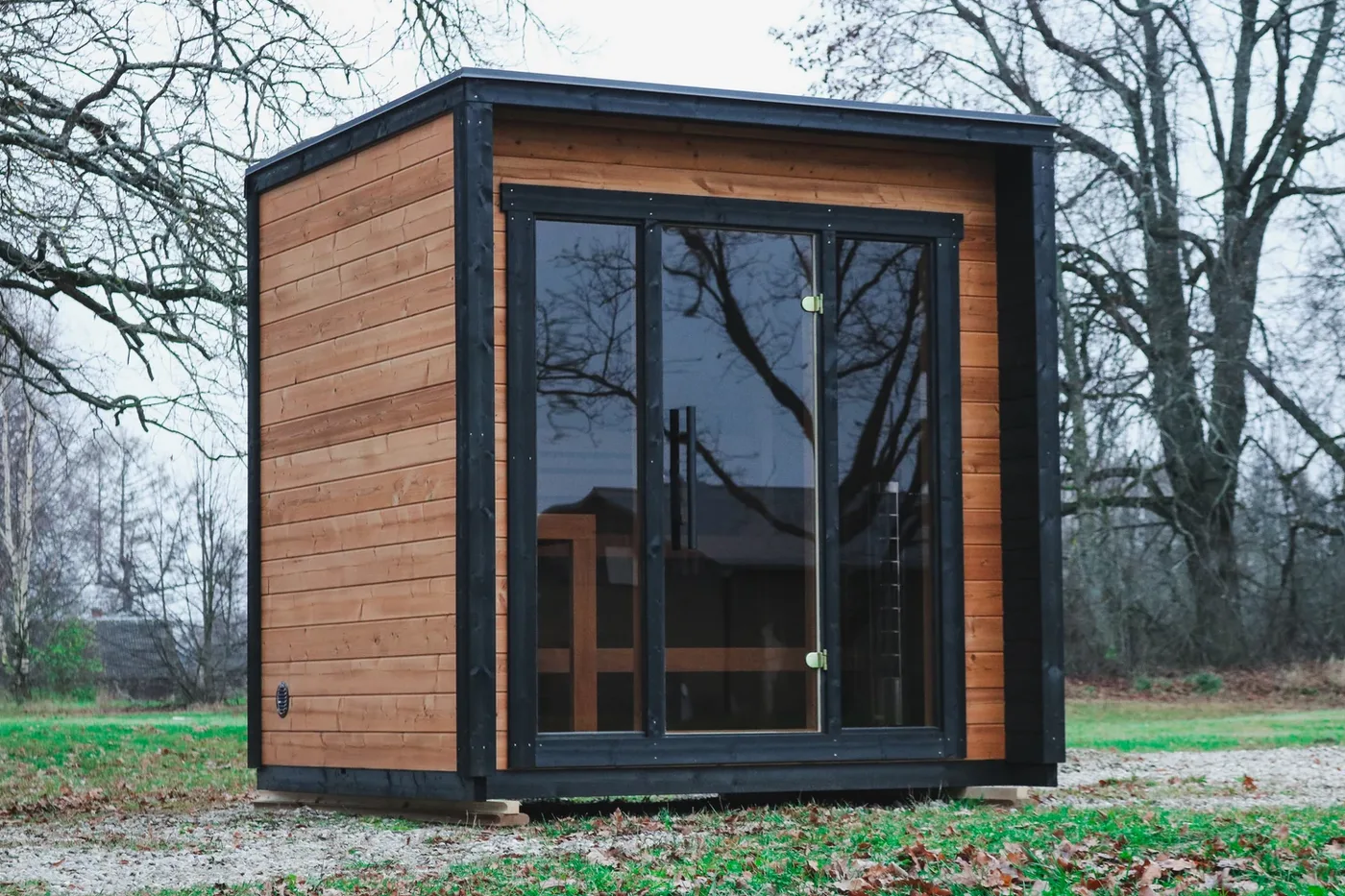
Thermowood is not one single species. Ask which species has been treated, what treatment specification applies and whether the product is intended for the exterior, hot-room lining or both. Do not assume every darkened or carbonised timber has the same performance as fully specified Thermowood. Thermally modified timber is also generally not termite-resistant without additional treatment, so ask how the base and surrounding area are protected where termites are a risk. For a closer comparison of the two most popular outdoor options, read our Thermowood vs Cedar guide.
4. Spruce and pine: understand the grade and treatment
Spruce is widely used in sauna construction, including Nordic-style designs. It is relatively light and has a clean, pale appearance. Pine is another common option, but knots and resin can be considerations in hot-room applications. For walls and ceilings, the grade and board selection matter; for benches and other skin-contact surfaces, choose timber specifically suited to sauna use. Thermally modified versions have different properties from untreated boards, so the product specification matters more than the generic species name.
For outdoor use, check how the exterior is protected from direct weather, how water drains away and what maintenance the manufacturer recommends. Do not assume untreated interior-grade spruce or pine is suitable as exposed exterior cladding.
5. Hemlock: a clean look for sauna interiors
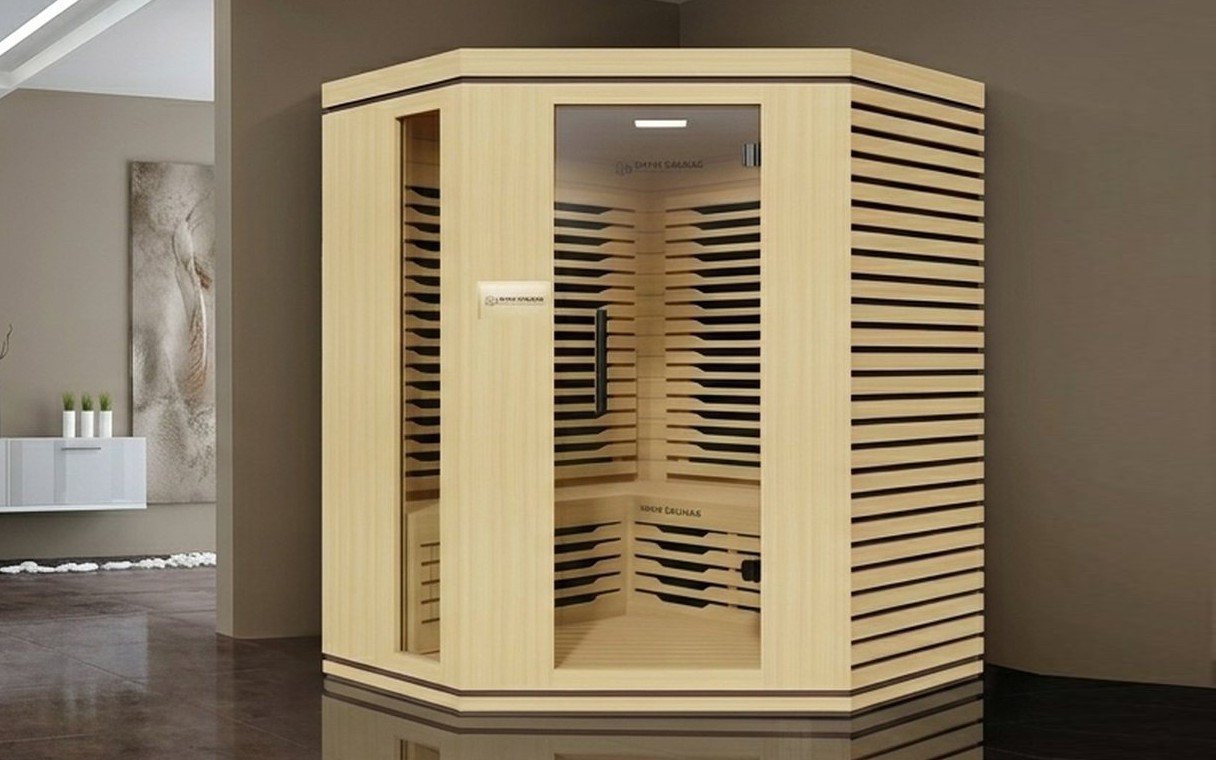
Canadian hemlock is often selected for its relatively uniform appearance and subtle scent. It is commonly used for sauna interiors. When considering an outdoor sauna made with hemlock, check which components use it and how the exterior is protected. A timber selected for the hot-room lining should not automatically be treated as an exterior-weathering specification. At Shym Saunas, Canadian hemlock is used in our Aura infrared saunas.
6. What about aspen and alder?
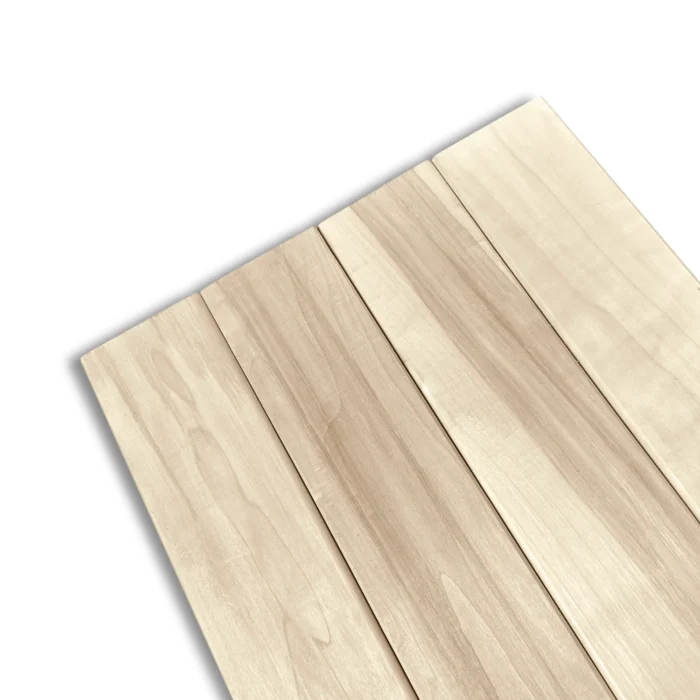
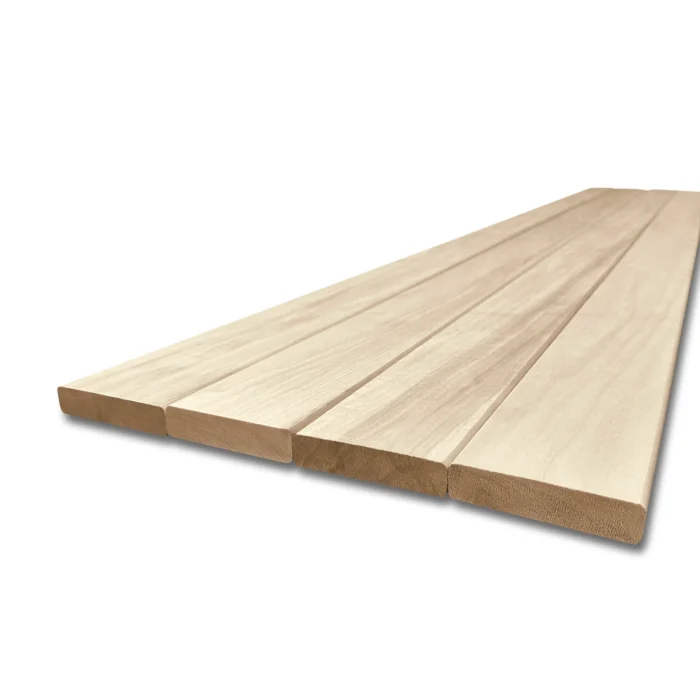
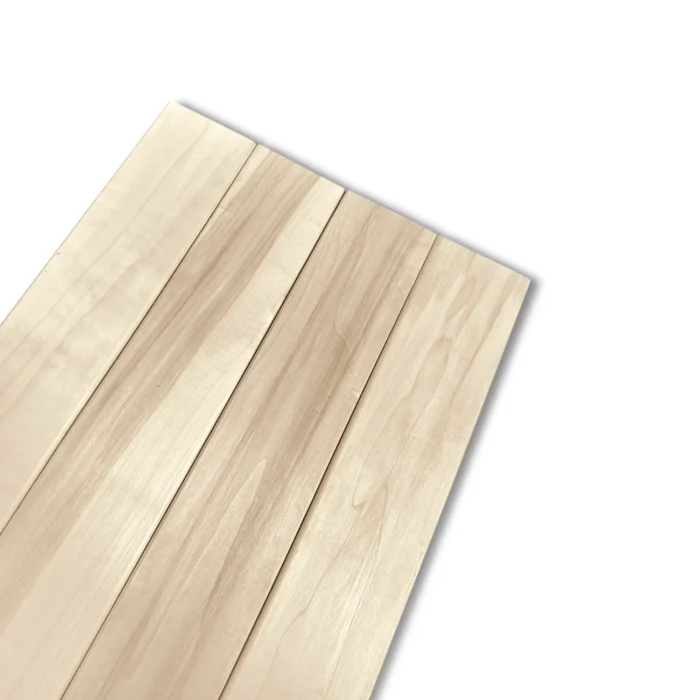
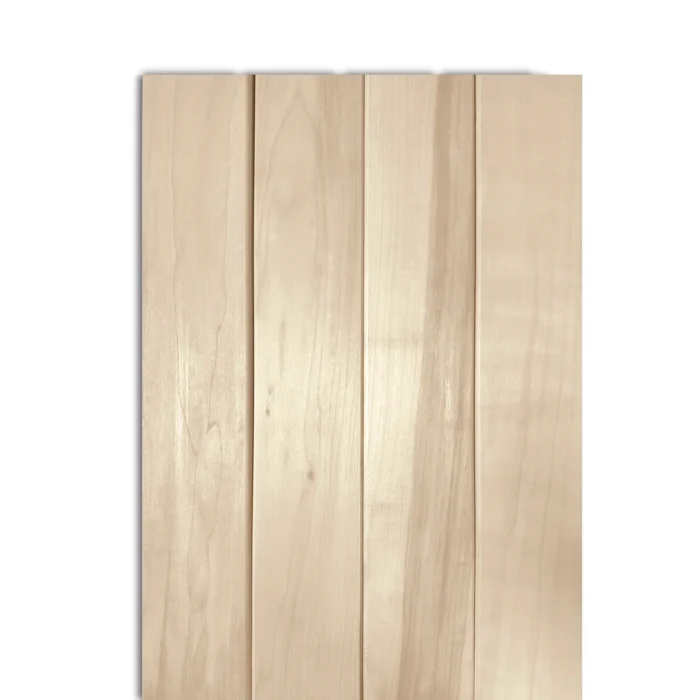
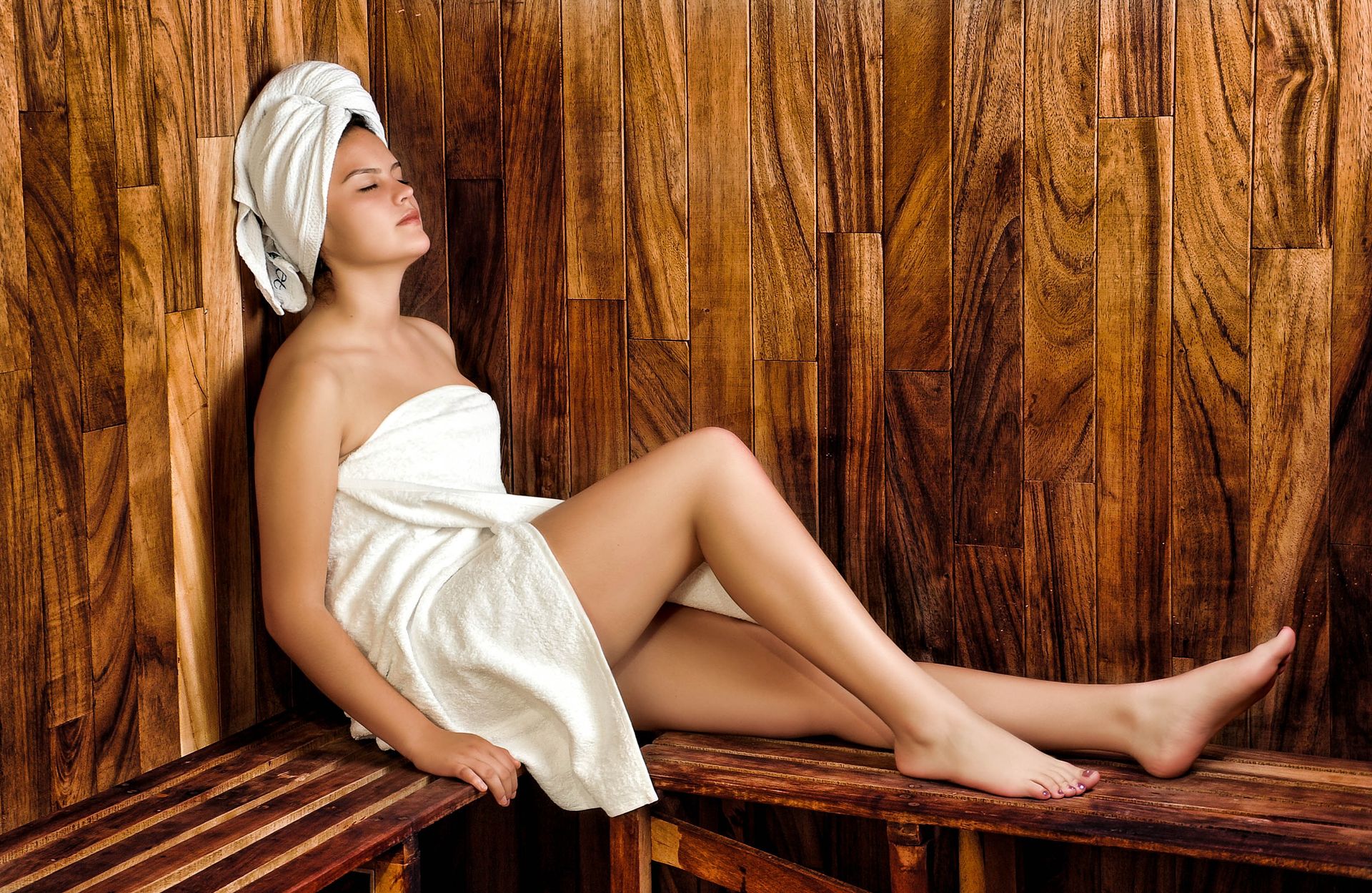
Aspen and alder are commonly used for sauna benches because they can provide a smooth surface with a comfortable feel at sauna temperatures. They are worth considering for seating and other interior contact surfaces. They are not automatically the best choice for exposed exterior cladding, where weather resistance, construction detailing and finish requirements are different. We also supply aspen sauna bench boards for DIY builds and bench upgrades.
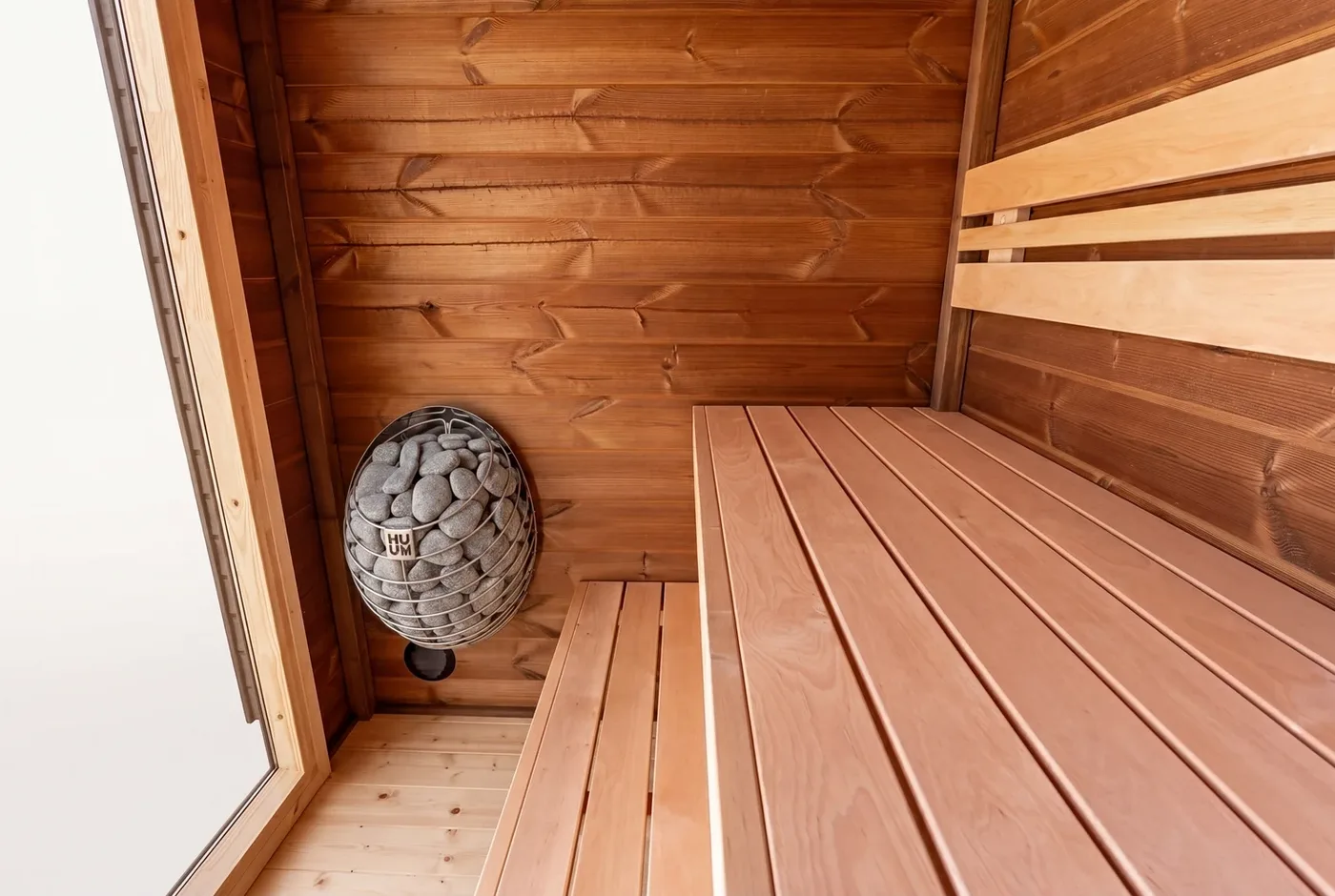
7. Timber comparison for outdoor sauna buyers
| Timber | Common sauna use | Main appeal | What to check |
|---|---|---|---|
| Western Red Cedar | Exterior and sauna construction, depending on model | Natural durability, warm appearance and aroma | Grade, component specification, water-shedding details and maintenance |
| Thermowood (e.g. treated spruce) | Outdoor sauna cladding and construction, depending on specification | Improved dimensional stability from heat treatment | Species, treatment specification, intended application and termite protection where relevant |
| Nordic spruce | Sauna walls and construction; treated versions may be used outdoors | Light colour, traditional appearance and availability | Grade, knots/resin, treatment and exterior exposure |
| Pine | Selected sauna construction and interior applications | Availability and cost | Knots/resin in hot areas; treatment and weather protection outdoors |
| Hemlock | Commonly used for sauna interiors | Uniform appearance and subtle scent | Whether it is specified for exterior exposure or only the hot room |
| Aspen / alder | Often used for benches and interior contact surfaces | Smooth feel and low-resin characteristics | Use the correct grade and keep application distinct from exterior cladding |
8. Australian outdoor conditions: the construction matters as much as the species
Timber selection is only one part of outdoor durability. Ask how the sauna is designed to manage rainwater, roof runoff, ground moisture, ventilation and clearance from surrounding surfaces. Consider the site’s sun exposure, prevailing weather and proximity to the coast. Salt-laden air can affect metal fixings and fittings, so the complete product specification matters. A well-chosen timber cannot compensate for poor drainage, water traps or unsuitable installation. Follow the manufacturer’s installation requirements for the base, drainage and clearances, and use a qualified installer where needed; our list of recommended sauna and hot tub installers can help.
Before buying, check the manufacturer’s care instructions and warranty conditions. Ask what routine cleaning is recommended, whether any exterior finish is required and which products must never be applied to the hot-room timber.
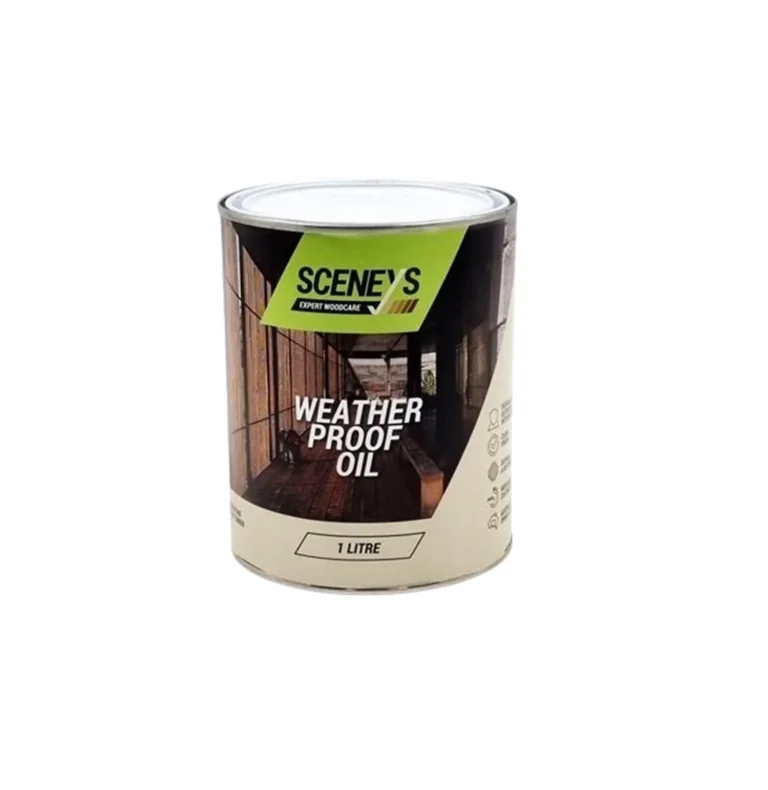
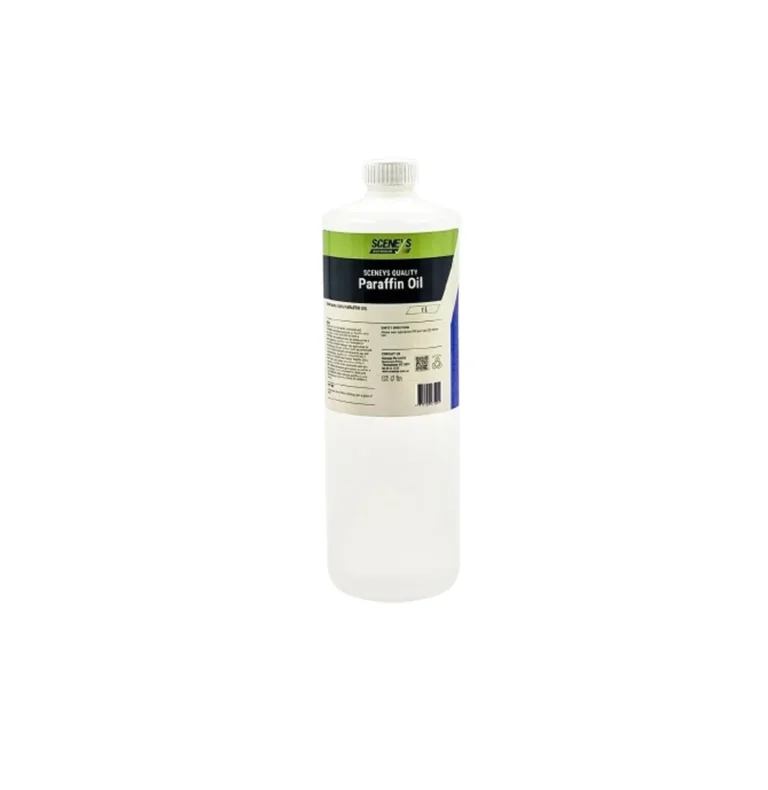
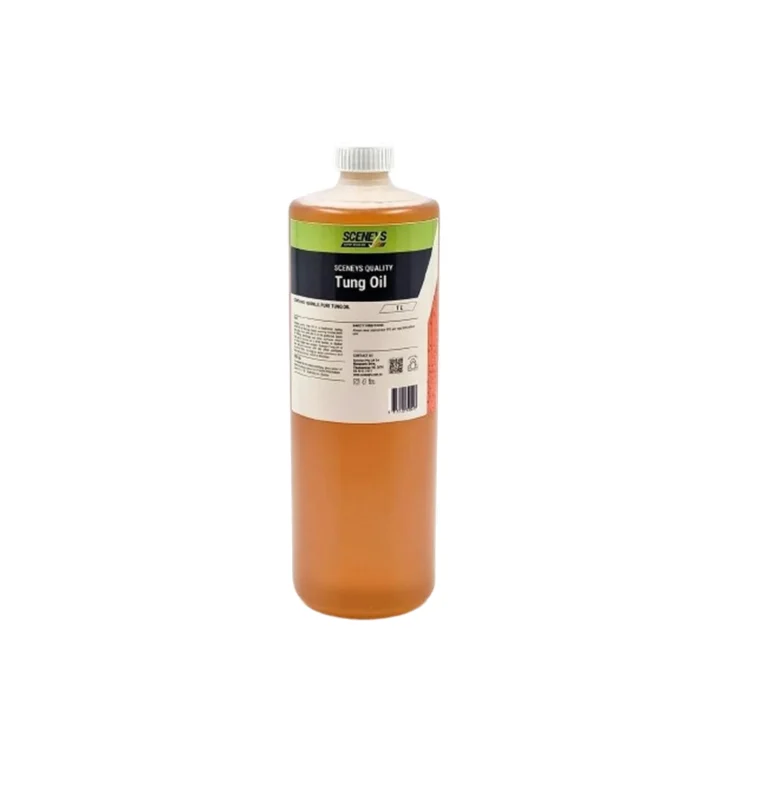
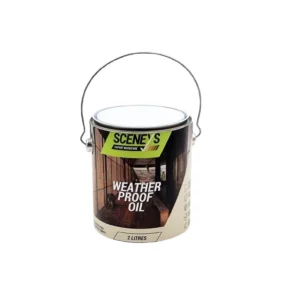
Our care recommendation: For the exterior, use any finish with UV protection, such as our WeatherProof Oil, and reapply it as the product directs. For the interior, use only food-grade paraffin oil, such as our Paraffin Oil (Interior Care), or tung oil. Never apply varnish, paint, sealers or exterior finishes inside the hot room. For application tips, see our guide to sauna paraffin oil.
9. Which timber should you choose?
- Choose Western Red Cedar if you want its natural colour, aroma and recognised durability, and are comfortable with a premium timber choice.
- Choose Thermowood if you prefer a heat-treated timber option and want the dimensional-stability benefits associated with the treatment. Confirm the species and specification.
- Consider spruce if you like a traditional, light-coloured sauna and the product uses an appropriate grade and exterior construction specification.
- Look at hemlock if you prefer a clean, relatively uniform interior finish and the manufacturer specifies it for the intended component.
- Choose aspen or alder for benches if the sauna design offers these as suitable smooth, comfortable interior seating materials.
10. Questions to ask before buying an outdoor sauna
- Which timber species is used for the exterior cladding, hot-room lining and benches?
- Is the exterior timber untreated, naturally durable, coated or thermally modified?
- If it is Thermowood, which species and treatment specification are used?
- How does the design manage rainwater, roof runoff and ground moisture?
- What maintenance is required for the exterior timber in my local climate?
- Are the fixings and fittings suitable for my site, particularly if it is coastal?
- Which cleaning or treatment products are suitable for the exterior and which are suitable for the hot room?
- What does the product warranty say about timber movement, weather exposure and maintenance?
Frequently Asked Questions
What is the best timber for an outdoor sauna in Australia?
Western Red Cedar and properly specified Thermowood are two strong options. Cedar offers natural durability and a distinctive appearance, while Thermowood is heat-treated to improve dimensional stability. The best choice depends on the full construction specification and site exposure.
Is cedar better than Thermowood for an outdoor sauna?
Neither is automatically best for every buyer. Cedar is naturally durable and aromatic. Thermowood is modified through heat treatment to improve stability. Compare the actual species, grade, treatment, construction, and maintenance requirements.
Does Thermowood rot?
Thermal modification can improve resistance to moisture-related movement and decay, but it does not make timber indestructible or remove the need for correct installation and maintenance. Keep water moving away from the structure and follow the manufacturer’s care instructions.
Can I use treated pine inside a sauna?
Do not assume general-purpose outdoor treated pine is suitable for the hot room. Use timber specified by the sauna manufacturer for high-temperature interior use and follow the product instructions.
Is Australian hardwood suitable for sauna benches?
Dense local hardwoods can become hot to touch and may have other characteristics that make them less suitable for hot-room seating. Use bench timber specifically selected for sauna temperatures and skin contact.
What is the best wood for sauna benches?
Aspen and alder are common choices because they provide smooth surfaces and are generally comfortable to touch at sauna temperatures. Check the timber specification and finish.
Does outdoor sauna timber need to be sealed?
Yes, but the exterior and the hot room need different products. Our recommendation: for the exterior, use a finish with UV protection and reapply it as the product directs. For the interior, use only food-grade paraffin oil or tung oil. Never apply exterior deck sealers, varnishes, paint or other coatings inside the hot room.
How do I protect an outdoor sauna from rain?
Choose a suitable location and follow the manufacturer’s installation requirements for the roof, drainage, base clearance, and water runoff. Keep the surrounding area drained and inspect the exterior as recommended.
Will cedar turn grey outdoors?
Unprotected cedar exposed to sunlight and weather can change colour over time. The rate and appearance depend on exposure and maintenance. Follow the manufacturer’s guidance if you want to retain a particular colour.
Is Thermowood maintenance-free?
No timber sauna should be described as maintenance-free. Thermowood can offer stability benefits, but the sauna still needs correct installation, inspection, and care.
Conclusion
The best timber for an outdoor sauna depends on where it is used and the conditions it will face. Western Red Cedar and Thermowood are two strong choices for outdoor sauna construction, while spruce, hemlock, aspen and alder each have roles in particular sauna components. Look beyond the species name: check the grade, treatment, construction details, drainage, fixings and care instructions. At Shym Saunas, we use different timber options across our sauna range, so compare the model specifications and choose the construction that suits your home and site.
Explore our outdoor sauna range to compare the timber options used across our models. If you are unsure which construction suits your property, contact the Shym Saunas team and we can help you review the product specifications.