















Inflammation is behind almost every major health complaint — chronic joint pain, stiff muscles, slow recovery after exercise, even cardiovascular issues. And more people are turning to heat therapy as a drug-free way to manage it.
But does a sauna actually help with inflammation, or is it just another wellness trend? The answer is more nuanced — and more encouraging — than most people expect. Let's break it down.
What Is Inflammation and Why Does It Matter?
Inflammation is your immune system's natural response to injury, infection, or stress. In small doses, it's essential — it helps your body heal.
The problem is chronic inflammation. When your body stays in a low-grade inflammatory state for weeks, months, or years, it can contribute to:
- Arthritis and joint pain
- Cardiovascular disease
- Muscle fatigue and slow recovery
- Autoimmune conditions
- Metabolic disorders
Managing inflammation is one of the most powerful things you can do for long-term health. And that's exactly where heat therapy — specifically sauna use — comes in.
If you're exploring holistic approaches to wellness, the Shym Sauna guides cover a wide range of science-backed benefits worth reading. You might also want to explore contrast therapy as a powerful complementary approach.
Does Sauna Reduce Inflammation?
Yes — regular sauna use has been shown to reduce markers of chronic inflammation. Multiple clinical studies have found that consistent heat exposure lowers levels of C-reactive protein (CRP) and other inflammatory markers in the bloodstream.
A landmark study published in JAMA Internal Medicine followed over 2,000 Finnish men for more than two decades and found that those who used saunas 4–7 times per week had significantly lower rates of inflammatory-linked cardiovascular disease compared to those who used them just once a week.
So yes — saunas do help with inflammation, and the more consistently you use one, the greater the anti-inflammatory effect appears to be.
Looking to start your own sauna routine at home? Browse the full range of saunas available at Shym Saunas or check out some of the best home sauna options in Australia to find what suits your lifestyle.
Infrared Sauna vs Traditional Sauna for Inflammation
Both infrared and traditional saunas can help reduce inflammation, but they work through slightly different mechanisms — and the experience feels quite different.
Traditional (Finnish) Sauna
- Heats the air to 70–100°C
- Uses convection and conduction heat
- Produces intense sweating quickly
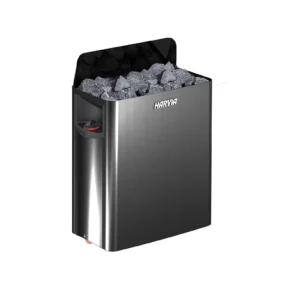
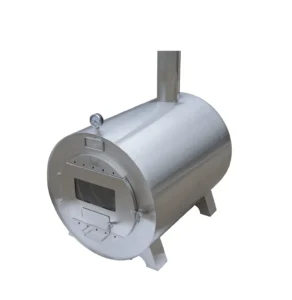
- Can be wood-fired or electric
- Strong cardiovascular and circulatory response
Infrared Sauna
- Operates at lower ambient temperatures (45–65°C)
- Uses infrared light to heat the body directly
- Penetrates deeper into tissue (up to 4–5 cm)
- Gentler experience, especially for beginners or those with heat sensitivity
- Often preferred for targeted muscle and joint inflammation
Both types stimulate heat shock proteins, improve circulation, and trigger anti-inflammatory responses — but infrared's deeper tissue penetration is often cited as a specific advantage for joint and muscle inflammation.
Still trying to decide? Read our full guide on infrared vs traditional saunas or explore what type of sauna is better for your specific needs.
Does Infrared Sauna Help With Inflammation Specifically?
Infrared saunas have received growing attention in clinical research specifically for their anti-inflammatory effects. Here's what the evidence shows:
Far infrared therapy has been studied in patients with rheumatoid arthritis and ankylosing spondylitis — both inflammatory conditions — with results showing reduced pain and stiffness with regular use.
A 2009 study in Clinical Rheumatology found that patients using infrared sauna reported significantly reduced pain and fatigue compared to controls, with no adverse effects reported.
Infrared saunas are particularly useful for people who:
- Have chronic joint or muscle inflammation
- Can't tolerate the high temperatures of a traditional sauna
- Are recovering from sports injuries or surgery
- Want deeper tissue warming without extreme heat
So to answer the question directly: yes, infrared saunas are good for inflammation — and the research supports this increasingly.
If you're interested in how infrared compares in terms of setup and cost, see our breakdown of how much it costs to build a sauna. You can also check out our sauna heater buying guide for choosing the right heating system.
How Does Sauna Reduce Inflammation in the Body?
Understanding the mechanism helps you appreciate just how powerful sauna therapy is. There are several pathways through which regular sauna use lowers inflammation:
1. Heat Shock Protein Activation
Heat exposure triggers the production of heat shock proteins (HSPs), which help repair damaged cells, protect healthy ones, and regulate the inflammatory response. HSPs essentially act as cellular first responders.
2. Improved Blood Circulation
Sauna use causes your blood vessels to dilate, dramatically increasing circulation. This helps flush out inflammatory byproducts from tissues and delivers oxygen-rich blood to joints and muscles.
3. Reduction in Cortisol and Stress Hormones
Chronic psychological stress is a major driver of systemic inflammation. Regular sauna sessions reduce cortisol levels and activate the parasympathetic nervous system — your "rest and digest" mode — which directly lowers inflammation.
4. Cytokine Regulation
Repeated heat therapy has been shown to modulate pro-inflammatory cytokines like TNF-α and IL-6, bringing them back into balance. These are the same inflammatory signalling molecules targeted by many anti-inflammatory medications.
5. Lymphatic System Stimulation
Sweating during a sauna session also supports lymphatic drainage, helping your body eliminate metabolic waste and toxins that can otherwise accumulate and promote inflammatory states.
For those also looking at muscle recovery specifically, read our guide on sauna for muscle recovery. And if you're comparing the benefits of different heat therapies, the hot tub vs sauna comparison is worth a look.
Can Sauna Cause or Increase Inflammation?
This is a fair question — and the honest answer is: in certain circumstances, yes, a sauna can temporarily increase inflammation.
Here's when that might happen:
- Using a sauna immediately after a hard workout: Intense exercise already creates acute inflammation. Adding heat right on top can amplify this short-term response. It's generally better to wait 20–30 minutes post-exercise before using the sauna.
- Using the sauna when already ill: If you're dealing with an active infection or fever, heat can stress the immune system further. Rest first.
- Overuse without recovery time: Daily sauna use with no rest days or inadequate hydration can push your body into a state of heat stress — which may temporarily elevate inflammatory markers.
- Pre-existing autoimmune flare-ups: During an active autoimmune flare, sauna heat can sometimes aggravate symptoms. Always consult your doctor first.
The key word is temporary. For healthy individuals using a sauna correctly and consistently, the net effect is strongly anti-inflammatory over time. Sauna does not inherently cause inflammation — but like any therapy, timing and moderation matter.
Want to understand the best time to use your sauna relative to exercise? Read our post on sauna before or after exercise. You can also check our advice on how to use a sauna correctly for maximum benefit.
What Type of Sauna Is Best for Inflammation?
There's no single "best" sauna for inflammation — it depends on your specific condition, lifestyle, and preferences. Here's a quick guide:
For General Systemic Inflammation
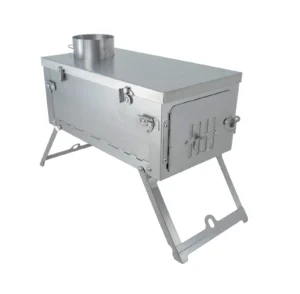
A traditional Finnish sauna — wood-fired or electric — produces the strongest cardiovascular and heat shock protein response. Ideal for those without heat sensitivity and looking for a full-body anti-inflammatory effect.
Explore our spruce log saunas or the popular Union Series saunas for traditional-style options.
For Joint and Muscle Inflammation
An infrared sauna is arguably better here due to its deeper tissue penetration. It's gentler and particularly suited to arthritis, fibromyalgia, or post-injury recovery. Browse our Como indoor sauna series for great infrared-compatible indoor options.
For Outdoor Lifestyle and Recovery
A barrel sauna — especially a wood-fired one — offers a great combination of authentic heat and outdoor wellness. The natural setting also helps reduce stress, a key inflammation driver.
Check out our range of round barrel saunas and square barrel saunas for outdoor options.
For Budget-Conscious Beginners
A sauna tent or portable unit can be a surprisingly effective starting point. You get the anti-inflammatory benefits at a fraction of the cost while you decide if you want to invest in something permanent.
Browse our sauna tent options to get started without a big commitment. Also check out our guide to sauna kits for home for more entry-level paths.
Tips for Using a Sauna to Help With Inflammation
Getting the most anti-inflammatory benefit from sauna sessions comes down to consistency and technique. Here's what works:
- Frequency: Aim for 3–4 sessions per week. The research consistently shows that more frequent use produces greater inflammatory marker reductions.
- Duration: 15–25 minutes per session is the sweet spot for most people. Beginners should start at 10–15 minutes and build up.
- Temperature: For traditional saunas, 70–90°C is effective. For infrared, 45–60°C. Consistent moderate heat beats occasional intense heat.
- Hydration: Drink 500ml of water before your session and rehydrate well afterward. Dehydration can blunt the anti-inflammatory response.
- Timing relative to exercise: Post-workout sauna (20–30 minutes after) supports recovery and reduces delayed-onset muscle soreness (DOMS).
- Cooling down: Allow your body to cool naturally or use a cold shower after. This temperature cycling amplifies the circulatory benefits.
For a more detailed morning wellness routine, see our guide on ways to use your sauna in the morning. If you're thinking about the best time of day for sessions, our guide on the best time for sauna covers this thoroughly. And for a relaxing pre-sleep routine, check out our post on using a sauna before bed.
Combining Sauna With Cold Plunge for Better Anti-Inflammatory Results
If sauna alone is good for inflammation, combining it with a cold plunge takes the benefits to another level. This practice — known as contrast therapy — alternates between heat and cold exposure to dramatically amplify circulatory and immune responses.
Here's what the combination does:
- Heat dilates blood vessels and increases blood flow
- Cold causes vasoconstriction, flushing blood back towards the core
- This "pump" effect accelerates the removal of inflammatory waste from tissues
- Cold exposure also triggers norepinephrine release — a powerful natural anti-inflammatory hormone
Studies on contrast therapy have shown significant reductions in muscle soreness, joint stiffness, and systemic inflammatory markers — often greater than either heat or cold alone.
A typical protocol: 15 minutes in the sauna, 2–3 minutes in a cold plunge, repeated 2–3 times. Learn more in our full sauna and cold plunge routine guide.
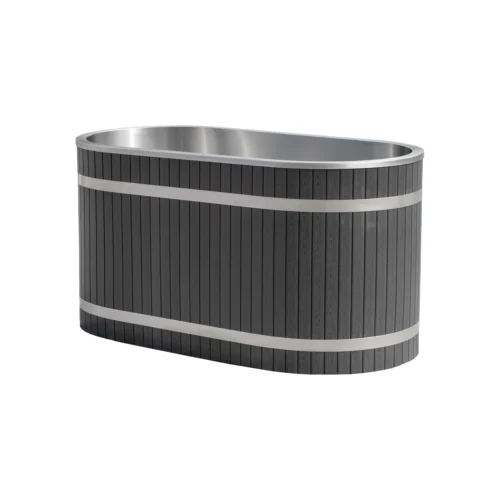
If you're looking to add cold therapy to your setup, explore our range of cold plunge tubs and read about the full benefits of cold plunge therapy.
Frequently Asked Questions
Does sauna help with inflammation in the body?
Yes. Regular sauna use has been shown to reduce systemic inflammation by lowering C-reactive protein (CRP), modulating pro-inflammatory cytokines, and activating heat shock proteins that regulate the immune response. Both traditional and infrared saunas produce this effect with consistent use.
Is infrared sauna good for inflammation?
Infrared saunas are particularly effective for inflammation, especially joint and muscle inflammation. Infrared light penetrates 4–5 cm into tissue, delivering therapeutic heat directly to inflamed areas. Clinical studies have found benefits for conditions like rheumatoid arthritis and fibromyalgia.
Can sauna cause inflammation?
In rare circumstances — such as using the sauna during an active illness, immediately after intense exercise, or in excessive frequency without recovery — sauna can temporarily elevate acute inflammatory markers. However, for healthy users following appropriate guidelines, sauna use is strongly anti-inflammatory over time.
Does dry sauna help with inflammation?
Yes. A dry sauna (traditional Finnish-style, typically 70–100°C with low humidity) creates a strong heat response that activates heat shock proteins, improves circulation, and reduces chronic inflammatory markers. The dry heat environment produces a more intense cardiovascular response compared to infrared.
What type of sauna is best for inflammation?
It depends on the type of inflammation. For systemic, whole-body inflammation, a traditional Finnish sauna (wood-fired or electric) produces the strongest overall response. For joint and muscle-specific inflammation, infrared saunas offer deeper tissue penetration. Either used consistently will produce meaningful anti-inflammatory benefits.
How often should I use a sauna to reduce inflammation?
Research suggests that 3–4 sessions per week of 15–25 minutes each is the effective threshold for measurable reductions in inflammatory markers. More frequent use (up to daily) continues to show benefits for healthy individuals, provided they stay well hydrated and allow adequate recovery.
Does sauna help with inflammation after exercise?
Yes, particularly when used 20–30 minutes after a workout session. Post-exercise sauna use has been shown to reduce delayed-onset muscle soreness (DOMS), speed up the clearance of lactic acid, and lower exercise-induced inflammatory markers — making it a powerful recovery tool for athletes and active individuals.
Is sauna bad for inflammation in people with autoimmune conditions?
Sauna can be beneficial for many people with autoimmune conditions, particularly those involving joint inflammation like rheumatoid arthritis. However, it's important to avoid sauna during active flare-ups and always consult your healthcare provider before starting a heat therapy routine if you have an autoimmune diagnosis.